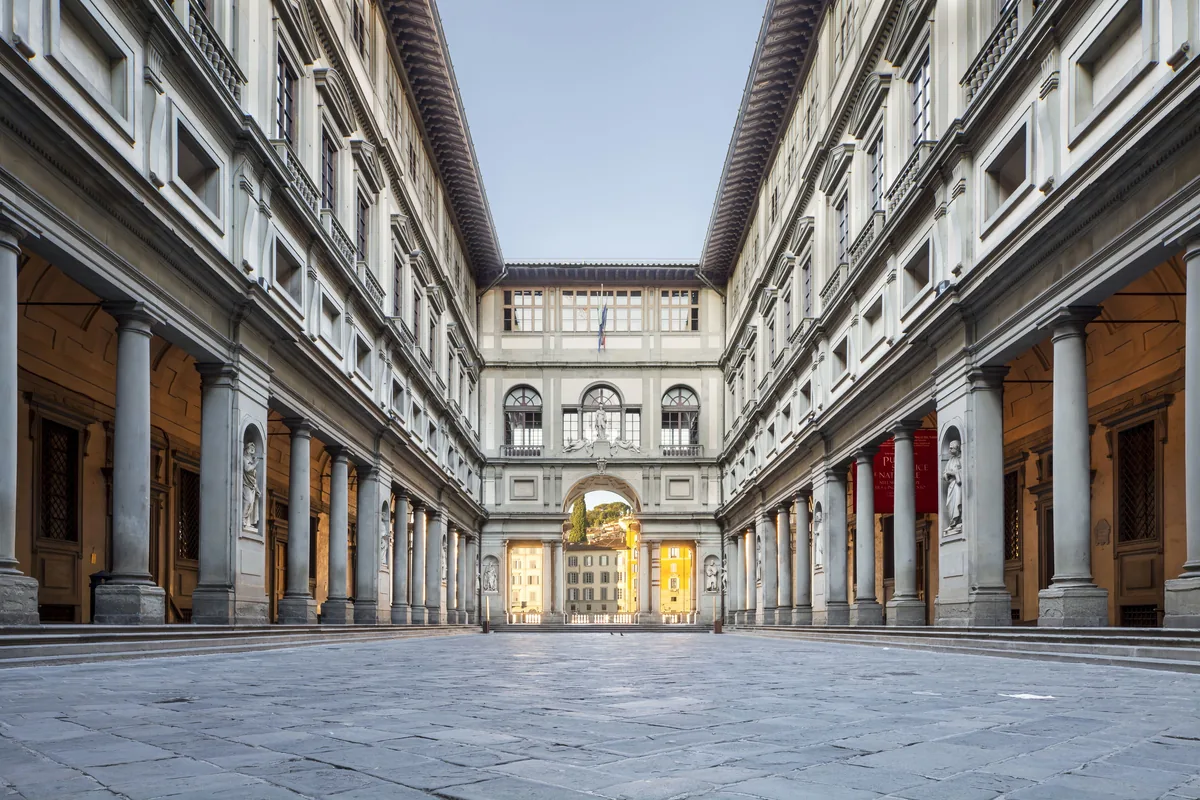
“In 1824, a king in Northern Italy bought a collection of statues so large that a French archaeologist famously declared, 'The road to Memphis and Thebes passes through Turin.'”
About Museo Egizio
Turin’s obsession with Egypt predates the museum; locals in the 16th century claimed the city was actually founded by an Egyptian prince. The Drovetti collection provided the scholarly foundation that allowed Jean-François Champollion to refine his decipherment of hieroglyphics here. During World War II, the most precious items were moved to the basement to protect them from air raids, while the building itself suffered minor damage. A massive renovation completed in 2015 transformed the museum from a traditional 'cabinet of curiosities' into a world-class research institution, utilizing the latest in DNA analysis and 3D scanning to tell the stories of the people behind the mummies.
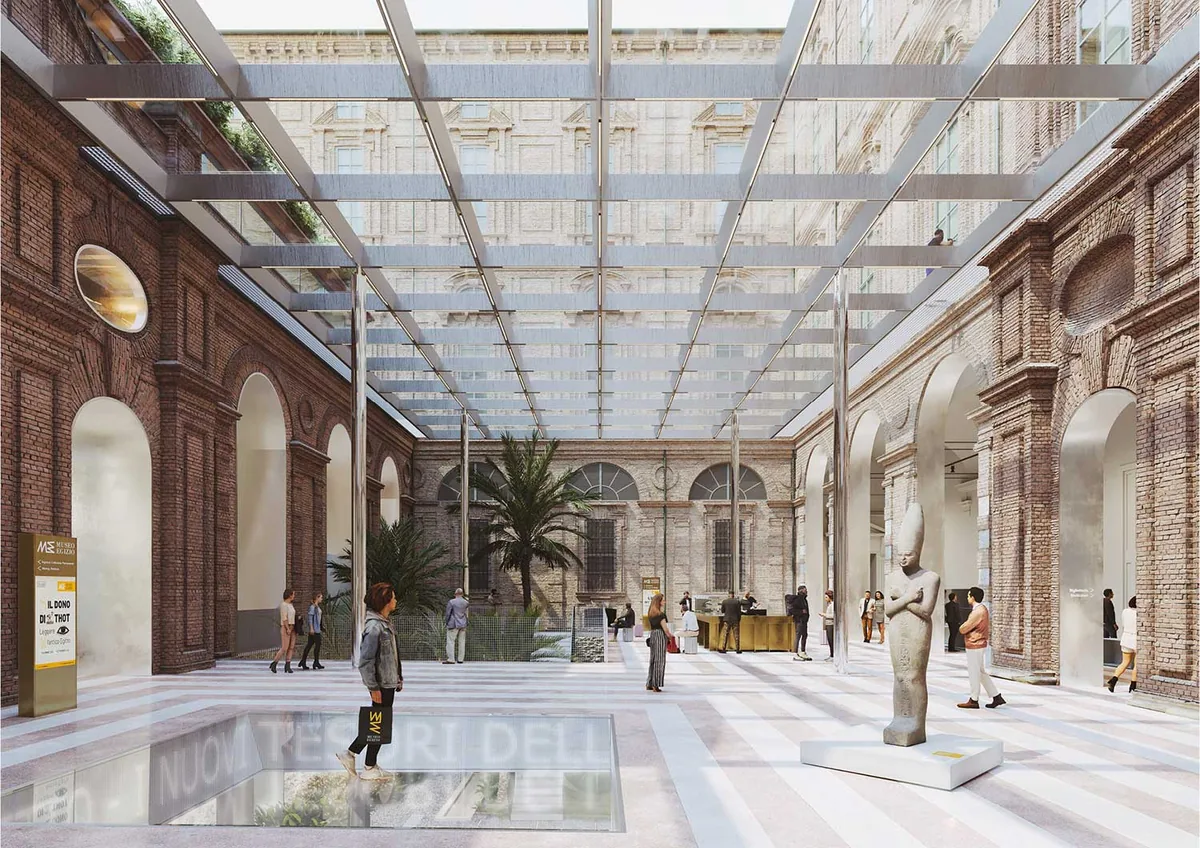
Deep within a baroque palace in the centre
Deep within a baroque palace in the centre of Turin lies a piece of the Nile valley that has been meticulously curated for two hundred years. The Museo Egizio is the world's oldest Egyptian museum and, outside of Cairo, the most significant collection of Pharaonic antiquities in existence. Inside, the space is still and climate-controlled. The walk through dimly lit galleries where the black granite of the statues gleams like dark water and the gold of the funerary masks catches the spotlight with startling intensity. The grandeur of Thebes and Memphis has been transported to the foothills of the Alps.
Deep within a baroque palace in the centre of Turin lies a piece of the Nile valley that has been meticulously curated for two hundred years.
museum was founded, 1824
The museum was founded in 1824 when King Carlo Felice of Savoy purchased the massive collection of Bernardino Drovetti, the French Consul General in Egypt. Drovetti had spent years excavating and amassing thousands of artifacts, from colossal statues to tiny household items. The collection was further expanded by the excavations of Ernesto Schiaparelli in the early 1900s, who discovered the untouched tomb of Kha and Merit, providing an unprecedented look into the daily life of an Egyptian architect and his wife. In 1960, the Egyptian government gifted the entire Temple of Ellesyia to Italy as a thank-you for help in the UNESCO campaign to save the Nubian temples from the flooding of the Aswan Dam. Today, the museum is housed in the renovated Collegio dei Nobili, featuring cutting-edge displays that bridge the gap between ancient ritual and modern science.
Walking into the 'Statuary' designed by Dante Ferretti
Walking into the 'Statuary' designed by Dante Ferretti, the immediate visual power of the colossal figures of Ramses II and Amenhotep. Starting with the way the mirrored ceilings and strategic lighting make the black stone statues appear to float in an infinite, nocturnal landscape. You come across a cool, solid presence of the stone sarcophagi and notice the incredibly fine detail in the paintings of the 'Book of the Dead,' where the colors are so fresh they look like they were applied yesterday. Audible here is a muffled, reverent quiet, punctuated by the occasional low hum of the multimedia guides. The most moving moment is found in the gallery of the tomb of Kha, where the sight of ancient linen tunics and personal combs makes the three-thousand-year-old couple feel like vivid, breathing humans.
Location and access
The museum is located in Turin's city center, a ten-minute walk from the Porta Nuova train station. It is a high-traffic destination, so booking a timed entry ticket online is absolutely essential, especially on weekends. The museum is massive, and a thorough visit takes at least three to four hours. The audioguide is one of the best in Italy, providing layers of context that bring the silent stones to life. After your visit, a walk through the surrounding Piazza San Carlo provides a perfect baroque palate cleanser to the intense ancient imagery of the galleries.
The museum is located in Turin's city center, a ten-minute walk from the Porta Nuova train station.
The Experience
Within the Museo Egizio feels different from the crisp alpine air of Turin; it is thicker, warmer, and smells of dust and history. The tiny, repetitive patterns in the hieroglyphics that cover the walls, a visual language that feels both familiar and deeply alien. Part of the physical presence of the past as you stand before the carbonized remains of food found in ancient tombs. Audible here is carefully designed to guide you through the transition from life to the afterlife. The most profound moment is standing alone in the Temple of Ellesyia, where the ancient stone blocks feel like a direct physical connection to the sun-drenched cliffs of Nubia. It is a place that makes the concept of time feel incredibly fragile.
Why It Matters
The Museo Egizio is a global center for Egyptology and one of the most visited museums in Italy. It preserves a unique record of Pharaonic culture, from the royal dynasties to the lives of common artisans. Culturally, it represents the birth of modern archaeology and the long historical link between Italy and the Mediterranean world.
Why Visit
The point is that this is the only place in Europe where you can truly spend time with in the world of the Pharaohs on this scale. The layout is a masterpiece of storytelling, moving you through the history of a civilization that obsessed over eternity. You come here to see that the people of ancient Egypt were more than just myths, they were architects, wives, and workers who left their combs and bread for us to find.
✦ Insider Tips
- 1
The 'Kha and Merit' gallery is the human heart of the museum; spend more time here than with the mummies to understand how the Egyptians actually lived.
- 2
The audioguide is included in the ticket price and is narrated by the museum's charismatic director; don't skip it.
- 3
Look for the Turin King List (Royal Canon of Turin), a papyrus that is one of the most important historical documents for dating Egyptian dynasties.
- 4
The 'Statuary' on the ground floor is the most photogenic part of the museum, but the best light is usually in the late afternoon.
- 5
There is a small, quiet café inside the museum that serves excellent Piedmontese pastries if you need an energy boost halfway through the galleries.