
Explore
Landmarks & Places
Must-see destinations across Italy
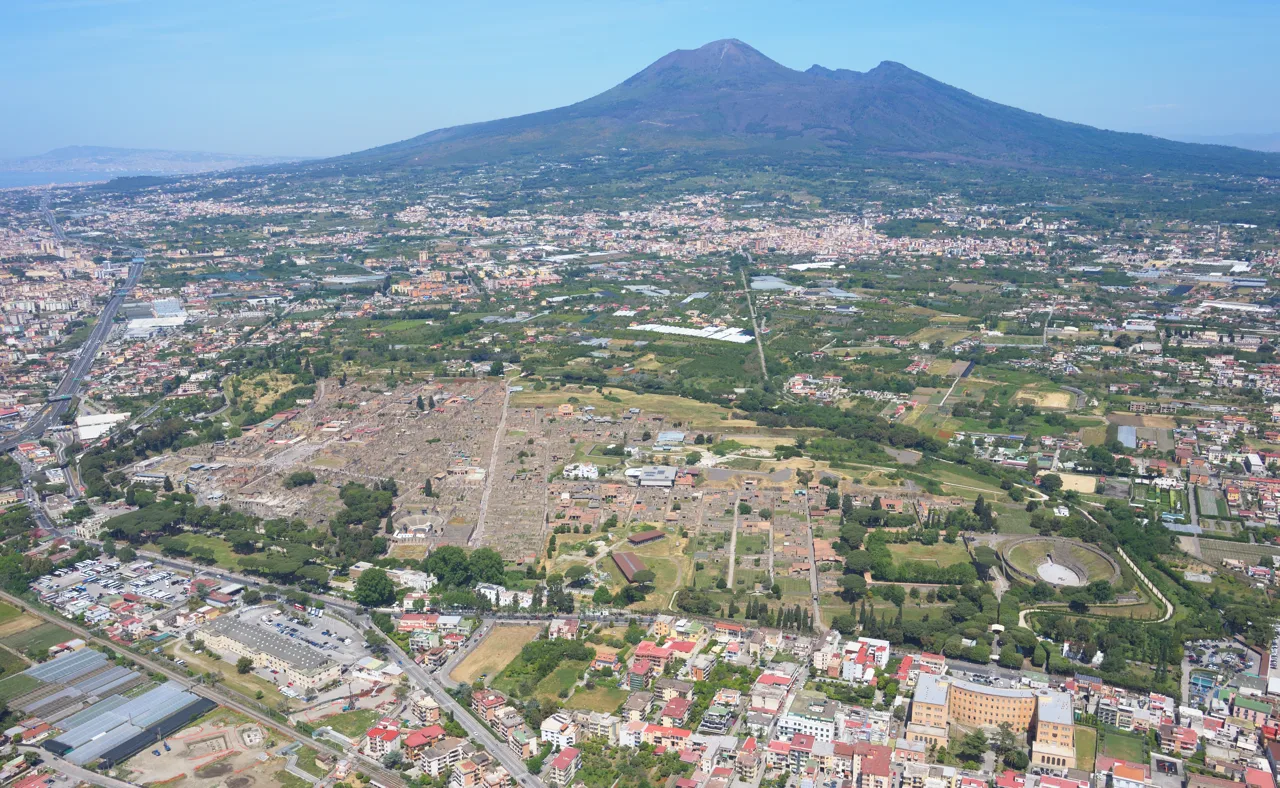
Archaeological Park of Pompeii
Two thousand years ago, a mountain turned the sky to stone, burying an entire city in seconds and leaving us a perfect, haunting blueprint of Roman life.
Explore →
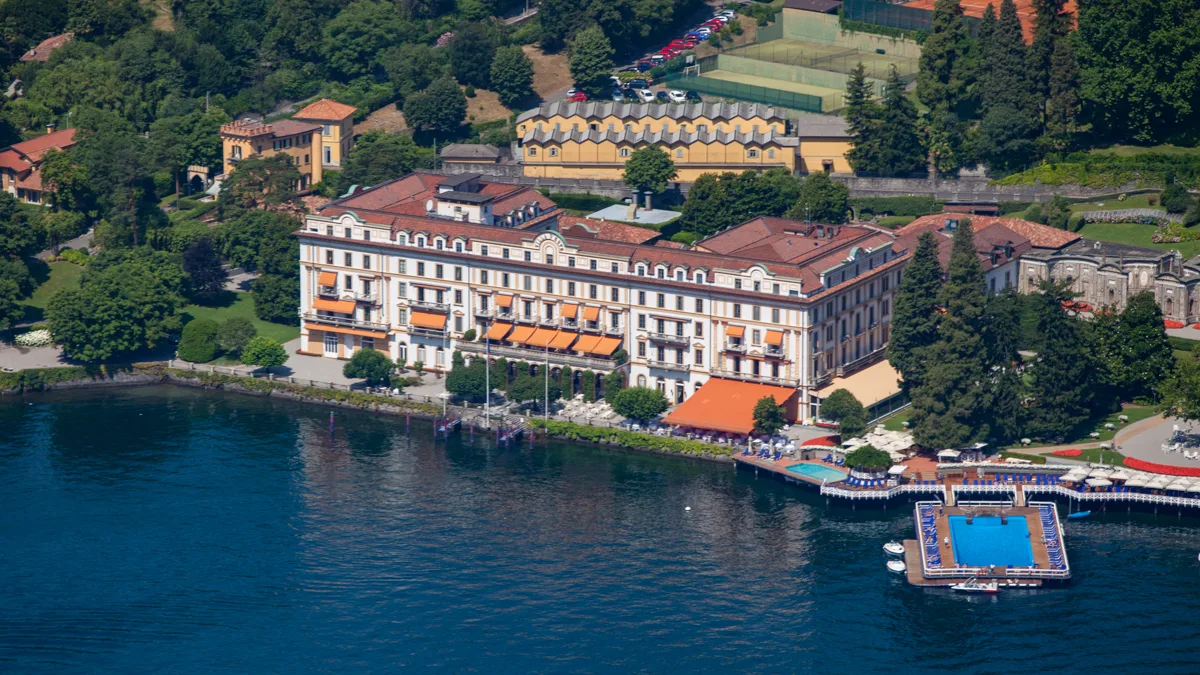
Villa d'Este
Five centuries ago, a frustrated cardinal dug a tunnel under an entire town just to make sure his garden would have enough water to sing to him.
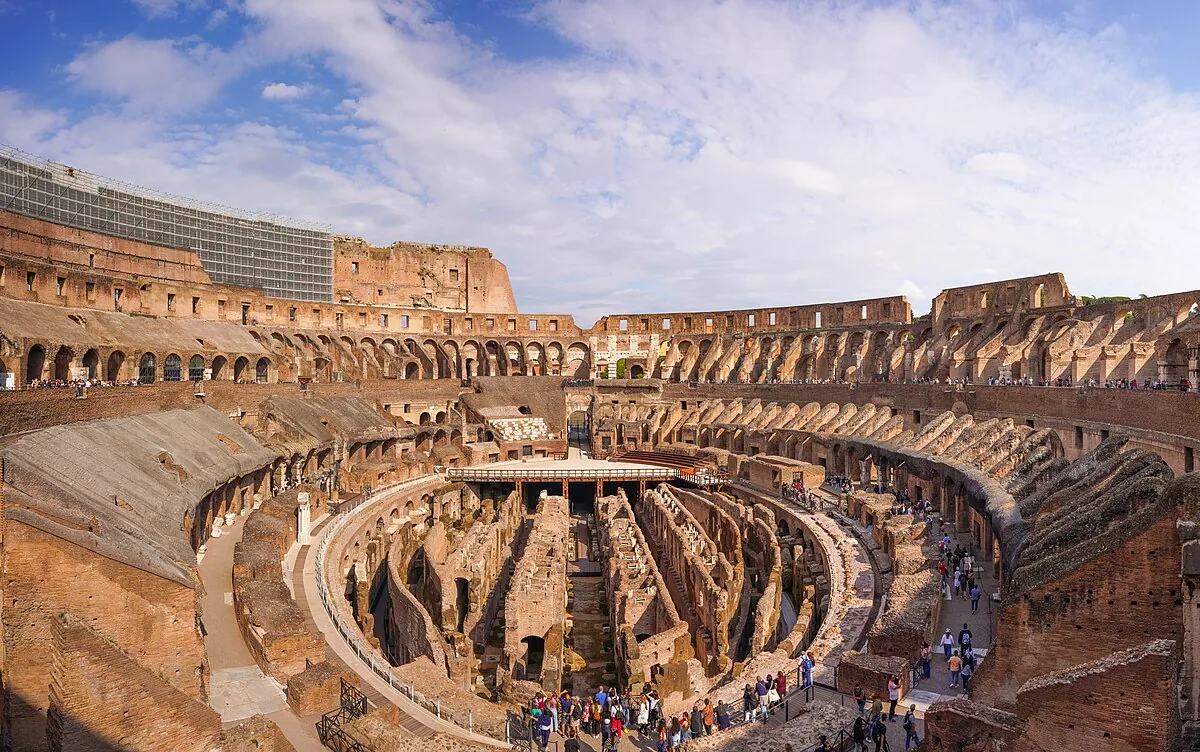
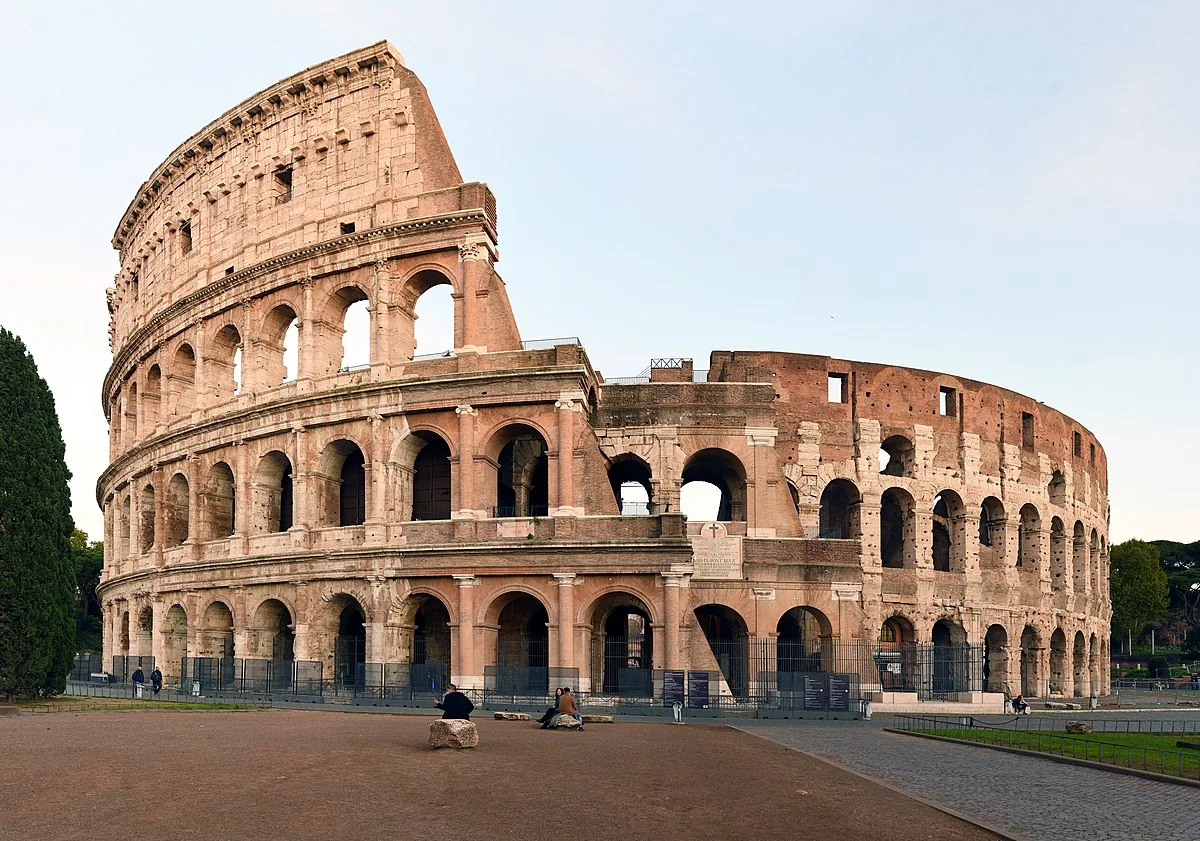
Colosseum
The 80 AD Flavian Amphitheatre remains the definitive feat of Roman engineering with its complex system of 80 arched entrances and subterranean hypogeum; the travertine and tuff skeleton once held 50,000 spectators for ritualised combat; stand in the upper tier at dawn when the sun catches the skeletal northern wall; the morning air is silent except for the fluttering of swifts nesting in the limestone cracks.
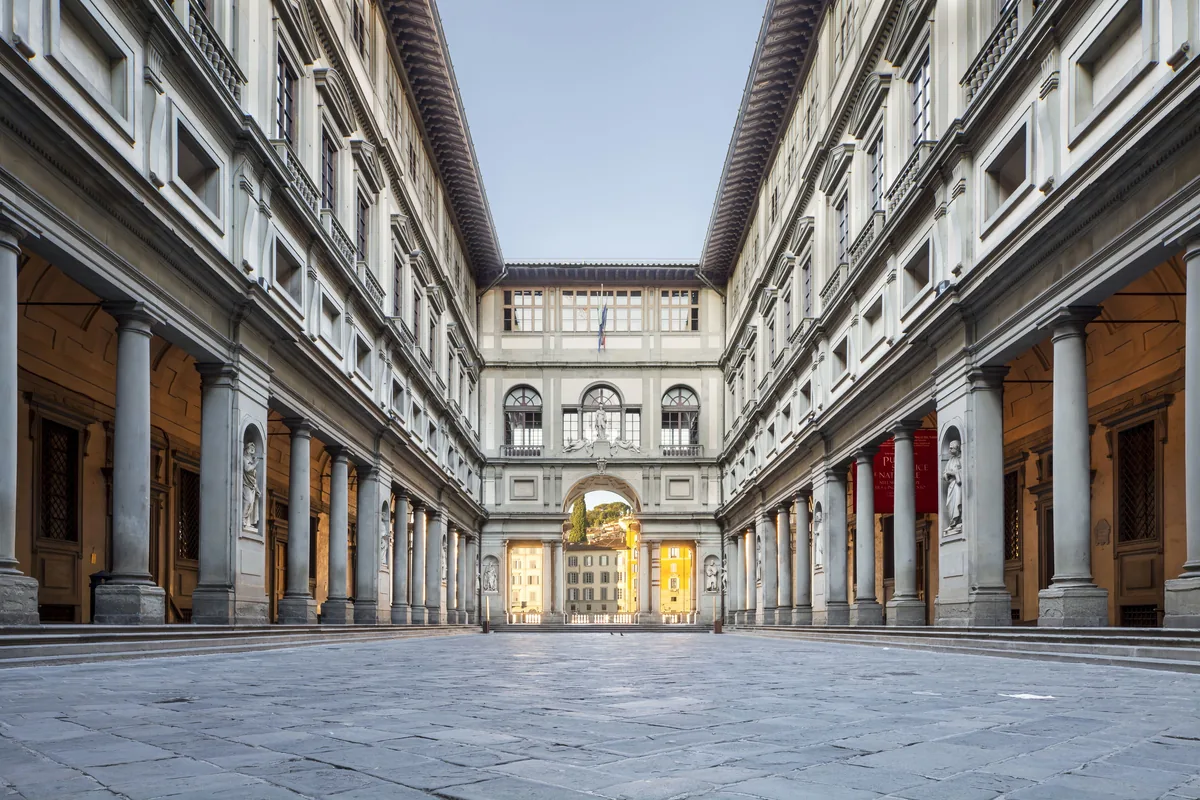
Galleria degli Uffizi
The 16th-century administrative palace designed by Vasari houses the world’s premier collection of Italian Renaissance art; Botticelli’s Birth of Venus and Da Vinci’s Annunciation are staged within vaulted corridors overlooking the Arno; arrive at 8:15 am to walk the eastern corridor when the light reflects off the river; the scent of floor wax and the weight of three centuries of Medici patronage define the air.
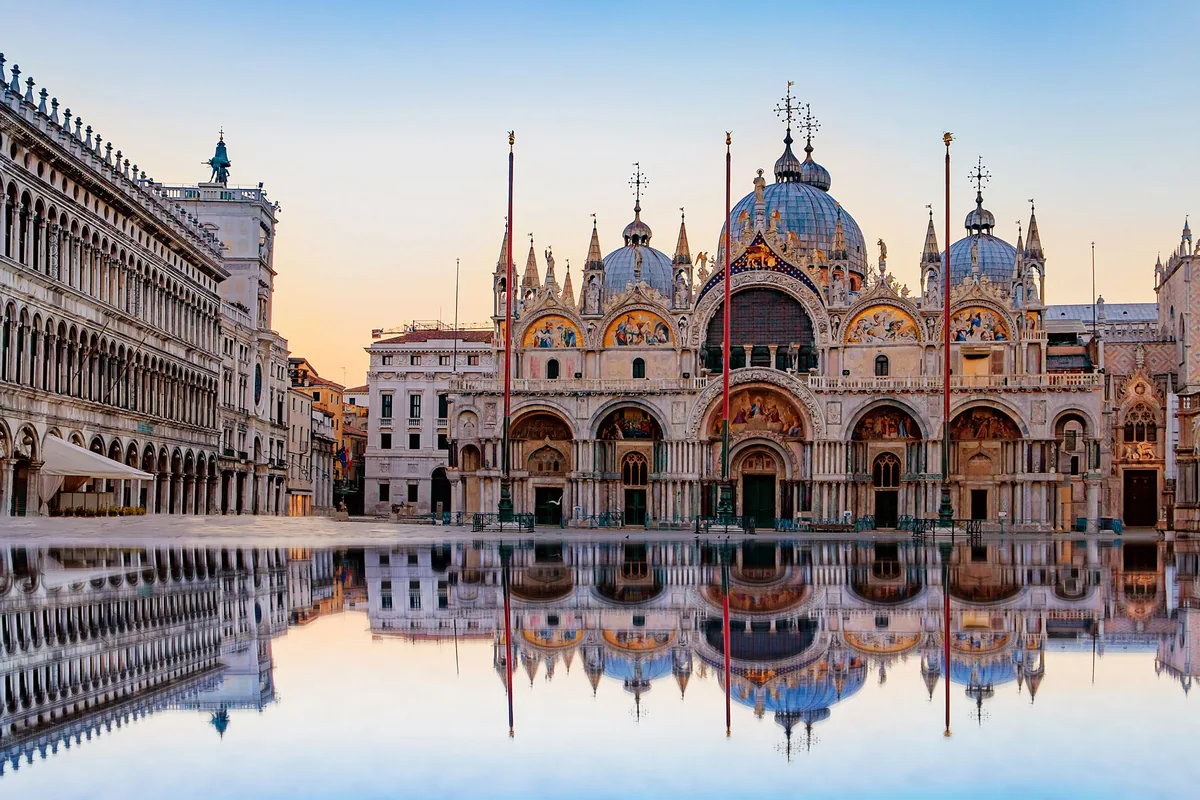
Basilica di San Marco
An 11th-century Italo-Byzantine masterpiece encrusted with over 8,000 square metres of luminous gold mosaics and plundered eastern marble; the five distinct domes dominate the Venetian skyline; enter during the late afternoon when the interior turns amber as the western sun strikes the tesserae; the air is thick with the smell of incense and the low hum of the tides pressing against the piazza.
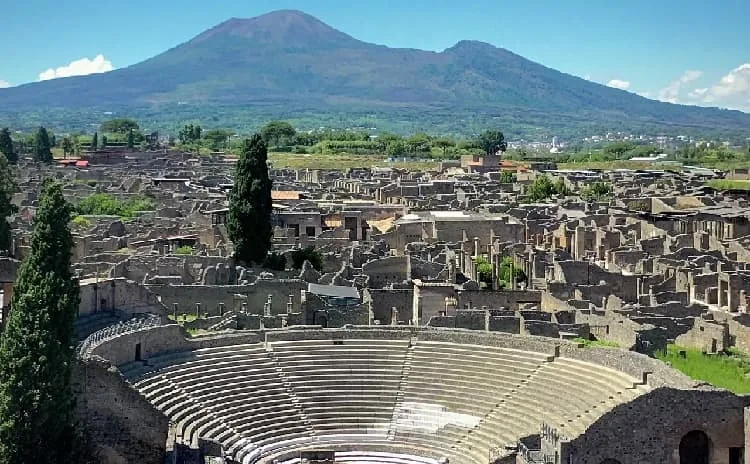
Archaeological Park of Pompeii
A Roman city frozen in 79 AD by the pyroclastic surge of Mount Vesuvius; the site preserves the raw texture of daily life through volcanic-ash-cast figures and sun-bleached frescos; walk the basalt-paved Via dell'Abbondanza at noon to see the deep chariot ruts worn into the stone; the silence of the forum is punctuated only by the distant; rhythmic chirping of cicadas from the surrounding olive groves.
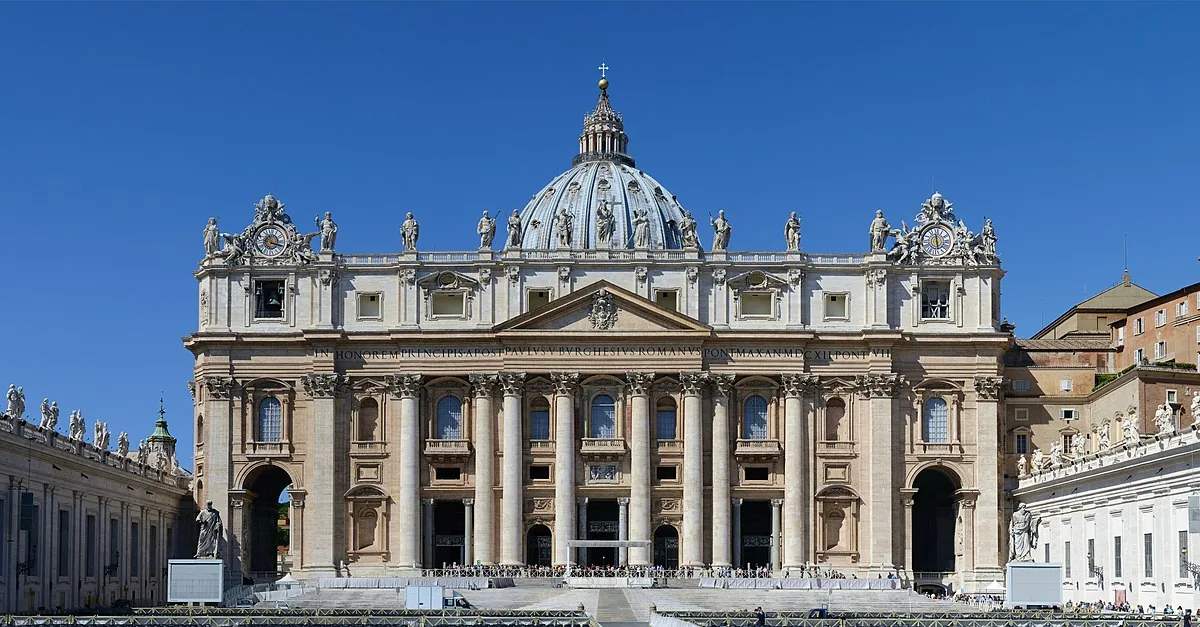
St. Peter's Basilica
The 16th-century epicentre of Christendom features Michelangelo’s 136-metre-high dome and Bernini’s bronze baldacchino; the nave is long enough to swallow a fleet of smaller cathedrals; climb the narrow spiral stairs to the lantern at sunrise for a 360-degree view of the Roman grid; the sound of the square’s fountains is a distant whisper; eclipsed by the thunderous morning bells.
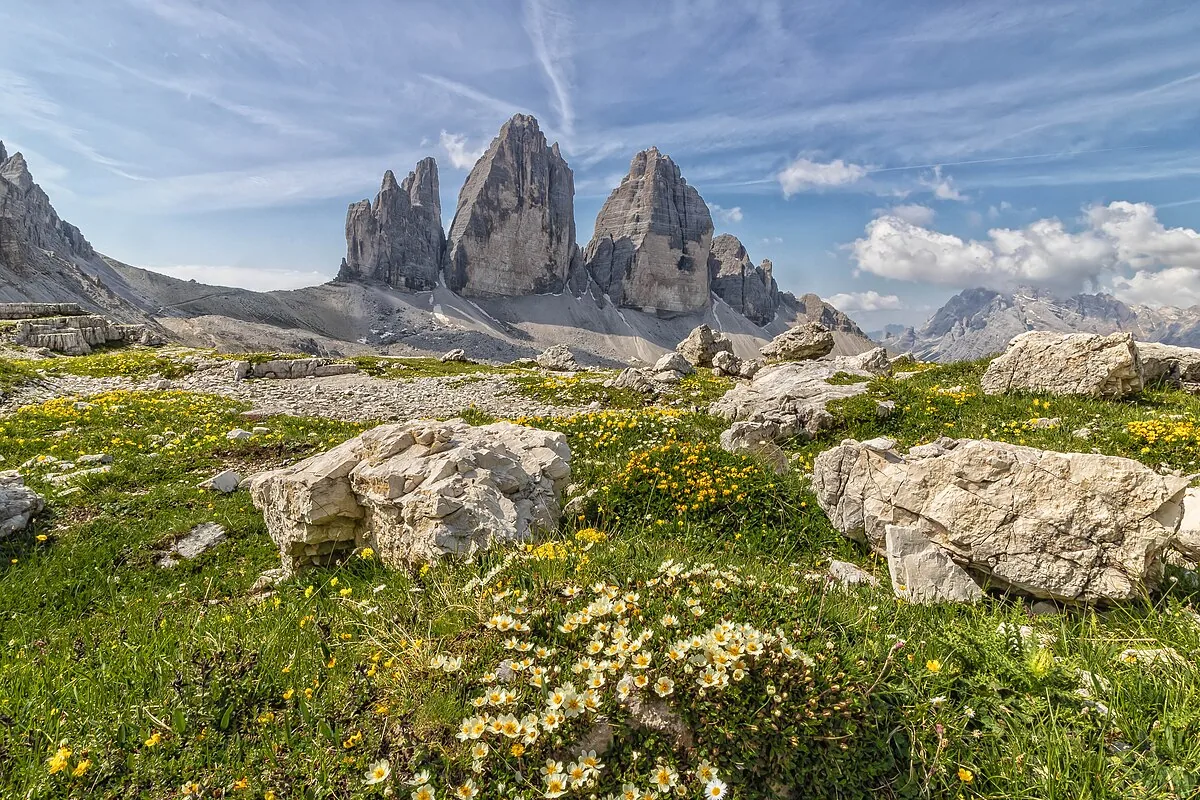
Tre Cime di Lavaredo
Three distinctive battlement-like peaks of Dolomitic limestone rising to 2,999 metres in the Sexten Dolomites; the vertical north faces were first summited in 1869; hike the loop trail at 6 am before the cloud inversion lifts; the rock turns from cold grey to a searing; fiery pink as the first light strikes the carbonate minerals; the air is sharp and carries the scent of frozen scree.
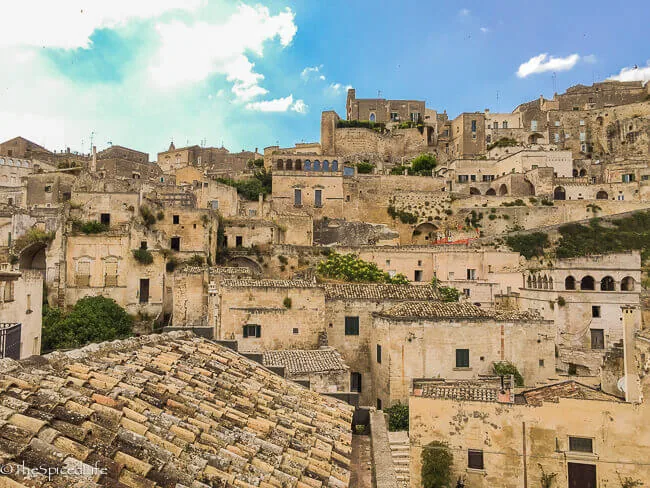
Sassi di Matera
A labyrinthine district of troglodyte dwellings carved directly into the calcarenite rock of the Basilicata plateau; these 9,000-year-old caves were inhabited until the 1950s; stand on the edge of the Gravina gorge as the evening lights flicker on; the porous stone glows like a dying ember; the sound of water dripping in hidden cisterns echoes through the narrow; moss-slicked alleyways.
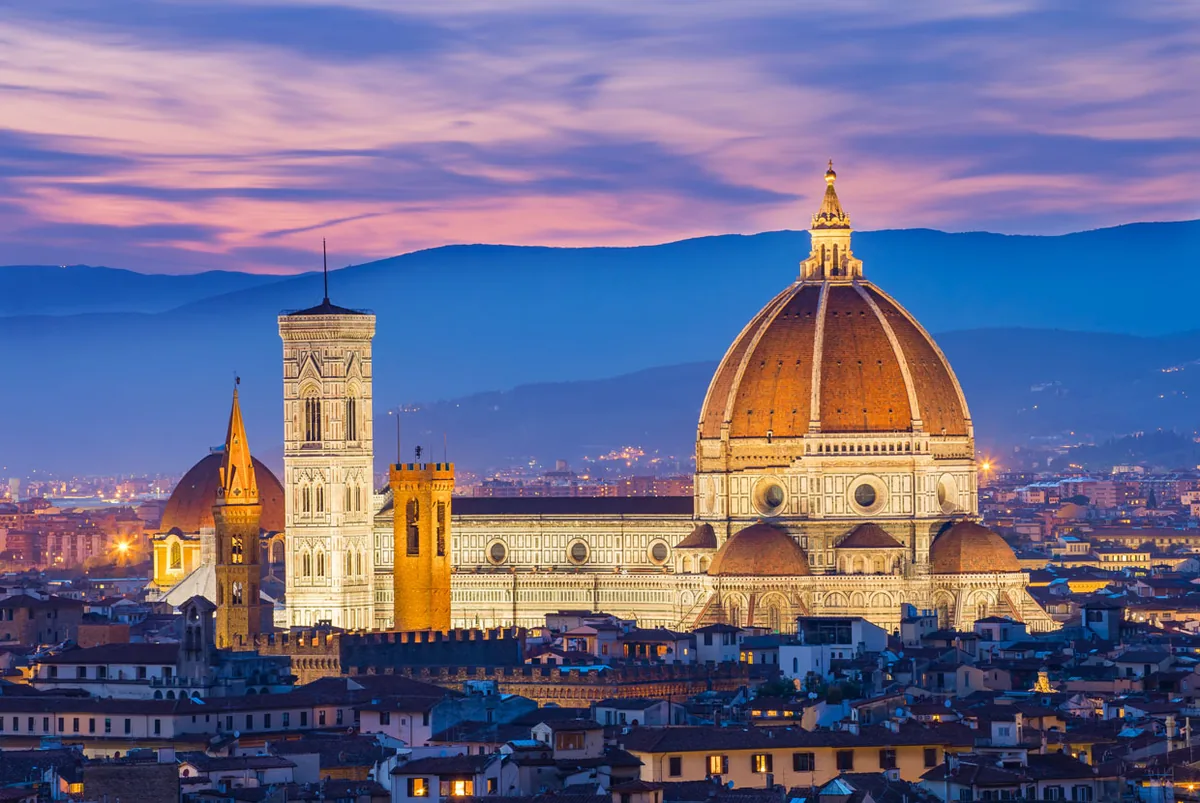
Santa Maria del Fiore
Brunelleschi’s 15th-century octagonal dome remains the world’s largest masonry vault; built without the support of a wooden scaffold; the facade is a precise tapestry of green; white; and red marble; stand in the shadow of the Giotto Bell Tower at dusk; the terracotta tiles of the cupola absorb the fading heat; the smell of roasted coffee from nearby cafes drifts upward.
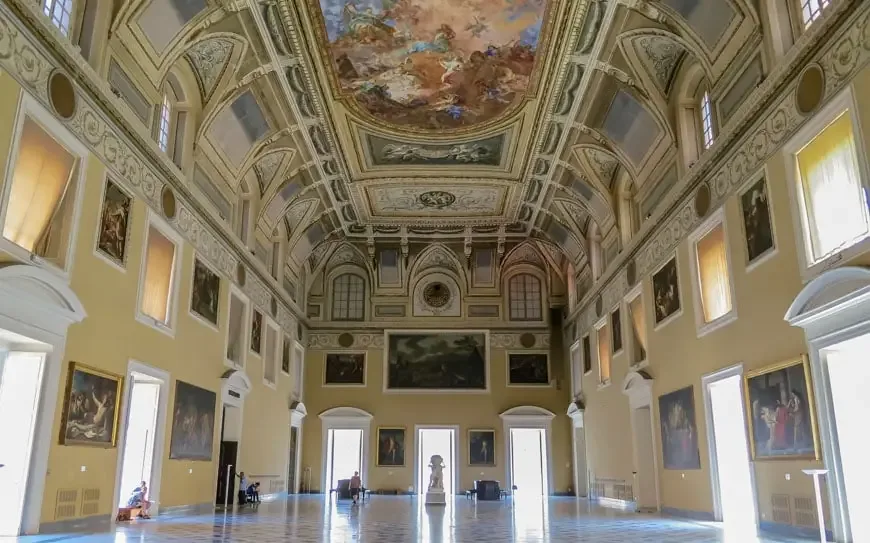
Museo Archeologico Nazionale di Napoli
The world’s most significant collection of Roman antiquities; including the colossal Farnese Hercules and the Alexander Mosaic from the House of the Faun; the Secret Cabinet preserves the erotic art of Pompeii behind once-locked doors; visit the Great Hall of the Sundial at noon when a beam of light tracks the zodiac; the scale of the marble statuary makes the human form feel fragile.
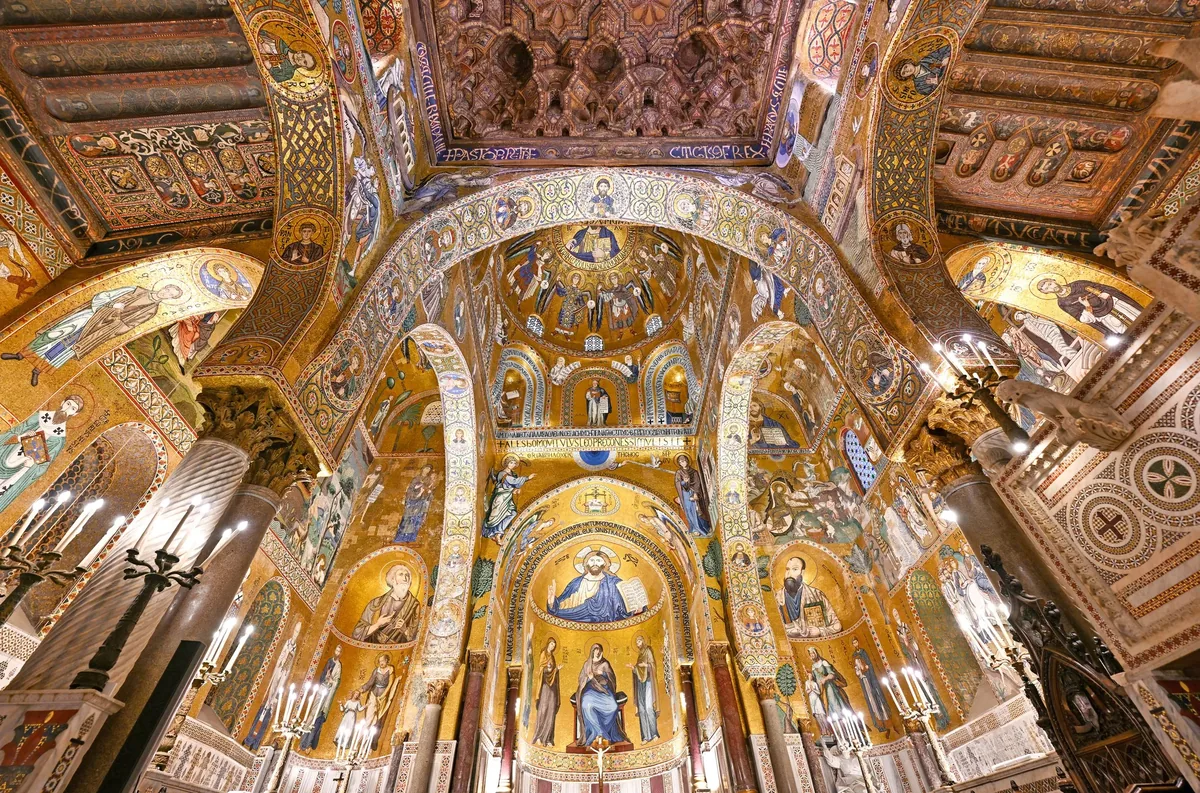
Capella Palatina
A 12th-century royal chapel representing the peak of Arab-Norman-Byzantine synthesis; featuring a carved muqarnas ceiling and intricate Greek mosaics; the floor is a kaleidoscope of porphyry and marble inlay; stand in the centre at 3 pm when the golden Christ Pantocrator in the dome is illuminated; the air carries a heavy; ancient coolness that defies the Sicilian heat outside.
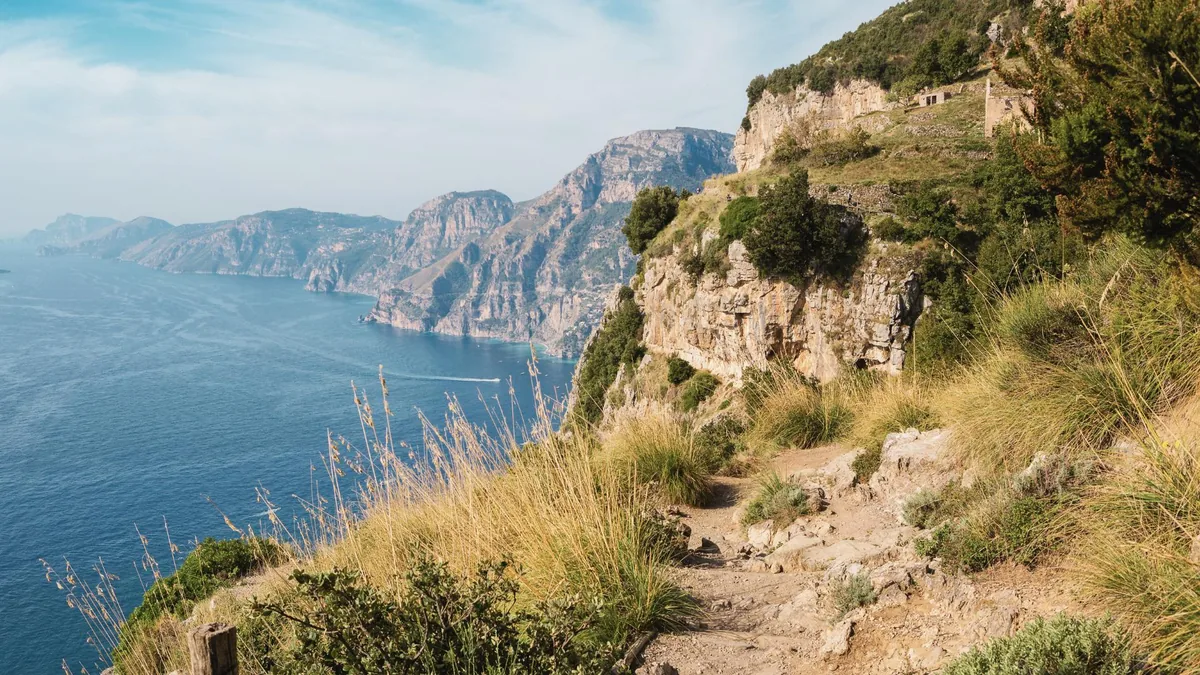
Sentiero degli Dei
A high-altitude mountain path carved into the limestone cliffs 600 metres above the Tyrrhenian Sea; connecting the villages of Bomerano and Nocelle; the trail overlooks terraced lemon groves and sun-bleached coastal villages; walk the path in early May when the wild rosemary is in bloom; the sound of the surf below is a muffled rhythmic pulse; the view extends to the Faraglioni of Capri.
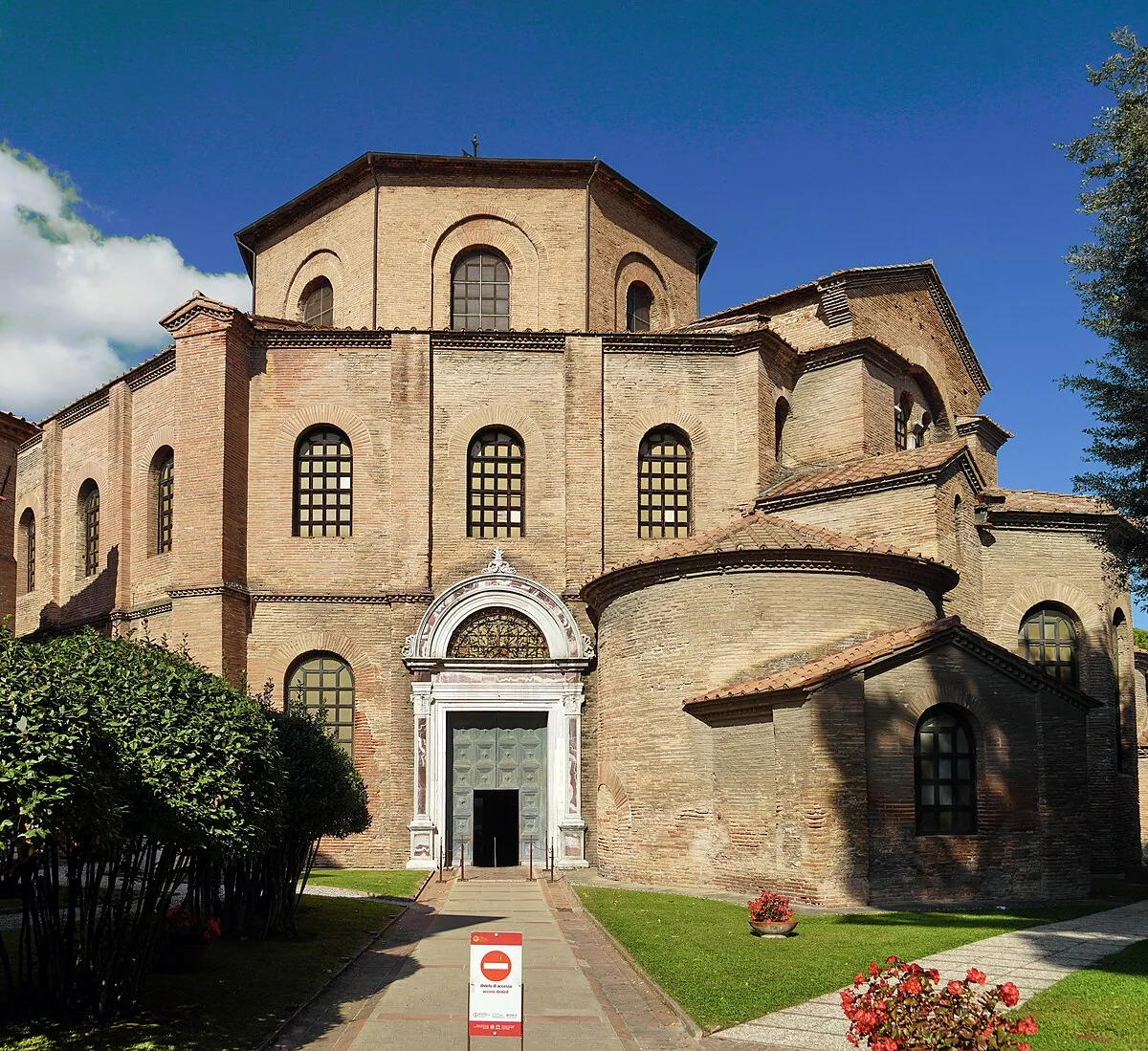
Basilica di San Vitale
A 6th-century octagonal Byzantine church containing the world’s most intact early Christian mosaics; including the portraits of Emperor Justinian and Empress Theodora; the emerald and gold tesserae retain a liquid-like brilliance; stand in the presbytery at 10 am when the sun hits the glass tiles; the interior architecture feels weightless; as if the stone is merely a frame for the light.
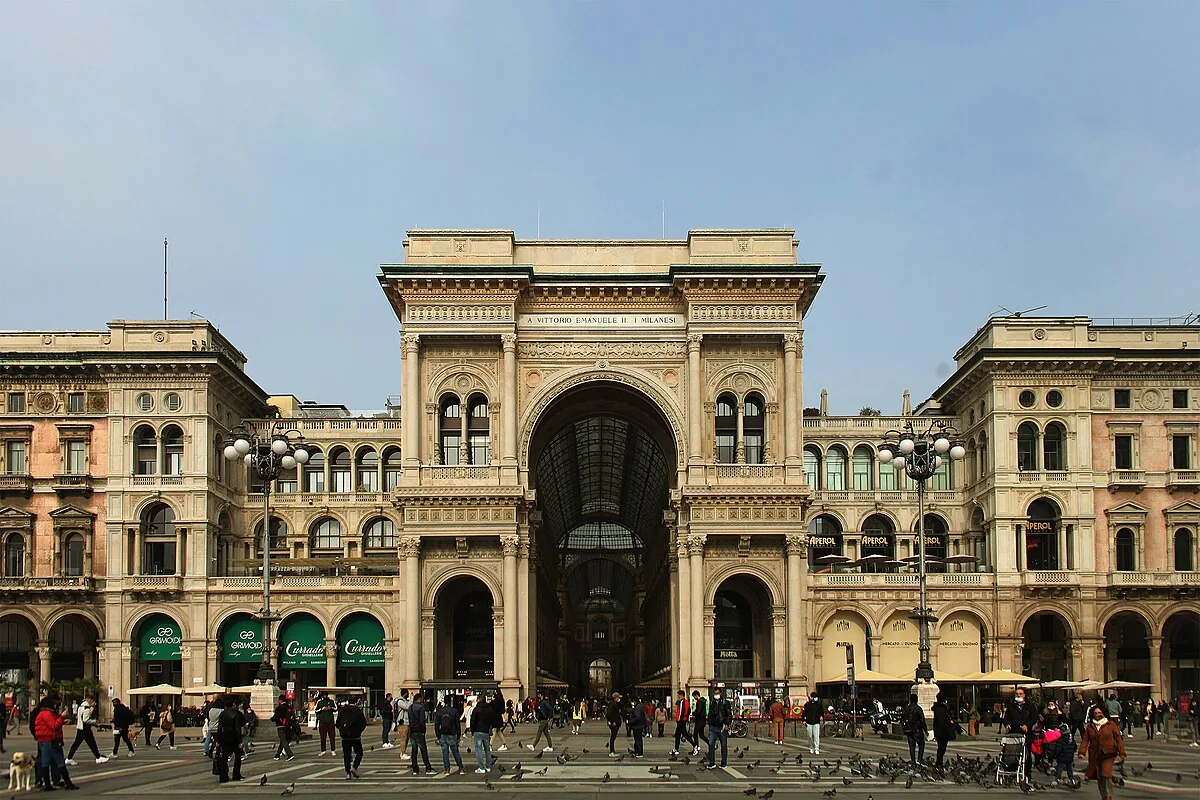
Galleria Vittorio Emanuele II
A 19th-century iron and glass shopping arcade linking the Duomo to La Scala; the central mosaic floor features the coat of arms of the four capitals of Italy; the high-vaulted ceiling creates an industrial cathedral for modern commerce; arrive for an espresso at 7 am when the workers are polishing the brass shopfronts; the sound of footsteps on the polished marble echoes through the glass barrel vault.
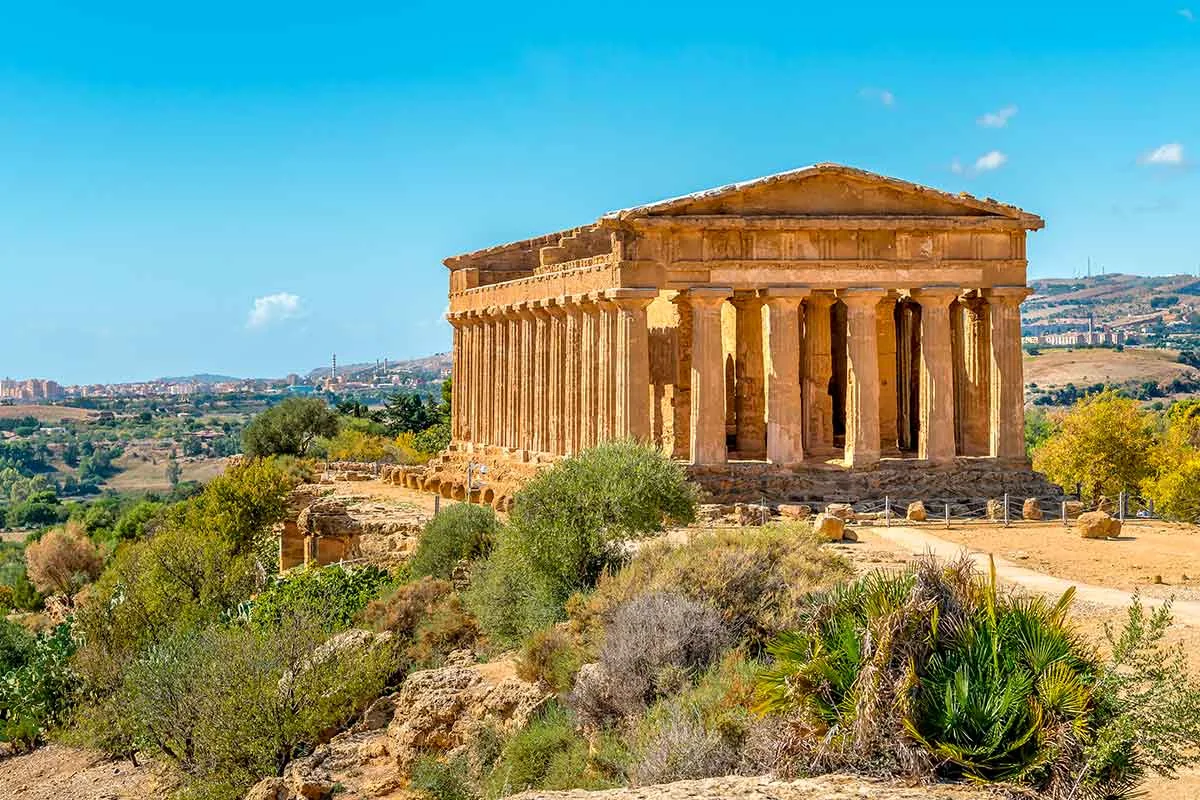
Valle dei Templi
Seven 5th-century BC Doric temples standing along a high ridge overlooking the Mediterranean; the Temple of Concordia is one of the best-preserved Greek structures in existence; walk the Sacred Way at sunset when the calcarenite stone turns a deep; saturated gold; the air is scented with almond blossom and the wind carries the salt spray from the sea below.
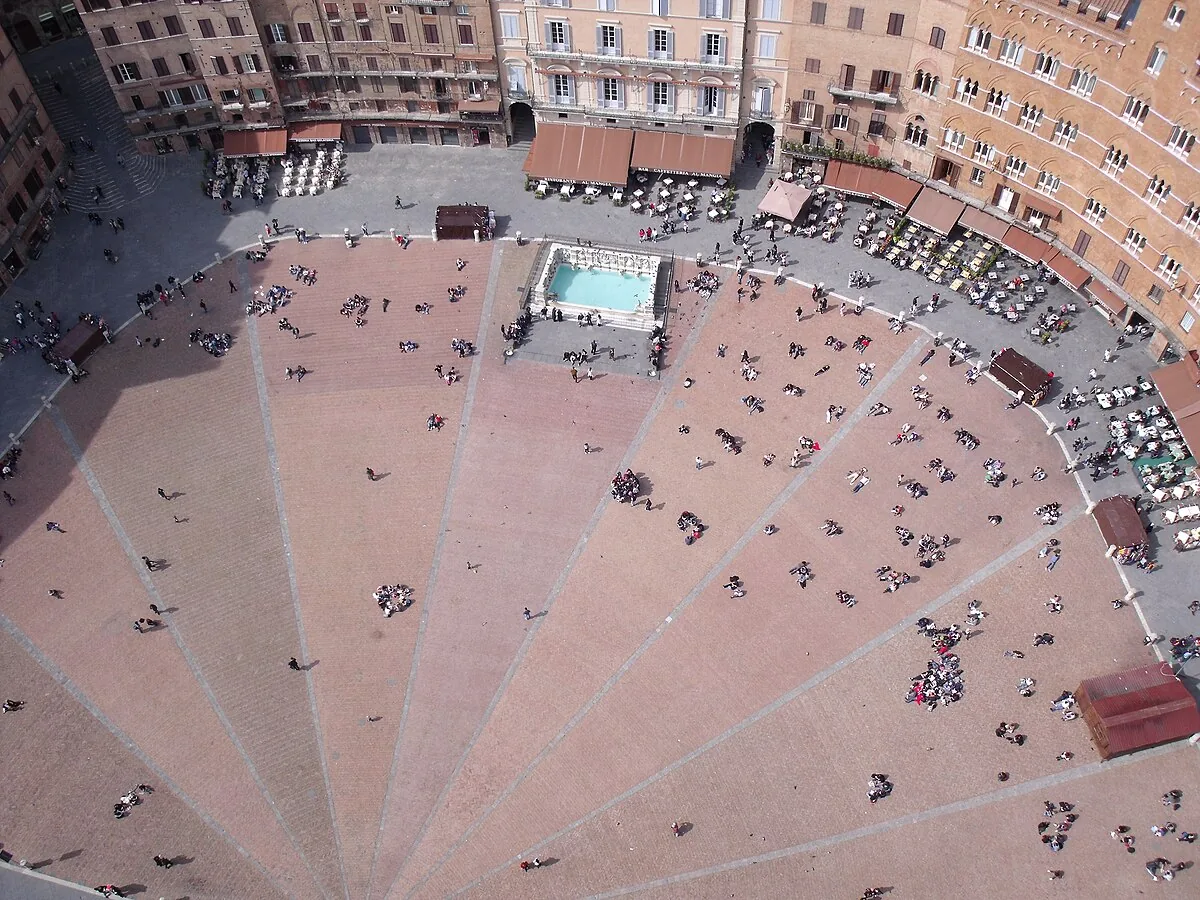
Piazza del Campo
A shell-shaped civic square paved in red brick and bisected by nine white stone lines representing the medieval government; the Torre del Mangia rises 87 metres over the Palazzo Pubblico; sit on the sloping bricks at dusk when the shadow of the tower sweeps across the square; the sound of the Fonte Gaia splashing provides a rhythmic backdrop to the evening passaggiata.
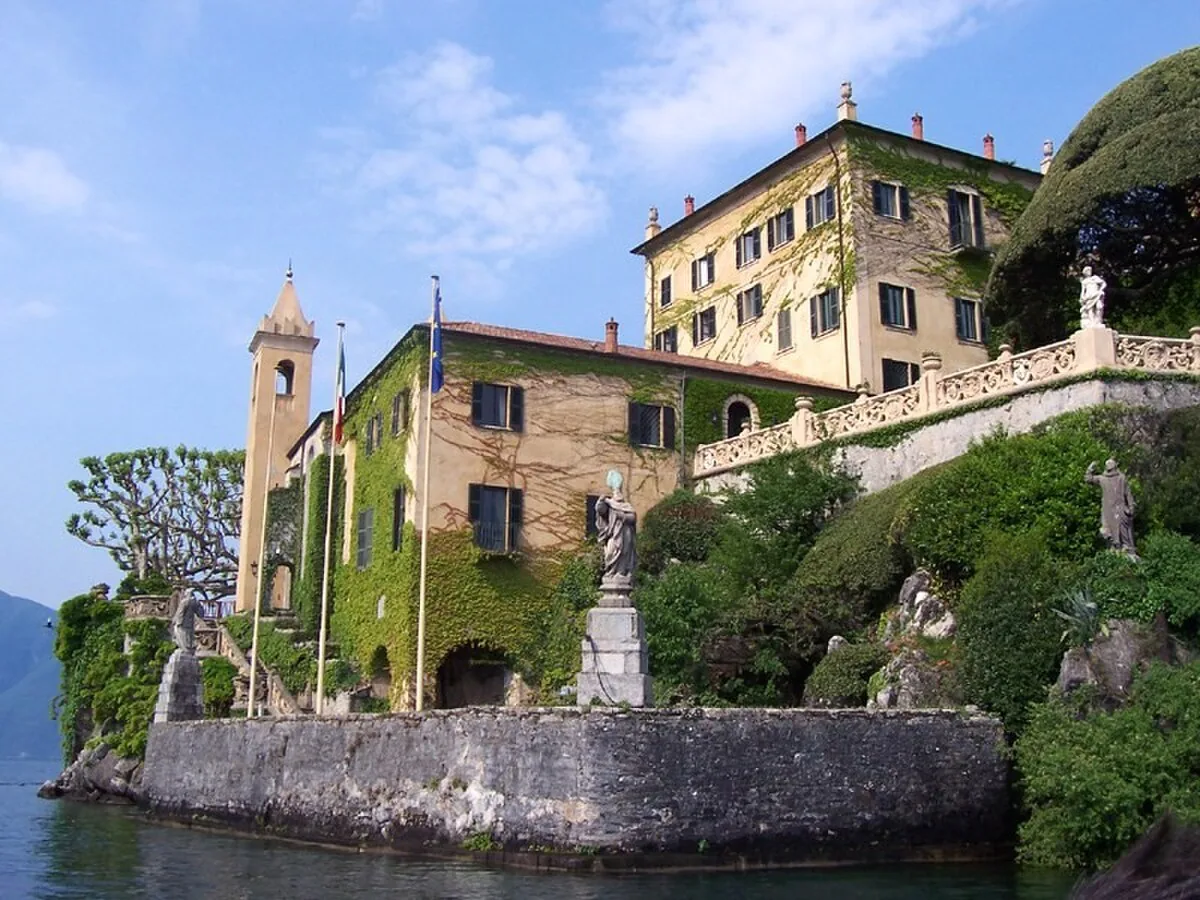
Villa del Balbianello
An 18th-century garden perched on a wooded promontory featuring manicured holm oaks and terraced stone balustrades; the villa was built on the site of a 13th-century Franciscan monastery; arrive by boat at noon to see the sunlight sparkling off the deep blue water; the scent of blossoming jasmine and pruned boxwood is constant; the silence of the loggia is absolute.
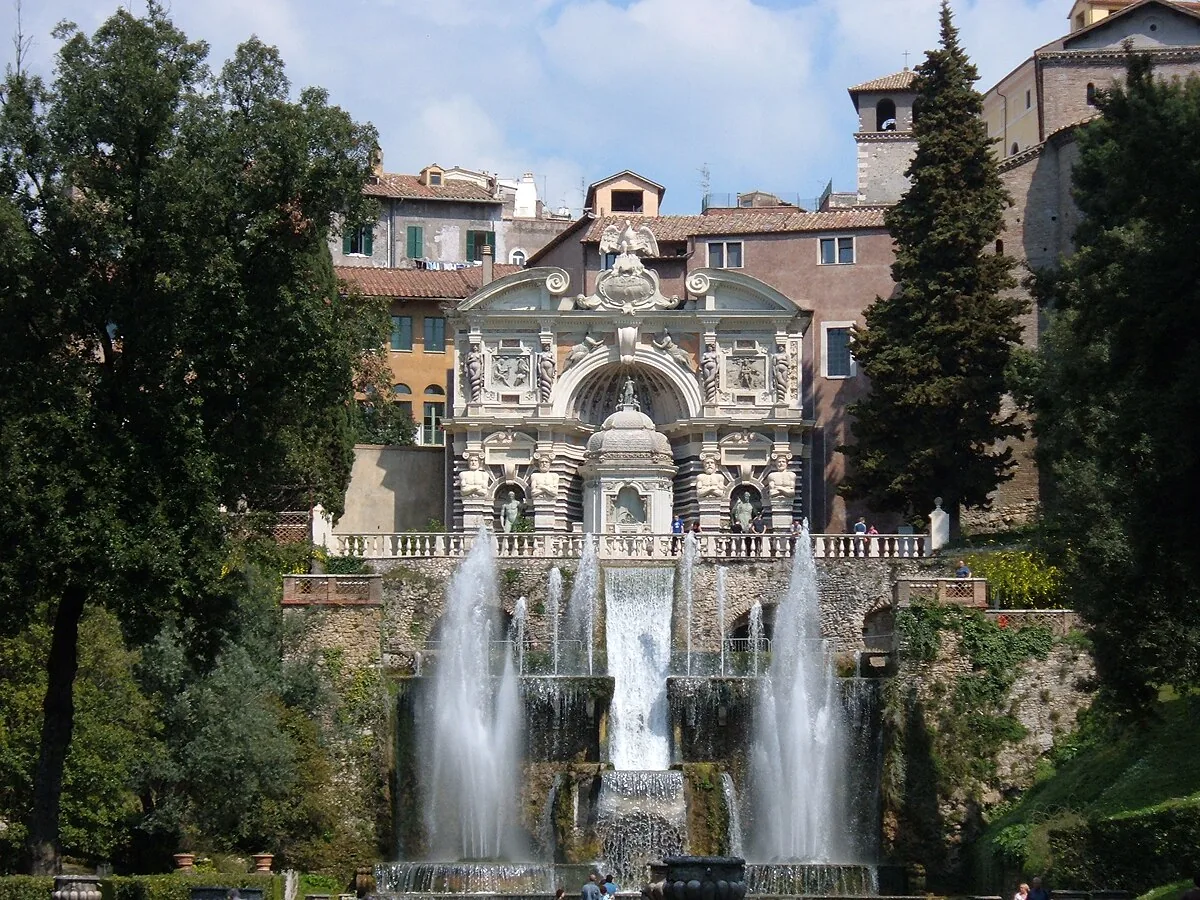
Villa d'Este
A 16th-century masterpiece of hydraulic engineering featuring 500 fountains and a multi-tiered Renaissance garden; the Organ Fountain uses water pressure to play music; walk the Path of the Hundred Fountains in late spring when the moss-slicked stone is shrouded in mist; the sound of rushing water is so loud it replaces all conversation; the light filters through ancient cypress trees.
Vernazza Harbour
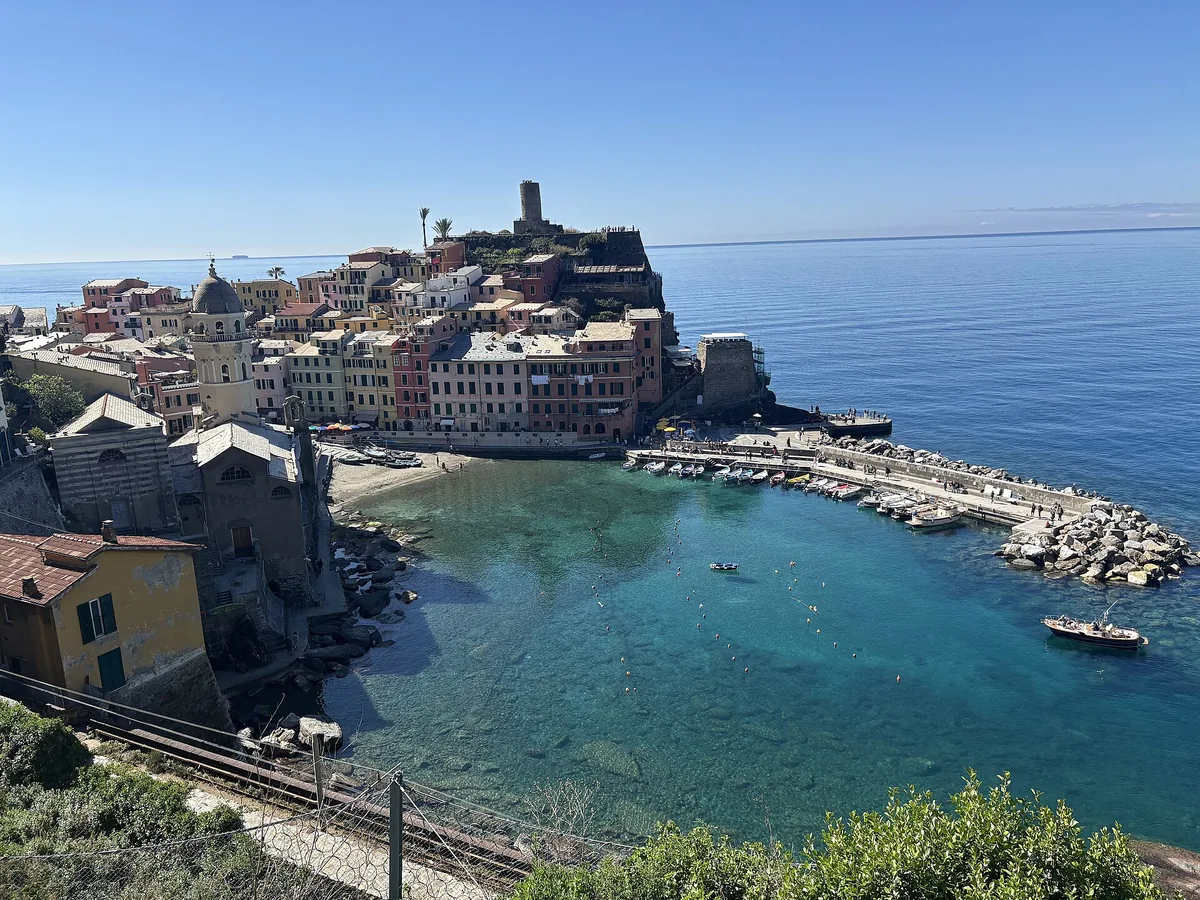
A natural cove flanked by pastel-hued Genoese tower houses and the 14th-century Church of Santa Margherita d'Antiochia; the stone pier protects a fleet of hand-painted gozzo boats; stand on the Castello Doria ramparts at sunrise when the water is a flat sheet of turquoise; the smell of frying calamari and salt air is pervasive; the sound of the Mediterranean swell hitting the basalt rocks is constant.
Museo Egizio
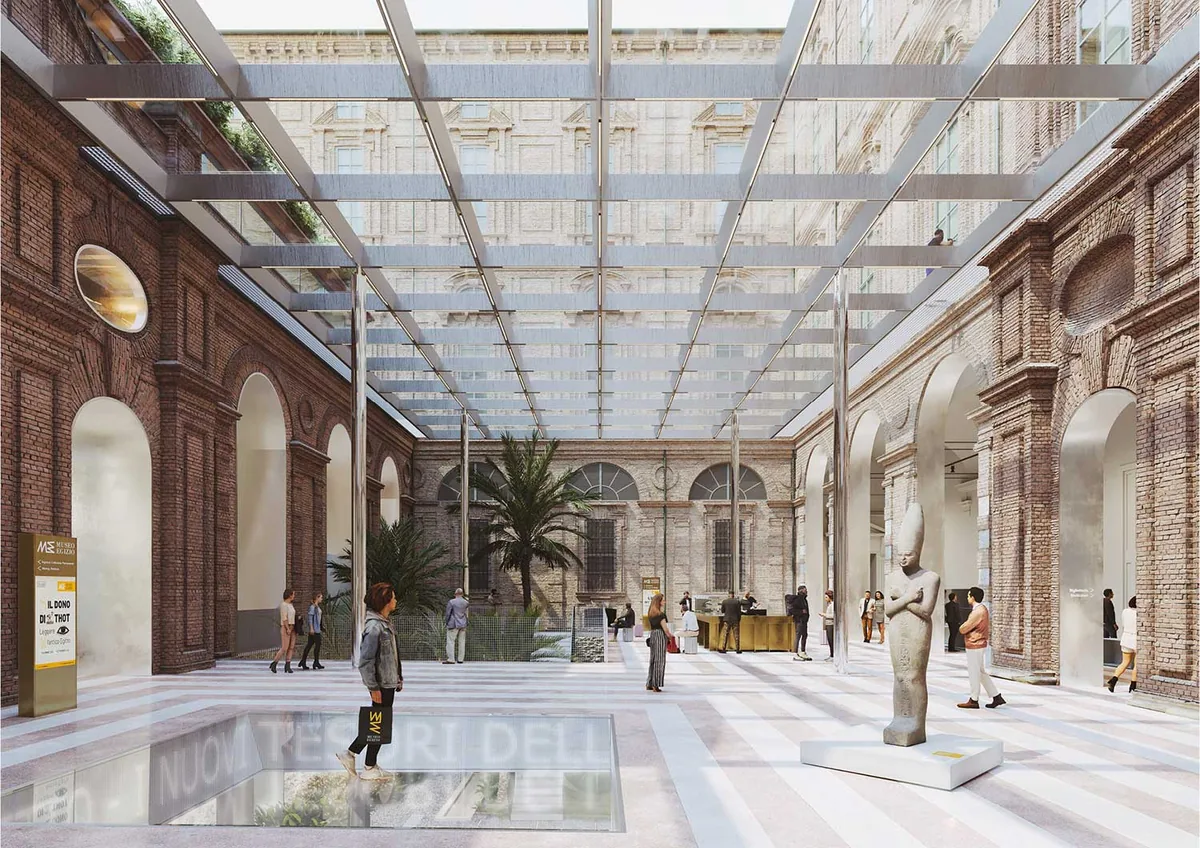
The world’s oldest Egyptian museum houses over 30,000 artefacts; including the intact 14th-century BC tomb of Kha and Merit; the 2006 renovation by Dante Ferretti uses dramatic lighting to showcase the black basalt statues in the Kings’ Gallery; walk the halls at opening time to see the sarcophagi in near-silence; the air is filtered and dry; preserving papyri that have outlasted empires.
Gola di Gorropu
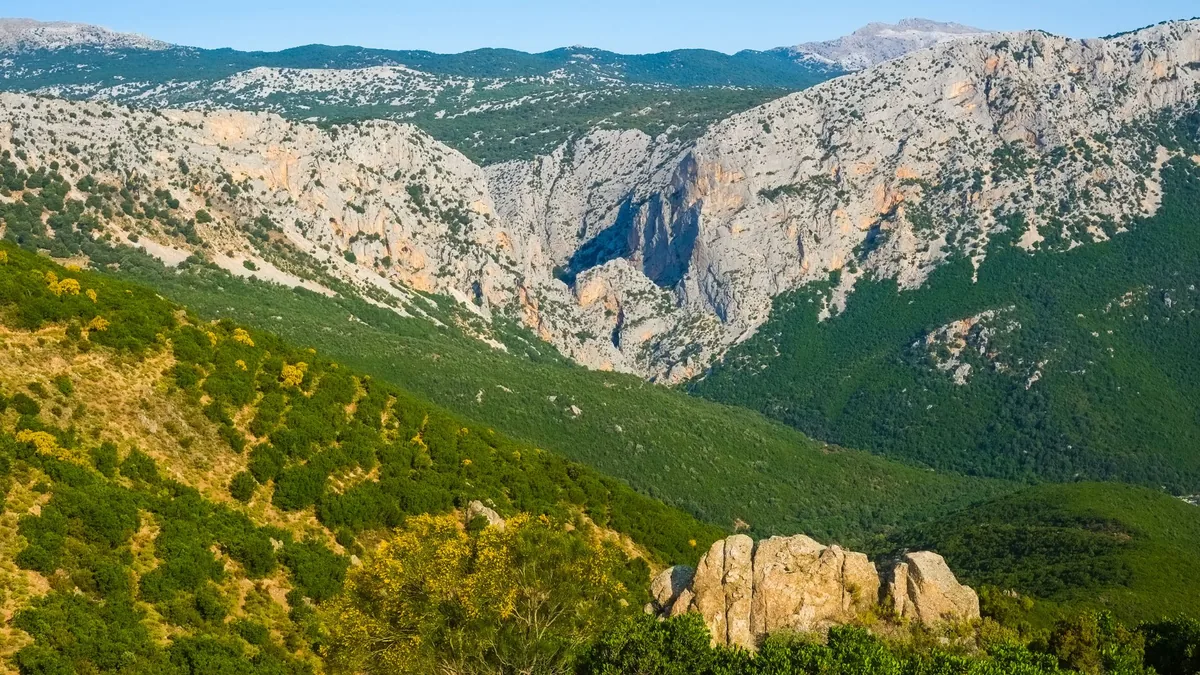
One of Europe’s deepest limestone canyons; with white rock walls rising 500 metres above the Flumineddu River; the canyon floor is littered with massive; water-smoothed limestone boulders; hike the entrance at mid-morning when the sun penetrates the narrowest fissure; the river water is ice-cold and crystal clear; the only sound is the wind whistling through the high-altitude mountain holm oaks.
Cuisine
Must-Try Dishes
The flavours that define Italy
Flights
Fly to Italy
Compare prices across local & global booking platforms
✈ Flights to Italy
🏨 Hotels in Italy
Clicking opens the booking platform. WorldCurio may earn a commission at no extra cost to you.
Did You Know
Italy Facts
Fascinating things most travellers never learn
Italy has an official list of 'prodotti agroalimentari tradizionali' — over 4,500 protected traditional food products, more than any other country. Each one has strict rules of origin and preparation.
Italy has more UNESCO World Heritage Sites than any other country — 58 as of 2024. It holds more than China, Spain, and France individually.
It is illegal to die in Falciano del Massico, Italy. The mayor issued a decree banning death after the local cemetery ran out of space. Residents are legally obliged to take care of their health.
The Venetian Arsenal was the world's first industrial complex, employing 16,000 workers in the 1400s and capable of producing one warship per day — a feat unmatched until the Industrial Revolution.
Explore More
Similar Destinations
Countries you might also love


