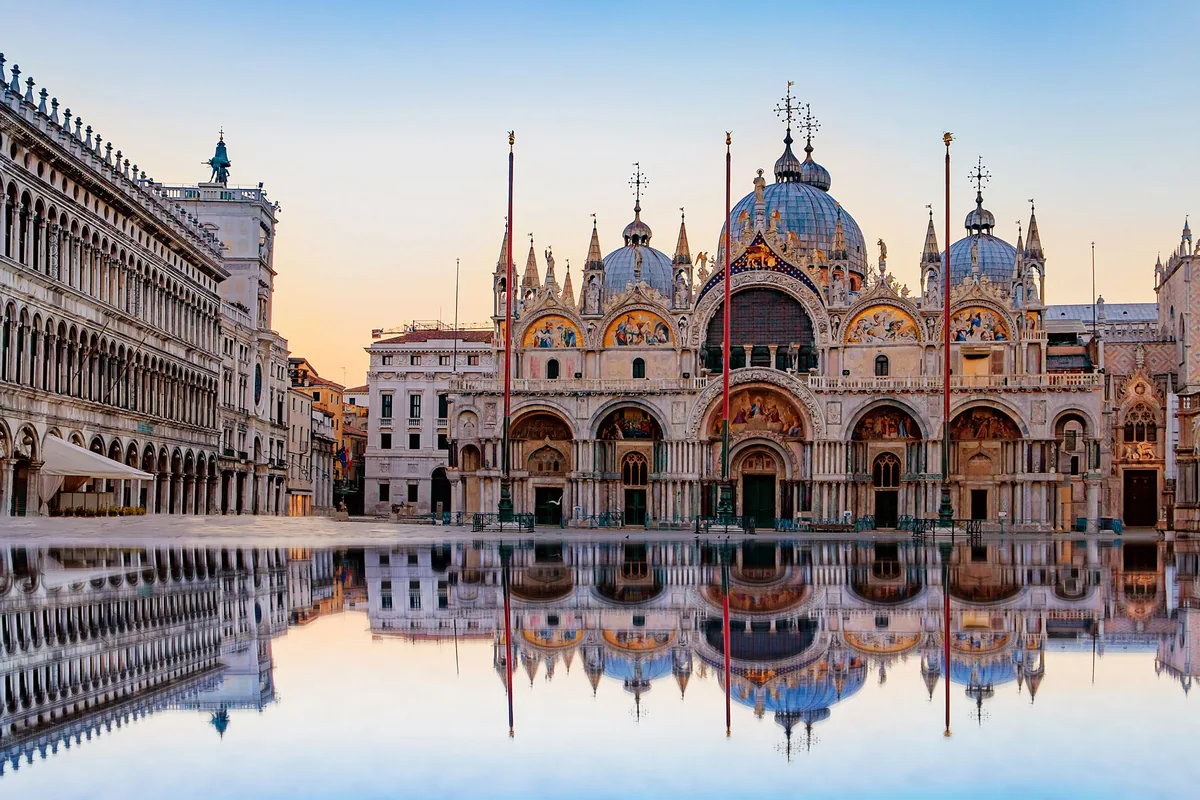
“Five centuries ago, a frustrated cardinal dug a tunnel under an entire town just to make sure his garden would have enough water to sing to him.”
About Villa d'Este
Ippolito d'Este was the son of Lucrezia Borgia, and his garden was a calculated display of his family's power and classical learning. The design was heavily influenced by the nearby ruins of Hadrian's Villa, with Ligorio literally scavenging statues and marble from the ancient Roman site to decorate the new gardens. Over the centuries, the hydraulic systems were often neglected, but the sheer gravity-fed design meant that the water never truly stopped flowing. The property was eventually acquired by the Italian state after World War I and underwent a massive restoration to return the fountains to their original, musical glory. It remains the world’s most sophisticated example of hydraulic engineering from the pre-industrial era.
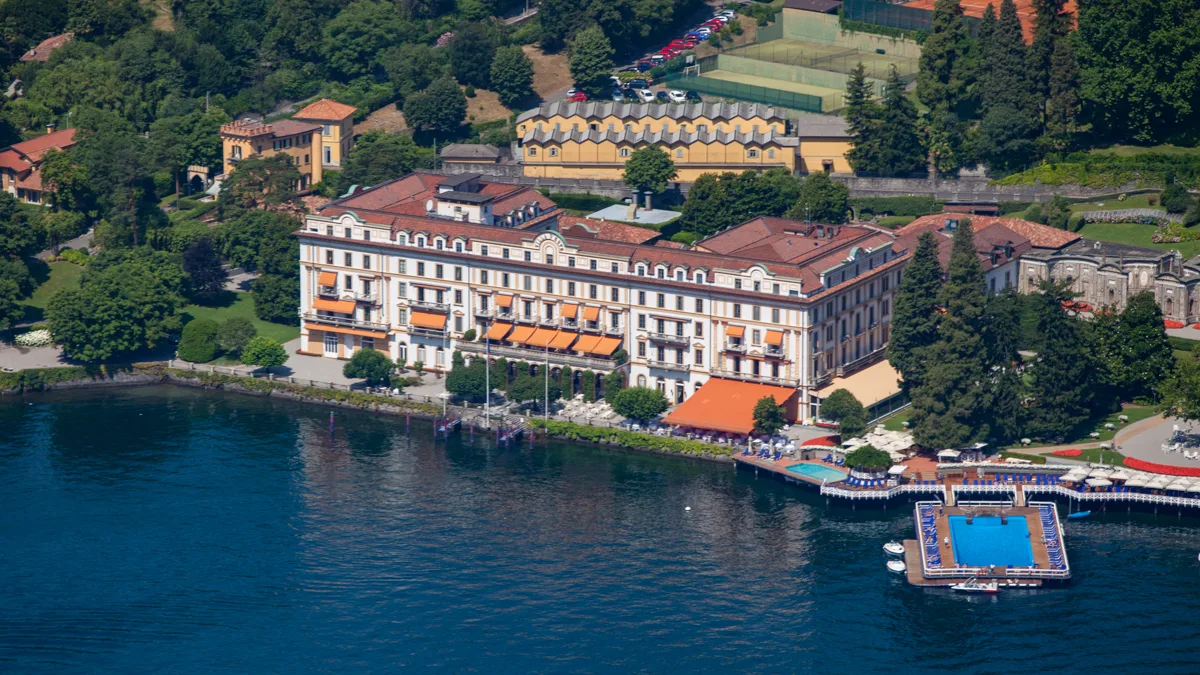
Villa d'Este in Italy
Five hundred fountains hiss and roar within a terraced garden that descends the steep slopes of Tivoli, powered entirely by gravity and the diverted waters of the Aniene river. Villa d'Este is the ultimate expression of the Italian Renaissance garden, a place where water is treated as an architectural material as solid as stone. The room here is perpetually damp and cool, smelling of wet moss, ferns, and the fresh, metallic scent of moving water. The walk through a landscape of grottoes, monumental pools, and secret alleyways lined with stone masks that spit water into marble basins. The sound is a constant, varying white noise that ranges from the delicate drip of the 'Hundred Fountains' to the thunderous boom of the 'Great Organ Fountain.'
Five hundred fountains hiss and roar within a terraced garden that descends the steep slopes of Tivoli, powered entirely by gravity and the diverted waters of the Aniene river.
commissioned Pirro Ligorio, 1550
Cardinal Ippolito II d'Este, a man of immense wealth and frustrated papal ambition, commissioned Pirro Ligorio in 1550 to transform a former Benedictine monastery into a palace that would rival the Vatican. To create the garden, an entire hillside was excavated and a massive tunnel was dug under the town of Tivoli to provide a constant supply of water. The project was a masterpiece of Mannerist art, filled with allegorical statues and hydraulic wonders that included fountains that played music and others that imitated the sound of birds. Over the centuries, it was the model for the great royal gardens of Europe, including Versailles, before eventually falling into a romantic state of decay that inspired the music of Franz Liszt.
Descending from the frescoes of the main palace
Descending from the frescoes of the main palace, the immediate drop in temperature as the mist from the fountains hits your face. The way the sunlight creates dozens of tiny rainbows in the spray of the Neptune Fountain. The volume is overwhelming; in the Organ Fountain, you can still hear the water-powered music that has fascinated visitors for five centuries. The mass of the slippery, moss-covered texture of the stone balustrades and notice the deep, vibrant green of the water-plants that thrive in the constant humidity. People generally spend their time on the main central axis, but the quietest moments are found in the lower, wilder gardens where the sound of the town above is completely swallowed by the rush of the cascades.
Tivoli is a forty-minute train ride or a one-hour bus journey from Rome. The villa is located in the center of the town, just a short walk from the station. A visit here is often combined with Hadrian’s Villa, located in the valley below, though the two sites are very different in atmosphere. The villa is a UNESCO World Heritage site and is well-maintained, though the stone steps can be slippery when wet. Arriving in the late afternoon allows you to see the garden as the shadows lengthen and the mossy stone takes on a deep, mysterious quality. During the summer, the villa sometimes opens at night, offering an ethereal experience of the illuminated fountains under the Italian moon.
Tivoli is a forty-minute train ride or a one-hour bus journey from Rome.
The Experience
Up at Villa d'Este is heavy and fragrant with the smell of wet earth and laurel. The intricate patterns of the pebble mosaics on the walls of the grottoes, looking like frozen raindrops. The mass of the physical vibration of the water as you stand near the Fountain of the Dragons, where the sheer volume of liquid moving through the stone is startling. Audible here of the 'Cento Fontane' is a soft, rhythmic patter that follows you for hundreds of yards. The most moving moment is found at the 'Rometta' fountain, a miniature stone model of ancient Rome that seems to weep water from every arch. It is a place that feels like a living, breathing machine made of water and art.
Why It Matters
Villa d'Este is the premier example of the 'giardino all'italiana' and a landmark of European landscape design. It represents the height of Renaissance technology and the humanist obsession with controlling and refining nature. Culturally, it is a site of immense artistic influence, having shaped the aesthetic of pleasure gardens from the 16th century to the present day.
Why Visit
What matters is that this is the only place in the world where you can hear a fountain play an actual pipe organ using nothing but water pressure. It is a sensory experience that no other garden can replicate, the sound, the mist, and the sheer audacity of a hillside turned into a massive water-feature. You come here to see how a Renaissance cardinal turned his disappointment into a liquid masterpiece.
✦ Insider Tips
- 1
The Organ Fountain plays its music every two hours starting from 10:30 AM; time your descent to be at the base of the fountain five minutes early.
- 2
Wear shoes with good grip; the constant mist from the fountains makes the ancient stone paths and stairs remarkably slick.
- 3
Don't spend too much time in the palace; the frescoes are interesting, but the true masterpiece is the garden outside.
- 4
Look for the 'Owl Fountain,' which uses water to push air through whistles to imitate the sound of birds and the hooting of an owl.
- 5
Visit the nearby Villa Gregoriana for a wilder, more naturalistic take on Tivoli’s waterfalls after you’ve seen the formal engineering of Villa d'Este.