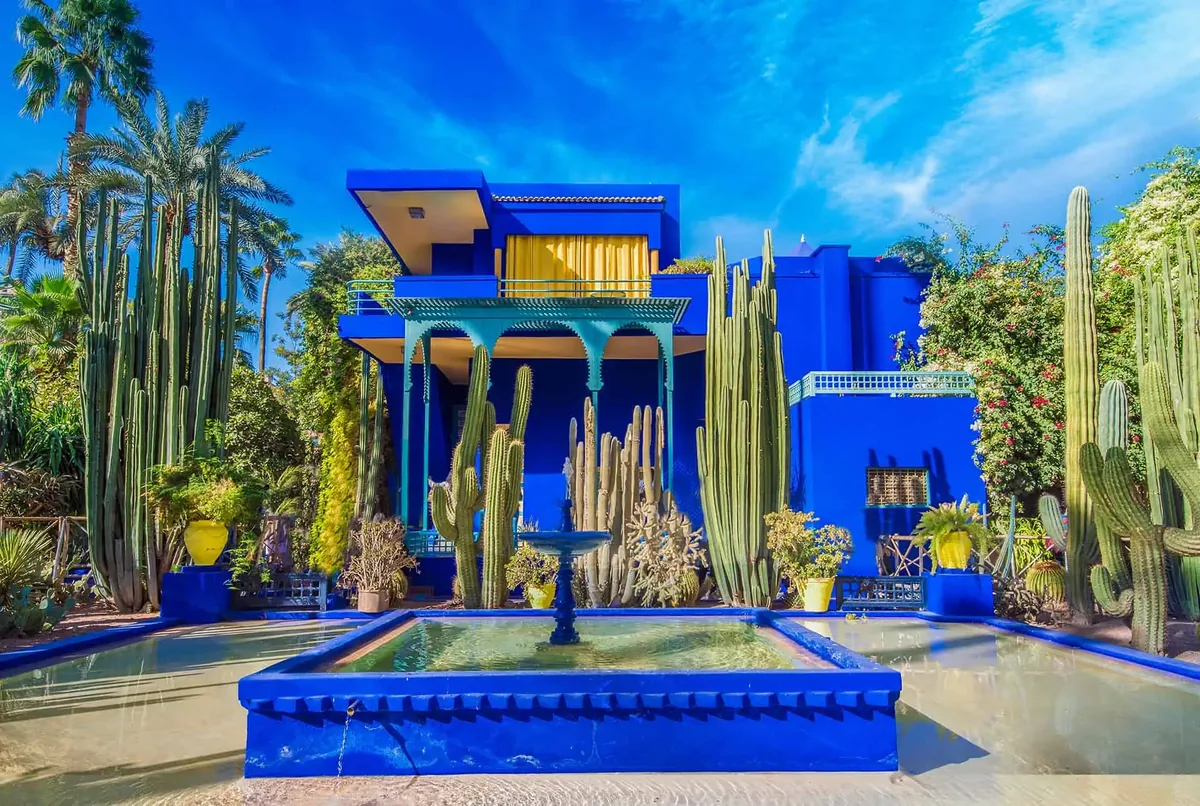
The architect of this gate was allegedly executed for admitting he could have built it even better, ensuring no other portal could ever rival its majesty.
About Bab al-Mansour
Meknes was a dusty backwater until Moulay Ismail chose it as his capital in 1672, initiating a fifty-year building spree that involved tens of thousands of slaves and laborers. Bab al-Mansour was the crowning achievement of this era, meant to signify the Sultan’s triumph over his rivals and his control over the trans-Saharan trade. The marble columns at its flanks were dragged by hand from Volubilis, symbolizing the Islamic conquest’s victory over the Roman past. During the French colonial period, the gate was recognized as a masterpiece of world architecture and was meticulously preserved. It survived the 1755 earthquake with minimal damage, standing firm while many of the palaces behind it crumbled into the dust of history.
What Bab al-Mansour actually is
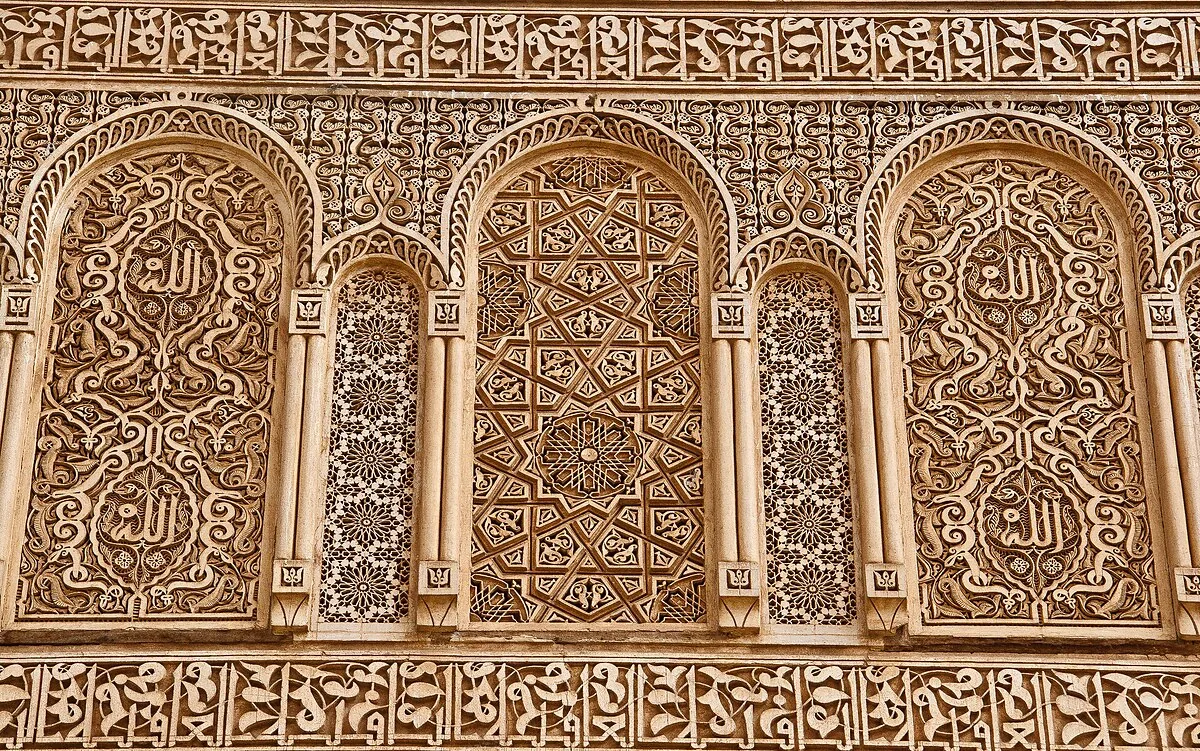
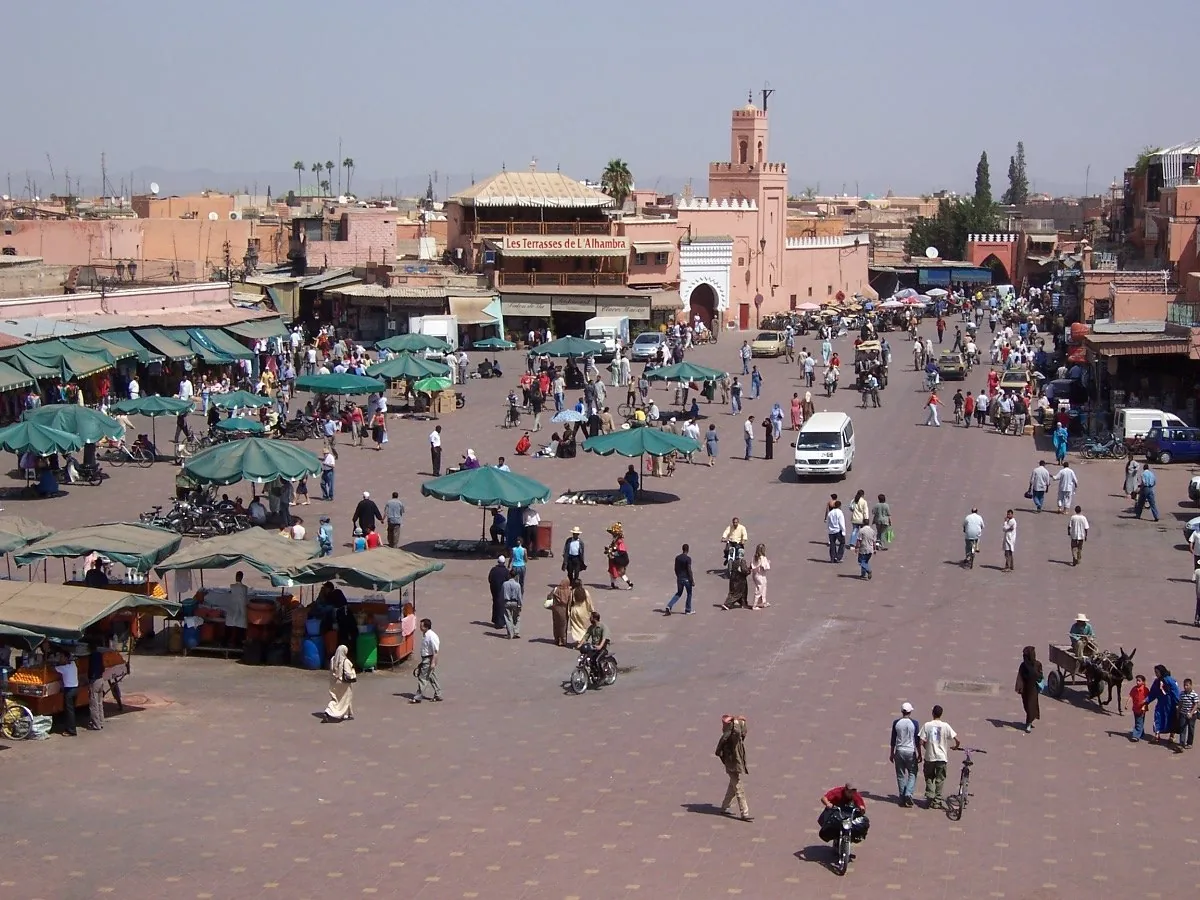
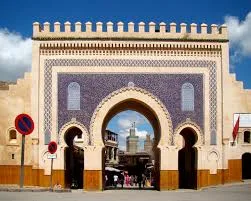
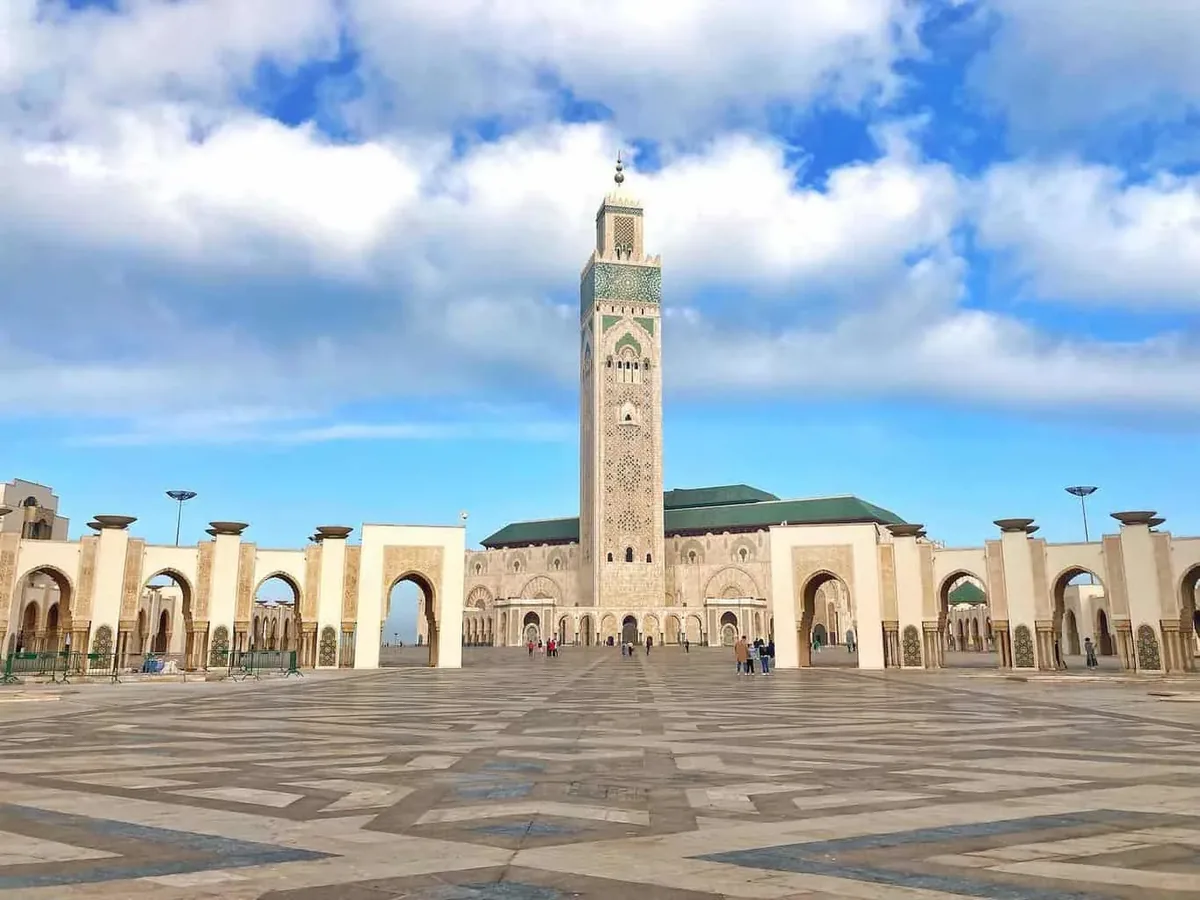
Facing the sprawling Place el-Hedim in Meknes, Bab al-Mansour is the most arrogant and beautiful gateway in North Africa. This massive portal was designed to be the grand entrance to the imperial city of Sultan Moulay Ismail, a man whose ambition was to build a 'Moroccan Versailles' that would eclipse the power of the French crown. The gate is a feast of intricate zellij tilework, green and blue mosaics, and soaring marble columns that were reportedly plundered from the nearby Roman ruins of Volubilis. Its scale is intimidating, intended not just for transit but for the display of royal decree. The air in front of the gate is a sensory swirl of market life, vendors selling spiced olives, the clatter of horse-drawn carriages, and the rhythmic shouts of street performers. Despite the centuries that have weathered its edges, the gate remains a masterclass in the balance between military might and artistic delicacy.
“Facing the sprawling Place el-Hedim in Meknes, Bab al-Mansour is the most arrogant and beautiful gateway in North Africa.”
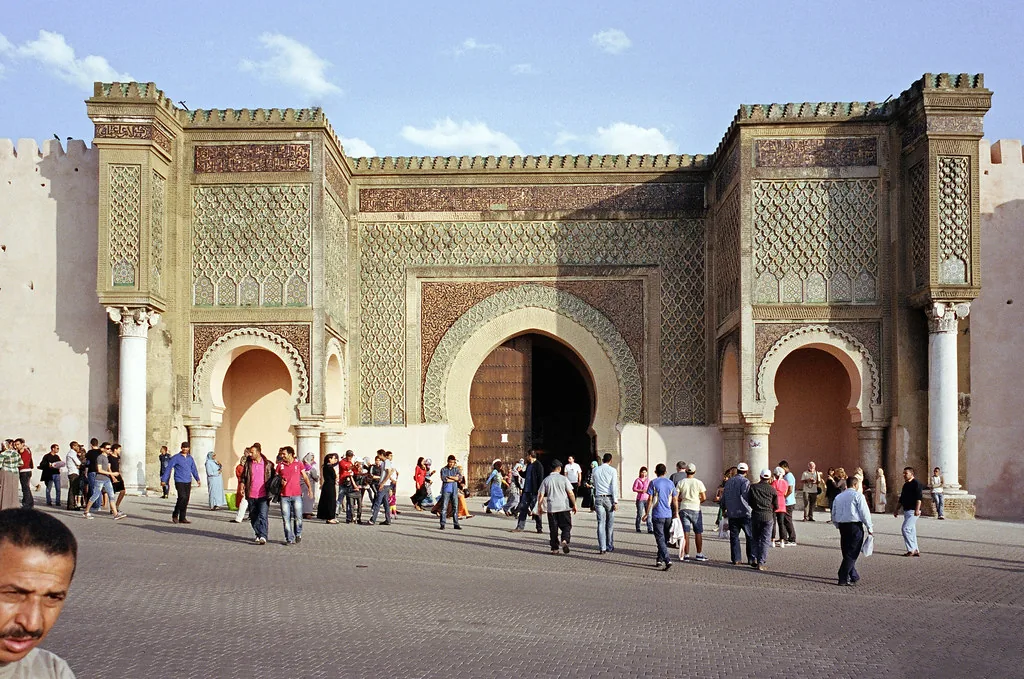
Bab al-Mansour, Morocco
see its completion, 1732
Sultan Moulay Ismail, the second ruler of the Alaouite dynasty, began construction on this gateway in the late 17th century, but he did not live to see its completion in 1732. The project was finished by his son, Moulay Abdallah, who hired a Christian architect known only as Mansour la Alj, or 'Mansour the Renegade.' Legend suggests that the Sultan once asked the architect if he could build a gate even more beautiful than this one. When Mansour replied that he could, the Sultan reportedly had him executed to ensure this masterpiece remained peerless. The gate was the primary threshold to the Sultan’s private imperial city, a vast complex of palaces, gardens, and granaries that required a guard of thousands. Its design incorporate the 'sebka' motif, a diamond-like interlacing pattern, that has become a hallmark of Moroccan royal architecture.
Standing in the center of the square, you
Standing in the center of the square, The way the green tiles of the gate shift from emerald to forest-green as the sun passes overhead. The area is a chaotic, quintessentially Moroccan interplay of street life, with the deep, hollow thud of horse hooves on cobblestones providing a constant beat. First, the texture of the ancient marble columns, cold and surprisingly smooth despite their two-thousand-year journey from a Roman city to this Islamic gate. The sheer verticality of the structure looking up at the Arabic inscriptions that praise the Sultan and his architectural prowess. Frequently skipped is the smaller side entrances, often distracted by the monumental central archway that is now permanently closed to preserve its structural integrity. First you see the way the locals lean against the massive wooden doors of the flanking towers, using this monument of power as a casual backdrop for their daily conversations.
Bab al-Mansour is the literal
Bab al-Mansour is the literal and figurative heart of Meknes, located directly across from the Place el-Hedim. It is a short walk from the city’s medina and most of the historic guesthouses. Meknes is well-connected by train to Fes, Rabat, and Casablanca, making the gate an easy landmark to reach for a day trip. While you can no longer walk through the main arch of the gate, a small museum and art gallery are often housed in the side towers, allowing you to experience the interior volume of this massive fortification. A visit is best paired with an exploration of the Sultan's Mausoleum and the Royal Granaries, both of which lie just beyond the gate's shadow.
“Bab al-Mansour is the literal and figurative heart of Meknes, located directly across from the Place el-Hedim.”
The Experience
It begins with the way the dust of the square settles into the intricate carvings of the stucco, adding a layer of sepia to the vibrant mosaics. Audible: a nearby flute player’s melody seems to get trapped in the archway, echoing back toward the market. The heat of the afternoon sun radiating off the limestone walls, a dry and heavy warmth. Most visitors miss the subtle differences in the tile patterns on the left and right towers, which were laid by different teams of artisans. The moment that stays with you is watching the square light up at night, when the gate is illuminated and the green tiles glow like jewels against the black velvet of the sky.
Why It Matters
Bab al-Mansour is the most celebrated of all Moroccan imperial gates and a UNESCO World Heritage site. it represents the peak of Alaouite architectural style and the sheer will of one of Morocco's most powerful sultans. It serves as a bridge between the ancient Roman history of the region and the Islamic golden age that followed.
Why Visit
Visit Bab al-Mansour to see power translated into stone. It is the best place in Morocco to understand the scale of the country's imperial ambitions. If you want to see where the Roman Empire and the Moroccan Sultanate physically collide in a single, beautiful structure, this gate is the only place in the world where that happens.
Insider Tips
- 1
Stand at least fifty meters back in the square to truly appreciate the gate's symmetrical proportions.
- 2
Look for the calligraphy at the top of the gate; it is a poem in praise of the Sultan and the gate itself.
- 3
Visit the nearby Mausoleum of Moulay Ismail after seeing the gate to see where the man who commissioned it now rests.
- 4
The side door often leads to a rotating art exhibit, which is worth the small fee just to stand inside the thick walls.
- 5
Avoid the square at noon when the heat can be punishing; the gate looks its best and the square is most alive in the late afternoon.