All landmarks and tourist attractions in Morocco
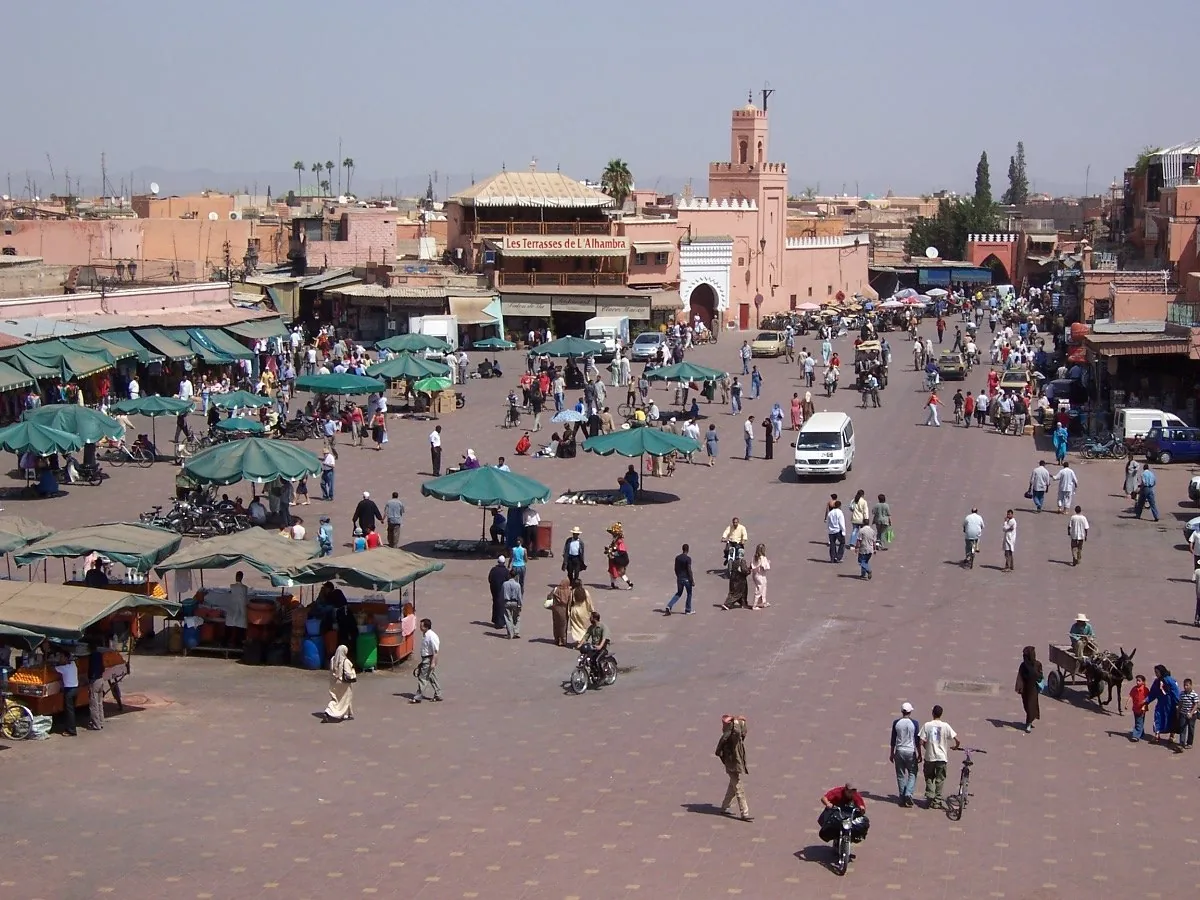
Jemaa el-Fnaa
A medieval theatrical space that has functioned continuously since 1050 AD; where the UNESCO-recognized oral traditions of storytellers and snake charmers collide with a smoke-filled nocturnal food market; arrive at an upper-story terrace at 6 pm; the square is a sea of flickering gas lamps and the rhythmic clatter of Gnaoua iron castanets while the pre-dawn call to prayer echoes off the 12th-century Koutoubia minaret.
Explore →
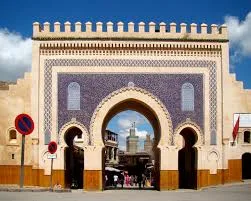
Fes el-Bali
The world largest car-free urban space is a 9th-century labyrinth of 9;000 alleys where donkeys remain the primary transport; the scent of sun-bleached cedar and pungent dye vats is inescapable; enter the Chouara Tannery at midday; the sight of hundreds of stone pits filled with saturated ochre and indigo pigments remains unchanged for centuries; the air is thick with the metallic tang of leather processing.
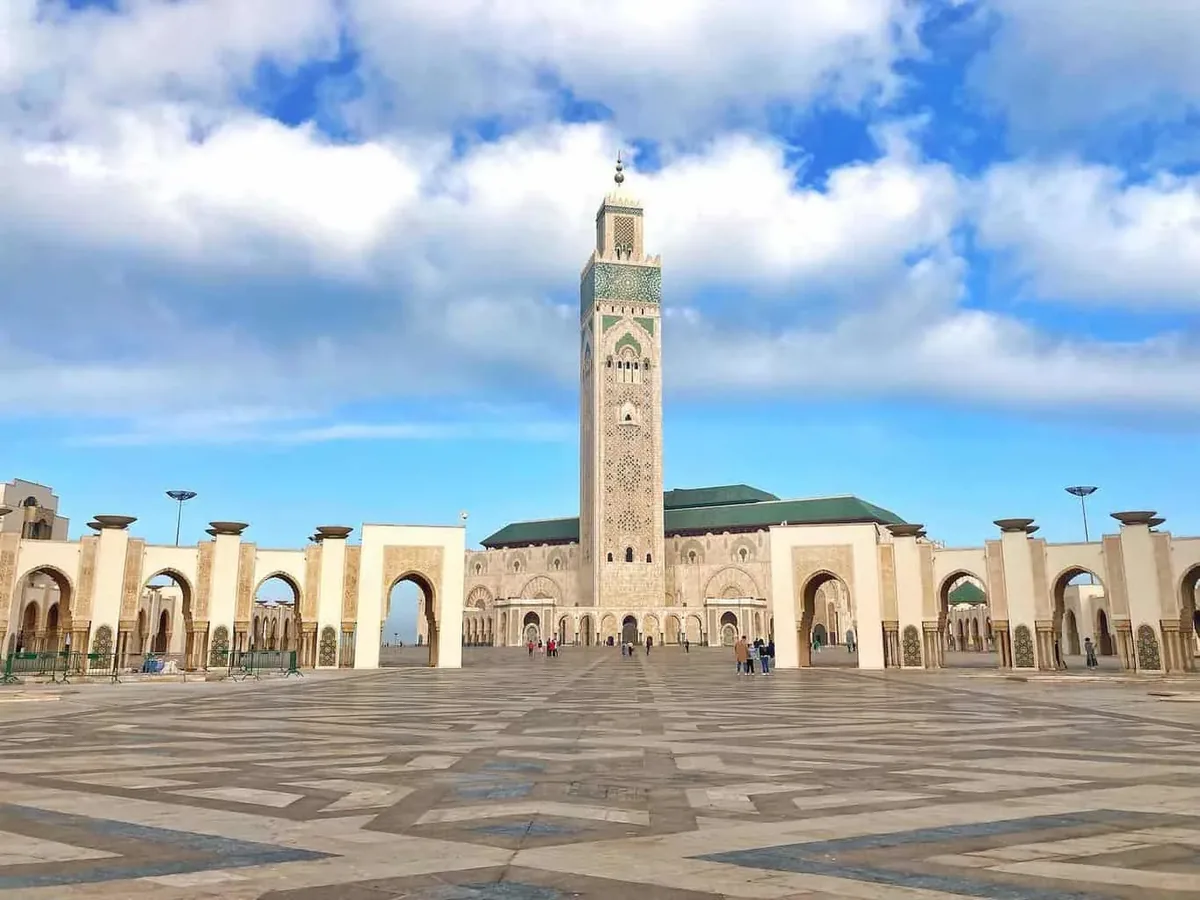
Hassan II Mosque
Built by 6;000 Moroccan master craftsmen in 1993; this landmark features a 210-metre minaret and a retractable roof that opens the prayer hall to the Atlantic sky; the hand-carved cedar and intricate zellige tilework cover every surface; stand on the marble esplanade at high tide; the mosque appears to float over the white-crested surf while the Atlantic salt spray coats the sun-warmed granite columns.
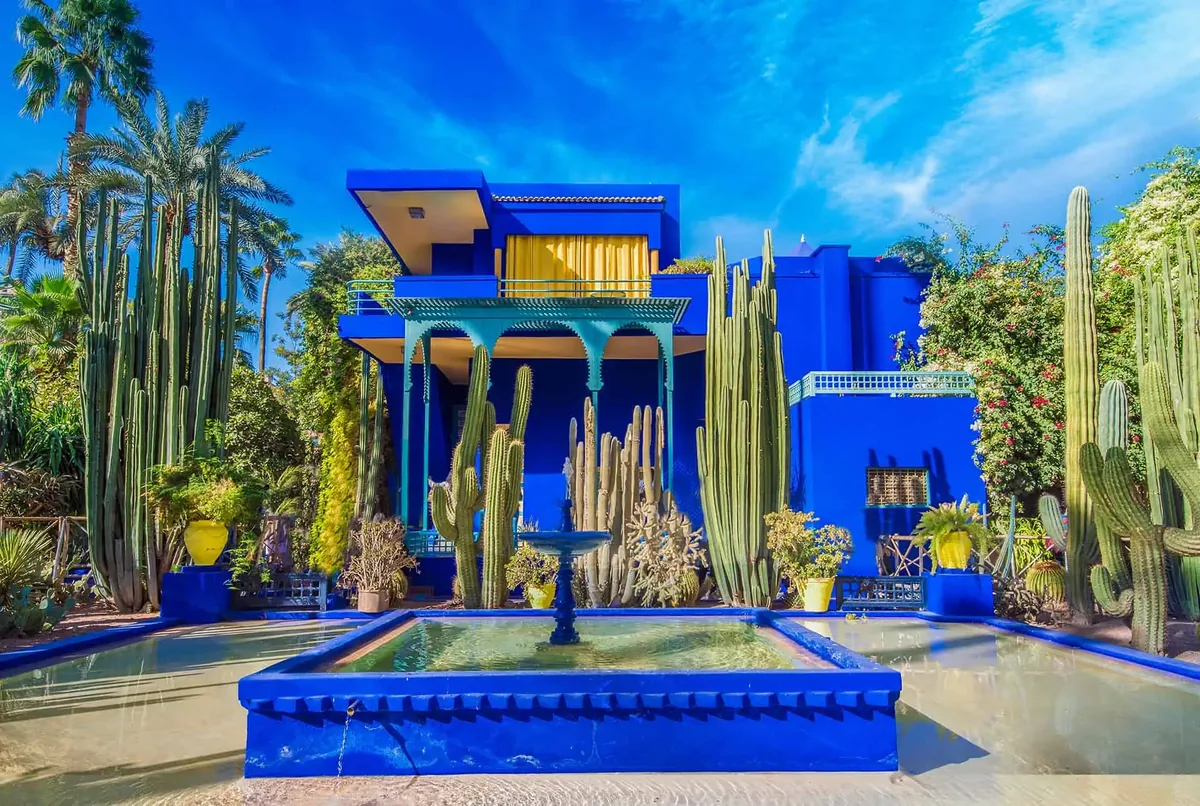
Jardin Majorelle
A 12-hectare botanical sanctuary defined by the electrifying Majorelle Blue applied to its Art Deco villa; commissioned in 1923 by Jacques Majorelle and later restored by Yves Saint Laurent; walk the bamboo-lined paths at 8 am; the horizontal light saturates the cobalt plaster and the yellow ceramic pots; the sound of trickling water in the marble basins provides a sharp; cooling contrast to the city heat.
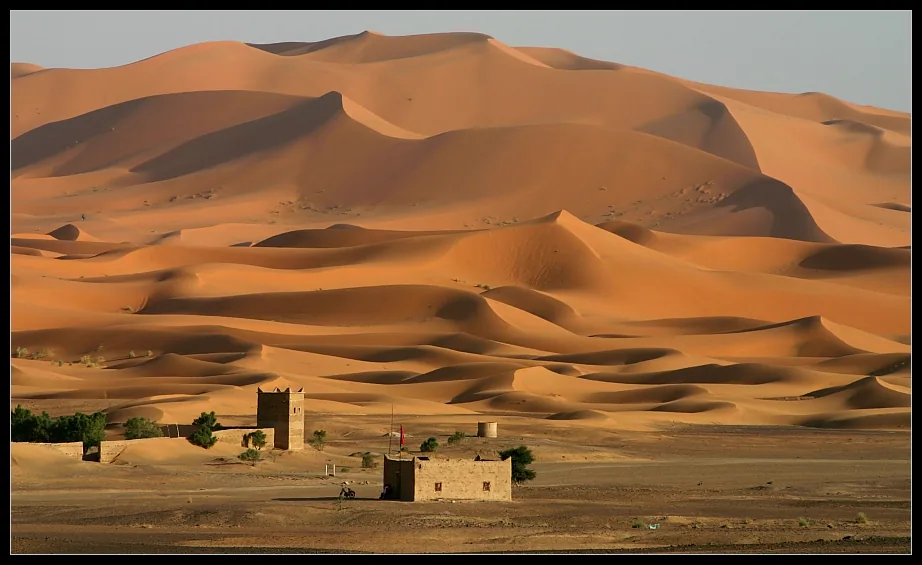
Erg Chebbi
A 22-kilometre expanse of massive wind-sculpted sand dunes reaching heights of 150 metres; where the laterite-red earth of the hammada gives way to towering Saharan silica; traverse the ridge by camel at 4 am; the stars are sharp enough to cast shadows before the sun ignites the dunes into a fire-orange spectrum; the silence of the deep desert is absolute until the wind shifts the fine sand.
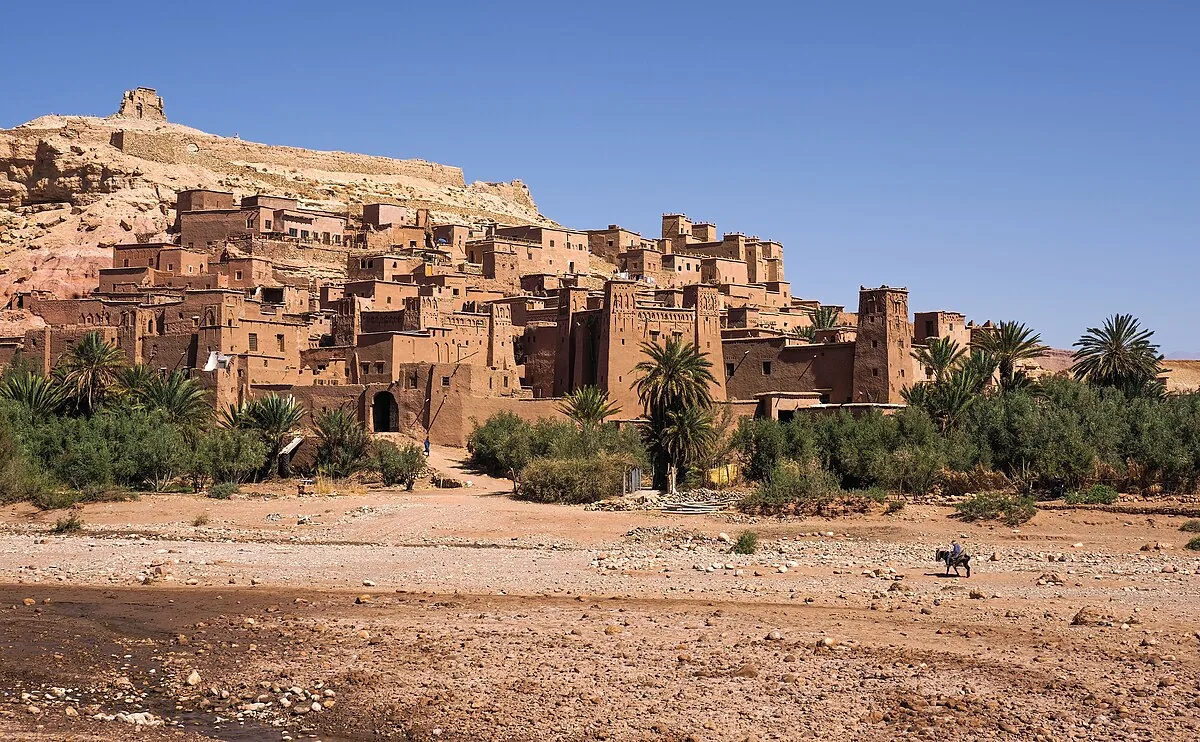
Ait Benhaddou
An 11th-century ksar of earthen clay architecture protected by reinforced ramparts and corner towers; this UNESCO site serves as the definitive example of pre-Saharan habitat engineering; climb to the granary at the summit at sunset; the valley of the Ounila River turns amber while the sun-baked mud walls glow like cooling embers; the air is dry and carries the scent of wild thyme.
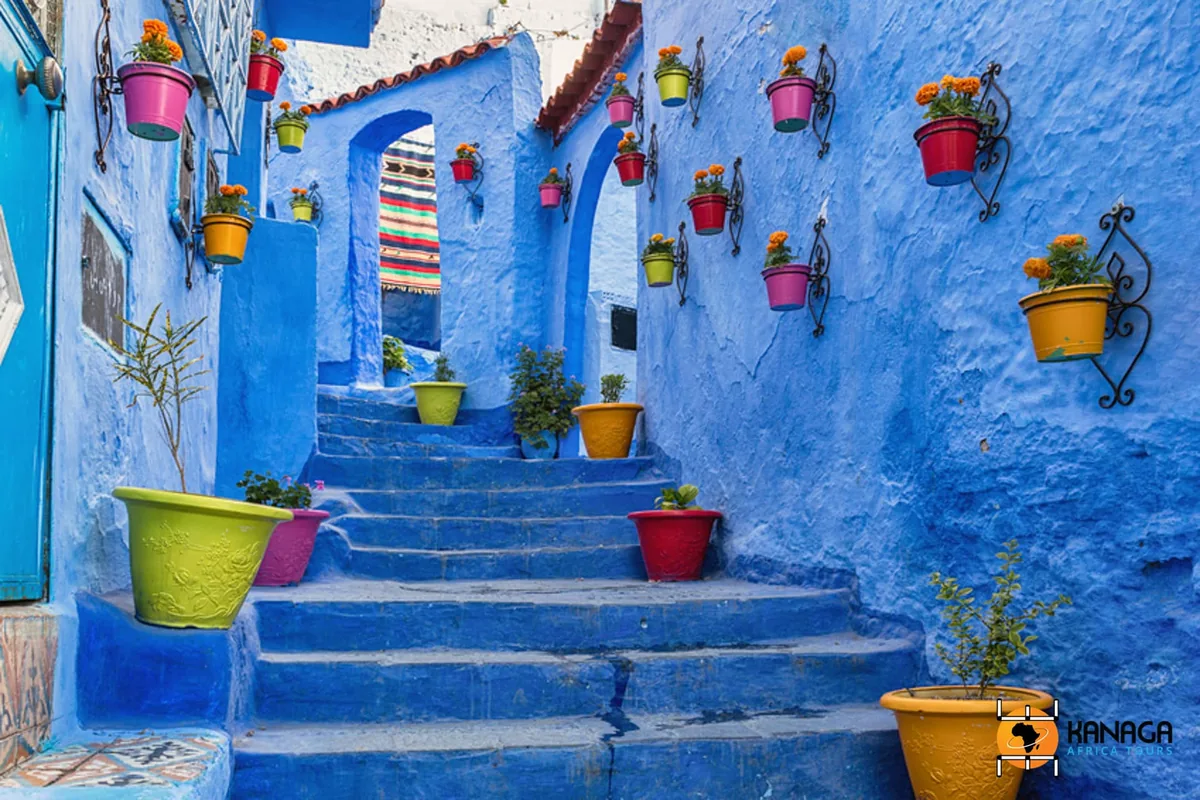
Medina of Chefchaouen
Founded in 1471 as a fortress against the Portuguese; this mountain town is famous for the various shades of blue wash applied to its sun-bleached limestone walls to repel mosquitoes and heat; climb the steep cobblestone steps toward the Spanish Mosque at dawn; the pre-dawn mist clings to the Rif Mountains while the city below appears like a liquid blue mosaic in the soft; northern light.
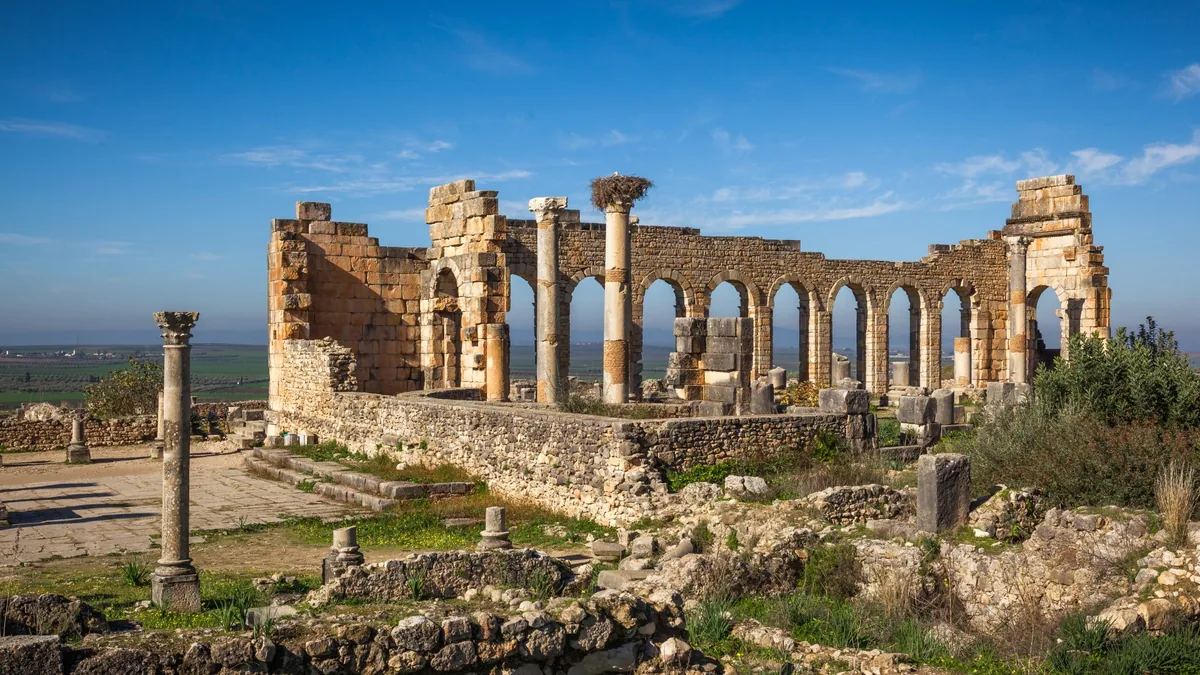
Roman Ruins of Volubilis
The most remote outpost of the Roman Empire; this 3rd-century BC city features exceptionally preserved mosaics like the Labours of Hercules still exposed to the elements; walk the Decumanus Maximus toward the Triumphal Arch in late afternoon; the low sun highlights the weathered texture of the grey limestone columns while the surrounding olive groves provide a silver-green backdrop that has remained unchanged for millennia.
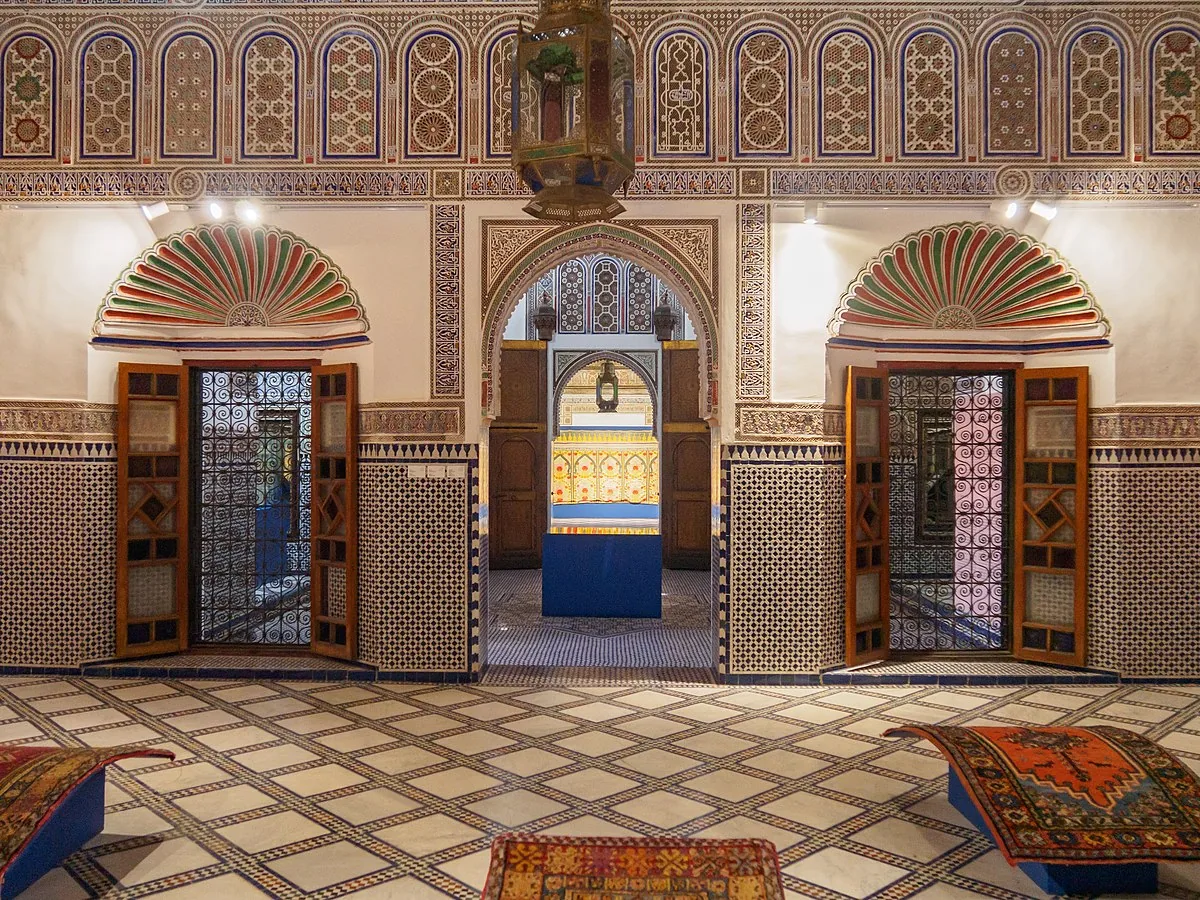
Dar Si Said
A 19th-century palace showcasing the pinnacle of Moroccan decorative arts; including hand-hammered copper; ancient Berber jewelry; and a 10th-century stone basin from Spain; the cedar-wood ceilings are painted with natural mineral pigments; sit in the inner courtyard at midday; the light filters through the citrus trees onto the zellige tiles; the air is cool and smells of orange blossom and old wood.
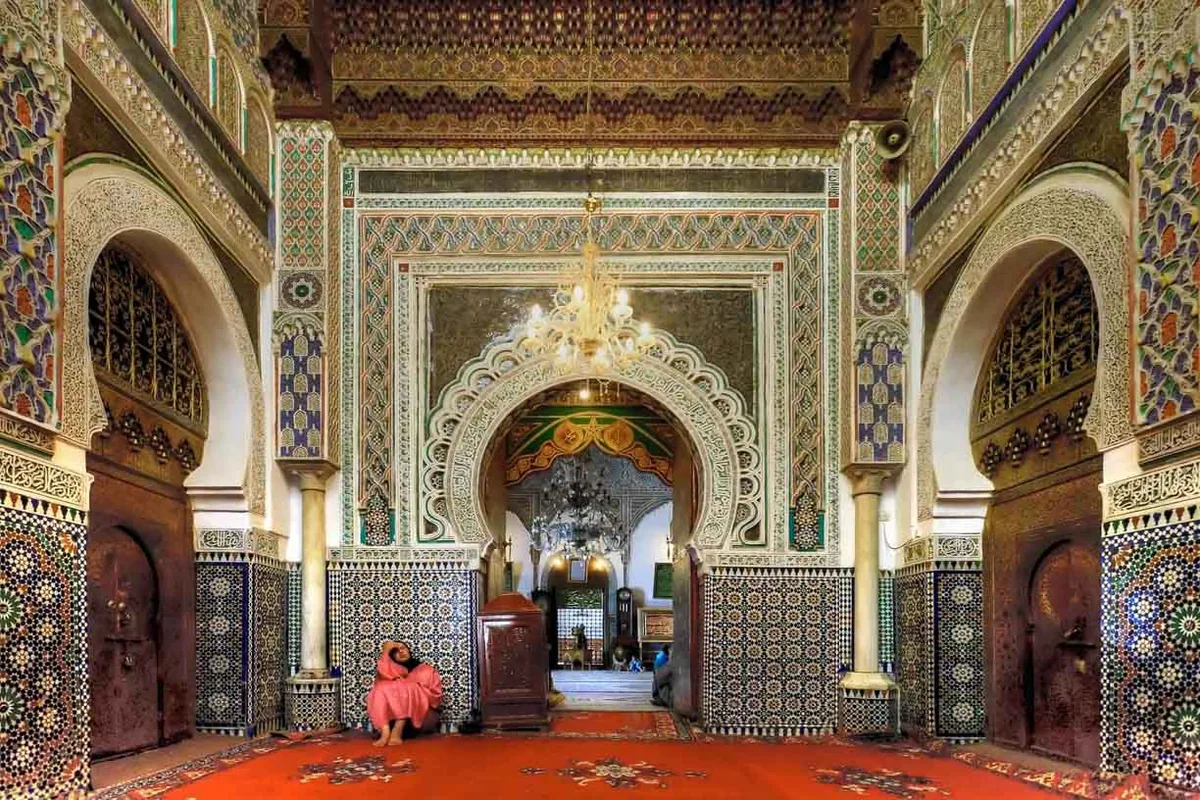
Zaouia of Moulay Idriss II
The holiest town in Morocco; where the founder of the Idrisid dynasty is entombed within a green-tiled complex strictly regulated for non-Muslim entry; the town is built across two limestone hills; watch the pilgrims gather at the barrier at 4 pm; the sound of communal chanting vibrates off the white-washed walls while the scent of heavy rose water and burning sandalwood is pervasive in the narrow alleys.
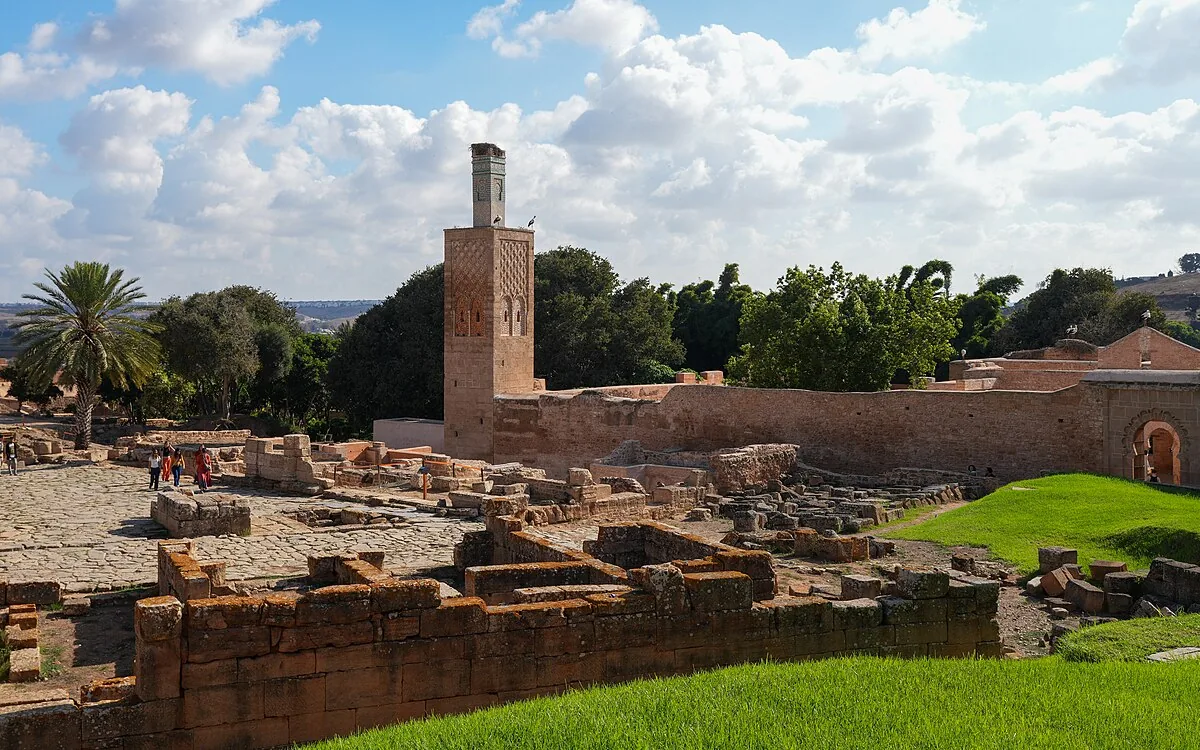
Chellah
A 14th-century Marinid necropolis built over the ruins of the Roman city of Sala Colonia; where stone minarets are now topped with massive stork nests; enter through the hand-carved stone gate at opening; the ruins are engulfed by wild bougainvillea and overgrown gardens; the sound of storks clattering their beaks echoes through the roofless Roman forum while the air carries the damp scent of the nearby Bou Regreg.
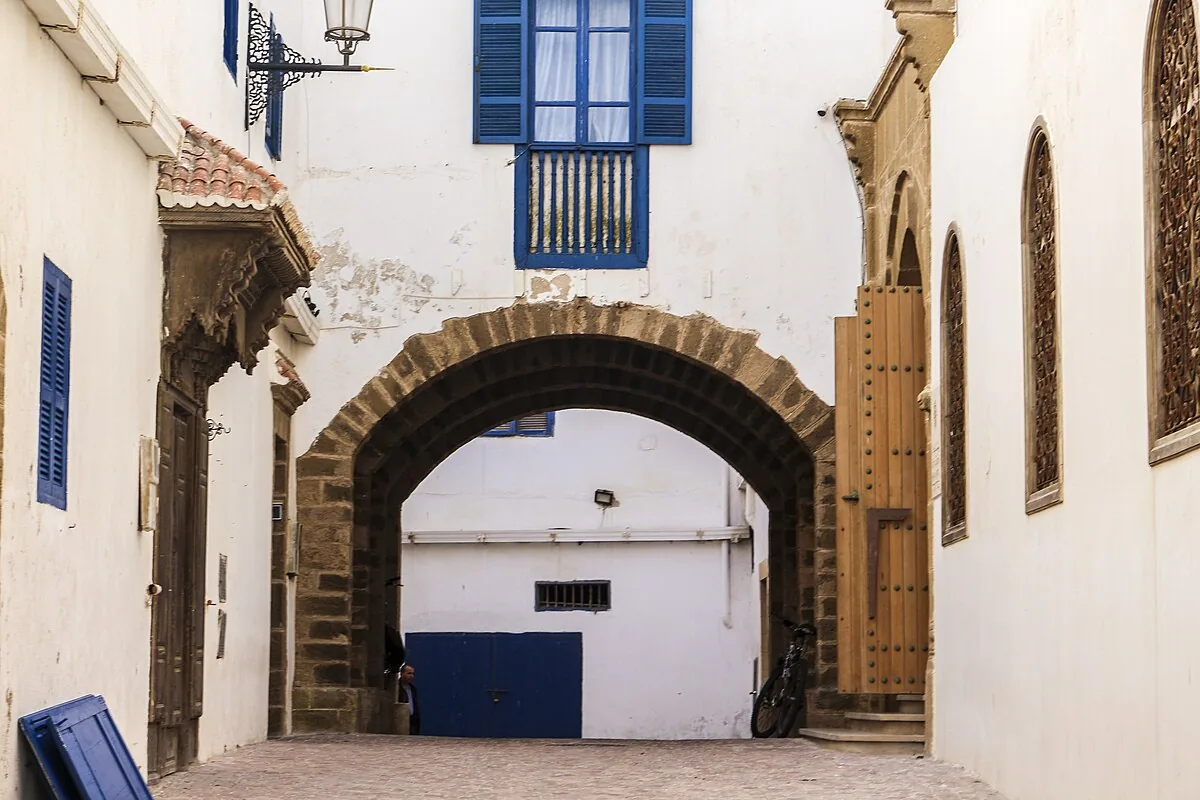
Medina of Essaouira
An 18th-century fortified seaport designed by a French architect for a Moroccan Sultan; where the blue-and-white medina meets the crashing Atlantic surf; the sea-facing ramparts are lined with 19th-century Dutch cannons; walk the Skala de la Ville at high tide; the wind is a relentless; salt-crusted force that carries the sound of shipyard saws and the smell of grilling sardines from the nearby port.
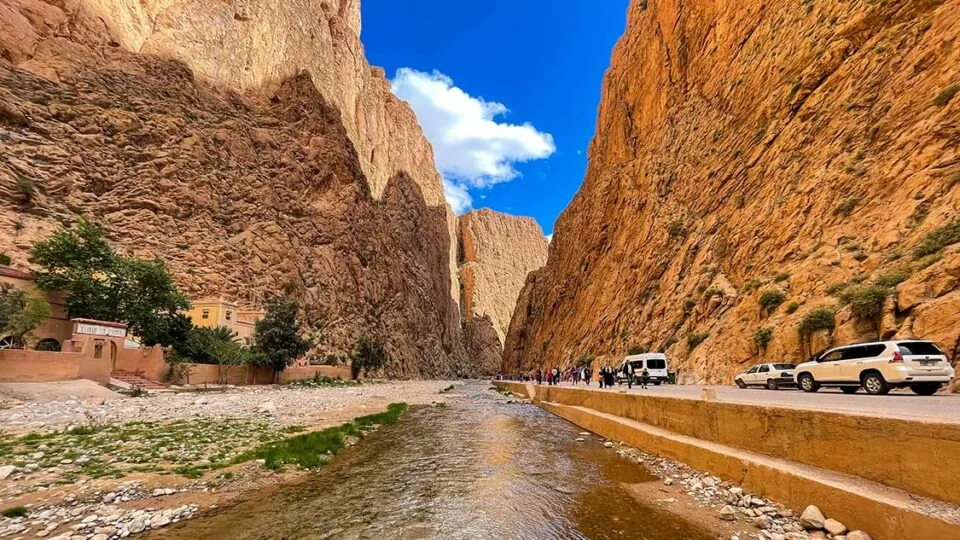
Todra Gorge
A massive limestone trench in the High Atlas Mountains where vertical walls rise 300 metres while the canyon floor narrows to just 10 metres; carved by the Todra and Dades rivers over millennia; walk the floor of the gorge at noon; the temperature drops significantly as the sheer rock faces block the desert sun; the sound of the icy river rushing over moss-slicked basalt boulders is deafening in the narrowest sections.
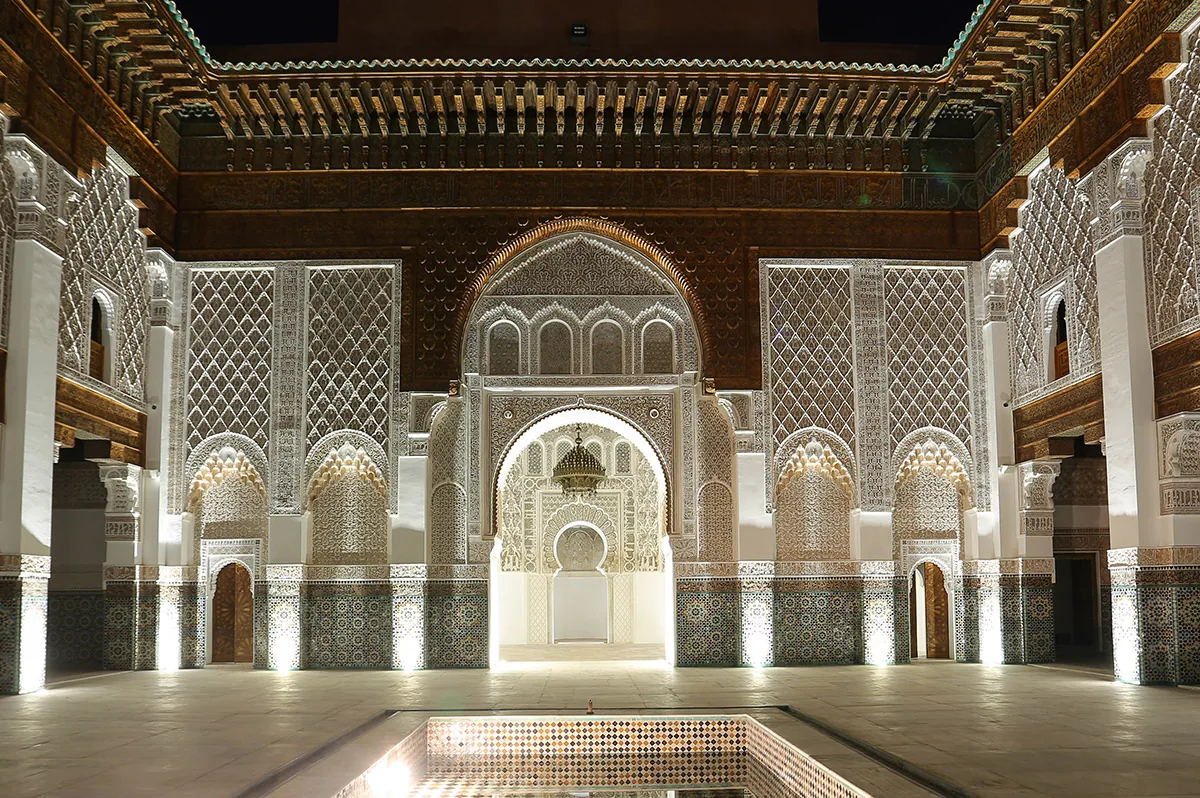
Medersa Ben Youssef
The largest Islamic college in North Africa; rebuilt in 1565 with a central courtyard of Italian marble and intricate stuccowork that took years to hand-carve; the 130 student cells are clinical and dark; stand in the prayer hall at 3 pm; the western light illuminates the microscopic detail of the cedar lintels and the flowing Arabic calligraphy; the silence of the courtyard feels detached from the surrounding medina.
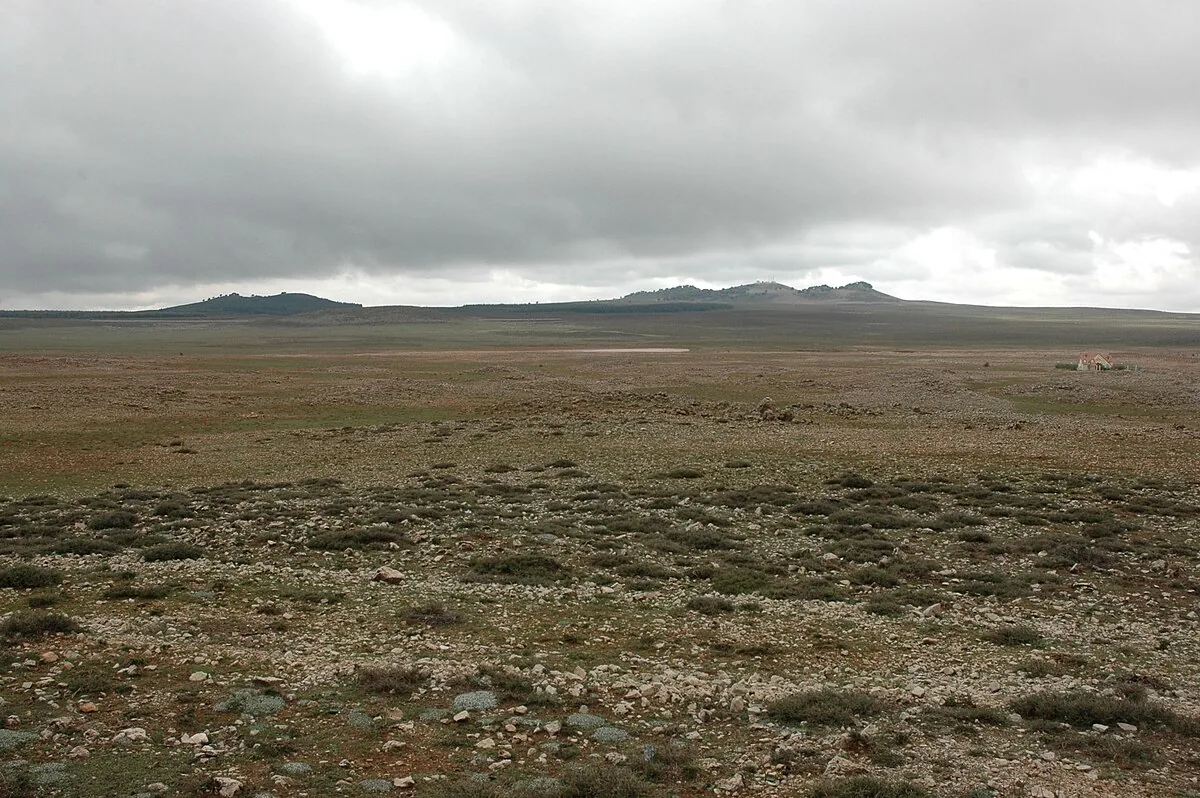
Ifrane National Park
A 500-square-kilometre sanctuary containing the world largest forest of Atlas Cedars; some trees are over 800 years old and thrive at an elevation of 1;600 metres; explore the forest floor after a winter snowfall; the scent of cedar resin is sharp and clean while the endangered Barbary macaques move silently through the grey; lichen-covered branches; the landscape defies the stereotypical desert image of the country.
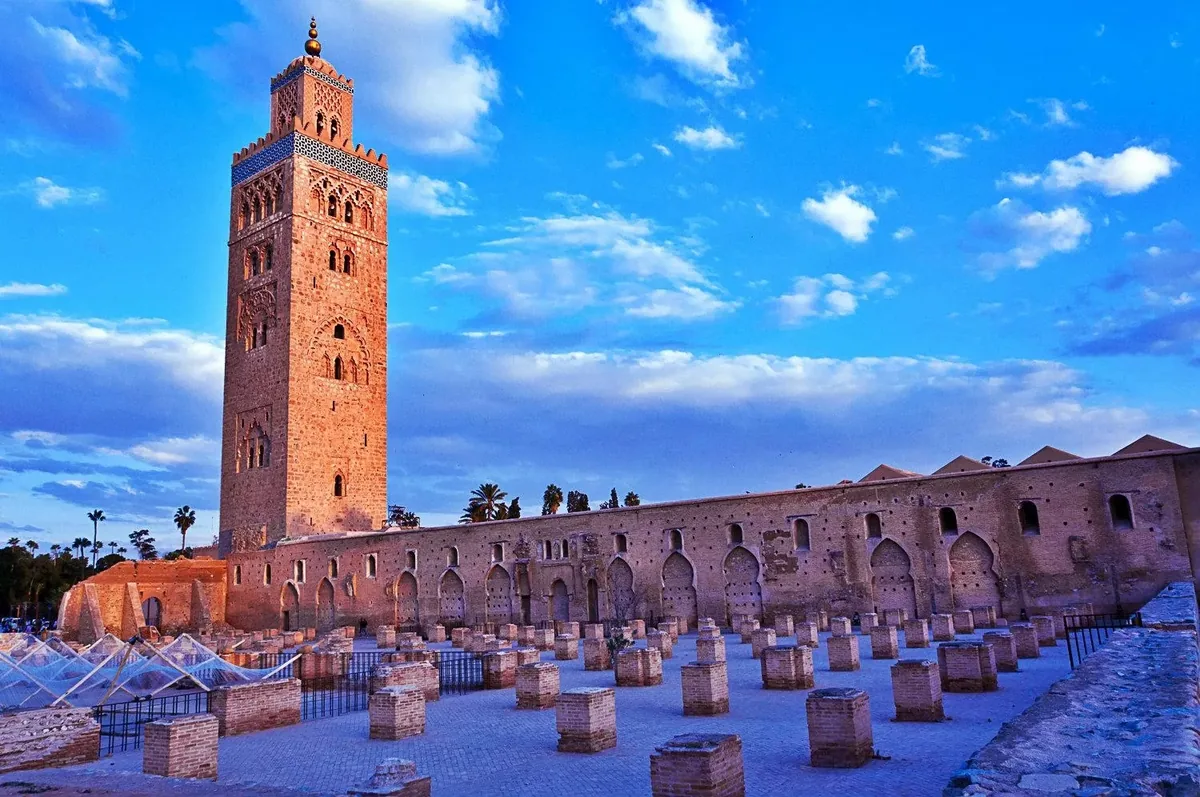
Koutoubia Minaret
The 77-metre 12th-century Almohad masterpiece that served as the architectural blueprint for the Giralda in Seville; the pink sandstone tower is decorated with a different ceramic pattern on each face; stand in the surrounding rose gardens at the Maghrib prayer call; the sound is a physical force that resonates through the earth while the floodlights turn the weathered stone a saturated; glowing terracotta.
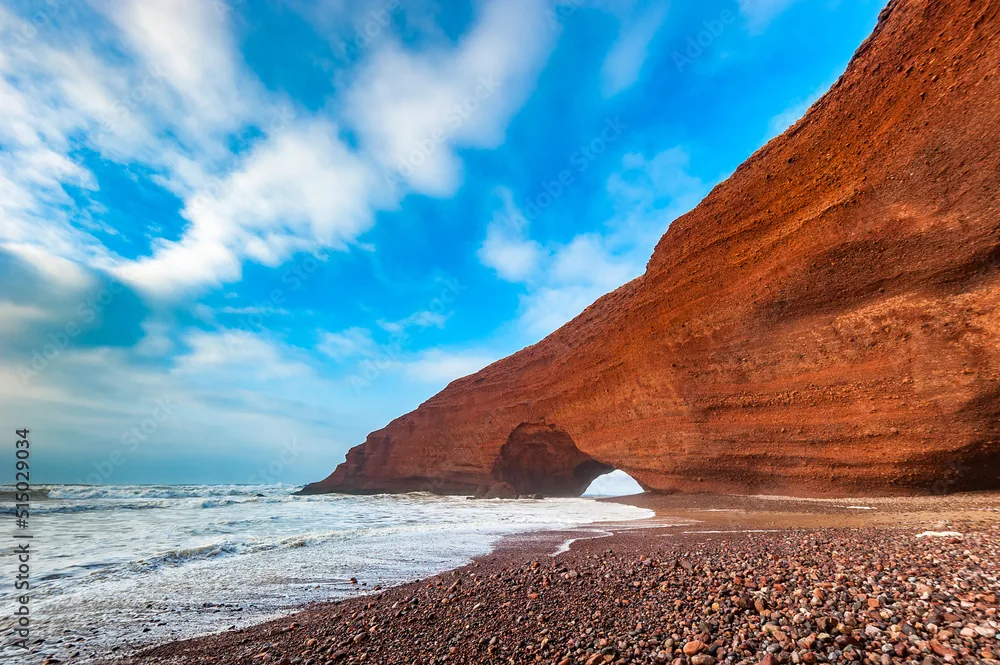
Legzira Beach
A rugged stretch of Atlantic coastline famous for its massive natural red sandstone arches carved by wave erosion; the rock faces are a deep; rusted ochre that contrasts with the white surf; reach the base of the surviving arch at low tide; the horizontal light of the late afternoon ignites the stone into a brilliant crimson; the beach is a desolate; wind-scoured space that feels like the edge of the world.
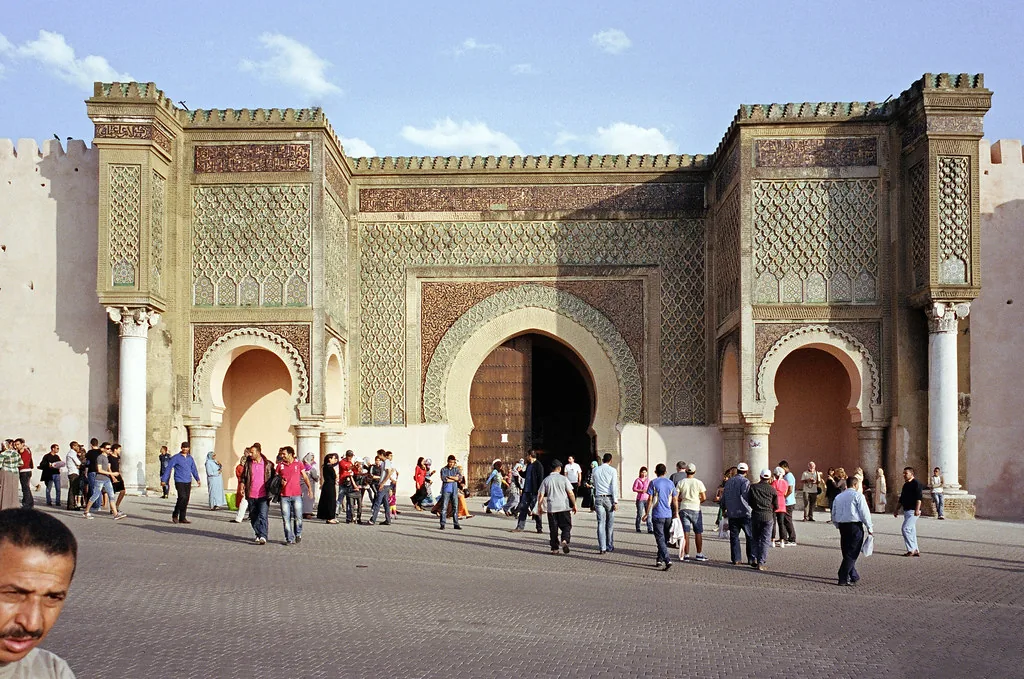
Bab al-Mansour
Completed in 1732; this is widely considered the most grand of all North African gates; featuring marble columns scavenged from the ruins of Volubilis and a massive horseshoe arch; the green and blue zellige tiles form a complex geometric web; view the gate from Place el-Hedim at twilight; the spotlights highlight the relief of the carved plaster while the city evening trade builds in the square below.
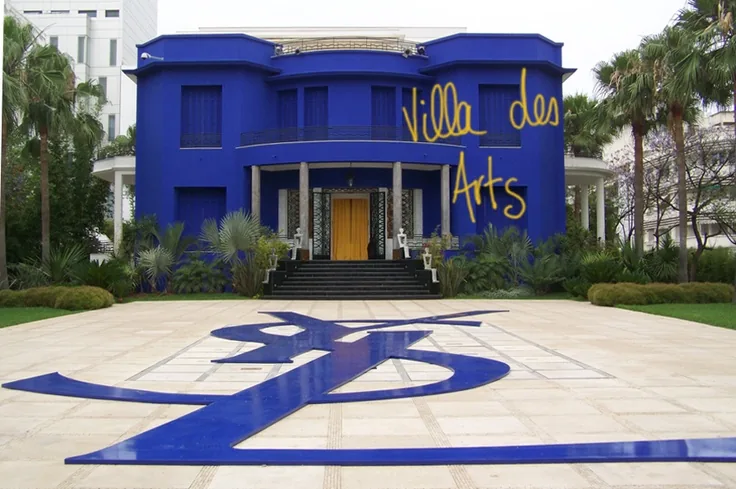
Villa des Arts
An 1934 Art Deco villa that serves as a premier space for contemporary Moroccan and international art; the architecture is a masterwork of clean lines; geometric ironwork; and white plaster; visit the sculpture garden at 11 am; the light is clinical and bright; reflecting off the white walls and highlighting the modern Moroccan aesthetic that exists outside of the traditional medina narrative; the atmosphere is quiet and sophisticated.
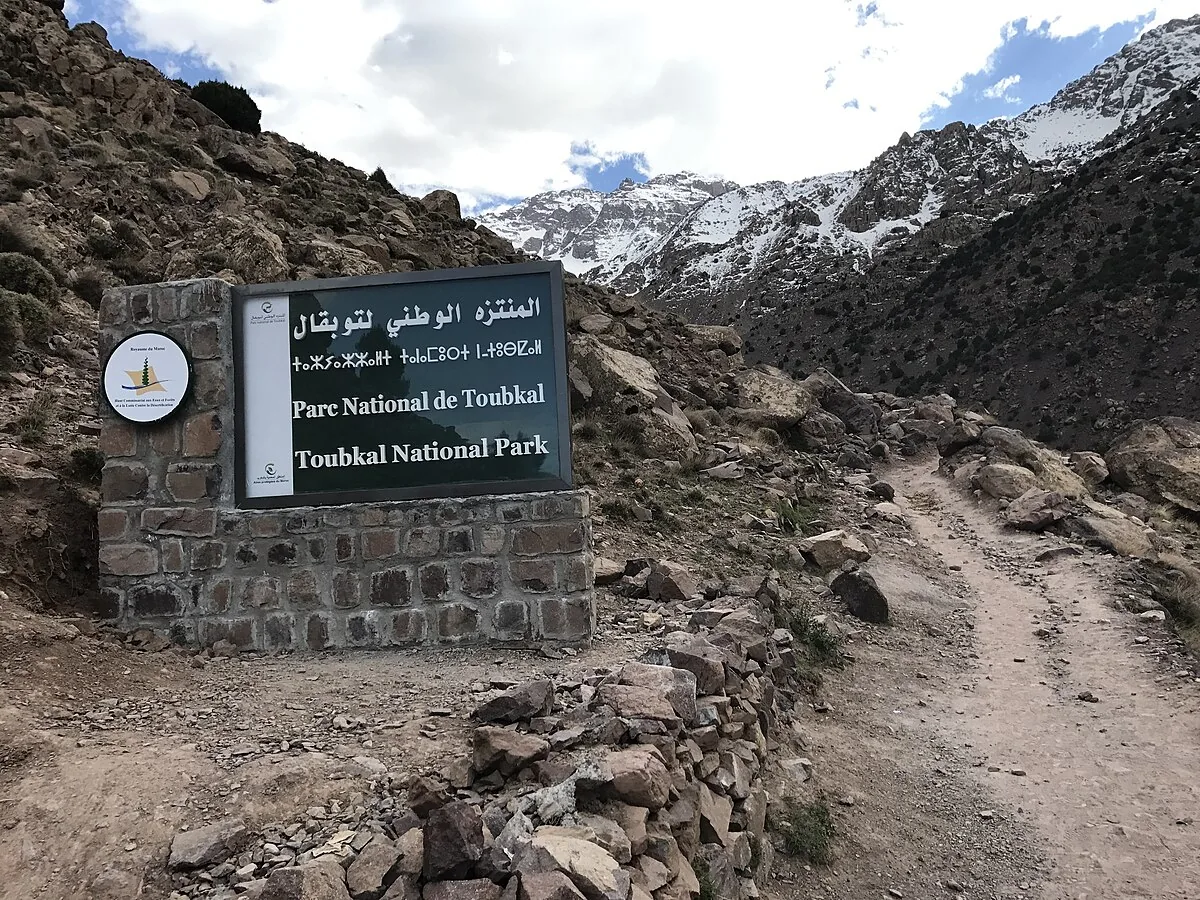
Toubkal National Park
Centred around North Africa highest peak; Jebel Toubkal (4;167m); this park features a landscape of rugged basalt and ancient juniper trees; the ascent from Imlil passes through sun-bleached scree slopes and Berber hamlets; stand at the summit ridge at sunrise; the view stretches across the pre-Saharan plains to the south and the Marrakech plateau to the north; the air is thin; icy; and smells of wet stone.