“One man’s 19th-century status symbol now is the most intimate vault for Morocco's disappearing artisan secrets, hidden behind a doorway most travelers walk right past.”
About Dar Si Said
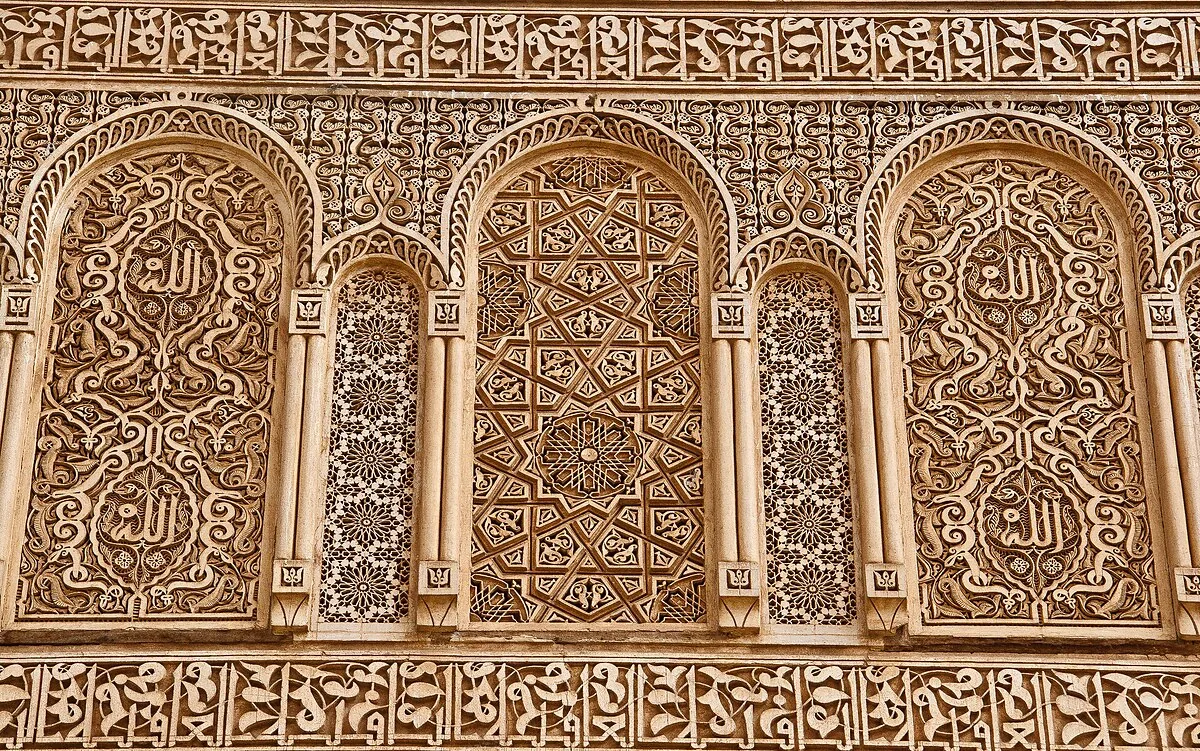
The palace was constructed in the same era as the Bahia Palace, reflecting a period of intense architectural competition among the elite of Marrakech. Si Said, who served as Minister of War, wanted a home that showcased the very best of Moroccan 'moucharabieh' (turned wood) and 'stucco' work. During the 20th century, the site became a repository for artifacts gathered from the High Atlas and the desert south, including 10th-century marble basins from Spain. The museum's recent transition into the National Museum of Weaving and Carpets has breathed new life into the space, organizing the vast collection by region and tribal style. This allows visitors to see the evolution of Moroccan design from the 11th century to the present day.
Dar Si Said
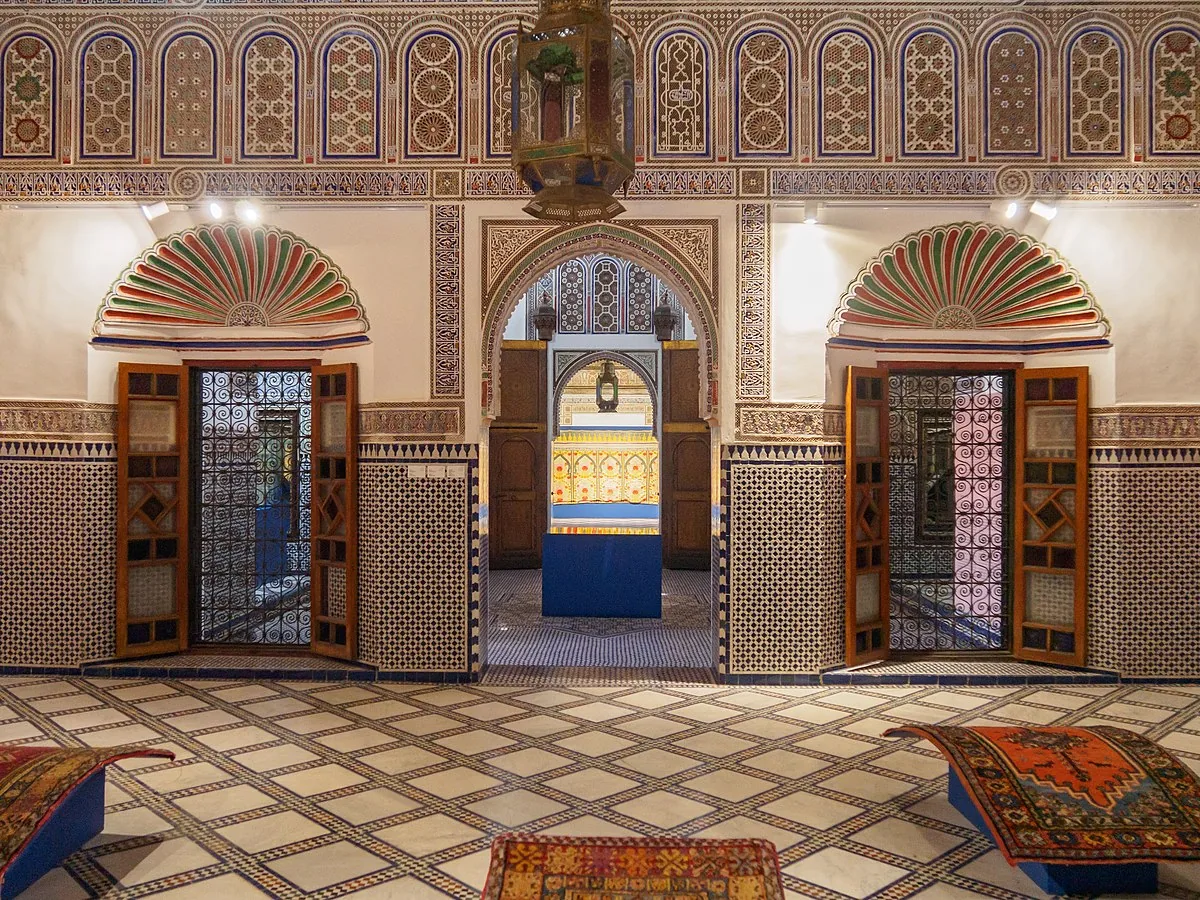
Tucked behind an unassuming doorway in the middle of the Marrakech medina, Dar Si Said is a masterclass in 19th-century domestic grandeur. This former palace, built for the brother of the powerful Grand Vizier Ba Ahmed, functions as a museum of Moroccan arts, but the building itself often upstages the exhibits. The architecture is an interplay of carved cedarwood, intricate zellij tiling, and painted plasterwork that seems to defy the laws of geometry. Unlike the larger and more crowded Bahia Palace nearby, Dar Si Said retains an intimate, lived-in atmosphere, where the filtered light through stained-glass windows creates dancing patterns on the polished floors. The collection housed within these walls, ranging from Berber jewelry to ancient wedding trunks, is a curated biography of Moroccan craftsmanship, celebrating the anonymous hands that shaped the nation's aesthetic identity.
Tucked behind an unassuming doorway in the middle of the Marrakech medina, Dar Si Said is a masterclass in 19th-century domestic grandeur.
Si Said ibn Musa, a high-ranking official
Si Said ibn Musa, a high-ranking official and minister, commissioned this residence in the late 1800s during the peak of the Alaouite dynasty's influence. He spared no expense, employing the finest craftsmen from Fes and Marrakech to create a space that would reflect his social standing. The palace was designed with a traditional riad layout, centered around lush garden courtyards that provided a private, shaded escape from the city's dust. Along the death of the owners and the shifting political tides of the early 20th century, the palace was eventually converted into a museum during the French Protectorate. Today, it stands as one of the oldest museums in Marrakech, recently renovated to highlight its exceptional collection of carpets and textiles, which are considered among the finest in North Africa.
Entering the main courtyard, The sudden
Entering the main courtyard, The sudden drop in volume as the thick stone walls swallow the noise of the surrounding souks. There is a faint, dry scent of aged wood and the herbal notes of the citrus trees growing in the central garden. The thing you pick up on is the texture of the 'tafrount', the intricate carved wood ceilings in the upper-story rooms, which are painted with organic dyes that have remained vivid for over a century. The cool, smooth surface of the marble floors under your feet moving through the labyrinthine rooms. Frequently skipped is the small details of the door knockers and the hand-forged iron window grates, each a unique work of art. Pay attention to the way the afternoon sun hits the second-floor dome, illuminating a shifting mix of Moroccan colors that reflect onto the white-washed walls.
Finding the museum requires navigating
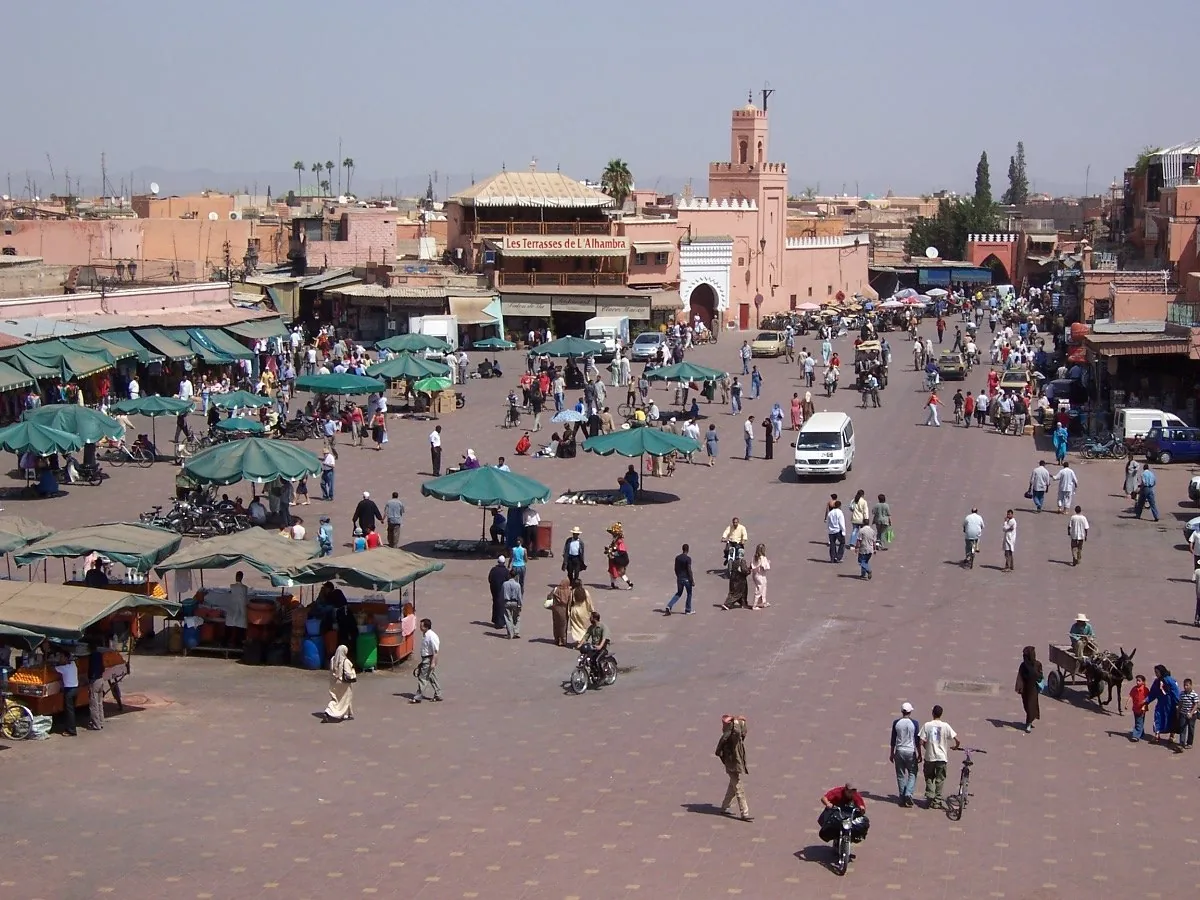
Finding the museum requires navigating the narrow alleys of the Riad Zitoun Jdid neighborhood, just a ten-minute walk from Jemaa el-Fnaa. It is located close to the Bahia Palace, making it easy to visit both in a single morning. The entrance is marked by a modest sign that belies the splendor inside. Because it is slightly less famous than its neighbor, Dar Si Said rarely has long queues, allowing for a more meditative and unhurried exploration of its galleries.
Finding the museum requires navigating the narrow alleys of the Riad Zitoun Jdid neighborhood, just a ten-minute walk from Jemaa el-Fnaa.
The Experience
Silence of the upper reception rooms, where the ornate ceilings look like inverted jewelry boxes. Your own footsteps on the tiles is often the only noise in the galleries, creating a sense of private discovery. What registers is the temperature change as you move from the sun-drenched courtyards into the deep, shaded alcoves of the living quarters. Most visitors miss the 1,000-year-old stone basin in the garden, brought all the way from Cordoba during the Almoravid era. What lingers with you is standing under the grand cedarwood dome of the first floor, realizing the incredible mathematics required to hand-paint such perfect symmetry.
Why It Matters
Dar Si Said is more than a museum; it is a preserved environment of Moroccan high-society life at the turn of the century. It serves as the primary guardian of the nation's textile heritage, preserving the vanishing patterns and techniques of Berber weavers. Its architecture provides a vital link to the craftsmanship standards of the Alaouite period.
Why Visit
Visit Dar Si Said if you want the beauty of the Bahia Palace without the elbows of a thousand other tourists. It offers a quieter, more intellectual engagement with Moroccan art. The carpet collection is world-class, providing a visual map of the country’s diverse tribal cultures that you won't find anywhere else in such a concentrated space.
✦ Insider Tips
- 1
Head straight to the second floor to see the grand reception room first; the woodwork there is the most impressive in the entire palace.
- 2
Look for the ancient wedding chairs (amariya), they give a fascinating glimpse into the elaborate marriage rituals of old Marrakech.
- 3
Take your time in the carpet wing; the labels explain the meaning behind the Berber symbols, which vary wildly from one mountain valley to the next.
- 4
Visit in the late afternoon when the sun aligns with the stained-glass windows to see the 'rainbow rooms' effect.
- 5
Combine this with a trip to the nearby Maison Tiskiwin for a full day of North African cultural immersion.