Snow-covered peaks and ancient cedar forests housing wild monkeys prove that Morocco is far more than just sand dunes and spice markets.
About Ifrane National Park
The Atlas Cedar is a prehistoric survivor, a tree that has adapted to the high-altitude winters of North Africa over millennia. Ifrane National Park contains a quarter of the world's remaining population of these majestic trees. The park's volcanic past is still visible in the basalt rocks and the crater-like depressions that have filled with water to form the park's signature lakes. For centuries, Berber shepherds have used these forests for summer grazing, a tradition that continues today but is now carefully managed to prevent overgrazing. The park is also a birdwatcher’s paradise, serving as a stopover for migratory species traveling between Europe and Africa, including the rare Atlas flycatcher.
Ifrane National Park
High in the Middle Atlas mountains, Ifrane National Park shatters every desert cliché of Morocco. This is a landscape of ancient cedar forests, dormant volcanic plateaus, and hidden lakes that look more like the Swiss Alps or the Pacific Northwest than North Africa. The park covers over 500 square kilometers and is home to the largest concentration of the endangered Barbary Macaque. The air is thin, cold, and smells intensely of pine and cedar resin. In the winter, the park is buried under several feet of snow, turning it into a playground for skiers. In the summer, it becomes a cool refuge for those fleeing the scorching heat of the lowlands. The centerpiece of the park is the Great Cedar Forest, where trees that have stood for eight hundred years create a cathedral-like canopy that hides a surprising variety of wildlife.
“High in the Middle Atlas mountains, Ifrane National Park shatters every desert cliché of Morocco.”
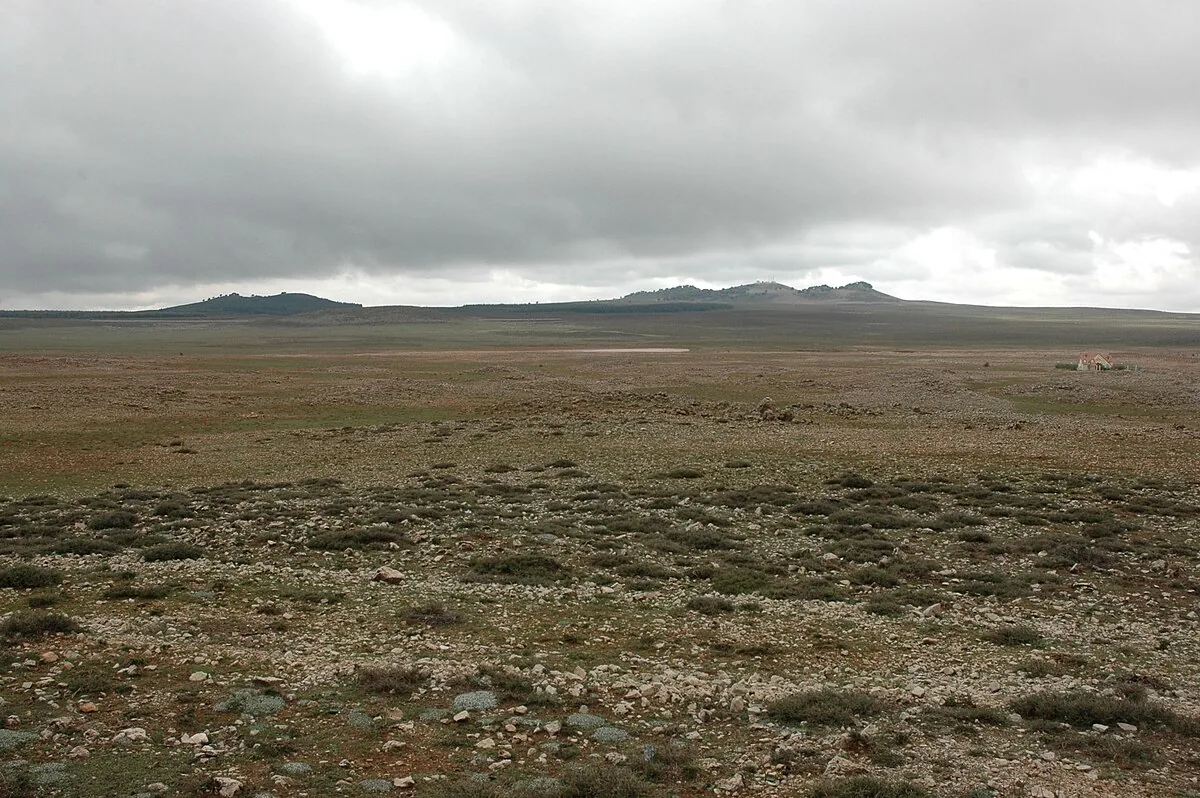
Ifrane National Park, Morocco
The park was officially established in 2004
The park was officially established in 2004 to protect the unique biodiversity of the Middle Atlas, particularly the Atlas Cedar (Cedrus atlantica), which is native to these mountains. However, the human history of the area is much older. The nearby town of Ifrane was built by the French in 1929 as a 'hill station,' a place for colonial administrators to escape the summer heat in an environment that felt familiar and European. This aesthetic, complete with red-tiled gabled roofs and manicured parks, has persisted, earning the area the nickname 'Little Switzerland.' The park itself was once the hunting ground of lions and leopards, the last of which disappeared in the early 20th century. Today, the focus has shifted to conservation, with the park serving as a vital sanctuary for the macaques and a crucial water tower for the rest of the country.
Ifrane is about an hour's drive
Ifrane is about an hour's drive from Fes or Meknes, making it an easy day trip or a refreshing stop on the way to the Sahara. The roads are well-paved but can be challenging in winter when snow chains are often required. Most visitors head straight for the Gouraud Cedar area, which is easily accessible from the main road. However, exploring the deeper parts of the park requires a 4x4 or a guided hike. The town of Ifrane itself offers plenty of accommodation, from luxury hotels to small guesthouses, and is the perfect base for exploring the park’s many trails.
Visiting Ifrane National Park
Walking through the Cèdre Gouraud forest, The massive girth of the ancient trees, their branches spreading horizontally like layers of a green cloud. The park is a quiet rustle of wind through the needles, occasionally interrupted by the sharp bark of a macaque or the crunch of snow underfoot. The texture of the cedar bark, thick, silvery, and deeply furrowed. The sharp bite of the mountain air, which stays cool even when the sun is bright. Often overlooked is the 'dayets,' or mountain lakes, like Dayet Aoua, where the water reflects the surrounding forest in a perfect, still mirror. What registers is the playful, highly social behavior of the monkeys, but also the wilder, more remote parts of the park where the only tracks in the mud belong to wild boar and golden jackals.
The Experience
The thing that lands is the way the light filters through the cedar needles in long, dusty beams that illuminate the forest floor. Nearby, the macaques in the canopy is a constant reminder that you are in a wild space, even if the road is nearby. The crunch of dry pine cones under your boots. Most visitors miss the volcanic 'lithophones', rocks that ring like bells when struck, found in certain areas of the park. What stays with you is standing by the shore of Dayet Aoua at sunrise, watching the mist rise off the water as a troop of monkeys comes down to the edge for their morning drink.
Why It Matters
Ifrane National Park is an ecological treasure of global importance, holding the line against the encroaching desertification of North Africa. It is the last great stronghold for the Barbary Macaque and the Atlas Cedar. Culturally, it offers a different vision of Morocco, one defined by alpine beauty and environmental stewardship rather than just ancient history.
Why Visit
Visit Ifrane National Park to see the 'Green Morocco.' It is the ultimate antidote to the sensory overload of the medinas. If you are looking to see wildlife in its natural habitat or simply want to breathe the cleanest air in the country, the park offers a sense of space and tranquility that is entirely its own.
Insider Tips
- 1
Do not feed the macaques; it makes them aggressive and dependent on humans, and there are heavy fines if you are caught.
- 2
Drive to the 'Mischliffen' crater for a unique look at a dormant volcano that now is a small ski resort.
- 3
Look for the local honey and cedar wood carvings sold at small roadside stalls near the park entrance.
- 4
If you are hiking, hire a local guide in the town of Azrou; the forest trails are poorly marked and it is easy to get turned around.
- 5
Keep an eye out for the Atlas Lion statue in the town of Ifrane; it’s a popular photo spot that commemorates the last lion seen in the wild nearby.