“With over 1,000 species of birds and trees that can grow to sixty meters, this reserve contains more life per square mile than anywhere else on Earth.”
About Manu Biosphere Reserve
The reserve's isolation was its greatest protector until the mid-20th century, when conservationists recognized the need to wall off this biological treasure from encroaching development. Manu was officially declared a National Park after years of lobbying by scientists who realized that its undisturbed status was unique in the Amazon. It has since become a global center for tropical research, hosting the Cocha Cashu Biological Station, which has produced some of the most important data on rainforest ecology ever recorded. The management of the park has evolved to include the 'Cultural Zone,' where sustainable tourism and indigenous land rights are integrated into the conservation mission.
What Manu Biosphere Reserve actually is
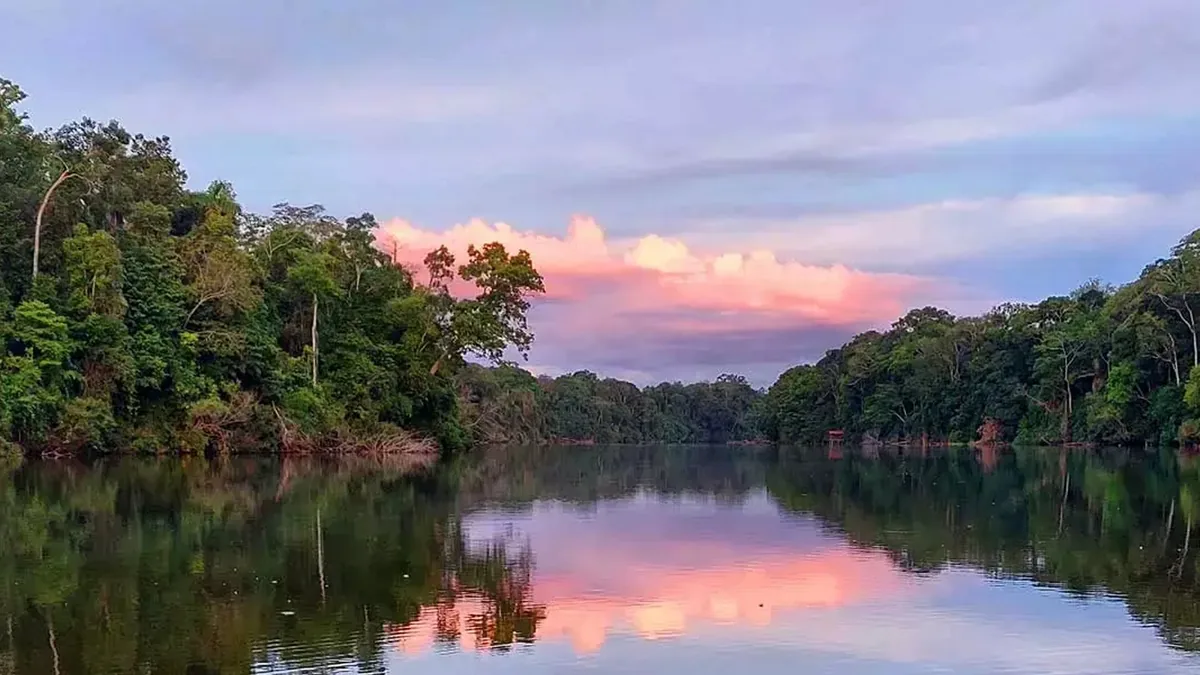
Spanning from the high Andean grasslands down to the steaming lowlands of the Amazon basin, Manu Biosphere Reserve is arguably the most biodiverse place on the planet. This protected wilderness covers nearly two million hectares, encompassing a vertical range that allows for an incredible variety of ecosystems. The transition from the mist-shrouded cloud forests of the Andes to the sprawling tropical rainforest is a route through a living encyclopedia of flora and fauna. Manu is a place where nature remains largely indifferent to human presence, a sanctuary where giant river otters hunt in oxbow lakes and the elusive jaguar still prowls the riverbanks. The air is a complex cocktail of oxygen-rich forest breath, damp decay, and the sweet perfume of epiphytes. It is a frontier of biological discovery, where new species are still identified with startling regularity.
Spanning from the high Andean grasslands down to the steaming lowlands of the Amazon basin, Manu Biosphere Reserve is arguably the most biodiverse place on the planet.
What it represents
Manu remained largely untouched by the rubber boom of the 19th century due to its rugged geography and the fierce reputation of its indigenous inhabitants. The Peruvian government established the park in 1973, and it was later recognized by UNESCO as a World Heritage site and a Biosphere Reserve. Beyond its wildlife, Manu is the ancestral home of several indigenous groups, including the Matsigenka and the Harakmbut, as well as 'uncontacted' tribes who live in voluntary isolation in the park’s deepest reaches. The history of the reserve is a delicate balance between total preservation and the rights of the people who have lived here for millennia. Unlike other parts of the Amazon that have suffered from logging and mining, Manu is still a triumph of conservation, protected by its sheer inaccessibility and the dedication of the rangers who patrol its borders.
Descending into the cloud forest,
Descending into the cloud forest, The light softens into a perpetual, emerald-tinted gloom where every branch is draped in moss and ferns. The hum of the jungle is a symphonic wall of noise, the rhythmic drone of cicadas, the guttural roar of howler monkeys, and the sudden, electric zip of a hummingbird. The smell of the forest floor, a rich, fungal aroma that feels thick enough to taste. As you reach the lowland rivers, the humidity settle on your skin like a warm blanket. The bright scarlet flashes of Andean cock-of-the-rock birds dancing in the lek, their bizarre plumage glowing against the dark foliage. Frequently skipped is the intricate 'architectural' nests of the oropendola birds hanging from the canopy like giant teardrops. The silent, watchful eyes of black caimans reflecting your flashlight in the night, a trace of the ancient predators that rule the water.
Reaching Manu is an odyssey
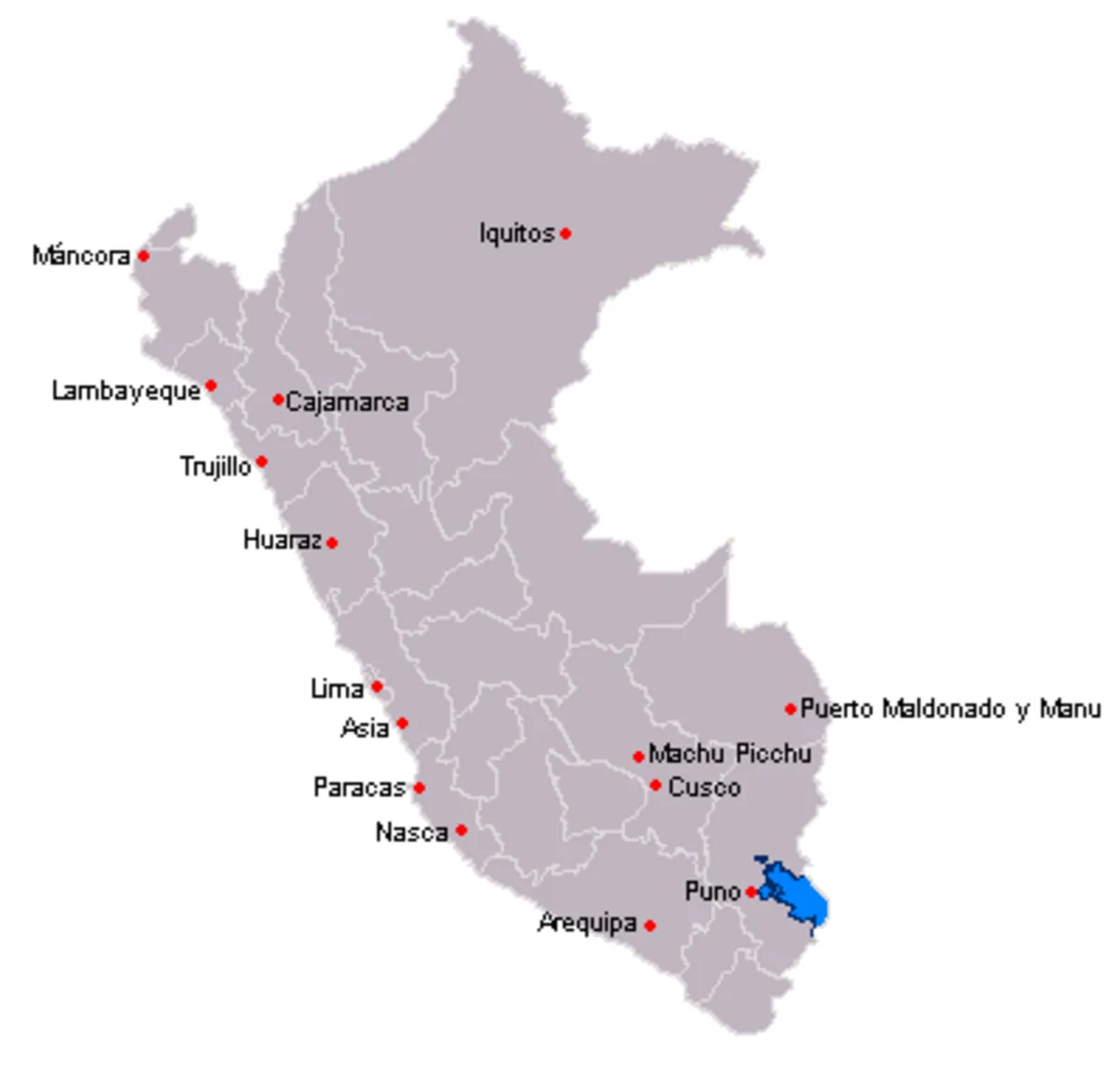
Reaching Manu is an odyssey that begins in Cusco. The most immersive route involves a full day’s drive over the Andes and down the 'Manu Road,' followed by several days of boat travel on the Madre de Dios and Manu rivers. For those with less time, small charter planes fly from Cusco to the landing strip at Boca Manu. Access to the 'Reserved Zone' is strictly controlled, and you must travel with an authorized operator. The journey itself is an integral part of the experience, offering a front-row seat to the dramatic change in climate and vegetation as you descend from the peaks to the jungle floor.
The most immersive route involves a full day’s drive over the Andes and down the 'Manu Road,' followed by several days of boat travel on the Madre de Dios and Manu rivers.
The Experience
The temperature drop sharply at night in the cloud forest, requiring a fleece even in the tropics. Audible: the river is your constant companion, a brown, swirling force that dictates the pace of life. An impression of vibration of the boat engine as you scan the sandbars for the telltale spots of a jaguar basking in the afternoon sun. Most visitors miss the tiny, translucent 'glass frogs' hiding on the underside of leaves near the forest streams. The piece that stays with you is sitting on a canopy platform at dawn, watching the mist burn off the forest floor as the first macaws scream overhead, their primary colors cutting through the morning grey.
Why It Matters
Manu is a vital carbon sink and a genetic library of planetary importance. It preserves entire watersheds from the mountains to the plains, protecting the hydrological cycle that sustains the continent. Its role as a sanctuary for uncontacted peoples makes it a site of immense human rights and anthropological significance, representing one of the few places where humans still live in total harmony with the primary forest.
Why Visit
Visit Manu if you want to see the Amazon as it was before the modern world arrived. While other jungle destinations are easier to reach, they lack the raw, unscripted wildlife encounters that Manu provides. It is the ultimate destination for birdwatchers and nature purists who are willing to trade luxury for the chance to see a truly wild world.
✦ Insider Tips
- 1
Bring a pair of high-quality binoculars; the canopy is often 40 meters high and much of the wildlife is invisible to the naked eye.
- 2
Take a yellow fever vaccination at least ten days before you travel, as it is a requirement for many lodges and entry points.
- 3
Pack several pairs of long, quick-dry socks; the chiggers and ants on the forest floor can be more bothersome than the mosquitoes.
- 4
Bring a waterproof dry bag for your electronics; the humidity and sudden downpours can ruin a camera in minutes.
- 5
Listen closely to your guide’s instructions about 'uncontacted' groups; if you see people on the riverbank who look traditional, do not attempt to contact them or take photos.