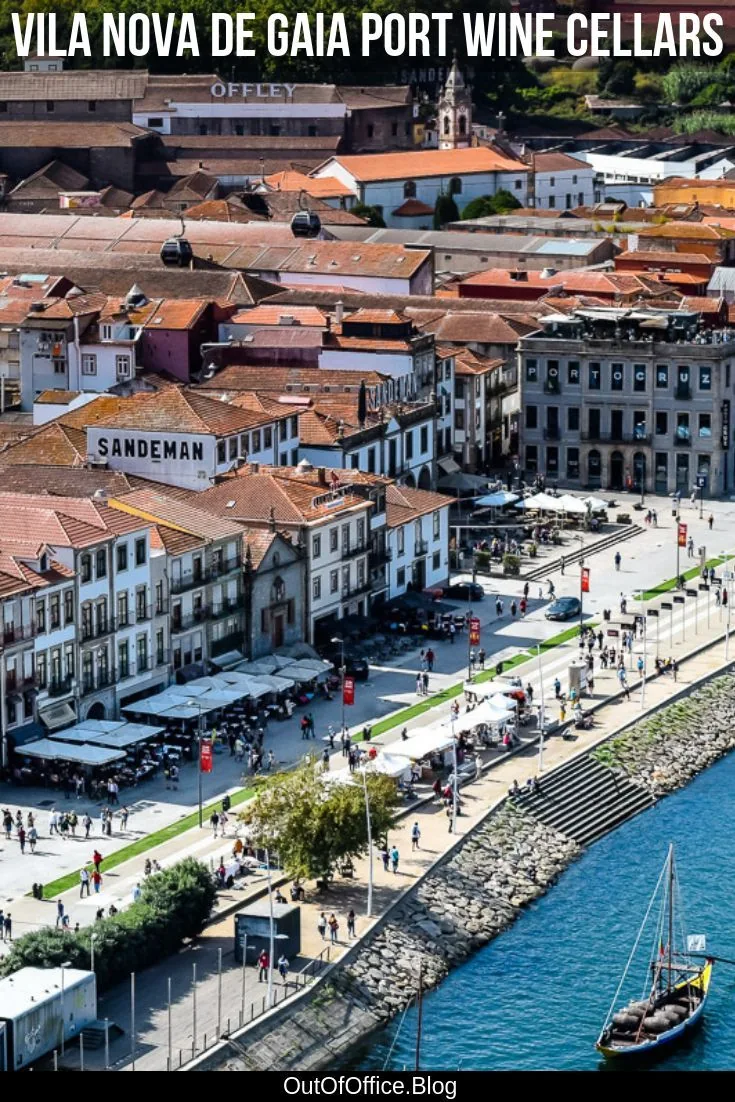
Hidden beneath the hills of Gaia, millions of liters of wine are guarded by a specific black fungus that only grows where the 'angel’s share' evaporates from the barrels.
About Port Wine Cellars
The establishment of the Port lodges in Gaia began in earnest following the Methuen Treaty of 1703, which gave Portuguese wines preferential tax rates in Britain. The Marquis of Pombal further regulated the trade in 1756, creating the world's first demarcated wine region. For nearly three hundred years, the wine traveled down the treacherous Douro River in flat-bottomed boats before finding its way into these granite halls. While the boats are now mostly for show and the wine arrives by tanker, the aging process in Gaia remains identical to the methods used in the 1800s.
Port Wine Cellars
Deep in the granite hillside of Vila Nova de Gaia, millions of liters of wine age in oak vats as thick as castle walls. The Port Wine Cellars form a subterranean city that has been the lungs of the Douro Valley’s trade since the 17th century. Located across the Douro River from Porto, these lodges are where the raw, fiery spirit of the upstream vineyards is tamed by the cool, humid air of the Atlantic. Through the dim, cavernous rows of casks, you are surrounded by names like Taylor’s, Graham’s, and Sandeman, houses that have dominated the global wine trade for centuries. The cellars are not just warehouses; they are aromatic cathedrals where time is the primary ingredient, and the dust on the bottles is a badge of honor.
Port wine was born out of necessity and war
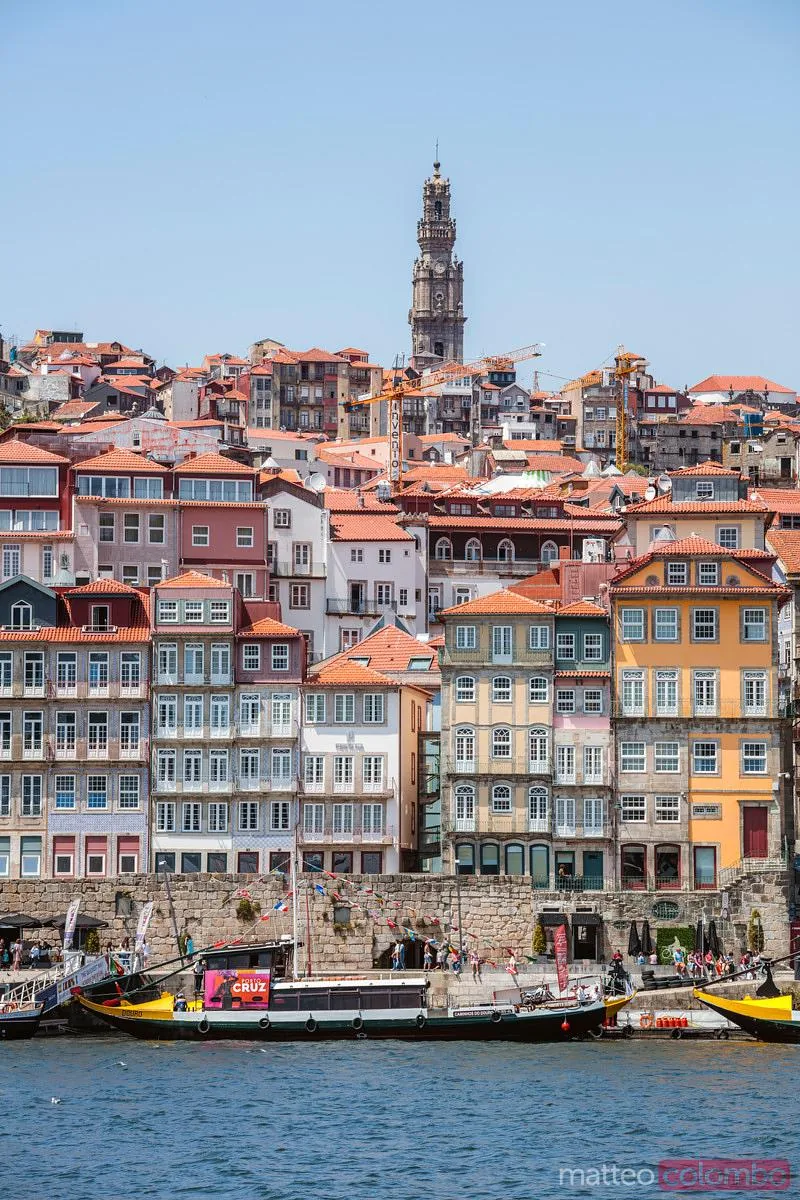
Port wine was born out of necessity and war. In the late 17th century, when trade with France was cut off, British merchants looked to the Douro Valley for a new source of wine. To ensure the liquid survived the long sea voyage, they fortified it with grape brandy, creating a sweeter, stronger drink. Because the Douro Valley was too hot for proper aging, the wine was traditionally transported downriver on 'rabelo' boats to the cooler warehouses of Gaia. This geographical divide, growing the grapes in the sun-scorched mountains and aging them in the foggy coastal cellars, became the legal requirement for Port. For centuries, the trade was dominated by British families, leading to the unique Anglo-Portuguese cultural blend that still defines the lodges today.
Descending into a cellar like Graham’s or Ferreira
Descending into a cellar like Graham’s or Ferreira, The immediate shift to a damp, steady chill that smells deeply of fermented fruit and old oak. The light is dim, usually filtered through small, high windows to prevent the wine from 'cooking' in the sun. First, the 'angel’s share', the dark fungus that grows on the walls, fueled by the evaporating alcohol from the barrels. There is a feeling of rough, cold texture of the massive 'balseiros', vats that can hold up to 100,000 liters. Frequently skipped is the cooperages still tucked away in the back of some lodges, where master craftsmen still repair barrels using ancient tools. The piece that stays with you is the transition from the dark, quiet cellar to the tasting room, where the sunlight hits a glass of 20-year-old Tawny, turning it into a liquid topaz.
The cellars are located in Vila Nova de
The cellars are located in Vila Nova de Gaia, directly across the Dom Luís I Bridge from Porto’s Ribeira district. The most scenic way to arrive is to walk across the lower deck of the bridge or take the Gaia cable car down from the upper deck. While most of the major houses are clustered along the waterfront, some of the most atmospheric cellars, like Graham’s, are a fifteen-minute walk uphill. Tours should be booked in advance, especially during the summer, as each house offers a different perspective on the history and production of the wine.
The Experience
The way your voice drops to a whisper, a natural reaction to the hallowed, church-like atmosphere of the rows of casks. Nearby, the city above is completely lost, replaced by the occasional drip of condensation and the distant murmur of other tasters. Humidity on your skin, a vital component that prevents the barrels from drying out and leaking. Most visitors miss the private 'libraries' of vintage ports, some dating back to the 19th century, kept behind locked iron gates. What remains with you is the lingering taste of dried figs and spice after a tasting.
Why It Matters
The Port Wine Cellars are the epicenter of one of the world's oldest and most strictly regulated wine traditions. They represent a unique commercial partnership between Britain and Portugal that has lasted longer than most empires. Historically, they are evidence of the industrial ingenuity of the 18th century, using nature’s geography to refine a raw agricultural product into a luxury good.
Why Visit
Visit the cellars to see time as a physical force. It is one of the few places where you can taste the history of a specific year, perhaps the year you were born or married, perfectly preserved in a bottle. It offers a sensory education in how climate, wood, and patience collaborate to create something that cannot be manufactured in a laboratory.
✦ Photo Gallery
Best Season
🌤 October tends to be the most atmospheric time, as the harvest in the Douro is finishing and the first autumn mists begin to settle over the river, mirroring the humidity of the cellars.
Quick Facts
Best time to visit
October tends to be the most atmospheric time, as the harvest in the Douro is finishing and the first autumn mists begin to settle over the river, mirroring the humidity of the cellars.
Getting there
In Vila Nova de Gaia, Portugal; reach Vila Nova de Gaia first, then continue to the site.
Location
Vila Nova de Gaia, Portugal
Type
attraction
Insider Tips
- 1
Book a tour at Taylor’s for the best self-guided garden experience, or Graham’s for the most impressive scale of oak vats.
- 2
The walk back across the bridge is much harder after a tasting; the Gaia cable car is a worthwhile shortcut to the upper Metro station.
- 3
Look for the 'Lote' numbers on the barrels, which indicate the specific blend and age of the wine inside.
- 4
Most cellars offer chocolate or cheese pairings, choose the cheese, as the saltiness cuts through the sugar of the Port more effectively.
- 5
Avoid the generic 'Port Experience' centers and head for the smaller, family-owned lodges like Ramos Pinto for a more eccentric history.