All landmarks and tourist attractions in Portugal
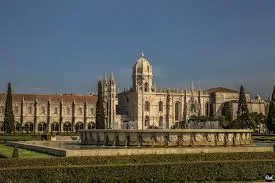
Mosteiro dos Jerónimos
The 1501 limestone masterpiece of Manueline architecture serves as the final resting place of Vasco da Gama; the maritime motifs, knotted ropes and hand-carved coral, celebrate the Age of Discovery across its soaring cloister; enter the nave at 10 am when the sun penetrates the stained glass to cast vibrant violet and gold pools on the massive octagonal columns; the silence is heavy with five centuries of monastic prayer.
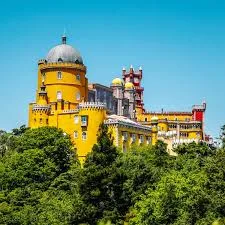
Palácio Nacional da Pena
A 19th-century Romanticist fever dream perched on a jagged granite peak in the Sintra Mountains; its vivid yellow and terracotta turrets contrast with the moss-slicked boulders and exotic ferns of the surrounding forest; walk the Queen's Terrace at sunset when the Atlantic mist curls around the Triton Gateway; the view extends across the Estremadura coast while the wind whistles through the neo-Gothic battlements.
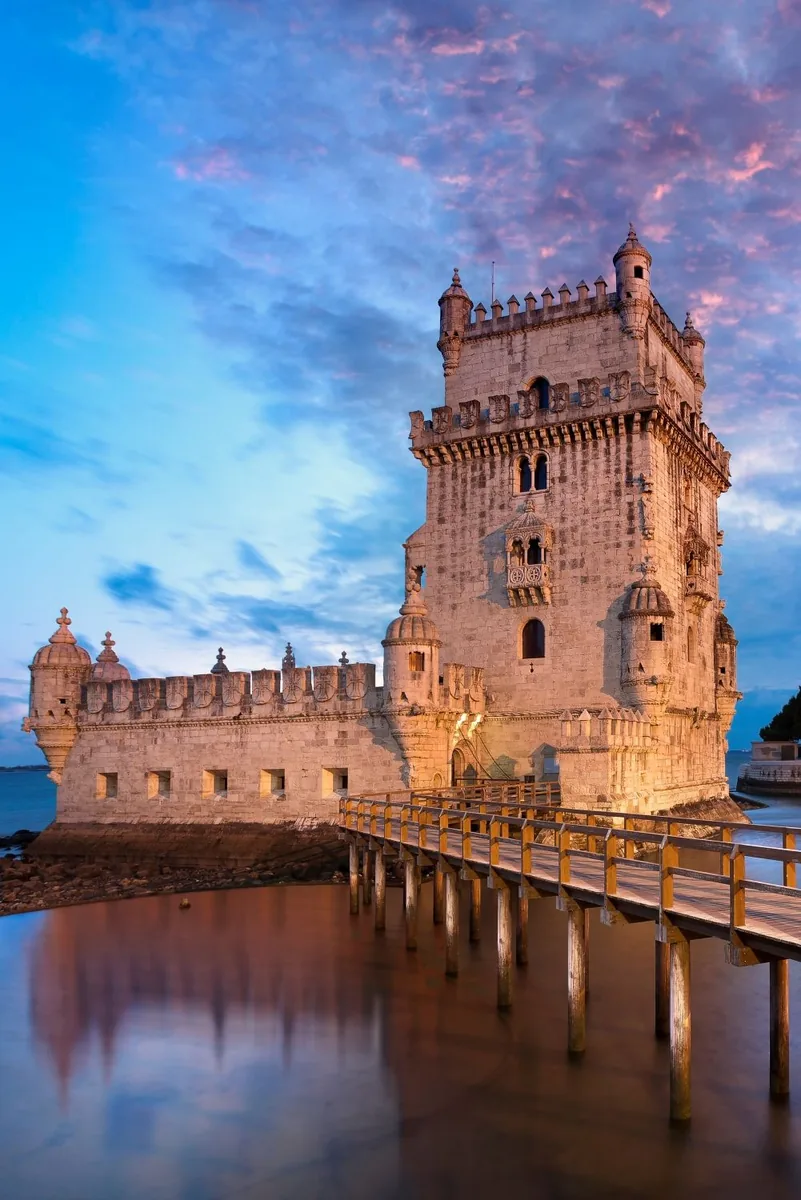
Torre de Belém
The 1519 limestone bastion stands as a maritime sentinel at the mouth of the Tagus River; its Moorish balconies and Manueline watchtowers are pockmarked by centuries of salt air and Atlantic storms; visit at low tide when the submerged foundations reveal the sheer scale of the stone fort; the late afternoon light turns the Lioz stone a warm honey hue while the river current swills against the lower ramparts.
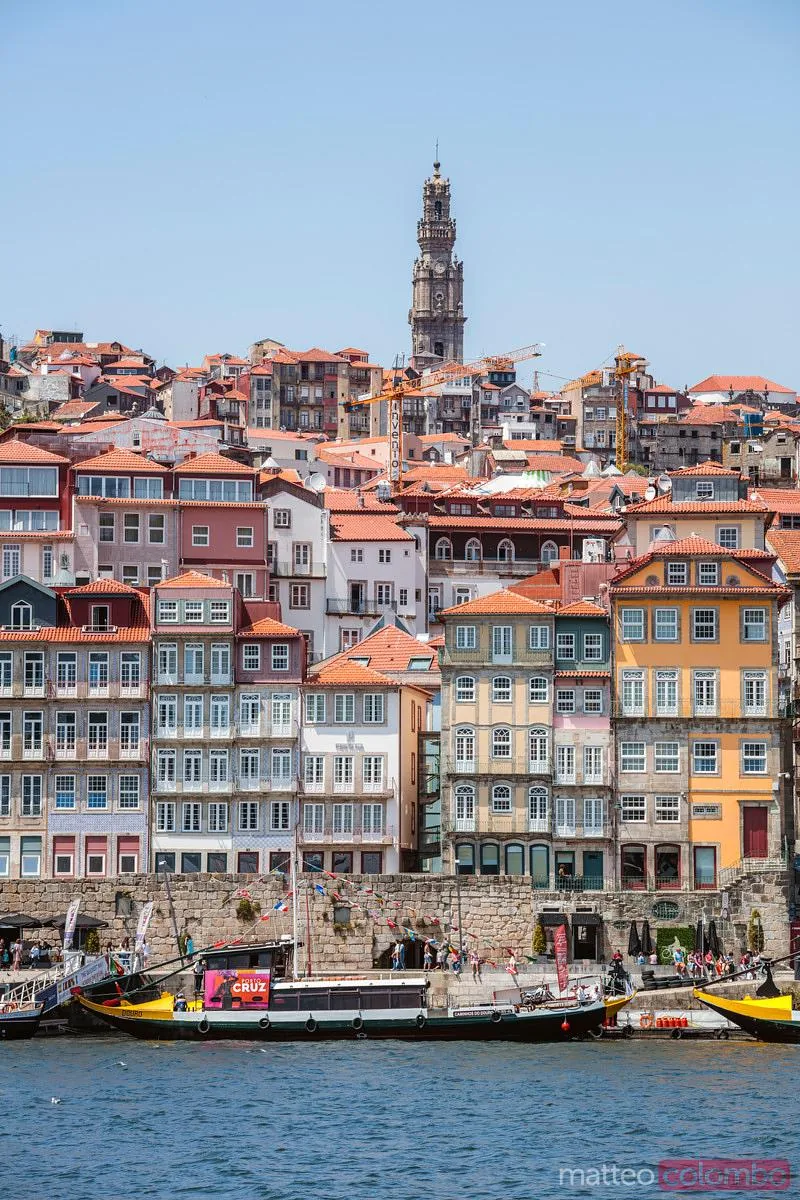
Ribeira District
A dense labyrinth of narrow granite alleyways and multi-hued houses leaning over the Douro riverfront; the 12th-century medieval layout remains intact beneath the soaring iron spans of the Dom Luís I Bridge; stand at the Cais da Ribeira at midnight when the rabelo boats bob in the dark water; the sound of Fado echoes off the damp stone walls while the smell of river silt and oak-aged port permeates the air.
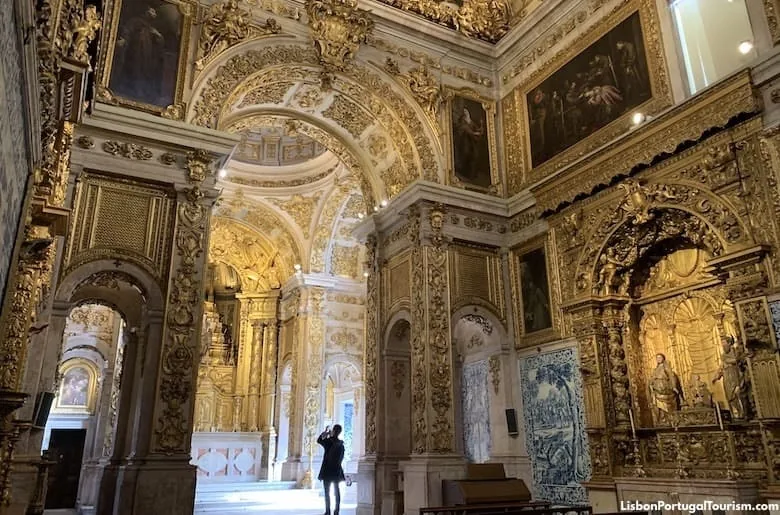
Museu Nacional do Azulejo
Housed in the 1509 Madre de Deus Convent; this museum preserves five centuries of ceramic evolution from Moorish geometric patterns to contemporary cobalt narratives; the 23-metre 'Great Panorama of Lisbon' depicts the city before the 1755 earthquake; stand in the gilded Baroque chapel at noon when the gold-leaf carvings intensify the brilliance of the blue-and-white tiles; the transition from cold ceramic to warm gilt is a visceral sensory shift.
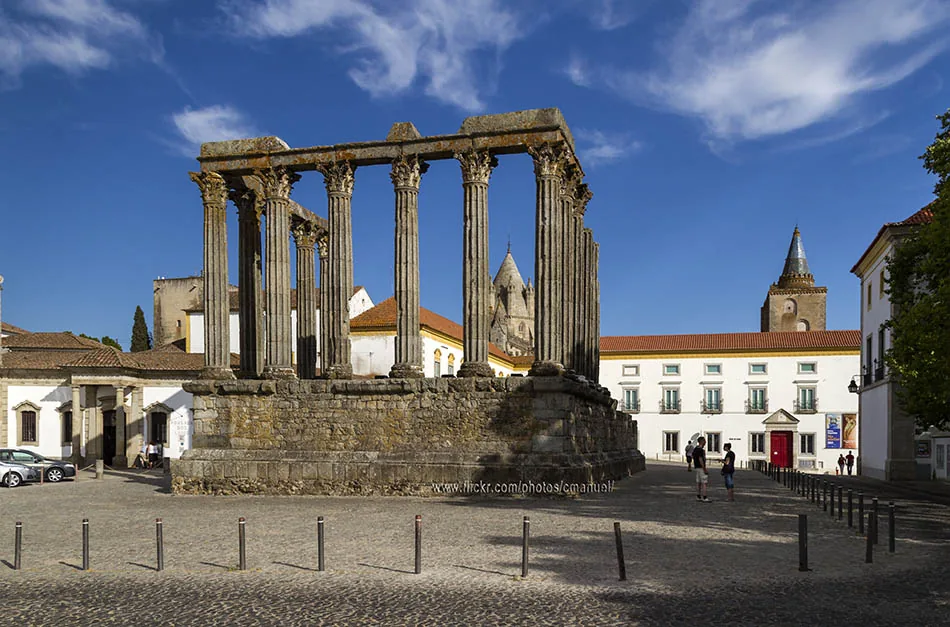
Templo Romano de Évora
The best-preserved Roman structure in the Iberian Peninsula; these 1st-century Corinthian columns are carved from local granite and topped with sun-bleached Estremoz marble; the 14 remaining pillars stand on a massive stone plinth in the heart of the Alentejo capital; visit at dawn when the silence of the square is absolute; the first light isolates the granite texture against the white-washed medieval facades.
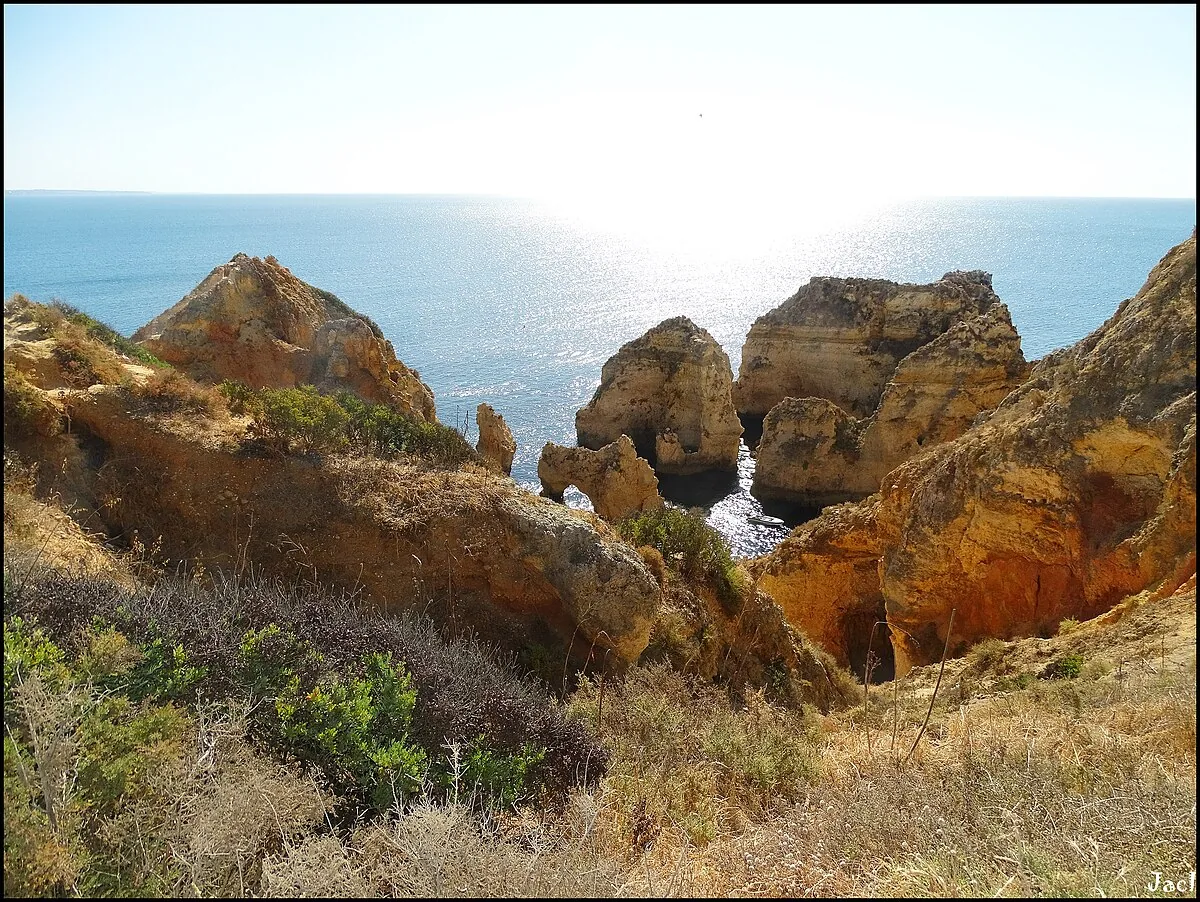
Ponta da Piedade
A dramatic headland of honey-coloured sandstone cliffs and sea arches sculpted by the relentless Atlantic surge; the turquoise water navigates a series of hidden grottoes and 20-metre sea stacks accessible via steep stone stairways; arrive at the lighthouse at 8 am to witness the Atlantic breakers pulverising the base of the cliffs; the air is thick with salt spray and the hollow roar of the sea echoing through the limestone tunnels.
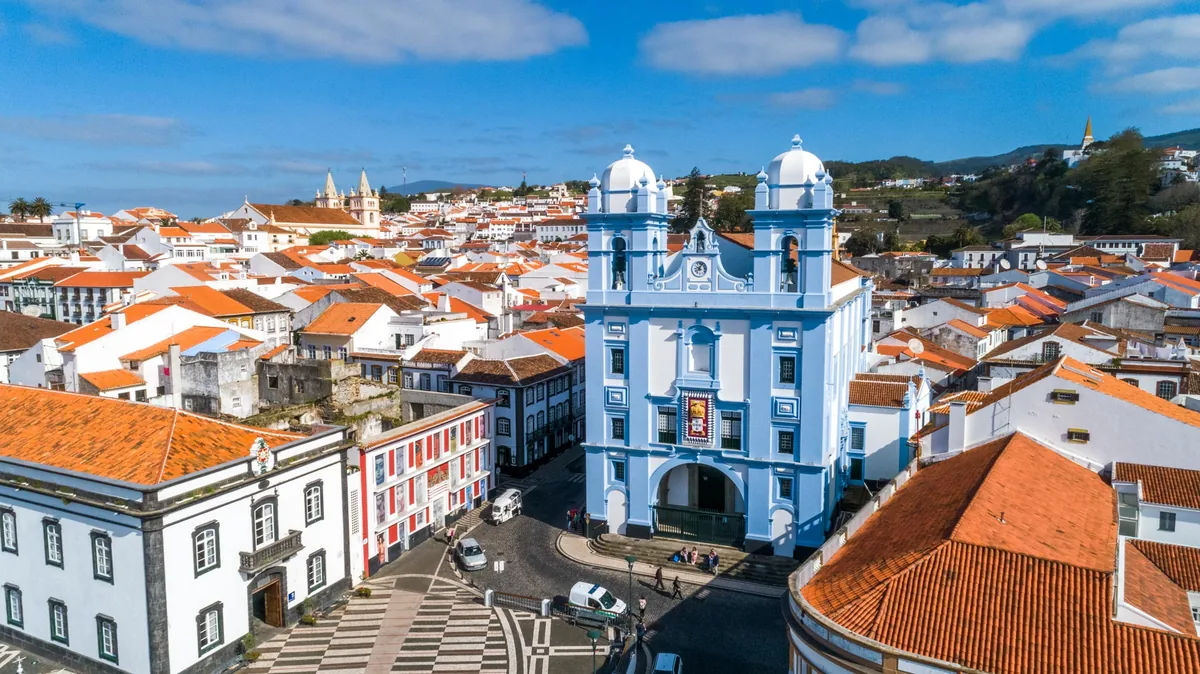
Centro Histórico de Angra do Heroísmo
The 15th-century maritime capital of the Azores served as a mandatory port of call for fleets crossing the Atlantic; the grid-patterned streets are lined with brightly painted baroque manors and stone-paved sidewalks; walk the Rua da Sé during a storm when the basalt-black pavements glint under the streetlamps; the sound of the ocean hitting the harbour walls is a constant; rhythmic reminder of the island’s mid-Atlantic isolation.
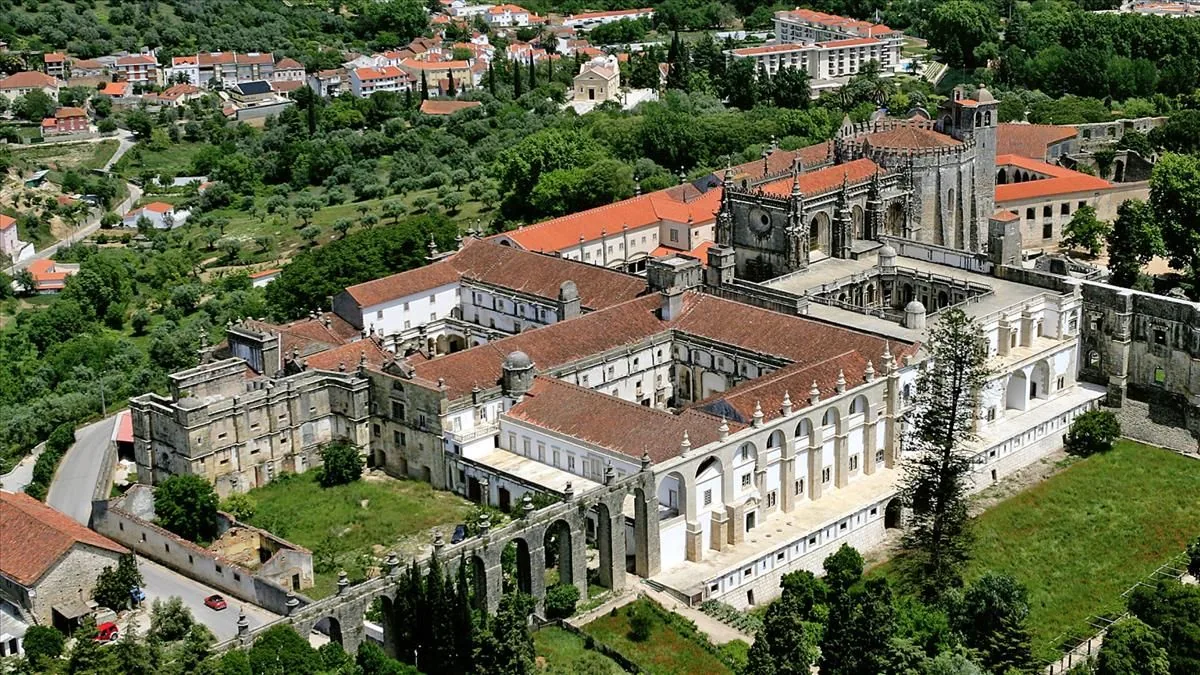
Convento de Cristo
The 12th-century headquarters of the Knights Templar features the iconic Charola, a sixteen-sided Romanesque rotunda modeled after the Holy Sepulchre; the Chapter House window represents the pinnacle of Manueline decoration with its intricate stone-carved seaweed and anchor chains; explore the cloisters at dusk; the shadows of the double-tiered arches lengthen across the courtyard while the scent of wild rosemary drifts over the battlements.
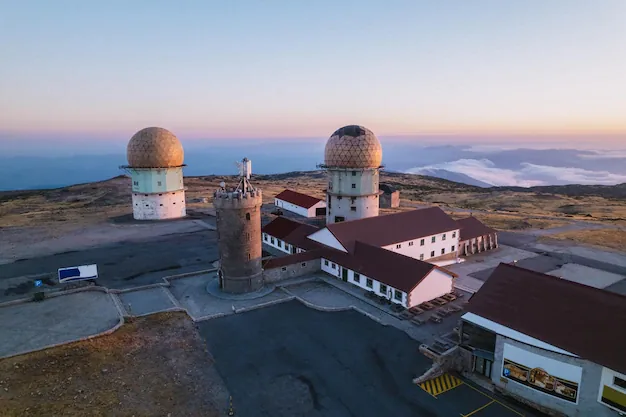
Torre
The highest point in mainland Portugal reaches 1,993 metres at the summit of the granite massif; the landscape is a raw expanse of glacial valleys and boulder-strewn plateaus formed 20,000 years ago; stand by the 19th-century stone tower during the winter thaw; the sound of rushing meltwater is constant while the smell of cold pine and damp granite fills the thin; biting air.
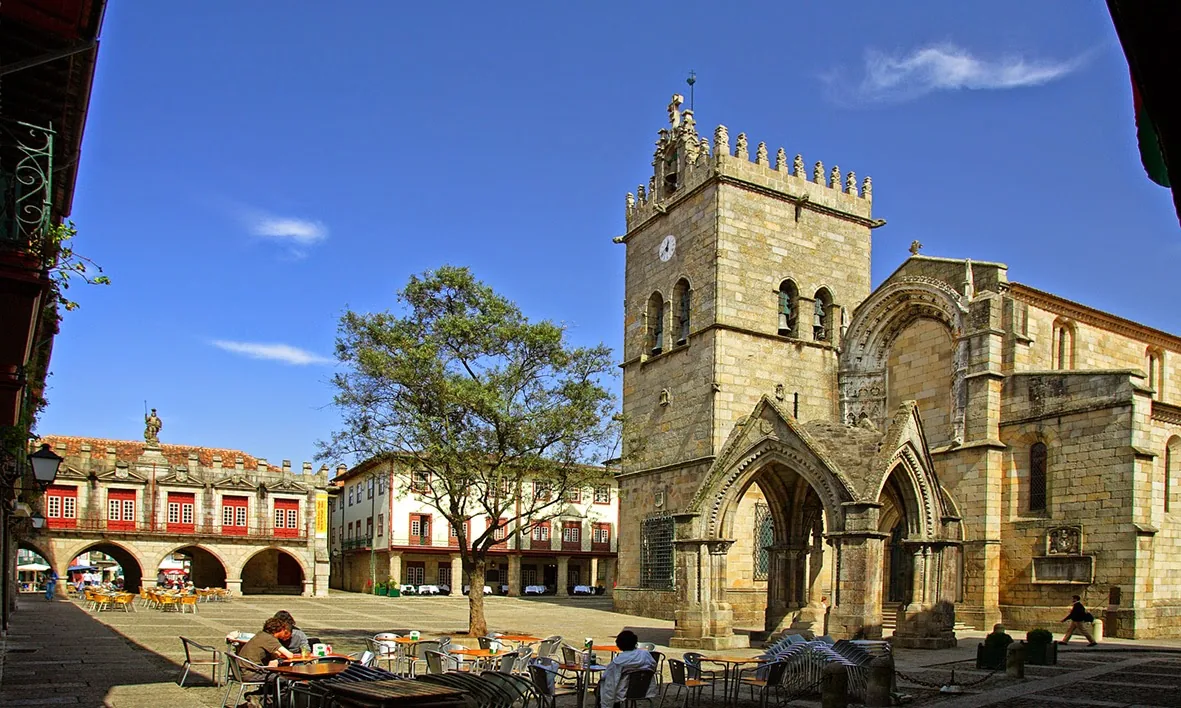
Centro Histórico de Guimarães
The 10th-century 'Cradle of Portugal' is a masterclass in medieval urban preservation with its granite-framed plazas and timber-beamed houses; the Romanesque castle looms over the Largo da Oliveira where the 14th-century Gothic shrine stands; walk the Rua de Santa Maria at sunrise when the shadows of the overhanging balconies stretch across the cobblestones; the town feels structurally ancient and heavy with the weight of the first kings.
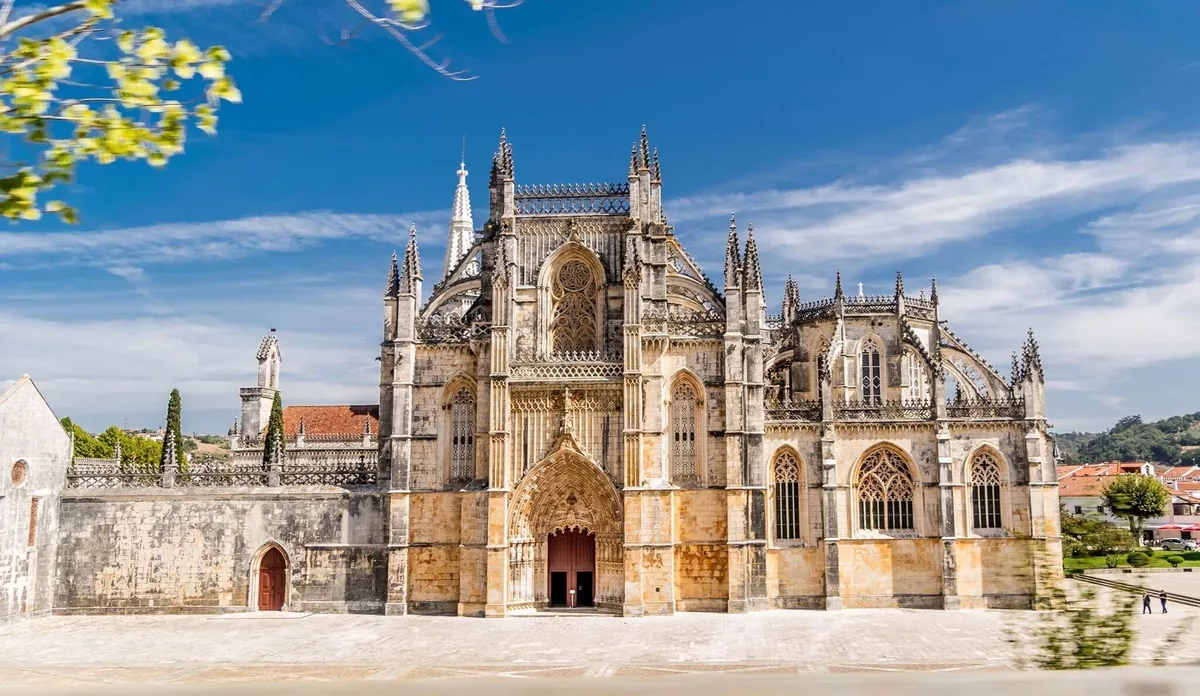
Mosteiro de Batalha
A 1385 Gothic masterpiece built to commemorate the Battle of Aljubarrota; the Unfinished Chapels remain open to the sky; exposing intricate stone-lace carvings to the elements; enter the Founder's Chapel at 4 pm when the western clerestory windows catch the low sun; the light illuminates the royal tombs of the House of Aviz while the sound of the wind whistles through the high Gothic pinnacles.
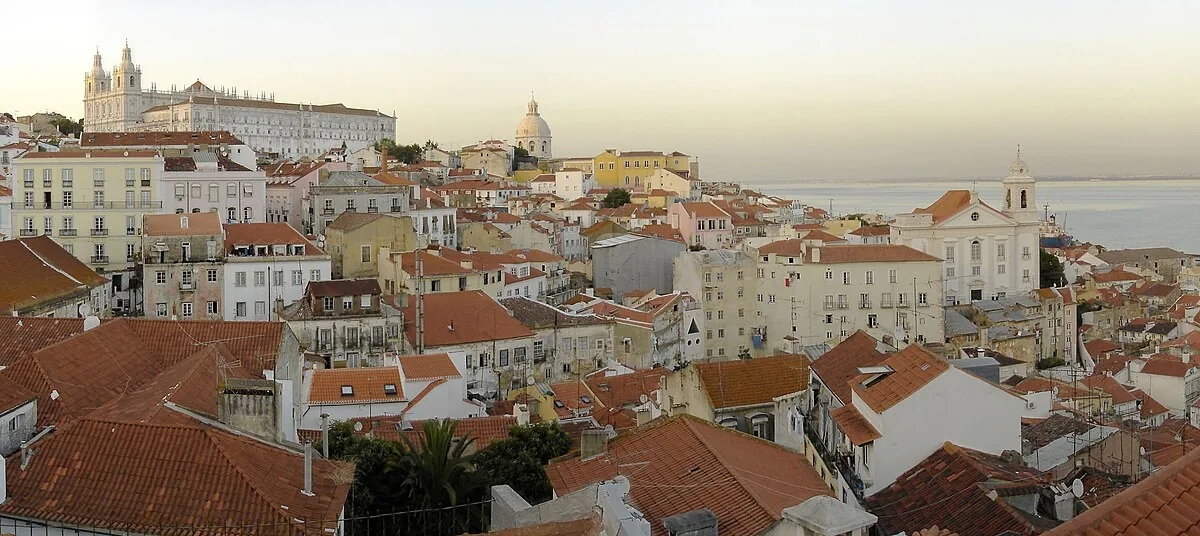
Alfama
The city's oldest quarter survived the 1755 earthquake and maintains its chaotic Moorish street plan of blind alleys and steep 'becos'; the scent of grilled sardines and damp laundry permeates the air between the 12th-century Cathedral and the hilltop castle; sit at an unmarked tavern at midnight; the pre-dawn silence is broken only by the mournful trill of a Fado guitar echoing off the laterite-red roof tiles.
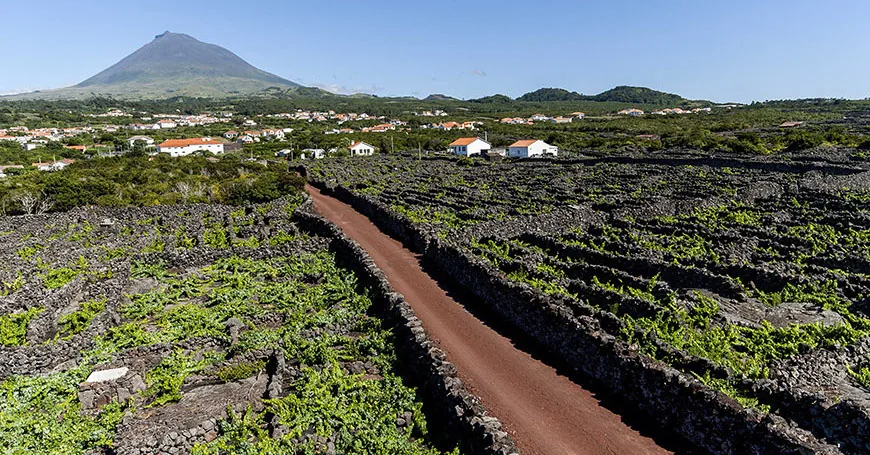
Paisagem da Cultura da Vinha da Ilha do Pico
A volcanic landscape of thousands of small; basalt-stone walled paddocks (currais) built to protect vines from wind and salt spray; the black volcanic earth contrasts sharply with the deep sapphire of the Atlantic and the 2,351-metre peak of Mount Pico; walk the coastal path at midday when the heat radiates off the basalt walls; the scent of sun-baked grape skins and sea salt is ubiquitous.
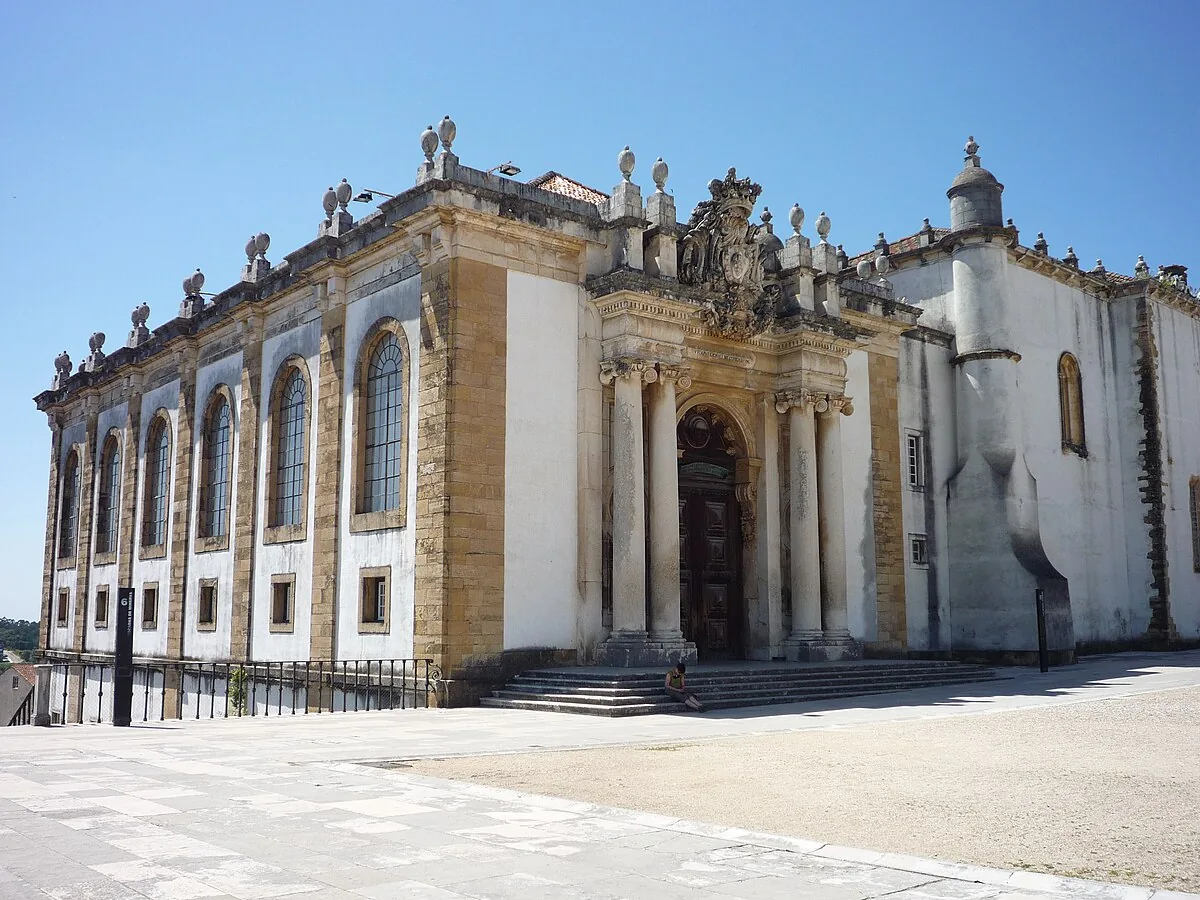
Biblioteca Joanina
This 1717 Baroque library within the University of Coimbra features three monumental halls lined with two-storey shelves of gilded exotic woods; the vaults are inhabited by a colony of bats that protect the 60,000 volumes from insects; enter through the heavy iron doors at opening time; the smell of old parchment and floor wax is overwhelming while the gold-leaf decorations shimmer in the low; controlled light.
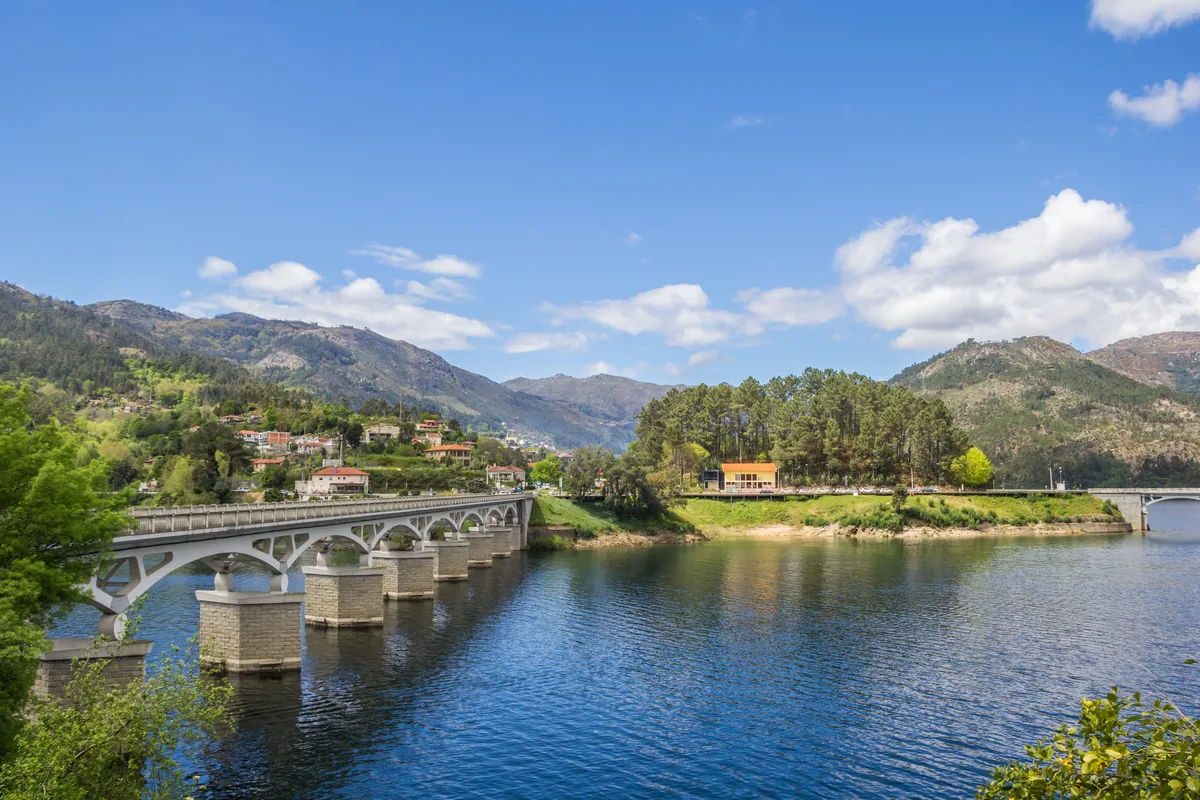
Parque Nacional da Peneda-Gerês
Portugal's only national park is a 70,000-hectare wilderness of granite mountains; oak forests; and Roman roads; the Mata de Albergaria contains ancient milestones and oak trees that have stood for centuries; stand by the Arado waterfall at dawn when the mountain goats navigate the moss-slicked boulders; the air is cold; smelling of wet fern and primary forest; with no human sound for miles.
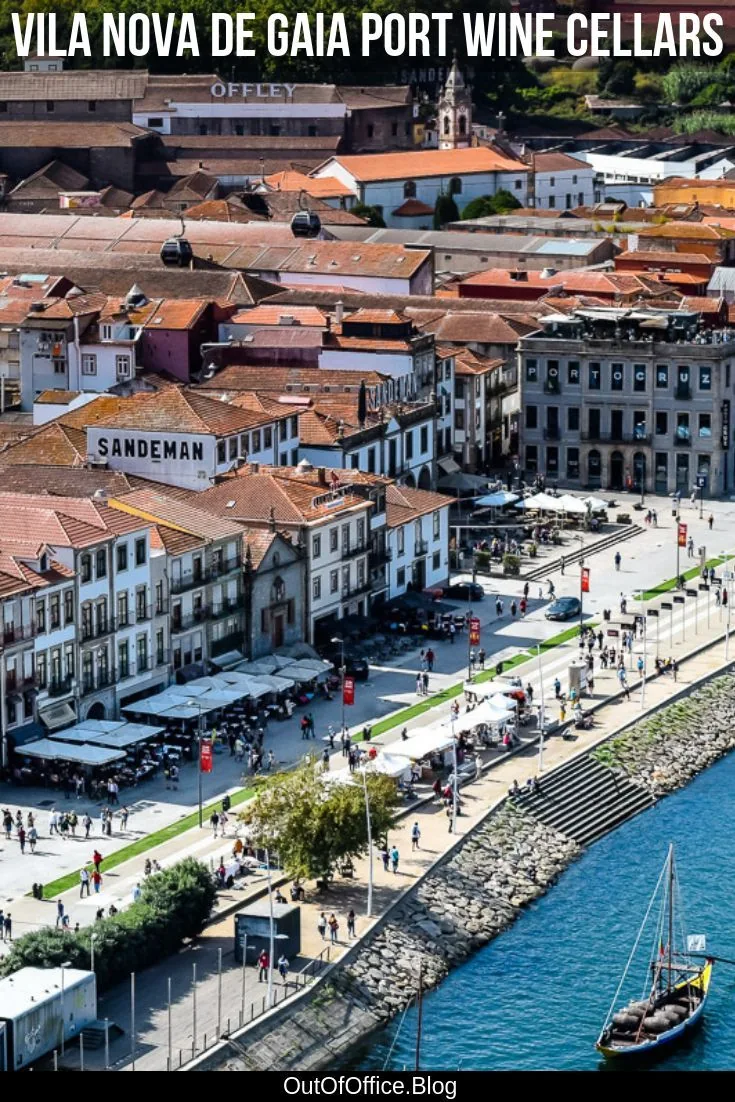
Port Wine Cellars
A dense concentration of 18th-century granite warehouses where millions of litres of port wine mature in oak vats; the subterranean tunnels maintain a constant humidity and temperature required for aging; walk the dark corridors at noon; the smell of evaporating alcohol and damp wood is intoxicating; the sound of heavy barrels being rolled over stone floors echoes through the vaulted chambers.
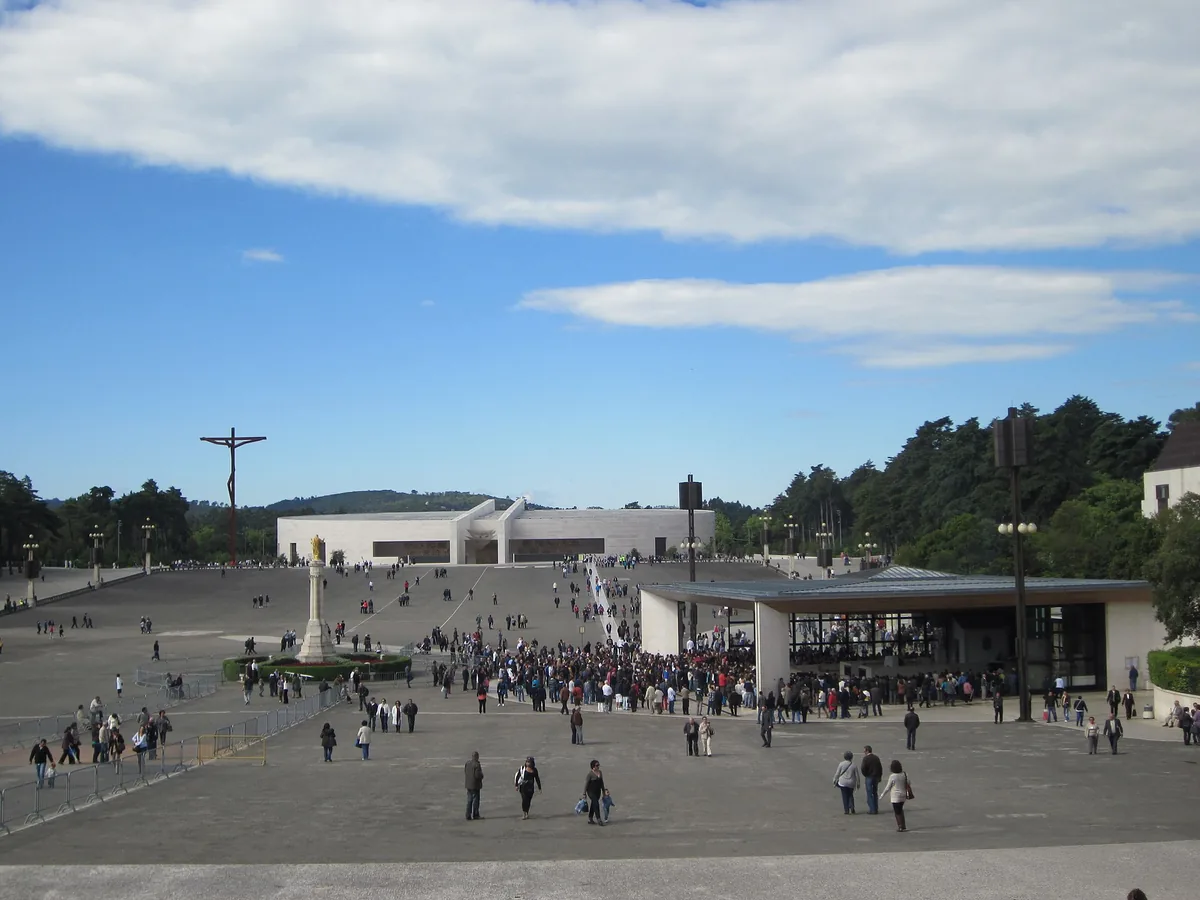
Santuário de Fátima
A global pilgrimage site centered on the 1917 apparitions; featuring a massive Neoclassical basilica and a vast plaza twice the size of St. Peter’s; the Chapel of the Apparitions marks the exact site of the visions under a modern canopy; join the candlelight procession at 9 pm; the sound of thousands of voices chanting the Rosary creates a physical vibration in the night air while the smell of melting wax is thick.
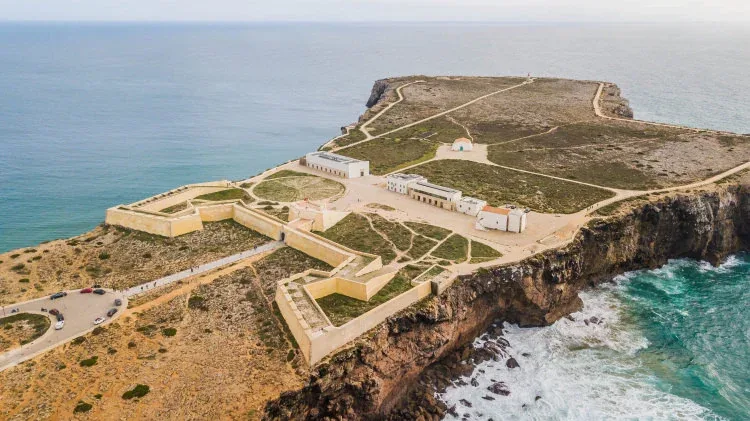
Fortaleza de Sagres
Perched on a 1.5-kilometre promontory at the edge of the known world; this 15th-century fort was the site of Prince Henry the Navigator’s school of navigation; the ground features a massive stone wind rose 43 metres in diameter; stand at the cliff edge during an Atlantic gale; the ground shakes from the power of the waves hitting the limestone caves below; making the vast horizon feel terrifyingly infinite.
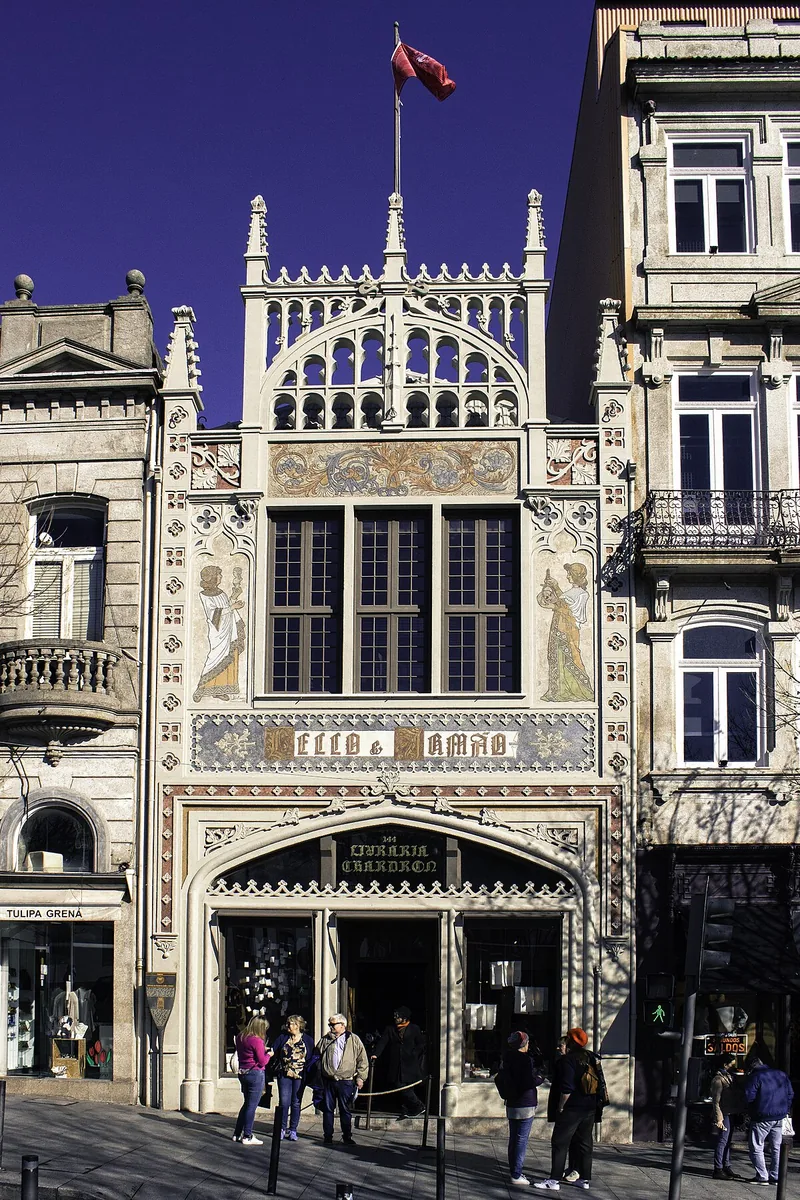
Livraria Lello
A 1906 Neo-Gothic bookstore featuring a bifurcated crimson staircase and a massive stained-glass ceiling inscribed with 'Decus in Labore'; the hand-carved wood-imitation plaster and Art Nouveau flourishes define its interior; arrive before the crowds at 9 am when the light through the clerestory highlights the gold-dust on the book spines; the creak of the floorboards and the smell of ink and old timber create an atmosphere of dense; academic antiquity.