Laundry hangs over narrow granite alleys that have smelled of grilled sardines and Douro wine since the Middle Ages, making this Porto's most stubborn and beautiful neighborhood.
About Ribeira District
The Ribeira was the birthplace of Henry the Navigator, and its history is inseparable from the sea and the wine trade. The district grew upward because the granite cliffs of the Douro left no room to grow outward, resulting in the unique, skinny tenements that define its skyline today. In the 1800s, the district was the site of the tragic Ponta das Barcas bridge collapse during the Napoleonic invasions, a moment still commemorated by a bronze relief on the riverfront. The construction of the Dom Luís I Bridge in 1886 fundamentally changed the district, connecting it to the Port wine cellars of Gaia and introducing a masterpiece of industrial engineering into a medieval landscape. Despite the influx of tourism, Ribeira remains a place where families have lived for generations, maintaining a communal identity that is as solid as the granite it is built upon.
Ribeira District
Tall, narrow houses clad in sun-faded azulejos and peeling pastel plaster lean over a labyrinth of granite-paved alleys that spill down toward the Douro River. The Ribeira District is the beating, ancient heart of Porto, a riverside neighborhood where the laundry still hangs from wrought-iron balconies and It smells of grilled sardines and river mist. Walking beneath the massive iron skeleton of the Dom Luís I Bridge. Notice how the medieval foundations of the city are fused with the chaotic energy of modern cafes. The sound layer is a cacophony of screeching seagulls, the clatter of wine-barrel boats (rabelos) on the water, and the distant, melodic shouting of street vendors.
“Tall, narrow houses clad in sun-faded azulejos and peeling pastel plaster lean over a labyrinth of granite-paved alleys that spill down toward the Douro River.”
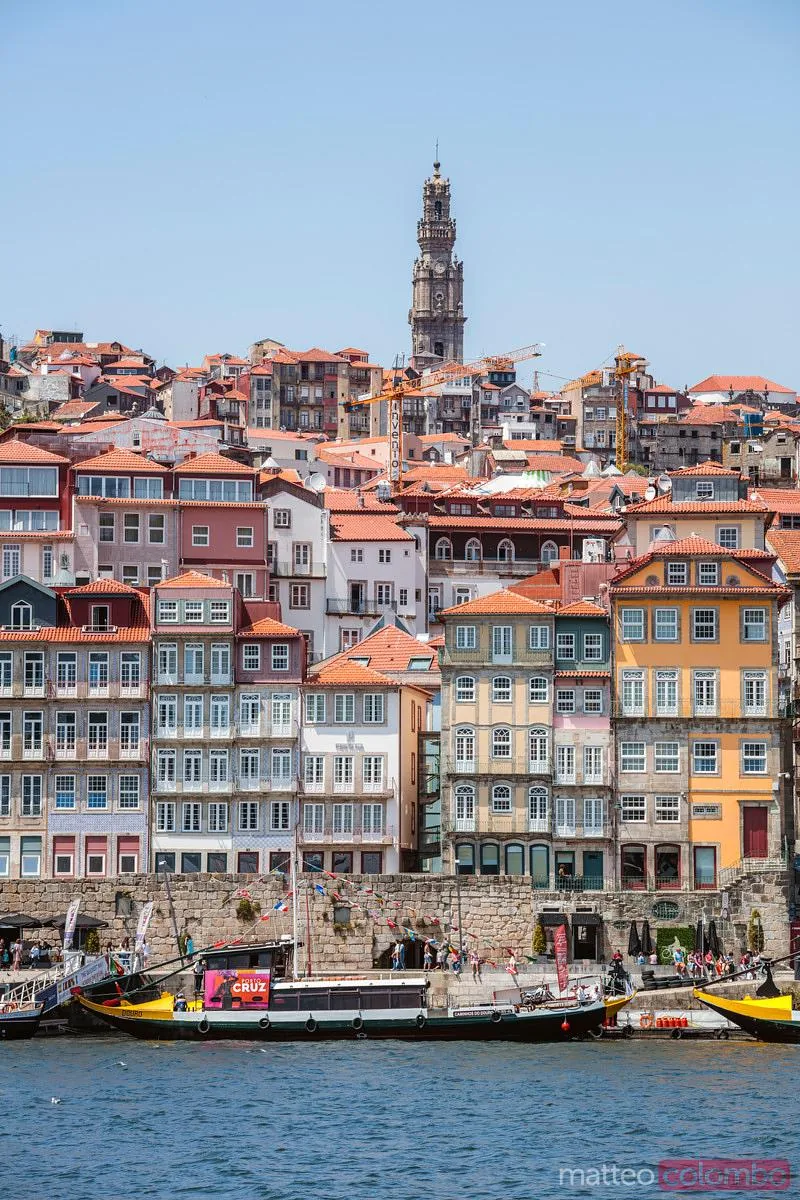
Ribeira District, Portugal
Ribeira has been a center
Ribeira has been a center of commerce since the Roman era, but its current character was forged during the Middle Ages when it became the primary port for the export of Port wine. This was the commercial engine of northern Portugal, a place where merchants, sailors, and dockworkers lived in cramped, vertical quarters to maximize every inch of the valuable riverfront. The district was protected by the Fernandine Walls in the 14th century, fragments of which still stand, acting as a stone spine for the neighborhood. While much of Porto was modernized in the 18th and 19th centuries, Ribeira’s topography was too steep and its alleys too narrow for easy expansion, inadvertently preserving its medieval layout. After decades of neglect and decay, its designation as a UNESCO World Heritage site in 1996 sparked a revitalization that turned its crumbling tenements into some of the most sought-after spaces in the city.
Descending the 'Escadas do Barredo' , the steep stone stairs that cut through the district, The physical tightness of the city as the tall houses almost block out the sky. What emerges is the way the light catches the drying laundry and the moss growing in the cracks of the granite walls, creating a texture that feels profoundly lived-in. The smell of the Douro is ever-present, a cool, earthy scent of fresh water and old timber that mingles with the aroma of espresso from the riverside stalls. An echo of the vibration of the bridge above as the metro passes, a modern hum that contrasts with the timeless rhythm of the river below. The small, glass-fronted shrines to Saint John tucked into the corners of the alleys, often decorated with fresh flowers. The most evocative moment is sitting at a granite quay at dusk, watching the lights of the Port lodges in Vila Nova de Gaia flicker across the water while the river turns a deep, charcoal grey.
Ribeira is best reached on foot
Ribeira is best reached on foot from Porto's upper city (Batalha or Aliados) by walking down the winding Rua de Mouzinho da Silveira or taking the steep stairs. For those who want to avoid the climb back up, the Funicular dos Guindais offers a dramatic, vertical shortcut from the riverside to the Batalha district. The area is largely pedestrianized, making it a joy to get lost in, though the uneven granite cobblestones require sturdy footwear. Arriving by boat from Gaia or taking a 'Six Bridges' cruise provides the essential perspective of how the district clings to the hillside. While the riverfront is always busy, the true soul of Ribeira is found three blocks back from the water, where the streets are narrow enough for neighbors to shake hands from their respective balconies.
“Ribeira is best reached on foot from Porto's upper city (Batalha or Aliados) by walking down the winding Rua de Mouzinho da Silveira or taking the steep stairs.”
The Experience
Inside Ribeira is one of dense, historical intimacy. The first thing you register is the smell of the river, a mix of cold water, damp moss, and the faint scent of diesel from the tour boats, which gives the air a heavy, industrial edge. The presence of the history in the uneven stones under your feet, which have been smoothed by centuries of trade. The light is constantly interrupted by the narrowness of the alleys, creating pockets of deep shadow and sudden, brilliant bursts of sun that highlight the blue tiles of the facades. What gets your attention is the sound of the 'fado' music drifting from the open doors of the tavernas, a soulful noise that fits the district's weathered beauty. The most striking detail is the sheer verticality of the world; you are always looking up at houses that seem to be holding each other up.
Why It Matters
Ribeira is the historical heart of Porto and a UNESCO World Heritage site. It represents the urban evolution of a medieval trading port and the architectural ingenuity required to live on the steep banks of the Douro. Culturally, it is the soul of 'Tripeiro' (Porto local) identity, preserving a way of life that balances traditional neighborhood ties with the city’s global commercial history.
Why Visit
What makes it worth the trip: you want to see a city that refuses to be straightened out. While modern cities are built for cars, Ribeira was built for people, wine, and water. You come here to get lost in a granite maze and to realize that beauty is often found in the peeling paint and the crooked balconies. It is the only place where the river feels like a neighbor.
Insider Tips
- 1
Avoid the expensive restaurants directly on the Praça da Ribeira; walk two alleys back to find the 'tascas' where the locals actually eat their lunch.
- 2
Take the Funicular dos Guindais for the trip up the hill; it costs only a few euros and saves you a twenty-minute climb while offering incredible views of the bridge.
- 3
Look for the 'Alminhas da Ponte' bronze relief near the bridge; it commemorates a major tragedy and is a sacred spot for the locals.
- 4
The best time for photos is early morning when the sun hits the Gaia side of the river and the Ribeira houses are still in cool, blue shadow.
- 5
Bring cash; many of the oldest shops and bakeries in the back alleys still don't accept international credit cards.