A 14th-century customs post became a Queen's sanctuary and a novelist's nightmare, standing on a rock that has witnessed more history than Hollywood could ever invent.
About Bran Castle
The castle was built by the Saxons of Brașov to protect their trade interests from the tax-evading merchants of the south. Throughout the 15th and 16th centuries, it was a constant target for siege, but its position made it nearly impregnable. In the 18th century, it lost its military importance and fell into slow decay until the royal intervention of the 1920s. Queen Marie’s heart was briefly interred in a chapel near the castle, a result of her deep emotional connection to the crag. Despite the lack of evidence that Bram Stoker ever visited Romania, the castle’s striking resemblance to his descriptions has made it the global epicenter of gothic tourism.
About Bran Castle
Perched atop a sixty-meter limestone crag, the jagged towers of Bran Castle pierce the Transylvanian mist like a stone spear. While the world knows it through the blood-red lens of Bram Stoker’s Dracula, the actual fortress is a surprisingly intimate maze of whitewashed corridors and heavy timber beams. The castle guards the narrow pass between Transylvania and Wallachia, a strategic bottleneck that has seen centuries of trade and warfare. Inside, the rooms are small and the ceilings low, creating a sense of cozy enclosure that contrasts sharply with its terrifying exterior silhouette. The myth of the vampire meets the reality of a royal summer residence, as the castle was famously the beloved home of Queen Marie of Romania. Within, the space smells of old wood and beeswax, carrying a hushed quality that dampens the chatter of the tourists outside.
“Perched atop a sixty-meter limestone crag, the jagged towers of Bran Castle pierce the Transylvanian mist like a stone spear.”
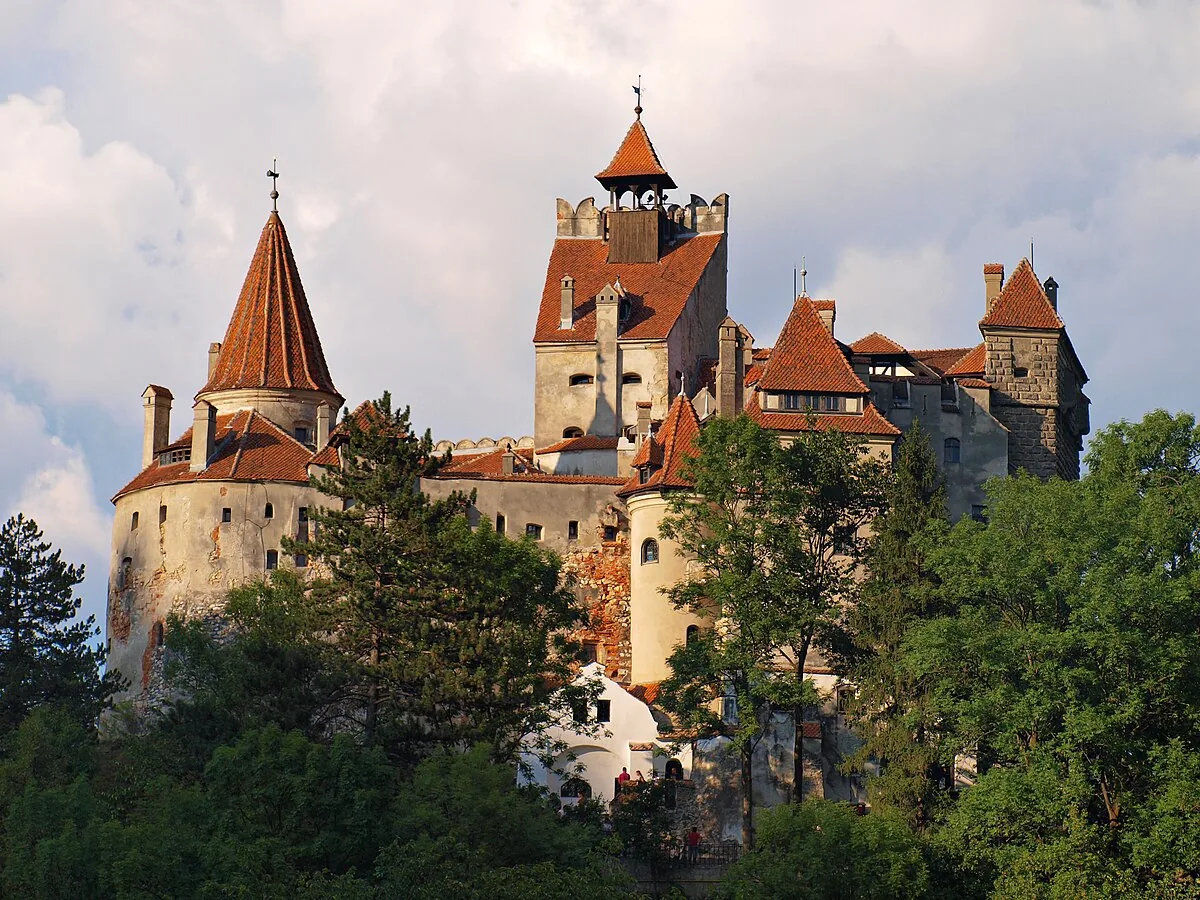
Bran Castle, Romania
their own expense, 1377
Louis I of Hungary gave the people of Brașov permission to build a stone castle at their own expense in 1377, replacing a wooden fort built by Teutonic Knights. Over the centuries, it was a customs post and a vital defensive line against Ottoman incursions. Vlad the Impaler, the historical figure often linked to Dracula, likely passed through the pass many times and may have been imprisoned here briefly, though he never owned the fortress. The castle’s most significant transformation occurred in 1920, when the city of Brașov gifted it to Queen Marie. She turned the grim fortress into a fairytale palace, adding gardens, a tea house, and an elevator shaft hidden inside a well. After the communist era, the castle was eventually returned to the Queen's descendants, the Archdukes of the Habsburg family, who maintain it as a private museum today.
Commissioned by Queen Marie
Climbing the narrow, secret staircase hidden behind a fireplace, The rough texture of the stones against your shoulders, a space so tight it forces a single-file procession. Within the inner courtyard is still, trapped by the towering walls and the ornate wooden balconies that look down from every side. The detail that registers is the way the light catches the antique ceramics and traditional tapestries that Queen Marie collected, giving the rooms a warm, domestic glow. From the start, the heavy iron locks on the doors, designed to keep out more than just the wind. The sudden chill when stepping out onto the high battlements, where the wind from the Carpathians whistles through the crenellations. You register the sound of the small stream rushing through the valley far below, a constant, soothing white noise. Almost all visitors search for signs of vampires, but you should notice the delicate silver furniture and the Queen’s personal library, which tell a much more human story of exile and belonging. The way the shadows shift in the round towers at sunset, turning the white walls a deep, bruised purple. The smell of woodsmoke from the village below rises to meet you on the terraces, grounding the castle in the living landscape of the Bran Valley.
Buses run every thirty minutes
Buses run every thirty minutes from Brașov’s Autogara 2, winding through the mountains for about forty-five minutes before dropping you at the base of the castle hill. Many travelers prefer to drive from Bucharest, a three-hour journey that offers a dramatic introduction to the Prahova Valley and the Bucegi Mountains.
“Buses run every thirty minutes from Brașov’s Autogara 2, winding through the mountains for about forty-five minutes before dropping you at the base of the castle hill.”
The Experience
The creak of the floorboards in the music room sounds like a whisper in the silence of the high mountains. The first thing you register is the way the light filters through the small, thick-glass windows, creating soft pools of illumination on the oriental rugs. A sense of mystery in the 'secret' passage, which remained forgotten for decades before being rediscovered during a renovation. First, the contrast between the rough-hewn stone walls and the delicate, embroidered linens of the royal bedrooms. The moment that anchors you is standing on the wooden gallery overlooking the courtyard, realizing that for all its imposing reputation, this was once a place of family tea and quiet reading.
Why It Matters
Bran Castle is the most recognized landmark in Romania, serving as a powerful bridge between European folklore and historical reality. It represents the intersection of Saxon military engineering and Romanian royal aesthetics. Its enduring fame supports the entire economy of the Bran Valley and preserves the memory of Queen Marie’s significant role in unifying the nation.
Why Visit
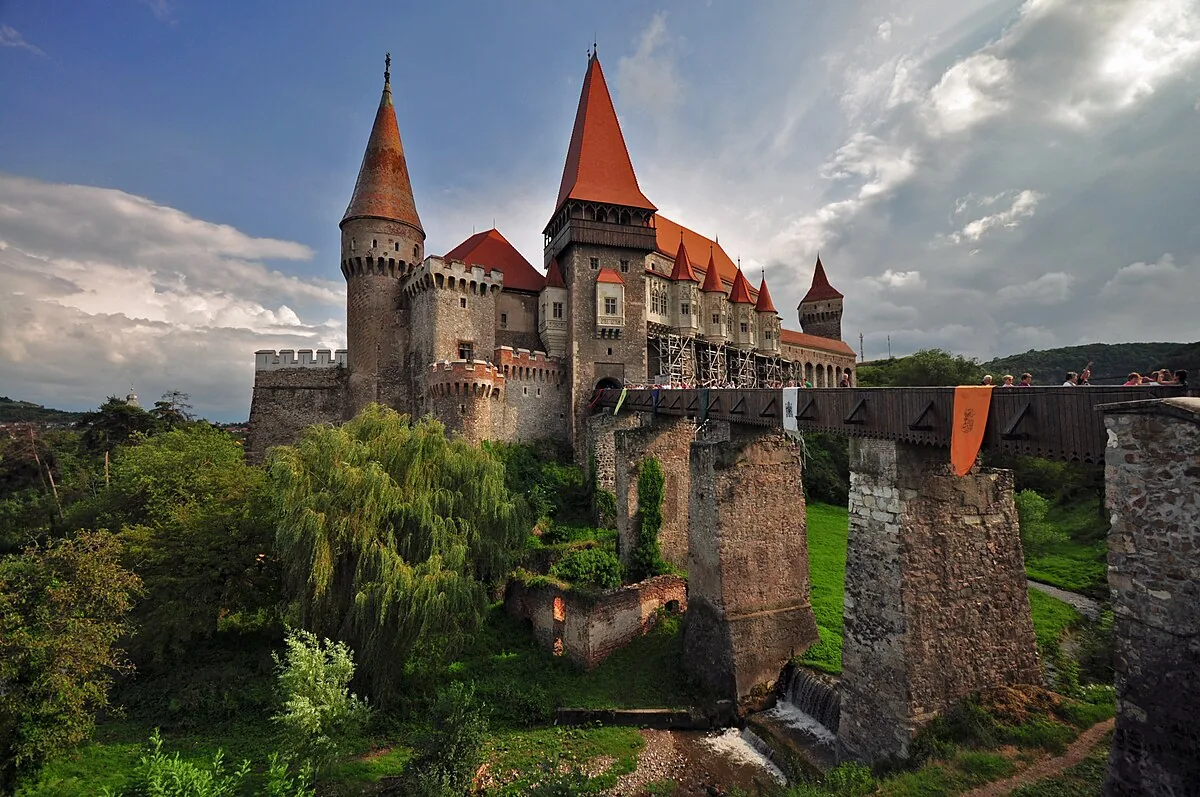
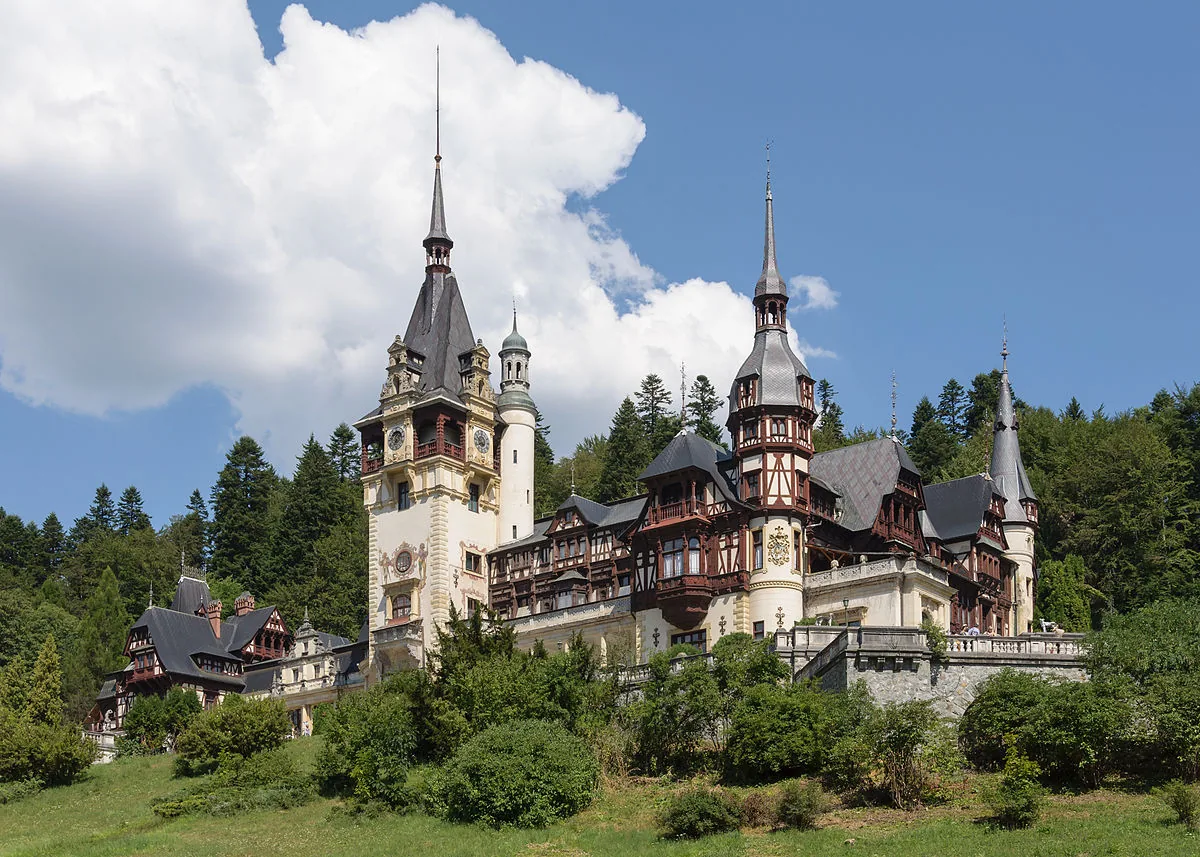
Visit Bran to see the reality behind the myth. While the Dracula connection is the draw, the actual house is a masterpiece of early 20th-century interior design and medieval preservation. It provides a rare opportunity to stand in a fortress that feels simultaneously like a military bunker and a cozy home, a duality you won't find at Peles or Corvin.
Insider Tips
- 1
Arrive at the ticket office at least thirty minutes before opening to beat the massive tour buses that descend from Bucharest by 10:30 AM.
- 2
The 'Time Tunnel' elevator experience is a separate ticket but worth it for the high-tech multimedia show hidden inside the ancient well.
- 3
Wear shoes with excellent grip; the stone steps inside the secret passage are worn smooth and can be surprisingly slippery.
- 4
Don't miss the 'Village Museum' at the foot of the castle hill, which displays authentic peasant houses from the region and provides essential cultural context.
- 5
Check the schedule for the 'Jazz at the Castle' events in the summer for a rare chance to see the courtyard illuminated at night.