Once the most luxurious gambling hall in Eastern Europe, this Art Nouveau masterpiece now works as a salt-stained ghost waiting for its second act.
About Constanța Casino
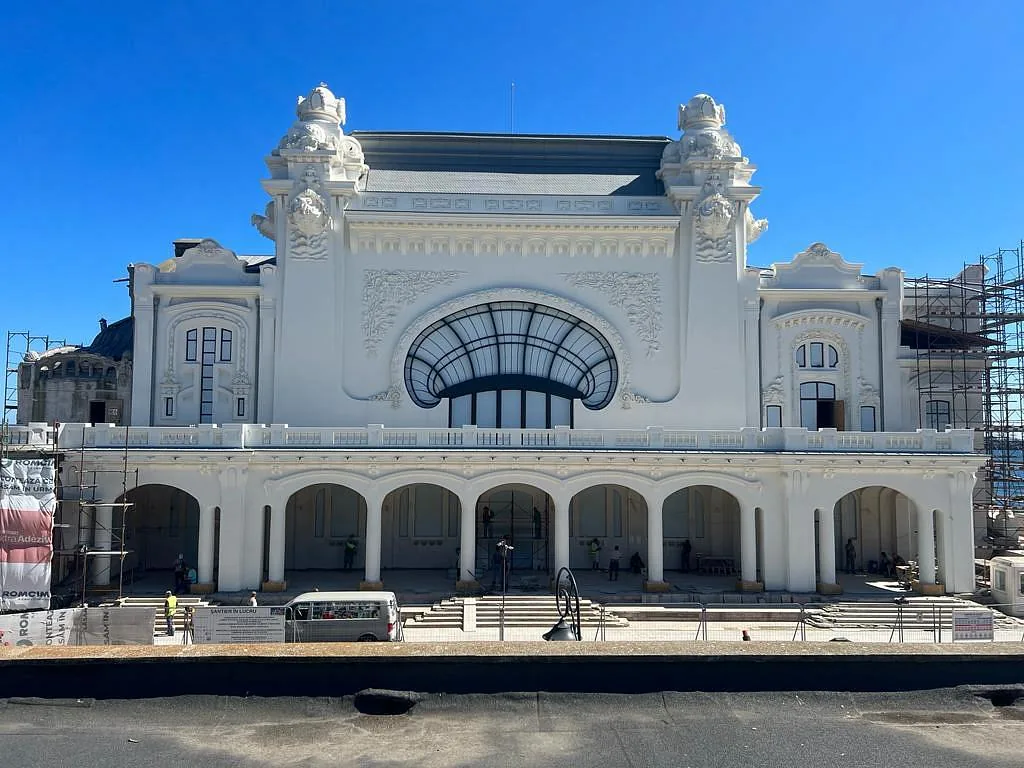
Daniel Renard’s design was inspired by the grand casinos of Monte Carlo and Nice, intended to put Constanța on the map as a premier destination for the global jet set. The interior was once a riot of crystal chandeliers, red velvet, and gold leaf, with a theater and several gambling rooms that operated around the clock. The building’s decline began when it was nationalized in 1948, as the new government had little use for the 'decadent' symbols of the monarchy. Despite several half-hearted attempts to renovate it in the 1980s, the salt air and neglect proved too powerful. The current restoration is the most ambitious in its history, involving master craftsmen who are recreating the original plasterwork and glass from archival photographs.
Salt spray batters the Art Nouveau curves of a derelict palace that clings to the edge of the Black Sea. The Constanța Casino, with its iconic shell-shaped windows and grand sweeping staircases, functions as a haunting silhouette against the horizon. For decades, it was a playground for the European elite, a place where fortunes were lost to the sound of crashing waves. Today, it is an architectural ghost, currently undergoing a massive restoration to reclaim its former glory after years of abandonment. The air around the promenade smells intensely of brine and wet concrete, and the sound of the sea is an ever-present roar that echoes through the empty ballrooms. Even in its faded state, the building possesses a tragic, cinematic beauty that commands the attention of everyone walking along the historic pier.
History
Commissioned by King Carol I and completed in 1910, the Casino was the work of architect Daniel Renard, who brought the avant-garde Art Nouveau style to the Romanian coast. Its construction was highly controversial at the time, with critics dismissing its shell-like motifs as too flamboyant for the conservative port city. During its peak in the interwar period, it hosted royalty, diplomats, and the world’s wealthiest gamblers. The building survived two world wars, serving as a hospital during the first and narrowly escaping destruction in the second. Under the communist regime, it was used as a restaurant for the working class, but the lack of specialized maintenance led to its closure in the 1990s. For nearly thirty years, it sat as a shell, inhabited only by pigeons and the memories of the Belle Époque, before the current multi-million euro restoration project began in 2020.
Walking along the promenade at sunrise,
Walking along the promenade at sunrise, The fine mist of the Black Sea on your face as the light hits the Casino’s decaying white facade. The surroundings are cool and damp, carrying the sharp, fishy scent of the nearby port and the clean smell of the open water. The intricate stone carvings of sea monsters and shells that adorn the corners of the building, now being carefully cleaned by restorers. First, the massive, arched window facing the sea, shaped like a giant scallop, which once looked out over the most exclusive terrace in the country. A sense of the vibration of the waves hitting the concrete foundations below, a constant reminder of the building’s precarious position. What lands is the sound of seagulls crying above the scaffolding, their voices amplified by the open hall inside. Most people just take a photo from the fence, but you should notice the way the light catches the surviving fragments of stained glass, hints of a vibrant past. The contrast between the grand, decaying architecture and the modern, utilitarian cargo ships passing in the distance. At first, the way the salt has etched deep patterns into the stone, a slow-motion battle between man-made art and the elements.
The Casino is the centerpiece of the historic
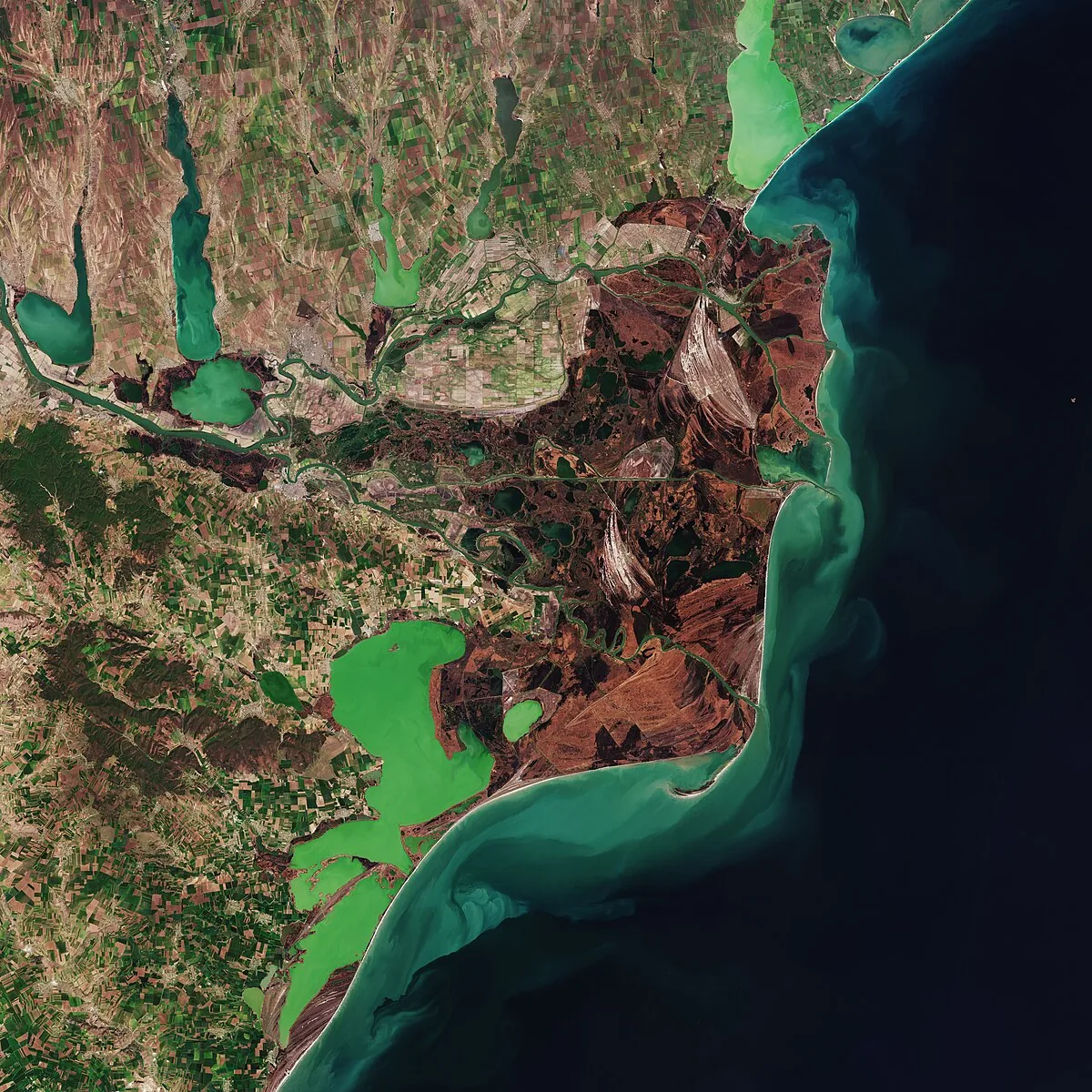
The Casino is the centerpiece of the historic Old Town in Constanța, located at the end of the promenade (Faleza). It is a twenty-minute walk from the city center and the Grand Mosque. People generally arrive via the A2 'Sun Highway' from Bucharest, a two-and-a-half-hour drive that ends where the Danube meets the sea.
The Experience
What you hear is the wind whistling through the scaffolding creates an eerie, musical tone that follows you along the pier. The first thing you register is the way the rust has created orange streaks down the white walls, looking like tears on the face of a giant. A sense of longing looking at the grand staircase through the open doors, imagining the elegant crowds that once flowed through here. Beginning with the texture of the old bricks revealed where the plaster has fallen away, a glimpse into the building's skeleton. What lingers with you is watching the moon rise over the Black Sea, framing the Casino’s shell-window in a silver light that makes it look as grand as it did in 1910.
Why It Matters
The Constanța Casino is the ultimate symbol of Romania’s maritime Belle Époque. It represents a period of extreme optimism and internationalism in Romanian history. Its preservation is a matter of national pride, as it remains one of the most significant examples of Art Nouveau architecture in the world.
Why Visit
This place to witness a legend in transition. While you cannot yet enter the main halls, the exterior is a masterclass in architectural detail and the sheer power of the sea. It is the most evocative spot on the Romanian coast, offering a melancholy beauty that the modern beach resorts of Mamaia completely lack.
✦ Photo Gallery
Best Season
🌤 October and November bring the dramatic 'Black Sea storms' that send waves crashing over the promenade, providing the most cinematic backdrop for the building.
Quick Facts
Best time to visit
October and November bring the dramatic 'Black Sea storms' that send waves crashing over the promenade, providing the most cinematic backdrop for the building.
Getting there
In Constanța, Romania; reach Constanța first, then continue to the site.
Location
Constanța, Romania
Type
attraction
Coordinates
44.1705°, 28.6635°
Insider Tips
- 1
Visit at night when the building is illuminated; the spotlights hide the construction fences and highlight the architectural curves.
- 2
Walk to the very end of the pier for a panoramic view that includes both the Casino and the massive industrial cranes of the Constanța port.
- 3
Check the 'Casino Constanta' official social media pages for rare 'open door' days where the public is occasionally allowed to see the progress of the interior restoration.
- 4
Bring a long lens if you are a photographer; the best details of the roof sculptures are too high up to see clearly with the naked eye.