Two and a half million palm trees create a green fortress against the desert, fed by ancient springs that have never stopped flowing for six thousand years.
About Al Ahsa Oasis
The oasis has been the strategic key to eastern Arabia for centuries. The Ottoman Empire maintained a significant presence here, evidenced by the 16th-century Ibrahim Palace. The region’s wealth was built on the date trade, which remains a vital part of the local economy. In 1938, the discovery of oil in the nearby Dammam field changed the region forever, but the people of Al Ahsa have fought to maintain their agricultural heritage. The modern management of the oasis involves a sophisticated network of recycled water systems, balancing the needs of the growing population with the preservation of the millions of palms that define the landscape.
Imagine a sea of two and a half
Imagine a sea of two and a half million date palms stretching toward the horizon, a vibrant green stain on the desert of eastern Saudi Arabia. Al Ahsa is the largest self-contained oasis in the world, a UNESCO World Heritage site that has been a center of human life for six thousand years. This is not just a garden; it is a complex landscape of ancient springs, canals, traditional mud-brick villages, and dramatic limestone caves. The air is humid and sweet smelling of ripening dates, a sharp contrast to the dry heat of the surrounding Rub' al Khali desert. The ancient rhythm of agriculture continues into the 21st century, powered by a massive underground aquifer that has sustained civilizations from the Neolithic era to the present day.
“Imagine a sea of two and a half million date palms stretching toward the horizon, a vibrant green stain on the desert of eastern Saudi Arabia.”
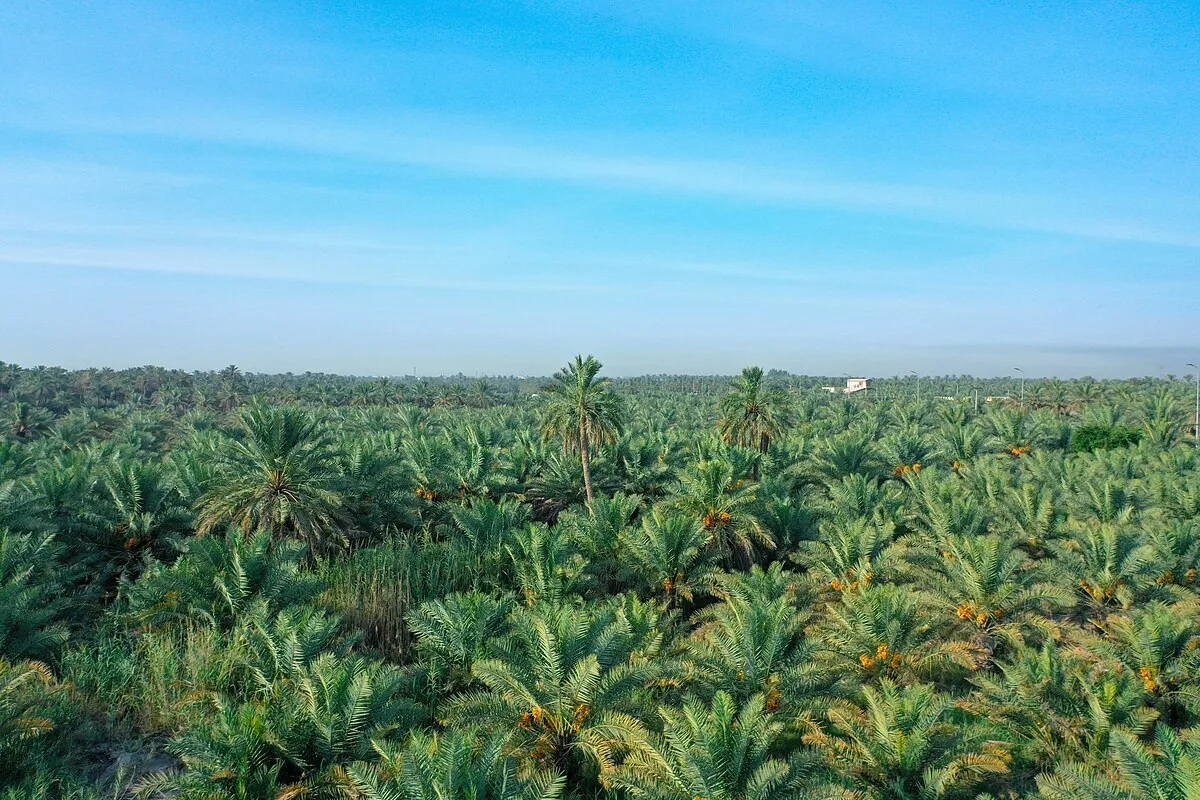
Al Ahsa Oasis, Saudi Arabia
Al Ahsa's history is a story of water
Al Ahsa's history is a story of water management. For millennia, the Dilmun, Nabataean, and various Islamic dynasties controlled these springs, building intricate irrigation systems that turned the desert into the breadbasket of the peninsula. The oasis was a major stop on the trade and pilgrimage routes from Persia and the Levant to the holy cities. In the early 20th century, it was the first region to be integrated into the modern Saudi state after King Abdulaziz captured the Al-Hofuf fortress. The recent UNESCO designation recognizes not only the palms but the entire 'evolved cultural landscape,' including the unique architecture of the Qasariah Souq and the historical mosques that dot the palm groves.
Walking into the palm groves, the temperature drops by several degrees as the dense canopy blocks the sun. You catch the sound of running water in the 'al-ajra' (irrigation channels) and the rhythmic thud of farmers climbing trees to harvest the famous Khalasah dates. The Al-Qarah Mountain is a highlight; The air turn ice-cold stepping into its deep limestone caves, which have been naturally carved into cathedral-like spaces. Around you, the smells of damp earth and woodsmoke. In the evening, the Qasariah Souq in Al-Hofuf comes alive with the chatter of vendors and the scent of spices and incense. The distinct architecture of the Ibrahim Palace, where Ottoman and Najdi styles blend in a massive white-walled citadel.
Location and access
Al Ahsa is located in the Eastern Province, roughly halfway between Riyadh and Dammam. It is well-connected by the Saudi Railway (SAR), which offers comfortable high-speed trains from Riyadh in about two and a half hours. Al-Hofuf is the main city of the oasis and is the hub for all exploration. Most visitors rent a car or use ride-sharing apps to move between the palm groves, the caves, and the historical sites. While the city is modern, the heart of the oasis is best explored by driving the smaller roads that wind through the palm forests, where you can find small roadside stalls selling fresh dates and local crafts.
“Al Ahsa is located in the Eastern Province, roughly halfway between Riyadh and Dammam.”
The Experience
What you see is how the oasis is a patchwork of small private farms, each hidden behind low mud-brick walls. The light in the palm groves is dappled and soft, creating a peaceful atmosphere that feels miles away from the modern world. You come across a texture of the date palms, their rough bark used for building and crafts. The most memorable moment is often the view from the top of Al-Qarah Mountain at sunset, looking out over the endless green canopy as the call to prayer echoes from dozens of different villages simultaneously. First, the taste of the dates, the Khalasah variety is widely considered the best in the world, with a creamy, caramel-like flavor that ruins all other dates for you forever.
Why It Matters
Al Ahsa is a unique example of human interaction with the environment. It is the only place in the world where such a large-scale traditional irrigation system has been maintained for so long. Culturally, it is the heart of Eastern Saudi Arabia, preserving the songs, crafts, and culinary traditions of a sedentary agricultural society that predates the nomadic Bedouin culture in many ways.
Why Visit
The sheer scale of the greenery. It is a physical refutation of the idea that Saudi Arabia is only sand. Al Ahsa offers a deep, layered history that you can touch, smell, and taste. It is one of the few places where you can spend the morning in a 500-year-old fort and the afternoon in a naturally air-conditioned limestone cave.
Insider Tips
- 1
Visit the Al-Qarah Mountain caves during the heat of the day; the natural ventilation keeps them at a constant 20°C year-round.
- 2
Buy your dates at the Souq Al-Qasariah; it is the oldest market in the region and offers the best prices and varieties.
- 3
Check the prayer times as the historical mosques and palaces will close for 30 minutes during each session.
- 4
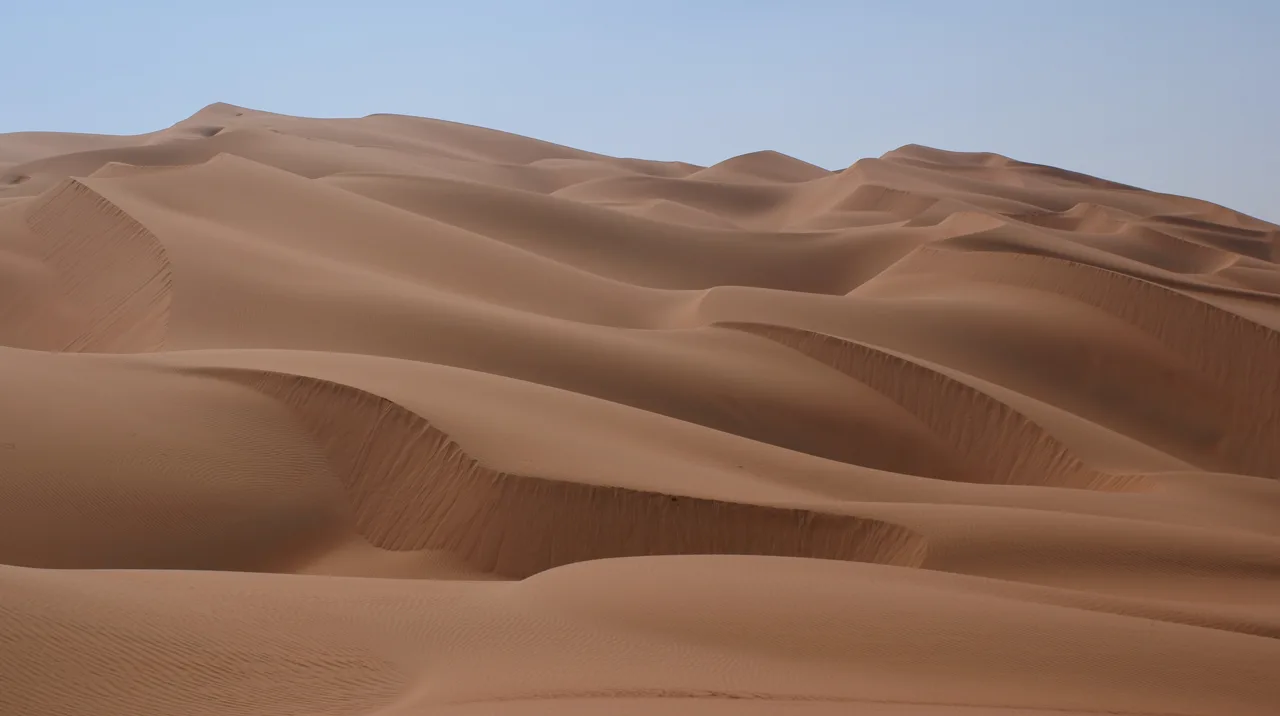
Take the train from Riyadh instead of driving; the views of the red dunes transitioning into the green oasis are spectacular.