White-sand beaches and mangrove forests hide an island sanctuary where gazelles roam free and the parrotfish migration is celebrated like a national holiday.
About Farasan Island Marine Sanctuary
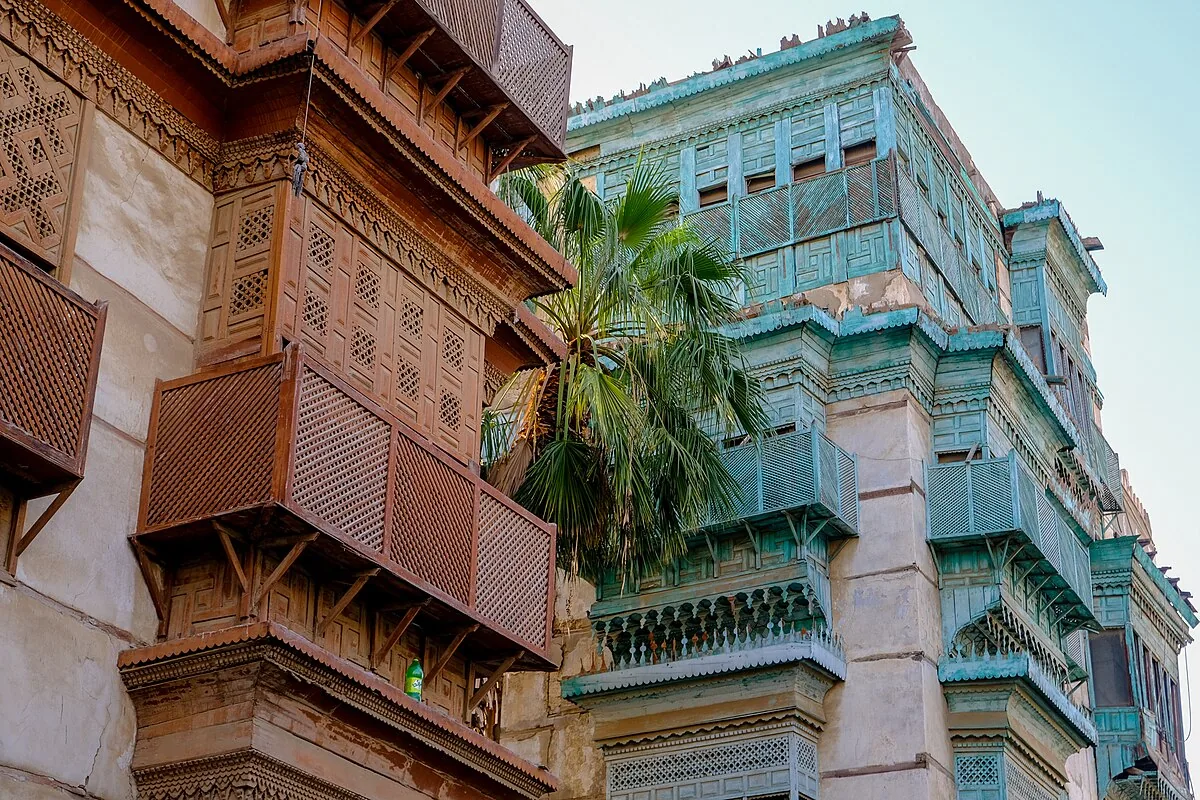
Farasan’s history is intimately tied to the sea. For generations, the wealth of the islands came from the dangerous work of pearl diving, a tradition that only ended with the rise of cultured pearls in the 1930s. The 'Beit Al-Rifai' is a stunning example of this wealth; built in 1922 by a wealthy pearl merchant, it features incredible coral-stone carvings and gypsum work that rival the finest palaces on the mainland. During the Harid festival each April, the entire community gathers to catch the parrotfish that arrive in the shallows, a tradition that is as much about community bonding as it is about food. The sanctuary now balances this ancient human presence with modern conservation goals, ensuring the islands remain a refuge for both people and nature.
What this is
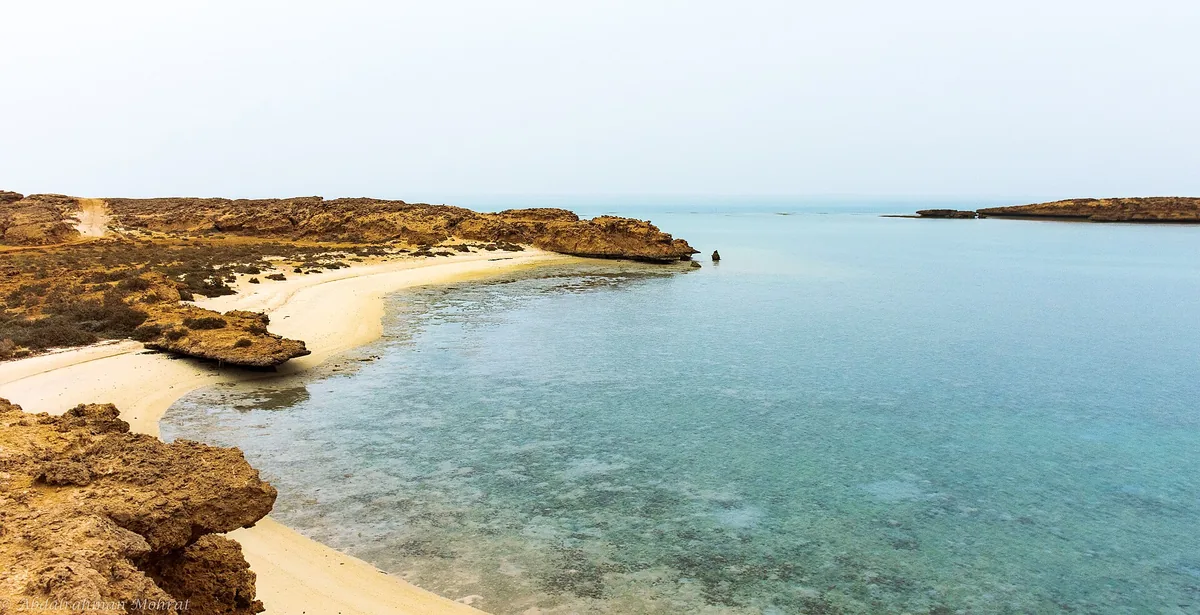
Floating in the turquoise waters of the southern Red Sea, the Farasan Islands are an archipelago of coral limestone like a forgotten paradise. This marine sanctuary, comprising over 80 islands, is a biodiversity hotspot of mangrove forests, white sandy beaches, and vibrant coral reefs. Unlike the developed coasts of the northern Red Sea, Farasan remains raw and largely untouched, a place where the endangered Arabian gazelle still roams the scrubland and thousands of migratory birds find refuge. The islands are famous for their unique culture, a blend of maritime traditions, Ottoman-influenced architecture, and an annual festival celebrating the migration of parrotfish. It is a world where the clock slows down and the primary colors are sea-blue and desert-white.
The islands have a layered history that reflects their strategic position on the trade routes to the Indian Ocean. Evidence of Roman presence has been found here, and the islands were a major center for pearl diving for centuries. The Ottoman Empire maintained a garrison on the main island, leaving behind a fort that still overlooks the harbor. In the early 20th century, the Germans attempted to build a coaling station here, though the project was never completed. The marine sanctuary was established in 1996 to protect the fragile coral ecosystems and the diverse wildlife, including sea turtles, dugongs, and over 200 species of fish. In 2021, Farasan was the first site in Saudi Arabia to join the UNESCO Man and the Biosphere program.
The experience begins with the ferry ride from Jazan, as the industrial coast gives way to the crystal-clear shallows of the archipelago. What hits is the air is humid and salty, with a constant breeze that keeps the islands cooler than the mainland. The beaches are startlingly white, composed of crushed coral like flour between your toes. Snorkeling in the sanctuary is a highlight; The rush of color as you encounter neon-hued reef fish and massive sea fans in water that is warm year-round. Sound-wise is dominated by the cry of ospreys and the rhythmic lap of the tide against the limestone cliffs. The Al-Qassar village, a collection of traditional stone houses that was a summer retreat for islanders during the date harvest.
Access to the islands is via a free
Access to the islands is via a free public ferry that departs twice daily from the port of Jazan. The journey takes about an hour and a half and provides stunning views of the small, uninhabited islets along the way. While there are a few hotels on the main island (Farasan Al-Kabir), many visitors choose to stay in Jazan and visit as a day trip. Renting a car once on the island is essential for visiting the various historical sites and remote beaches. There are also private boat operators who can take you to the more secluded snorkeling spots and the uninhabited islands where the gazelles are most frequently seen.
The Experience
Notice how the islands feel like a enter another century; there are no malls or skyscrapers here, just small fishing communities and vast stretches of wild coastline. The light at noon is blindingly bright, reflecting off the white limestone and turquoise water. Something like a sense of total isolation on the remote beaches of Sajjid Island, where your own footprints are likely the only ones you'll see all day. The smell of the mangroves at low tide, salty and earthy, is a sensory reminder of the island’s importance as a nursery for marine life. The most memorable moment is often seeing a herd of Arabian gazelles galloping across the white plains, their slender forms silhouetted against the sea. Immediately, the intricate carvings in the stone of the Ottoman fort, a silent witness to the many empires that have coveted this archipelago.
Why It Matters
Farasan Island Marine Sanctuary is the crown jewel of Saudi Arabia's maritime conservation. It is home to the largest population of Arabian gazelles in the country and some of the most pristine coral reefs in the Red Sea. Its inclusion in UNESCO’s Biosphere program marks it as a site of global importance for both natural beauty and cultural heritage.
Why Visit
The ultimate 'off-the-map' experience. It is the only place in Saudi Arabia where you can combine world-class snorkeling, ancient stone architecture, and rare wildlife spotting in a single, car-free environment. It offers a glimpse of the Red Sea as it was decades ago, quiet, clean, and full of life.
✦ Photo Gallery
Best Season
🌤 Winter (November to March) is the best for weather, but April is essential if you want to witness the Harid (Parrotfish) festival.
Quick Facts
Best time to visit
Winter (November to March) is the best for weather, but April is essential if you want to witness the Harid (Parrotfish) festival.
Getting there
In Farasan Islands, Saudi Arabia; reach Farasan Islands first, then continue to the site.
Location
Farasan Islands, Saudi Arabia
Type
attraction
Insider Tips
- 1
The islands are open to all visitors of all faiths.
- 2
The ferry from Jazan is free, but you must book your ticket at the port office at least a few days in advance with your passport or ID.
- 3
Bring your own high-quality snorkeling gear; rental options on the island are very limited.
- 4
Hire a local boatman to take you to the 'Mangrove Forest', it’s an incredible maze of water and green that is teeming with birdlife.
- 5
Respect the sanctuary rules; do not remove any shells or coral from the beaches, as the local rangers are very strict about preservation.