“A massive meteorite from the heart of the desert sits at the entrance of a building shaped like a sand dune, welcoming you to the beginning of time.”
About National Museum of Saudi Arabia
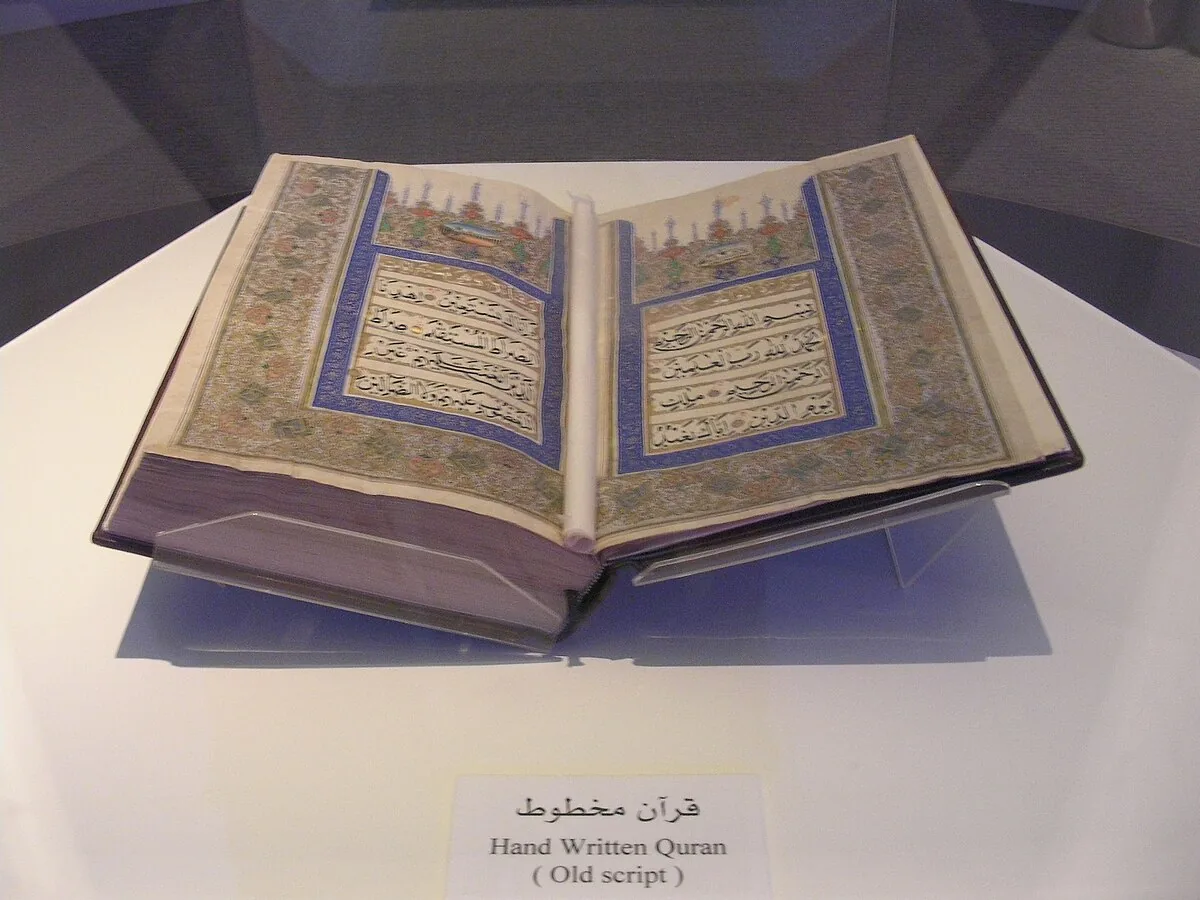
The National Museum was a landmark project for the city of Riyadh, signaling a new era of cultural investment. Moriyama’s design incorporated the 'Sand Wall' as a unifying element that guides visitors through the galleries. The collection includes items on loan from across the Kingdom, including rare Quranic manuscripts and archaeological finds from the Silk Road trade. Since its opening, it has become the primary educational hub for the country’s youth, hosting thousands of students who come to learn about their heritage. The museum has recently seen updates to its interactive displays, ensuring the ancient stories remain engaging for a digital-native generation.
Commissioned by King Abdulaziz
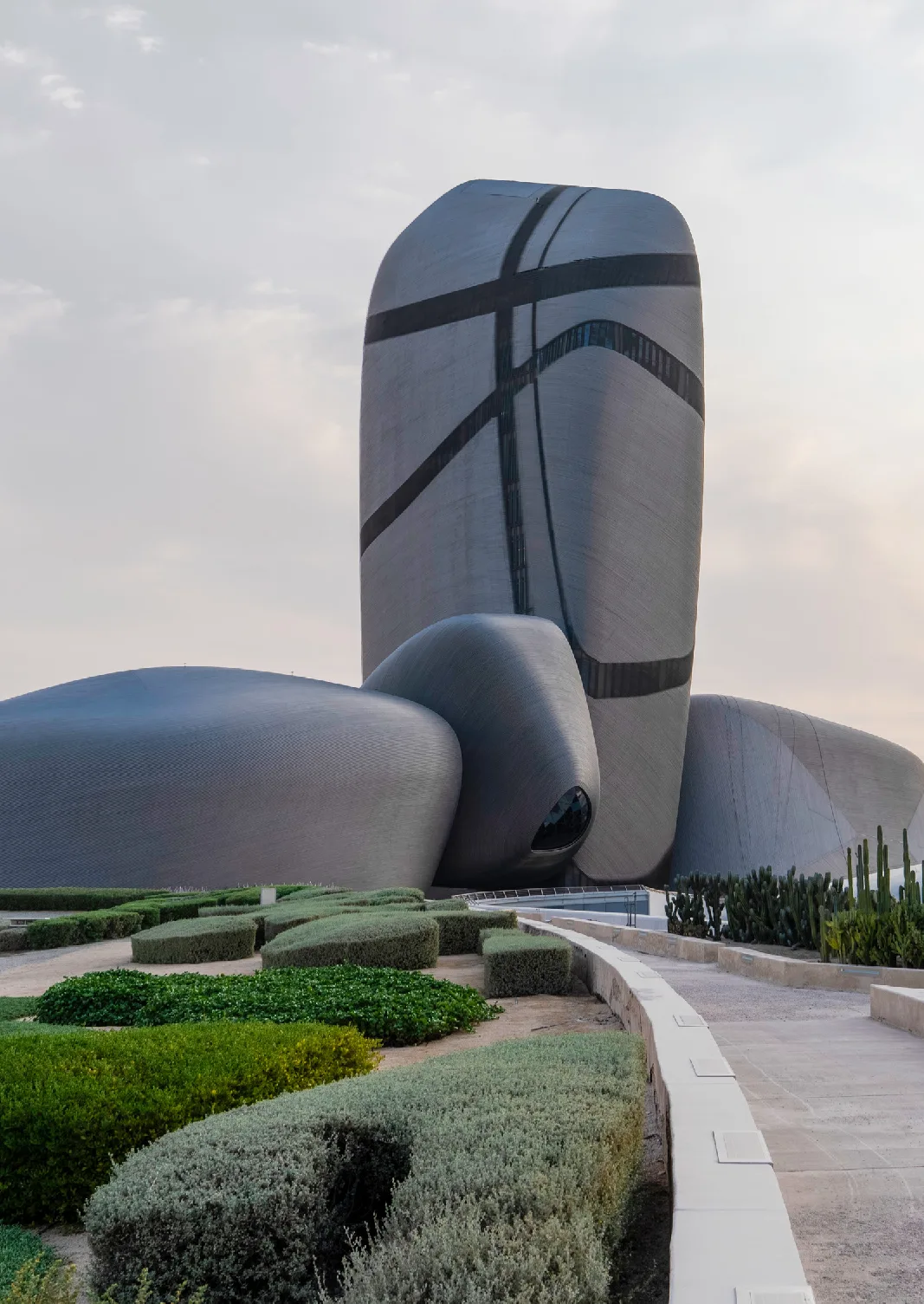
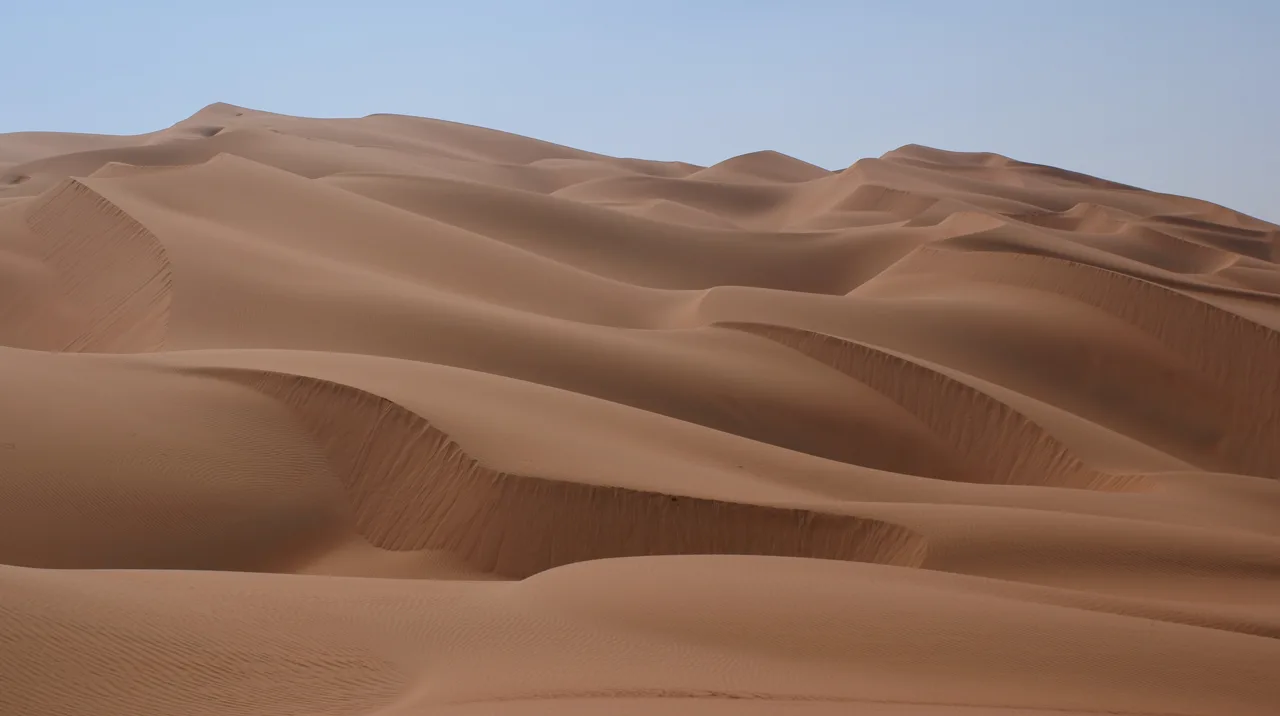
Rising from the lush King Abdulaziz Historical Centre in Riyadh, the National Museum is a masterpiece of modern architecture that looks like a wave of sand frozen in stone. Its curved, ochre-colored facade mirrors the dunes of the Empty Quarter, inviting visitors on a chronological route through the history of the Arabian Peninsula. This is not a dusty warehouse of artifacts; it is an immersive, high-tech experience that spans from the prehistoric past to the present day. The museum is surrounded by manicured gardens and water features, providing a serene oasis in the middle of the capital’s desert environment. It is the definitive storyteller of the land, the faith, and the people of Saudi Arabia.
Rising from the lush King Abdulaziz Historical Centre in Riyadh, the National Museum is a masterpiece of modern architecture that looks like a wave of sand frozen in stone.
Opened, 1999
Opened in 1999 to celebrate the centenary of the Saudi state, the museum was designed by architect Raymond Moriyama. The design was inspired by the sand dunes of the Red Sands outside Riyadh. The interior is divided into eight 'Man and the Universe' galleries, moving from the formation of the earth and the pre-Islamic kingdoms to the life of the Prophet and the unification of the Kingdom. The project was part of a larger redevelopment of the Murabba Palace district, the former royal residence of King Abdulaziz. By placing the museum here, the government created a bridge between the traditional seat of power and a modern institution of learning.
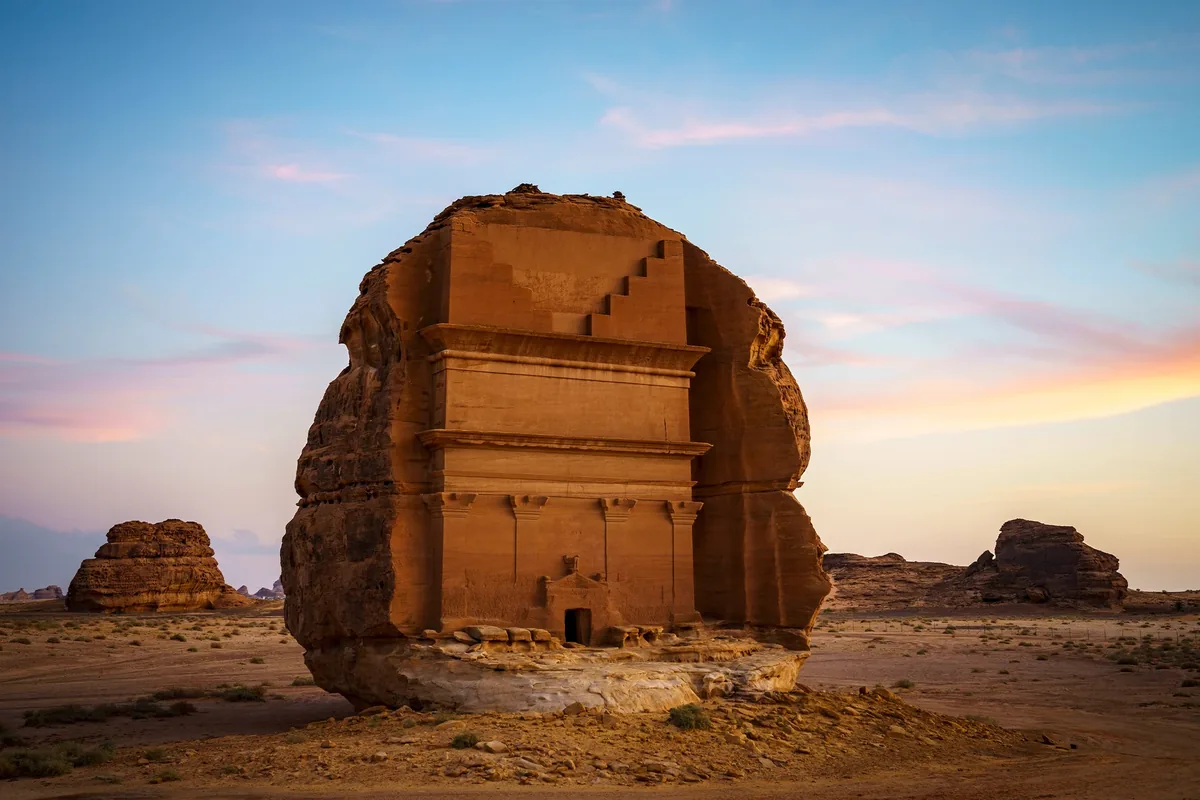
The journey begins in darkness, with the sounds of the universe and a massive meteorite found in the desert. First, the transition from the prehistoric galleries, featuring ancient petroglyphs, to the brightly lit sections detailing the rise of Islam. The setting is cool and silent, with the only sound being the soft footsteps of visitors on carpeted floors. A highlight is the full-scale replica of a Nabataean tomb from Hegra, which allows you to see the details of the carvings up close. The museum uses light masterfully, with large windows overlooking the gardens that provide a visual break between the various historical eras. There is a scale of the narrative, moving from the deep time of geology to the rapid transformation of the oil era.
Location and access
The museum is located in the Al-Murabba district of central Riyadh. It is easily reached by taxi or car, and there is ample parking in the historical center. The site is also a major stop on the planned Riyadh Metro system. People generally arrive in the late afternoon to explore the museum and then stay to walk through the surrounding park and visit the nearby Murabba Palace as the sun sets. The complex is pedestrian-friendly and offers a rare chance to see a greener side of the city.
The museum is located in the Al-Murabba district of central Riyadh.
The Experience
It becomes clear how the museum’s layout forces a sense of momentum; you are literally walking through the timeline of the peninsula. The smell is a neutral, clean 'museum scent' that occasionally blends with the oud of other visitors. A sense of awe in the gallery dedicated to the Prophet’s life, where the lighting is particularly soft and respectful. The most memorable moment is often the 'Unification' gallery, which features a dramatic film projected onto a massive screen, detailing the birth of the modern nation. Outside, the contrast between the high-tech interior and the traditional mud-brick of the Murabba Palace nearby is a sensory reminder of how far the country has come in a single century.
Why It Matters
The National Museum is the guardian of the Saudi collective memory. It places the Kingdom’s history in a global context, showing how Arabia has been a crossroads for civilizations for thousands of years. It is a vital institution for national identity, preserving the artifacts of the past while explaining the vision for the future.
Why Visit
A masterclass in how to tell a national story. If you only have one day in Riyadh, this museum provides the context needed to understand everything else you will see in the country. It is the most comprehensive and visually stunning collection of Arabian history in existence.
✦ Insider Tips
- 1
Check the opening hours as the museum often has separate morning and afternoon sessions and closes for the midday heat.
- 2
Allow at least three hours to see all eight galleries; the museum is larger than it looks from the outside.
- 3
Visit the nearby Murabba Palace on the same ticket for a look at the King's personal living quarters from the 1930s.
- 4
The museum is very kid-friendly, with many tactile and interactive exhibits designed for younger visitors.