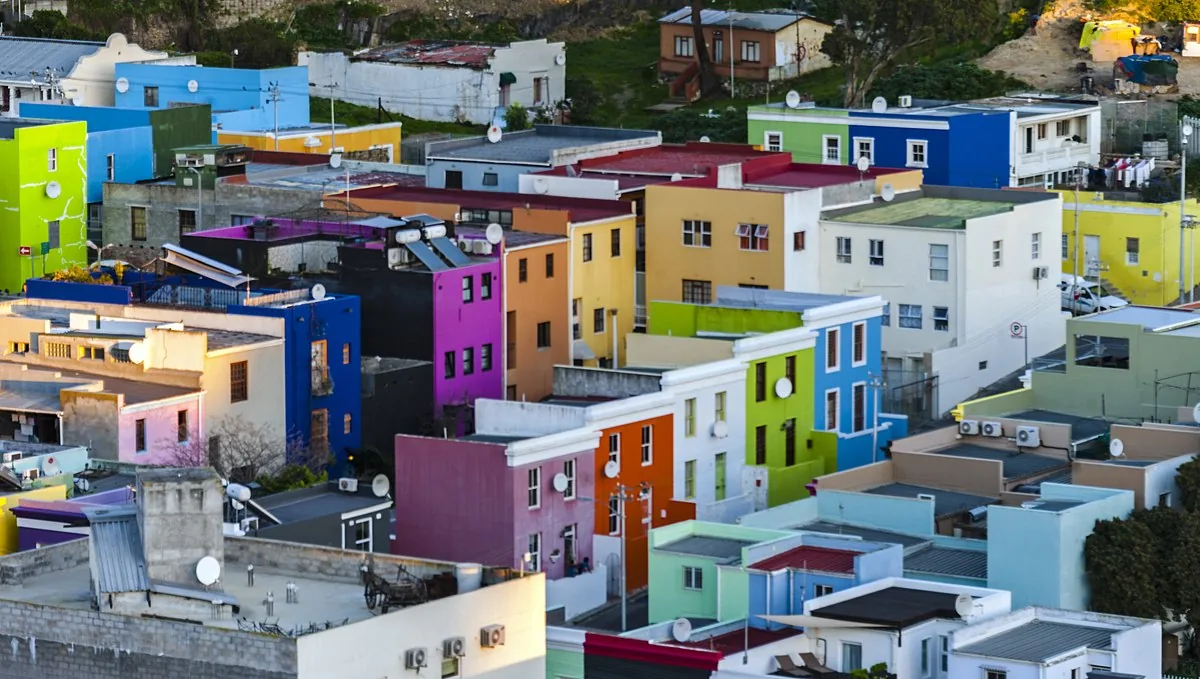
While these streets are now a global icon of vibrant color, for nearly two centuries every house here was legally mandated to be a uniform, lifeless white.
About Bo-Kaap
Bo-Kaap was established as a residential area for the working class and the enslaved, but it quickly became a bastion of Islamic scholarship. The Auwal Mosque, established in 1794, was the first mosque in South Africa, built on land belonging to the freed slave Coridon van Ceylon. During the apartheid era, the community successfully fought to have the area declared a national monument to prevent the forced removals that decimated other non-white neighborhoods. This victory ensured that the unique Cape Malay culture, language, and architecture remained anchored to the city's slopes.
Bo-Kaap in South Africa
Cobblestone streets climb the lower slopes of Signal Hill, flanked by a riot of neon pink, electric blue, and lime green houses. Bo-Kaap remains one of Cape Town’s most photogenic neighborhoods, but its candy-colored exterior masks a history of resilience and spiritual defiance. Historically known as the Malay Quarter, this enclave is the cultural heart of the city’s Muslim community, where the call to prayer drifts over 18th-century architecture. The houses are built in a mix of Cape Dutch and Georgian styles, featuring high stoeps and thick walls that have survived centuries of urban change. Passing through these streets, the air often smells of toasted cumin and cinnamon, a sensory reminder of the spice trade that brought the original inhabitants here. This neighborhood is not just a collection of buildings; it is a living museum of a community that fought to maintain its identity through the darkest years of apartheid.
The origins of Bo-Kaap date back to the mid-1700s when the Dutch East India Company began leasing small houses to 'Cape Malays', artisans and tailors brought from Indonesia, Malaysia, and other parts of Africa. Many were political exiles or enslaved people who brought their Islamic faith and culinary traditions to the Cape. For decades, the houses were required to be painted white while under lease. Legend has it that when the residents were finally allowed to purchase their homes after the abolition of slavery, they painted them in brilliant colors as a celebration of their freedom. The neighborhood survived the Group Areas Act of the 1950s, which saw other diverse areas like District Six razed to the ground. Today, the Bo-Kaap Museum, housed in the oldest building in the area (circa 1768), tells the story of these families and their enduring contribution to the Cape’s cultural fabric.
The air is filled with the evocative melody of the muezzin’s call to prayer, echoing from the minarets of the Auwal Mosque. The hum of children playing on the steep sidewalks and the occasional clatter of a local delivery van navigating the uneven stones. Walking up Wale Street, The rough texture of the ancient cobblestones and the warmth of the sun reflected off the brightly painted masonry. The intricate timber carvings on the front doors and the small, carefully tended flower boxes that decorate the stoeps. The light in the late afternoon is spectacular, casting long shadows that make the colors of the houses seem even more saturated. The moment you step into a local spice shop and the scent of Masala hits you, the history of the Indian Ocean trade feels alive and present.
Bo-Kaap is a short walk
Bo-Kaap is a short walk from the Cape Town city center and the popular V&A Waterfront. The majority enter via Wale Street, where the Bo-Kaap Museum is located. While the neighborhood is easy to navigate on foot, the streets are remarkably steep, so a moderate level of fitness is required. Parking is notoriously difficult on the narrow lanes, so taking a taxi or ride-share to the museum is the most stress-free option. Many local families offer walking tours and cooking classes, which provide a much deeper insight than simply wandering with a camera.
The Experience
You feel the pulse of a real neighborhood here, where the residents’ laundry hangs next to world-famous street art. The hum of the midday sun is punctuated by the sizzle of samosas frying in oil from small corner kitchens. First, the way the locals lean over their half-doors to chat with neighbors, a tradition that has survived the influx of tourists. Most people take their photos and leave within twenty minutes, but the real magic happens when you stop to talk to an elder about the history of their home. The moment you taste a 'Cape Malay' koesister, spiced, syrupy, and coated in coconut, you understand the true flavor of the Cape.
Why It Matters
Bo-Kaap is the spiritual and cultural home of the Cape Muslim community. It represents the successful preservation of heritage against colonial and apartheid-era attempts at erasure. Historically, it is a result of the diverse roots of Cape Town and the enduring power of community identity through religious and culinary traditions.
Why Visit
Visit Bo-Kaap because it is the most vibrant intersection of history and modern life in the city. It offers a sensory experience that no mall or museum can replicate. You go for the colors, but you stay for the stories and the spices that have flavored the city for three hundred years.
✦ Photo Gallery
Best Season
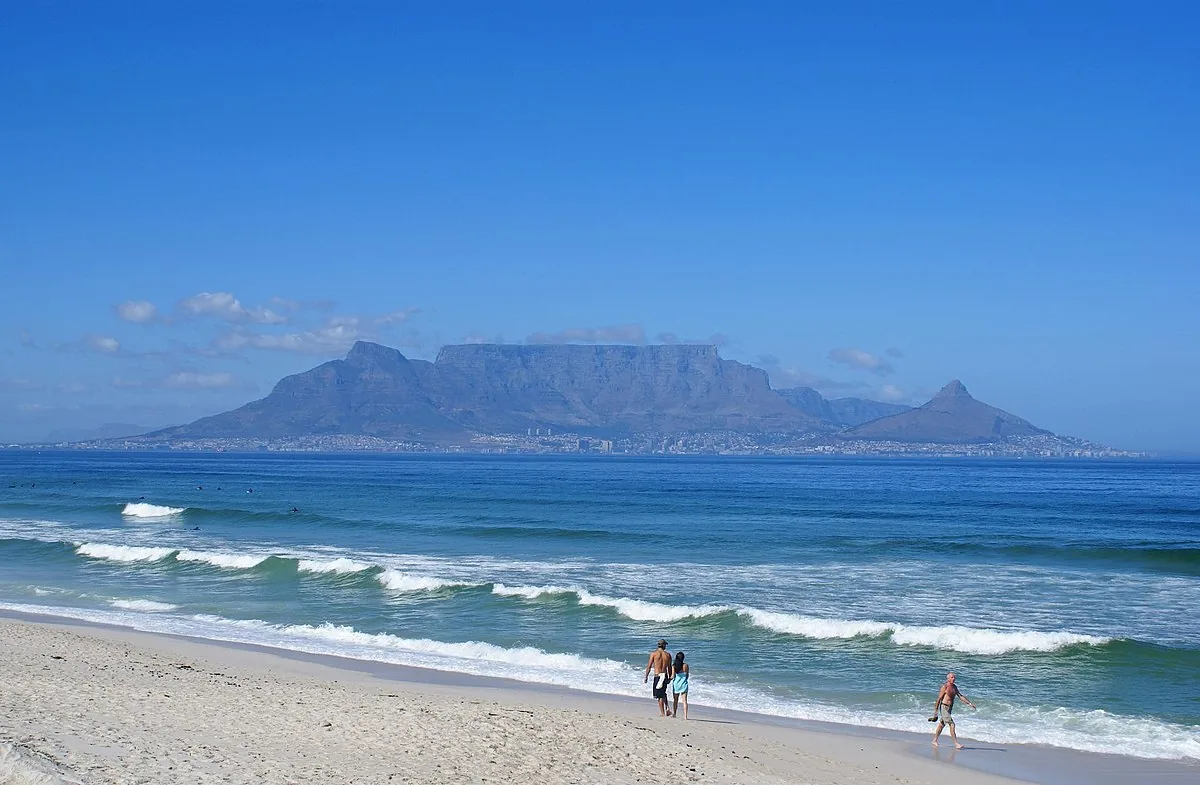
🌤 February and March offer the best weather, with clear skies and less wind, making the colors of the houses pop against the backdrop of Table Mountain.
Quick Facts
Best time to visit
February and March offer the best weather, with clear skies and less wind, making the colors of the houses pop against the backdrop of Table Mountain.
Getting there
In Cape Town, South Africa; reach Cape Town first, then continue to the site.
What's nearby
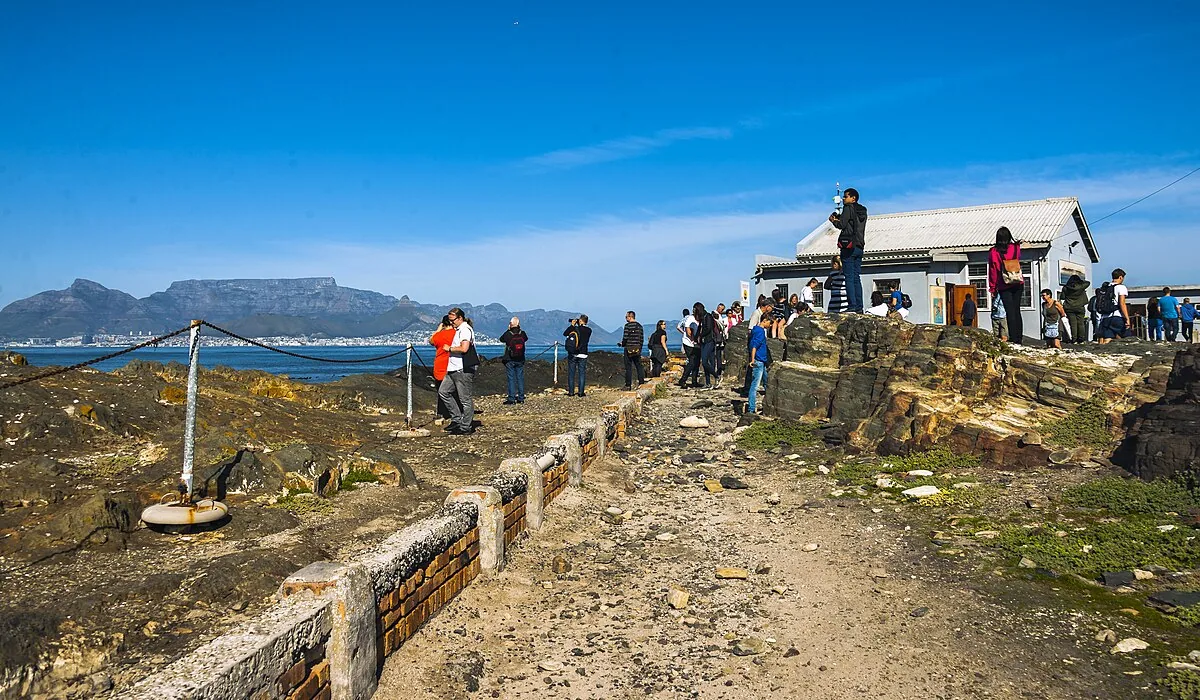
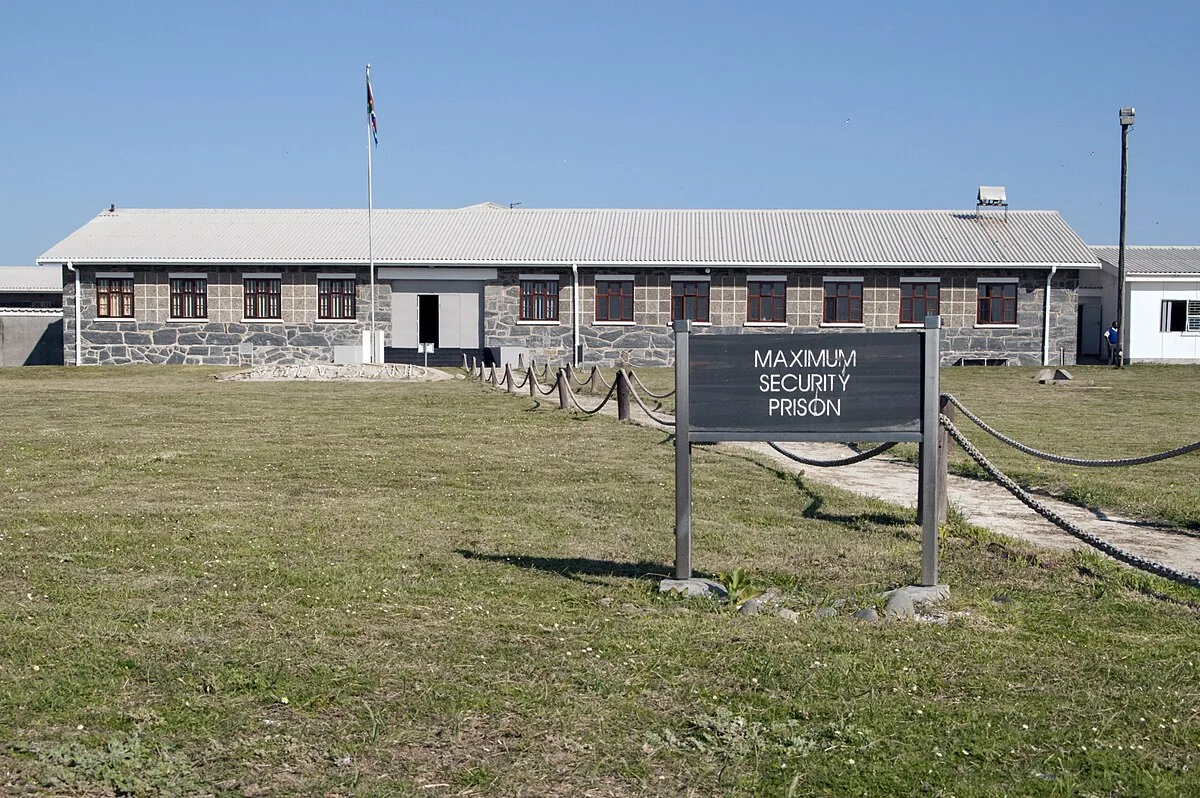
Table Mountain, Kirstenbosch National Botanical Garden and Robben Island are also in the area.
Location
Cape Town, South Africa
Type
attraction
Coordinates
-33.9208°, 18.4153°
Insider Tips
- 1
Respect the residents' privacy; many houses are private family homes and you should always ask before photographing people on their doorsteps.
- 2
Visit on a Saturday morning to experience the neighborhood at its most local and lively before the heavy tourist crowds arrive.
- 3
Buy a bag of 'Bo-Kaap Mix' from Atlas Trading Company; it is the definitive spice blend for any authentic Cape Malay curry.
- 4
Look for the 'Tana Baru' cemetery at the top of the hill, where some of the most influential early Muslim leaders are buried.
- 5
Wear shoes with good traction, as the 18th-century cobblestones can be surprisingly slippery, especially if there is a light drizzle.