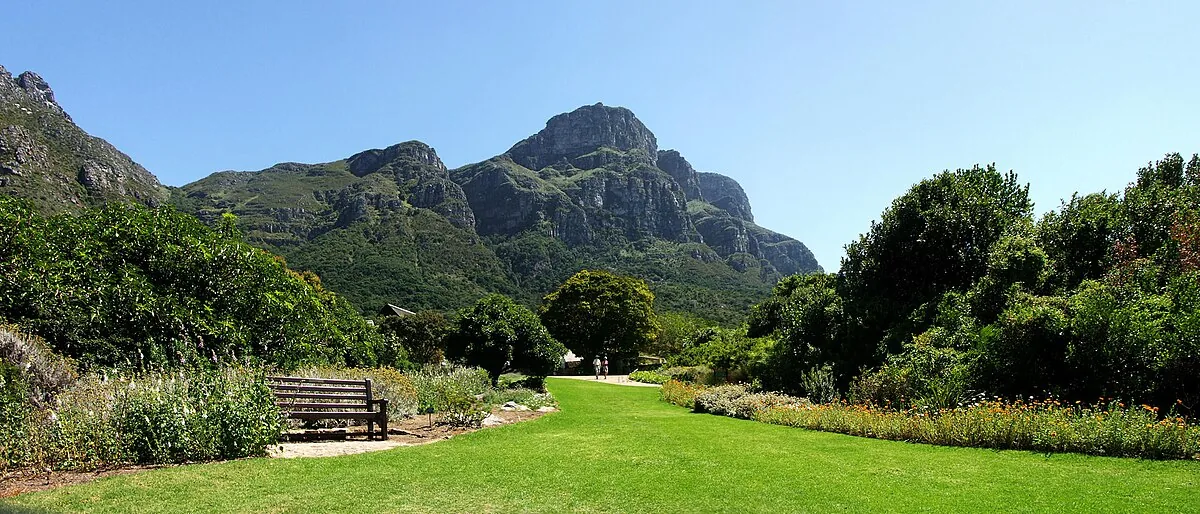
“For centuries, this flat scrap of land was a place of forced silence, yet it eventually produced the loudest and most powerful voices for freedom in the 20th century.”
About Robben Island
Named 'Robben' (seal) by the Dutch, the island was a site of exile long before apartheid. It housed Xhosa chiefs during the frontier wars and Muslim clerics from Indonesia. During World War II, it was fortified with massive coastal batteries to protect Cape Town. The modern prison era began in the 1960s, specifically designed to break the morale of the African National Congress and Pan Africanist Congress. Instead, the island became a symbol of international solidarity, eventually forcing the regime to dismantle the very system the prison was built to defend.
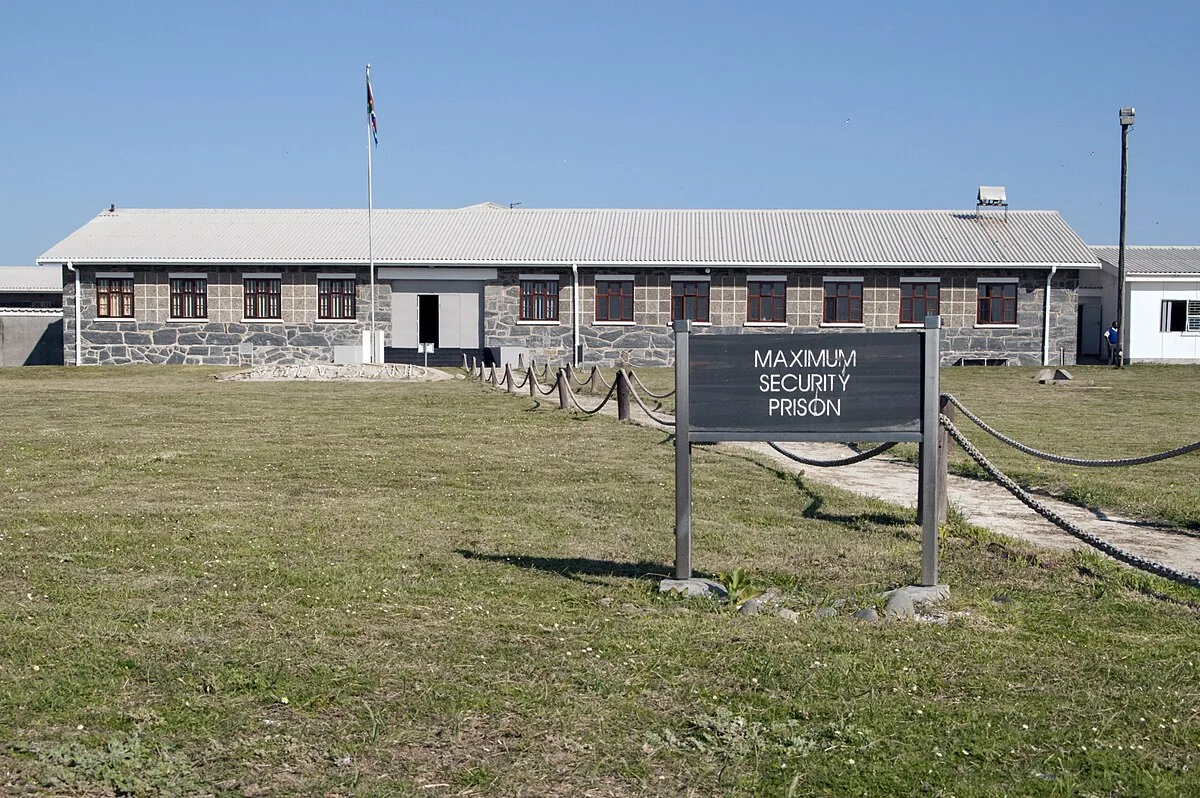
Robben Island
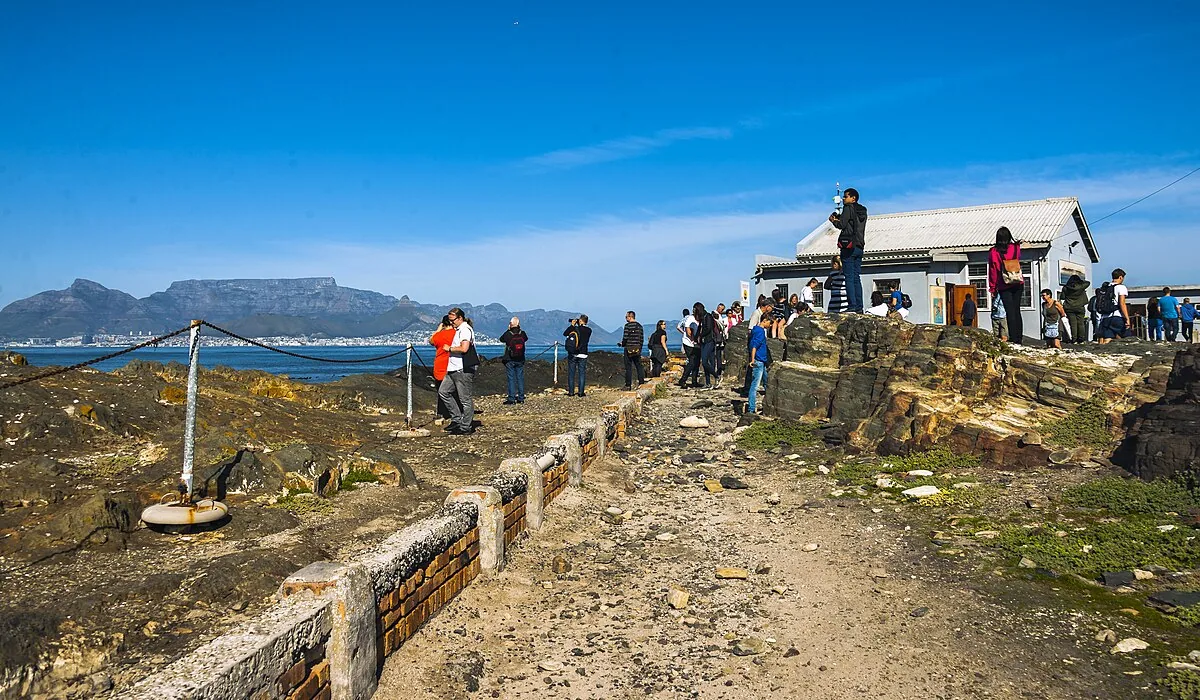
A low-lying outcrop of slate and limestone sits seven miles out in the frigid waters of Table Bay, serving as a somber monument to the triumph of the human spirit. Robben Island is best known as the site where Nelson Mandela and other anti-apartheid activists were imprisoned for decades, but its history of isolation stretches back much further. The island has was a leper colony, a mental hospital, and a military base, always defined by the churning, shark-infested waters that make escape nearly impossible. Today, the prison complex works as a UNESCO World Heritage site, preserved exactly as it was when the last political prisoners were released in the early 1990s. The tours are led by former inmates, providing a visceral, first-hand account of the daily struggle for dignity within the confines of a seven-foot-square cell.
A low-lying outcrop of slate and limestone sits seven miles out in the frigid waters of Table Bay, serving as a somber monument to the triumph of the human spirit.
The Dutch were the first to use the island as a prison in the 17th century, taking advantage of its natural isolation to house political leaders from their colonies in the East Indies. Across centuries, it was a place where society sent those it wanted to forget, the sick, the destitute, and the defiant. In 1961, the South African government turned it into a maximum-security prison for political prisoners. Nelson Mandela spent 18 of his 27 years here, working in the limestone quarry where the blinding white glare permanently damaged the prisoners' eyesight. The island became a 'University of Resistance,' where inmates educated one another and debated the future of a free South Africa. When the prison closed in 1996, it transitioned almost immediately into a museum, ensuring that the history of the struggle would never be erased by the tides of the Atlantic.
The air on the ferry ride is cold and salty, filled with the roar of the engines and the crying of gulls that follow the wake. Sound-wise is the heavy, metallic clanging of cell doors and the gravelly, measured voice of your guide, who might be standing in the very block where he once slept. Moving through the limestone quarry, the intense, reflected heat and the gritty dust that still seems to hang in the air. First, the contrast between the harsh, utilitarian architecture of the prison and the surprising beauty of the African penguins and springbok that now roam the island. The light inside the cells is dim and clinical, illuminating the simple floor mats and wooden buckets that were the only luxuries provided. From Mandela’s cell, the sheer tiny scale of the space makes the magnitude of his endurance feel overwhelming.
Tours depart from the Nelson Mandela Gateway
Tours depart from the Nelson Mandela Gateway at the V&A Waterfront in Cape Town. The ferry ride takes about 30 to 45 minutes, depending on the sea conditions, which can be notoriously rough in the winter months. Tickets include the round-trip ferry, a bus tour of the island’s historical sites, and a walking tour of the maximum-security prison. Because the island is a popular site and ferries are subject to weather cancellations, it is essential to book your tickets several weeks in advance. If your ferry is cancelled due to swell or wind, the museum usually reschedules or refunds, but it can disrupt a tight itinerary.
Tours depart from the Nelson Mandela Gateway at the V&A Waterfront in Cape Town.
The Experience
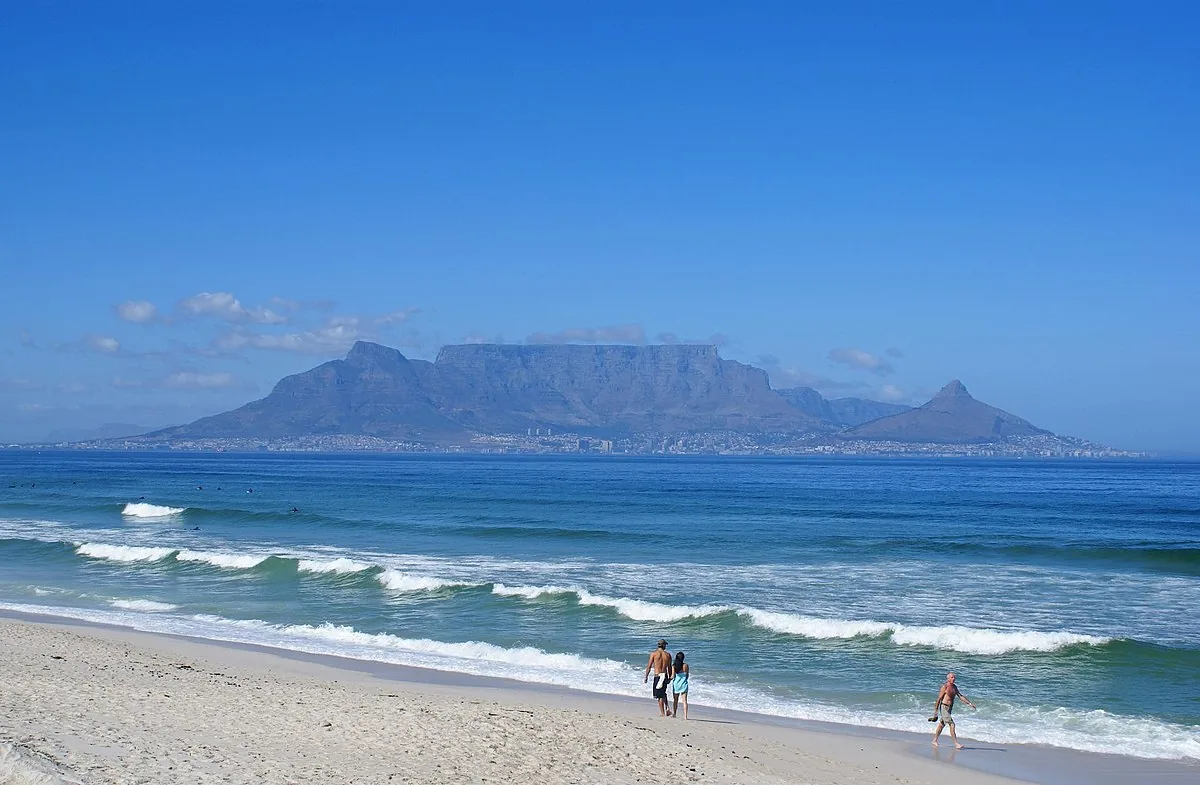
You feel a heavy, quiet lump in your throat as you realize your guide is pointing to a bunk that was his own for ten years. Audibly, the of the Atlantic crashing against the jagged rocks outside the prison walls is a constant reminder of the isolation the inmates faced. The detail that hits is how the limestone quarry, once a place of grueling labor, is now a silent, sun-bleached bowl of memory. A large share of visitors focus on the cells, but the real impact is in the small stories, the hidden letters, the shared books, and the secret soccer matches. The moment you look back across the water at Table Mountain, you see the view that the prisoners stared at for decades, a beautiful, unreachable promise of home.
Why It Matters
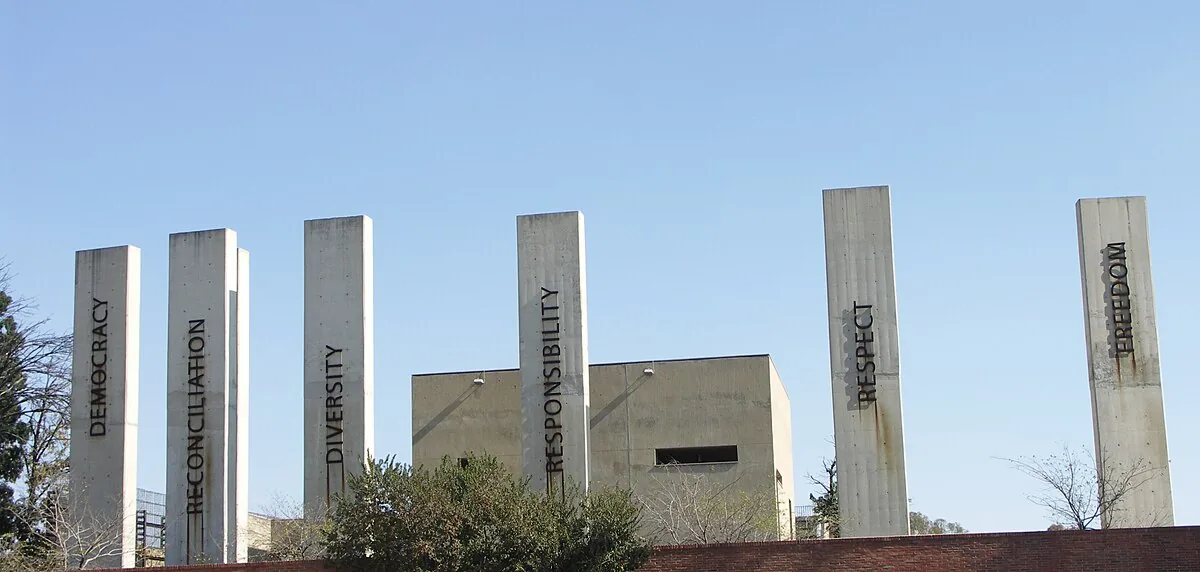
Robben Island is the spiritual ground zero of the new South Africa. It represents the transition from oppression to democracy and serves as a global symbol of reconciliation and forgiveness. Historically, it is an essential site for understanding the mechanics of political incarceration and the resilience of human rights movements.
Why Visit
Visit Robben Island because no textbook can replace the experience of hearing a former prisoner describe the smell of the damp concrete and the hope that kept them alive. It is a necessary, if difficult, pilgrimage. You go to honor the past, but you leave with a much deeper understanding of the cost of the present.
✦ Insider Tips
- 1
Book your ferry tickets at least three weeks in advance, especially if you are visiting during the December holiday season when they sell out daily.
- 2
Take a motion sickness tablet 30 minutes before boarding if you have a sensitive stomach; the crossing into Table Bay can be exceptionally choppy.
- 3
Listen closely to your guide's personal stories; every guide is a former political prisoner, and their individual experiences are what make the tour unique.
- 4
Bring a hat and sunscreen; the bus tour includes stops in the limestone quarry where the glare and heat can be intense even on cool days.
- 5
Look for the small shrine to Sayed Abdurahman Moturu, a Prince of Madura who was exiled here in the 1740s, showcasing the island's deep history of banishment.