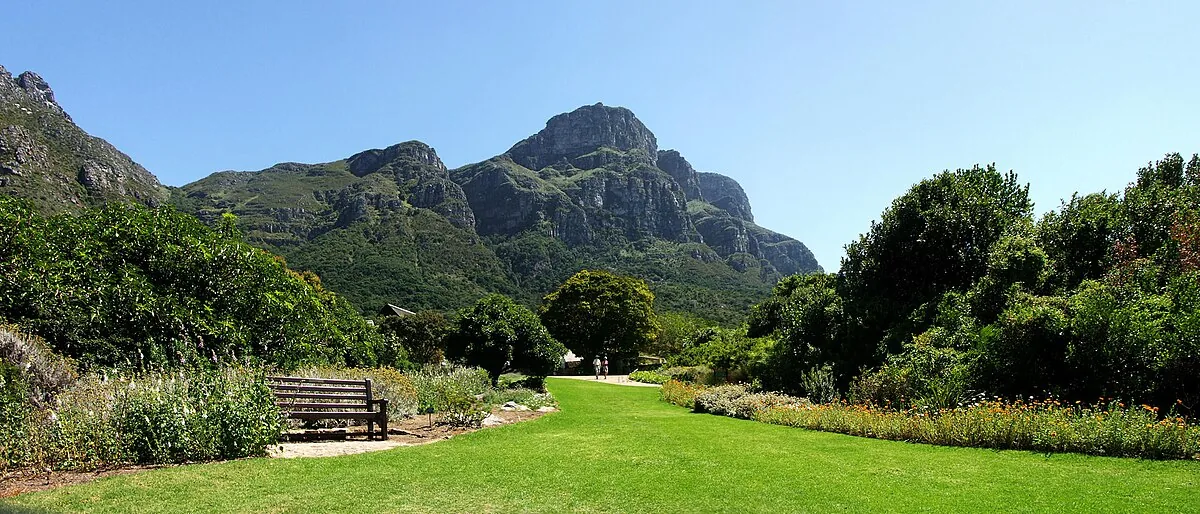
In this two-million-hectare wilderness, the lions don't know where South Africa ends and Mozambique begins, moving through a landscape that looks exactly as it did ten thousand years ago.
About Kruger National Park
Kruger’s history is a transition from exploitation to protection. Before it was a park, the land was home to the San people, who left behind over 150 rock art sites. In the 1800s, the area was a graveyard for transport riders and hunters who succumbed to malaria and tsetse flies. Warden Stevenson-Hamilton, nicknamed 'Skukuza' (he who sweeps clean), spent 44 years turning the park into a world-class institution. It has weathered the dark years of apartheid and the modern rhino poaching crisis, remaining the most resilient bastion of African biodiversity.
What Kruger National Park actually is
A vast expanse of lowveld scrub and ancient baobab trees covers nearly two million hectares along the border with Mozambique, forming one of the world's premier wildlife sanctuaries. Kruger National Park is an ecosystem of staggering scale, roughly the size of Israel or the state of New Jersey. Here, the landscape shifts from the riverine forests of the south to the dry, mopane-dominated plains of the north. The park is famous for the Big Five, lion, leopard, elephant, buffalo, and rhino, but its true beauty lies in the smaller details: the iridescent plumage of a lilac-breasted roller or the frantic industry of a dung beetle. Unlike private reserves, Kruger offers a public, self-drive experience where the thrill of discovery belongs entirely to the traveler behind the wheel.
“A vast expanse of lowveld scrub and ancient baobab trees covers nearly two million hectares along the border with Mozambique, forming one of the world's premier wildlife sanctuaries.”
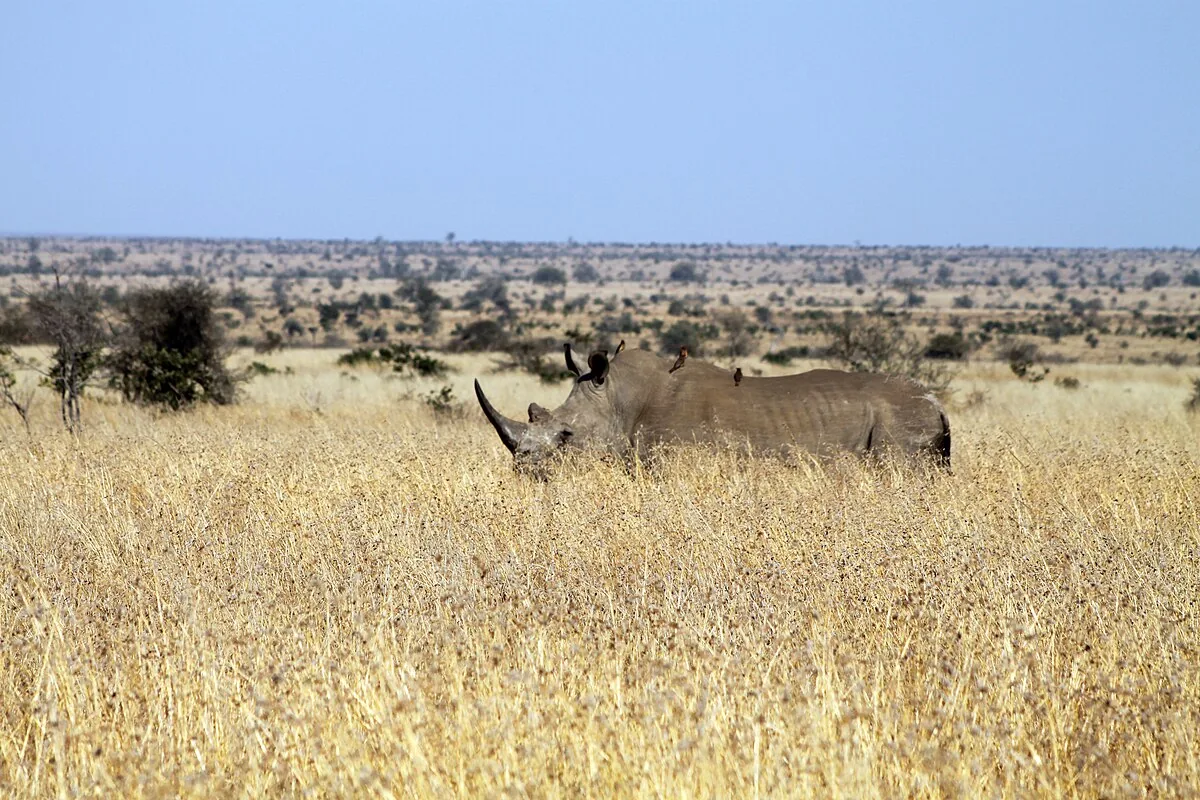
Kruger National Park, South Africa
a 'no-hunting' zone, 1898
Paul Kruger, the president of the South African Republic, first proposed a 'no-hunting' zone in 1898 to protect the rapidly dwindling game populations of the Lowveld. Originally known as the Sabie Game Reserve, it was renamed and expanded in 1926 to become the nation's first national park. The early years were difficult, as the park’s first warden, James Stevenson-Hamilton, fought off poachers, miners, and cattle farmers who saw the land as wasted. Over the decades, Kruger evolved from a colonial hunting ground into a sophisticated center for conservation science and anti-poaching technology. Today, it forms part of the Great Limpopo Transfrontier Park, a massive 'peace park' that allows animals to migrate freely across international borders, restoring the ancient paths they followed for millennia.
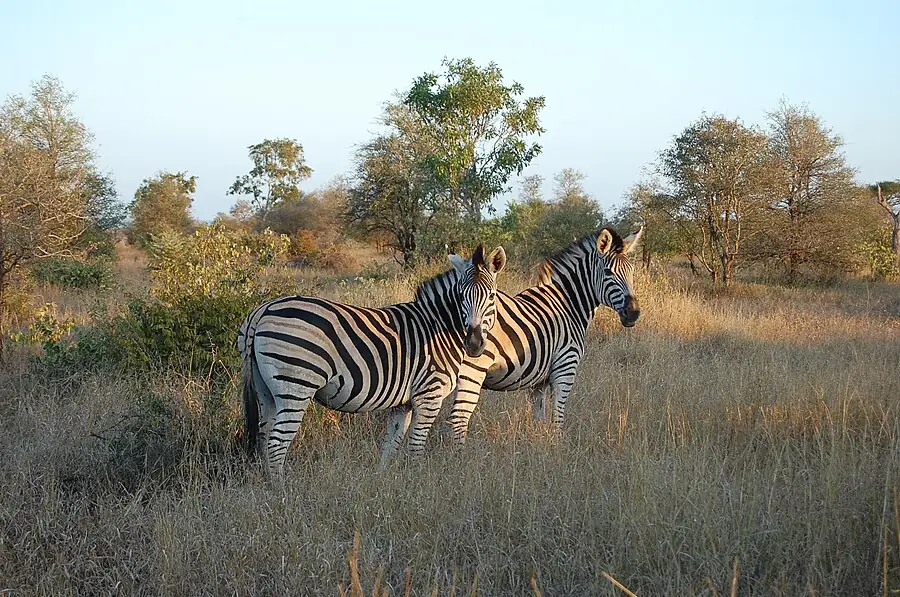
Kruger National Park, South Africa
The air at dawn is cool and heavy
The air at dawn is cool and smelling of wild sage and damp earth. From somewhere comes the rhythmic, crunching sound of gravel under your tires and the sudden, startling alarm call of a francolin. Sitting in an open safari vehicle, the wind on your face and the raw, electric tension that comes with spotting a fresh leopard track in the dust. Straight away, the way the light filters through the acacia thorns, turning the tall grass into a sea of shimmering silver. The light at sunset is a deep, bruised crimson that silhouettes the umbrella-shaped trees against the horizon. At the top of the bridge over the Olifants River, the sight of a hundred elephants bathing in the water below is a moment of pure, prehistoric majesty.
Most travelers fly into O.R.
Tambo in Johannesburg and drive five hours to one of the park’s southern gates, like Malelane or Paul Kruger. Alternatively, smaller airports in Skukuza, Hoedspruit, and Phalaborwa offer direct access to different regions of the park. Within the park, a network of paved and well-maintained gravel roads allows for easy navigation. Accommodations range from basic campsites and round-walled rondavels in state-run rest camps to ultra-luxury private lodges. Because the park is so large, it is wise to spend at least three nights in different camps to experience the changing vegetation and wildlife densities.
“Tambo in Johannesburg and drive five hours to one of the park’s southern gates, like Malelane or Paul Kruger.”
The Experience
You feel a jolt of adrenaline as a massive bull elephant steps into the road, his tusks gleaming in the morning sun, reminding you exactly who owns this territory. The hum of the bush at night is a layered interplay of scops owls, clicking bats, and the distant, saw-like cough of a hunting leopard. First, the way the impalas freeze, their ears swiveling toward a thicket where you can see nothing, but they can smell everything. Just about everyone rush from sighting to sighting, but the real reward is sitting quietly at a waterhole for an hour. The moment a pride of lions begins to roar at dusk is when you truly feel the wildness of Africa.
Why It Matters
Kruger is the flagship of South African conservation. It protects one of the highest concentrations of large mammals on Earth and serves as a vital laboratory for understanding savanna ecosystems. Historically, it represents the birth of the national park movement in Africa and the ongoing struggle to protect endangered species in a rapidly changing world.
Why Visit
Visit Kruger because it is the most accessible way to experience a truly wild Africa. It offers a sense of freedom and discovery that private reserves can't match. You go for the Big Five, but you stay for the immense, unhurried scale of a land where humans are merely observers.
Insider Tips
- 1
Drive slowly, no more than 20km/h, not just for safety, but because you will miss the camouflaged chameleons and birds that make the park so rich.
- 2
Arrive at the gate 15 minutes before opening to be the first on the road; the first hour of light is when predators are most active and visible.
- 3
Hire a local guide for at least one 'night drive' to see the nocturnal creatures like porcupines and honey badgers that stay hidden during the day.
- 4
Stop at the 'Getaway' boards in the rest camps to see where other travelers have spotted lions and leopards that morning.
- 5
Bring a pair of high-quality binoculars; a leopard in a tree 100 meters away is just a beige blur without them.