Hippos frequently wander through the residential streets of the local town at night, claiming the manicured lawns as their own private grazing grounds between the lake and the sea.
About iSimangaliso Wetland Park
Formerly known as the Greater St Lucia Wetland Park, this region has been a focal point of human survival for centuries. Evidence of Iron Age metalworking and traditional fish traps in Kosi Bay show a long-standing harmony between the Thonga people and the water. The establishment of the park in 1999 marked a revolutionary shift, ending decades of threat from commercial dredging and monoculture forestry. It now protects over 330,000 hectares of land and sea, serving as a vital sanctuary for the endangered coelacanth fish in the deep submarine canyons off the coast.
Nature refused to choose a single identity
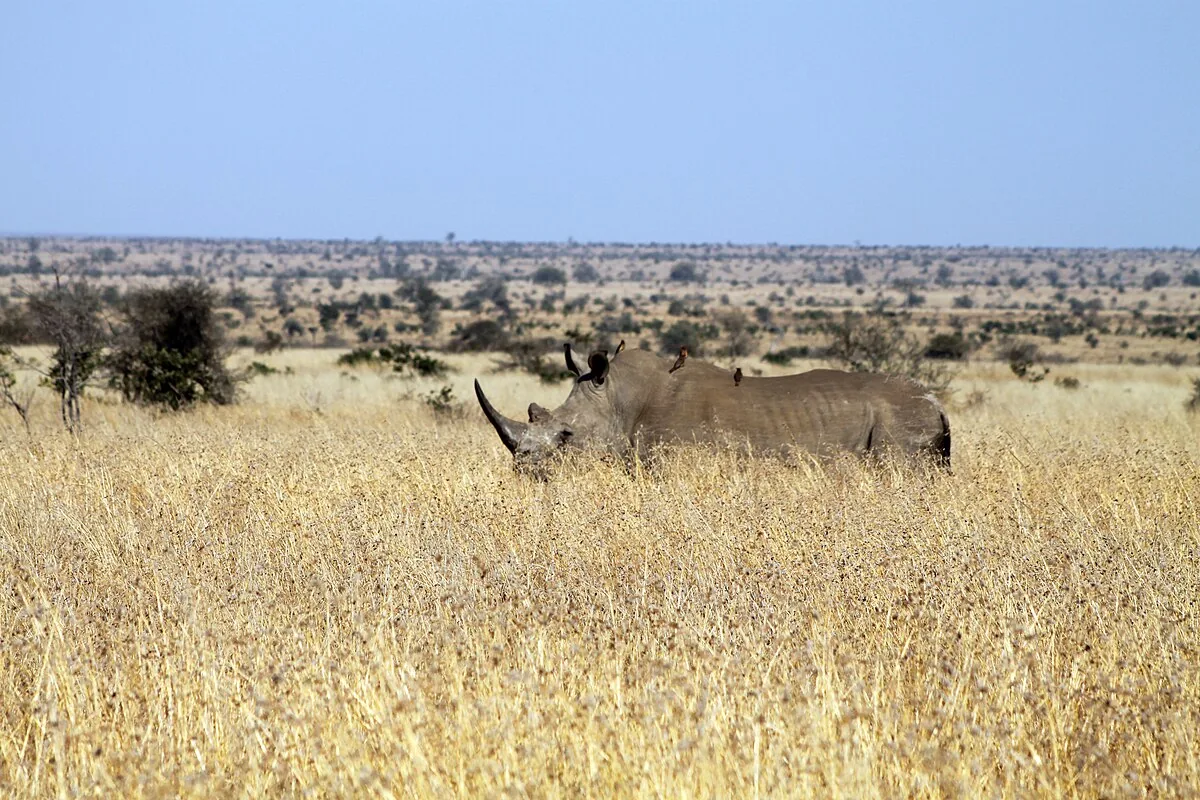
Nature refused to choose a single identity for this stretch of the KwaZulu-Natal coastline, resulting in a chaotic and beautiful collision of eight distinct ecosystems. iSimangaliso Wetland Park, a name that translates from Zulu as 'miracle' or 'wonder', encompasses everything from the continent's largest estuarine system to the southernmost coral reefs in Africa. Ancient coastal dunes, some of the highest in the world, stand like sentinels between the warm Indian Ocean and a network of freshwater lakes. You might find yourself watching a pod of hippos navigate the reeds in the morning and by afternoon be tracking leatherback turtles as they emerge from the surf to lay eggs in the sand. This landscape remains one of the few places on Earth where the primary residents are still the elephants, crocodiles, and rhinoceros that have inhabited these marshes since the Pleistocene.
The legacy
Conflict nearly erased this coastal sanctuary before it was ever officially recognized. During the 1990s, the area was the subject of a fierce environmental battle when mining companies sought to strip the dunes for titanium. A grassroots movement of conservationists and local communities fought back, eventually winning a landmark victory that prioritized ecology over extraction. In 1999, iSimangaliso became South Africa’s first UNESCO World Heritage site, a move that integrated several smaller reserves into one massive protected corridor. The transition wasn't just about animals; it involved land restitution for the Mbuyazi and other local groups who had been displaced by colonial and apartheid-era forestry projects. Today, the park operates on a model of 'conservation through sustainable development,' proving that a miracle can be both biological and political.
The air feels thick and humid, carrying the heavy scent of brackish water and the wild, sweet musk of the swamp forest. Audible here is the sudden, explosive huff of a hippo surfacing just yards from your boat and the rhythmic, high-pitched chirping of weaver birds in the papyrus. Down the wooden boardwalks at St Lucia, the sun-baked heat radiating from the timber while a cool breeze rolls in from the estuary. What registers is how the water changes from a silty tea color in the shallows to a brilliant sapphire where the lake meets the sea. Late afternoon light turns the yellow-fever trees into glowing pillars of gold against the darkening reeds. The moment a fish eagle lets out its haunting, lonely cry, the realization hits that you are a guest in a very ancient, very busy world.
Commissioned by King Shaka
Most travelers use the small, vibrant town of St Lucia as their base, which sits at the southern entrance of the park about a three-hour drive north of Durban. King Shaka International Airport is the primary air hub for those arriving from further afield. Within the park, the eastern and western shores offer vastly different terrains; the eastern side provides access to Cape Vidal’s beaches, while the western side is dominated by savannah and dry woodlands. While the main roads are manageable for standard cars, a 4x4 is highly recommended if you plan to venture toward the remote, spectacular northern reaches of Kosi Bay or Mabibi.
The Experience
You feel the salt spray hit your face as you move from the quiet, mirror-like estuary toward the crashing white foam of the Indian Ocean. Audibly, the of the bush here is a constant thrum of cicadas and the occasional, deep rumble of an elephant moving through the ilala palms. First, the tiny movements of ghost crabs on the sand, invisible until they dart into their holes. People generally look for the big mammals, but the real magic is in the shadows of the mangrove forests where mudskippers climb the roots. The moment the sun sinks behind the Lebombo Mountains, the wetlands turn into a silhouette of prehistoric shapes.
Why It Matters
iSimangaliso represents the successful defense of an entire ecosystem against industrial destruction. It is a critical link in the global chain of biodiversity, housing more species of bird than the entire Kruger National Park. Culturally, it showcases the ancient fishing traditions of the local communities that have remained unchanged for over 700 years.
Why Visit
Visit iSimangaliso because it is one of the few places where the wild has not been fenced into a tidy box. It offers a rare combination of big-game safari and pristine marine exploration. You go for the diversity, but you stay for the raw, swampy energy of a place that feels like the world at its most fertile.
✦ Photo Gallery
Best Season
🌤 June to August offers mild temperatures and dry weather, making it the perfect time for game viewing and avoiding the intense tropical humidity of the summer months.
Quick Facts
Best time to visit
June to August offers mild temperatures and dry weather, making it the perfect time for game viewing and avoiding the intense tropical humidity of the summer months.
Getting there
In St Lucia, South Africa; reach St Lucia first, then continue to the site.
Location
St Lucia, South Africa
Type
attraction
Coordinates
-27.6500°, 32.5667°
Insider Tips
- 1
Book a night drive in the Eastern Shores section to see leopards and porcupines, which are surprisingly active in the coastal forest.
- 2
Check the tide tables before visiting Cape Vidal; the best snorkeling in the rock pools is only possible during the low tide window.
- 3
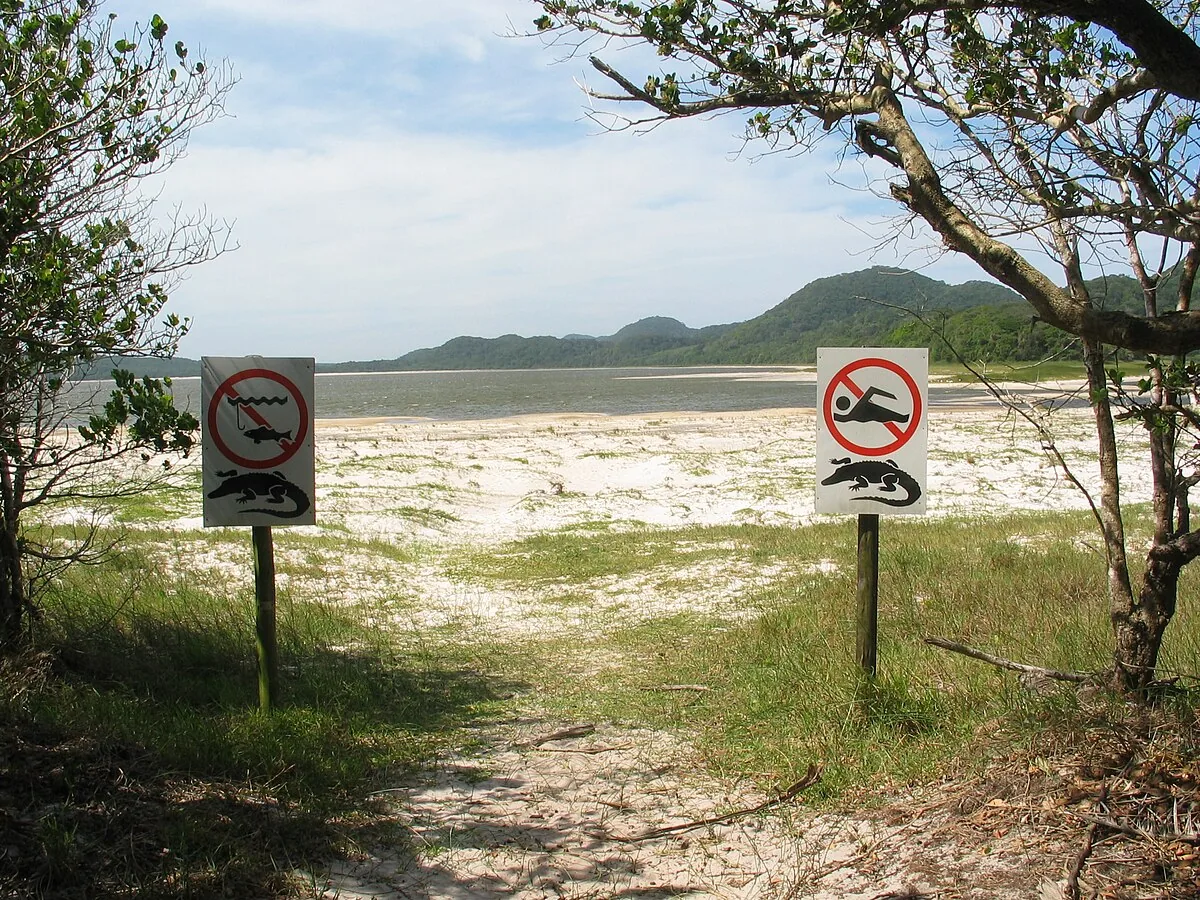
Avoid swimming in the estuary or lakes under any circumstances, as crocodiles and hippos are far more numerous than they appear.
- 4
Look for the traditional Thonga fish traps in Kosi Bay, which are still used today and are handed down through generations of families.