“Placed against the sheer granite cliffs of Table Mountain, this is the only botanical garden in the world that sits inside a UNESCO World Heritage site.”
About Kirstenbosch National Botanical Garden
Kirstenbosch was once part of a hedge of wild almonds planted by Jan van Riebeeck in 1660 to separate the Dutch colony from the indigenous Khoikhoi. Fragments of this hedge still exist in the garden today. In the 1800s, it was owned by Cecil Rhodes, who planted the massive camphor trees that still shade the lower paths. The garden’s modern era began with Harold Pearson, who arrived from England with no money and a big dream. Since then, it has successfully propagated thousands of endangered species, ensuring that the Cape's unique floral heritage survives the pressures of urban sprawl.
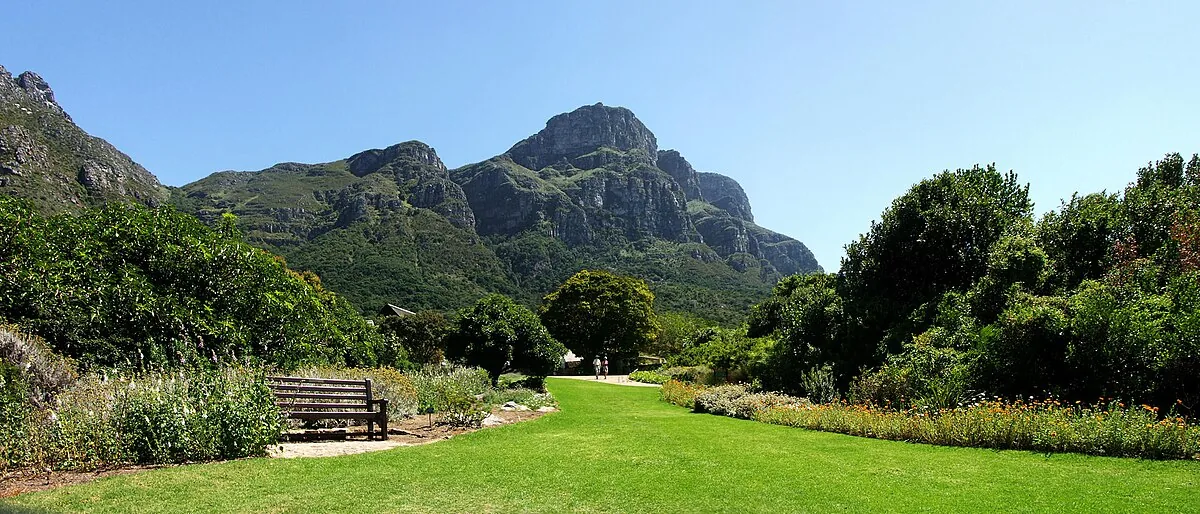
A lush carpet of indigenous flora wraps around
A lush carpet of indigenous flora wraps around the eastern slopes of Table Mountain, forming what is arguably the most beautiful garden in the southern hemisphere. Kirstenbosch is unique among the world's major botanical gardens because it focuses almost exclusively on South Africa’s native plants, particularly the Cape Floral Kingdom. The garden is a 528-hectare transition from manicured lawns and themed beds to wild, unrefined mountain forest. A sinuous steel and timber walkway known as the 'Boomslang' (Tree Snake) allows visitors to walk through the forest canopy, offering views over the Protea gardens toward the distant mountains of the Boland. It is a place of intense color and texture, where the prehistoric-looking King Protea stands alongside delicate ericas and vibrant strelitzias.
A lush carpet of indigenous flora wraps around the eastern slopes of Table Mountain, forming what is arguably the most beautiful garden in the southern hemisphere.
The land was originally granted
The land was originally granted to colonial officials in the 17th century, but it wasn't until 1913 that botanist Harold Pearson transformed the neglected estate into a national garden. Pearson’s vision was radical; at a time when gardens were filled with imported English roses and oaks, he insisted on celebrating the local flora that had been overlooked. He is buried in the garden he loved, under a simple stone with the epitaph: 'If you would see his monument, look around you.' Over the years, the garden has become a global leader in plant conservation, particularly for the fynbos biome which is both incredibly diverse and highly threatened. The addition of the Centenary Tree Canopy Walkway in 2014 added a modern architectural highlight to this century-old institution.
The air is cool and fragrant with the scent of damp bark, wild buchu, and the spicy aroma of mulched leaves. The constant, melodic bubbling of the Skeleton Stream and the sharp, metallic calls of the Cape Sugarbirds as they dart between the proteas. Along the wooden slats of the Boomslang, There is a slight, gentle bounce underfoot and the sudden thrill of being level with the treetops. The vibrant, almost neon orange of the crane flowers and the strange, furry texture of the silver trees. The light in the late afternoon is soft and golden, illuminating the granite cliffs of Castle Rock that tower directly over the garden beds. At the top of the top lawn, the sight of the mountain's 'back', green, jagged, and wild, makes the garden feel like a peaceful valley protected from the world.
Kirstenbosch is located on Rhodes Drive
Kirstenbosch is located on Rhodes Drive in Newlands, about a fifteen-minute drive from the Cape Town city center. It is a major stop on the 'Blue Mini Peninsula' route of the City Sightseeing hop-on-hop-off bus. For those driving, there is ample parking at the three different gates, though Gate 1 is the most convenient for the main visitor center and restaurants. The garden is best explored on foot, with paths ranging from level paved walks to steep forest trails that lead up onto the mountain itself. Sunday afternoon concerts on the lawn are a local summer tradition, though they require a separate ticket and an early arrival to secure a picnic spot.
Kirstenbosch is located on Rhodes Drive in Newlands, about a fifteen-minute drive from the Cape Town city center.
The Experience
You feel a deep, grounding sense of peace as you walk through the fragrance garden, where the plants are designed to be touched and smelled. The hum of a distant cello from a summer concert often drifts through the air, mixing with the rustle of the wind in the yellowwood trees. Right away you see how the light changes as you climb toward the higher contours, where the formal garden gives way to the wild fynbos. Most people stay near the restaurants, but the real secret is the quiet dell where Colonel Bird’s Bath sits in a permanent, mossy shade. The moment you reach the top of the Boomslang and see the expanse of the Cape Flats, you realize this garden is the city's lungs.
Why It Matters
Kirstenbosch is the crown jewel of the South African National Biodiversity Institute. It represents a century of commitment to indigenous botany and serves as a vital sanctuary for the Cape Floral Kingdom, the smallest but most diverse of the world's six floral kingdoms. Culturally, it is Cape Town's most beloved public space, a bridge between the urban environment and the wild mountain.
Why Visit
Visit Kirstenbosch because it is a place where you can touch the prehistoric soul of Africa without leaving the city. It offers a sensory richness that few museums or galleries can match. You go for the flowers, but you stay for the incredible harmony between the curated garden and the raw, untamed mountain that looms above it.
✦ Insider Tips
- 1
Visit on a weekday morning to have the 'Boomslang' walkway to yourself; by 11:00 AM, it can become crowded with families and school groups.
- 2
Bring a picnic blanket and some local wine; there is no better place in the world for an outdoor lunch than the sloping lawns beneath Castle Rock.
- 3
Look for the Eagle's Nest trail if you want a short, steep hike that offers a 180-degree view of the city without the crowds of Table Mountain.
- 4
Use the free guided tours that depart from the Visitor Centre at 10:00 AM; the guides are incredibly knowledgeable about the medicinal uses of the plants.