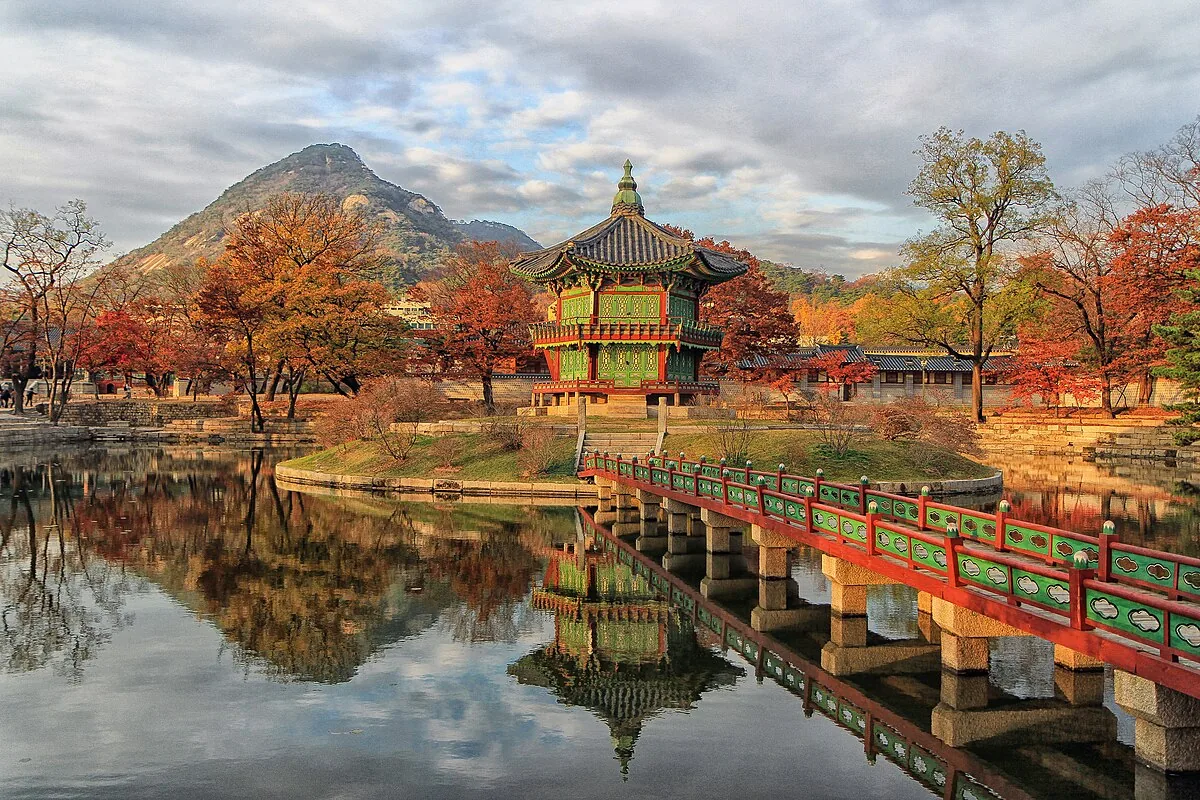
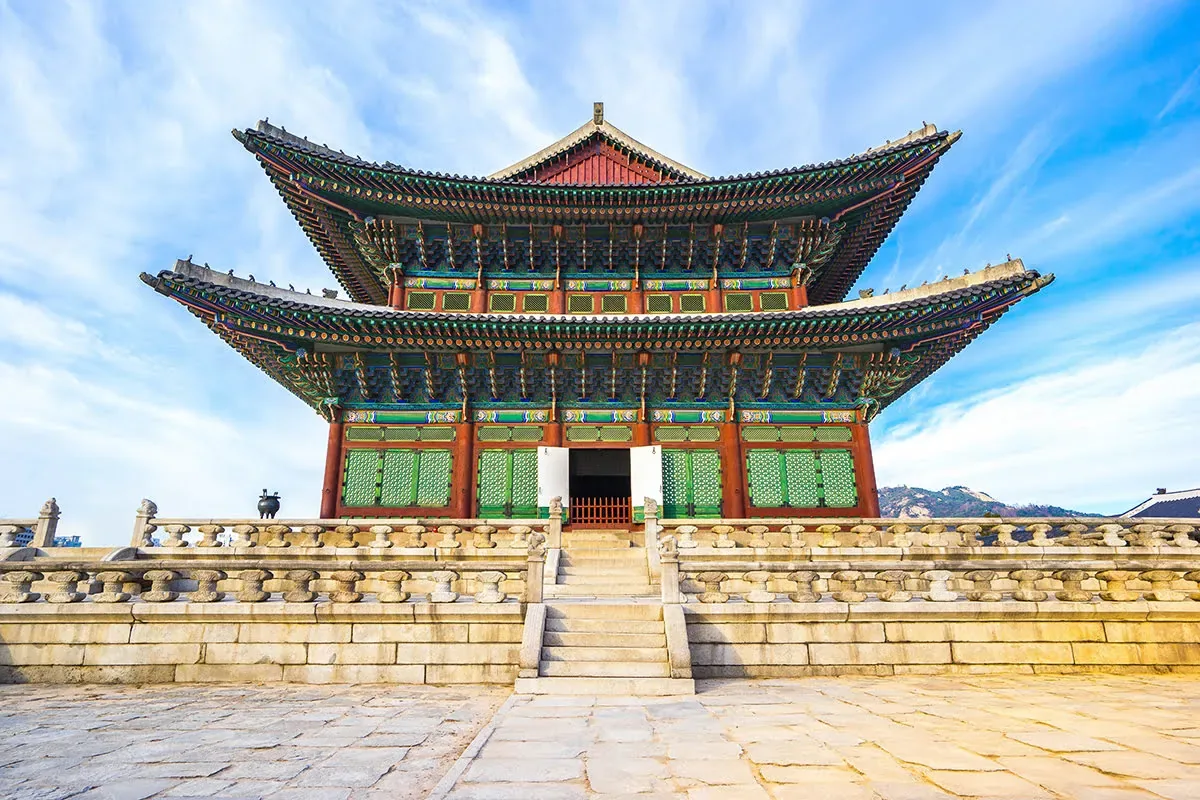
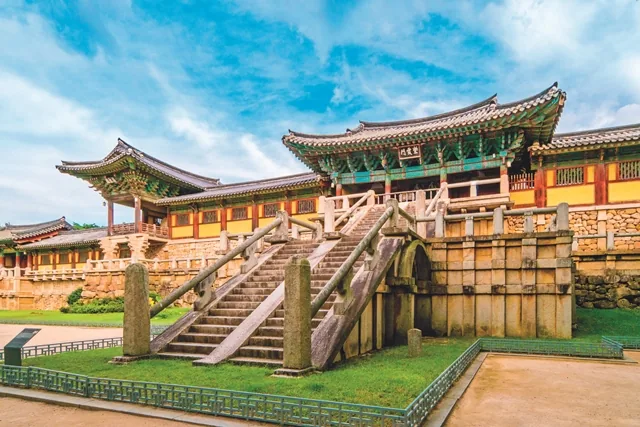
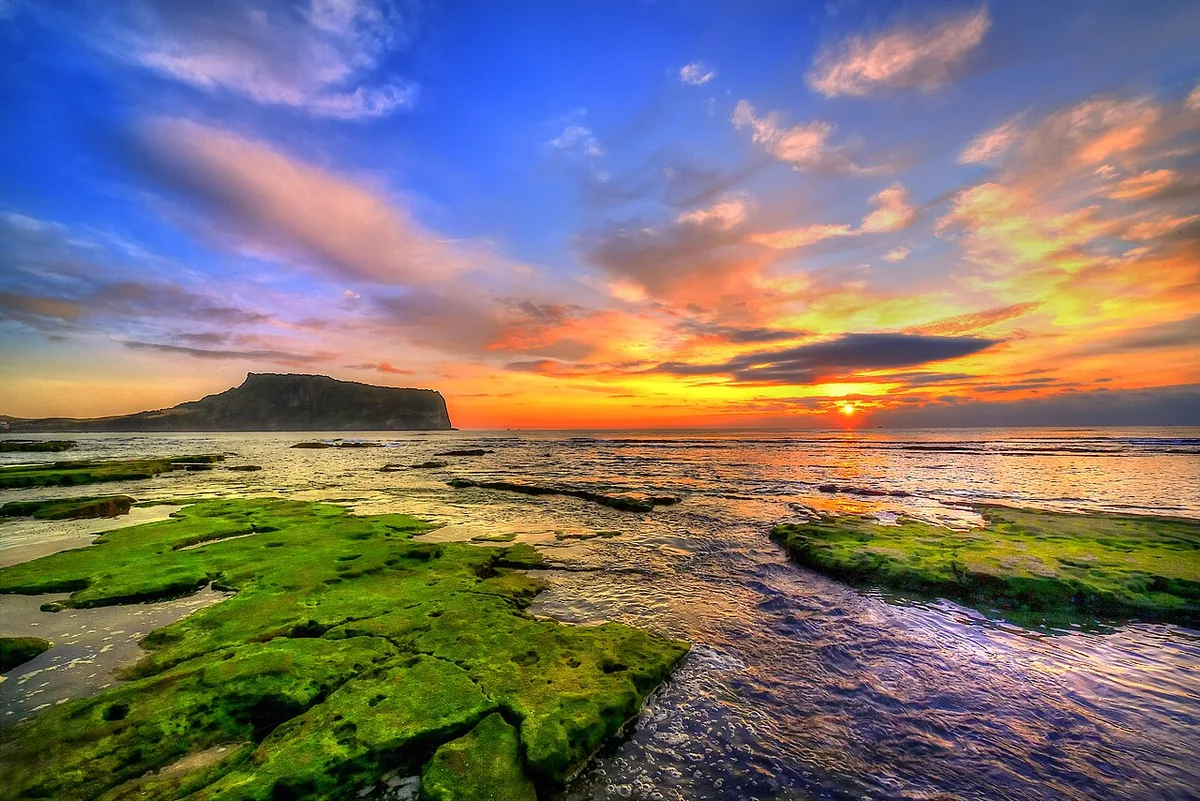
“Fifteen hundred years ago, a king fled south and built this wall on a ridge to save his people, creating a sanctuary that survived three dynasties and countless wars.”
About Gongsanseong Fortress
Gongsanseong was the royal residence during the Ungjin period of the Baekje Kingdom (475–538 AD). Originally constructed primarily of pounded earth, a technique known as 'panchuk', it was later fortified with granite blocks during the Joseon Dynasty to defend against modernizing threats. The site is part of the Baekje Historic Areas UNESCO World Heritage listing, which recognizes the kingdom's unique role in spreading Buddhism and Chinese characters to Japan. Excavations in 2011 revealed a massive wooden cistern and a wealth of lacquered armor that had been preserved in the mud for over a millennium, providing the most detailed look at Baekje military life to date.
Gongsanseong Fortress in short
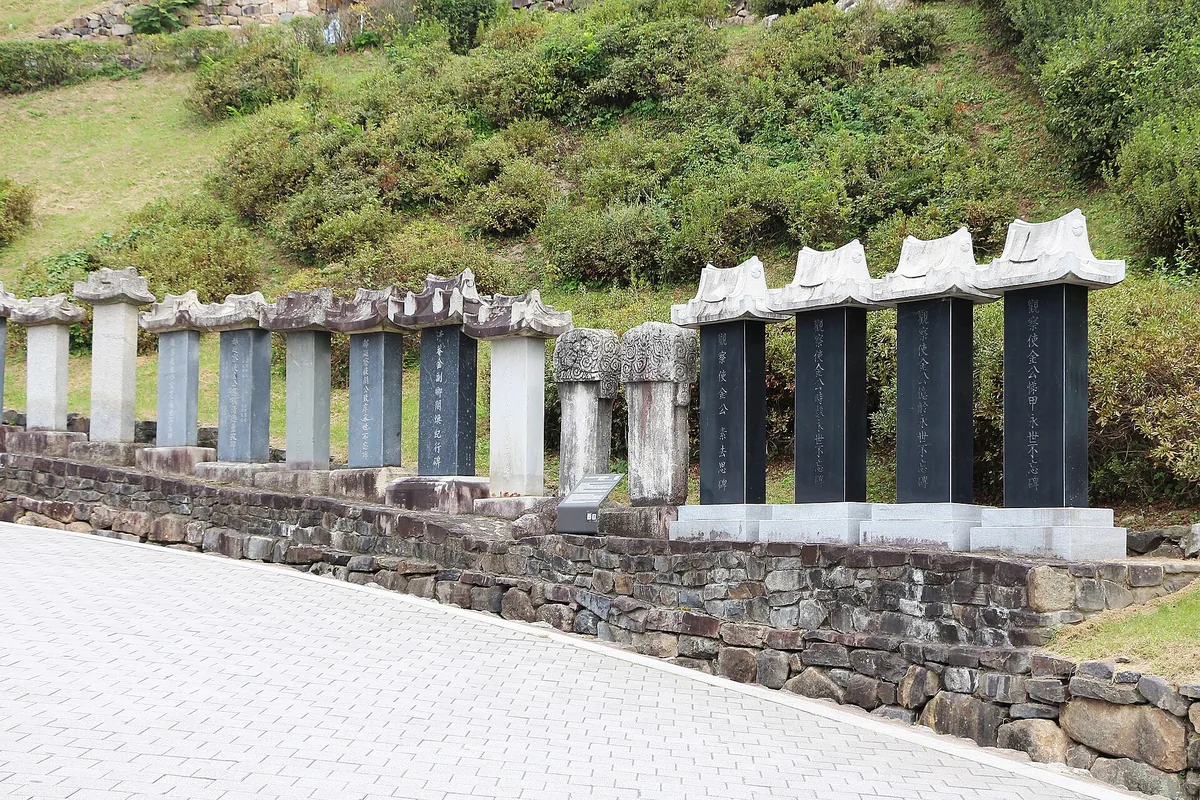
Stretching along the ridges of a mountain overlooking the Geumgang River, Gongsanseong Fortress is a powerful reminder of the time when the city of Gongju was the capital of the Baekje Kingdom. The wall, which runs for 2.6 kilometers, is a mixture of earthen ramparts from the 5th century and stone reinforcements added during the Joseon era. It possesses a strategic beauty, hugging the contours of the land like a sleeping dragon. From the high battlements, the river looks like a silver ribbon winding through the valley, a natural moat that protected the kingdom from invaders for generations. The fortress is a place where military history meets a pastoral, quiet landscape, offering a sense of security that has lasted for over 1,500 years.
Stretching along the ridges of a mountain overlooking the Geumgang River, Gongsanseong Fortress is a powerful reminder of the time when the city of Gongju was the capital of the Baekje Kingdom.
known as Ungjin), 475
King Munju moved the capital of Baekje to Gongju (then known as Ungjin) in 475 AD after the previous capital fell to the northern Goguryeo Kingdom. Gongsanseong became the royal palace and the primary defensive line for the displaced court. For 64 years, this site was the beating heart of a kingdom known for its refined art and close ties to Japan. After the capital moved again to Sabi (Buyeo), the fortress remained a crucial military outpost. During the 16th-century Japanese invasions, it was a base for monks who formed a volunteer army to defend the peninsula. Today, ongoing archaeological excavations continue to unearth Baekje-era lacquerware, armor, and even evidence of royal banquet halls, proving that the ground beneath your feet is still yielding the secrets of a lost empire.
Visiting Gongsanseong Fortress
Walking the wall is a fluctuating experience of steep climbs and flat, breezy stretches. The path is paved with stone and flanked by yellow flags that flutter in the river wind, each bearing the symbol of the Baekje tiger. The history in the grit of the ancient stones. At the Geumseomunu Gate, the main entrance, you witness the changing of the guard ceremony, where performers in colorful traditional armor recreate the atmosphere of the 5th century. As you move toward the river-facing pavilions, the sound of the modern city fades, replaced by the rustle of bamboo and the gentle flow of the Geumgang. First, the Manhae Pavilion, a quiet spot where the light filters through the trees, casting long shadows across the ancient bricks.
Gongju is easily reached from Seoul
Gongju is easily reached from Seoul via an express bus from the Central City Terminal, a journey of about 90 minutes. The fortress is located within walking distance of the Gongju Bus Terminal. A bridge connects the modern city to the historical site, allowing you to walk across the Geumgang River to get a full view of the fortress walls rising from the cliffs before entering. The site is best explored on foot, and while the initial climb is brisk, the rest of the perimeter is a comfortable walk for anyone with a moderate level of fitness.
Gongju is easily reached from Seoul via an express bus from the Central City Terminal, a journey of about 90 minutes.
The Experience
The air at Gongsanseong is fresh and carries the scent of river water and cedar. From somewhere comes the steady 'thrum' of the wind as it catches the silken flags lining the ramparts. There is a sense of elevation here, not just in altitude but in perspective, as you look down at the river that has flowed past these walls since the dawn of the kingdom. What draws the eye is the moss-covered stone steps leading to the hidden 'Yeonji' pond, a secret water source for soldiers that feels like it belongs in a fairy tale. The most striking moment is standing at the Gongbukru Pavilion at dusk, watching the river reflect the orange glow of the setting sun.
Why It Matters
Gongsanseong is the definitive architectural link to the Baekje Kingdom, a civilization that was once the cultural leader of East Asia. It represents a period of incredible resilience and cultural flowering that occurred under the pressure of war. For modern Koreans, the fortress is a symbol of their ability to adapt and rebuild, standing as a proud anchor for the identity of the Chungcheong region.
Why Visit
Visit Gongsanseong for a walk through history that feels like a natural hike. Unlike the more crowded palaces of Seoul, this fortress offers space to breathe and a tangible connection to the deep past. It is the best place to understand the elegance and strategic brilliance of the Baekje people while enjoying one of the most scenic river views in the country.
✦ Insider Tips
- 1
Walk the wall at sunset; the lighting on the stone and the reflection on the river are at their most dramatic.
- 2
Visit the Yeonji pond area at the back of the fortress; it is much cooler than the rest of the site and features a unique stone staircase.
- 3
The 'Gongju Chestnut' is a local obsession; buy a bag of roasted chestnuts from the vendors across the street to snack on during your walk.
- 4
Watch the 'Changing of the Guard' ceremony at 11:00 AM; it is less crowded than the Seoul versions and much more intimate.
- 5
Bring water, as there are no shops once you are up on the wall, and the climb to the highest command post is a real workout.