
Explore
Landmarks & Places
Must-see destinations across South Korea
Gyeongbokgung Palace
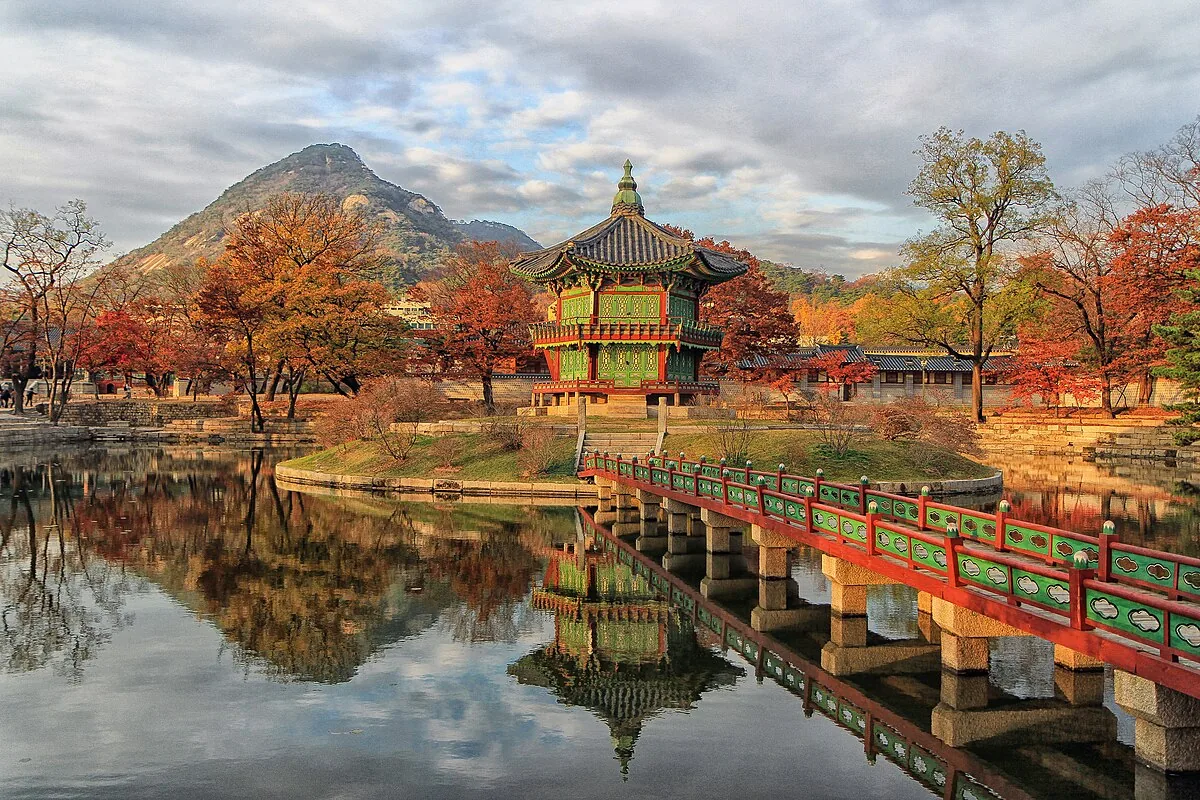
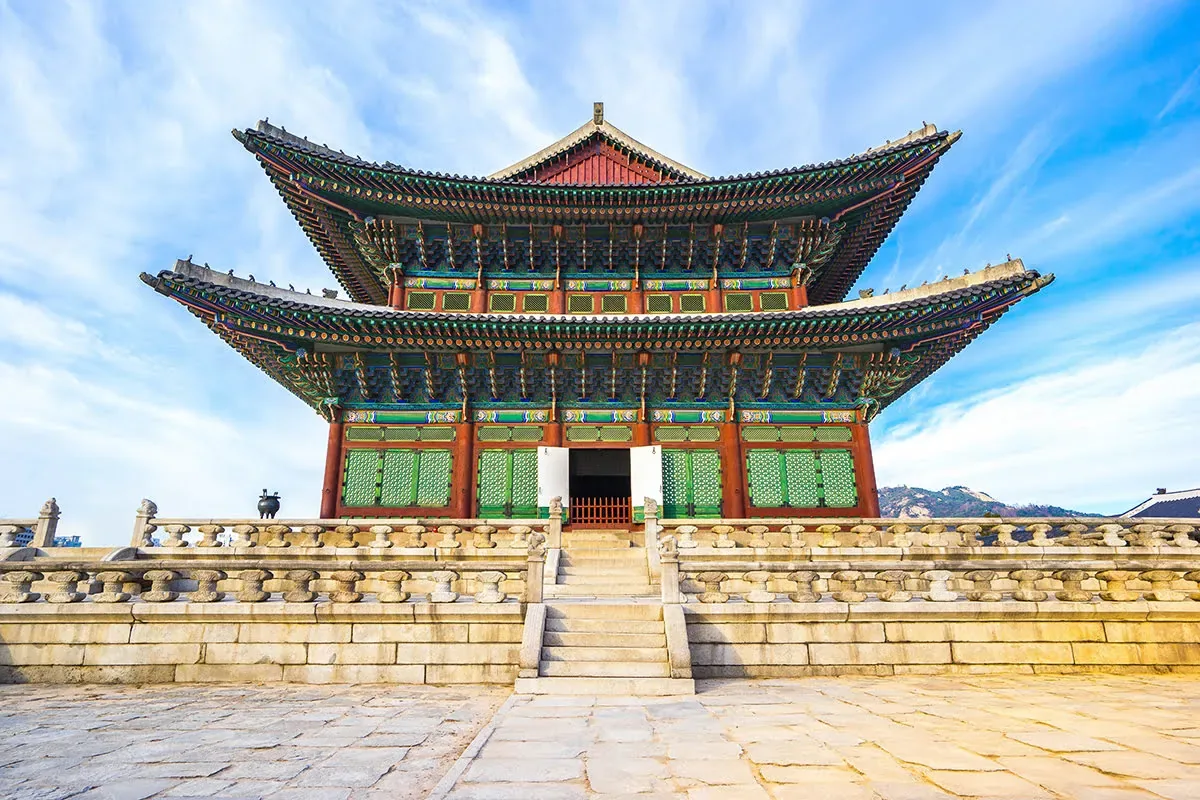
The primary seat of the Joseon Dynasty since 1395; featuring the iconic Gyeonghoeru Pavilion resting on 48 monolithic stone pillars over a lotus pond; the architecture follows strict Confucian principles with hand-painted dancheong eaves in five traditional pigments; arrive at the Hyangwonjeong Pavilion at 9 am when the light strikes the hexagonal timber frames; the only sound is the rhythmic gravel-crunch of the changing guard.
Explore →
Bulguksa Temple
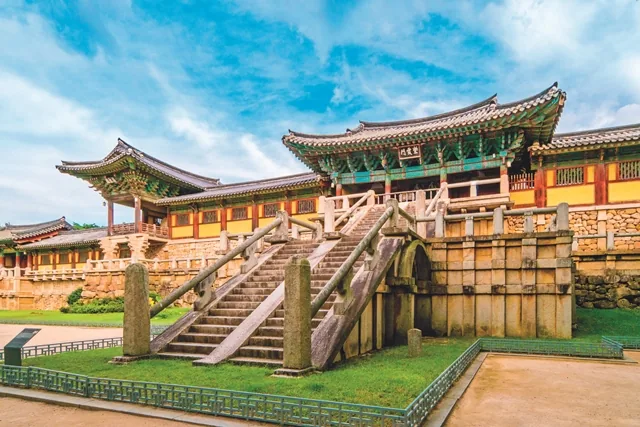
An 8th-century masterpiece of Buddhist architecture representing the peak of Silla engineering with its intricate stone bridges and the Dabotap pagoda; the structure features sophisticated interlocking joints without nails; stand in the Daeungjeon courtyard at midday; the granite surfaces reflect a sharp; clinical light while the scent of old pine and heavy incense drifts from the prayer halls; the silence is absolute.
Seongsan Ilchulbong
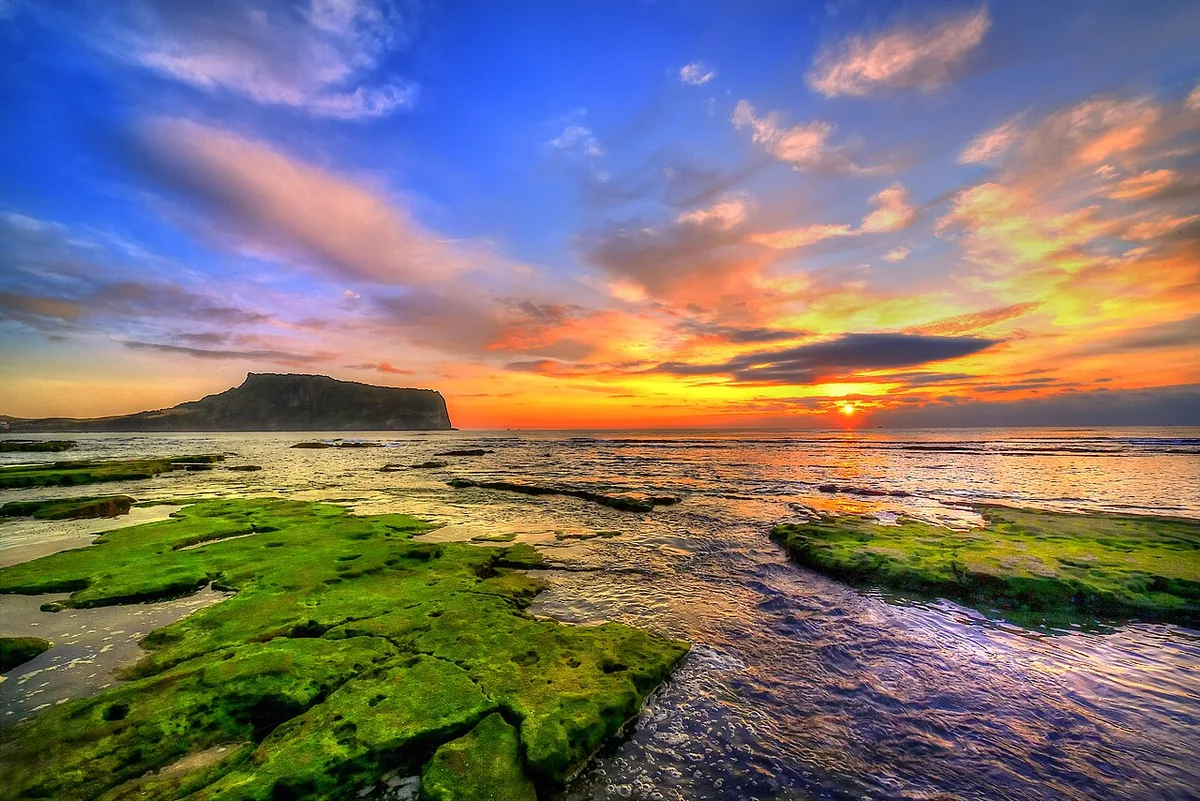
A dramatic tuff cone formed by hydrovolcanic eruptions 5,000 years ago; rising 182 metres directly from the East China Sea with a serrated 600-metre wide crater; the basalt cliffs are perpetually moss-slicked from the ocean spray; hike the eastern ridge at 5:15 am; the sun breaks the horizon over the dark Pacific; silhouetting the volcanic crown against an indigo sky while the wind whistles through the jagged rock.
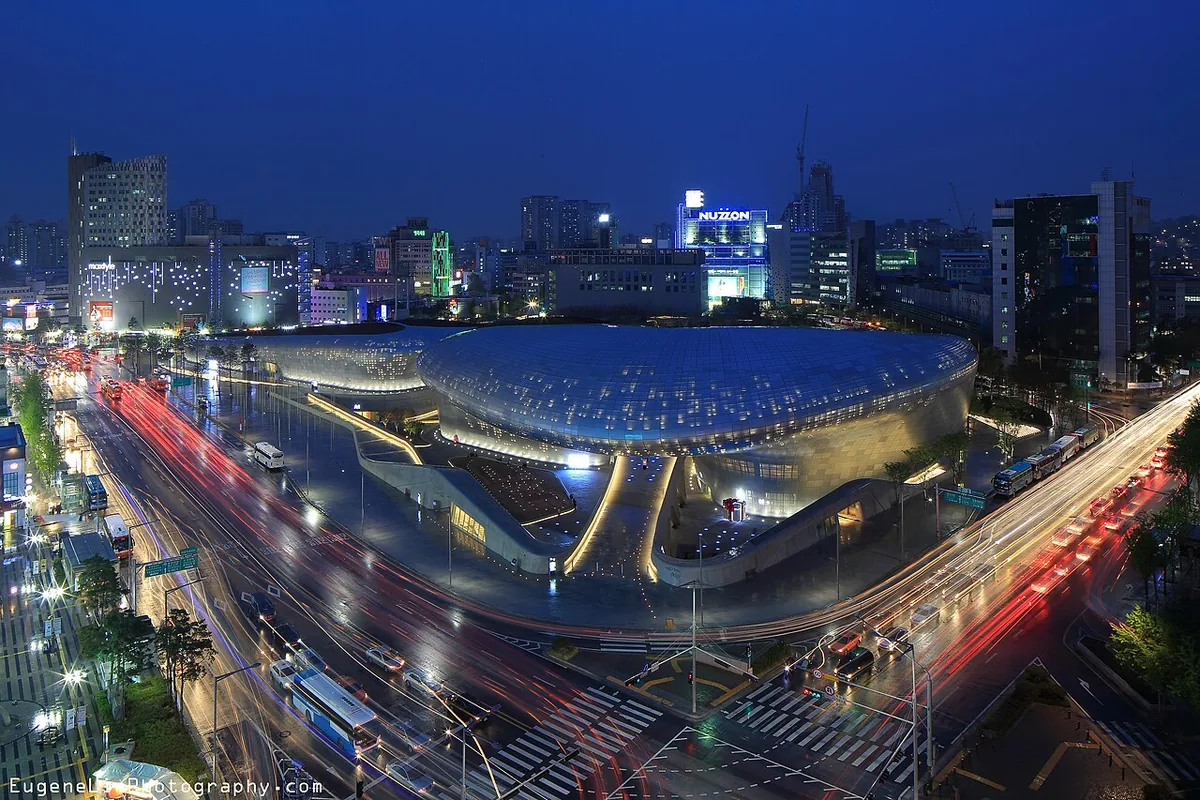
Dongdaemun Design Plaza
Zaha Hadid's neofuturistic landmark is a seamless aluminum-clad pod composed of 45,133 unique silver panels; the building functions as a vast; fluid landscape without a single vertical pillar; traverse the undulating exterior ramps at twilight; the 40;000 integrated LED lights pulse through the perforated skin; turning the metallic surface into a glowing; liquid texture against the chaotic neon of the surrounding district.
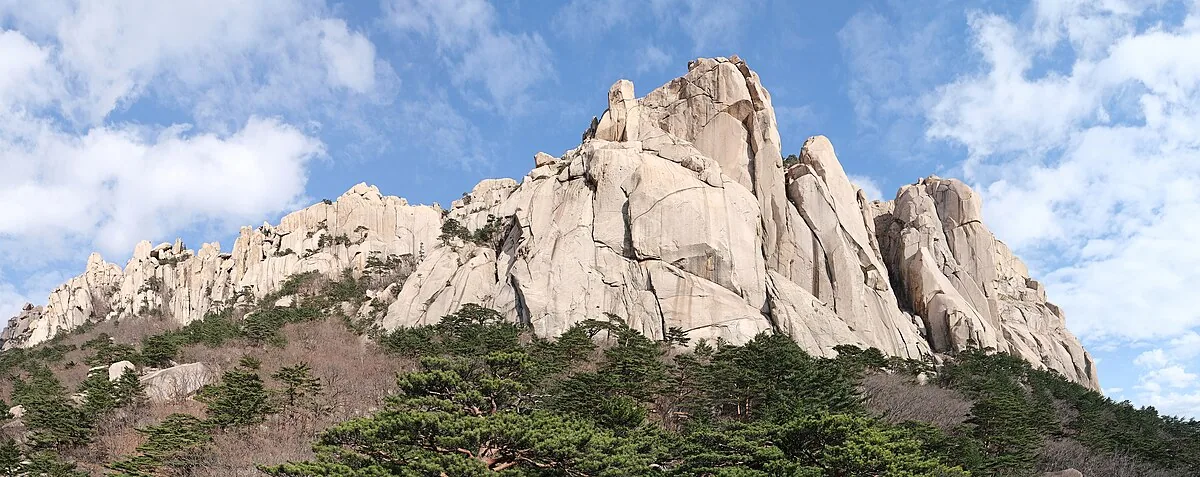
Seoraksan National Park
The jagged spine of the Taebaek Mountains peaks at Daecheongbong (1,708m); featuring the sun-bleached granite spires of Ulsanbawi and the 14th-century Sinheungsa bronze Buddha; hike the Cheonbuldong Valley during the autumn equinox; the low sun turns the maples a saturated blood-red against the grey; weathered basalt; the air is cold and carries the sharp; resinous scent of dwarf pines clinging to the rock face.
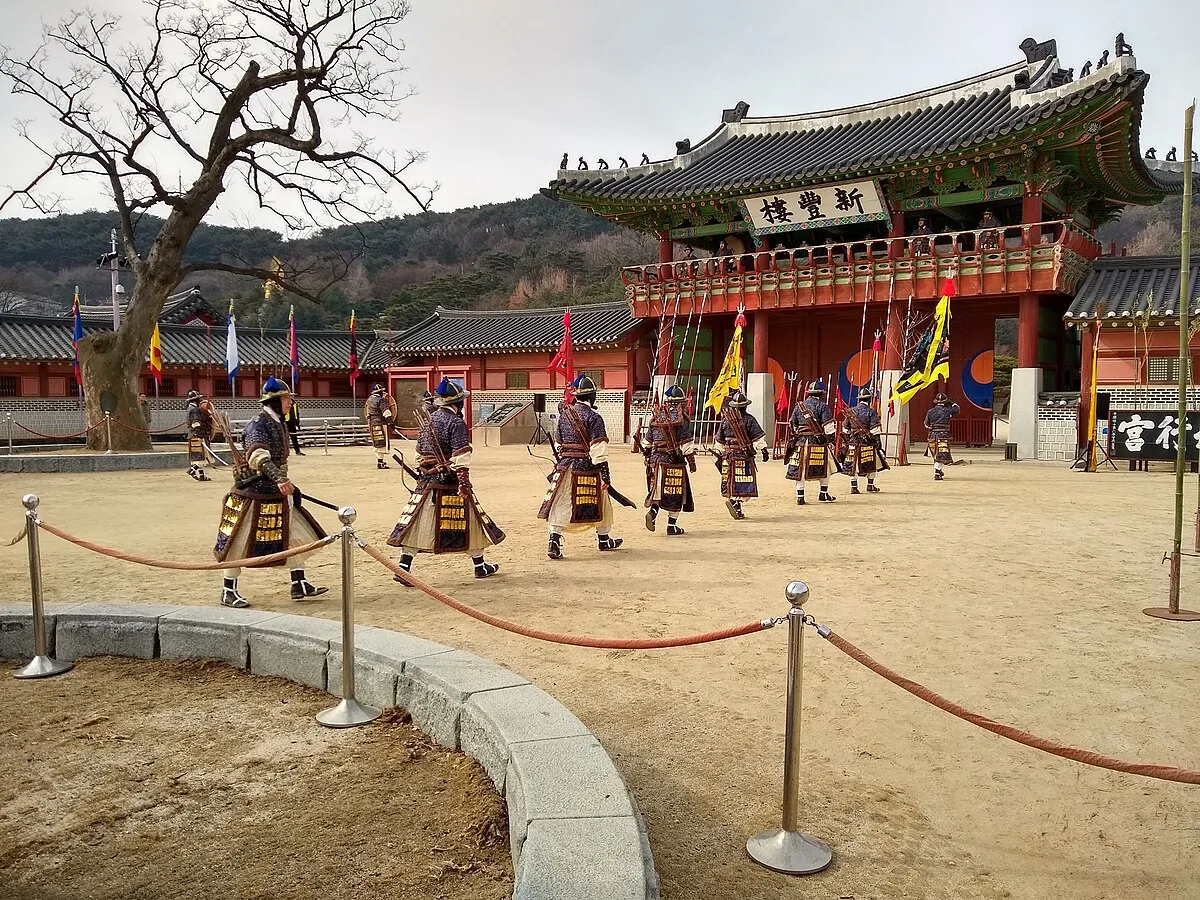
Hwaseong Fortress
A late 18th-century military marvel spanning 5.7 kilometres of massive brick and laterite-red earth ramparts; commissioned by King Jeongjo to house his father's remains; the architecture fuses Eastern fortress design with Western tactical principles; walk the Paldalmun battlements at dusk; the western light turns the brickwork a deep terracotta while the pre-dawn calls of magpies echo off the dragon-headed watchtowers.
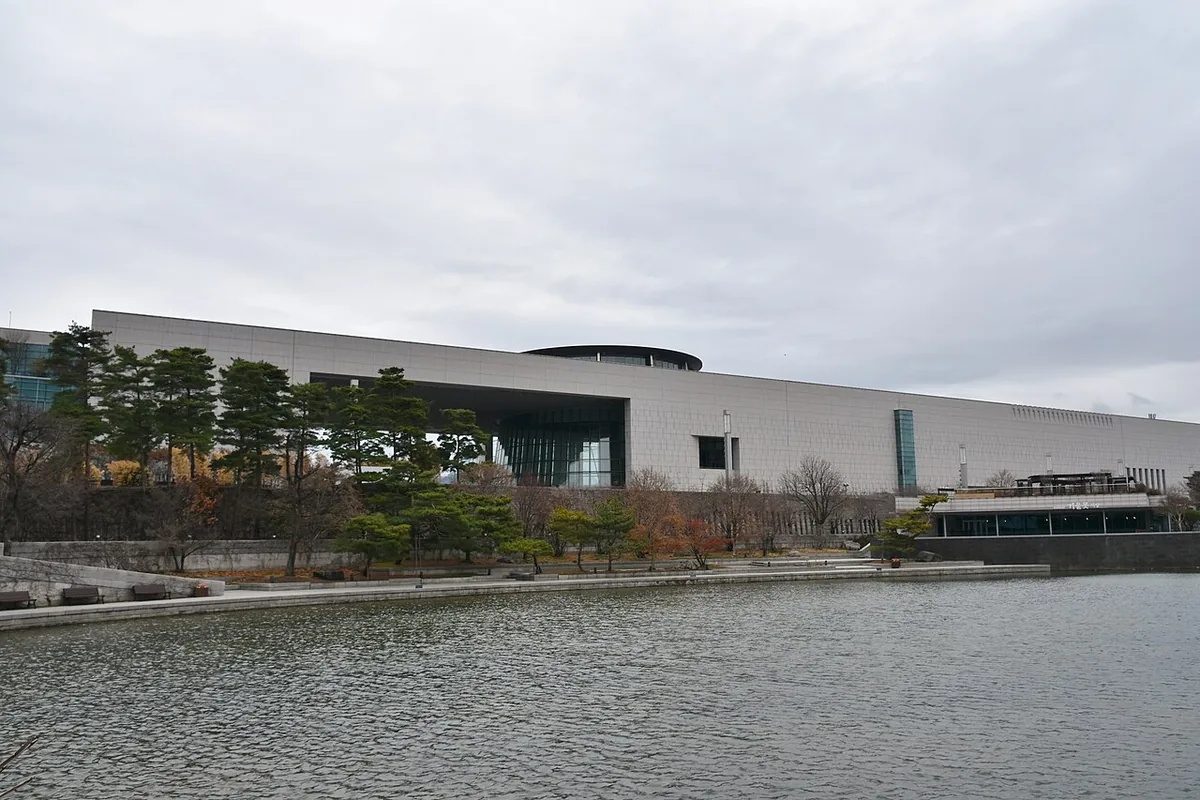
National Museum of Korea
A monolithic white limestone structure reflecting traditional Korean pond and pavilion aesthetics; housing over 310;000 artefacts including the 6th-century Pensive Maitreya; the central 'Path to History' is a long; light-drenched corridor of polished granite; visit the Ten-Story Pagoda of Gyeongcheonsa Temple at noon; the sunlight floods the interior through massive glass walls; highlighting the intricate marble carvings of Buddhist legends.
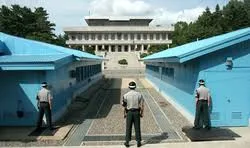
The DMZ (Joint Security Area)
The world's most militarized border frozen in 1953; where blue UN barracks straddle the MDL under constant surveillance from the Panmungak Pavilion; the tension is a physical weight in the silent air; stand in the T2 conference room where the border line crosses the table; the sound of distant North Korean propaganda broadcasts drifts through the mountain breeze; providing a visceral anchor to the ongoing division.
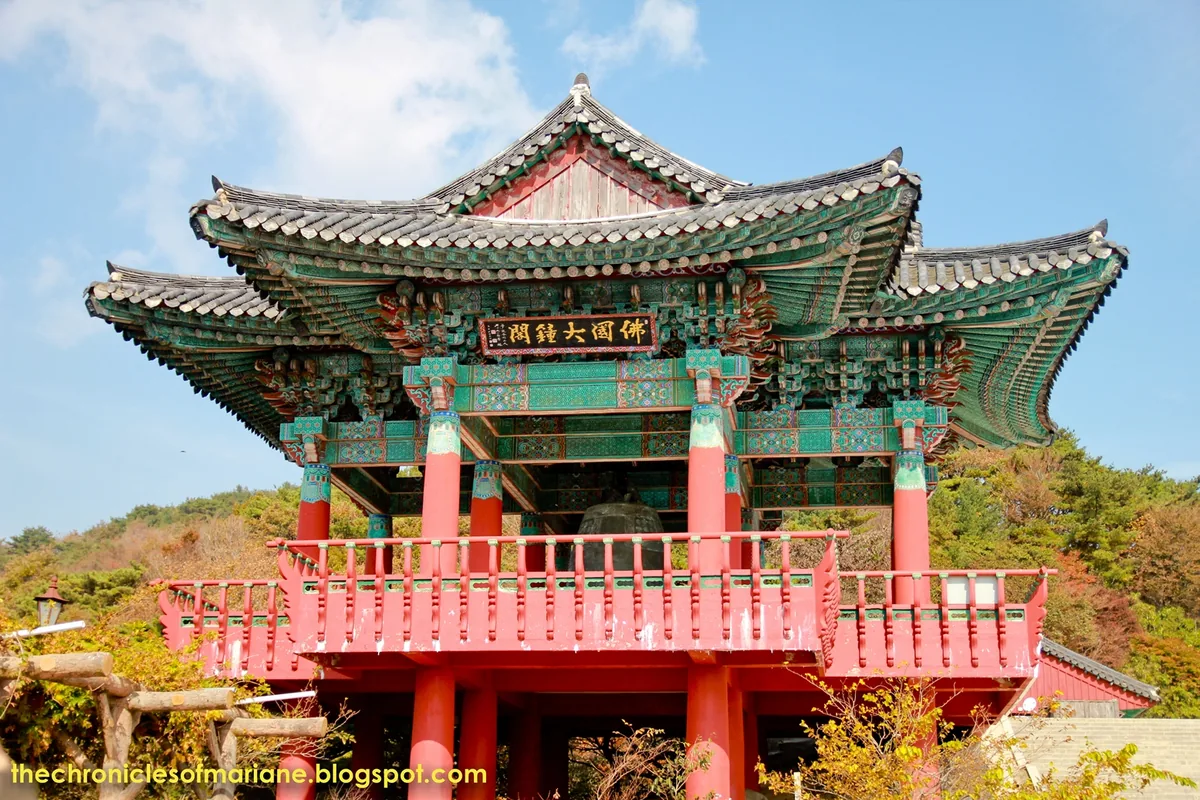
Seokguram Grotto
An 8th-century artificial stone temple carved into the granite slopes of Mount Tohamsan; sheltering a monumental seated Buddha of transcendental serenity; the dome is engineered with stone rivets to facilitate natural ventilation; arrive at the inner chamber at sunrise; a single beam of light strikes the Buddha's third eye; the cool; damp air carries the weight of 1,200 years of pilgrimage.
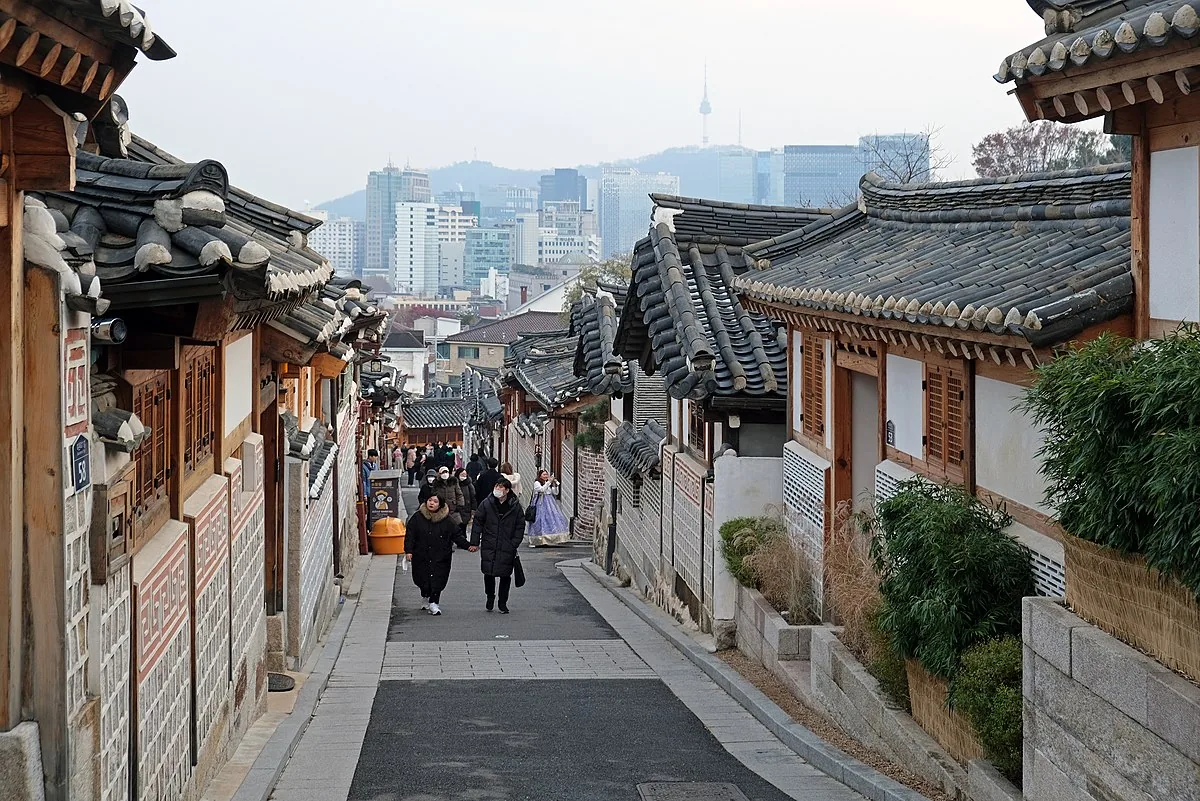
Bukchon Hanok Village
A dense labyrinth of hundreds of traditional Joseon-era timber houses with curved black-tile roofs and weathered wooden gates; the district was historically reserved for high-ranking officials; walk the narrow stone alleys of Gahoe-dong at 7 am; the morning light catches the textured brickwork and paper-screen windows; the silence is broken only by the occasional clatter of a wooden shutter opening onto the courtyard.
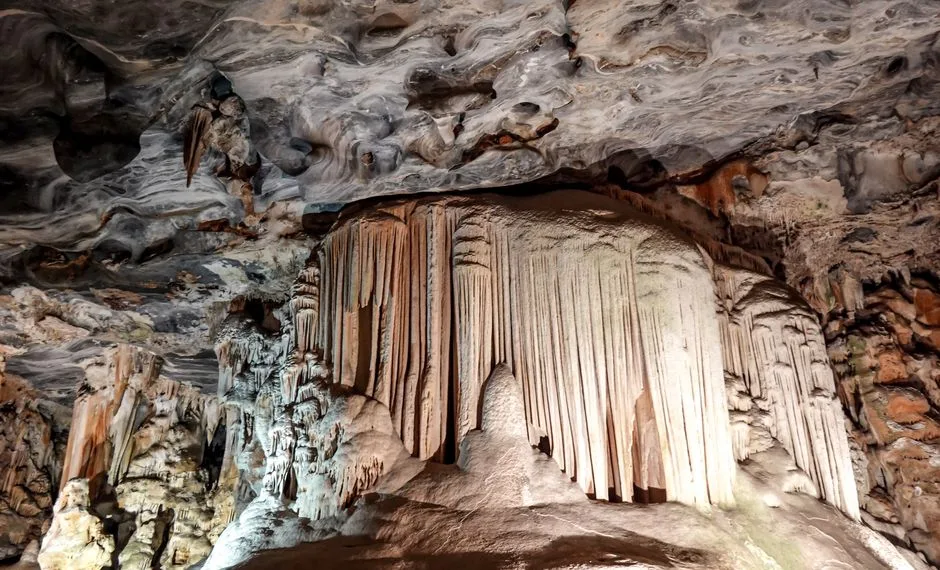
Manjanggul Cave
One of the finest lava tunnels in the world; featuring massive 7.6-metre stone pillars and a basalt floor resembling a petrified river; the cave maintains a constant 11°C temperature year-round; navigate the 1-kilometre public section at midday; the dim; amber lighting highlights the volcanic flow lines etched into the walls; the sound of water dripping from the porous ceiling creates a rhythmic; subterranean echo.
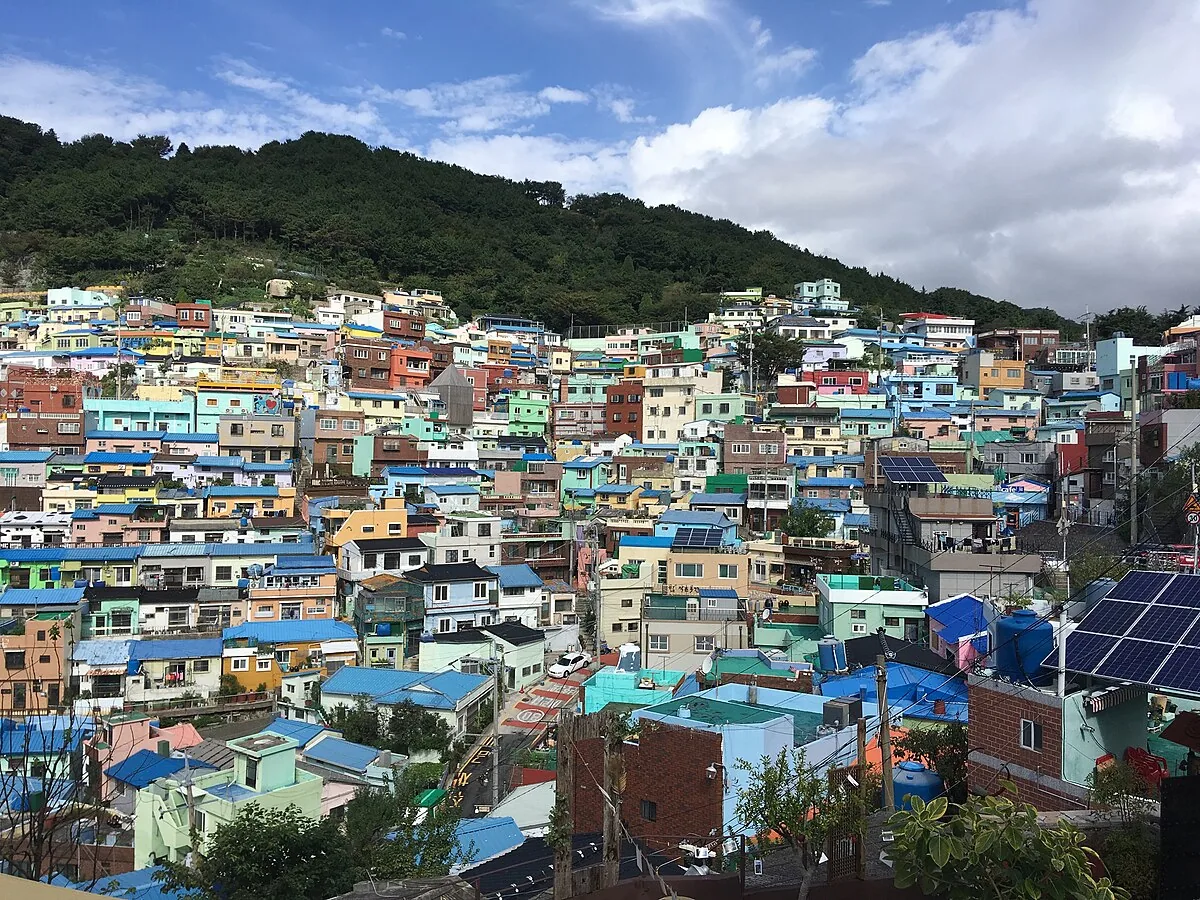
Gamcheon Culture Village
A terraced labyrinth of brightly painted houses clinging to the foothills of the coastal mountains; originally settled by refugees during the 1950s; the district is a mosaic of turquoise; pink; and lemon-yellow plaster; explore the 'Little Prince' vantage point at sunset; the city light ignites across the harbor below while the smell of saltwater and frying fish drifts from the nearby Jagalchi market.
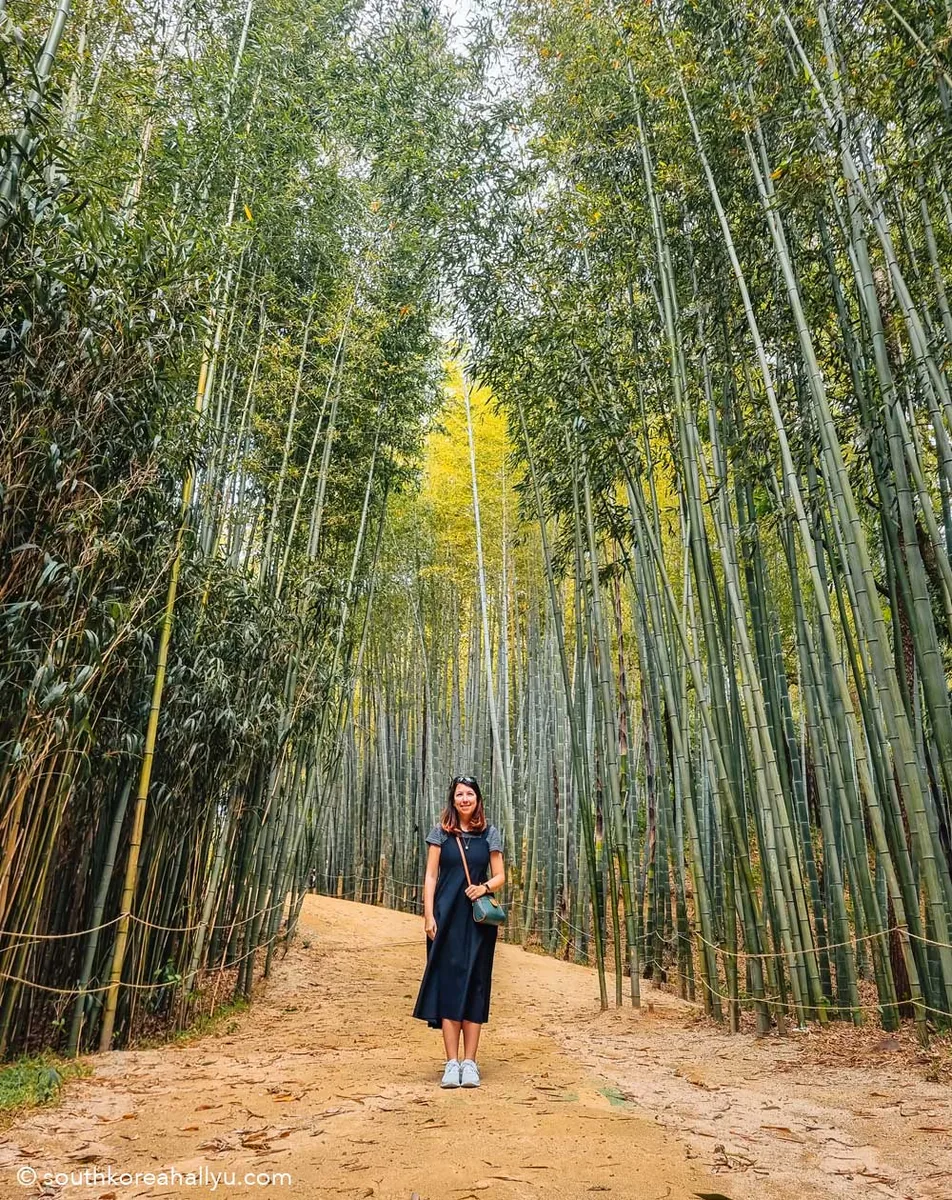
Juknokwon Bamboo Forest
A 16-hectare primeval forest of moso bamboo where the stalks reach 20 metres in height; creating a perpetual emerald canopy that drops the temperature by several degrees; the forest is bisected by the Yeongsan River; walk the 'Path of Memories' during a light rain; the sound of droplets hitting the hollow canes is a rhythmic percussion; while the air is saturated with a clean; leafy fragrance.
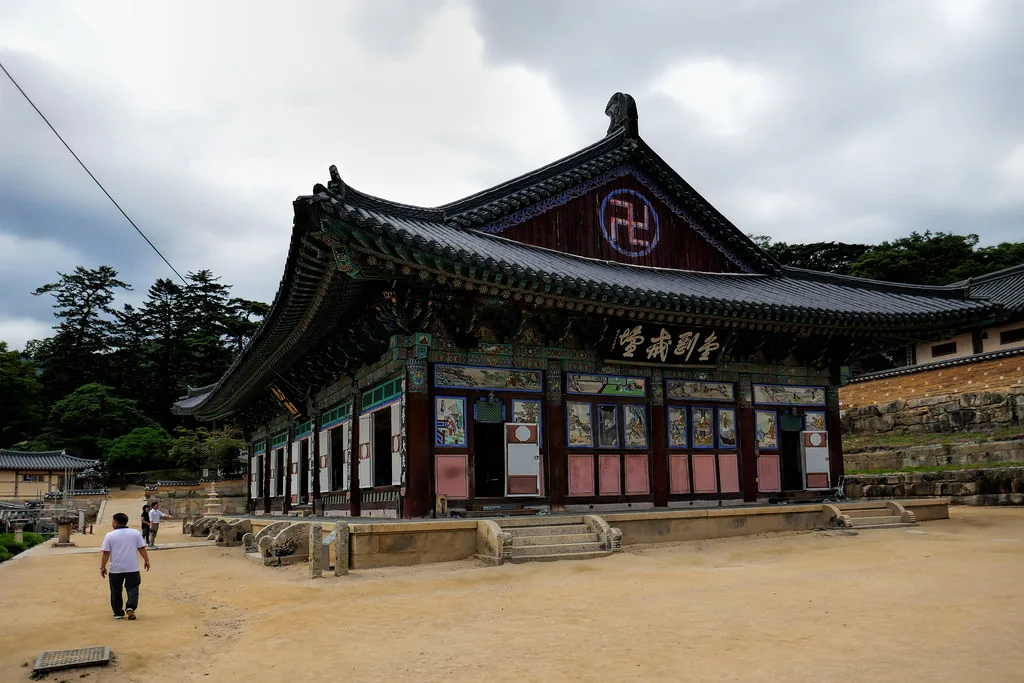
Janggyeong Panjeon
The world's oldest depository for the Tripitaka Koreana; housing 81;258 hand-carved woodblocks from the 13th century in a 15th-century timber hall; the building's open-slat windows use natural airflow to preserve the ink-stained birch; stand in the silent corridor at 3 pm; the light filters through the wooden slats; casting long; linear shadows across the stacked ancient blocks; the air smells of old wood and dry paper.
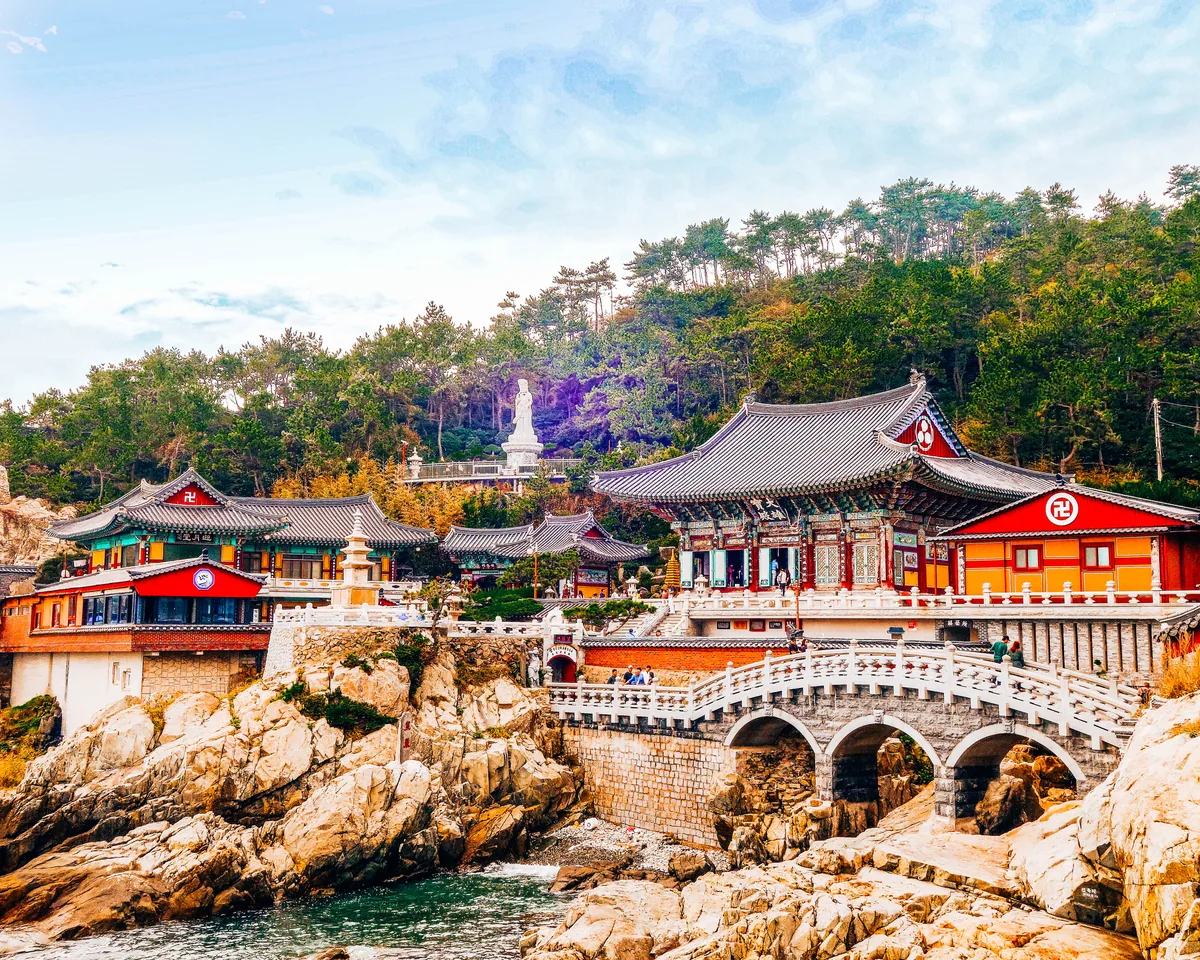
Haedong Yonggungsa Temple
A rare seaside Buddhist temple built in 1376 onto a jagged rock plateau overlooking the Sea of Japan; the structure is guarded by twelve zodiac stone figures and a golden Hwaeom-seong Buddha; visit at dawn during the Lunar New Year; the waves crash against the moss-slicked basalt foundations while the pre-dawn chanting of monks competes with the roar of the ocean; the horizon turns a saturated orange.
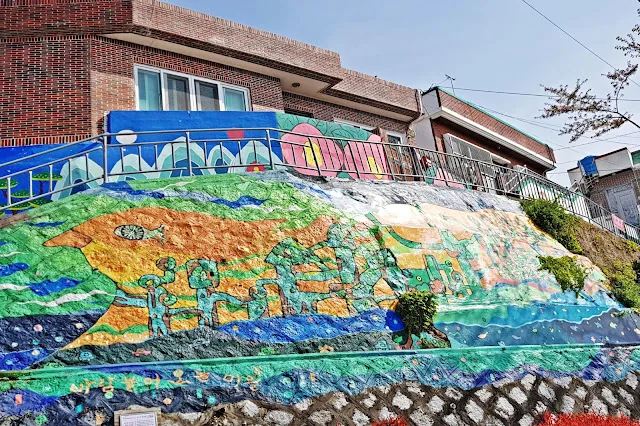
Dongpiran Mural Village
A coastal hilltop community where every sun-bleached wall serves as a canvas for local artists; preserving a village that was slated for demolition; the architecture is a jumble of low-slung shacks and narrow concrete stairs; climb to the central pavilion at midday; the intense light saturates the murals and the blue of the Tongyeong port; the sound of shipyard cranes and barking seals rises from the water.
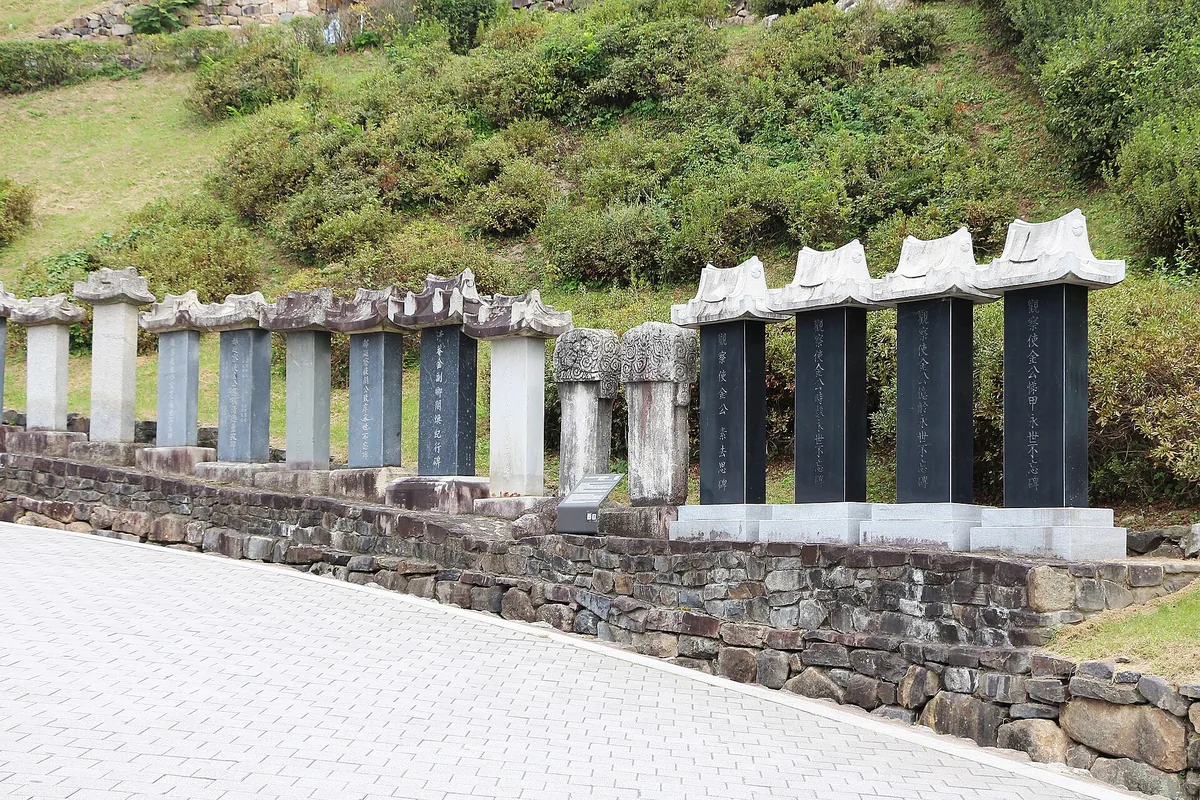
Gongsanseong Fortress
A 2.6-kilometre mountain fortress of the Baekje Kingdom (18 BC–660 AD); featuring arched stone gates and pavilions overlooking the Geumgang River; the ramparts are constructed from sun-bleached limestone and laterite earth; walk the western wall at 4 pm; the low sun highlights the ripple of the river and the scale of the ancient earthen fortifications; the air is still and smells of dry grass and river silt.
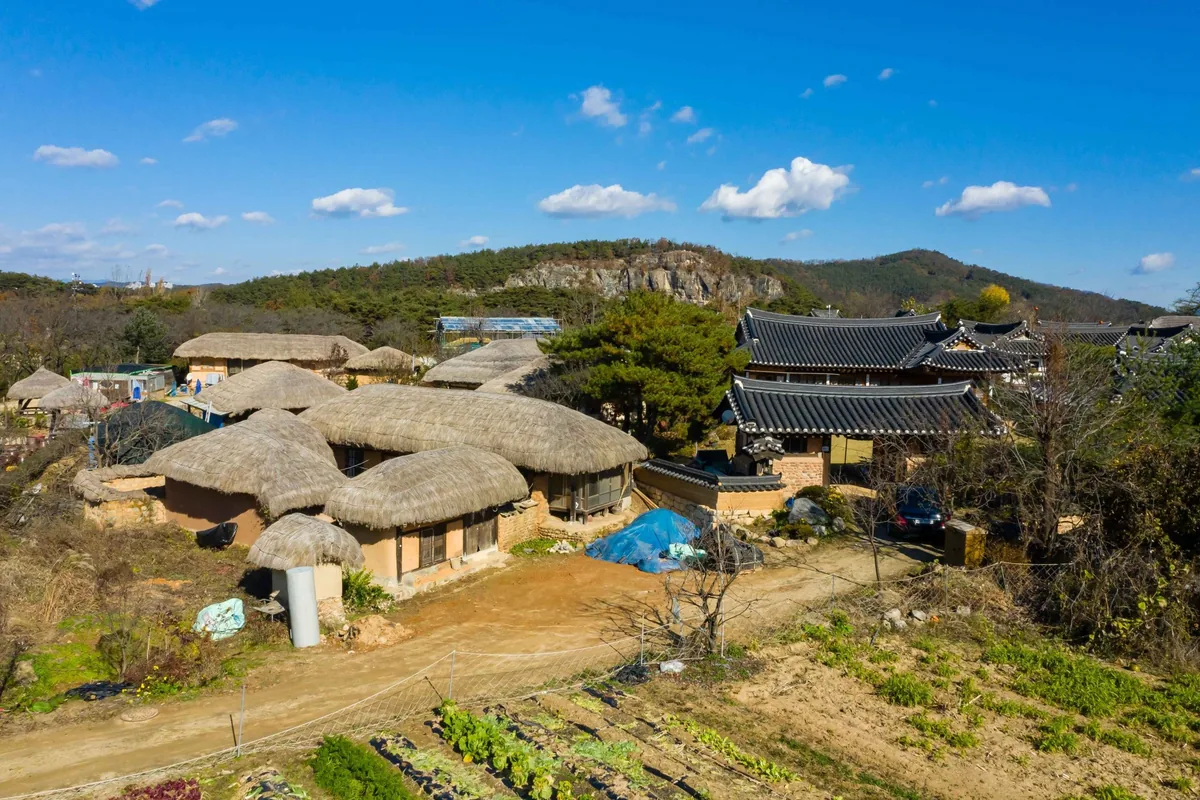
Hahoe Folk Village
A 16th-century clan village shaped like a lotus flower; where the Nakdong River loops around traditional thatched-roof houses and tile-roofed villas; the site is famous for the Hahoe Mask Dance; cross the river to the Buyongdae Cliff at sunset; the panoramic view reveals the village's prehistoric layout; the smoke from wood-burning 'ondol' heaters begins to rise in thin; white plumes over the thatched eaves.
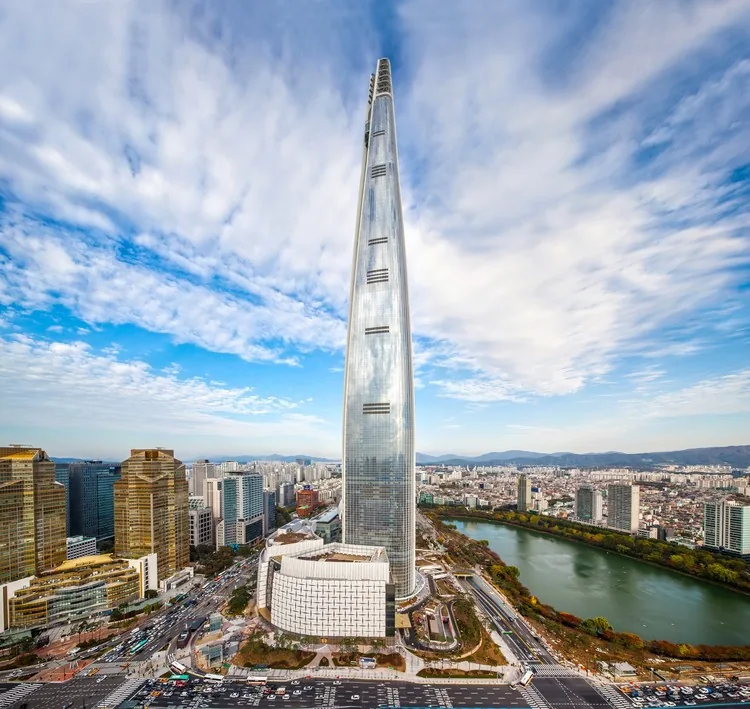
Lotte World Tower
At 555 metres; this 123-storey tapered monolith is the tallest building in the OECD; its design is inspired by traditional Korean ceramics and calligraphy brushes; the glass skin consists of 42;000 panels; ascend to Seoul Sky on the 118th floor at night; the city becomes a sprawling grid of neon violet and gold; the view stretches across the Han River to the dark; distant silhouettes of the Bukhansan peaks.
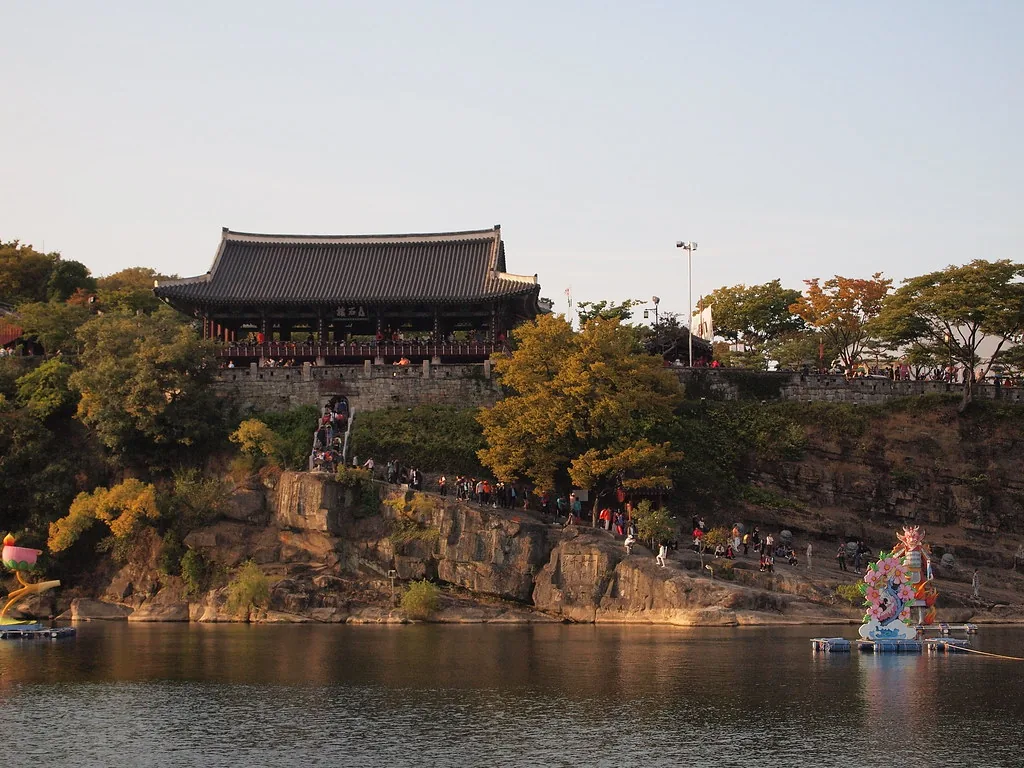
Jinju Fortress
A 14th-century stone stronghold that was the site of the pivotal 1592 Siege of Jinju; featuring the Chokseongnu Pavilion perched on a cliff above the Namgang River; the fortress walls are composed of massive; hand-cut granite blocks; visit during the October Lantern Festival; the river is covered in thousands of glowing silk lanterns; silhouetting the weathered battlements against a black; starless sky.
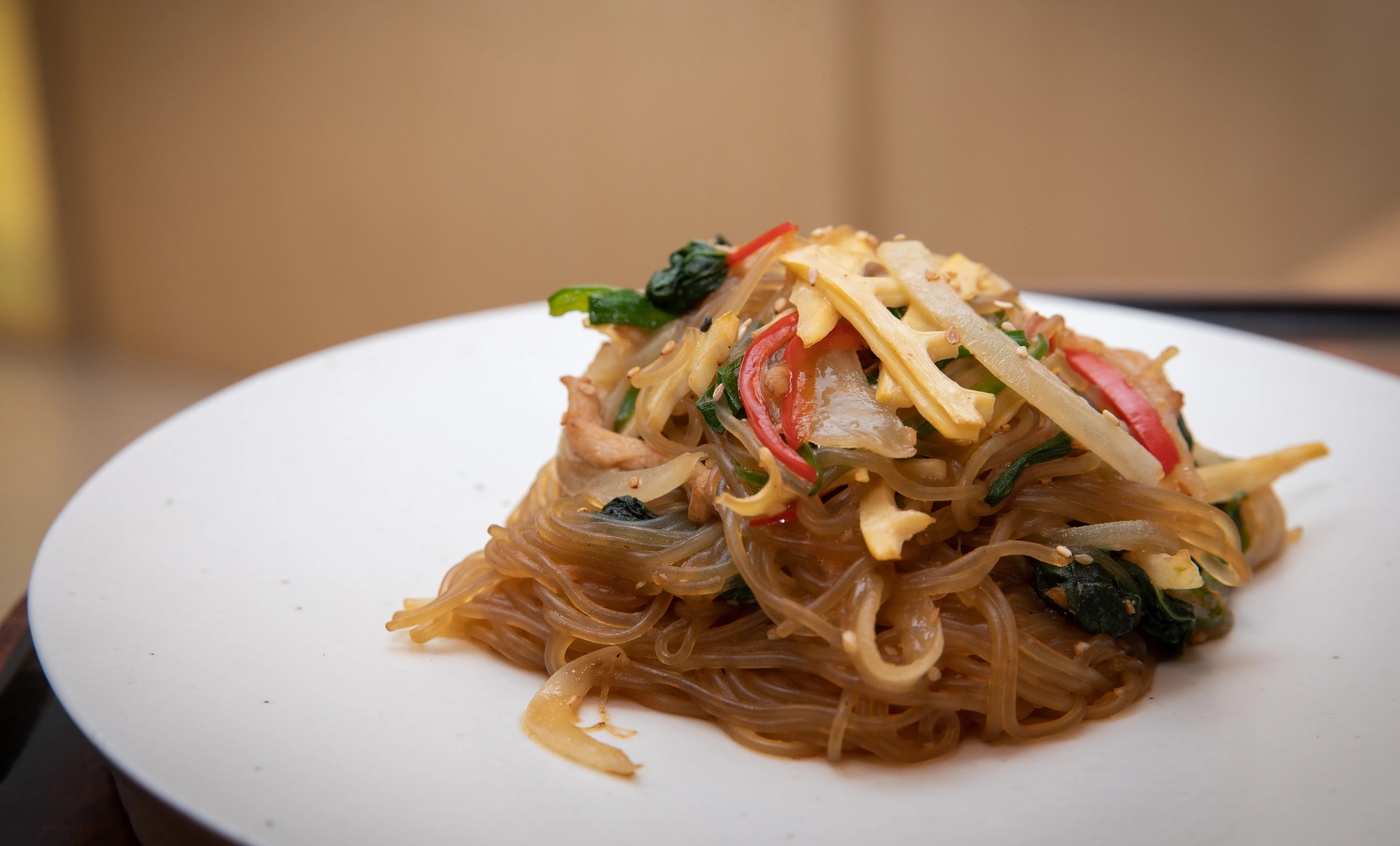
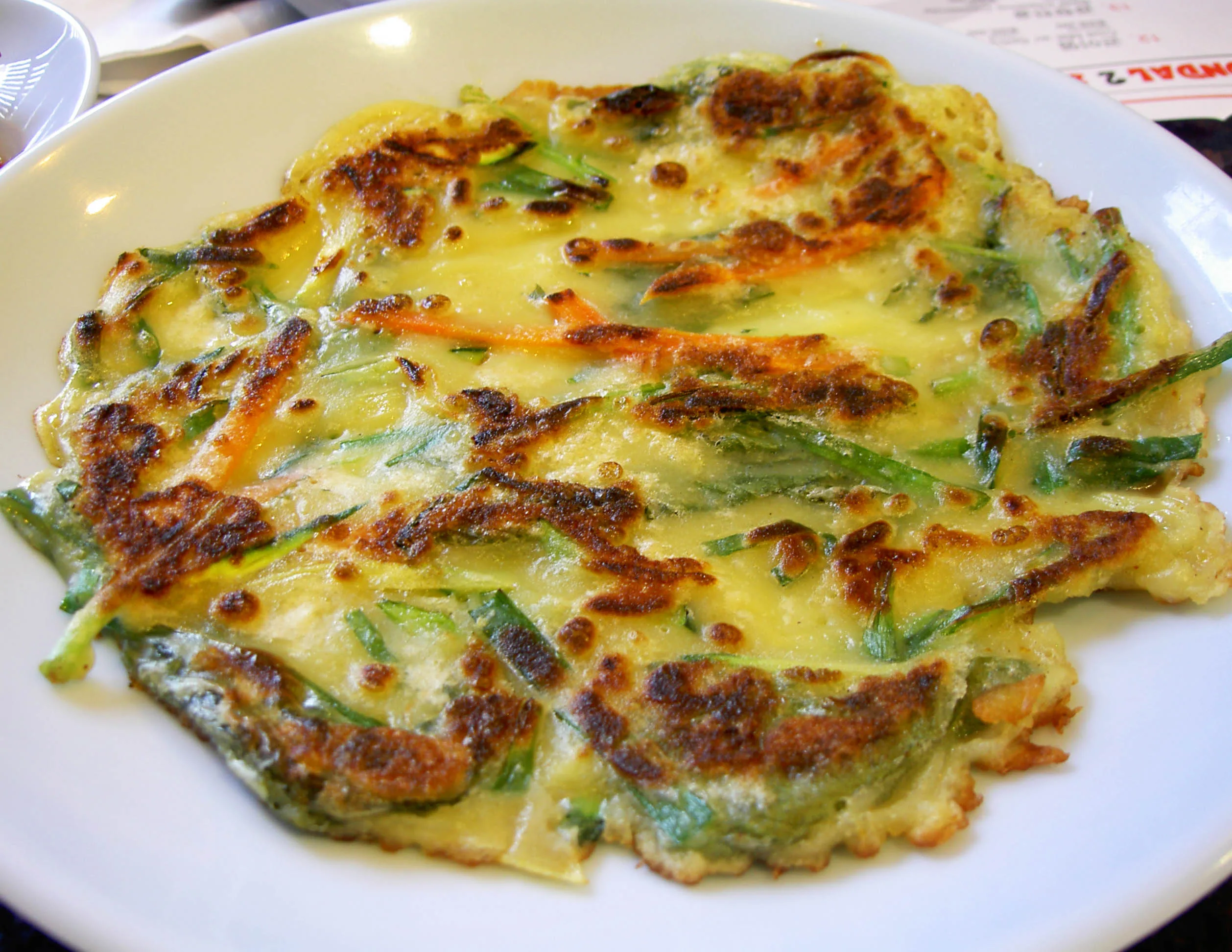
Cuisine
Must-Try Dishes
The flavours that define South Korea

Flights
Fly to South Korea
Compare prices across local & global booking platforms
✈ Flights to South Korea
🏨 Hotels in South Korea
Clicking opens the booking platform. WorldCurio may earn a commission at no extra cost to you.
Did You Know
South Korea Facts
Fascinating things most travellers never learn
South Korea has a unique concept called 'nunchi' — the subtle art of reading a room and adapting to others' emotions. It's considered a core social skill, not just politeness.
South Korea transformed from one of the world's poorest countries in 1960 to a high-income economy in 30 years — the fastest economic transformation in recorded history, known as the 'Miracle on the Han River'.
South Korea has the world's fastest average internet speed and highest smartphone penetration. It also has 'PC bangs' — 24-hour gaming cafes that are a recognised cultural institution, not just entertainment venues.