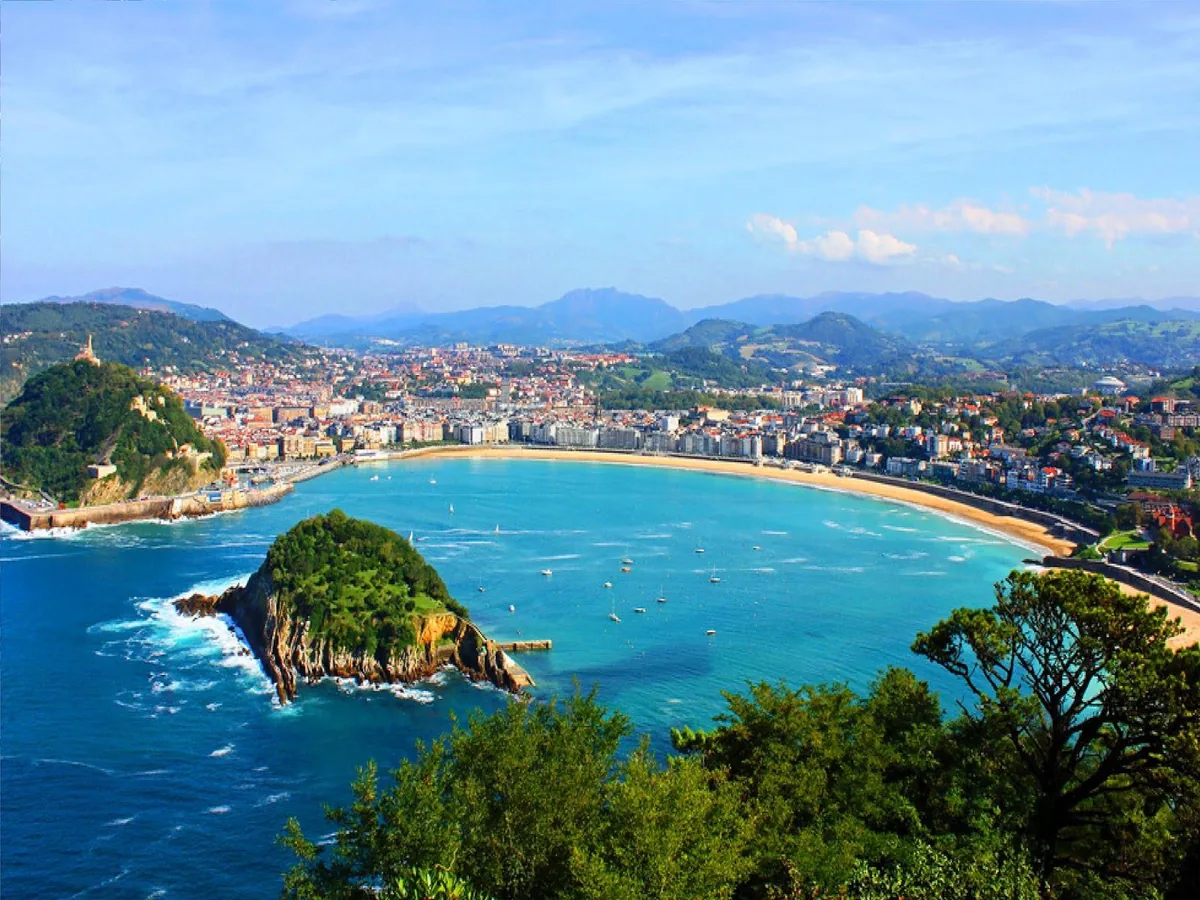
San Sebastián's crescent bay was shaped into one of Europe's most elegant urban seafronts when the Spanish royal court chose it as their summer residence in the nineteenth century, and the pintxos culture behind the beach has been building its reputation ever since.
About La Concha
Queen Isabella II's selection of San Sebastián as summer court in the mid-nineteenth century drove investment in the Paseo de La Concha promenade and the Belle Époque architecture that frames the bay. The Miramar Palace, built for Queen María Cristina in 1893, remains on the headland.
What La Concha is
La Concha is the bay beach at the heart of San Sebastián, a crescent of fine sand contained between the Urgull headland to the east and the Igeldo hill to the west, with the small island of Santa Clara in the middle. The promenade above the beach, the Paseo de La Concha, is one of the most elegant urban seafronts in Spain, backed by the Belle Époque architecture of hotels and palaces built when San Sebastián was the summer residence of the Spanish royal court. The beach and the city that frames it have made San Sebastián consistently ranked among Europe's finest small cities.
Origins
San Sebastián became a royal resort in the mid-nineteenth century after Queen Isabella II chose it as her summer court, and the money and ambition that followed transformed the Parte Vieja old town and the waterfront into something closer to a Basque Biarritz. The Miramar Palace on the Concha headland, built for Queen María Cristina in 1893, anchors the western end of the bay. The city's pintxos culture, the Basque version of tapas, typically more elaborate and ingredient-specific, developed in the old town's bar-dense streets adjacent to the beach, and San Sebastián's combination of beach, architecture, and exceptional food has sustained its reputation ever since.
The beach itself is clean, well-managed, and genuinely swimmable, the Atlantic water is cold by Mediterranean standards but the bay's protected position makes conditions generally calm. The Paseo de La Concha promenade is best walked in the evening when San Sebastián residents do their paseo before dinner. The Parte Vieja behind the Urgull headland concentrates the pintxos bars in a few dense blocks, bar-hopping with one pintxo and one drink per bar is the local ritual. The Monte Igueldo funicular at the western end of the bay provides a view down over La Concha's full crescent.
The Experience
Swim in the protected Atlantic bay, walk the Belle Époque promenade at evening paseo hour, bar-hop the Parte Vieja for pintxos with one dish and one drink per stop, and ride the Monte Igueldo funicular for a view of the full Concha crescent.
Why It Matters
One of Europe's most celebrated urban beaches, the physical center of a city consistently recognized for its combination of architecture, culinary culture, and quality of life.
Why Visit
San Sebastián's beach and old town work together in a way that few cities manage: the evening sequence of a swim, a paseo, and a pintxos crawl through the Parte Vieja is one of the most pleasurable urban rituals in Spain.
✦ Photo Gallery
Best Season
🌤 June through September for beach swimming. The Semana Grande festival in August brings significant crowds. Spring and autumn are ideal for the pintxos culture and architecture without beach-season density.
Quick Facts
Best time to visit
June through September for beach swimming. The Semana Grande festival in August brings significant crowds. Spring and autumn are ideal for the pintxos culture and architecture without beach-season density.
Getting there
In San Sebastián, Spain; reach San Sebastián first, then continue to the site.
What's nearby
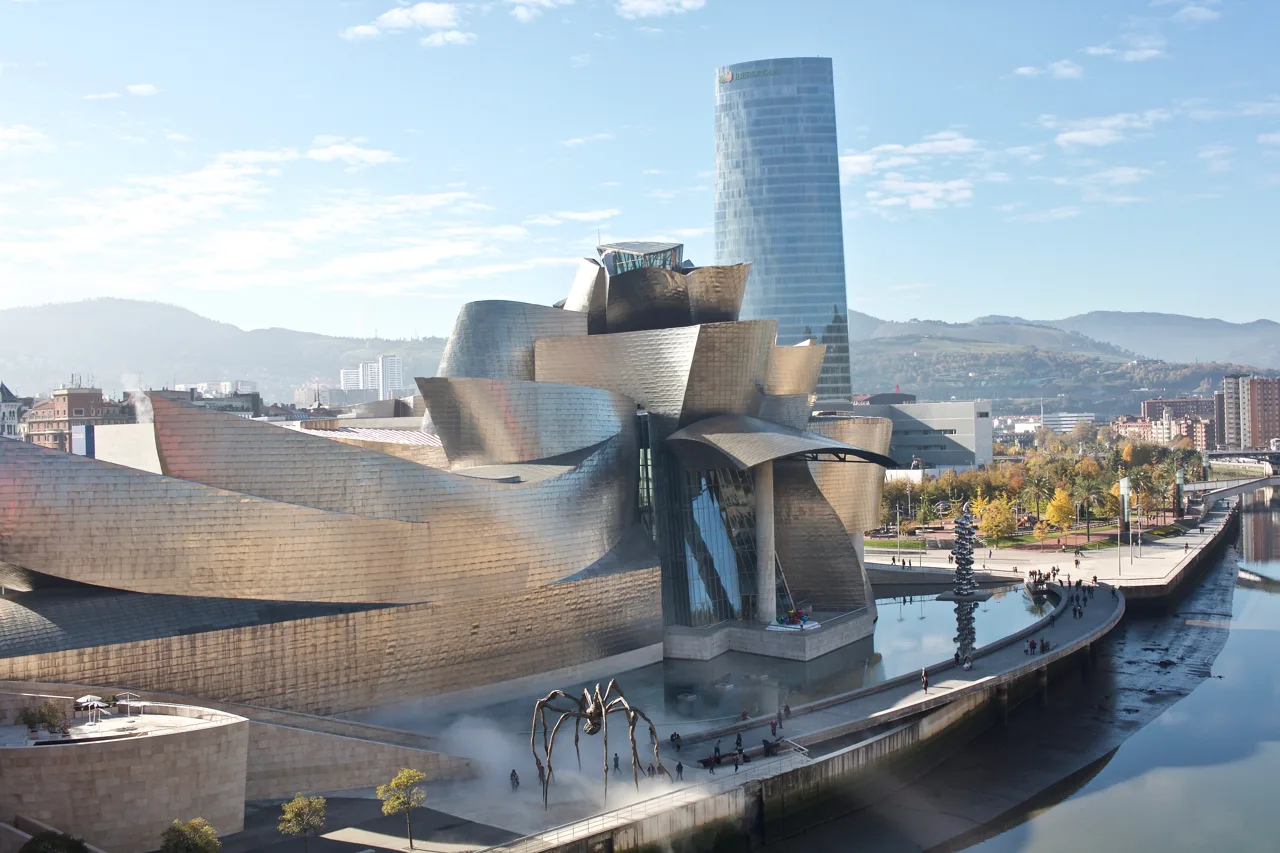
Guggenheim Museum Bilbao is also close by.
Location
San Sebastián, Spain
Type
attraction
Coordinates
43.3175°, -1.9867°
Insider Tips
- 1
The pintxos ritual is one drink and one pintxo per bar, move frequently rather than settling in one place.
- 2
The Monte Igueldo funicular runs from the western end of the promenade and provides the best full view of La Concha's crescent shape.
- 3
The beach gets crowded in August; early morning or late afternoon are the most comfortable times.
- 4
Calle Fermín Calbetón and the streets immediately around it in the Parte Vieja have the highest concentration of serious pintxos bars.