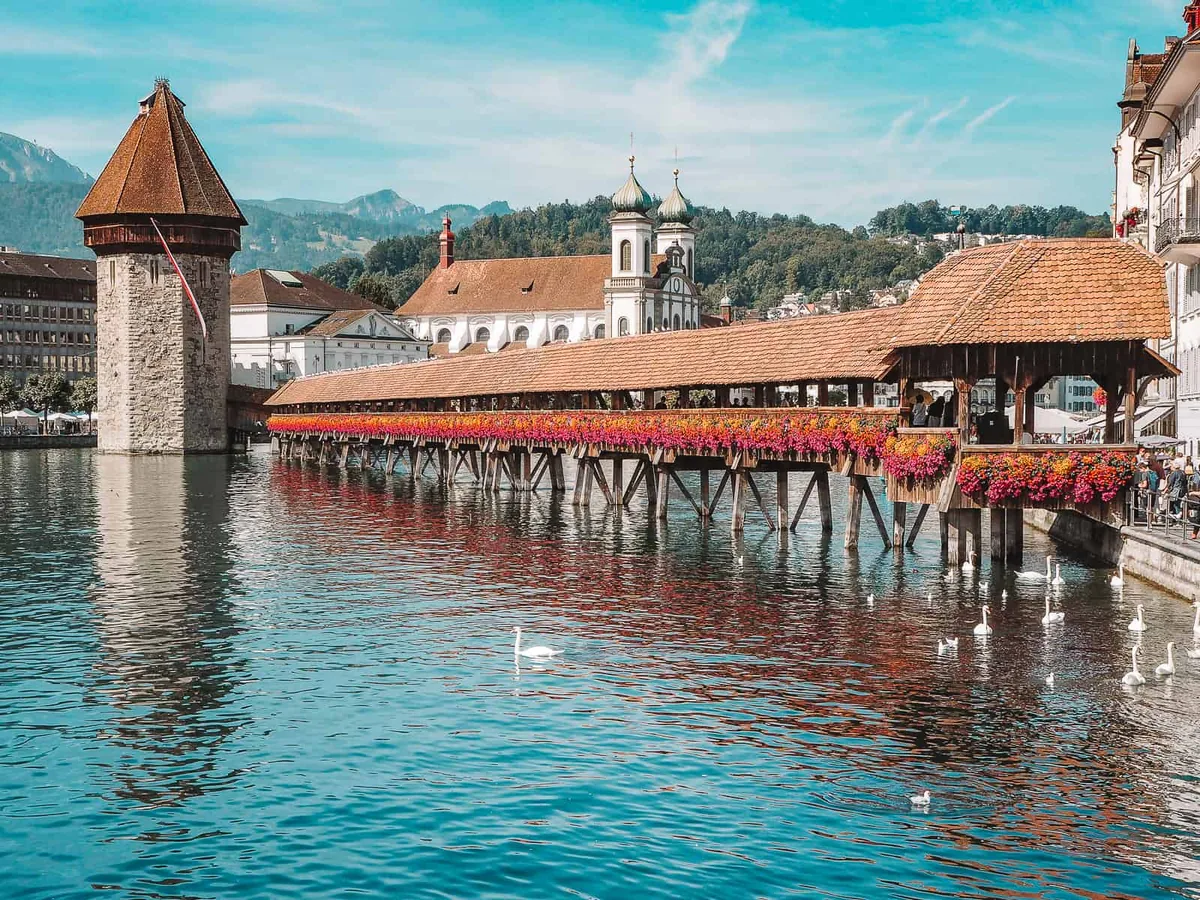
Nietzsche walked the same lakeshore path in Sils-Maria every morning for seven summers, the idea for Thus Spoke Zarathustra came to him beside a boulder you can still find today.
About Engadin Valley
The Engadin has been a transit corridor since the Bronze Age, its high valley floor connecting Mediterranean Italy to the Germanic north via the Maloja and Reschen passes. The Romans built roads through it; medieval merchants followed the same grooves. The indigenous Romansh language, spoken in the valley's villages today, descended directly from the Latin the Romans brought with them. St. Moritz's modern identity was constructed in a single generation. In 1864, hotelier Johannes Badrutt won a bet with four English guests, persuading them to return in winter by promising they would not be cold. They came back and transformed the concept of the Alpine resort from a summer health cure to a year-round social event. The first bobsled run, the first ski school, the first Cresta Run, all were invented here within thirty years of that wager. Beyond St. Moritz, the valley held a more contemplative attraction. Nietzsche arrived in Sils-Maria in 1881 seeking mountain air and solitude, found both, and produced some of his most important work before illness drove him away permanently in 1888.
Engadin Valley in Switzerland
At 1,800 metres above sea level, the Engadin Valley sits higher than most Alpine peaks in other countries, a wide, luminous corridor carved by glaciers through the Graubünden Alps. The Inn River runs along its floor from the Maloja Pass to the Austrian border, threading a chain of blue-green lakes that on calm days reflect the surrounding mountains with a fidelity that makes it difficult to tell where the landscape ends and its image begins. The light here is different from the rest of Switzerland, sharper, thinner, more insistent, a consequence of altitude and the valley's east-west orientation, which means the sun crosses it like a spotlight. St. Moritz sits at the valley's heart, carrying more than a century of reputation as the birthplace of winter tourism. But the Engadin is larger than any single resort, and the parts of it that draw neither celebrities nor ski racers, the Romansh-speaking villages of Sils, Silvaplana, Scuol, reward slower travel.
“At 1,800 metres above sea level, the Engadin Valley sits higher than most Alpine peaks in other countries, a wide, luminous corridor carved by glaciers through the Graubünden Alps.”
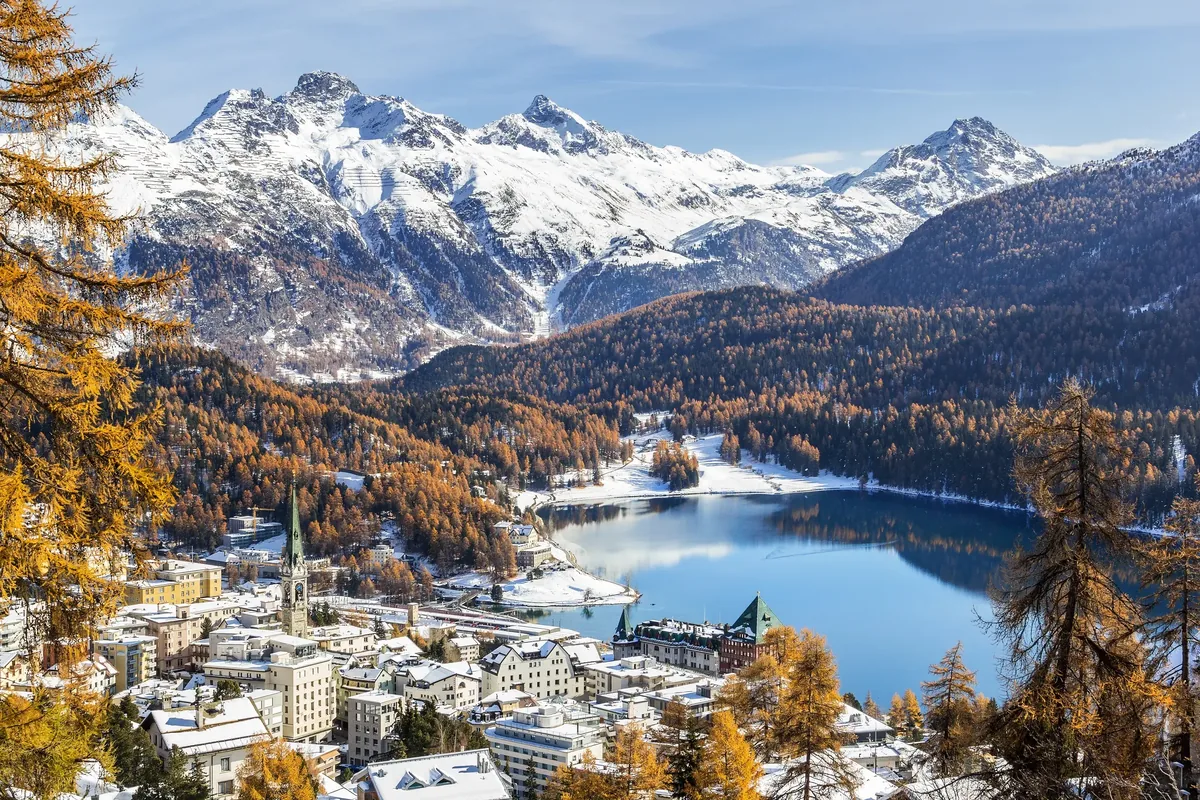
Engadin Valley, Switzerland
The Engadin has been inhabited since
The Engadin has been inhabited since the Bronze Age, and its position at the crossroads of several Alpine passes gave it strategic and commercial value long before tourism arrived. The Romans used the Maloja Pass; medieval traders followed the same route. The valley's native language, Romansh, one of Switzerland's four official languages, survives here in its Vallader and Puter dialects, spoken daily in villages that have maintained the tongue for two millennia. St. Moritz's transformation began in 1864 when hotelier Johannes Badrutt challenged four English guests to return in winter, betting that they would find it warmer than London. They came back and transformed the concept of the Alpine resort from a summer health cure to a year-round social event. The first bobsled run in the world was built here in 1870; the first ski school followed a generation later. Friedrich Nietzsche spent seven summers in Sils-Maria between 1881 and 1888, walking the lakeshore paths daily and writing Thus Spoke Zarathustra. The house where he stayed is preserved as a small museum.
The Engadin's most immediate quality
The Engadin's most immediate quality is the silence between the wind. You get it on the path around Lake Silvaplana, where the only sounds are the creak of reeds in the shallows and the distant percussion of a windsurfer far out on the water. The summer wildflowers, Alpine asters, gentians, mountain arnica, grow with an intensity of colour that seems implausible at altitude. In winter the valley transforms into a different kind of spectacle. The lakes freeze solid enough to hold horses; the Engadin Skimarathon each March draws 15,000 cross-country skiers through 42 kilometres of groomed tracks. The cold at dawn is dry and clarifying rather than damp, and the light on new snow has a blue quality that no photograph accurately captures.
The Glacier Express connects the Engadin
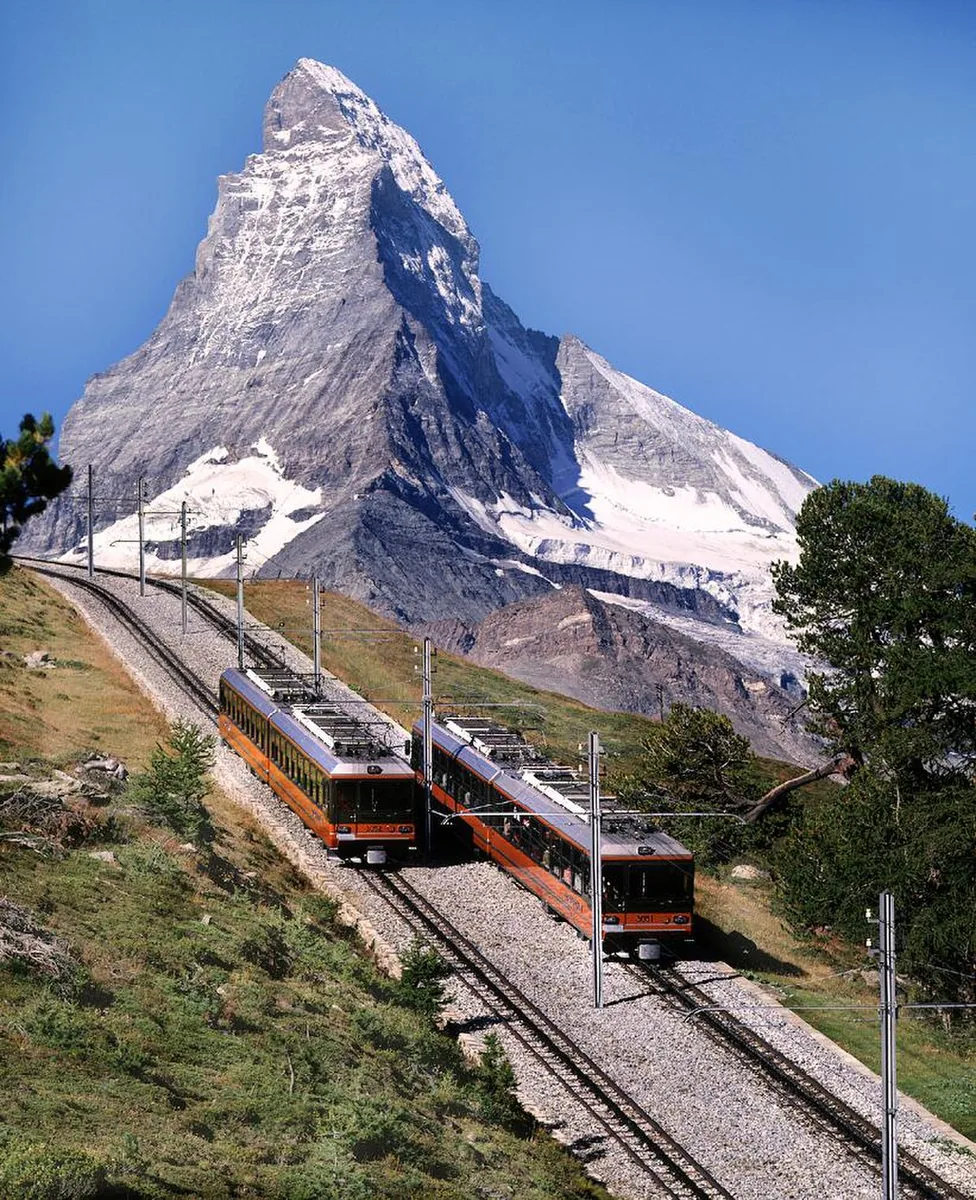
The Glacier Express connects the Engadin to Zermatt via Chur in around eight hours, passing through some of the most dramatic mountain scenery in the Alps. St. Moritz is also directly accessible from Chur by the Rhaetian Railway in two hours, a route itself listed as a UNESCO World Heritage site. From Zürich, the journey to St. Moritz takes about three and a half hours by rail.
“The Glacier Express connects the Engadin to Zermatt via Chur in around eight hours, passing through some of the most dramatic mountain scenery in the Alps.”
The Experience
The feel of the Engadin light is the first thing serious visitors mention. At 1,800 metres the air carries less moisture than the lowland valleys, and the sun arrives earlier and stays longer, turning the lakes to a deep, almost artificial turquoise by late morning. The path from Maloja to Sils along the lakeshore takes about two hours on foot and passes through a silence that is surprisingly total for a valley with two major resorts at either end. What you catch first is the wildflowers first, gentians the exact blue of the sky, then the wind picking up off the water, then the mountains closing in toward the pass. Nietzsche's boulder, marked with a small plaque, sits a few minutes off the main path near a promontory above the lake.
Why It Matters
The Engadin Valley carries two parallel histories: one of Romansh cultural survival, a language spoken by 40,000 people that has maintained itself against German pressure for centuries, and one of elite tourism, the prototype from which every luxury Alpine resort since has borrowed. The valley holds both without resolving the tension, and both are visible simultaneously from any high point on the surrounding peaks.
Why Visit
St. Moritz gets the reputation; the valley earns it. The lakes, the Romansh villages, the Nietzsche paths, the winter light, the summer wildflowers, none of these depend on which resort is fashionable. The Engadin is a geography, not a brand, and the parts of it that operate at normal human scale are as rewarding as any landscape in Switzerland.
Insider Tips
- 1
Nietzsche's house in Sils-Maria is open Wednesday to Monday in summer; the walk from the village to his boulder on the lake promontory takes 20 minutes and is unmarked, ask at the museum.
- 2
The PostBus route through the valley connects villages not served by the Rhaetian Railway and is included in the Swiss Travel Pass.
- 3
Lake Silvaplana is the world-class windsurfing and kitesurfing venue in the Engadin; the afternoon thermals from the Maloja Pass are consistent enough to be a meteorological phenomenon.
- 4
St. Moritz's best mountain meals are not in the hotel dining rooms but in the higher-altitude huts, Fuorcla Surlej hut serves better food at a quarter of the price.
- 5
Book the Glacier Express window seat on the right side when traveling from Chur toward St. Moritz for the best views of the Landwasser Viaduct.