All landmarks and tourist attractions in Switzerland
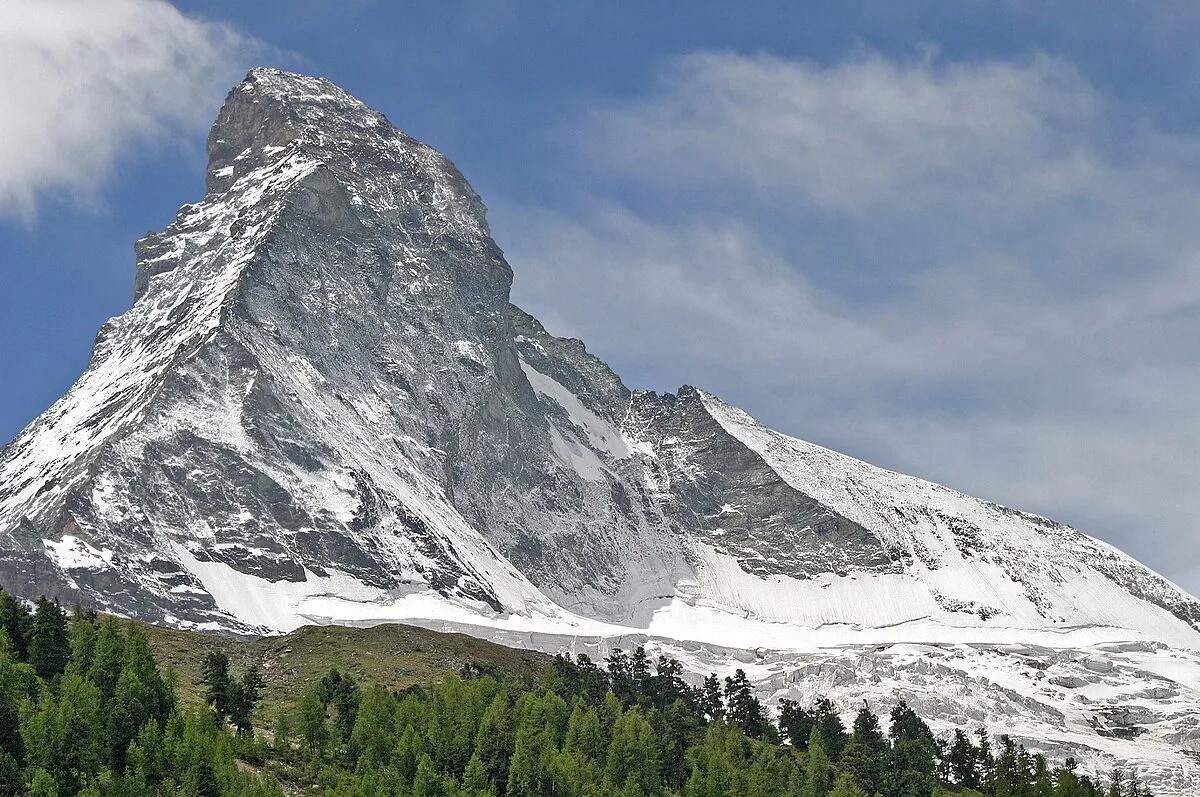
The Matterhorn
The pyramid of the Alps rises to 4478 metres as a jagged; lopsided tooth of gneiss and marble; its North Face remains one of the great challenges of alpinism since the tragic first ascent in 1865; stand at the shores of Stellisee at 5:30 am when the sun first strikes the peak; turning the granite into a glowing copper needle reflected in the mirrored glacial water.
Explore →
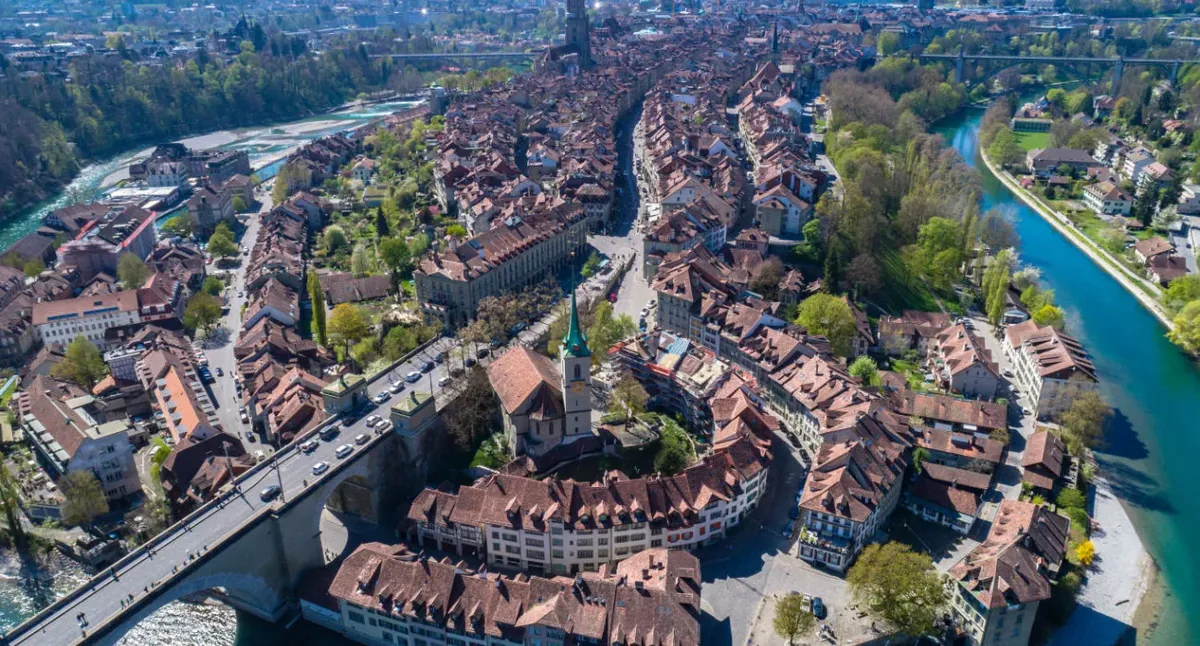
Old City of Bern
A UNESCO-listed medieval peninsula where six kilometres of sandstone arcades shelter 16th-century fountains and the 13th-century Zytglogge clock tower; the limestone walls of the Aare River loop provide a natural fortress boundary; walk the Gerechtigkeitsgasse at dusk when the yellow streetlamps highlight the weathered heraldic emblems; the sound of the river provides a constant; low-frequency hum against the cobblestones.
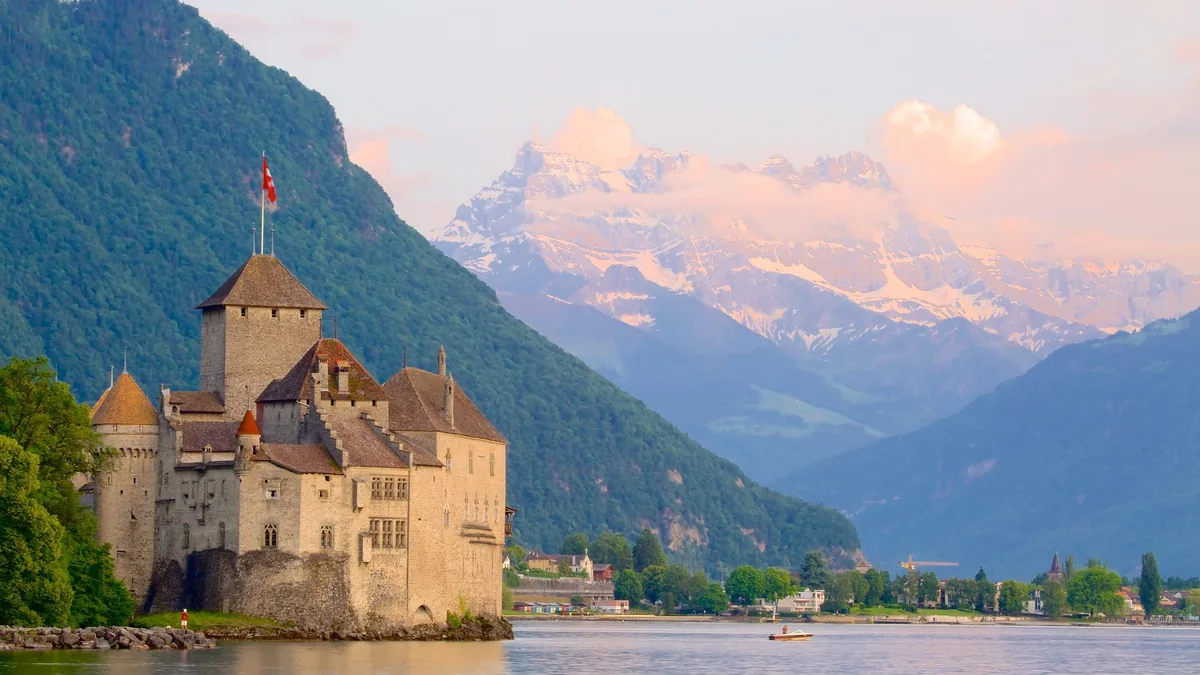
Château de Chillon
An island fortress on Lake Geneva featuring an 11th-century keep and vaulted Gothic dungeons carved directly into the rock; the castle controlled the strategic road to the Great St. Bernard Pass for centuries; enter the subterranean vaults at midday when the sun reflects off the water through the narrow slits; casting flickering; aqua-tinted light across the moss-slicked stone pillars where Lord Byron once carved his name.
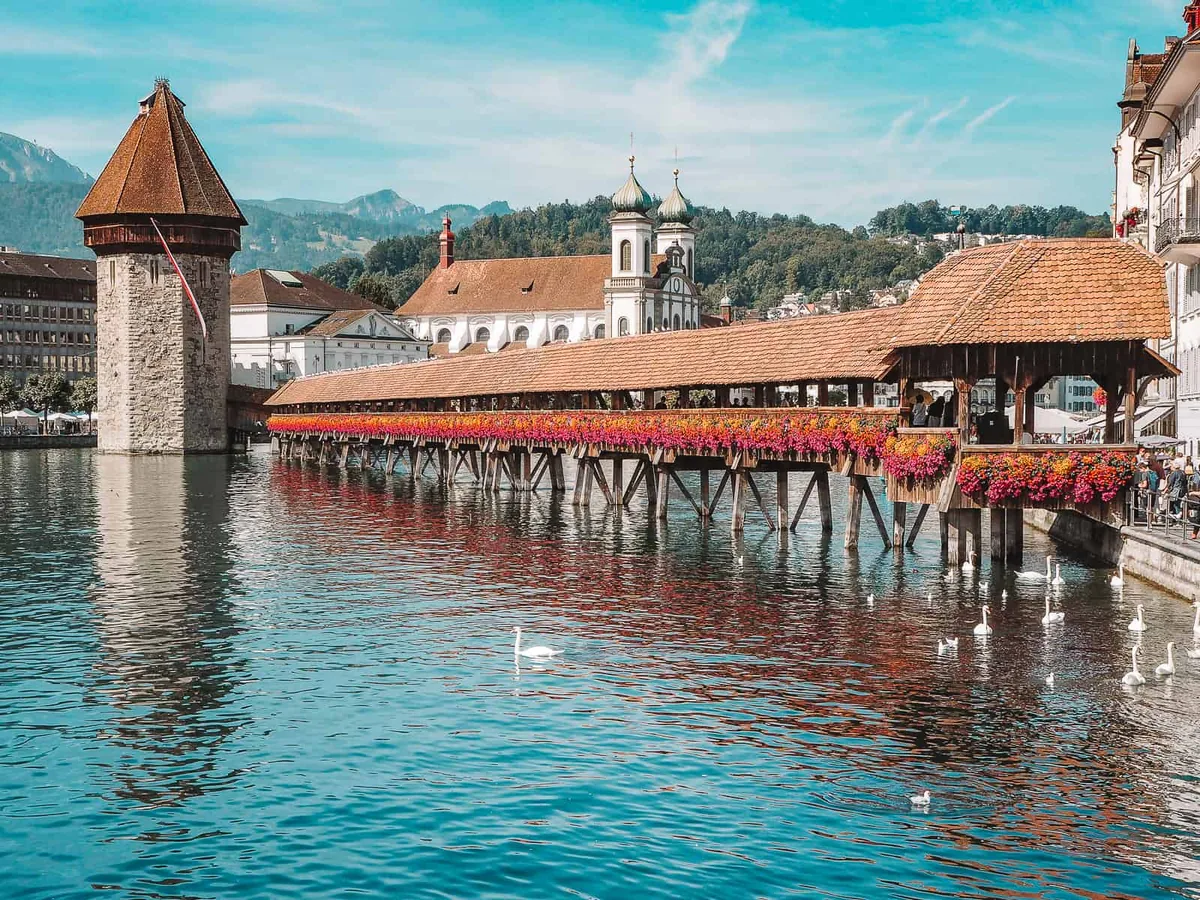
Chapel Bridge
The world oldest covered wooden bridge spans the Reuss River at an angle; its 14th-century interior adorned with 17th-century triangular paintings depicting local history; the adjacent octagonal Water Tower was once a medieval torture chamber; walk the creaking spruce planks at sunrise before the commuters arrive; the smell of damp wood and river silt is sharp while the first light hits the hand-painted ceiling panels.
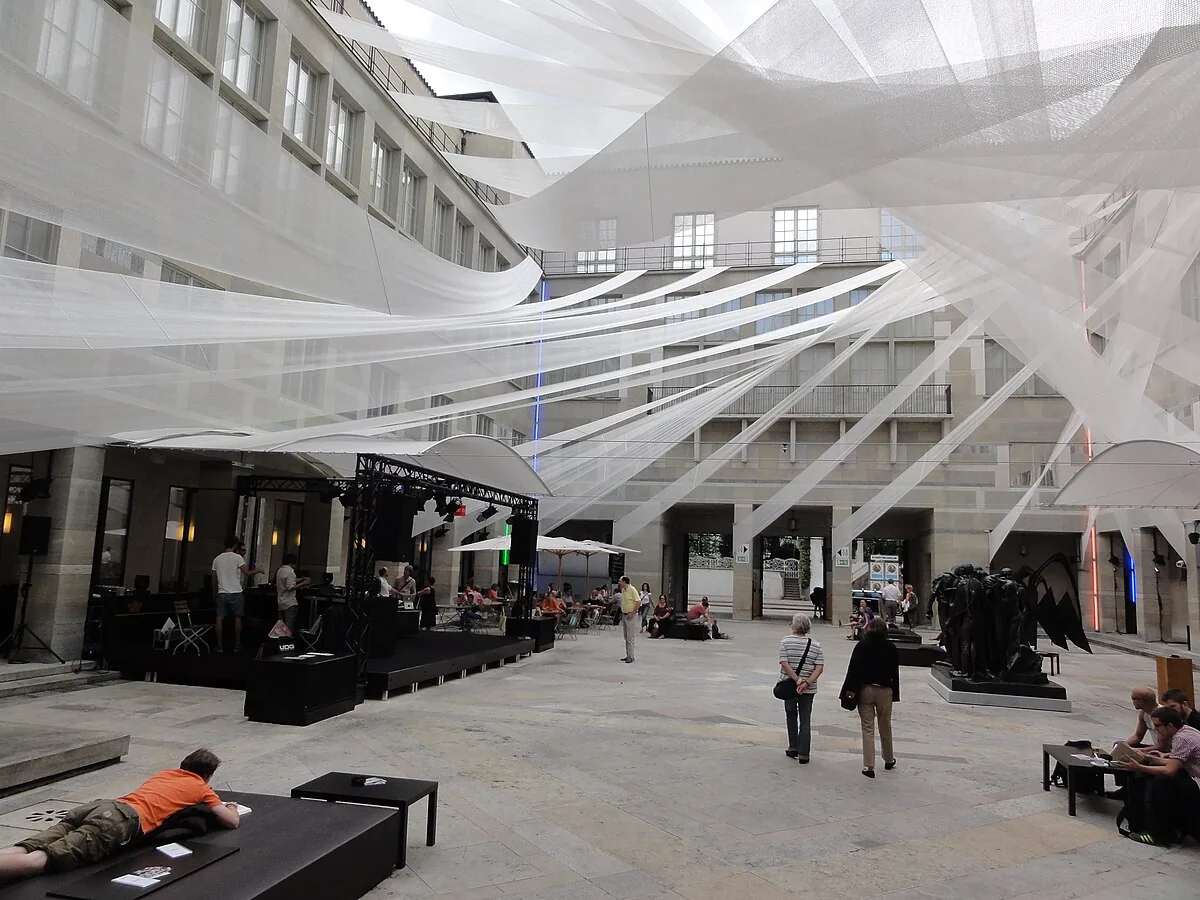
Kunstmuseum Basel
Switzerland largest and oldest public art collection housed in a 1936 limestone monolith; the museum bridges the transition from Holbein the Younger to mid-century American Expressionism; the inner courtyard features a stark; minimalist geometric rhythm; visit the upper galleries at 3 pm; the grey northern light through the clerestory windows renders the textures of the early 15th-century altarpieces with clinical; absolute precision.
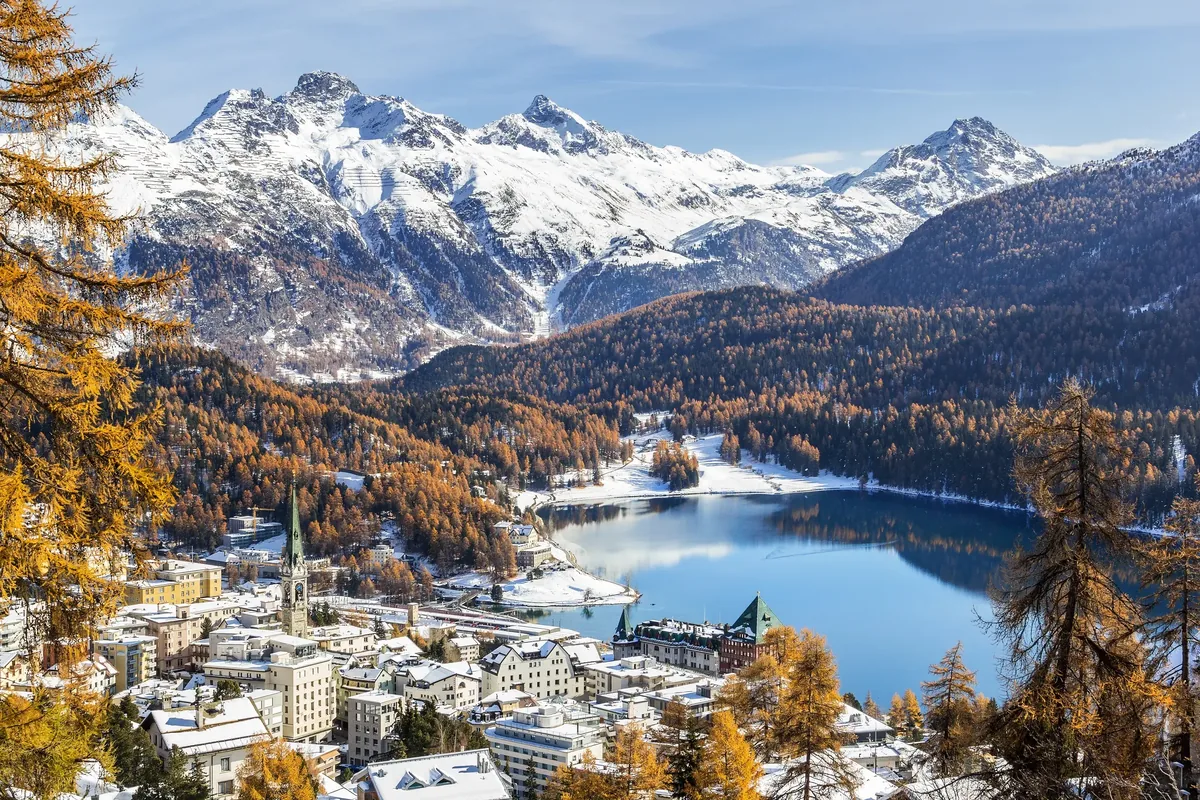
Engadin Valley
A high-alpine plateau at 1800 metres where the 'Maloja Snake' cloud formation slithers through larch forests and frozen lakes; the air here is famously dry; described as 'champagne climate' since the 19th century; ski the Diavolezza glacier at 10 am; the silence is so profound you can hear the ice contracting beneath the crystalline snow; the sky remains a deep; saturated navy even in mid-winter.
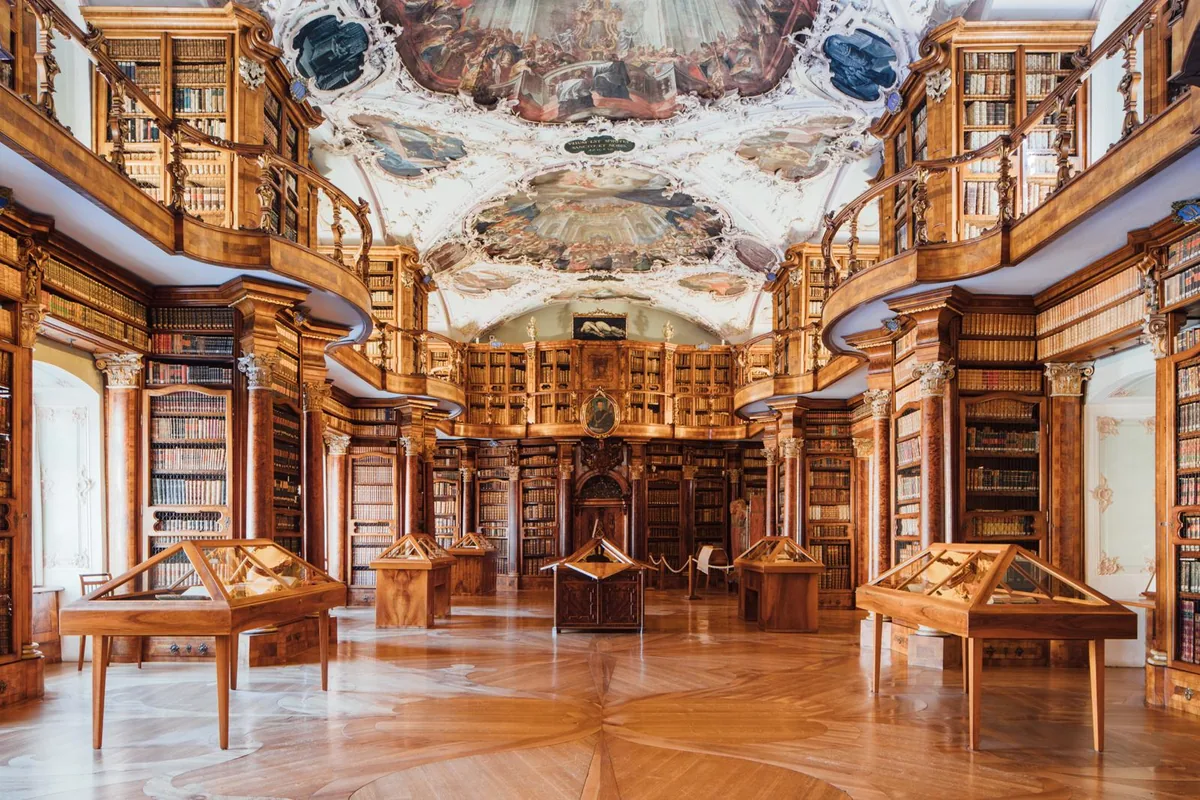
Abbey Library of Saint Gall
A secular cathedral of knowledge containing 170;000 volumes within a Rococo hall of curved walnut wood and ornate ceiling frescoes; the 8th-century plan of St. Gall remains the world most important early architectural drawing; enter the hall in soft felt slippers to protect the marquetry floor; the air smells of beeswax and 1200-year-old parchment; the gilded carvings turn amber under the low winter sun.
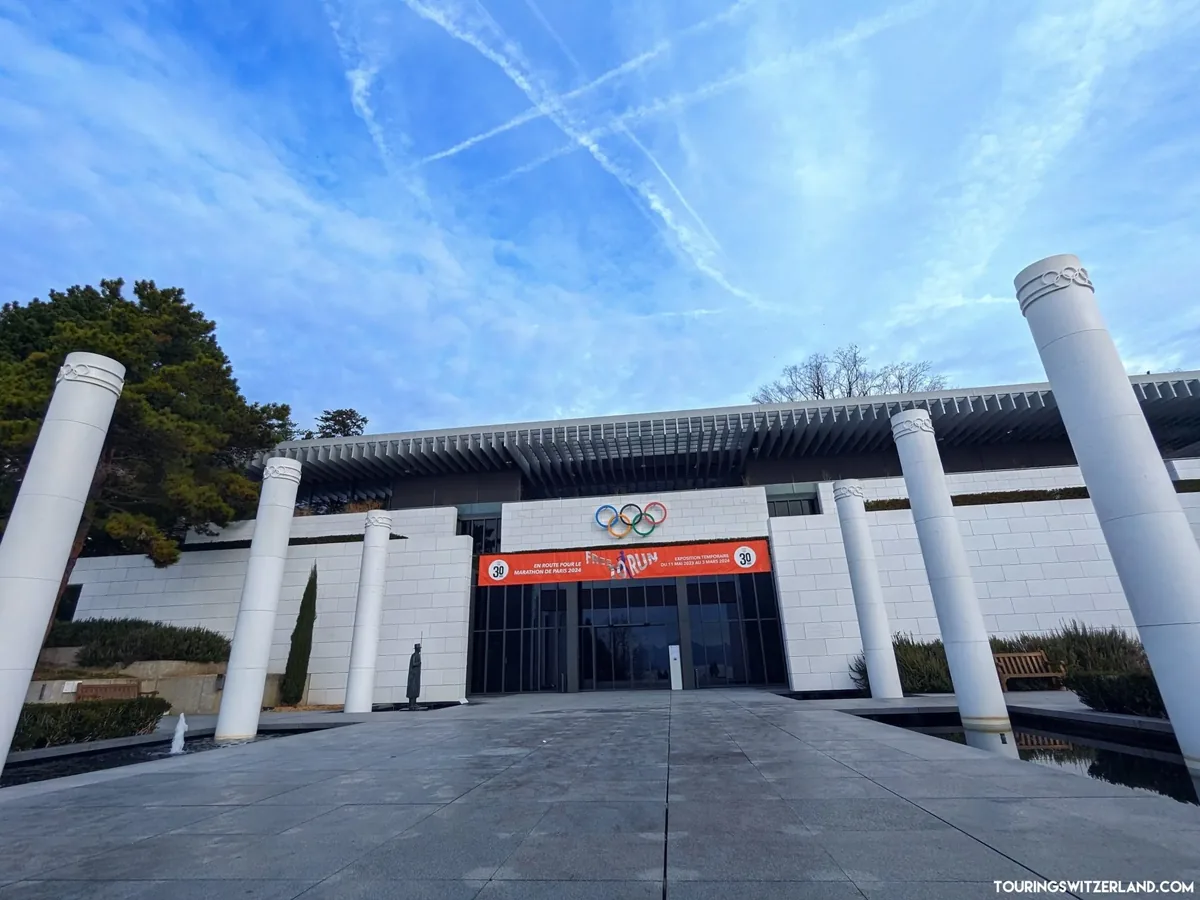
Olympic Museum
A white marble monument to human movement overlooking Lake Geneva; the museum preserves the torches; medals; and equipment of every Olympiad since 1896; the surrounding park features sculptures by Rodin and Botero; walk the entry ramp at opening; the rhythmic sound of the fountain and the view toward the French Alps create a sense of vast; athletic scale; the glass facade reflects the blue of the lake with intense clarity.
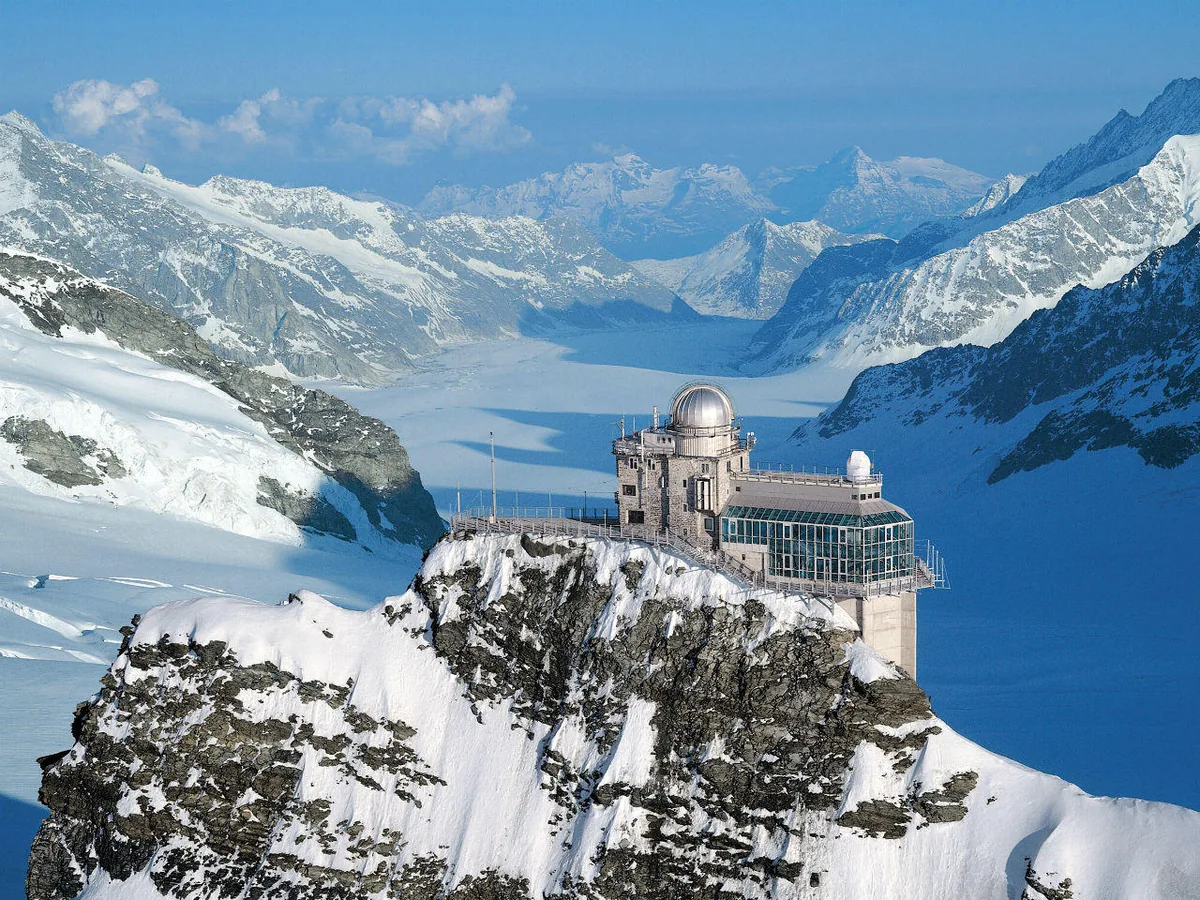
Jungfraujoch
The highest railway station in Europe at 3454 metres; a tunnelled marvel of 19th-century engineering bored through the Eiger and Mönch; the Sphinx Observatory offers a 360-degree view of the Aletsch Glacier; exit onto the plateau at noon when the ultraviolet light is at its most punishing; the crunch of ancient blue ice underfoot and the smell of thin; metallic air define this high-altitude terminal.
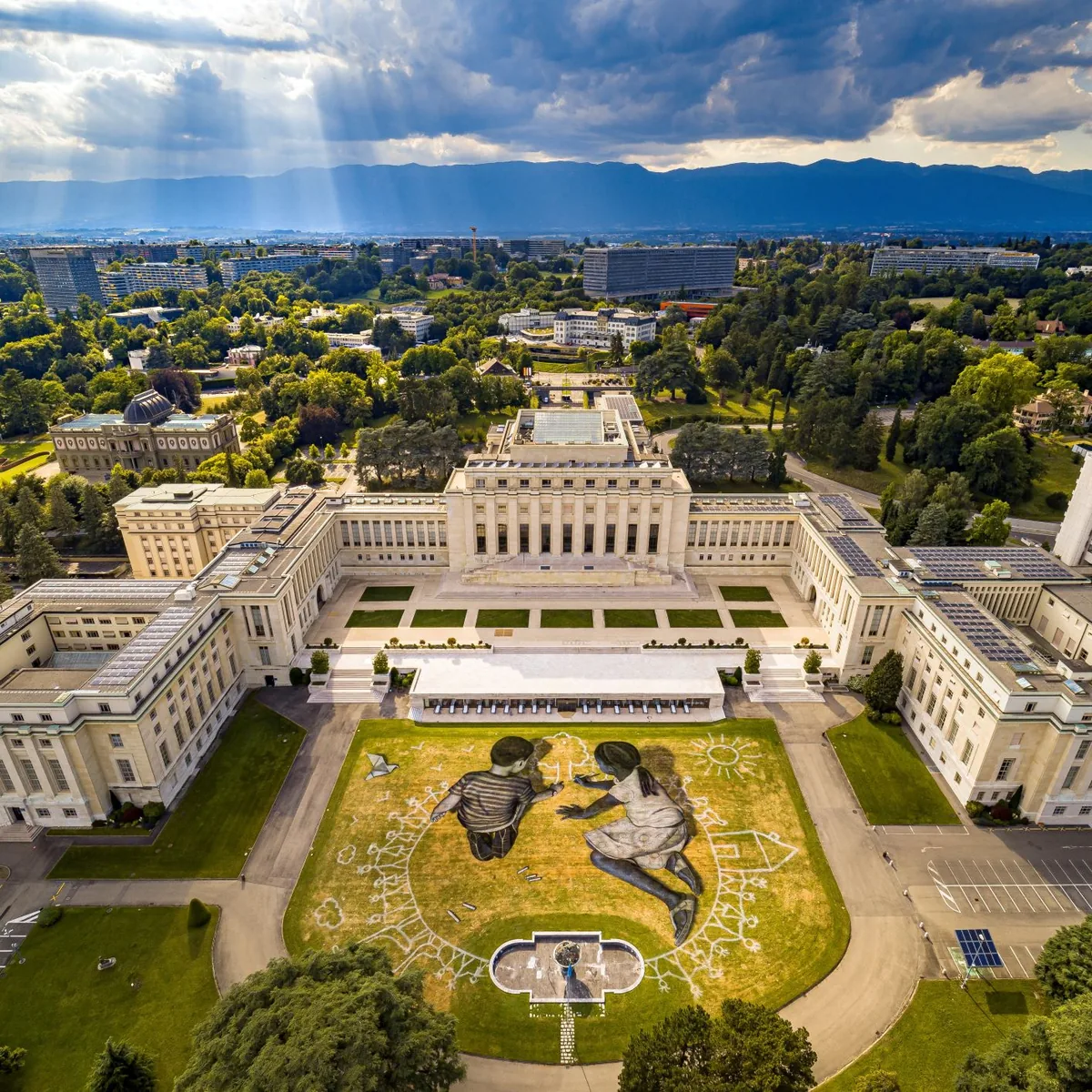
Palais des Nations
The 1929 Neoclassical headquarters of the League of Nations; constructed with light-grey limestone and featuring the 1936 celestial sphere; the Assembly Hall is a cavernous space of Art Deco diplomacy; walk the Alley of Flags at 9 am; the snapping of the banners in the wind and the sight of the peacocks in the Ariana Park provide a surreal; quiet contrast to the bureaucratic machinery within.
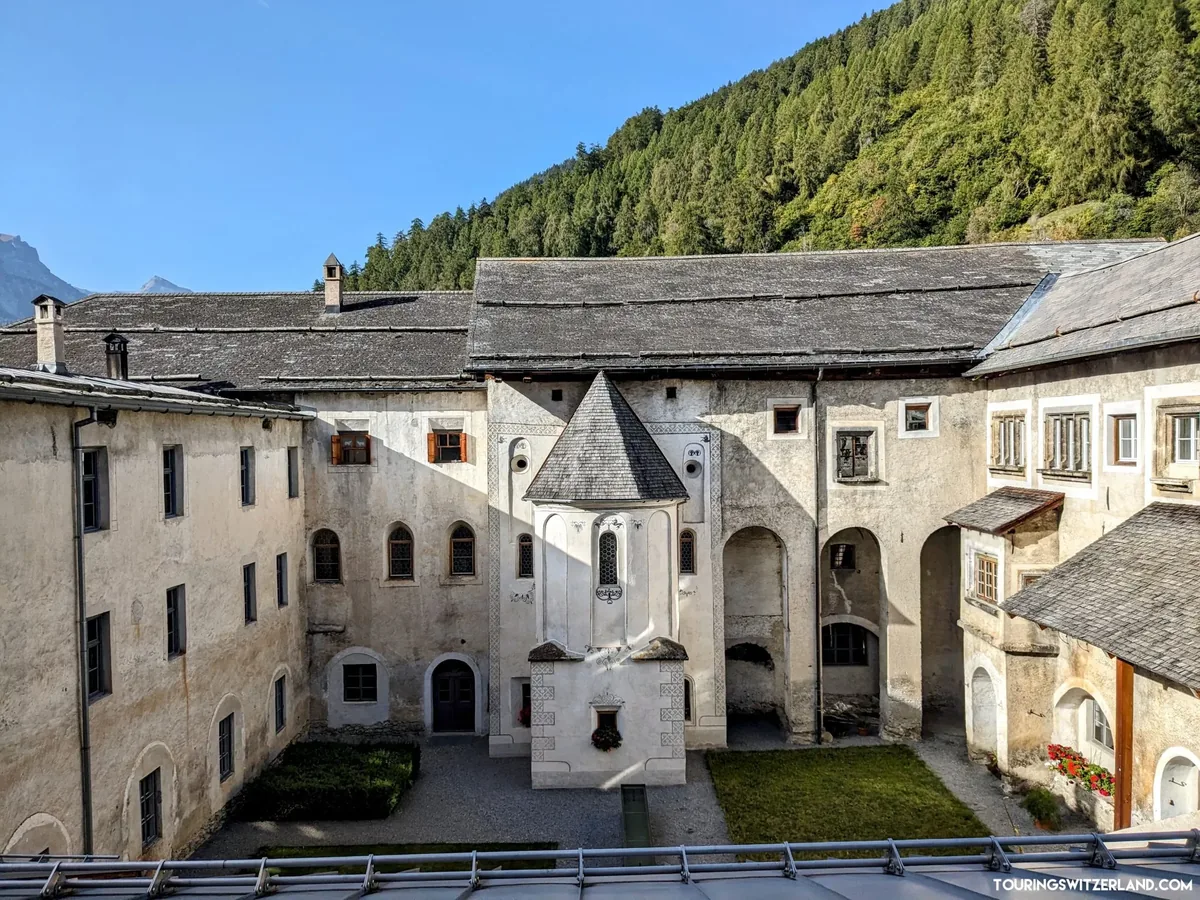
Benedictine Convent of Saint John
An 8th-century Carolingian monastery housing the world most extensive cycle of early medieval frescoes; the stone walls and low-vaulted ceilings preserve the austere spiritual atmosphere of the Frankish Empire; stand in the nave at 4 pm; the light strikes the lime-wash paintings; revealing the faded ochre and charcoal pigments of the 1200-year-old Last Judgment; the silence is broken only by the bells of the Val Müstair.
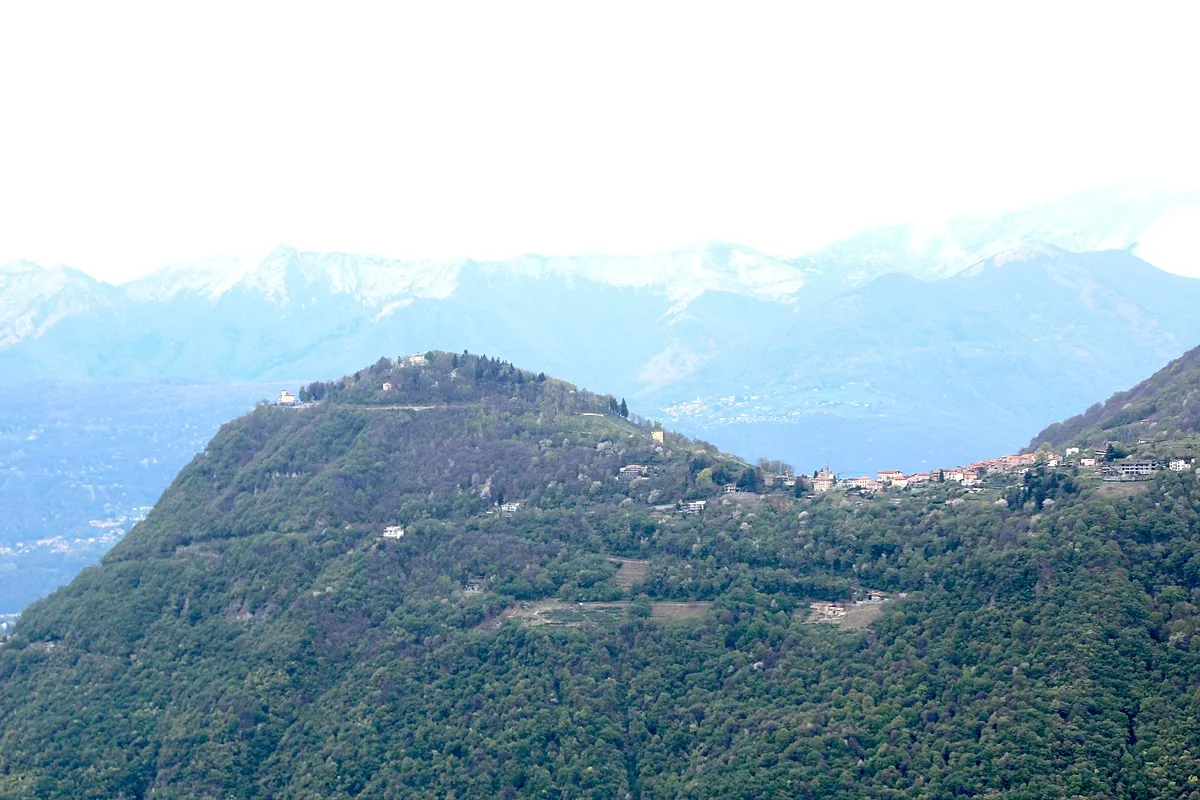
Monte Bré
The sunniest point in Switzerland; a 925-metre peak offering a Mediterranean panorama of the Lugano Prealps and the turquoise curves of Lake Ceresio; the summit village is a labyrinth of stone houses and artist studios; take the 1908 funicular at dusk; the lights of Lugano ignite below like a carpet of fallen stars while the scent of wild rosemary and warm stone rises from the terraced gardens.
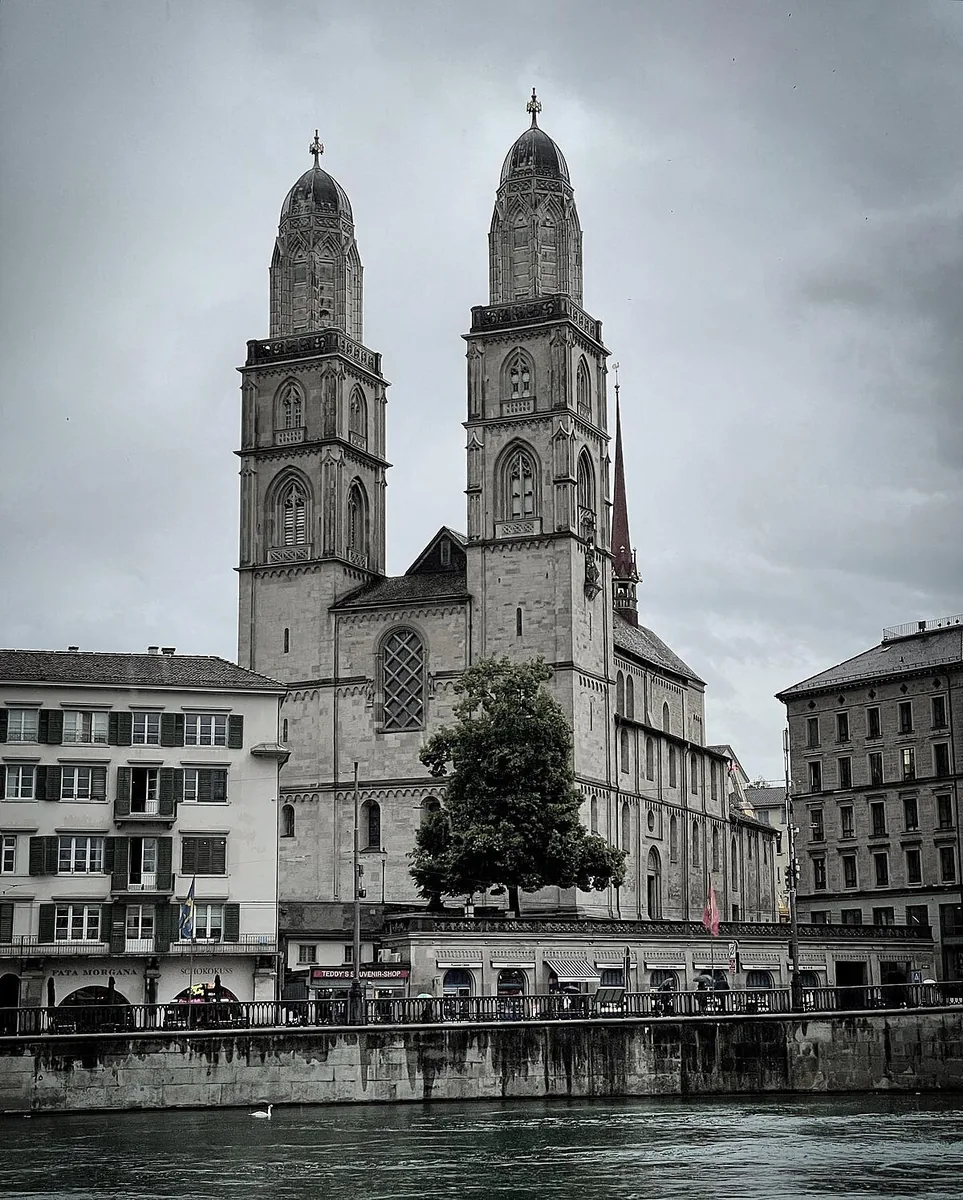
Grossmünster
A 12th-century Romanesque cathedral with twin neo-Gothic towers that served as the launchpad for the Swiss-German Reformation; the modern stained-glass windows by Sigmar Polke are sliced from thin layers of agate; climb the Karlsturm at midday; the sound of the massive bells creates a physical vibration in the stone while the view overlooks the Limmat River and the industrial grid of Zurich West.
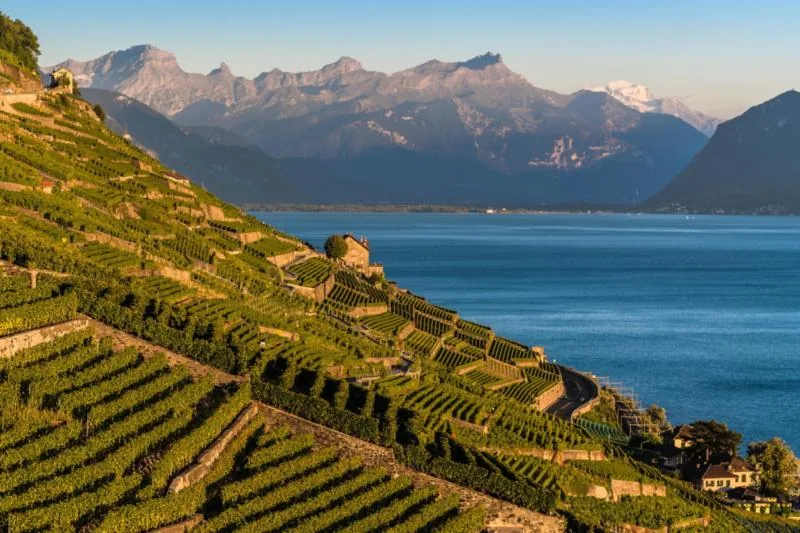
Lavaux Vineyard Terraces
A 30-kilometre stretch of stone-walled terraces dating back to the 11th-century Benedictine monks; where Chasselas grapes grow on 40-degree slopes above Lake Geneva; the vines benefit from 'three suns': the sky; the lake reflection; and the heat stored in the dry stone walls; walk the trail between Saint-Saphorin and Rivaz at 5 pm; the air smells of fermenting grapes and warm schist; the lake turns a liquid gold.
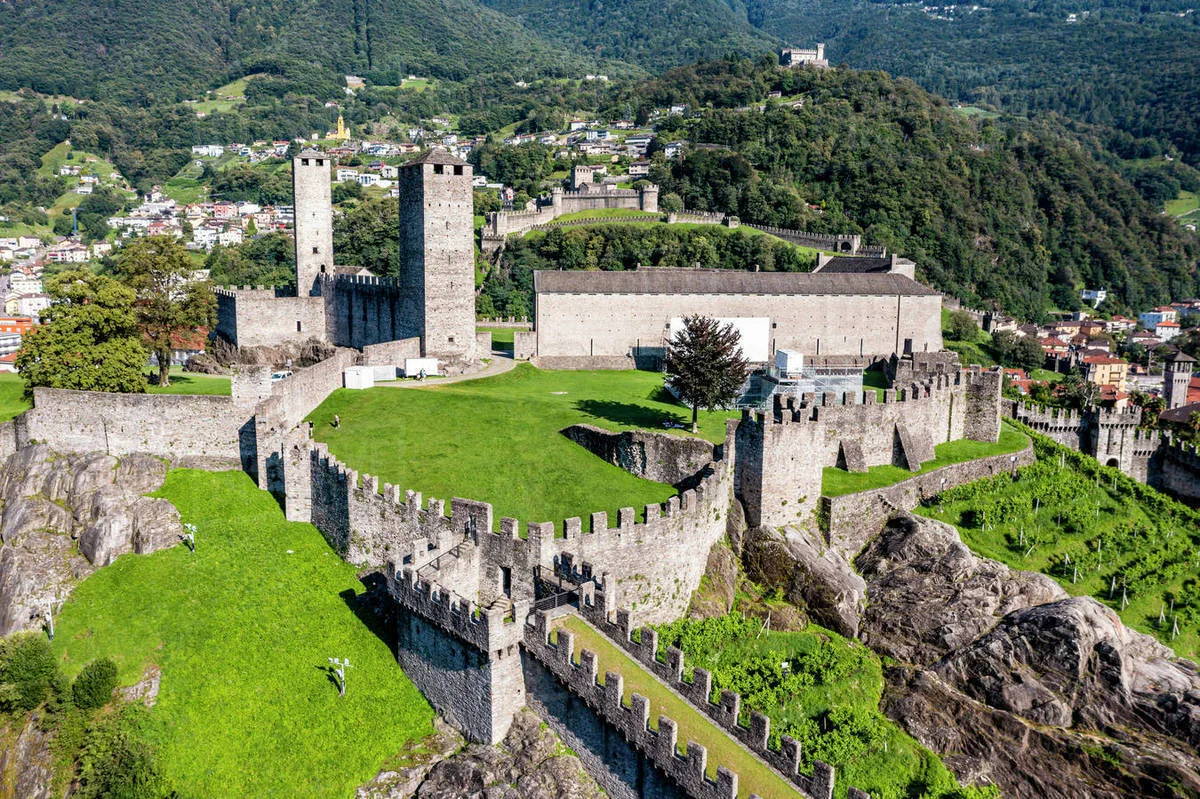
Three Castles of Bellinzona
A triple fortification of granite walls and towers, Castelgrande; Montebello; and Sasso Corbaro, built by the Dukes of Milan in the 15th century to block the Swiss confederates; the defensive wall still snakes across the Ticino valley floor; stand on the ramparts of Montebello at sunset; the grey gneiss of the castles turns violet against the dark green mountains; the sound of the valley traffic feels distant and inconsequential.
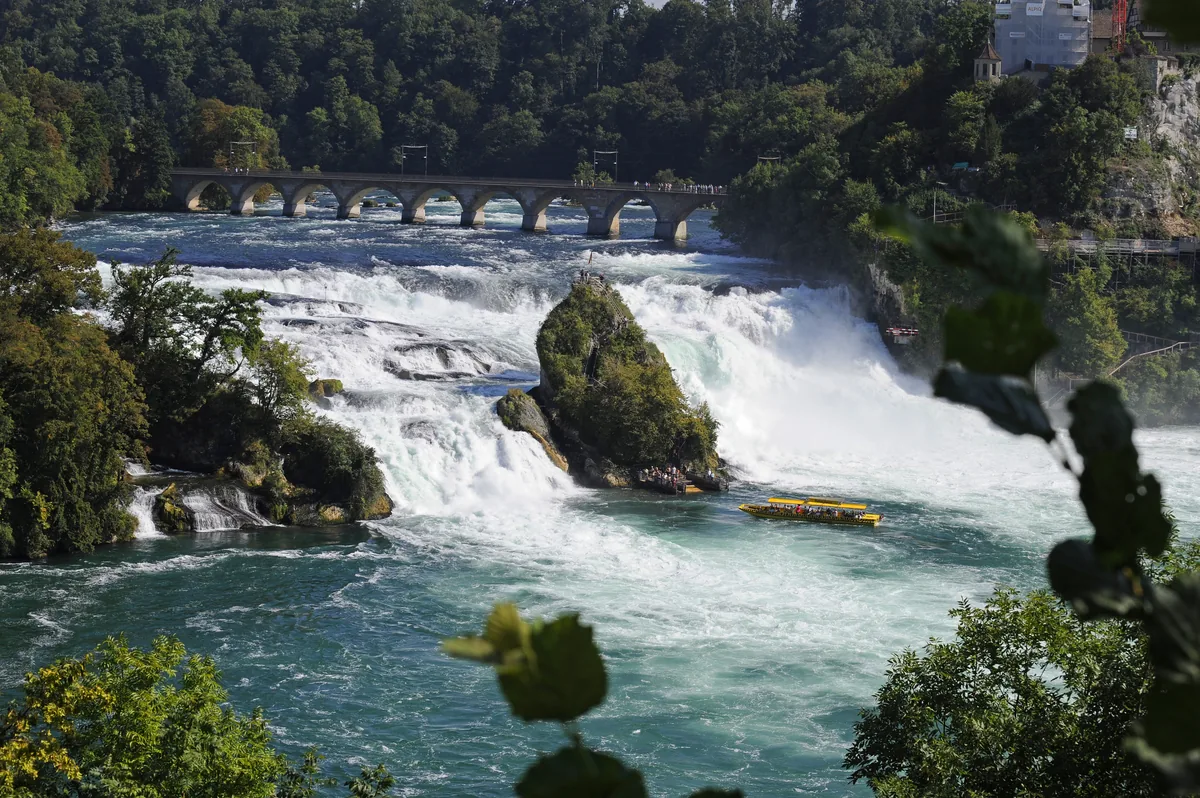
Rhine Falls
Europe largest waterfall; a 150-metre wide torrent of white water crashing over a 23-metre limestone ledge formed during the last ice age; the central rock pillar has withstood the pressure for millennia; stand on the 'Känzeli' platform at 10 am; the roar is a deafening; physical wall of sound and the spray creates a permanent; shifting rainbow that drenches the iron railings in seconds.
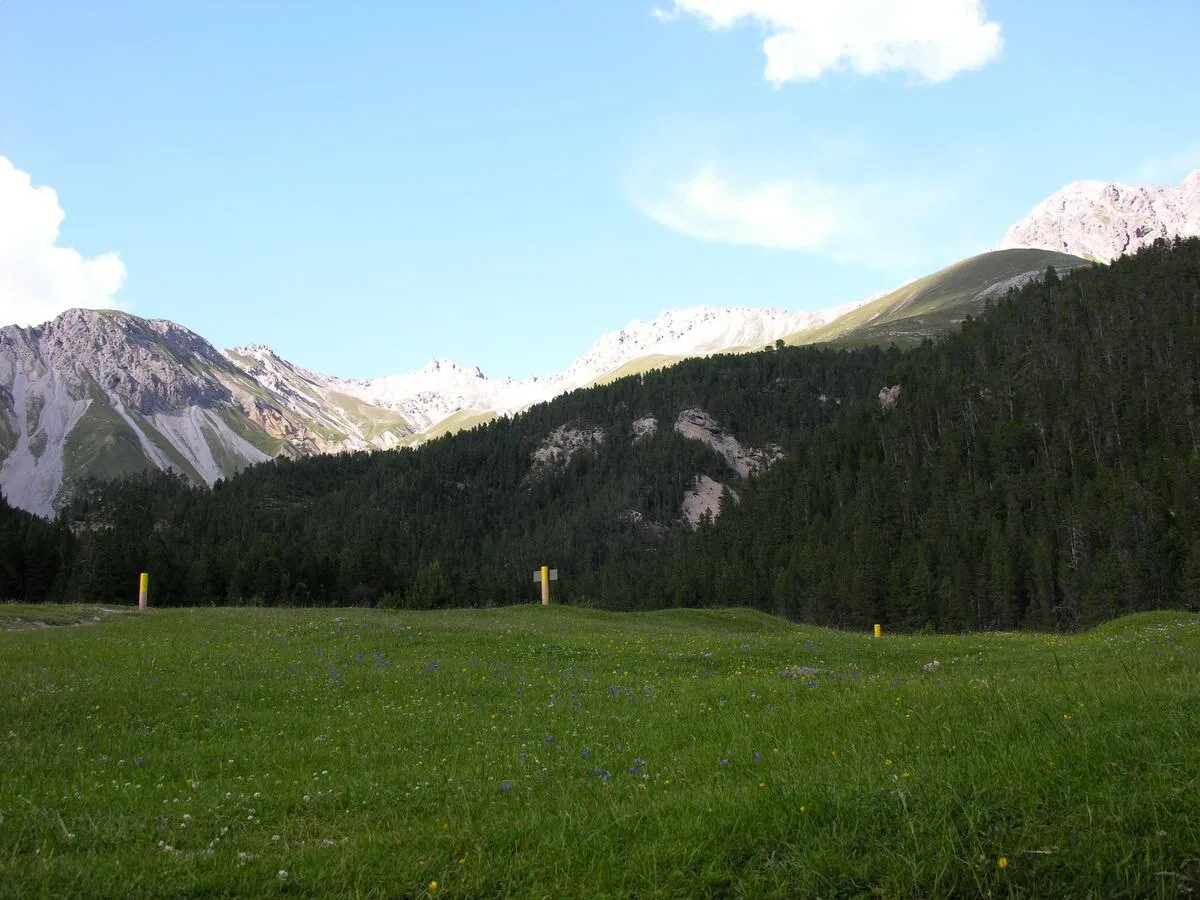
Swiss National Park
The oldest national park in the Alps; an 18th-century vision of total wilderness where no human intervention has occurred since 1914; the landscape of dolomitic rock and alpine meadows is home to golden eagles and bearded vultures; hike the Val Trupchun at dawn; the sound of red deer stags belling echoes off the sheer limestone cliffs; the air is cold and smells of resinous larch and crushed stone.
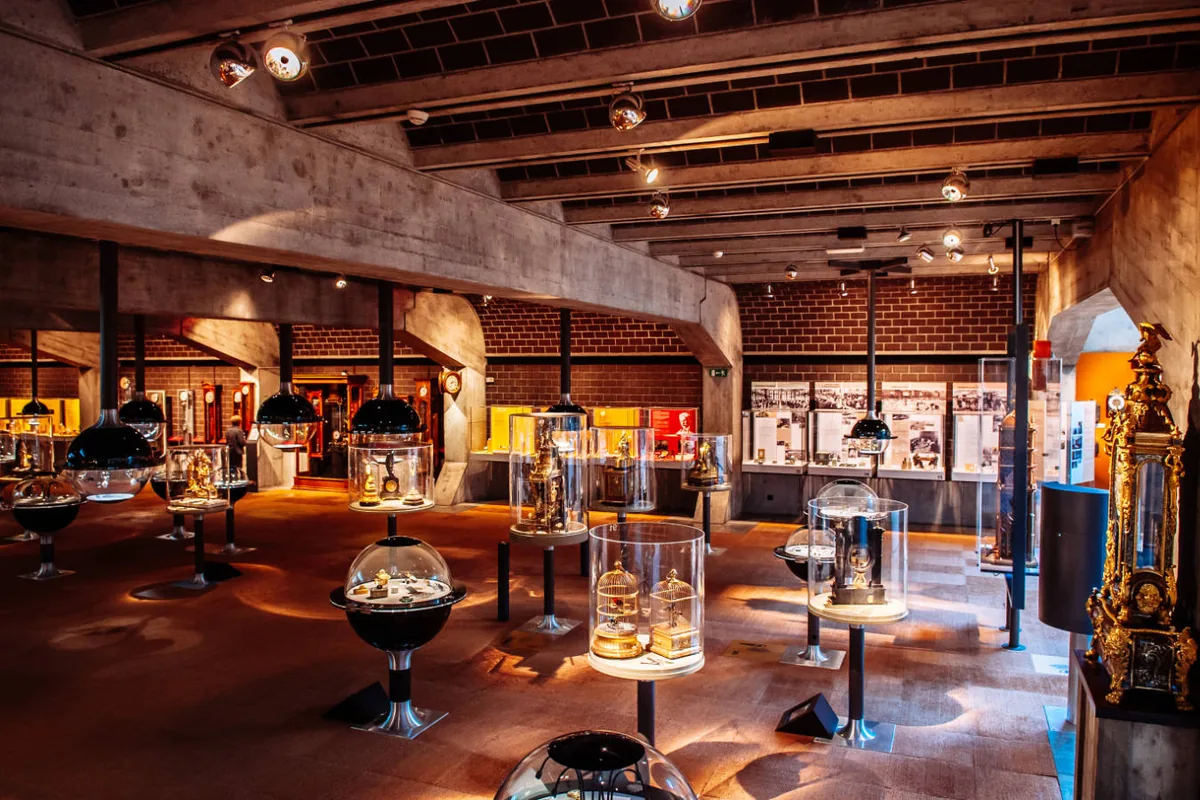
International Museum of Horology
A subterranean masterpiece of concrete brutalism dedicated to the science of time; the museum displays 4500 timepieces from 16th-century pocket watches to atomic clocks; the circular architecture reflects the internal geometry of a watch movement; visit the restoration workshop at 11 am; the only sound is the frantic; synchronized ticking of centuries of gears while the clinical light highlights the hand-hammered copper escapements.
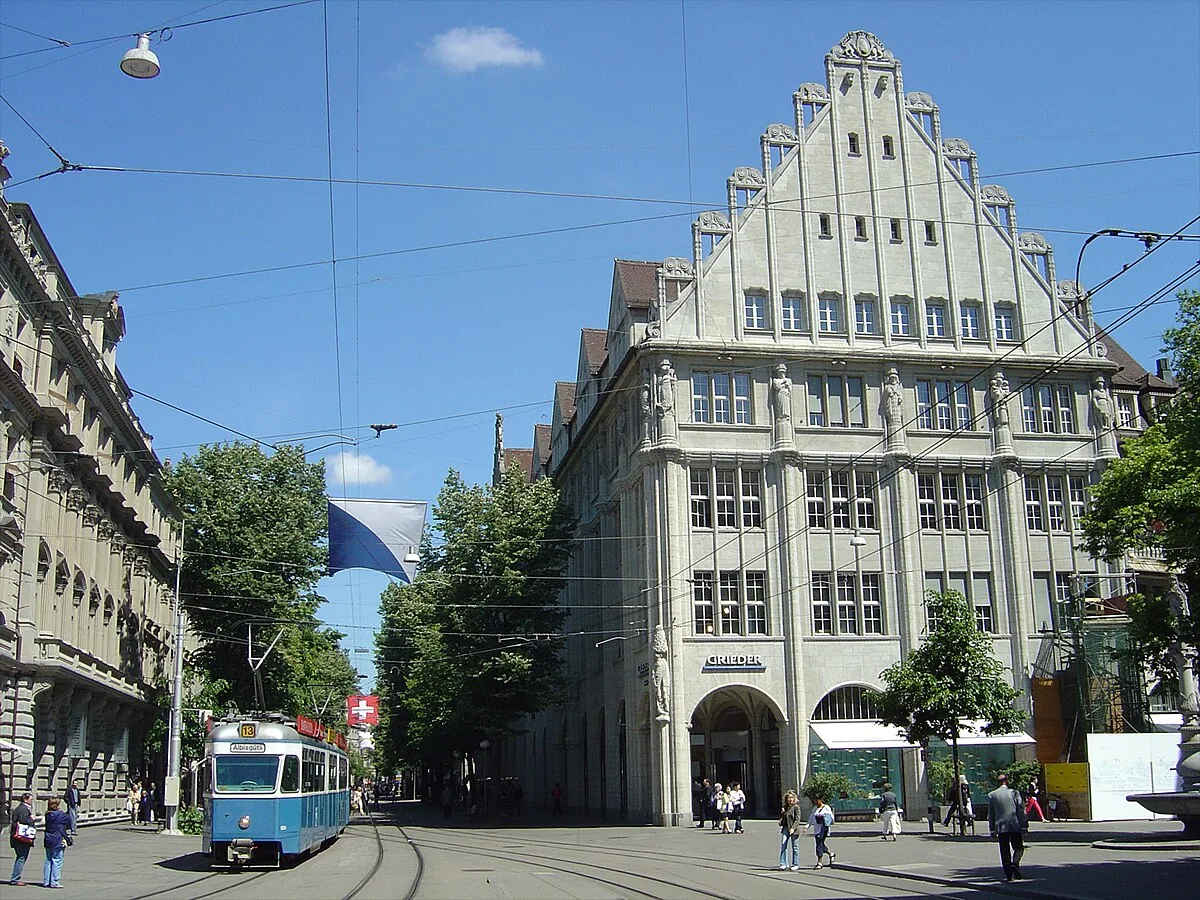
Bahnhofstrasse
One of the world most exclusive avenues; built on the site of the city medieval fortifications and now housing the subterranean gold vaults of the Swiss banks; the street is lined with linden trees and limestone facades from the late 19th century; walk the stretch toward Paradeplatz at 8 pm; the smell of high-end chocolate and expensive leather is pervasive while the blue trams glide silently across the granite paving stones.
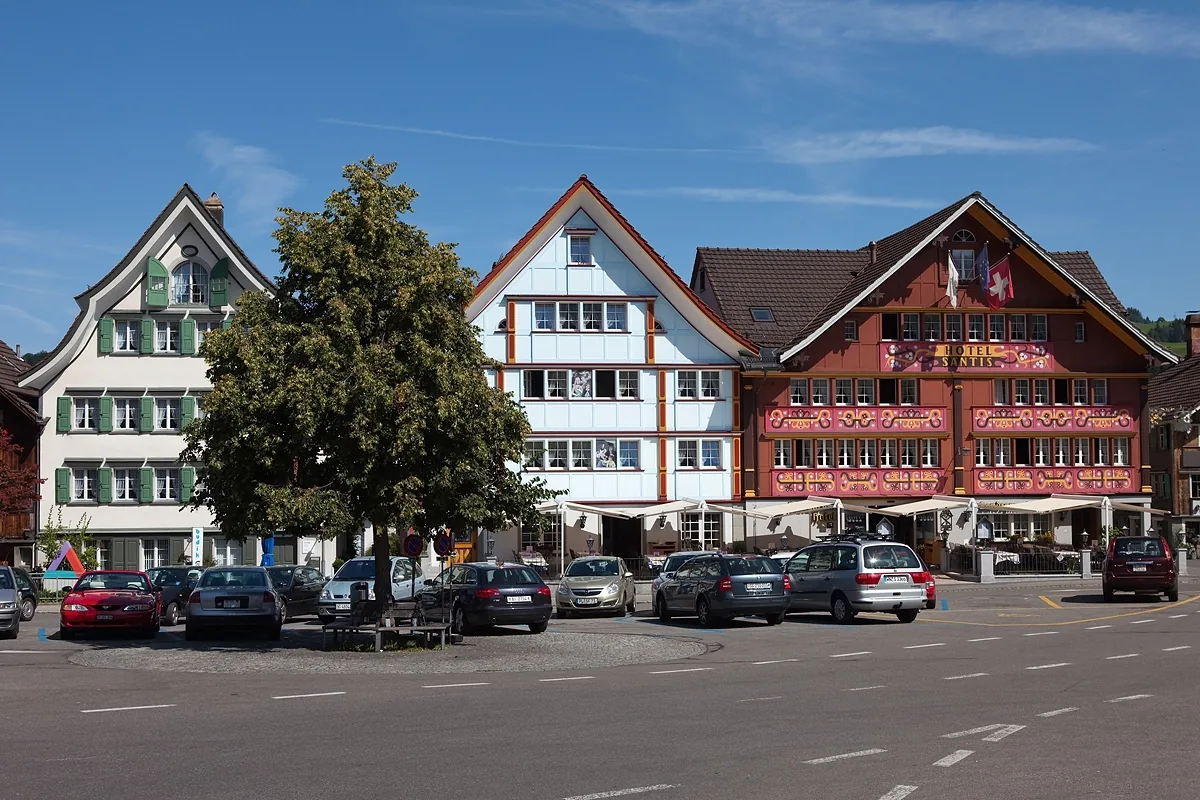
Landsgemeindeplatz
A historic square defined by brightly painted wooden houses with gabled roofs; the site of the ancient direct democracy where citizens still vote by a show of hands; the architecture features intricate scrollwork and 17th-century folk motifs; visit on a Sunday morning; the pre-service silence is punctuated by the sound of leather boots on the stone; the air carries the scent of woodsmoke and the sharp; local Appenzeller cheese.