“Pierre de Coubertin's heart is buried in Olympia, Greece, as he requested, his body lies in Lausanne, where he spent the last two decades of his life running the institution he created.”
About Olympic Museum
Pierre de Coubertin proposed the revival of the Olympic Games at the Sorbonne in 1892, and the first modern Games took place in Athens in 1896. The IOC, which he founded to govern them, spent its early years moving between European cities before de Coubertin settled it definitively in Lausanne in 1915, choosing Switzerland for its political neutrality during the First World War. De Coubertin's vision of the Games as a vehicle for international peace and amateur athletic virtue was always in tension with national politics. By the 1936 Berlin Olympics, held under Nazi pageantry, the tension had become impossible to ignore. The Cold War boycotts of 1980 and 1984, the massacre at Munich in 1972, the apartheid exclusions, all of these crises passed through the IOC's Lausanne offices, and the museum does not flinch from them. The current museum building opened in 1993 and was comprehensively rebuilt in 2013, expanding the permanent collection and adding interactive technology while keeping the lakeside gardens and the physical artefact collection as the emotional core.
What Olympic Museum is
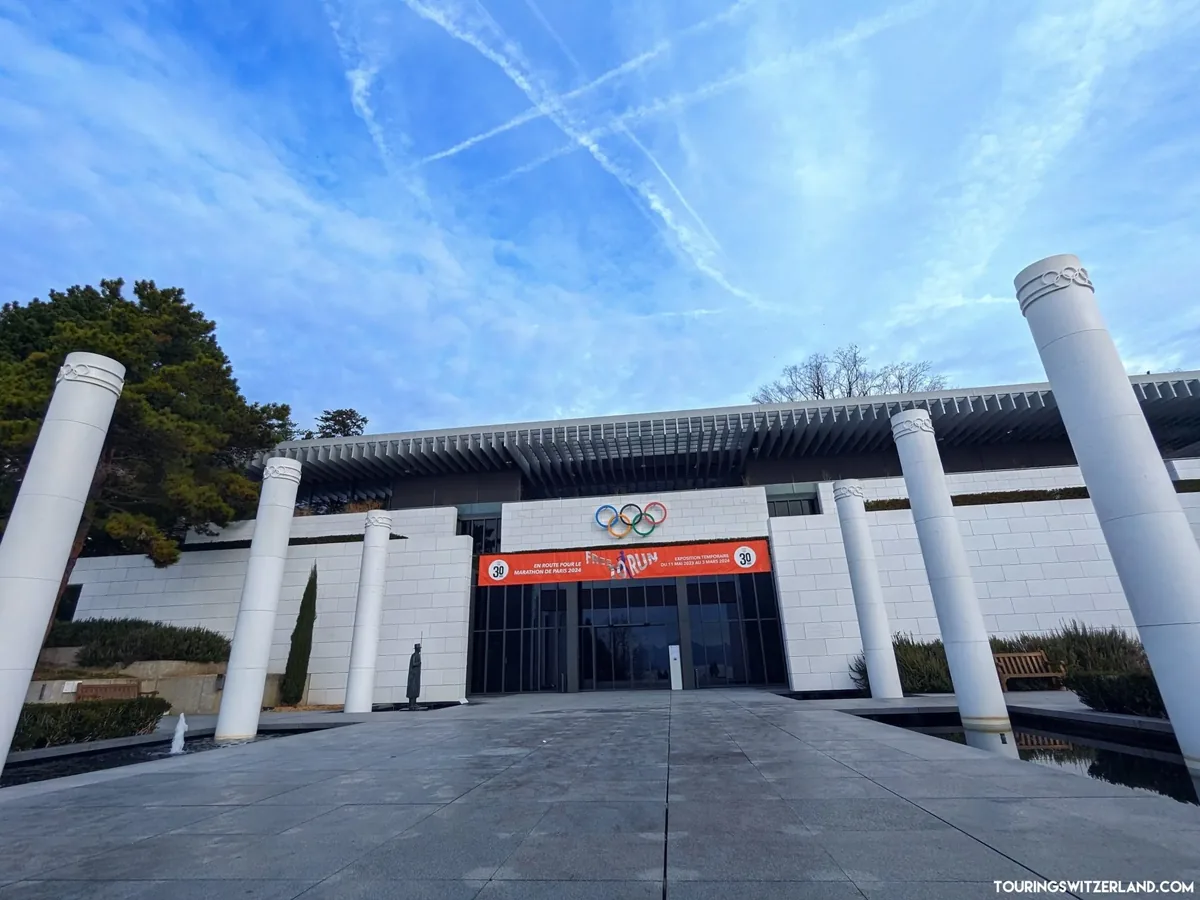
The Olympic Museum in Lausanne sits on the terraced gardens above Lake Geneva, a building designed to feel as much like a park as an institution. The International Olympic Committee has been headquartered in Lausanne since 1915, and the city's relationship with the Games runs so deep that it holds the official title of Olympic Capital. The museum, rebuilt and reopened in 2013, holds the most comprehensive archive of Olympic history in existence: 15,000 artefacts, thousands of hours of film footage, and a permanent collection that covers every Games since Athens 1896 with the kind of specificity that turns a casual visitor into someone who stays considerably longer than planned. What distinguishes it from other sports museums is the insistence on the human rather than the statistical. The torches, the costumes, the handwritten letters from athletes, these are the objects on display, and they make the Olympic narrative feel personal rather than ceremonial.
The Olympic Museum in Lausanne sits on the terraced gardens above Lake Geneva, a building designed to feel as much like a park as an institution.
the Olympic Games, 1896
Pierre de Coubertin, the French baron who revived the Olympic Games in 1896, settled the IOC in Lausanne during the First World War, drawn partly by Swiss neutrality and partly by the city's established reputation as an international administrative centre. He remained in Lausanne until his death in 1937, and his heart is buried in Olympia, Greece, as he requested, while his body lies in the Bois-de-Vaux cemetery in the city. The first Olympic Museum opened in Lausanne in 1993 on the current lakeside site, with the expanded, modernised version completing its renovation in 2013. The IOC's archive, the documentary record of every Olympic committee, every hosting city, every Games from 1896 onward, is held in an adjacent building and is partially accessible to researchers.
The museum's ground floor greets you
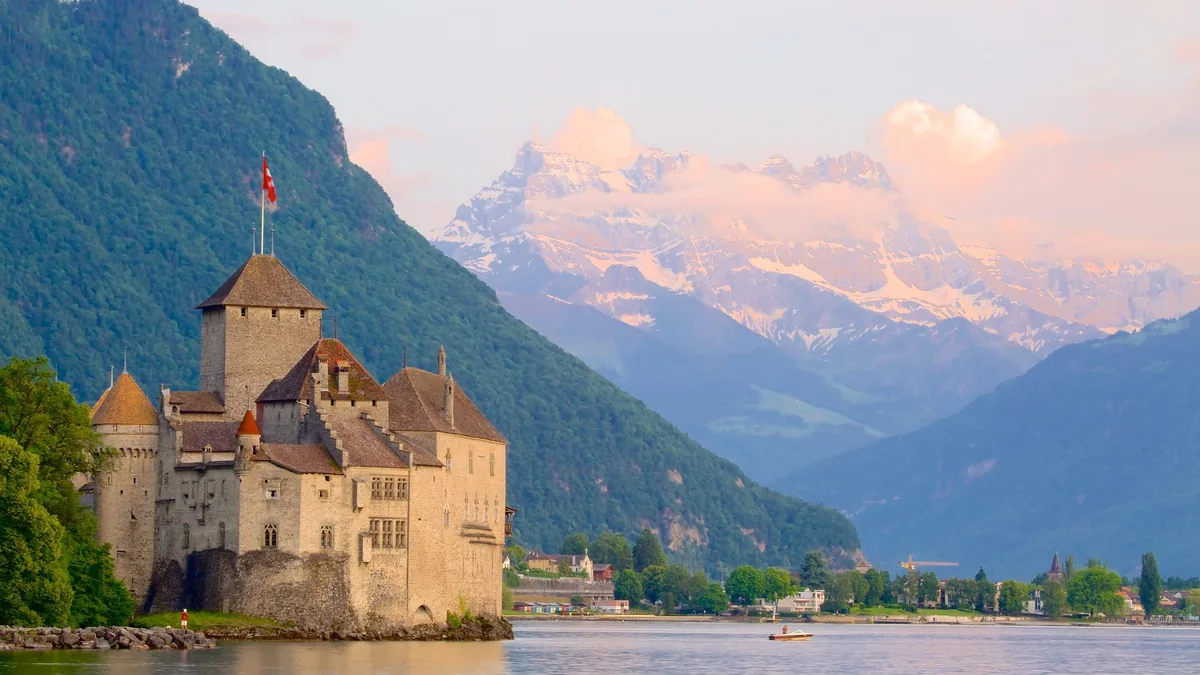
The museum's ground floor greets you with the Olympic flame in a glass case, the actual flame, maintained continuously, its origins traceable through a chain of torches back to Olympia. The logic of the building moves chronologically upward, with each floor advancing through the Games' history, but the curators have resisted the temptation to make it purely chronological. Thematic rooms, on amateurism, on doping, on the politics of boycotts, interrupt the timeline deliberately, asking harder questions than a simple medal count would permit. The terraced gardens outside hold bronze sculptures of athletes and a relay of national flags, and the view from the upper terrace across Lake Geneva to the French Alps on the far shore is the kind of thing that makes the visit feel larger than any single exhibit inside. Lausanne is 38 minutes from Geneva by express train and 50 minutes from Zürich by the same service. The museum is on the lake at Ouchy, the lower lakeside district, accessible by the M2 metro from the main station in four stops to the Ouchy terminus, then a five-minute walk. The museum is open daily from May to October; closed Mondays from November to April.
The Experience
The torches are the objects that stop most people. Held in individual cases throughout the museum, they span the full timeline of the Games, from a simple metal tube used in 1936 to the elaborate engineered objects of recent decades. Each one was designed specifically for its Games and many carry the signs of actual use: scorch marks, handling wear, the specific patina of having been carried at speed by thousands of runners. The film archive, accessible on interactive screens throughout the museum, is genuinely extraordinary. Footage from Athens 1896 onward, including rare colour film from the 1936 Berlin Games, plays continuously. You find yourself standing at a screen for twenty minutes watching Jesse Owens run, which was not what you planned when you walked in.
Held in individual cases throughout the museum, they span the full timeline of the Games, from a simple metal tube used in 1936 to the elaborate engineered objects of recent decades.
Why It Matters
The Olympic Museum is the institutional memory of the most significant recurring international event in modern history. Its importance is not primarily as a sports archive but as a record of how nations have used, misused, and periodically transformed a ceremony of athletic competition into a vehicle for political expression, commercial interest, and, occasionally, genuine human solidarity.
Why Visit
Sports museums typically serve fans of specific sports. The Olympic Museum works differently, it is a museum of modern history that happens to use athletic competition as its organising principle. The questions it raises about amateurism, nationalism, commerce, and inclusion are the same questions the twentieth century raised in every other arena. The torches and costumes are just the entry point.
✦ Insider Tips
- 1
The terrace garden sculptures and the view across Lake Geneva to France are free to access without a museum ticket, useful if you want the setting without the full visit.
- 2
The film archive terminals in the middle floors have no time limit; budget an extra 30 minutes if you are likely to get drawn into the historical footage.
- 3
The museum shop stocks official IOC publications and archival photo books not available elsewhere.
- 4
Lausanne's M2 metro runs from the main station to Ouchy at lake level in four stops, every 6 minutes, faster and more direct than the tram or bus.
- 5
Combine the museum with a walk along the lakeside promenade to the Château de Vidy, near where de Coubertin held early IOC sessions, fifteen minutes to the west.