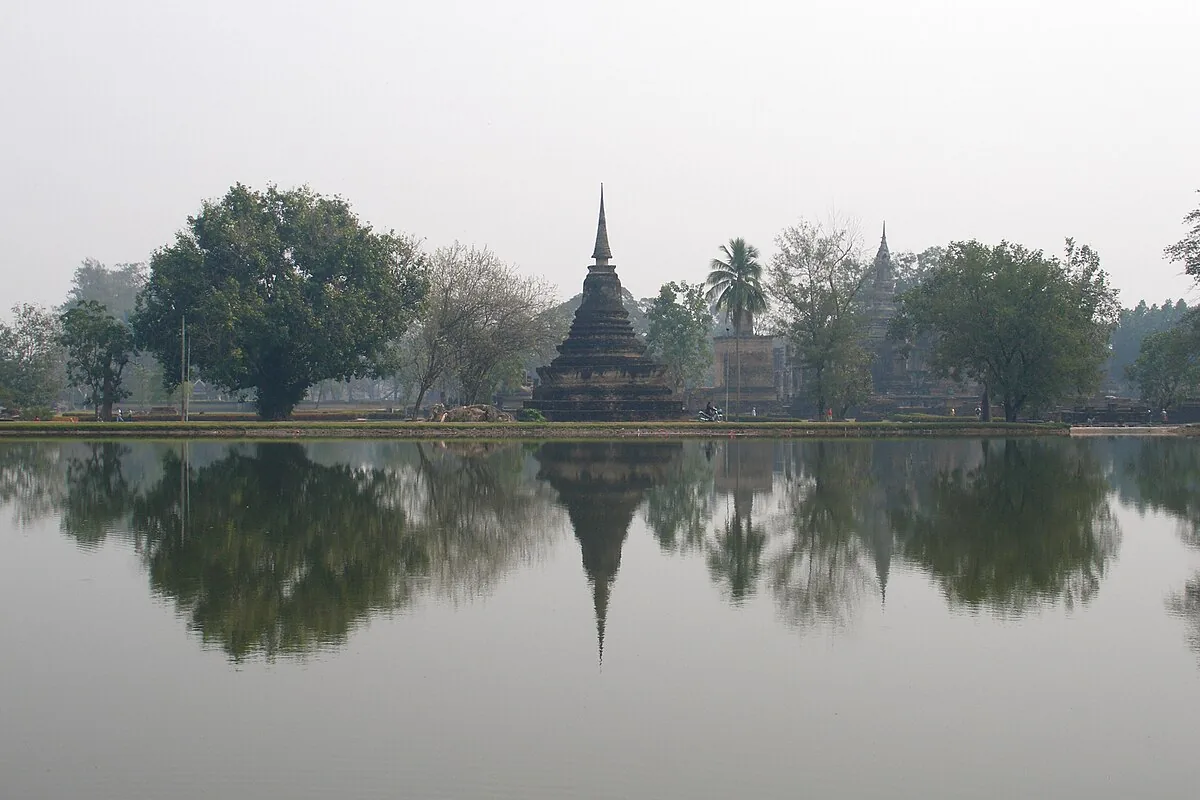
Fifteen thousand stalls form a grid where you can buy a 1950s leather jacket, a five-foot cactus, and a bowl of spicy coconut soup all within a ten-minute walk.
About Chatuchak Market
The market's move to the outskirts of the city in the early 80s was initially seen as a death sentence for the vendors, but the expansion of the Skytrain changed its fate. It became the anchor for the northern district, turning a former swampy patch of land into the world's largest weekend market. While it once focused on livestock and basic household goods, the 1990s saw it transform into a fashion and home-decor mecca, reflecting Thailand's burgeoning middle class and its role as a regional design leader.
What Chatuchak Market in Thailand is
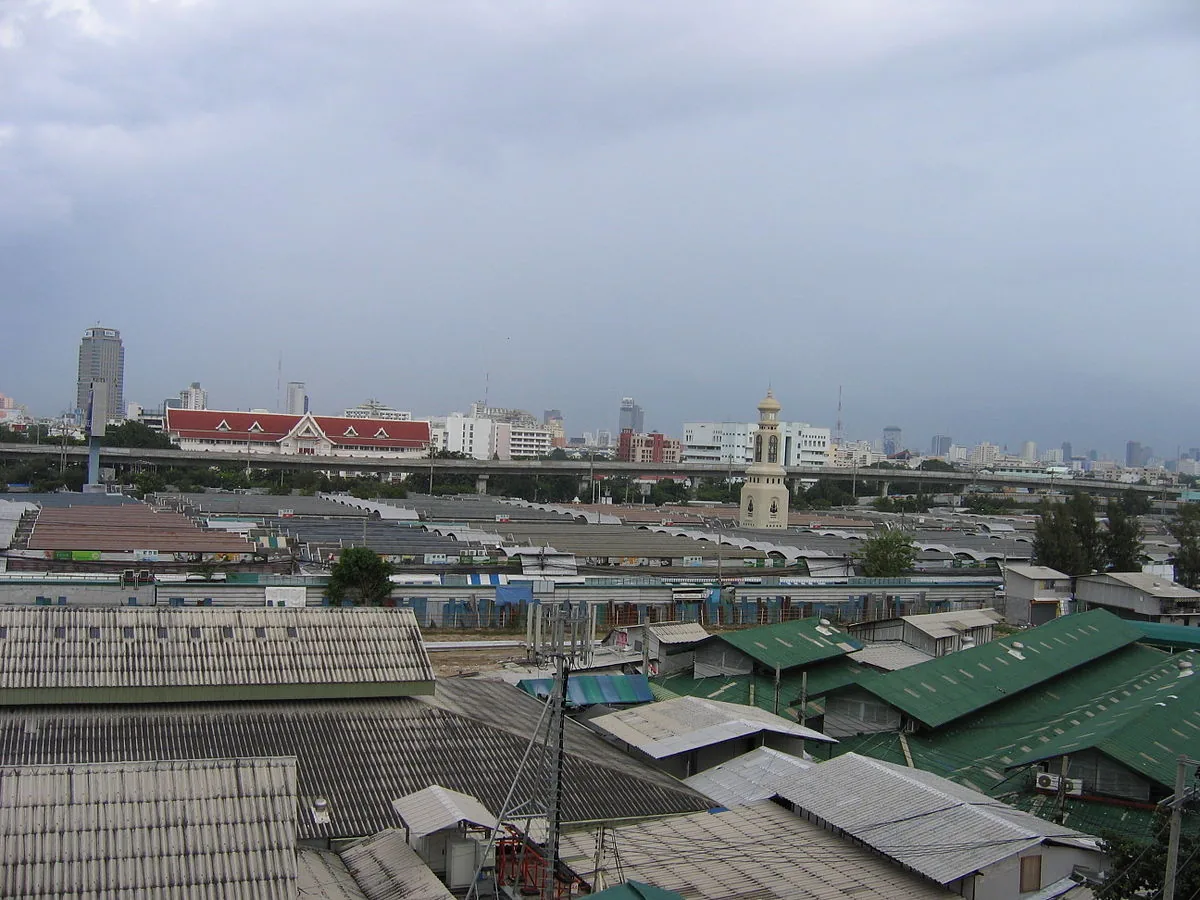
Bangkok’s weekend energy coalesces into a labyrinthine grid of over 15,000 stalls known as Chatuchak, or simply 'JJ' to the locals. Spanning thirty-five acres, this is not a place for the faint of heart or the indecisive. It is a sprawling city within a city, organized into twenty-seven sections that defy easy navigation despite the overhead signs. You can find everything here from vintage denim and hand-carved teak furniture to rare desert succulents and artisanal ceramics. The heat rises early, trapped by the corrugated metal roofs, but the sheer momentum of commerce and the promise of a singular discovery keep the crowds moving through the narrow, dizzying aisles.
“Bangkok’s weekend energy coalesces into a labyrinthine grid of over 15,000 stalls known as Chatuchak, or simply 'JJ' to the locals.”
Chatuchak Market, Thailand
Field Marshal Plaek Phibunsongkhram established
Field Marshal Plaek Phibunsongkhram established the market in the 1940s as part of a government initiative to encourage every province to have its own trade hub. It originally occupied Sanam Luang, near the Grand Palace, but moved to its current northern location in 1982 to alleviate the congestion in the historic center. Over the decades, it evolved from a local flea market into a global destination. Despite the rise of air-conditioned mega-malls, Chatuchak has retained its status as the ultimate proving ground for Thai designers and small-scale entrepreneurs, many of whom launch their careers in these tiny, sweltering six-by-six-foot booths.
The air is a thick soup of smells
The air is a thick soup of smells: sizzling garlic from a street food cart, the earthy scent of wet soil in the plant section, and the sharp chemical tang of new leather. a cacophony of sounds, clacking fans, the frantic shouting of vendors, and the rhythmic sound of ice being crushed for lime sodas. A hint of the constant brush of shoulders as you navigate the tighter alleys, punctuated by the occasional blast of cold air from a high-end clothing boutique. Immediately, the ceiling is a patchwork of wires and pipes, a stark contrast to the sophisticated products sitting on the shelves below. The light shifts from the blinding glare of the main thoroughfares to the dim, neon-lit neon of the interior passages. The easiest way to reach the market is via the BTS Skytrain to Mo Chit station or the MRT Subway to Chatuchak Park. From either exit, simply follow the stream of people carrying large bags and iced coffees. Taxis are plentiful but getting out of the area on a Sunday afternoon can take hours, making the rail networks the only sane choice for a quick escape.
The Experience
First is the temperature climb as noon approaches, a physical weight that only a plastic cup of 'cha yen' can alleviate. The market requires a specific state of mind, a surrender to the fact that you will get lost and you will find something you didn't know you needed. What you catch first is the subtle shift in atmosphere between the Sections: the hushed, expensive quiet of the art galleries in Section 7 and the frenetic, thumping bass of the youth fashion stalls in Section 3. The most memorable moments happen when you stop looking for a specific item and stumble upon a tiny bar tucked into an alley, where travelers and vendors share a beer in the humid shade.
Why It Matters
Chatuchak is the economic heart of Thailand’s small-business sector. It serves as a vital incubator for local talent and a living archive of the country's material culture. For the visitor, it is the most honest representation of Bangkok’s chaotic, enterprising, and endlessly creative spirit, stripped of the polish of the high-rise malls.
Why Visit
It is the only place on earth where the sheer variety of human creation is laid bare in such a raw, accessible format. It is a sensory workout that rewards the curious. If you want to understand what makes Bangkok move, you have to spend a Saturday lost in the aisles of JJ.
Insider Tips
- 1
Use the Clock Tower in the center of the market as your primary landmark for meeting friends; it is the only vertical point visible from almost everywhere.
- 2
If you see something you love, buy it immediately; the chances of finding that specific stall again in the 15,000-stall maze are statistically zero.
- 3
Bring cash in small denominations, as many of the best artisans in the interior alleys do not accept cards or digital payments from foreign accounts.
- 4
Head to Section 2 for the best up-and-coming Thai fashion designers before their brands get picked up by the expensive malls downtown.
- 5
Wear light, breathable clothing and avoid backpacks; a cross-body bag is easier to manage in the tightest, most crowded corridors.