
Explore
Landmarks & Places
Must-see destinations across Thailand
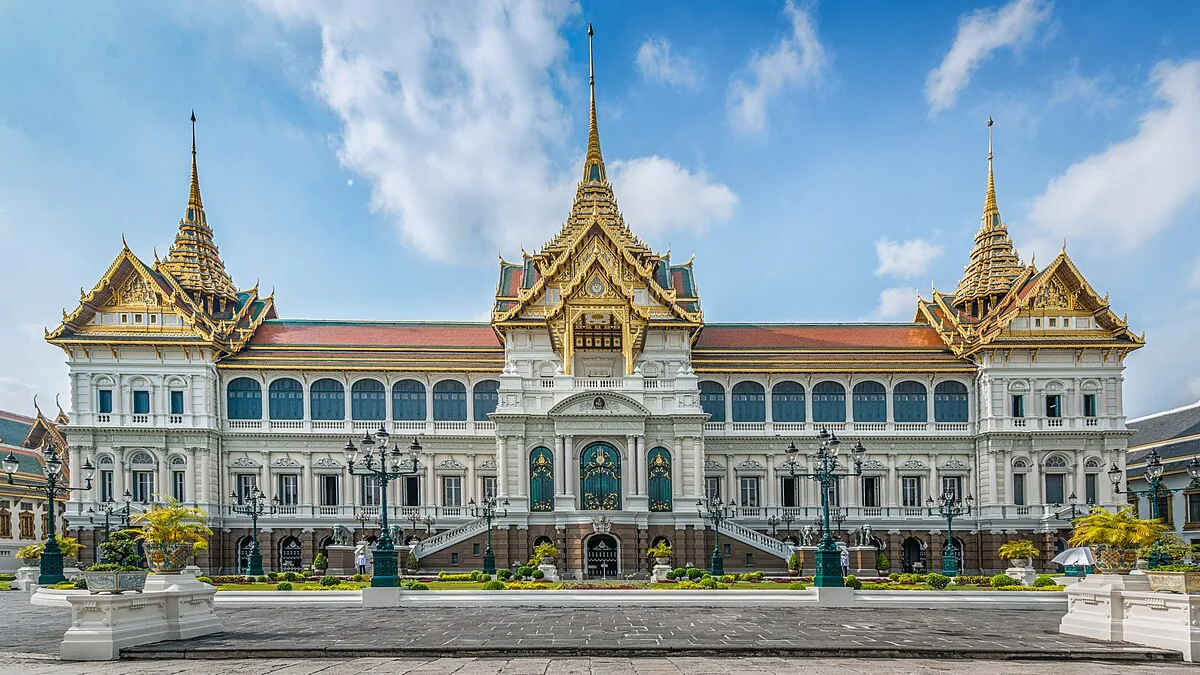
Grand Palace
The 1782 epicenter of the Chakri Dynasty defines Siamese architectural opulence through its gold-leafed stupas and glass-inlaid pediments; the Emerald Buddha sits atop a nine-tiered pedestal within the Wat Phra Kaew precinct; walk the outer cloister at 9 am when the sunlight ignites the Ramakien murals; the smell of burning incense and the shimmering heat from the white-washed walls create a sensory haze of imperial power.
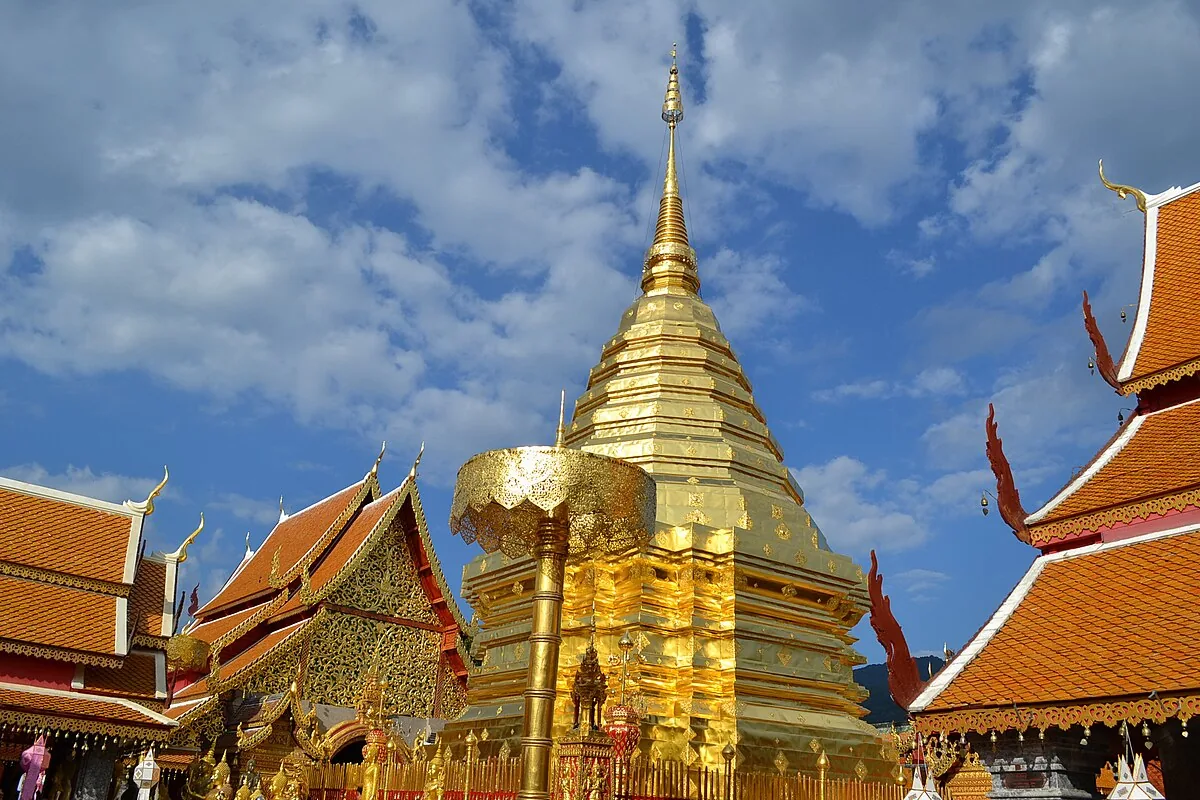
Wat Phra That Doi Suthep
A 14th-century Theravada monastery perched 1,073 metres above the sea on a mountain flank; the central gold-plated chedi contains a relic of the Buddha under a five-tiered parasol; climb the 306-step Naga staircase at dawn to hear the rhythmic chanting of monks; the pre-dawn mist clings to the copper bells; their intermittent tolling the only sound above the waking valley below.
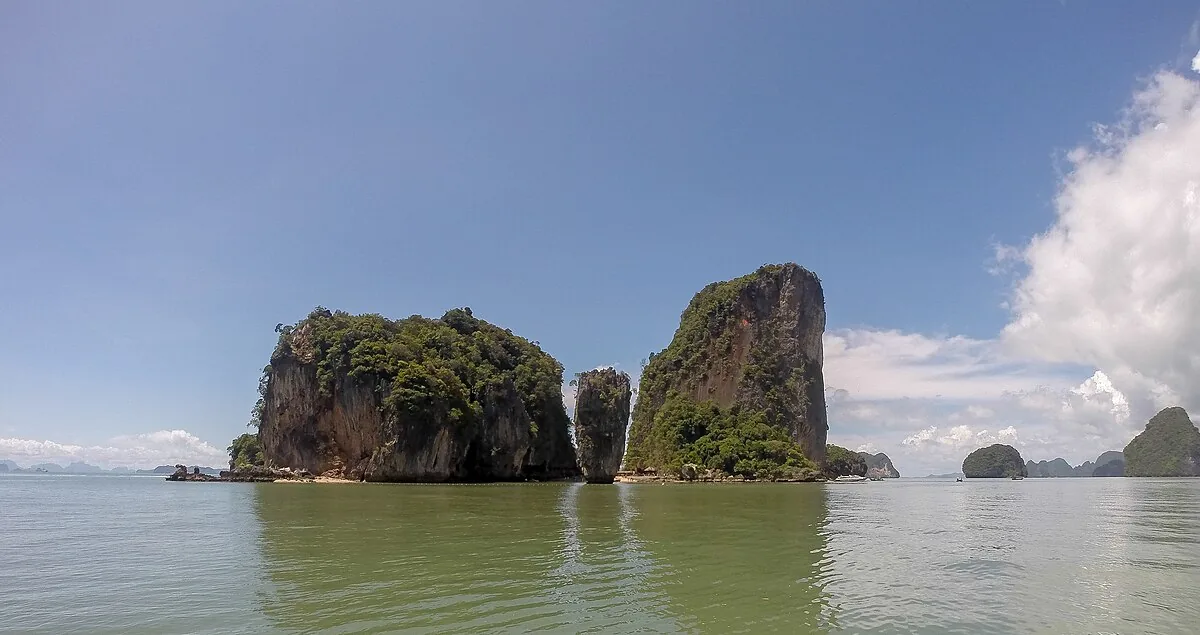
Khao Phing Kan
A dramatic karst landscape of 42 limestone islands rising vertically from the emerald Andaman Sea; the 20-metre tall Ko Ta Pu islet stands as a gravity-defying needle of weathered rock; navigate the hongs via kayak during the spring tide when the light reflects off the lime-encrusted cave ceilings; the water is a flat sheet of green silk; its silence broken only by the drip of prehistoric stalactites.
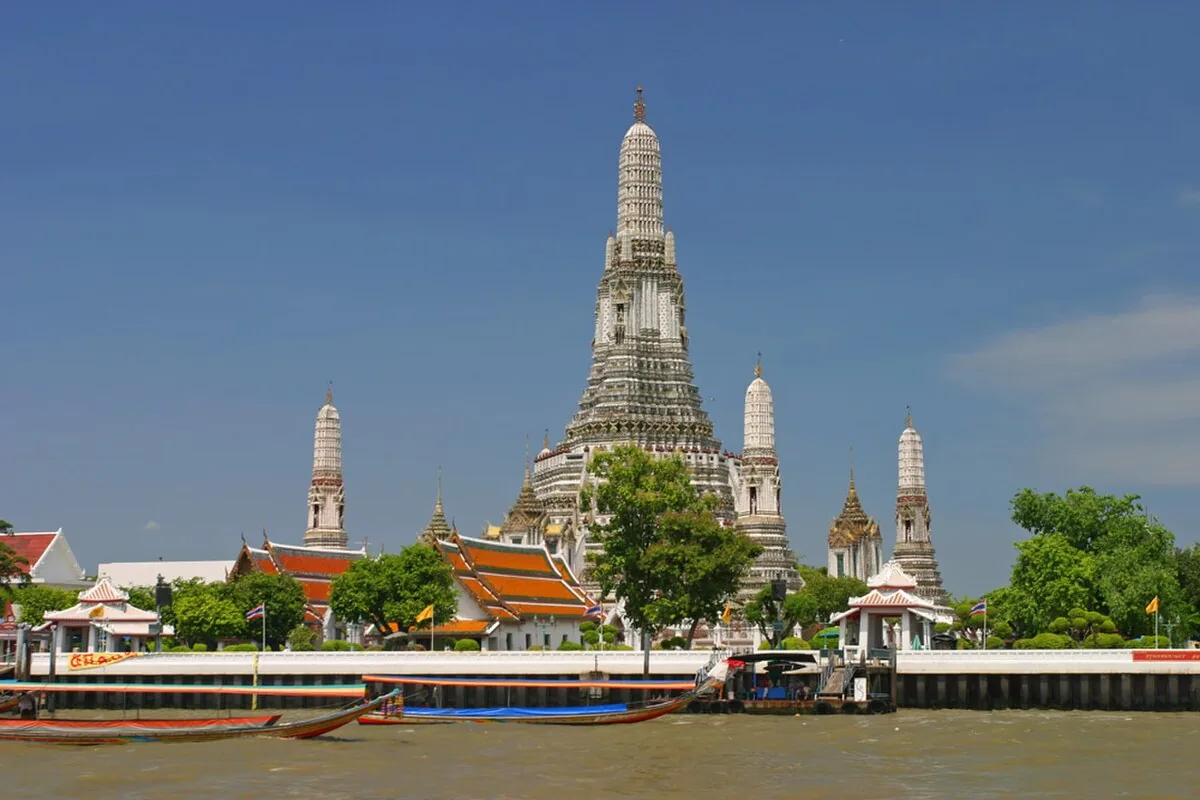
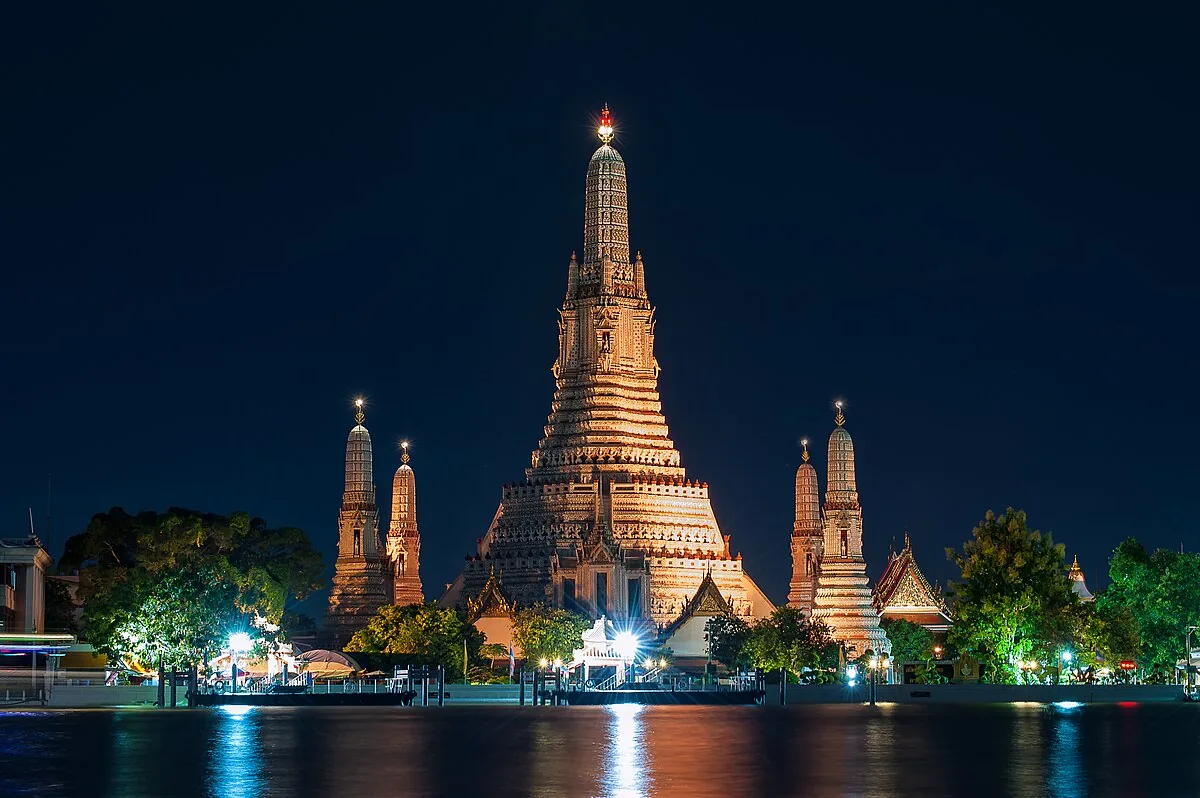
Wat Arun
The 17th-century 'Temple of Dawn' is defined by its 82-metre central prang encrusted with millions of fragments of multi-colored Chinese porcelain; the Khmer-style architecture represents Mount Meru; the center of the Buddhist universe; stand on the western bank of the Chao Phraya at sunset when the river silhouettes the spires; the sharp texture of the porcelain shards glints even under the fading golden light.
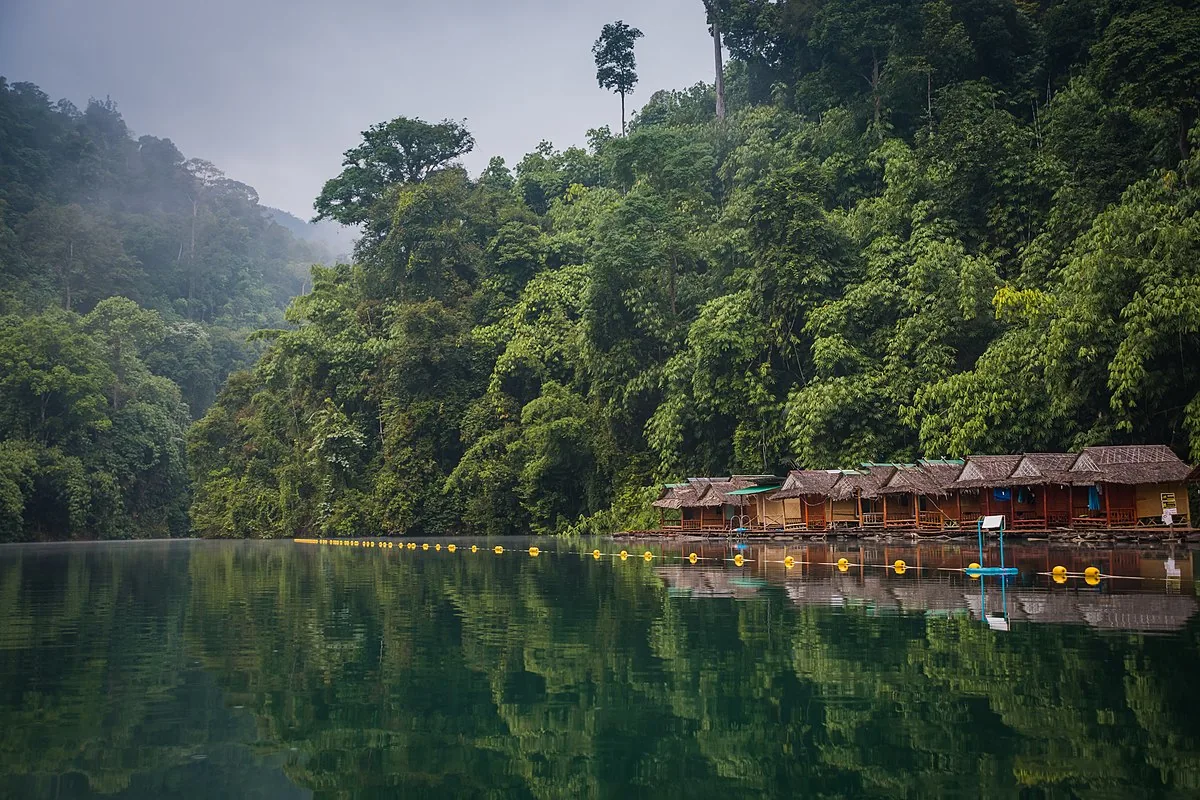
Khao Sok National Park
A 160-million-year-old rainforest older than the Amazon; centered around the jade-green Cheow Lan Lake and its 900-metre limestone crags; the park hosts the parasitic Rafflesia; the world's largest flower; take a longtail boat into the 'Three Brothers' pillars at 6 am; the pre-dawn calls of gibbons echo off the vertical rock faces; the air is humid; thick; and smells of damp earth.
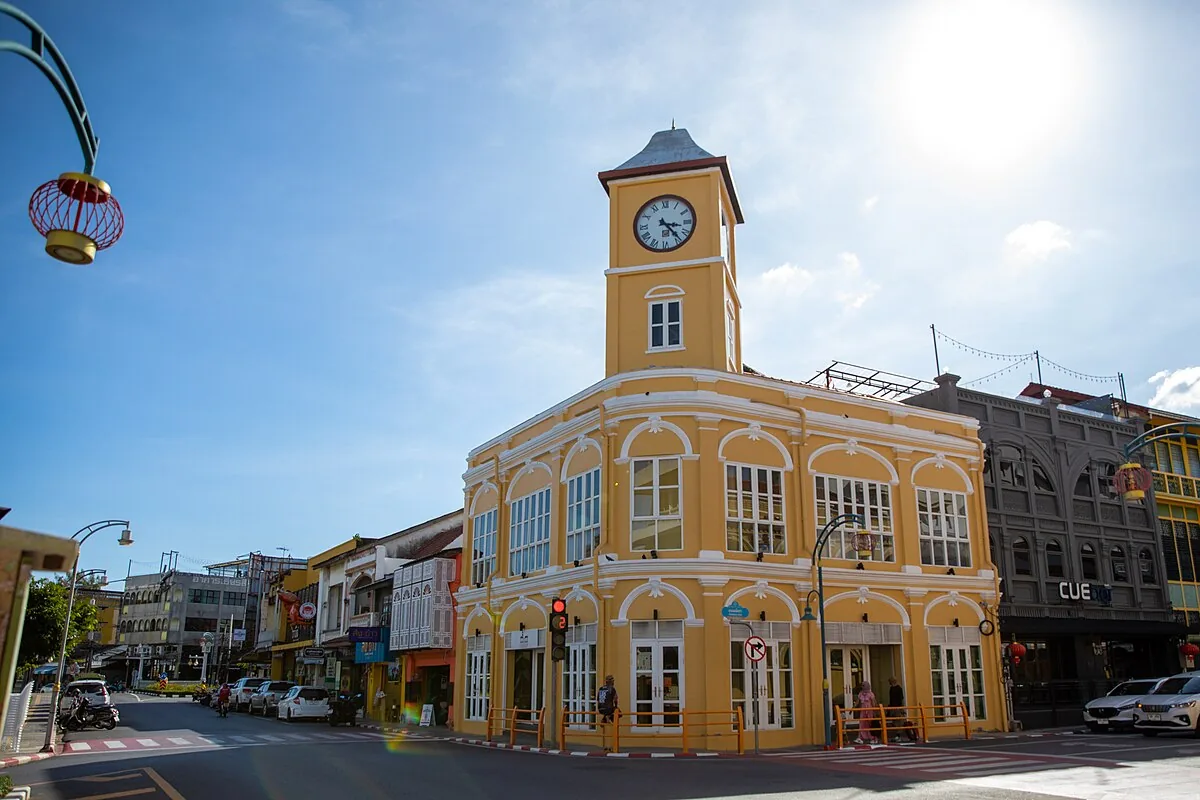
Old Phuket Town
A 19th-century district of Sino-Portuguese shophouses defined by arched pediments and pastel-hued facades built during the tin-mining boom; the Soi Romanee alley features hand-carved shutters and intricate tilework; visit on a Sunday evening when the Lard Yai market traders bargain in three languages; the smell of charcoal-grilled satay and the sound of Hokkien lyrics create a saturated; colonial atmosphere.
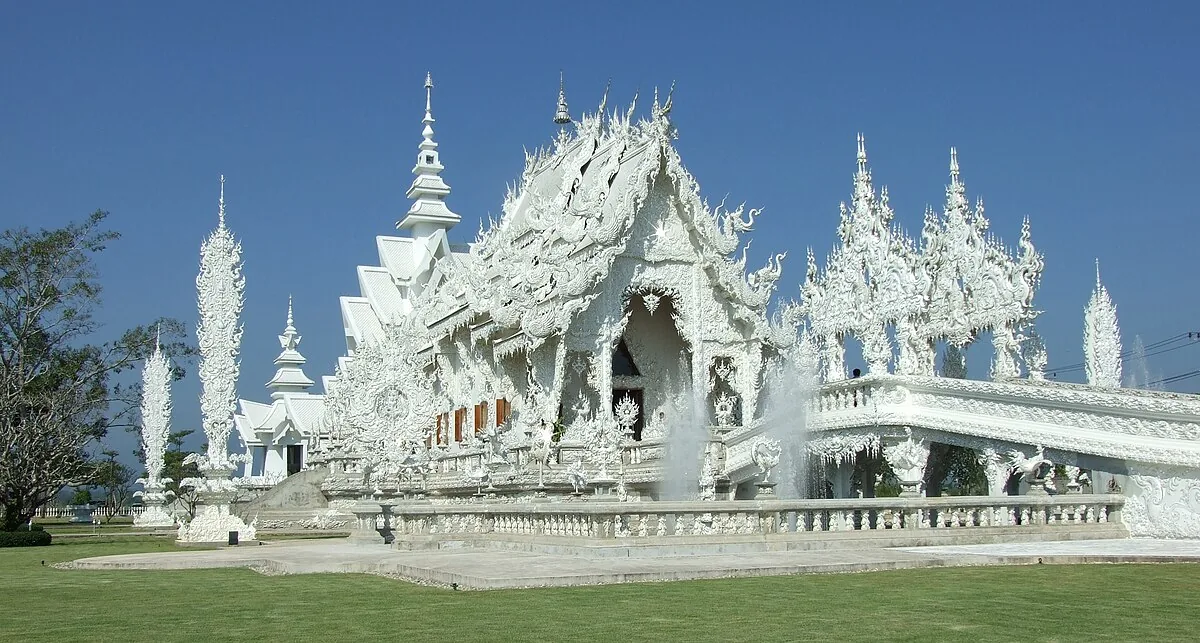
Wat Rong Khun
A contemporary art installation disguised as a Buddhist temple; built entirely of white plaster and mirrored glass to symbolize the purity of the mind; the bridge to the main hall crosses a sea of reaching ceramic hands representing human desire; enter at midday when the sun reflects off the glass shards; the glare is blinding; turning the architecture into a surreal; monochromatic vision of the afterlife.
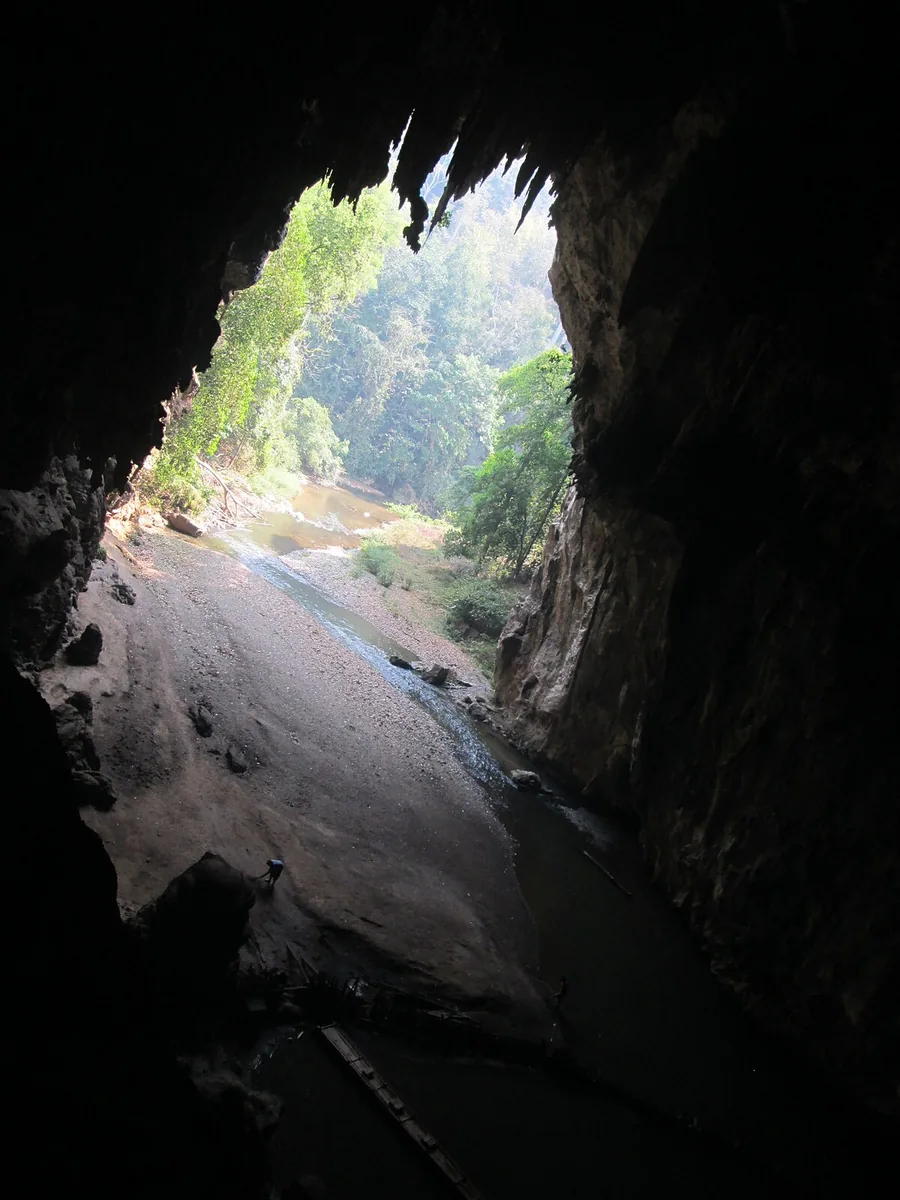
Tham Lod Cave
A 1.6-kilometre limestone cave system through which the Lang River flows; housing prehistoric teak coffins abandoned 1,700 years ago; the 'Dolls Cave' features stalagmites resembling ancient figurines; navigate the interior via bamboo raft at sunset when thousands of swifts return to the cavern; the sound of their wings and the flickering light of gas-lanterns create a claustrophobic; ancient rhythm.
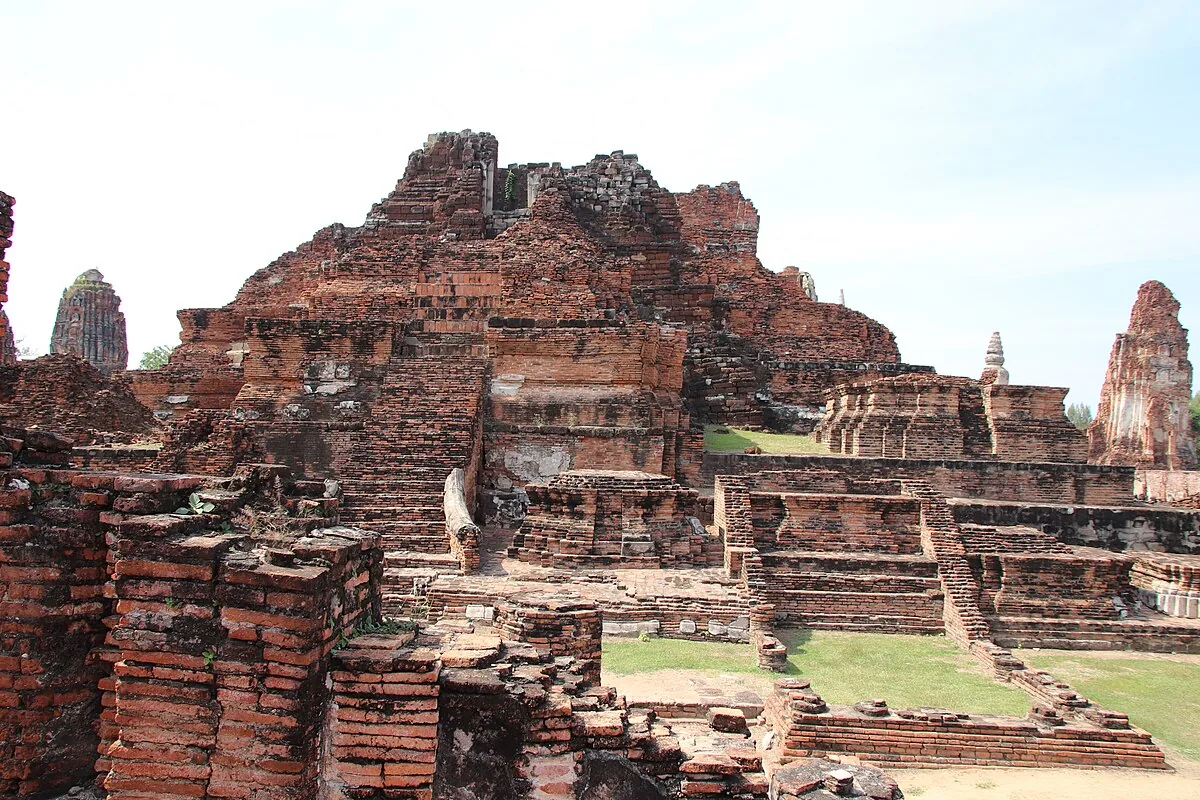
Ayutthaya Historical Park
The 14th-century capital of Siam remains a skeletal city of sun-bleached brick prangs and headless Buddha images overlooking the Chao Phraya; the Wat Mahathat features the iconic sandstone head entwined in the roots of a strangler fig; explore the ruins at dusk when the terracotta brickwork turns deep crimson; the sound of cicadas punctuates the stillness of the surrounding marshes.
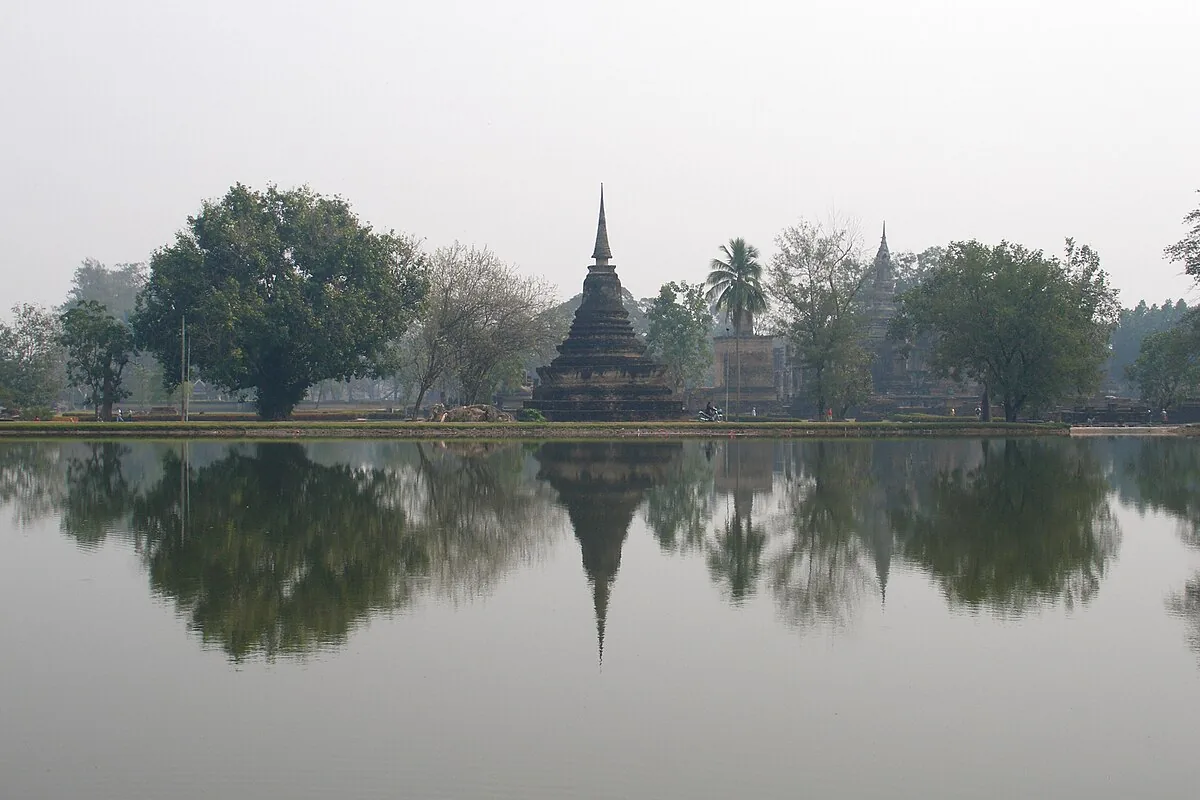
Sukhothai Historical Park
The 13th-century 'Dawn of Happiness' preserves the zenith of Siamese classical art through its slender; bronze Buddha figures and lotus-bud chedis; the Wat Si Chum houses a colossal 15-metre seated Buddha within a slit-roofed mandapa; cycle through the park at 7 am as the sun burns the fog off the lily ponds; the grey laterite earth provides a muted; ancient backdrop to the towering masonry.
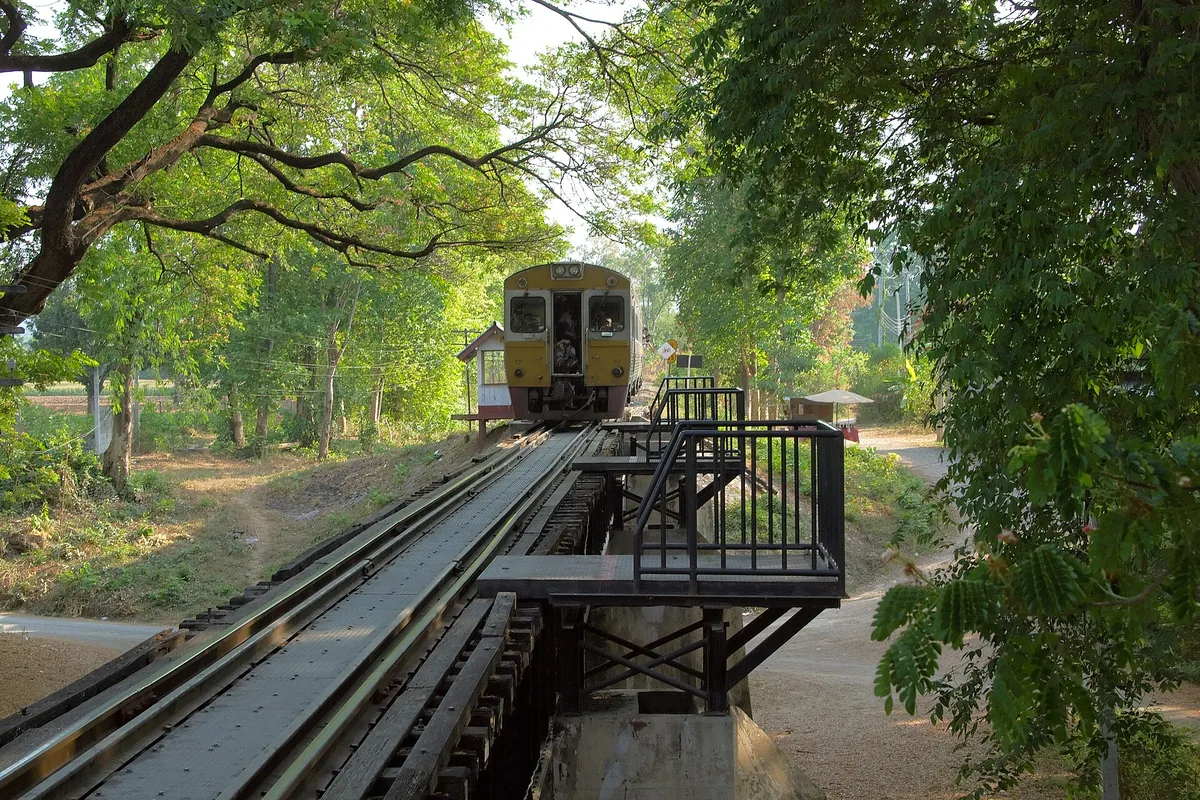
Death Railway Bridge
The 1943 steel-span bridge over the River Kwai stands as a visceral monument to the 100,000 POWs and laborers who perished during its construction; the black iron arches were repaired by the Japanese as part of war reparations; walk the tracks at noon when the heat radiates off the metal; the rhythmic thud of the local train crossing the bridge provides a haunting; industrial pulse to the jungle landscape.
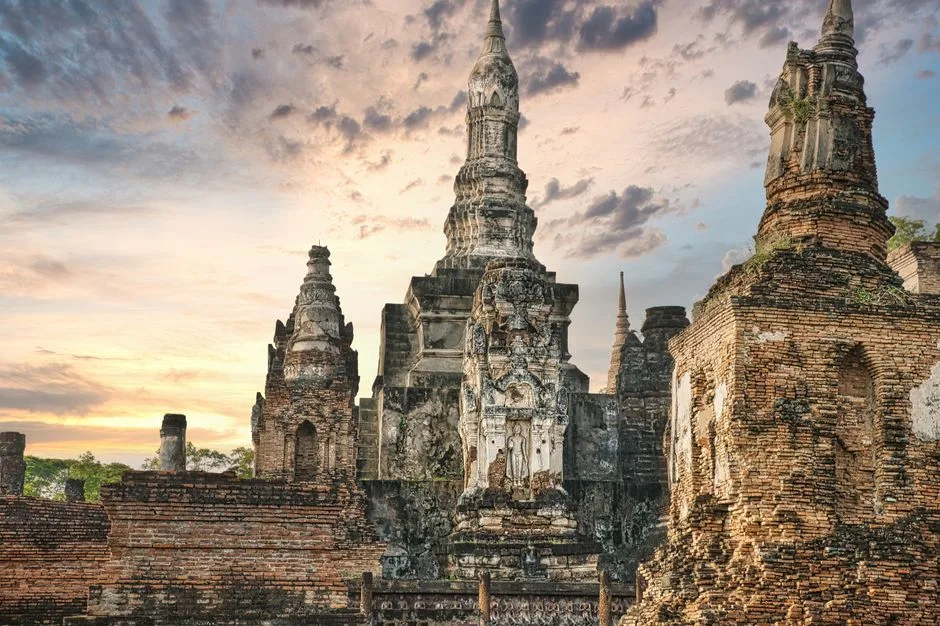
Phimai Historical Park
An 11th-century Khmer sanctuary that served as the northern terminus of the Great Ancient Road from Angkor; the central prang is built of white sandstone and red laterite; featuring lintels depicting the Ramayana; walk the inner gallery at noon; the temperature drops within the thick stone walls; the smell of cold limestone and the precision of the carvings rival the great temples of Cambodia.
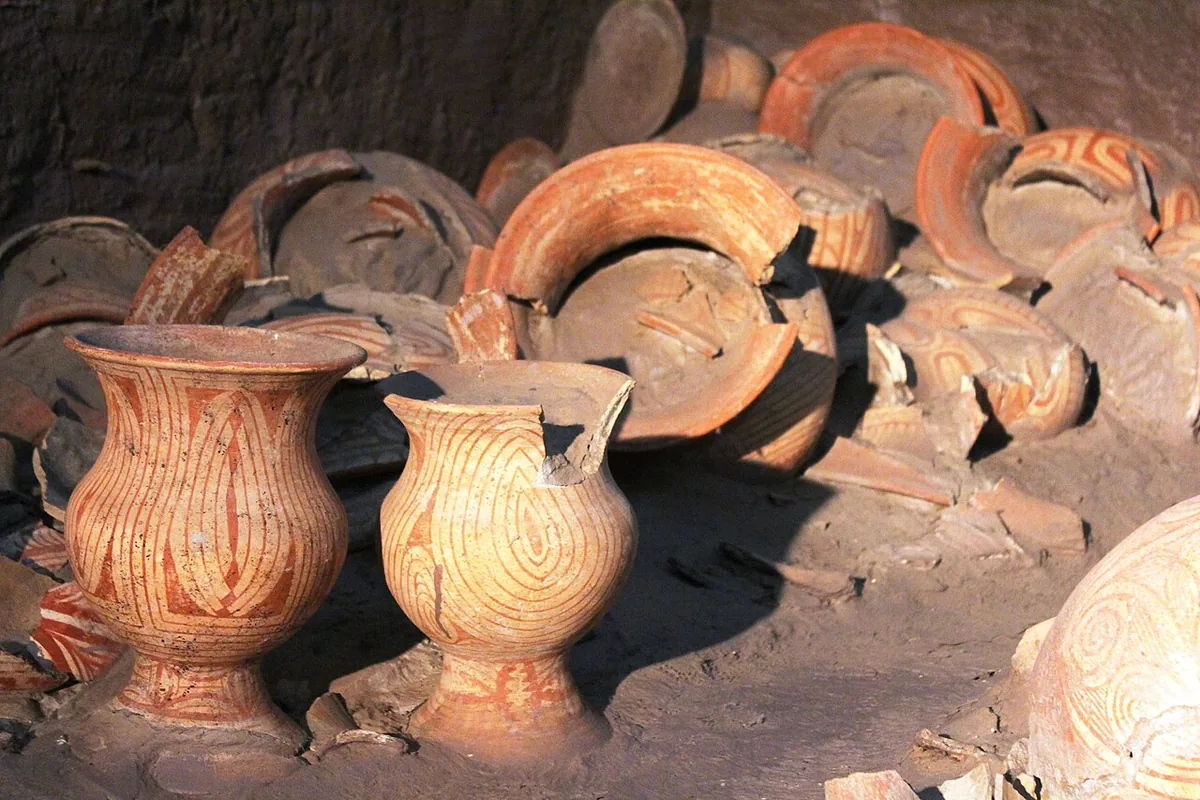
Ban Chiang
A UNESCO-listed archaeological site containing the remains of a prehistoric bronze-age civilization dating to 2100 BC; the site is famous for its hand-painted terracotta pottery with distinct red spiral patterns; view the open-pit excavations at midday; the smell of sun-dried clay and the sight of the original burial positions provide a visceral link to the Neolithic origins of Southeast Asian culture.
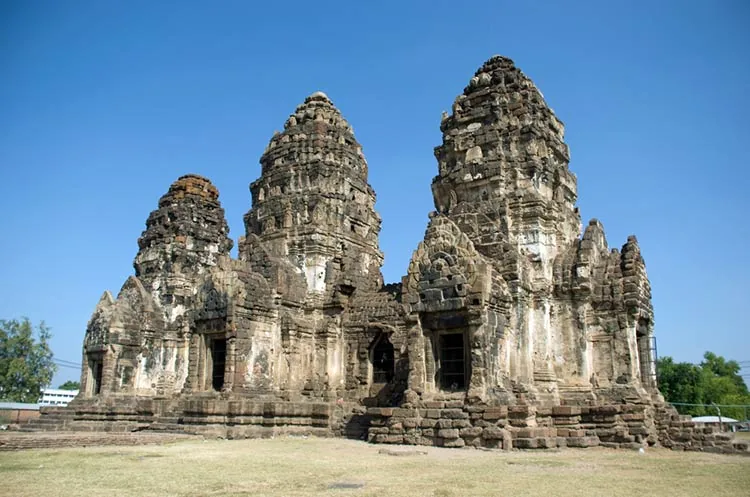
Phra Prang Sam Yot
A 13th-century Khmer-style temple of three interconnected laterite prangs; now famously overrun by thousands of long-tailed macaques; the architecture demonstrates the transition from Hindu to Buddhist influence in central Siam; visit at 10 am; the sound of the monkeys screeching off the high stone vaults and the smell of fermenting fruit provide a chaotic; living layer to the ancient; crumbling masonry.
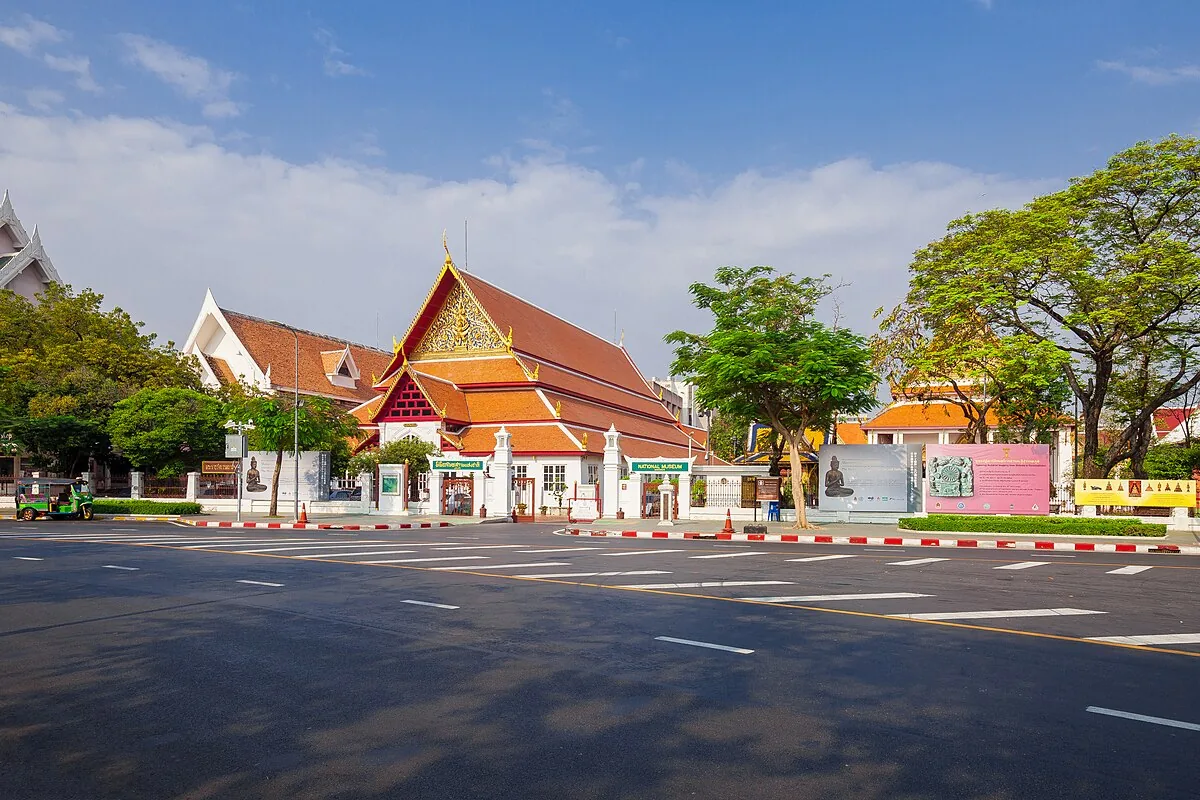
National Museum Bangkok
Housed in the 18th-century Wang Na Palace; this repository contains the world's most significant collection of Dvaravati and Lopburi art; the Buddhaisawan Chapel holds 18th-century murals depicting the life of the Buddha; walk the bronze gallery at 10 am; the low light catches the hand-hammered copper alloy of the Sukhothai Walking Buddhas; the silence of the teak corridors is clinical and absolute.
Ancient City (Muang Boran)
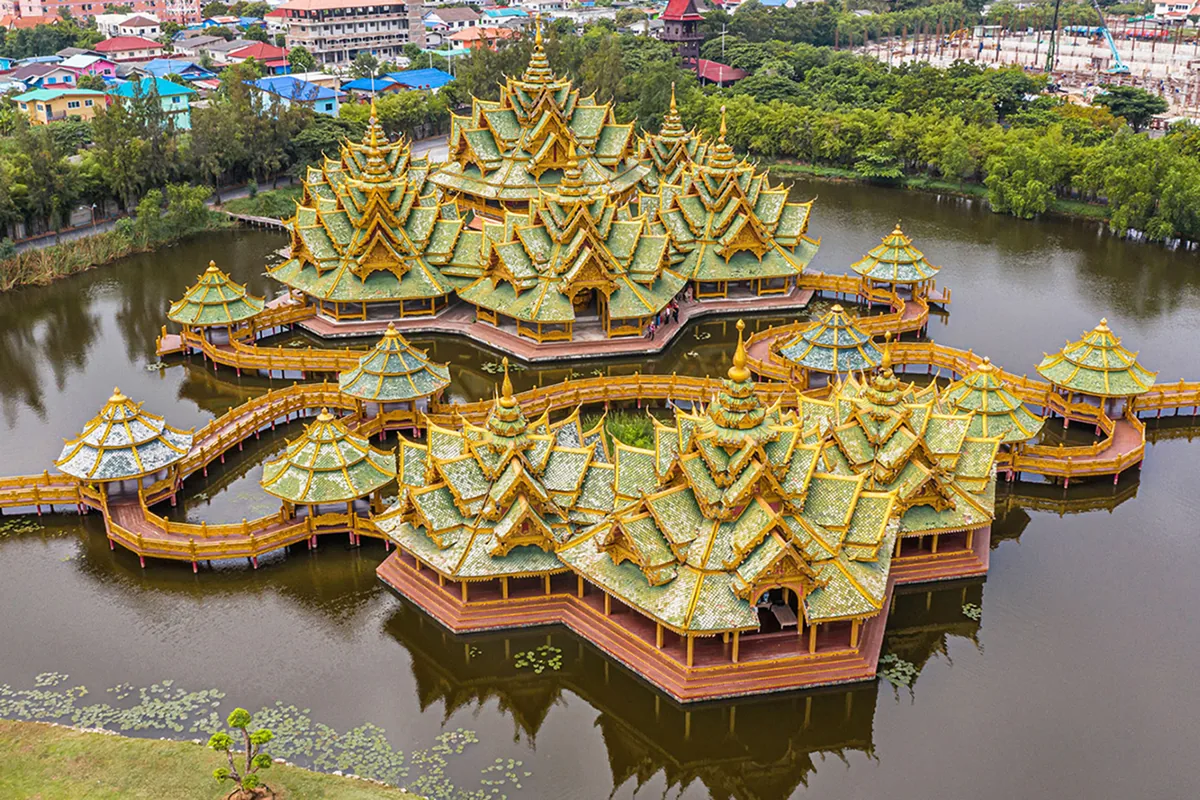
A 200-acre outdoor museum shaped like Thailand; containing 116 scaled and full-sized replicas of the kingdom's most significant architectural monuments; the Sanphet Prasat Palace reconstruction utilizes traditional gold-leaf application; cycle to the northern section at sunset; the artificial canals reflect the towering teak pavilions; the scale is massive enough to allow a chronological walk through eight centuries of Siamese history.
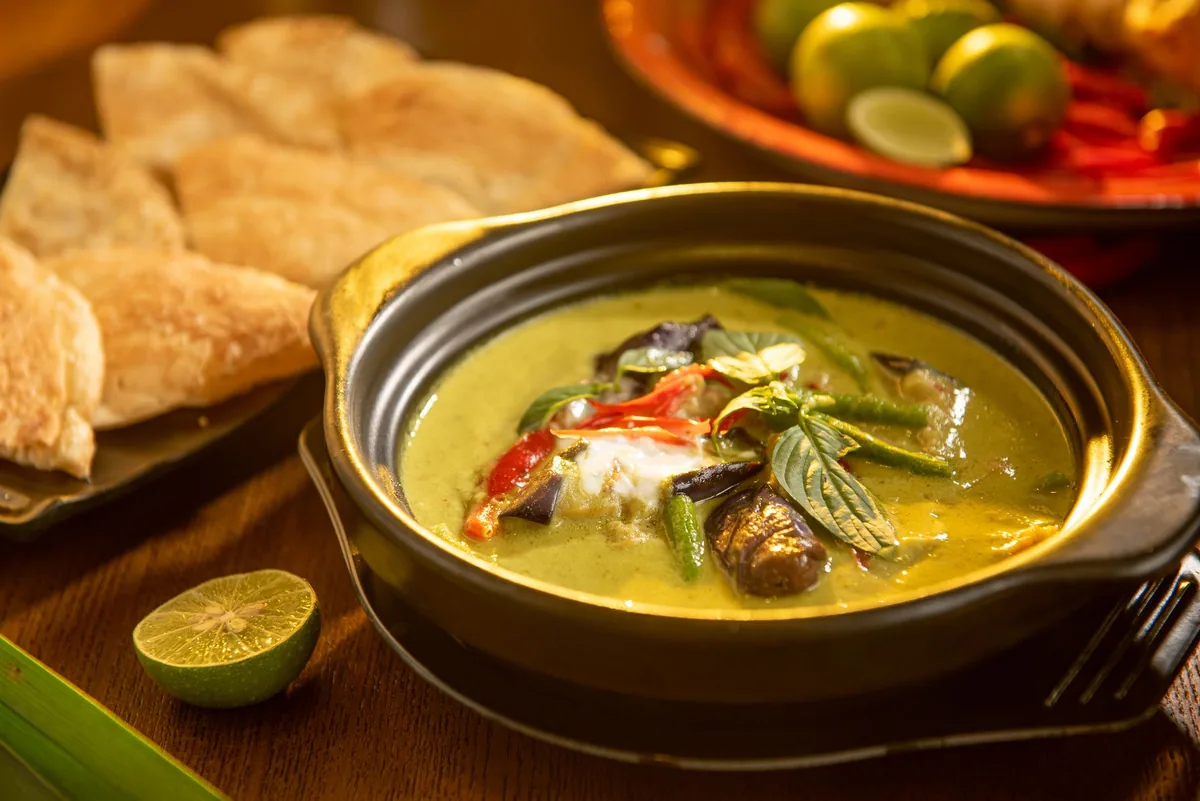
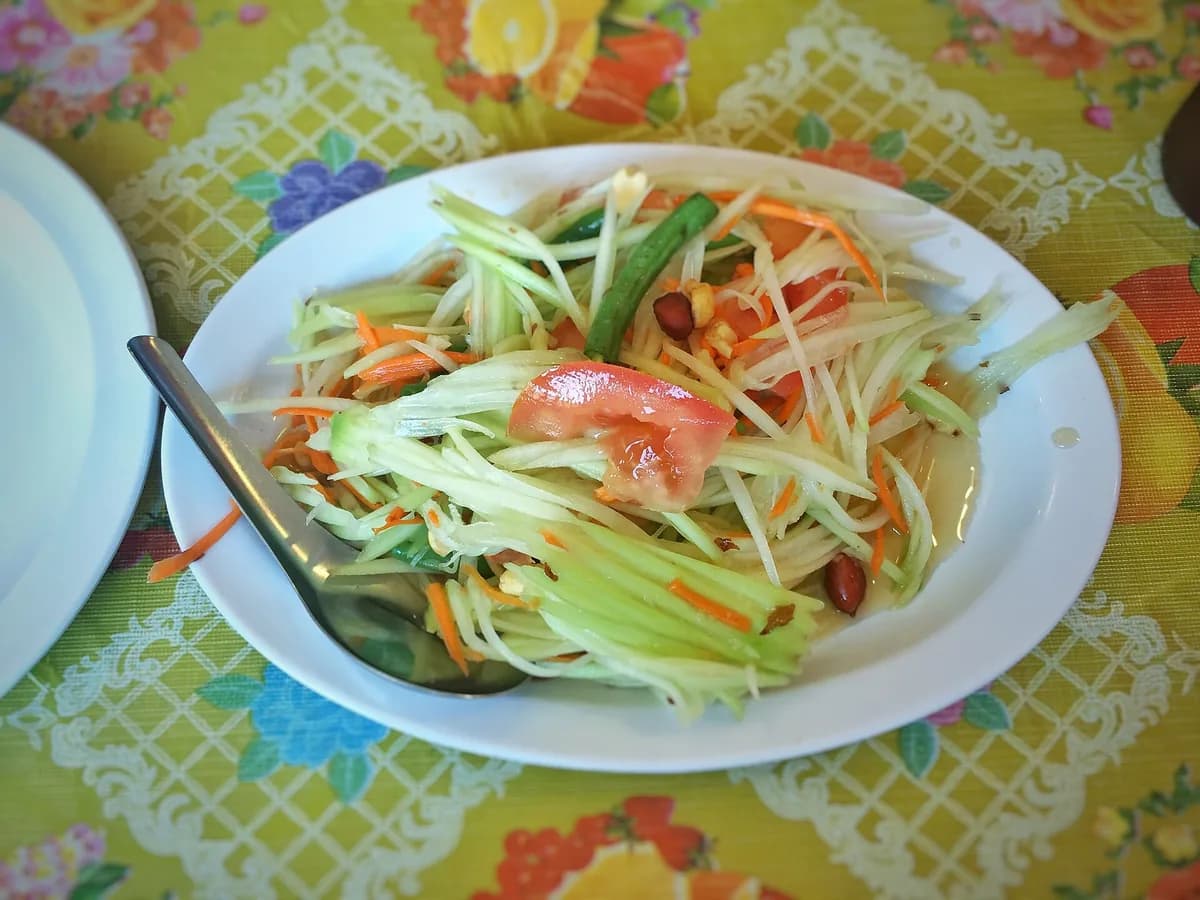
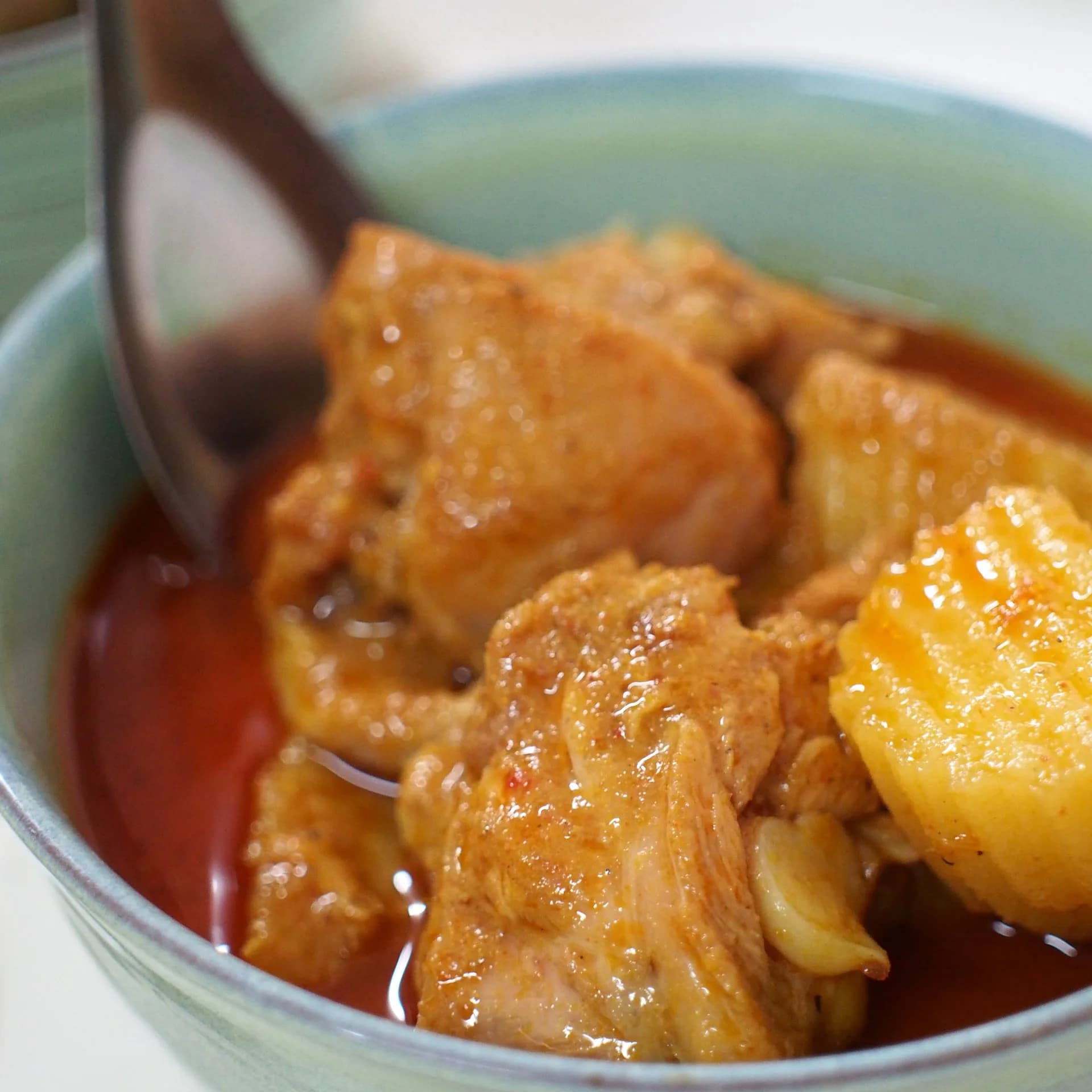
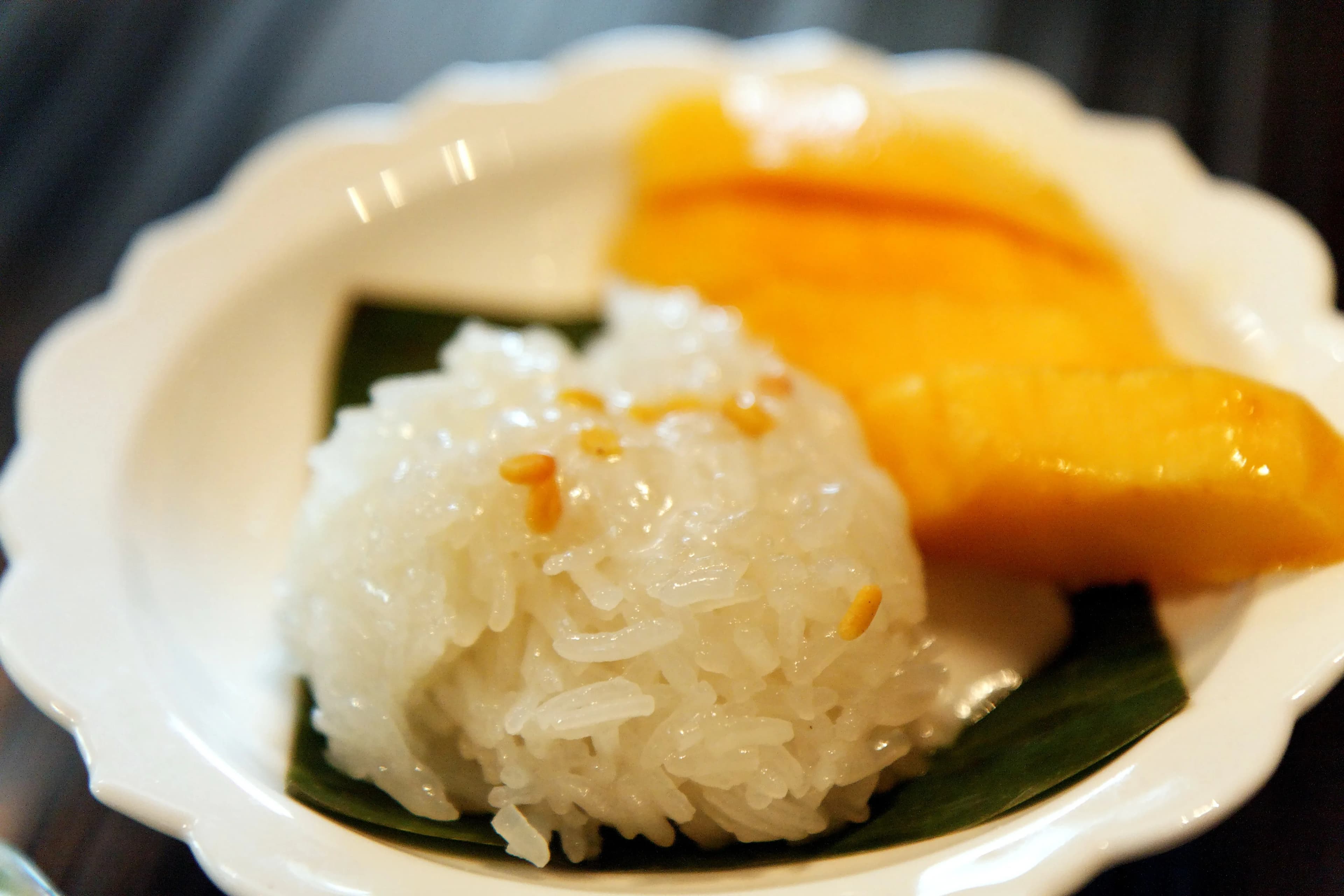
Cuisine
Must-Try Dishes
The flavours that define Thailand
Flights
Fly to Thailand
Compare prices across local & global booking platforms
✈ Flights to Thailand
🏨 Hotels in Thailand
Clicking opens the booking platform. WorldCurio may earn a commission at no extra cost to you.
Did You Know
Thailand Facts
Fascinating things most travellers never learn
Thailand is home to the world's largest fish — the whale shark — and the world's smallest mammal — Kitti's hog-nosed bat, also called the bumblebee bat, about the size of a thumbnail.
Bangkok's full ceremonial name is 168 characters long — the longest place name in the world. Even Thai people use the abbreviation 'Krung Thep' (City of Angels). The full name describes the city's divine status in Hindu-Buddhist cosmology.
Thailand has never been colonised by a European power — the only country in Southeast Asia to maintain independence. King Chulalongkorn (Rama V) played European powers against each other to preserve sovereignty.
Explore More
Similar Destinations
Countries you might also love


