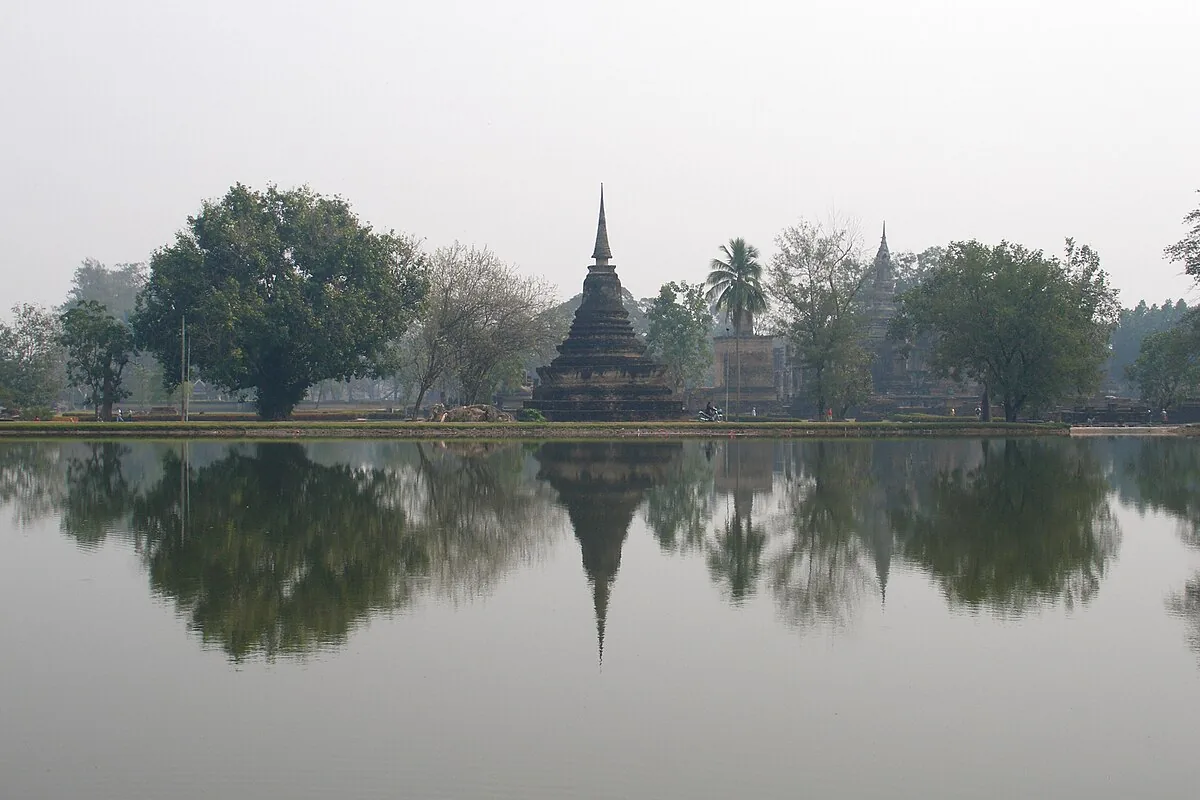
“Inside an 18th-century palace, five-ton funeral chariots carved from solid teak wait in the shadows for the day a king must be carried to the stars.”
About National Museum Bangkok
The museum's architecture is as much an exhibit as the artifacts it holds. The Buddhaisawan Chapel was built in 1787 and contains some of the best-preserved murals in Thailand, depicting the life of the Buddha with incredible detail. In recent years, the museum has undergone a major modernization project, moving away from its old reputation as a 'dusty storehouse' to become a world-class institution with bilingual signage and sophisticated lighting that reveals the true mastery of ancient Thai metalworkers.
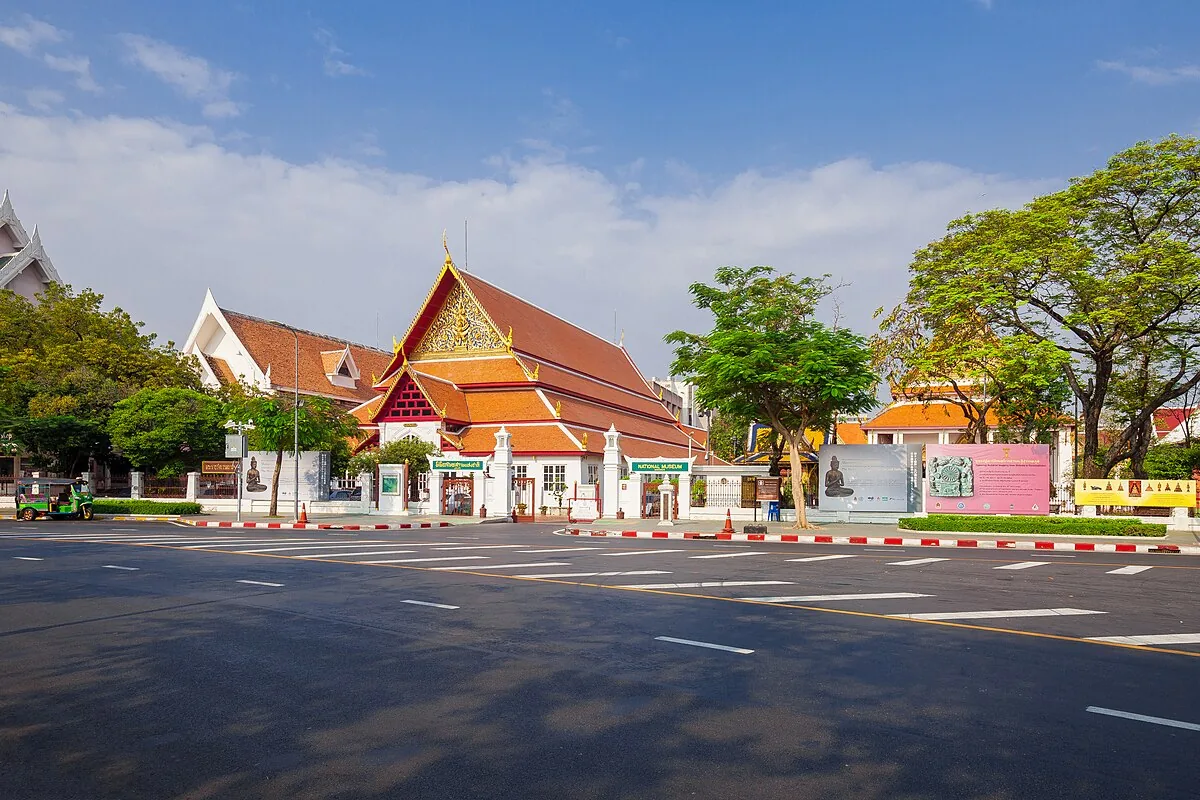
National Museum Bangkok in short
Occupying the former palace of the Vice King, this vast complex near the Grand Palace houses the most significant collection of Thai art and artifacts in the world. The museum is a series of pavilions that range from traditional 18th-century Siamese architecture to modern, air-conditioned galleries. Within these walls lie the treasures of a dozen vanished kingdoms, from the bronze drums of the prehistoric Ban Chiang culture to the exquisite gold regalia of the Ayutthaya period. It is not a place for a quick walk-through; the sheer volume of history requires a slow pace to appreciate the evolution of the Thai silhouette through stone, bronze, and silk.
Occupying the former palace of the Vice King, this vast complex near the Grand Palace houses the most significant collection of Thai art and artifacts in the world.
established the museum, 1874
King Rama V established the museum in 1874 to house the curiosities and treasures collected by his father, King Mongkut. The site itself, known as the Wang Na or 'Front Palace,' was once the residence of the second-highest authority in the land. After the position of Vice King was abolished in 1885, the entire palace grounds were dedicated to the museum. Over the decades, the collection expanded to include archaeological finds from across the country, making it the definitive repository of national identity. The 18th-century Buddhaisawan Chapel, which sits in the center of the grounds, remains one of the most beautiful examples of early Bangkok-style religious architecture, still housing the sacred Phra Phuttha Sihing image.
Visiting National Museum Bangkok
The air transitions from the humid, sun-drenched courtyards to the cool, reverent hush of the main galleries. The soft shuffle of feet on polished wood and the distant, muffled traffic of Sanam Luang outside the gates. In the 'Funeral Chariot Hall,' The overwhelming scale of the gargantuan carved teak carriages used for royal cremations, their gold-leafed surfaces glowing in the dim light. You get a weight of centuries standing before the 'Walking Buddha' from the Sukhothai era, a bronze figure so fluid it looks like it might step off its pedestal. The experience is one of refined craftsmanship, from the smell of old lacquer to the intricate textures of ancient Khmer sandstone carvings. Located on the northern edge of the historic district, the museum is easily reached by the Chao Phraya Express Boat to Phra Athit Pier, followed by a ten-minute walk. Taxis and tuk-tuks are common, but the most atmospheric way to arrive is to walk across Sanam Luang park from the Grand Palace, allowing the museum's white walls and red-tiled roofs to slowly fill your vision.
The Experience
A trace of of discovery in the quieter side pavilions, where the crowds thin out and you can sit alone with a 1,000-year-old Dvaravati wheel of law. The light filters through traditional louvered windows, creating a play of shadows across the bronze faces of kings and deities. The incredible detail in the small things, the pattern of a silk wrap or the delicate carving on a betel nut set. The bit that stays with you is standing in the chariot hall, where the sheer verticality of the royal vessels makes you realize the profound importance of ritual in the Thai worldview.
A trace of of discovery in the quieter side pavilions, where the crowds thin out and you can sit alone with a 1,000-year-old Dvaravati wheel of law.
Why It Matters
This museum is the soul of Thailand's historical memory. It provides the essential context for everything else you see in the country, explaining the origins of the styles, beliefs, and social structures that continue to govern Thai life today. It is a critical anchor for national pride and cultural continuity.
Why Visit
The Grand Palace tells you how Thailand looks, but this museum tells you how Thailand was made. It is the only place where you can trace the artistic fingerprints of a dozen different cultures, from India to China to the Khmer, and see how they were fused into the unique identity we recognize today.
✦ Insider Tips
- 1
Join the free volunteer-led tours offered on Wednesday and Thursday mornings; they provide insights you simply won't find on the placards.
- 2
The Buddhaisawan Chapel murals are light-sensitive; visit early in the day when the natural light is most favorable for viewing them.
- 3
Don't miss the 'Sukhothai Walking Buddha' in the history gallery; it is widely considered the pinnacle of Thai bronze casting.
- 4
Wear socks, as you will be required to remove your shoes to enter several of the historic chapel and palace buildings.