Beneath the surface of Thailand’s most famous holiday island lies a town built on tin and trade, where Italian tiles meet Chinese feng shui in a pastel-colored dream.
About Old Phuket Town
The layout of the town was influenced by the 'New Territories' of Penang and Singapore, reflecting the strong trade links between the British Straits Settlements and the independent Thai kingdom. Many of the buildings on Soi Rommanee were originally part of a crowded red-light district for the miners, but they have since been converted into some of the most sought-after cafes and guesthouses in the city. The Phuket Thai Hua Museum, housed in a 1934 school building, provides the best documentation of how these immigrant communities shaped the island's identity.
Old Phuket Town in short
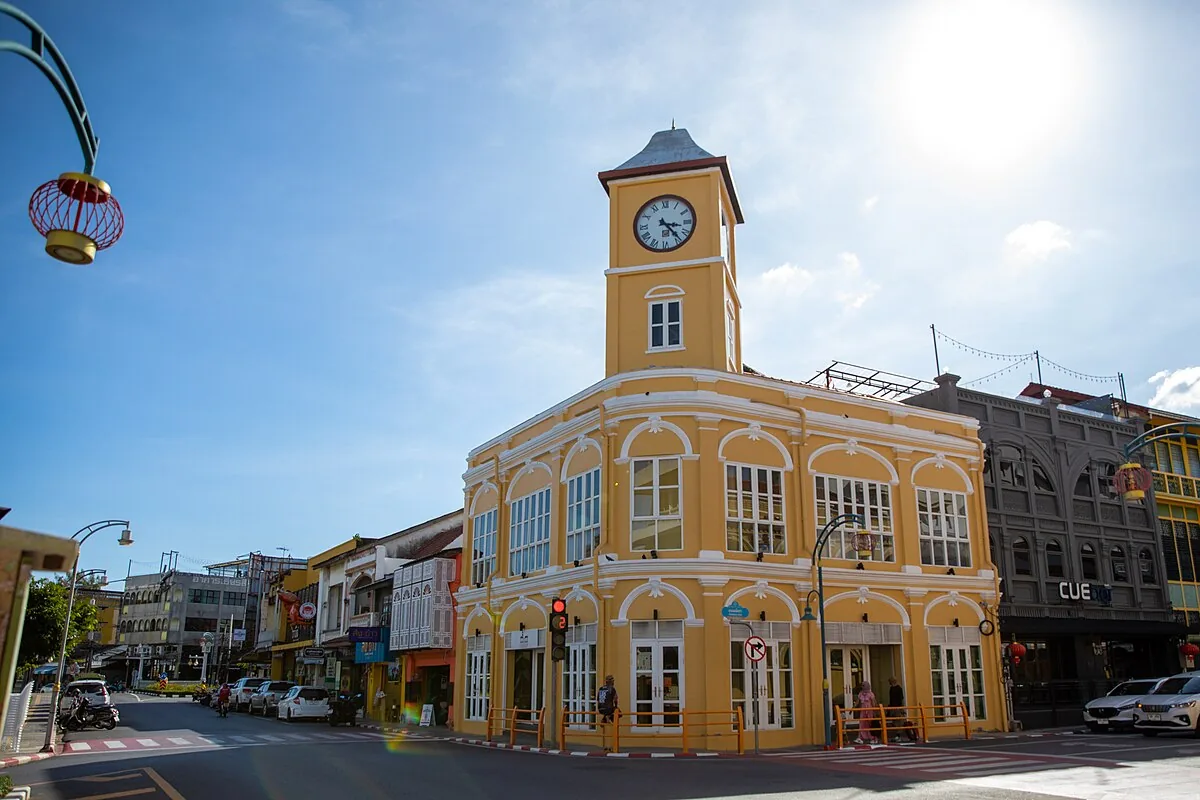
Pastel-colored shophouses with ornate stucco and wooden shutters line the narrow streets of this historic district, a far cry from the neon-lit beaches of the island's west coast. Old Phuket Town is a living museum of the Sino-Portuguese style, a relic of the 19th-century tin mining boom that drew merchants from across the globe. The architecture is a hybrid of European elegance and Chinese practicality, featuring deep, sheltered walkways known as five-foot ways. Today, the area is a vibrant hub of artisanal coffee shops, family-run apothecaries, and hidden shrines, where the scent of star anise and roasted beans fills the air. It is the cultural anchor of Phuket, preserving a heritage that was nearly lost to the tides of mass tourism.
Phuket's wealth wasn't built on tourism
Phuket's wealth wasn't built on tourism, but on the tin that lay beneath its soil. During the mid-1800s, the island became a major stop on the maritime trade route, attracting Hokkien Chinese miners and European engineers. This confluence created the Baba-Nyonya culture, a distinctive mix of Chinese and Malay influences that defines the town's food and customs. The wealthy tin barons built grand mansions along Krabi Road, utilizing the latest European designs but incorporating feng shui principles. While the tin industry eventually collapsed, the architecture remained, and a concerted community effort in the early 2000s saw the town's heritage buildings restored and protected from modern development.
The air is alive with the sounds
The air is alive with the sounds of a functioning community, from the rhythmic chopping of a butcher's cleaver to the hissed steam of a modern espresso machine. The clatter of porcelain in old-school tea houses where grandfathers still gather to talk shop. The walk along Thalang Road, The texture of weathered plaster and see the vibrant murals that tell the story of the town's maritime past. From the start, the intricate tilework in the entrance halls of the old mansions, often featuring patterns imported from Italy a century ago. The light at sunset is particularly soft, turning the pink and yellow facades into glowing monuments that reflect the town's golden era. Located at the core of Phuket Island, the old town is about a forty-minute drive from the main beach areas like Patong or Kata. Local 'blue buses', open-air wooden trucks, run regularly from the beaches to the central market, providing a cheap and authentic way to arrive. Most who visit explore the district on foot, as the main historical streets are clustered together and easily navigable in a single afternoon.
The Experience
What comes is a sense of relief as you leave the frantic pace of the beach behind for the shaded arcades of Thalang Road. Audibly, the of the city is different here, more bells and bicycles than jet skis and bass. Starting with the small details that speak of the past: a faded Chinese sign above a door, an antique birdcage hanging from a balcony, or the smell of traditional medicinal herbs being dried on a sidewalk. The moment that captures the town's essence is sitting in a converted shophouse with a glass of iced coffee, watching the locals go about their business as they have for a hundred years, seemingly indifferent to the world outside.
Why It Matters
Old Phuket Town is the guardian of the island's 'Baba' heritage. It represents a successful model of urban regeneration where history is not just preserved for tourists but remains a functional part of the local economy. Its recognition as a UNESCO City of Gastronomy highlights the enduring influence of the Sino-European fusion on Thai culinary arts.
Why Visit
The reason to visit: you need to see the island's heart before you can enjoy its skin. While the beaches are beautiful, they are often interchangeable; Old Phuket Town is unique. It offers a sophisticated, walkable, and sensory-rich experience that explains why this island has been a global destination for centuries, long before the first sunbed was ever laid out.
✦ Photo Gallery
5 photos of Old Phuket Town · click to enlarge
Best Season
🌤 Late afternoon in the months of January and February provides the most comfortable walking temperatures and the best light for the town's famous street art.
Quick Facts
Best time to visit
Late afternoon in the months of January and February provides the most comfortable walking temperatures and the best light for the town's famous street art.
Getting there
In Phuket, Thailand; reach Phuket first, then continue to the site.
What's nearby
Khao Phing Kan and Khao Sok National Park are also in the area.
Location
Phuket, Thailand
Type
attraction
Coordinates
7.8857°, 98.3876°
Insider Tips
- 1
Visit on a Sunday evening for the Lard Yai market, when Thalang Road becomes a pedestrian zone filled with local snacks you won't find anywhere else.
- 2
Most of the grand mansions allow visitors for a small fee; the Baan Chinpracha is the best-preserved example of a tin baron's home.
- 3
The 'five-foot ways' are private property used as public paths; be respectful and don't block the doorways of working businesses.
- 4
Check out the street art on the walls of the parking lots; it is often higher quality and more meaningful than the work on the main roads.