“This town was once the busiest port in Asia, but it only survived to the present day because its river filled with silt and the world simply forgot about it for a century.”
About Hoi An Ancient Town
Hoi An’s layout is a literal map of its trading history, with the Japanese quarter on one side of the bridge and the Chinese quarter on the other. The families who live here today are often the sixth or seventh generation to occupy the same timber-framed houses, which were designed to survive the annual flooding of the Thu Bon. During the 17th century, the town was a vital link on the Maritime Silk Road, hosting Dutch, Portuguese, and Indian traders. Despite the French colonial influence seen in the shuttered windows and balconies, the core of the town remains stubbornly Asian in its aesthetic. It is a rare survivor of the rapid industrialization that followed the unification of Vietnam.
What Hoi An Ancient Town actually is
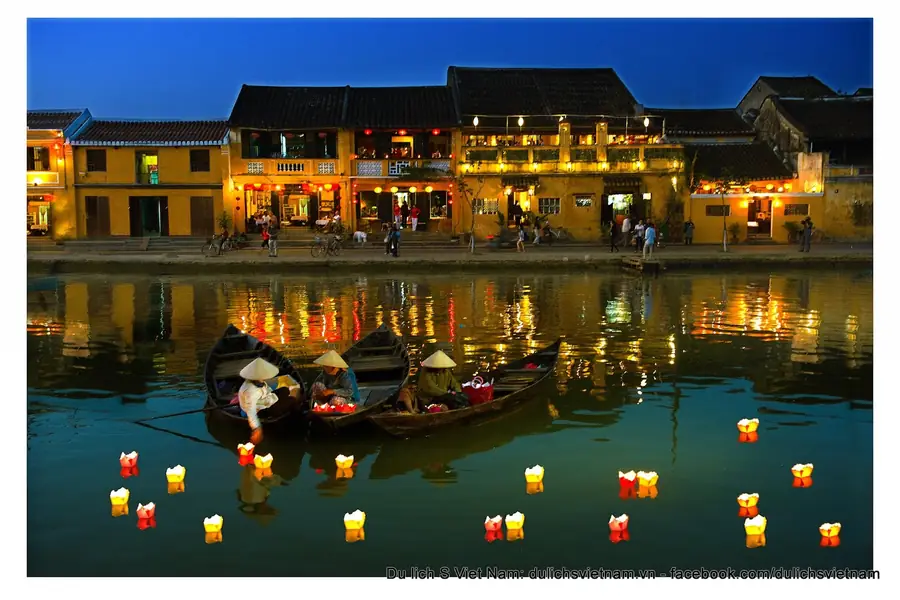
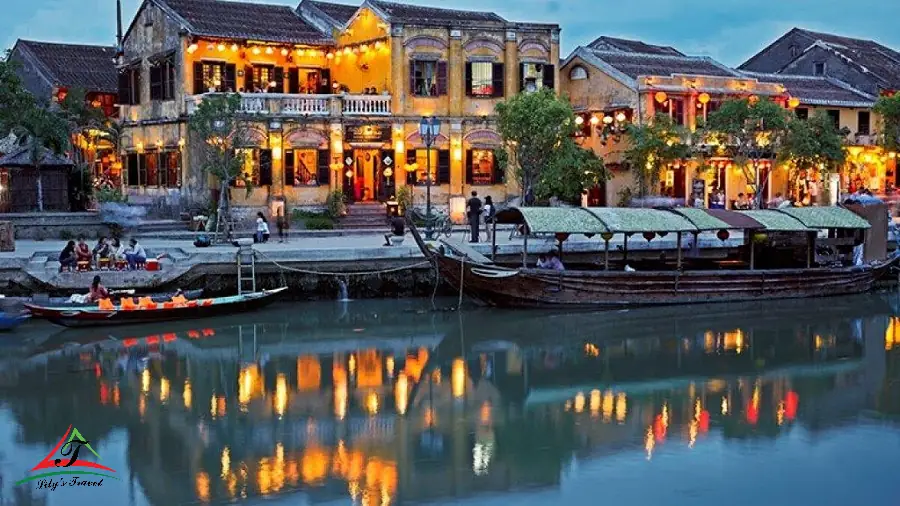
Yellow-washed merchant houses lean over narrow pedestrian streets, their tiled roofs sagging under the weight of centuries and climbing bougainvillea. Hoi An Ancient Town is a preserved 15th-century trading port where the architectural influences of Japan, China, and Europe collide in a harmonized blend of timber and stone. At night, the town abandons electric light in favor of thousands of silk lanterns that cast a flickering, kaleidoscopic glow over the Thu Bon River. It is a city like a living movie set, where tailors stitch bespoke suits in open-fronted shops and sizzling Cao Lau noodles drifts from every alleyway. Because the town is closed to motorized traffic for most of the day, the primary sounds are the squeak of bicycle tires and the rhythmic call of street vendors.
Yellow-washed merchant houses lean over narrow pedestrian streets, their tiled roofs sagging under the weight of centuries and climbing bougainvillea.
Originally known as Faifo, Hoi
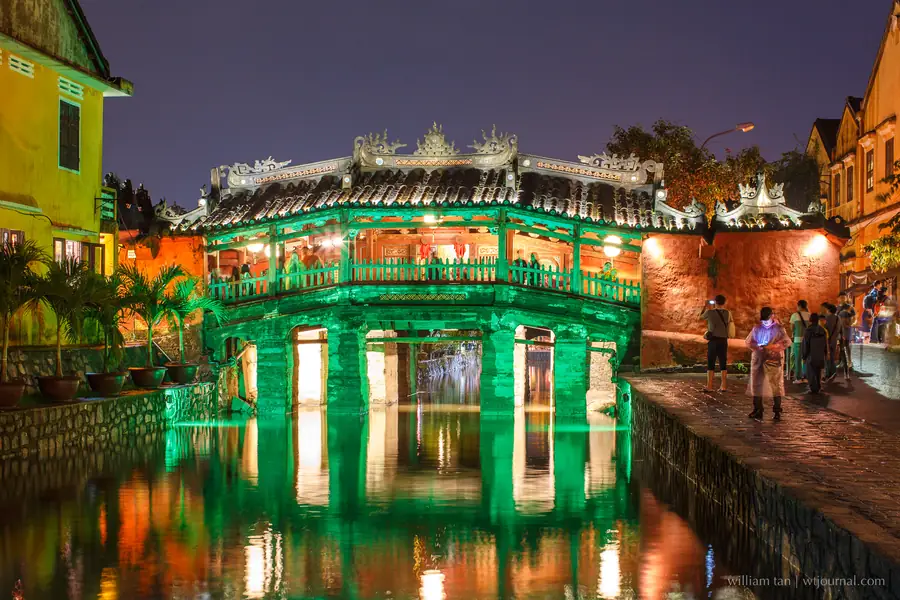
Originally known as Faifo, Hoi An was the busiest international port in Southeast Asia between the 15th and 19th centuries. Merchants from Nagasaki and Canton settled here, building communal assembly halls and the iconic Japanese Covered Bridge to facilitate trade in silk, porcelain, and spices. The town's fortune changed when the Thu Bon River began to silt up, making it inaccessible to modern steamships and shifting the commercial focus to nearby Da Nang. This accidental isolation saved Hoi An from the modernization and wartime destruction that leveled other Vietnamese cities. In 1999, it was declared a UNESCO World Heritage site, sparking a massive restoration effort that turned a sleepy backwater into one of the world's most visited cultural destinations.
The air is sweet
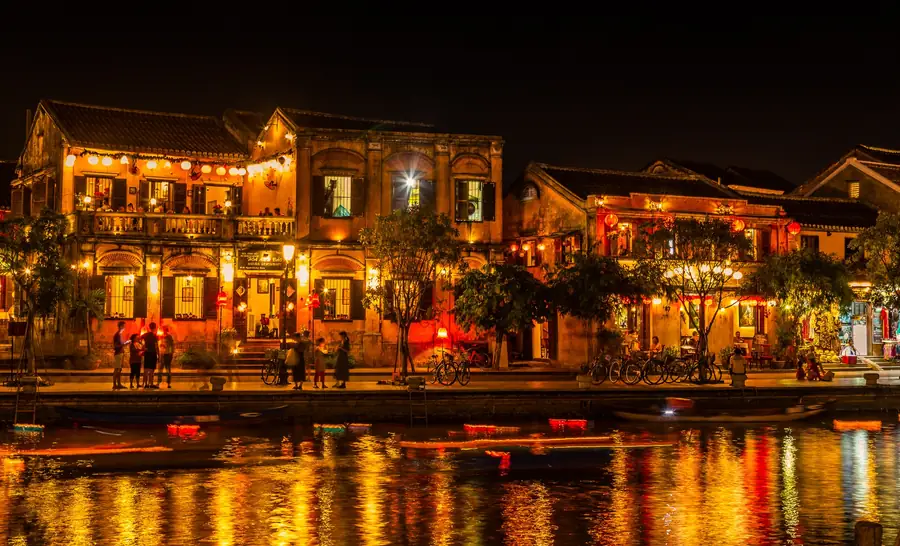
The air is sweet with the scent of cinnamon and the smoky aroma of charcoal grills. From somewhere comes the gentle lapping of the river against the wooden docks and the melodic, repetitive clinking of a blacksmith's hammer in the backstreets. The walk across the Japanese Covered Bridge, the smooth, worn texture of the ancient timber and the cool draft coming off the water. Straight away, the intricate wood carvings in the Tan Ky Old House, where the walls are stained by the high-water marks of previous autumn floods. The light at sunset is soft and golden, turning the mustard-yellow walls into glowing amber before the lanterns take over the night. On the riverbank, the sight of hundreds of paper candles floating downstream creates a moment of quiet, collective magic. Hoi An is located thirty kilometers south of Da Nang, which is the regional transport hub with an international airport and a major train station. The drive takes about forty-five minutes via taxi or private shuttle, passing through a corridor of modern resorts before arriving at the edge of the historic zone. Within the town itself, everything is best explored on foot or by renting a bicycle for a few dollars. Most of the central streets are closed to cars and motorbikes from late afternoon until night, making it one of the few places in Vietnam where you can walk without the constant roar of traffic.
The Experience
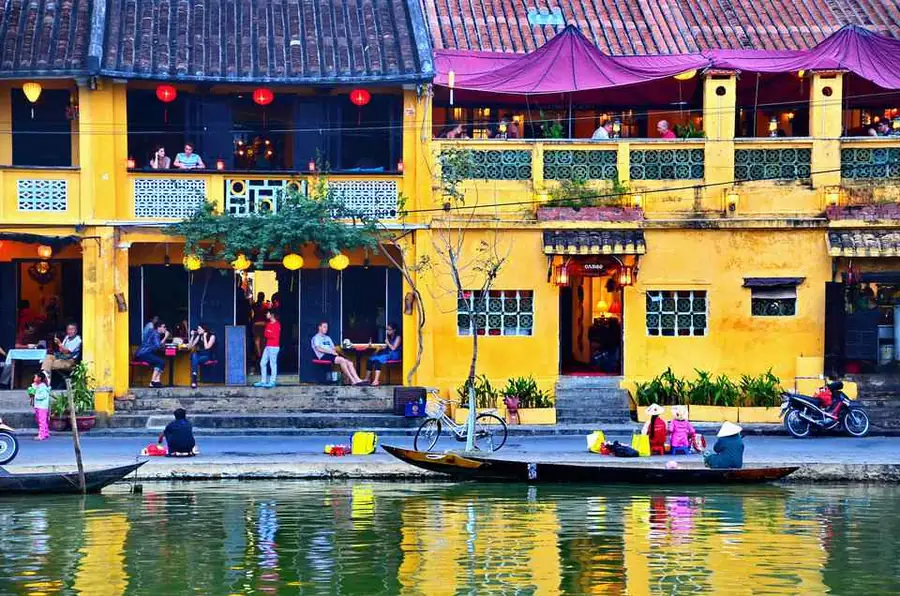
The sense of slow, unhurried grace as you sip a cold Vietnamese coffee and watch the world go by from a second-story balcony. The sound of the morning market, the sharp haggling over fresh mackerel and the chop of cleavers, is the town's true heartbeat. First, the small altars tucked into every doorway, where fresh fruit and incense are offered to the ancestors daily. Most tourists stick to the lantern-lit waterfront, but the real soul of Hoi An is found in the quiet morning light when the locals are eating breakfast on low plastic stools. The moment you see a traditional wooden boat silhouetted against the rising sun, you understand why sailors once traveled halfway around the world to be here.
The sense of slow, unhurried grace as you sip a cold Vietnamese coffee and watch the world go by from a second-story balcony.
Why It Matters
Hoi An is a perfectly preserved example of a Southeast Asian trading port. It represents a unique cultural fusion where different traditions didn't just coexist but merged to create a new, localized architectural style. It is also the culinary capital of Vietnam, home to dishes like Cao Lau that cannot be authentically replicated anywhere else because they require water from a specific local well.
Why Visit
Visit Hoi An because it is the most romanticized version of Vietnam you can find. It offers a sensory richness that is both overwhelming and comforting, from the texture of the silk to the complexity of the street food. You go for the lanterns, but you stay for the atmosphere of a place that has mastered the art of aging beautifully.
✦ Insider Tips
- 1
Get your clothes tailored at the beginning of your trip to allow time for multiple fittings; the best shops will keep your measurements on file for future orders.
- 2
Visit the central market at 6:00 AM to see the town at its most authentic before the tourist buses arrive from Da Nang.
- 3
Buy a multi-site entrance ticket at the kiosks; it pays for the restoration of the town and grants you access to five of the best historic houses and museums.
- 4
Ask a local where the Ba Le Well is; it's a hidden spot that provides the essential water for the town's famous noodles.
- 5
Avoid the town during the lunar full moon if you dislike crowds, as the 'Lantern Festival' attracts thousands of additional visitors from across the country.