All landmarks and tourist attractions in Vietnam
Ha Long Bay
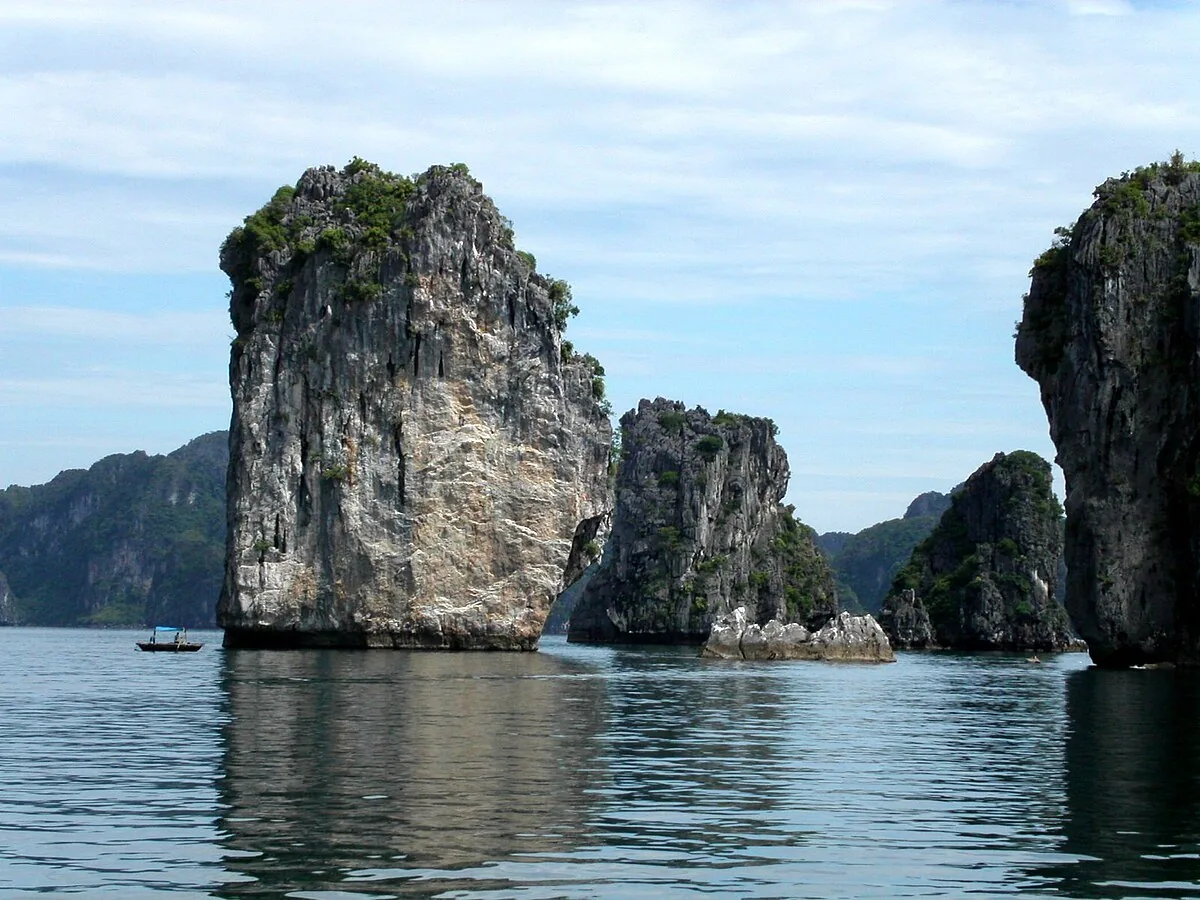
Nearly 1,600 monolithic limestone karsts and islets rise from the emerald waters of the Gulf of Tonkin; these 500-million-year-old formations hide massive cavern systems like Sung Sot; navigate the labyrinthine Lan Ha Bay at dawn on a traditional wooden junk boat; the pre-dawn mist clings to the moss-slicked basalt cliffs while the only sound is the rhythmic lap of water against the teak hull.
Son Doong Cave
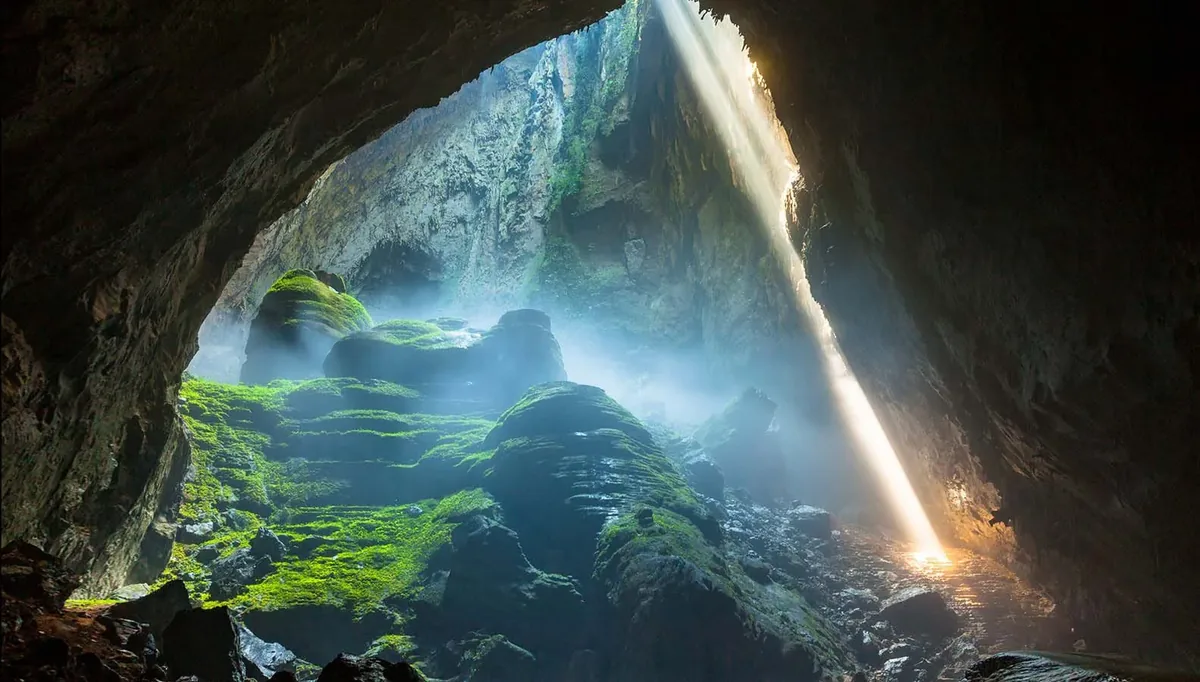
The world largest cave passage is vast enough to contain a 40-storey skyscraper; featuring its own subterranean rainforest and 70-metre tall stalagmites known as the Hand of Dog; the limestone floor is etched with prehistoric pearl pools; stand beneath the first doline, a massive roof collapse, at midday when a single shaft of sunlight illuminates the moss-covered jungle floor 200 metres below the surface.
Temple of Literature
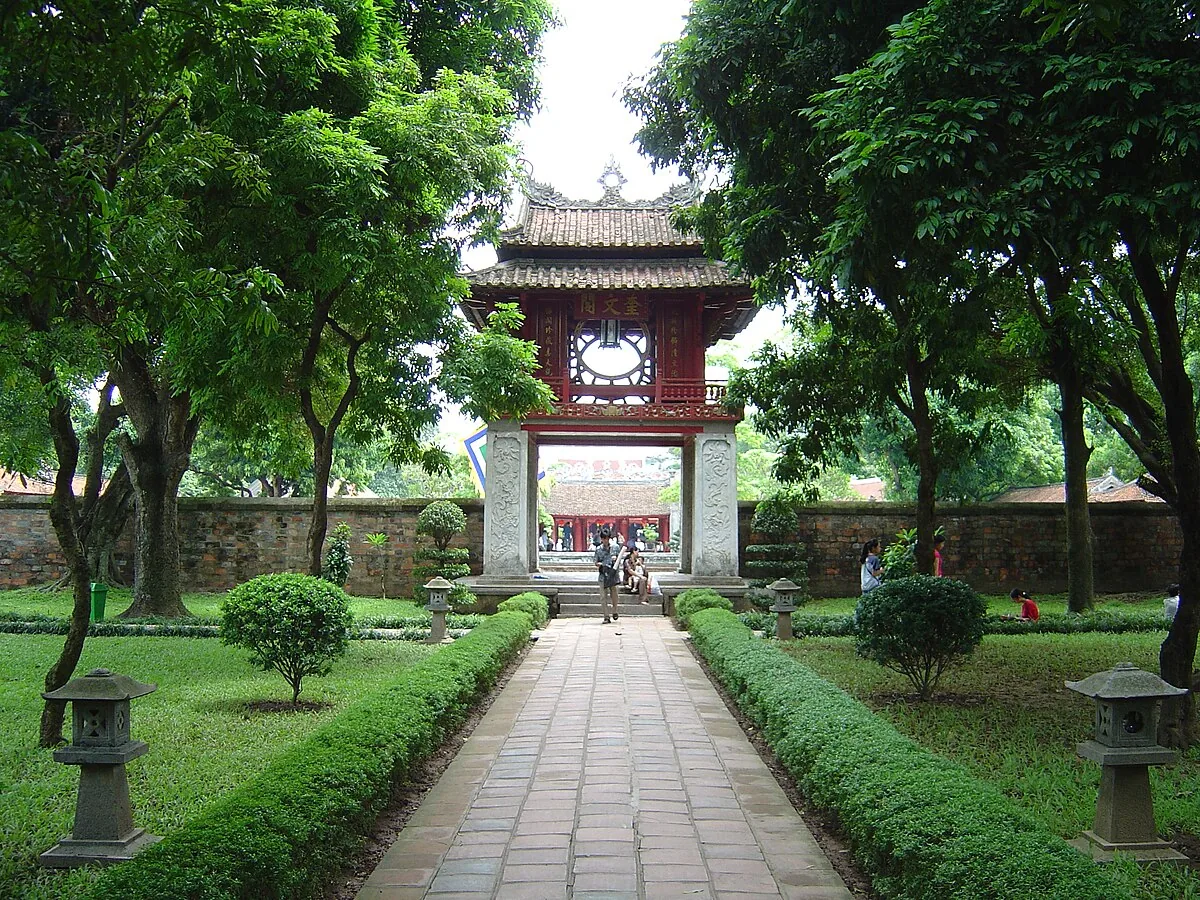
A 1070 Confucian temple complex featuring five courtyards and 82 stone stelae perched on the backs of tortoises; representing the nation’s 11th-century academic elite; the architecture is a masterwork of timber; brick; and grey stone; walk the Khue Van Cac pavilion at 9 am; the light filters through the ancient banyan trees; casting geometric shadows on the red-tile floor while the smell of incense is thick and sweet.
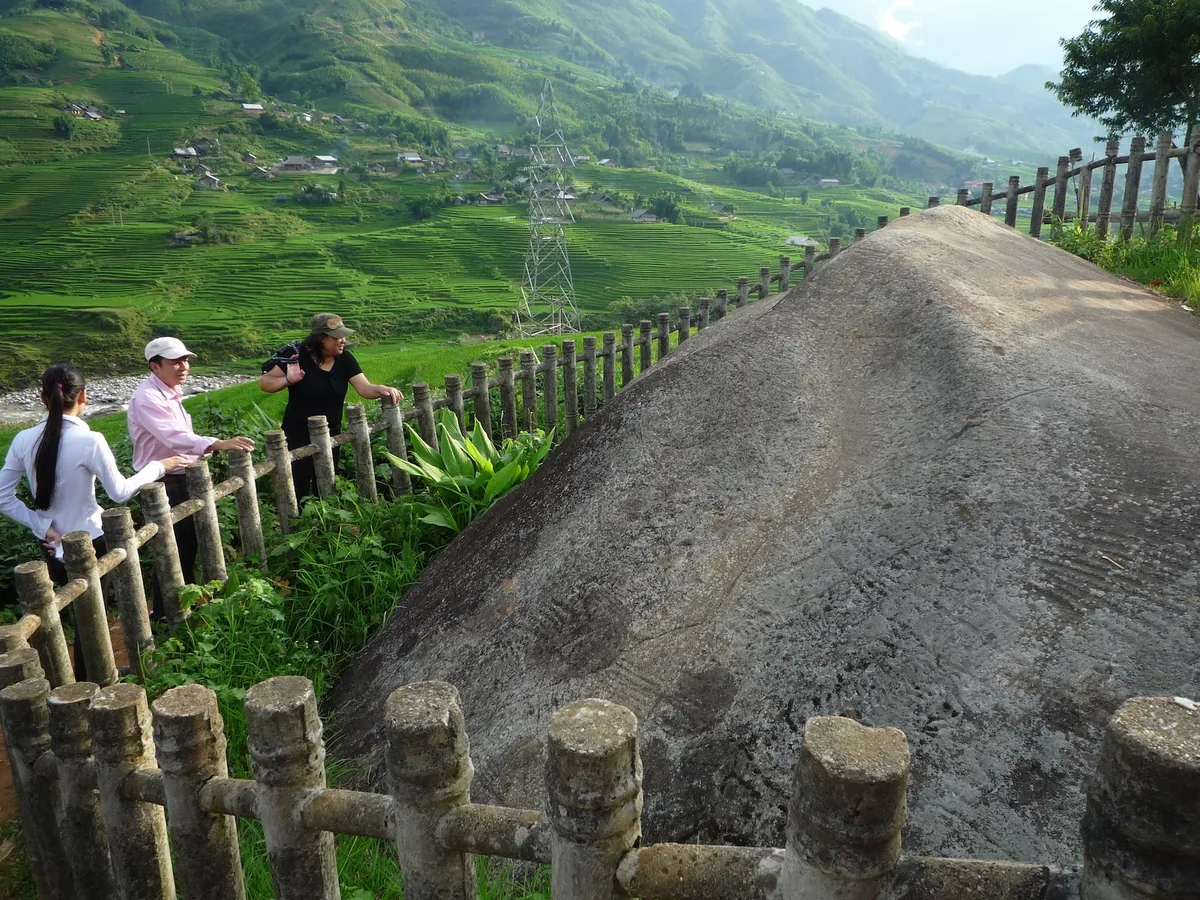
Muong Hoa Valley
A cascading amphitheatre of emerald rice terraces carved into the Hoang Lien Son mountains at 1,500 metres elevation; the granite peaks of Fansipan provide a jagged backdrop to the Hmong and Dao ethnic settlements; trek the ridge paths at 7 am when the valley mist begins to burn off; the sun strikes the flooded paddies; turning the entire landscape into a mosaic of hammered silver and liquid green.
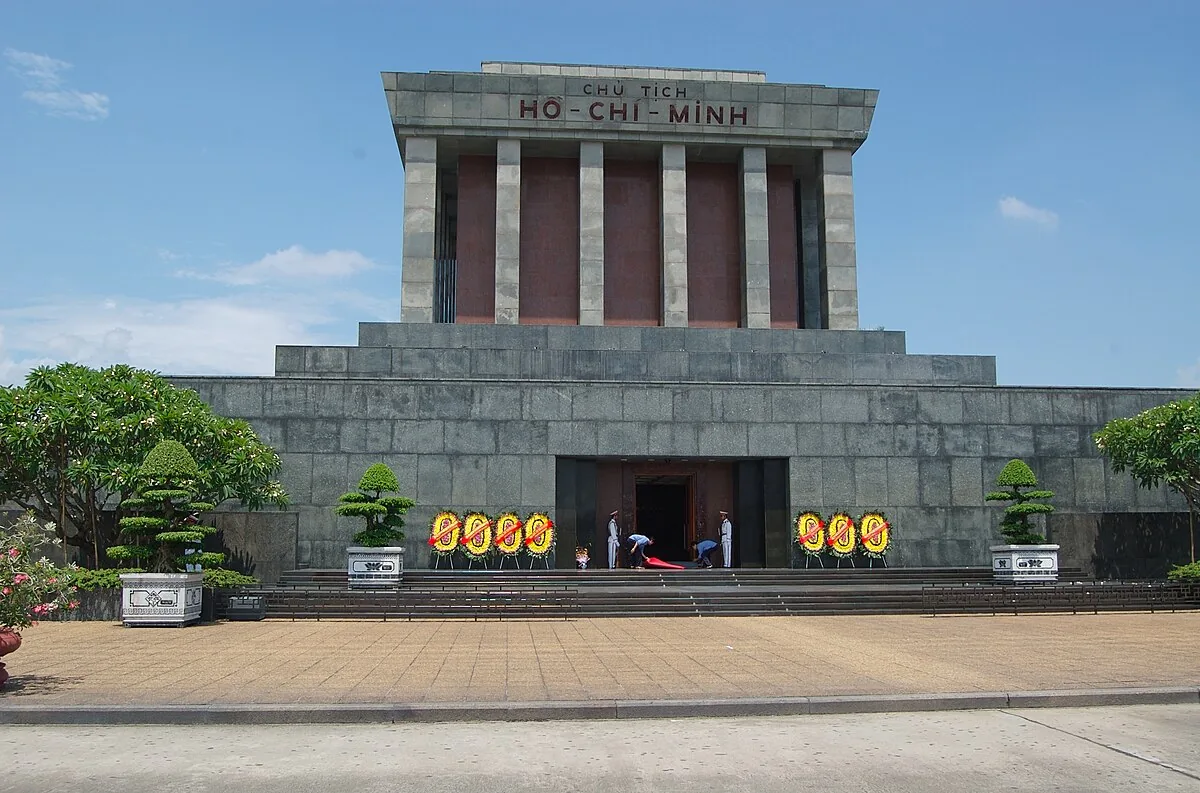
Ho Chi Minh Mausoleum
A monolithic grey granite fortress inspired by Lenin's tomb but incorporating traditional Vietnamese architectural elements; the structure sits in the centre of Ba Dinh Square where independence was declared in 1945; watch the changing of the guard at 6 am; the rhythmic click of boots on the stone pavement and the stark; white uniforms provide a sharp contrast to the lush green grass and the scarlet flag.
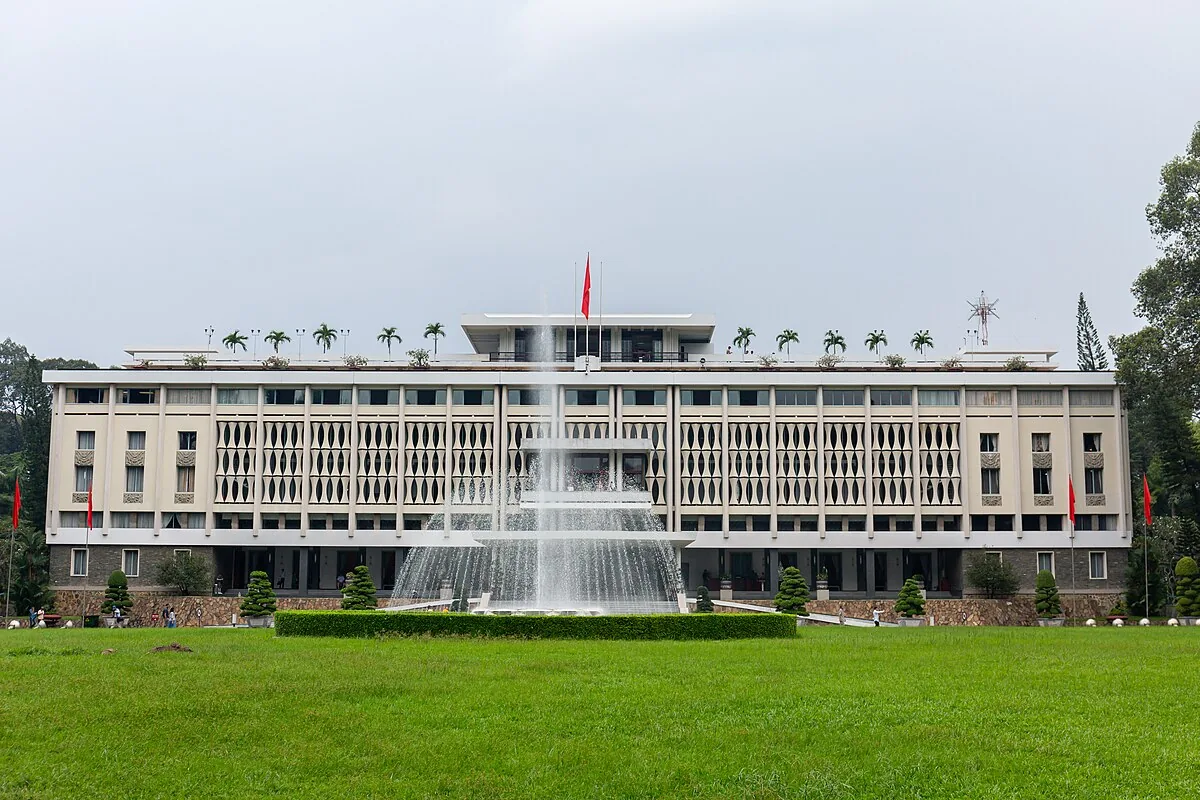
Independence Palace
A 1966 masterpiece of modernist architecture featuring 'lacemwork' concrete screens and a command bunker deep in the basement; the site marks the precise end of the Vietnam War when Tank 843 crashed through the iron gates; walk the rooftop heliport at dusk; the sunset reflects off the teak-panelled walls of the state rooms while the hum of ten million motorbikes rises from the city below.
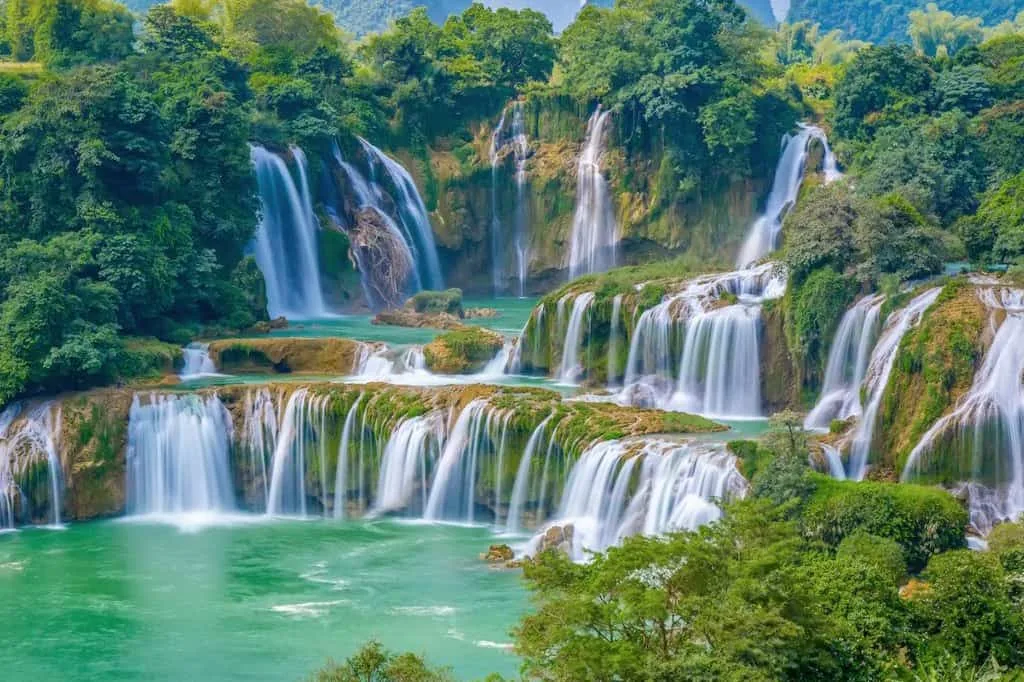
Ban Gioc Waterfall
The largest trans-national waterfall in Asia drops 30 metres across three tiers of moss-covered limestone on the Chinese border; the Quay Son river creates a thunderous roar as it crashes into the turquoise pools below; board a bamboo raft at noon; the mist creates a permanent rainbow against the lush bamboo forest while the air is cold and smells of wet stone and crushed jungle ferns.
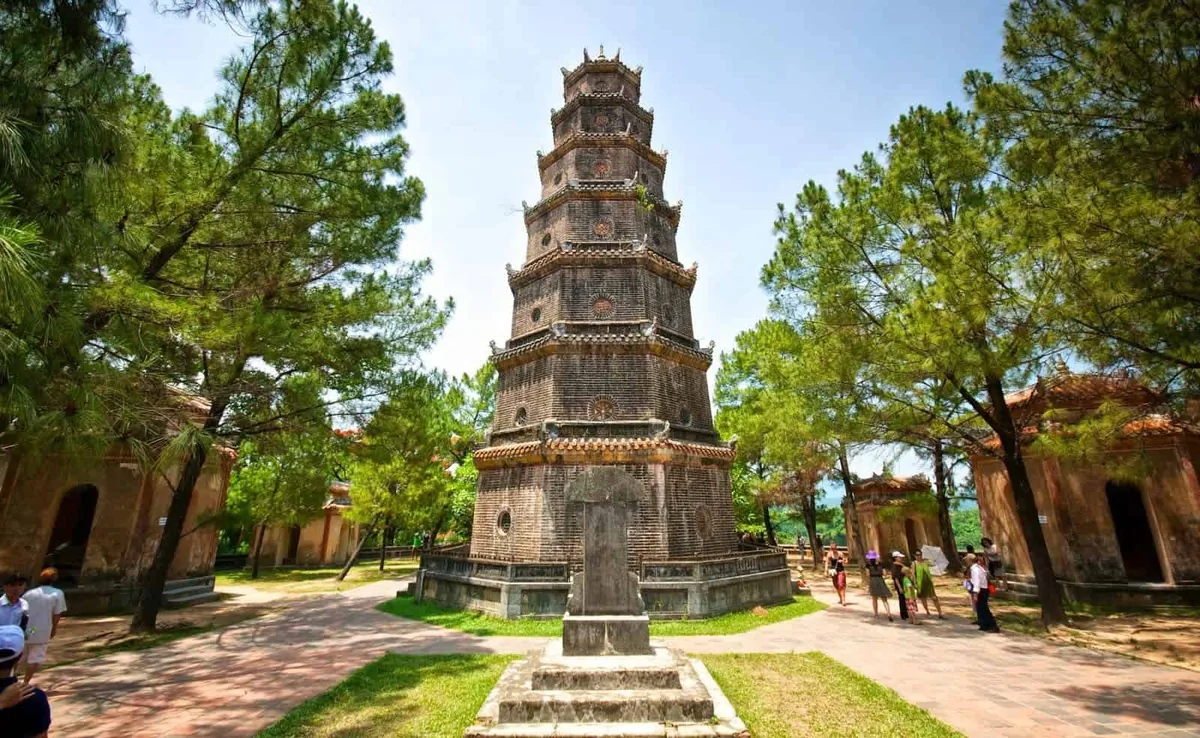
Thien Mu Pagoda
A seven-storey octagonal brick tower built in 1601 on the banks of the Perfume River; symbolising the seven reincarnations of Buddha; the site houses the Austin motor vehicle used by Thich Quang Duc during his 1963 self-immolation; attend the late-afternoon chanting; the sound of the massive bronze bell vibrates through the pine-scented air while the river water turns the colour of brushed steel.
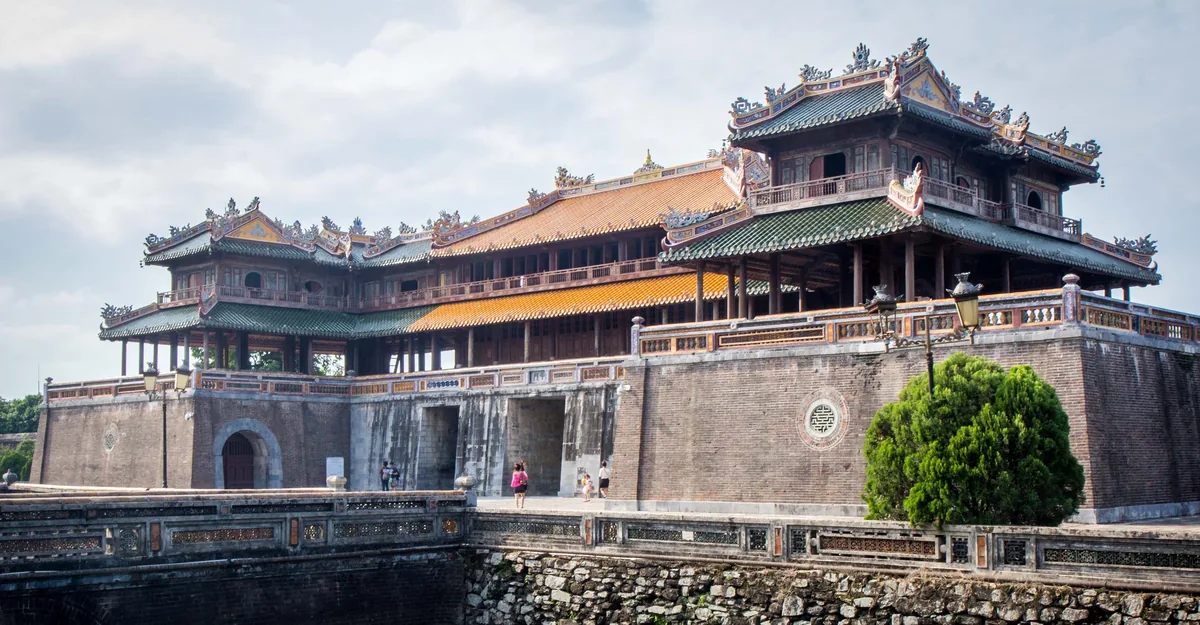
Imperial City of Hue
The 19th-century seat of the Nguyen Dynasty is a massive walled citadel built of sun-baked brick and river stone; the Noon Gate leads to the Forbidden Purple City where phoenix-patterned tiles adorn the rooflines; enter the Thai Hoa Palace at 4 pm when the western light turns the red-and-gold lacquered columns a saturated amber; the air smells of old cedar and damp earth from the surrounding moat.
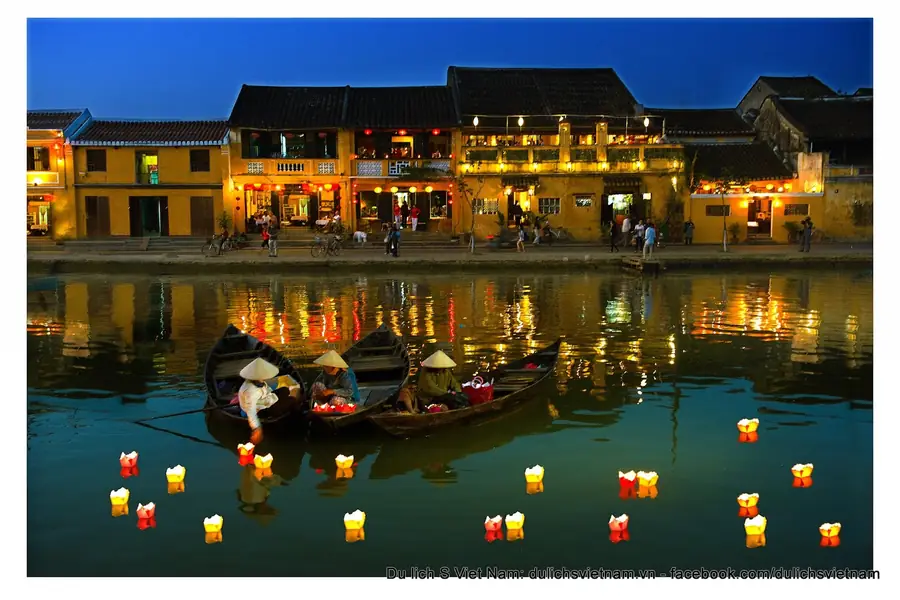
Hoi An Ancient Town
A 15th-century timber-framed trading port where Chinese shophouses; Japanese bridges; and French colonial villas merge along the Thu Bon River; the hand-carved shutters and yellow-ochre walls reflect the town's syncretic merchant history; walk the pedestrian streets after a rainstorm when the silk lanterns ignite; the wet cobblestones mirror the vibrant red and gold hues while the sound of wooden looms echoes from hidden ateliers.
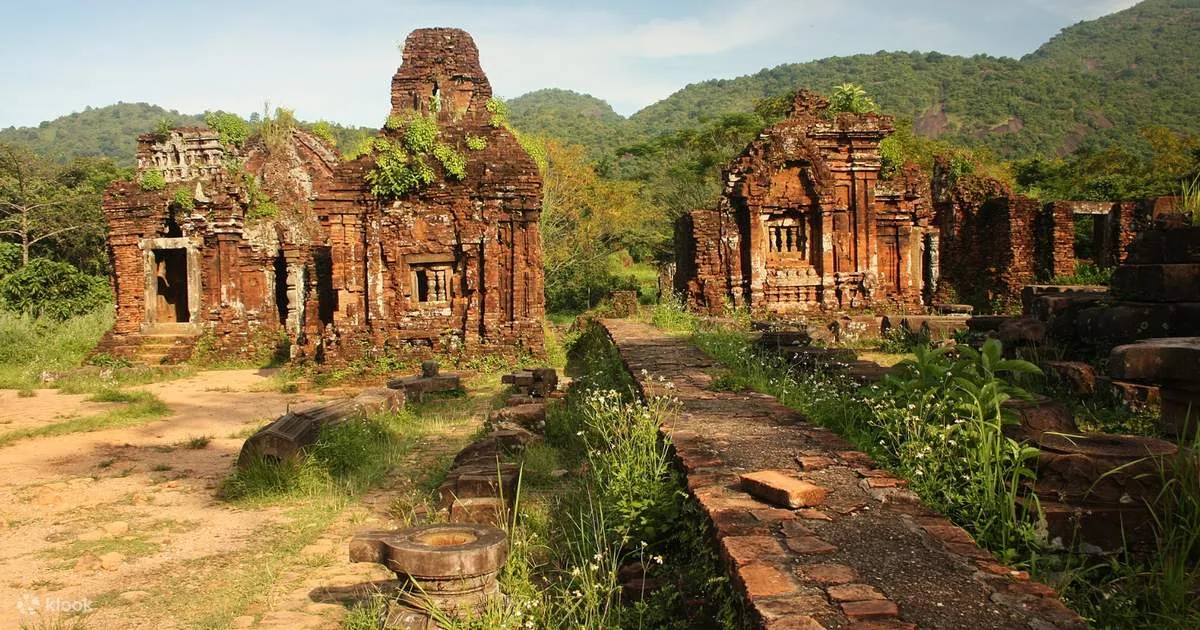
My Son Sanctuary
The spiritual capital of the Champa Kingdom features red-brick temples dedicated to Shiva; constructed between the 4th and 14th centuries without visible mortar; the hand-carved sandstone reliefs depict Hindu deities amidst the encroaching jungle; explore the Group A ruins at dawn; the pre-dawn light reveals the bomb craters from the 1960s; juxtaposing ancient religious precision with raw; 20th-century destruction.
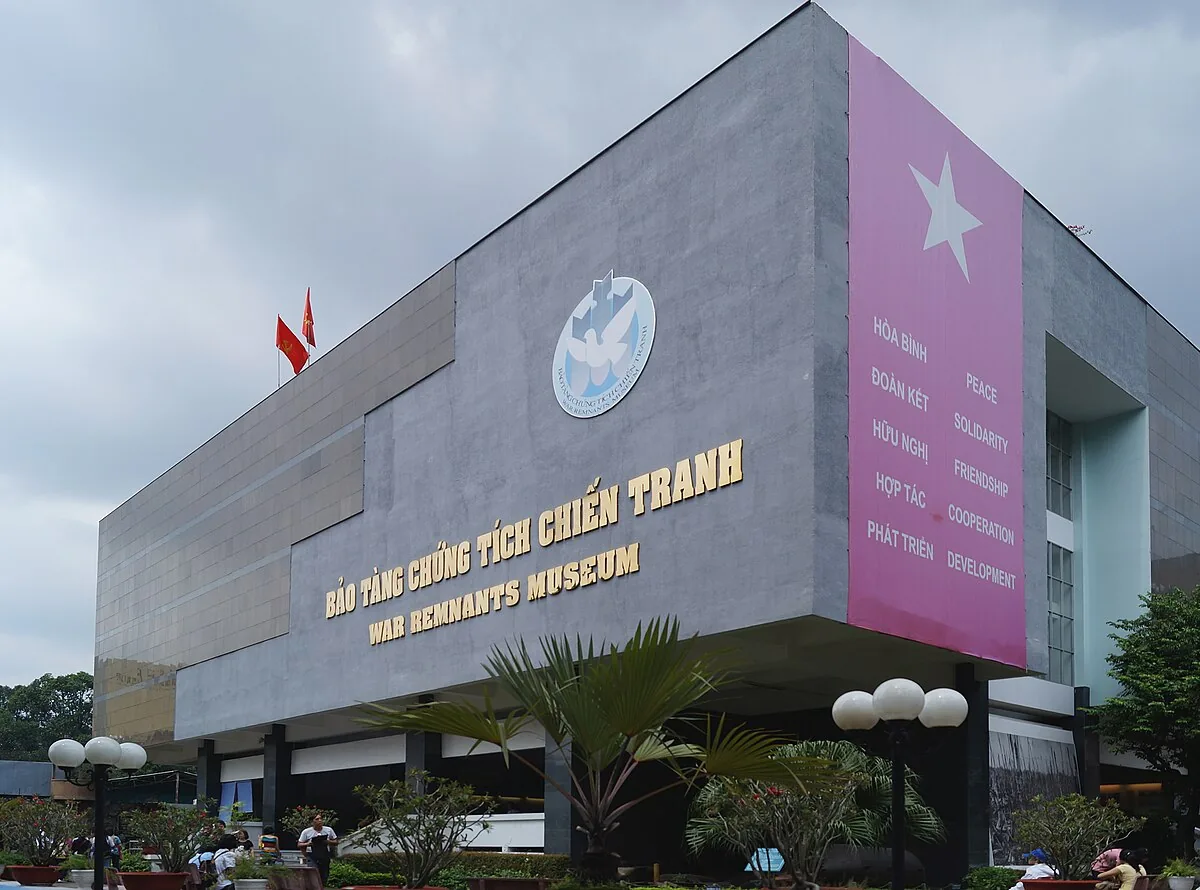
War Remnants Museum
The definitive record of the Indochina Wars housed in a modernist 1975 structure; the courtyard contains captured American aircraft and 'tiger cage' prison cells; the internal galleries display the searing photojournalism of the Requiem collection; visit the upper floors in the quiet of early morning; the clinical light through the tall windows highlights the rusted iron of the ordnance; the silence of the visitors is a heavy; physical presence.
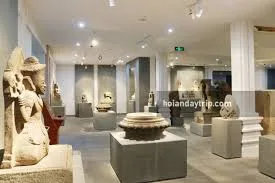
Museum of Cham Sculpture
Housed in a 1915 colonial building with Gothic elements; this museum contains the world largest collection of 7th-century terracotta and sandstone Cham artefacts; the 'Dong Duong' hall features monumental stone altars and winged garudas; walk the open-air galleries at 10 am; the sea breeze from the Han River carries the smell of salt; highlighting the porous; weather-beaten texture of the sun-bleached sandstone idols.