Rowboats navigate a maze of vertical stone towers and flooded caves where ancient kings once hid their entire capital from invading armies.
About Trang An Landscape Complex
Trang An was shaped by over 250 million years of geological activity, with the karst towers being the remnants of a massive limestone plateau. Excavations in the caves have revealed tools and pottery from the Neolithic and Mesolithic periods, showing that humans have found sanctuary here for 30,000 years. During the 10th and 11th centuries, the Hoa Lu district within the complex served as the first capital of a unified Vietnam, a center of political and military power. The transition from a remote agricultural valley to a world heritage site has happened rapidly, yet the traditional system of river management and temple maintenance remains in the hands of the local villagers.
Overview
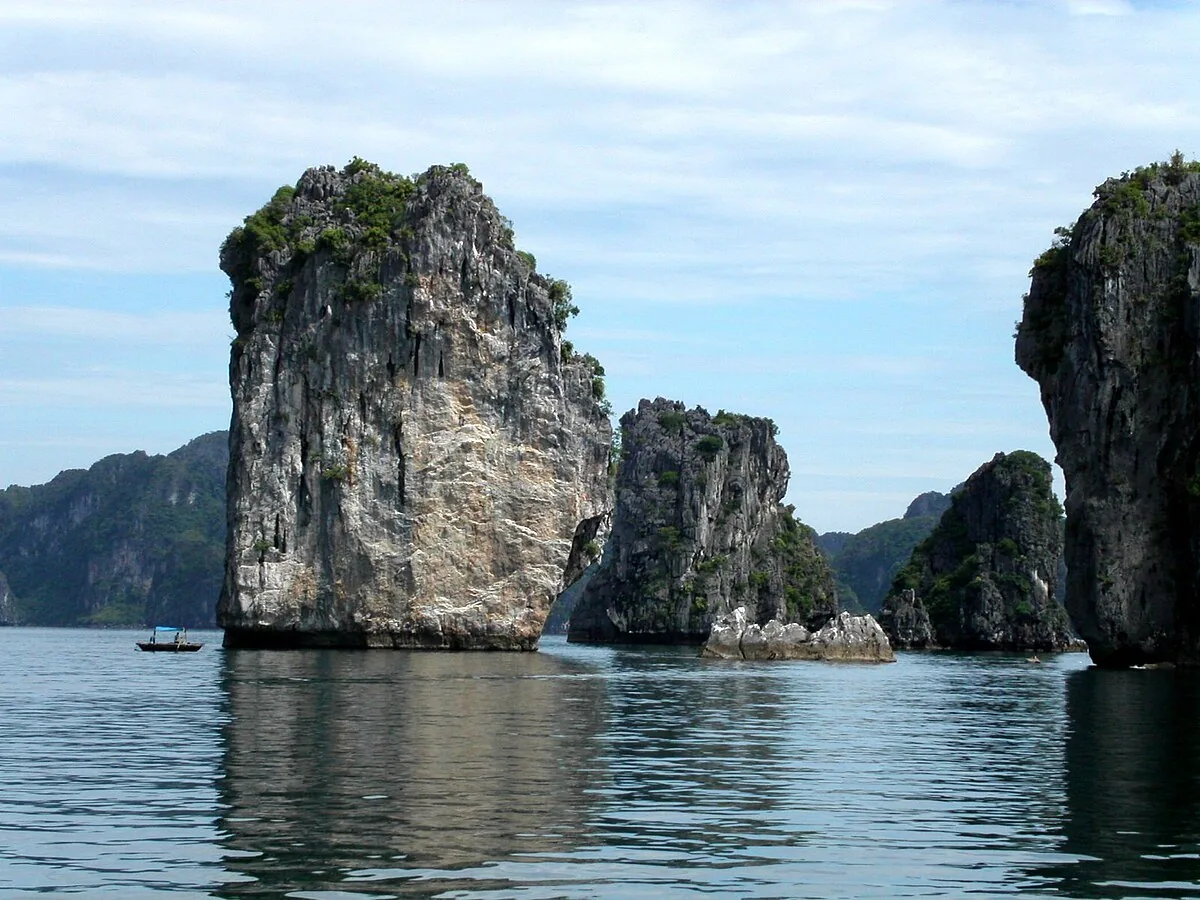
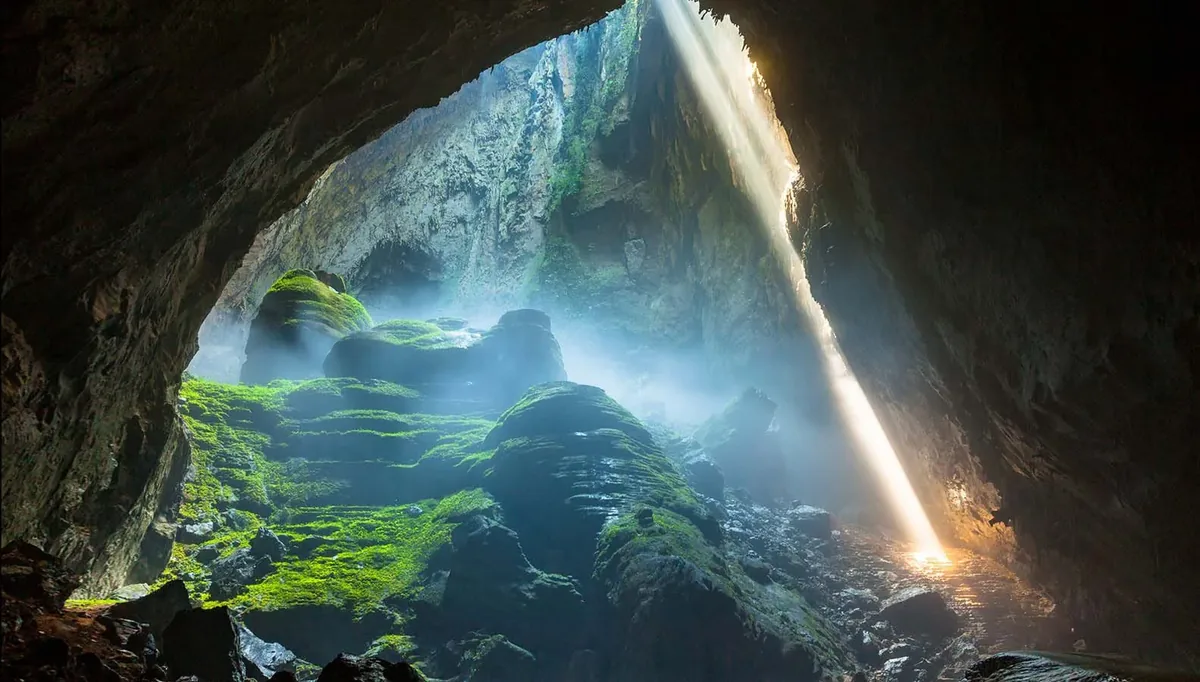
Limestone peaks rise vertically from flooded rice paddies and emerald rivers, creating a labyrinth of stone that was once the defensive heart of ancient Vietnam. Trang An is a geological masterpiece often described as Ha Long Bay on land, but its true character is far more intimate and terrestrial. Traditional sampans, paddled by local women who often use their feet to propel the oars, glide through narrow waterways that disappear into the mouths of low-hanging caves. Inside these subterranean passages, the ceiling hangs just inches above your head, dripping with calcium-rich water that has spent millennia sculpting the stone. The complex is a dual-heritage site, recognized by UNESCO for both its staggering natural beauty and the evidence of human occupation that dates back nearly thirty thousand years.
“Limestone peaks rise vertically from flooded rice paddies and emerald rivers, creating a labyrinth of stone that was once the defensive heart of ancient Vietnam.”
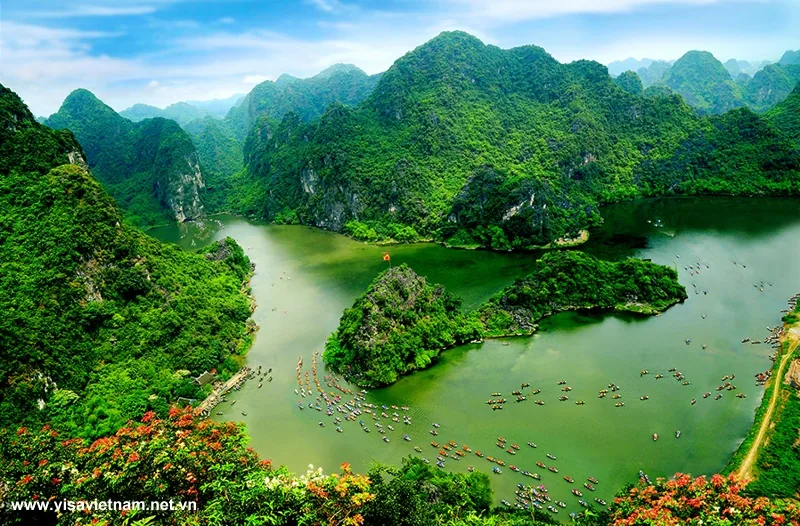
Trang An Landscape Complex, Vietnam
Background
The Dinh Dynasty chose this rugged landscape as their capital in the 10th century, recognizing that the sheer cliffs provided a natural fortress that no invading army could easily breach. Century after century, the temples and pagodas hidden within these valleys served as retreats for royalty and monks seeking solitude. Archaeologists have discovered sea shells and animal bones in the higher caves, proving that the region was once under the ocean before the tectonic shifts created the karst landscape we see today. More recently, the area gained global fame as the filming location for Hollywood blockbusters, but the local government has worked to ensure that the influx of visitors does not erode the quiet, agricultural soul of the Ning Binh province.
On site
The air is cool and carries the scent of river mud, crushed water lilies, and damp limestone. In your ears is the rhythmic splash of oars and the echoing chatter of swallows that nest in the cave ceilings. Walking up the 500 stone steps to the Mua Cave viewpoint, the burn in your muscles and the sudden, rewarding rush of a mountain breeze at the summit. The way the light filters through the water, revealing a range of waving green river weeds that look like underwater forests. The light in the late afternoon turns the limestone walls a deep, burnt orange before the shadows fill the valleys. From a wooden dock, the sight of a thousand colorful sampans bobbing in the current creates a vibrant, kaleidoscopic pattern against the dark green hills.
Ninh Binh sits about ninety kilometers
Ninh Binh sits about ninety kilometers south of Hanoi, an easy two-hour journey by train or private car. The Trang An boat wharfs are located a short distance from the city center and the nearby Tam Coc area. Travelers can choose from several boat routes, each varying in length and the number of caves visited. For the most complete experience, arriving at the wharf before 9:00 AM allows you to avoid the midday heat and the largest crowds from the capital, ensuring a more peaceful transit through the silent, flooded valleys.
“Ninh Binh sits about ninety kilometers south of Hanoi, an easy two-hour journey by train or private car.”
The Experience
The sense of quiet wonder as your boat enters a cave so dark and low you have to duck your head to avoid the stalactites. Audibly, the of water dripping from the ceiling is the only thing you hear until you emerge into a hidden valley accessible only by water. First, the skill of the rowers who navigate these tight turns with effortless grace, often chatting with one another across the water. People generally focus on the boat ride, but the real magic is the climb to the top of the ridges where the scale of the landscape finally becomes clear. The moment you see the river winding like a silver ribbon through the golden rice fields is when you realize the true majesty of Ninh Binh.
Why It Matters
Trang An is a rare example of a 'mixed' UNESCO World Heritage site, possessing equal value for its natural karst science and its long history of human adaptation. It represents the survival of traditional river culture and provides a geological record of how the earth’s crust has shifted and eroded over hundreds of millions of years.
Why Visit
Visit Trang An because it offers a level of serenity and vertical drama that is unmatched in Southeast Asia. It is a place where you can experience the beauty of Ha Long Bay without the diesel fumes and the open sea. You go for the boat ride, but you stay for the sense of being lost in a prehistoric world.
Insider Tips
- 1
Choose Route 2 or 3 for the boat trip to see the most impressive caves and avoid the sections that are overly focused on modern film sets.
- 2
Bring a small umbrella or a wide-brimmed hat; even on cloudy days, the reflection of the sun off the water can cause a serious burn during the two-hour trip.
- 3
Tip your rower directly at the end of the journey; they work incredibly hard for very little base pay and appreciate the gesture immensely.
- 4
Pack a headlamp if you have one; the lights inside some of the longer caves can be dim and a personal light helps you see the rock formations.
- 5
Combine your visit with a trip to the nearby Bai Dinh Pagoda to see the contrast between the ancient karst caves and the largest modern Buddhist complex in Vietnam.