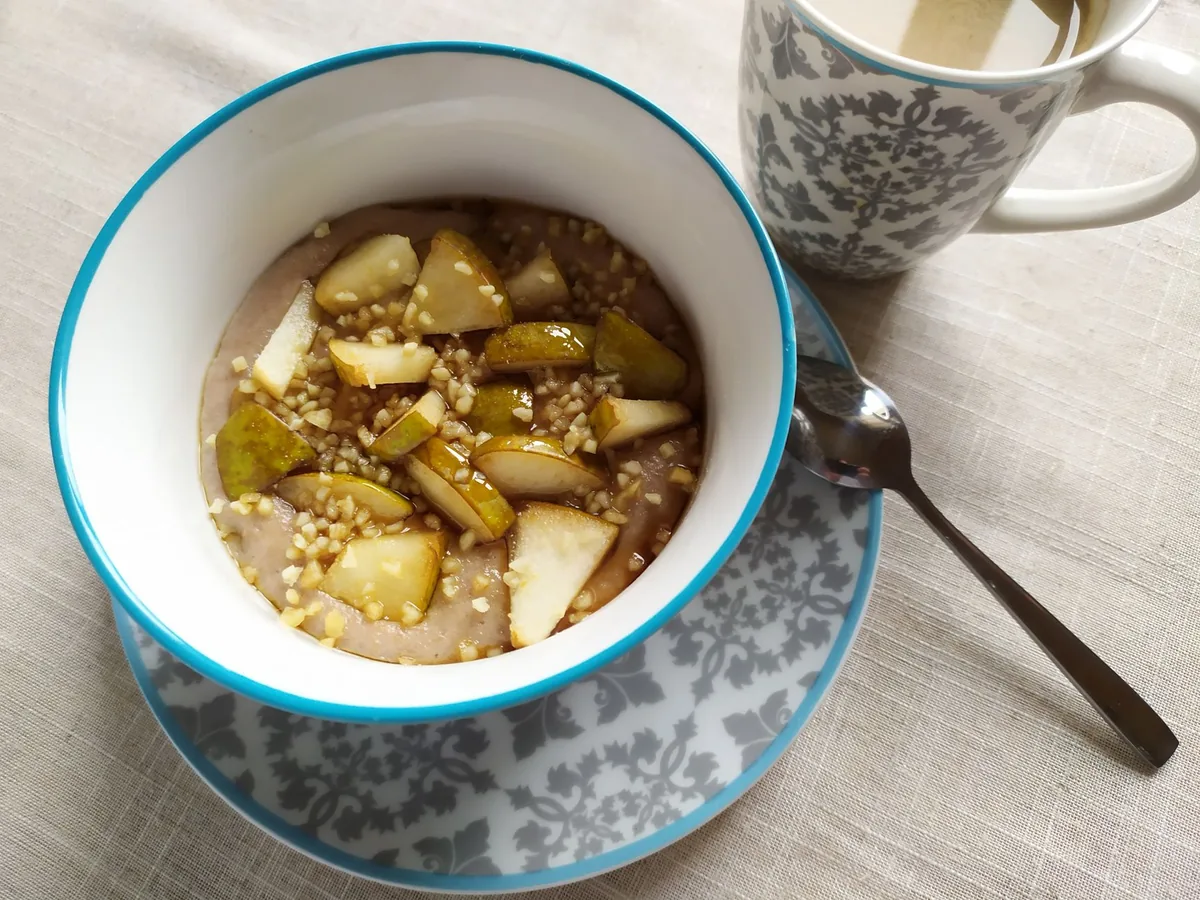
"Sealed in a clay pot and buried under charcoal embers for twelve hours, this two-ingredient dish has been the UAE's most important Ramadan meal since before the nation itself existed."
About Al Harees
A dish of extraordinary simplicity and depth: whole wheat and slow-cooked lamb sealed in a clay pot and cooked over embers for up to 12 hours until they merge into a silken, porridge-like wholeness; seasoned with nothing but salt, ghee and cinnamon; a Ramadan and Eid staple that reveals Emirati cooking's ancient bedouin soul.
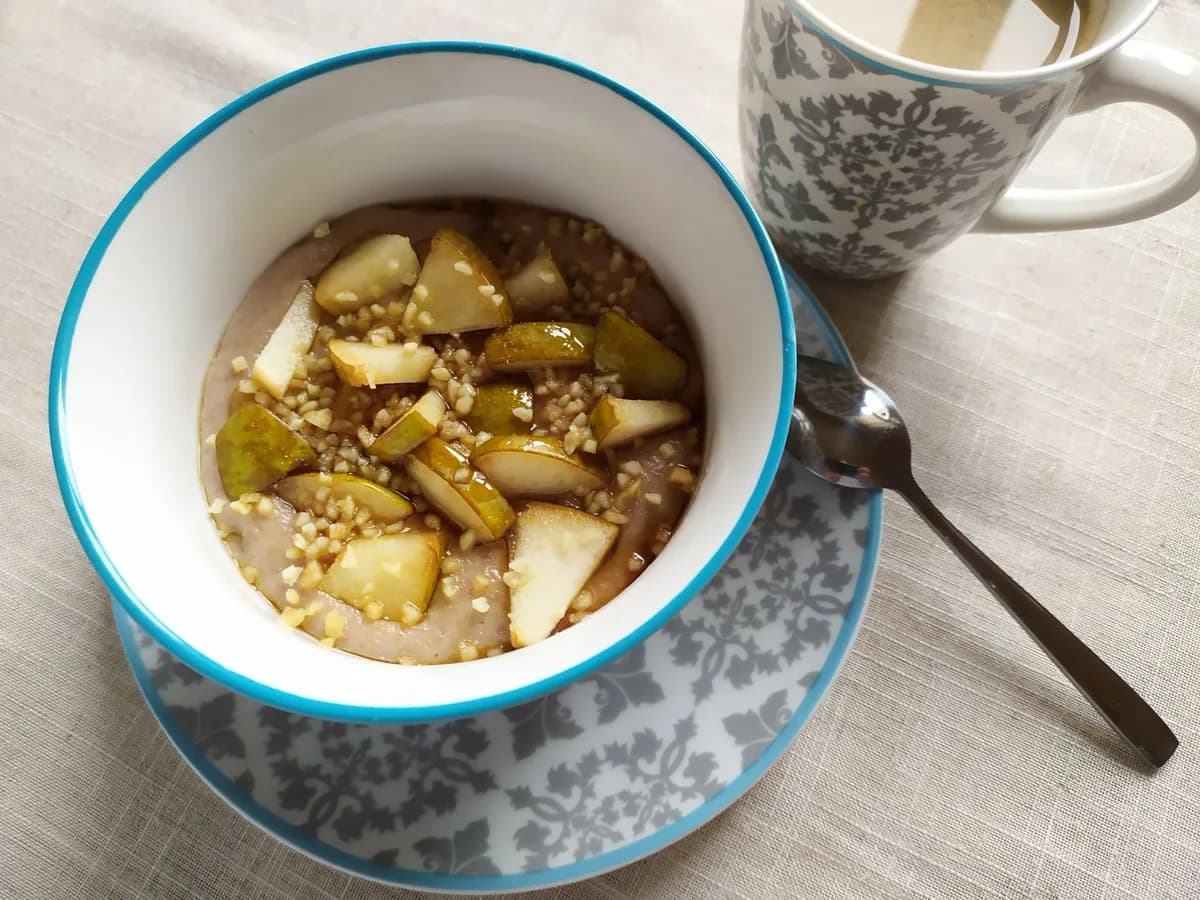
Al Harees, a staple of United Arab Emirates's cuisine
Overview
Al Harees is one of the oldest surviving dishes in the Arab world, a preparation so ancient it appears in manuscripts from the Abbasid Caliphate dating back to the 10th century. Two ingredients, whole wheat and bone-in lamb, are combined in a clay pot with salt and sealed with dough before being buried beneath charcoal embers for up to twelve hours. When the seal is broken, both grain and meat have dissolved into each other entirely, becoming a single smooth, porridge-like mass that defies easy description but demands a second bowl. The Emirati version differs subtly from its Gulf cousins. The ratio of wheat to lamb leans heavier on the meat, and the final texture is silkier and more cohesive than the rougher Yemeni or Omani interpretations. It is always finished with a generous pool of clarified butter (samnah) and a dusting of cinnamon that melts into the hot surface, a combination that transforms what sounds like peasant food into something profoundly satisfying.
The Story Behind It
Harees began as sustenance for the desert, a nomadic people's answer to the problem of carrying food across the Empty Quarter. Whole wheat and dried meat were the most packable provisions available, and the slow-cooking method over embers required no surveillance once sealed. Today it remains the dish most closely associated with Ramadan iftar and the two Eid celebrations, when families across the UAE break fast on the same recipe their grandparents ate. Many Emirati households still cook it in buried clay pots on Eid morning, lit before dawn to be ready by noon.
What It Tastes Like
The texture is unlike any other grain dish: not a risotto, not a polenta, but something uniquely elastic and yielding, where the wheat fibers have become indistinguishable from the gelatinous collagen of the slow-cooked lamb. The flavour is clean and deep simultaneously: the sweetness of wheat flour, the mineral richness of bone broth, and the warmth of cinnamon hovering above the clarified butter that pools in every dip. Salt is the only seasoning in the pot itself, which makes the dish's complexity feel almost alchemical.
Where to Find It
Al Harees is rarely found in casual restaurants outside Ramadan. The dedicated period to seek it out is sunset during the holy month, when harees stalls operate across Abu Dhabi's Al Mina district and along Dubai's Al Fahidi waterfront. The Al Fanar Restaurant in Festival City and the Arabian Tea House in Old Dubai serve reliable versions year-round. For the most authentic experience, ask a local family. Harees is a dish that Emiratis almost universally claim their mother makes better than any restaurant.
What to Expect
The silence of the dish is notable: no visible ingredients, no distinct components, just a smooth, ivory-coloured mass steaming in the clay bowl. Clarified butter pools on the surface and cinnamon rises on the steam. The first mouthful is disorienting: it is simultaneously light and filling, familiar and exotic. Eating harees is an act that slows the diner down instinctively, demanding attention, not speed.
Why Try It
Al Harees is the dish that reveals what Emirati food actually is, stripped of the modern influences that have reshaped the UAE's culinary landscape. In a country where the restaurant scene is dominated by global imports, harees is a reminder that a civilization built its endurance on two ingredients and a buried fire, and that the result is worth seeking out above almost anything else the country offers a food-curious traveller.
✦ Photo Gallery
Insider Tips
Visit during Ramadan, Al Harees street stalls in Al Mina (Abu Dhabi) and Al Fahidi (Dubai) operate only at iftar time and produce the most authentic versions in the country.
Order extra clarified butter on the side. The standard serving is generous but the dish improves considerably with more samnah poured tableside.
Ask for harees with bone rather than boneless meat, the collagen from the bone is what gives the dish its distinctive silky-elastic texture.
The Al Fanar Restaurant in Dubai Festival City serves harees year-round and is a reliable starting point when visiting outside Ramadan.
Avoid versions served from commercial buffets, the dish is best eaten immediately from the pot; it stiffens and loses its character within thirty minutes of serving.