"On Al Dhiyafah Road in Satwa, where a single city block contains more shawarma stalls than many countries have in total, the spice-scented smoke from twelve rotating lamb spits is the closest thing Dubai has to a national perfume."
About Shawarma
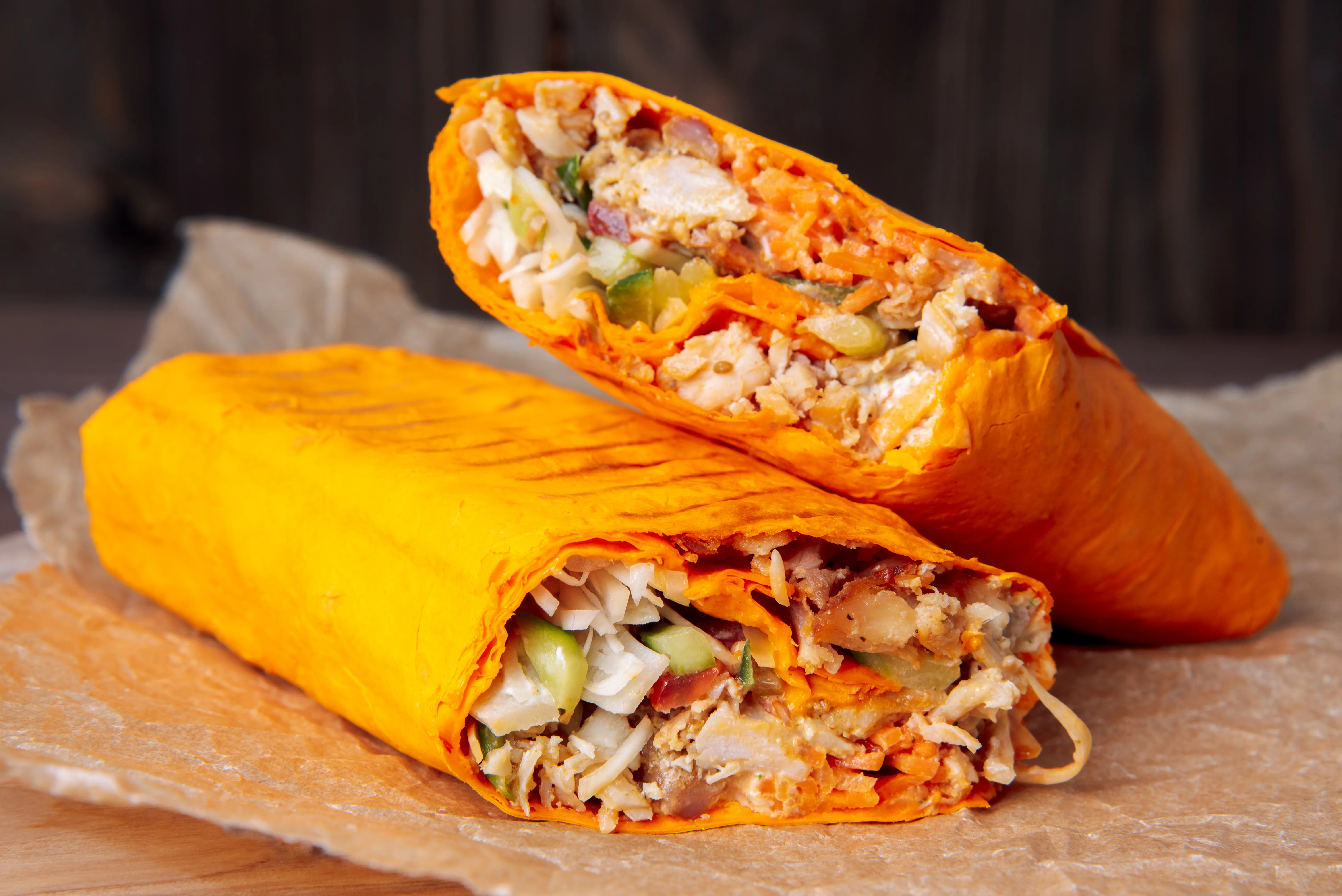
Dubai's street-food heartbeat: lamb or chicken shaved off a rotating spit and stuffed into khubz flatbread with tahini, garlic sauce, pickles and tomato; the Al Dhiyafah Road shawarma trail in Satwa is a pilgrimage for Emiratis and expats alike at 2 a.m.
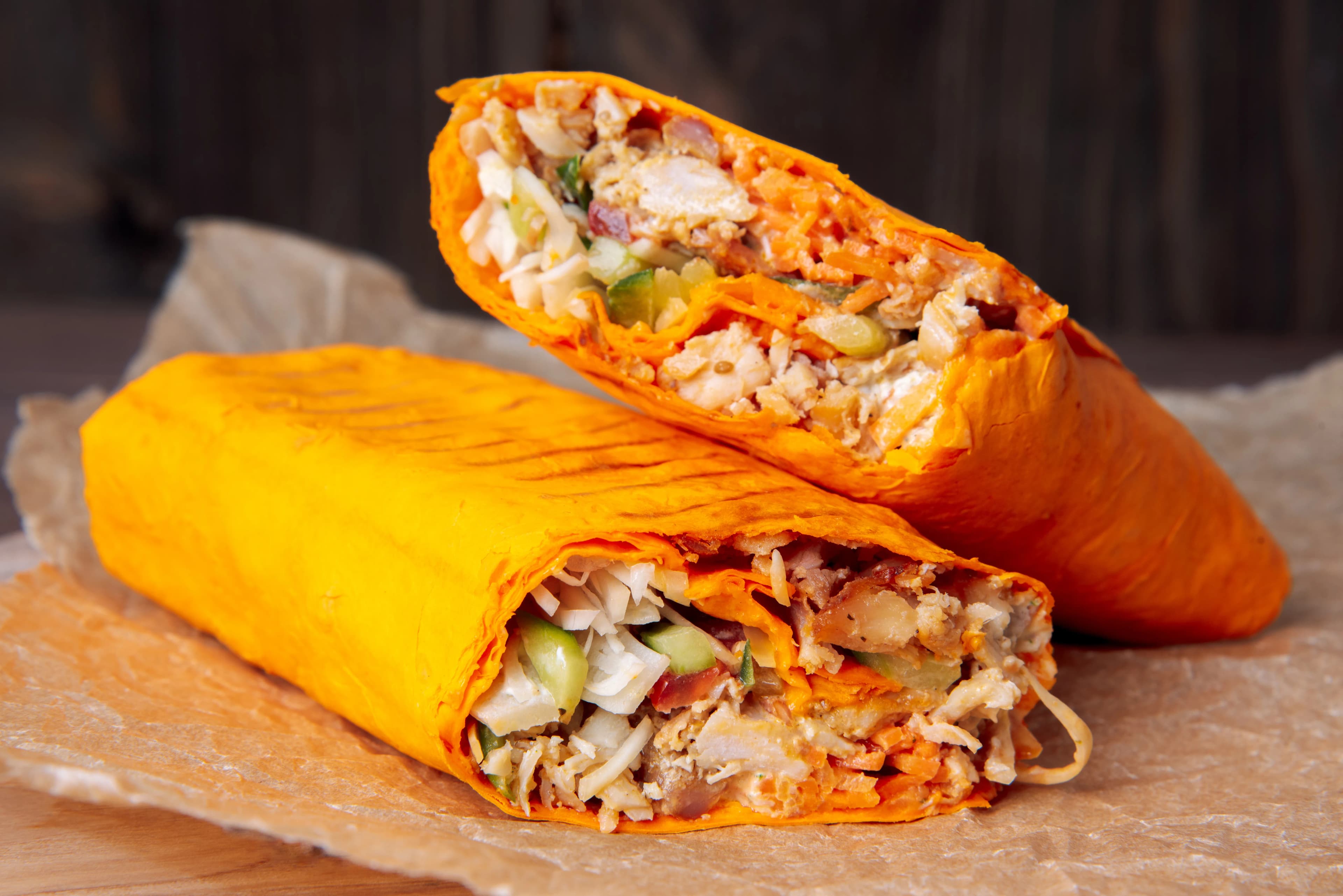
Shawarma, a staple of United Arab Emirates's cuisine
Overview
The UAE's shawarma is not simply a sandwich. It is the country's most democratic food, the 2 a.m. equalizer eaten by construction workers and investment bankers within metres of each other at adjacent stalls. Every neighbourhood has its preferred spot, debated with the intensity of sporting rivalries. The Gulf version differs from its Turkish and Levantine ancestors in its marinade, heavier on the warming spices, lighter on the acid, and in its mandatory accompaniments of garlic sauce (toum), tahini, and pickled cucumbers wrapped tightly inside the bread itself. Dubai's Al Dhiyafah Road in Satwa is the unofficial shawarma capital of the city, a strip of Lebanese and Gulf-style stalls that begins filling at sunset and runs through to sunrise. The rotating spit here is almost always lamb or chicken (rarely mixed), and the bread is a soft, slightly charred khubz flatbread that holds its structure under the weight of the fillings without becoming a structural problem.
The Story Behind It
Shawarma arrived in the UAE through the Lebanese and Syrian migrant communities that came to build the country's infrastructure in the 1960s and 1970s. The technique, meat stacked on a vertical rotating spit, shaved to order, was already centuries old in the Ottoman world, but it was the Lebanese and Palestinian communities who established the UAE's beloved version. Today the shawarma has become as Emirati as any imported food can become, adapted to local taste with a spice profile that reflects Gulf rather than Levantine preferences.
What It Tastes Like
The smell arrives before the stall is visible: char, cumin, cardamom and lamb fat rendering in the heat, a smell so specific that UAE residents report experiencing involuntary hunger at the memory of it years after leaving the country. The roll itself is the product of three simultaneous actions: the meat shaved, the bread pressed on the warm grill plate, the garlic sauce spread in one motion. Everything must be eaten immediately. A shawarma that has sat for three minutes has already begun its decline.
Where to Find It
Al Dhiyafah Road in Satwa, Dubai is the most celebrated shawarma corridor in the country. The stalls opposite the Satwa roundabout and near Ravi Restaurant operate past 3 a.m. and have cultivated cult followings across the expatriate and local community. In Abu Dhabi, the Muroor Road area near the Central Bus Station has a comparable density of quality stalls. Airport terminals have shawarma counters but they are uniformly inferior. Shawarma is a street food that cannot survive the economics of airport retail.
What to Expect
The transaction at a great shawarma stall takes under two minutes from order to first bite, and the entire operation happens in full view: the knife angled into the rotating meat at exactly the right pressure to shave thin without tearing, the bread pressed flat on the griddle, the garlic sauce spread by a spoon moving in a single practised arc. The diner eats standing, the roll already beginning to soak through its foil wrap. There is no polite version of this experience: the garlic sauce drips, the tahini stains, and nobody in the queue behind the diner cares.
Why Try It
The UAE shawarma is one of the most honest food experiences the country offers: no hospitality theatre, no dress code, no menu. A great stall succeeds on the quality of its marinade, the skill of the knife and the freshness of its bread, and the best ones have been perfecting these three things for decades. For a country that has imported so much of its food culture, the shawarma has been genuinely absorbed and made local. It is the UAE's street food in a way that few other dishes can claim.
✦ Photo Gallery
Insider Tips
Visit Al Dhiyafah Road (Satwa) in Dubai after 10 p.m. The stalls are busiest then, turnover is highest and the meat quality is consequently at its peak.
Order lamb over chicken if the stall offers both, the fat content of lamb renders better on the vertical spit and produces a juicier result.
Request extra toum (garlic sauce) separately. It is the element that makes or breaks a UAE shawarma and the best stalls have it made fresh daily.
Eat it within five minutes of receiving it. The structural integrity of the khubz bread begins to fail quickly as the sauces soak in.
The cheapest stalls are often the best, a shawarma under 5 AED in 2024 is almost always from a place that has been doing this long enough to need no marketing.