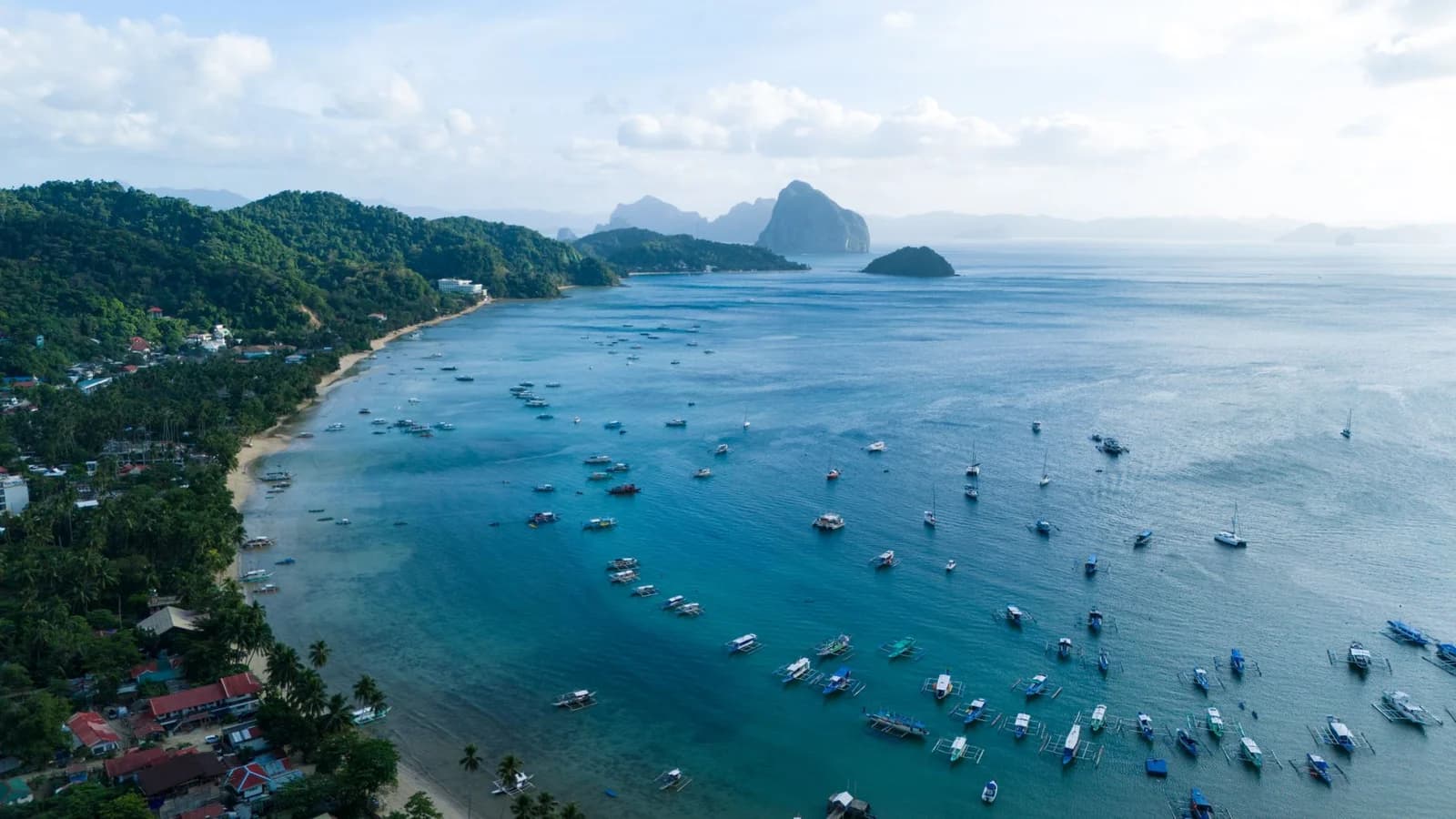
Pick your islands. You can't do them all
With thousands of islands scattered across a vast archipelago, the Philippines forces a choice, and the smart strategy is to cluster. Rather than hopping wildly across the country, pick one or two regions and explore them properly, accepting that you'll leave 90% of the islands for next time.
There are three popular building blocks for a first trip. Palawan in the west (the headline act, with El Nido and Coron). The Visayas in the centre (Cebu, Bohol, Siquijor, with easy island-hopping and great value). And the surf-and-party island of Siargao in the east. Manila, the chaotic capital, is mostly a transit hub, so fly in, connect, and get out to the islands fast. Decide what kind of trip you want (diving, beaches, surfing, a mix) and let that pick your region, not the other way around.
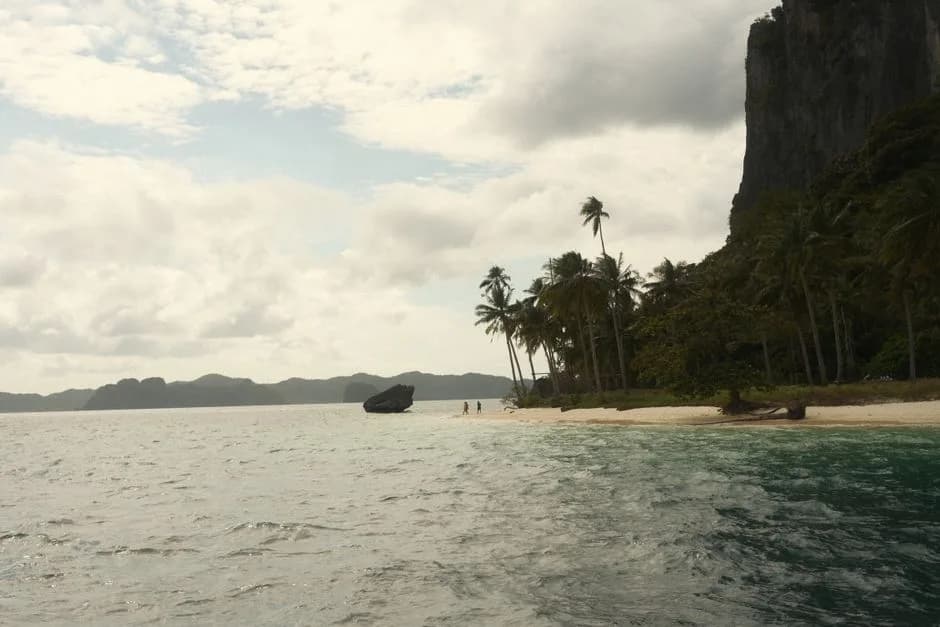
Palawan: the postcard everyone comes for
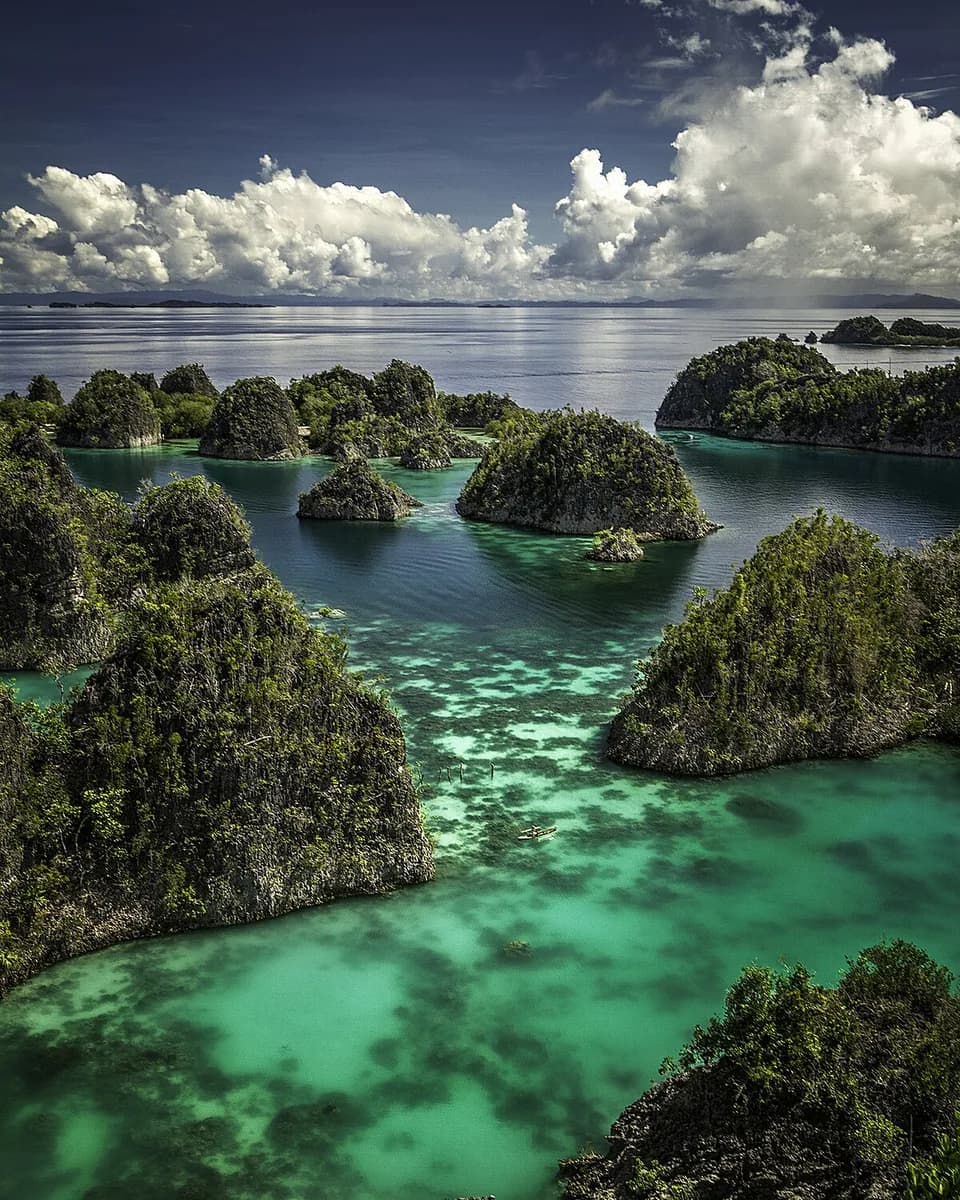
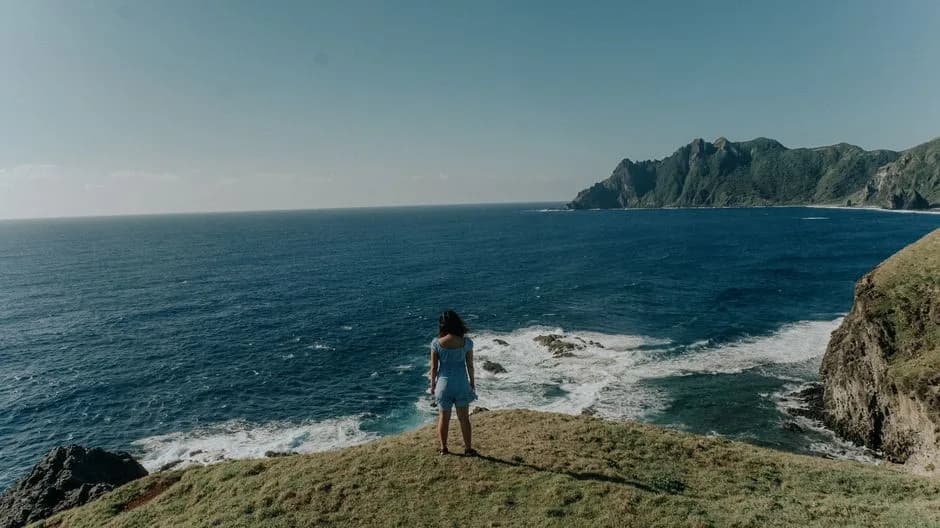
Palawan is the Philippines of the brochures, and it lives up to it. In the north, El Nido is the base for island-hopping tours through the Bacuit Archipelago, a dreamscape of jagged limestone karsts, hidden lagoons you paddle into through gaps in the rock, and white-sand beaches reached only by boat. The standardised 'Tour A' to 'Tour D' boat trips each cover a different cluster of lagoons and beaches.
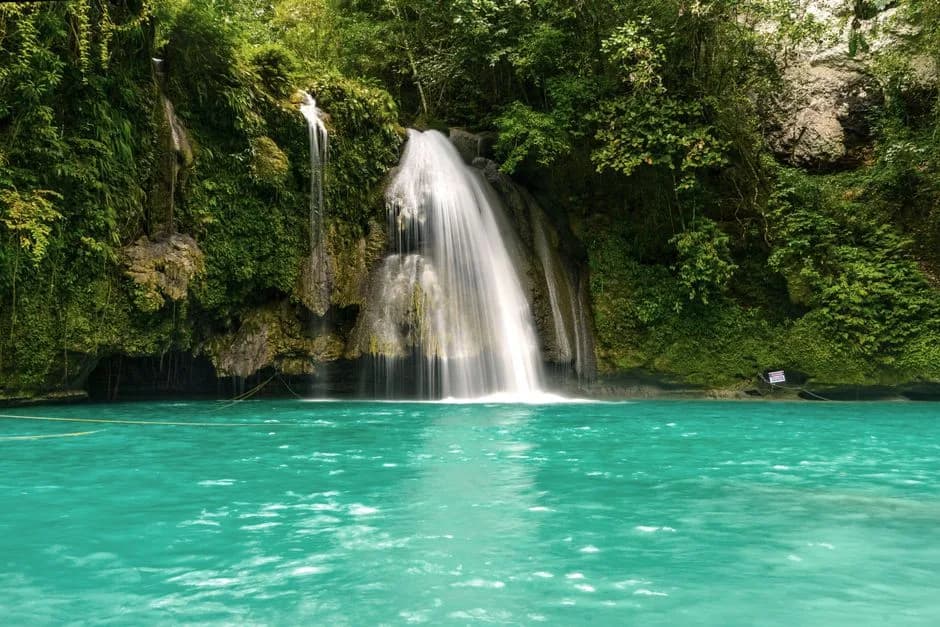
Further north, Coron is the diving capital, famous for a fleet of WWII Japanese shipwrecks resting in clear water, plus the surreal Kayangan Lake. Between them lies the off-grid Tao expedition, a multi-day boat journey camping on uninhabited islands that's a trip-of-a-lifetime in itself. Palawan is also home to the Puerto Princesa Underground River, one of the world's longest navigable subterranean rivers. It's the region most people build a trip around, and rightly so.
The Visayas: easy hopping and great value
The central Visayas are the Philippines at its most accessible and best value, a cluster of islands close enough to hop between by short ferry or flight, with variety. Cebu is the hub, with the famous (if crowded) Kawasan Falls canyoneering and seasonal whale-shark encounters at Oslob (ethically debated, so read up first).
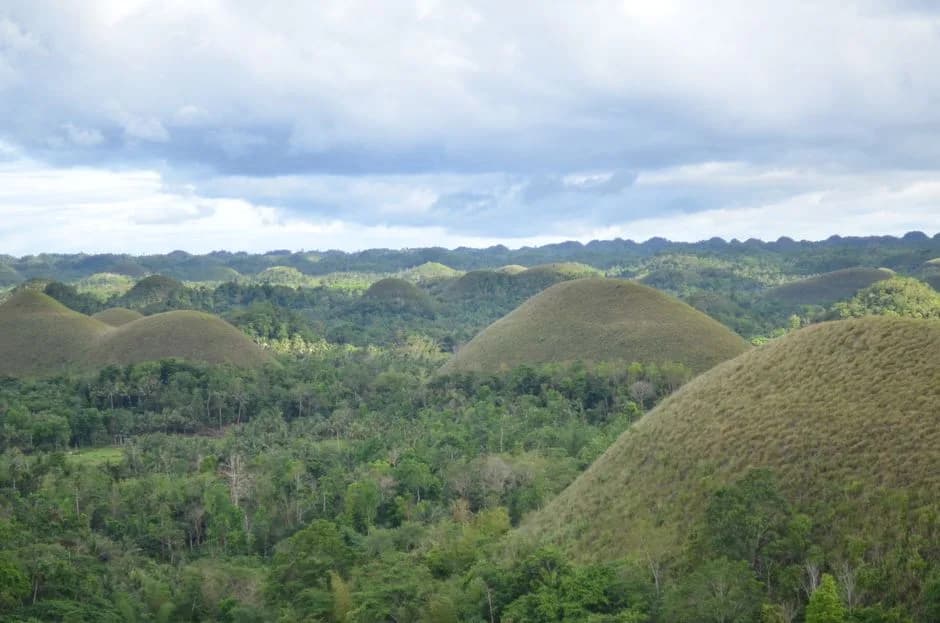
Neighbouring Bohol delivers the bizarre, conical Chocolate Hills and the saucer-eyed tarsiers, the world's smallest primates. Tiny Siquijor has a mystical reputation and gorgeous quiet beaches. Malapascua offers reliable thresher-shark dives. Moalboal's sardine run is a swirling silver spectacle you can snorkel from the shore. For a first-timer who wants variety without the logistics of far-flung Palawan, the Visayas are the easy, rewarding choice.
Timing
When to visit Philippines
The dry season, November to April, is the window to aim for: sunny skies, calm seas and the best island-hopping, with December to February the coolest. The wet season (May to October) overlaps with the typhoon belt, peaking around September, when storms can cancel ferries and flights. Time your trip with the weather and stay flexible.
Average temperature & rainfall in Manila
Temp °CRain mmReal climate averages for Manila (capital). Source: Open-Meteo archive. Rainfall is total monthly precipitation.
Sample route
The perfect 5 days in Philippines
A ready-made 5-day route built from Philippines's top sights. Adjust it to your pace, or generate your own plan.
Budget
What a day in Philippines costs
Hostels and fan-cooled guesthouses, local carinderia meals, ferries and jeepneys, and group island-hopping boat tours.
Comfortable beach resorts, domestic flights between island groups, private boat tours, and dive packages.
Private-island resorts, the Tao expedition or luxury liveaboards, seaplane transfers, and high-end diving and spa retreats.
The numbers below are per person, per day in US dollars. Day to day you'll use the peso. The Philippines is affordable, though island-hopping tours, ferries and domestic flights add up. Carry cash, as remote islands often lack ATMs.
Don't miss
The best places to visit in Philippines
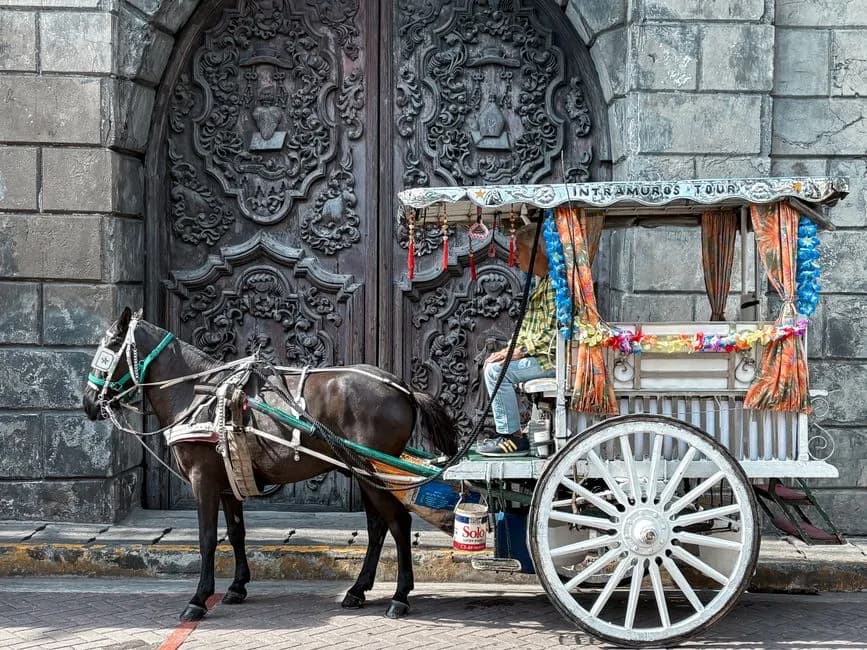
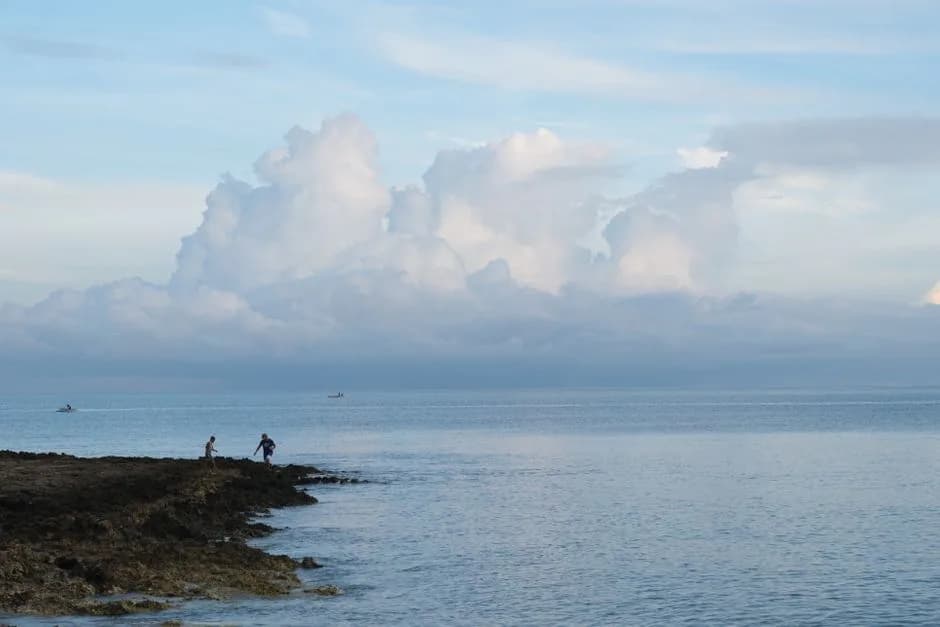
Ferries, flights and the logistics that make or break it
Getting around the archipelago is the real planning challenge. Domestic flights (Cebu Pacific, Philippine Airlines, AirAsia) are cheap and the fastest way to bridge island groups. Manila and Cebu are the main hubs, and most regions connect through one of them. Within an island group, ferries (fast bangka outriggers and larger RoRo car ferries) handle shorter hops.
A few hard-won tips. Build in buffer time, because ferries get cancelled for weather and inter-island flights can be delayed. Don't plan a tight connection between a ferry and an international flight. Book popular routes (and El Nido boat tours) ahead in high season. Distances look small on a map but island travel eats time. The golden rule bears repeating: fewer islands, more days on each, and you'll have a relaxed trip instead of a transit marathon.
When to go, and the typhoons to dodge
Timing matters here more than in most tropical destinations, because the Philippines sits squarely in the typhoon belt. The dry season, roughly November to April, is the prime window: sunny, calm seas and the best island-hopping conditions, with December to February the coolest and most pleasant.
The wet season runs May to October, and the heart of typhoon season (roughly July to October, peaking around September) can bring serious storms, cancelled ferries and washed-out plans, especially on the eastern seaboard. The far south (parts of Mindanao) also carries travel advisories for security reasons, so check before going. The Philippines is one of the friendliest, most genuinely warm countries you'll visit, and English is widely spoken, a big practical bonus. But it pays to time your trip with the weather and keep your itinerary flexible.
Visa & Entry
Do you need a visa for Philippines?
161 countries enter Philippines visa-free. Check the full requirements for your passport →
FAQ
Philippines — your questions
WorldCurio Editorial
Travel writers who plan trips the way locals would, grounded in what actually works on the ground. Visa and entry rules are cross-checked against the latest passport-index data, and climate figures use the Open-Meteo historical archive. Last reviewed June 2026. Always confirm visa and safety details with official sources before booking.
Keep exploring