The two-monsoon rule that makes or breaks your trip
Here is the most useful thing to know about Sri Lanka. It has two monsoons, hitting opposite sides of the island at opposite times of year. That means there's always somewhere with good weather, but you have to plan around it.
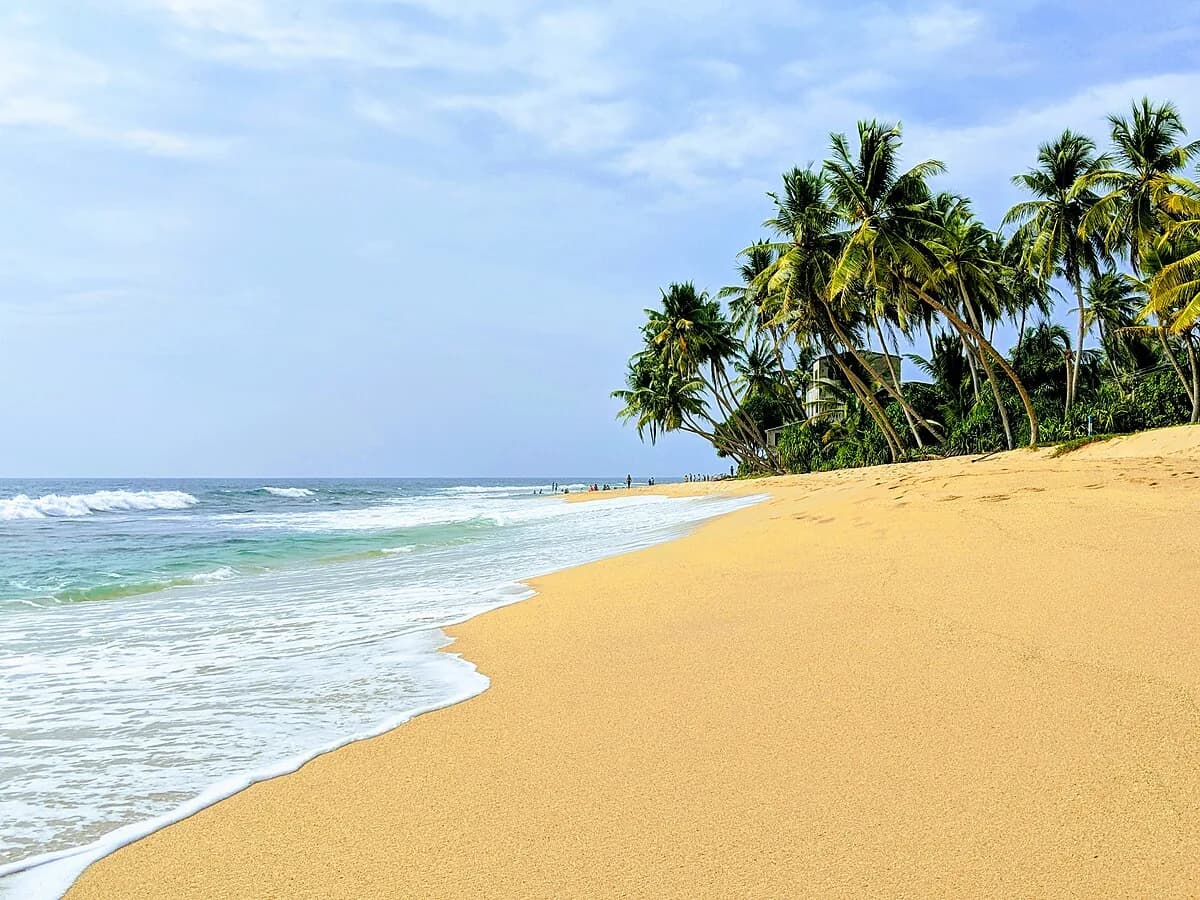
The southwest monsoon (Yala) runs roughly May to September and soaks the west and south coasts and the hill country. The northeast monsoon (Maha) runs roughly October to January and hits the east and north. In practice, come December to March and head for the south coast beaches and the cultural sites. Come May to September and the east coast (Arugam Bay, Trincomalee) is the place to be. The shoulder months are a gamble. Get the coast wrong for the season and you'll spend your beach holiday watching rain, with sunshine two hours' drive away.
Ride the train people fly across the world for
The Kandy-to-Ella railway through the central highlands is, by wide agreement, one of the most beautiful train journeys on Earth. It also costs a couple of dollars. The slow blue train climbs through emerald tea plantations, past waterfalls and misty ridgelines, doors open, travellers' legs dangling from the carriage in the iconic shot.
A few honest tips. Book a reserved seat in advance for the popular Kandy-to-Ella or Nanu Oya-to-Ella stretch, especially in high season, or you'll stand for hours. But standing isn't a disaster. The open doorways are where the views and the photos actually happen. The full Kandy-to-Ella run takes around seven hours, and many people do just the most scenic three-hour section from Nuwara Eliya. Near Ella, the Nine Arches Bridge, a colonial-era viaduct curving through jungle, is the spot to watch a train cross.
The Cultural Triangle: 2,000 years of history in one loop
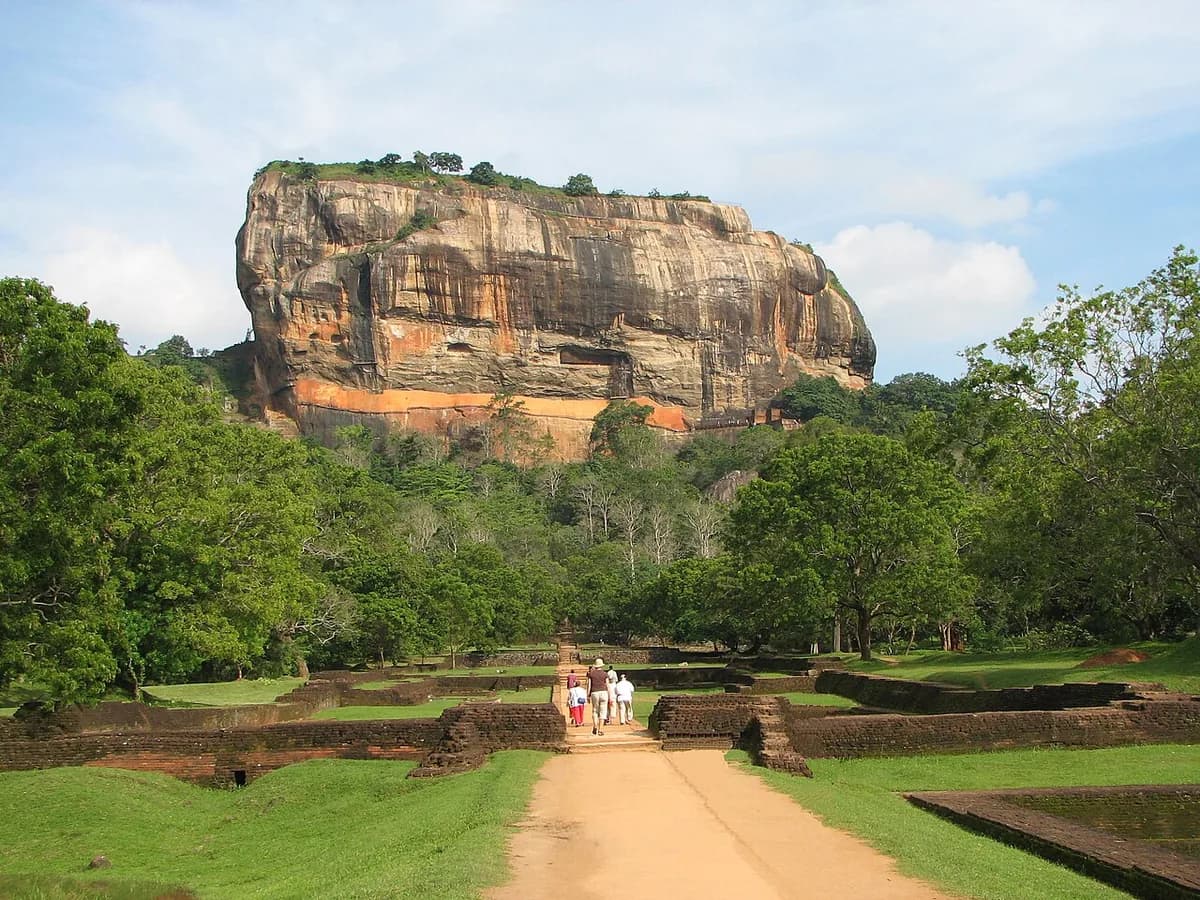
North of the hills, the Cultural Triangle holds Sri Lanka's ancient heart. The showpiece is Sigiriya, a sheer 200-metre rock plinth crowned with the ruins of a 5th-century royal palace, reached by a vertiginous staircase past frescoes of long-vanished court women. Climb it at dawn, before the heat and the crowds.
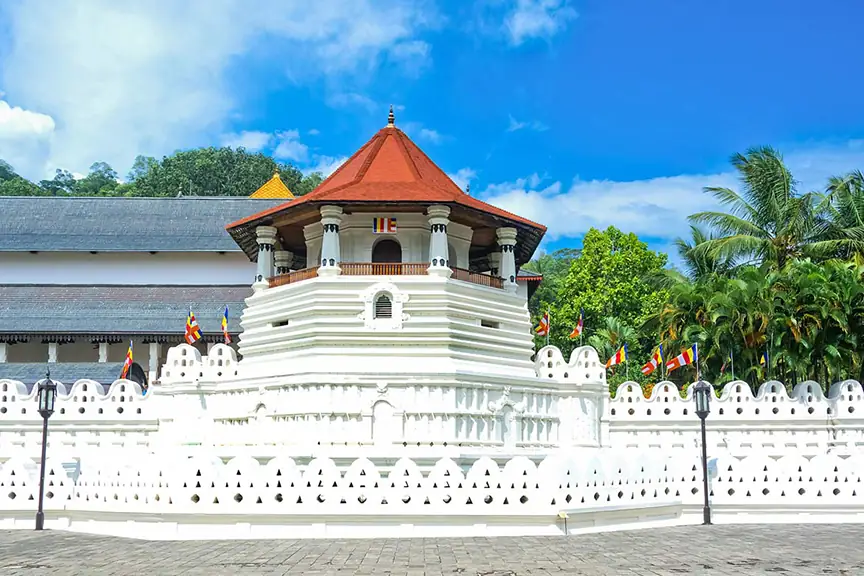
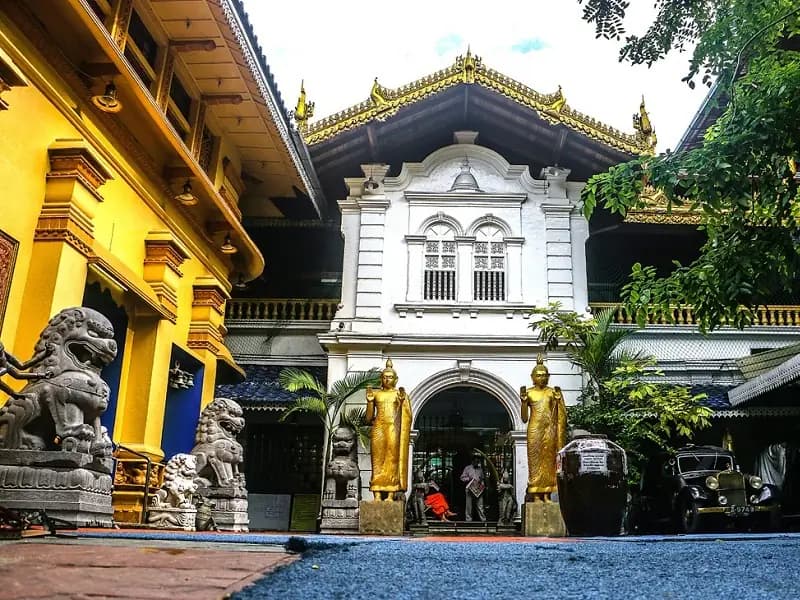
Nearby, the ruined cities of Anuradhapura and Polonnaruwa sprawl with dagobas, palaces and reclining Buddhas carved from living rock, and the Dambulla cave temples are stuffed with painted ceilings and golden statues. Many travellers base themselves in Sigiriya or Dambulla and ring the sites by tuk-tuk or hired car over two or three days. Bring water, start early, and respect the dress codes at active temples: shoulders and knees covered, shoes and hats off.
Timing
When to visit Sri Lanka
Sri Lanka's two monsoons mean there's always a good coast somewhere. December to March is prime for the south and west coasts, the hill country and the cultural sites, the classic first-trip window. May to September favours the east coast (Arugam Bay, Trincomalee). The inter-monsoon months of October and April can be wet island-wide.
Average temperature & rainfall in Colombo
Temp °CRain mmReal climate averages for Colombo (capital). Source: Open-Meteo archive. Rainfall is total monthly precipitation.
Sample route
The perfect 5 days in Sri Lanka
A ready-made 5-day route built from Sri Lanka's top sights. Adjust it to your pace, or generate your own plan.
Budget
What a day in Sri Lanka costs
Guesthouses and homestays, rice-and-curry and hopper stalls, trains and tuk-tuks, and a shared driver for longer hops.
Boutique guesthouses or small hotels, a private car with driver for multi-day touring, park safaris, and good restaurant meals.
Tea-estate bungalows and beach resorts, private guides, luxury safari lodges at Yala, and chauffeured travel throughout.
Costs here are per person, per day in US dollars. Sri Lanka is among the best value in Asia, and the rupee stretches far, so carry cash for guesthouses, tuk-tuks and small eateries.
Don't miss
The best places to visit in Sri Lanka
Taste
What to eat in Sri Lanka
Tea country, leopards and the southern coast
The hill country around Nuwara Eliya, nicknamed 'Little England' for its colonial bungalows and cool climate, is the centre of Ceylon tea. Tour a working estate, watch the leaf get plucked and processed, and drink it fresh at altitude.
For wildlife, Yala National Park in the southeast has one of the highest leopard densities in the world, plus elephants, sloth bears and crocodiles. Udawalawe is the better bet if you want guaranteed elephants. Then the south coast unspools its beaches. Mirissa for whale-watching (blue whales pass offshore November to April). Unawatuna and Weligama for easy swimming and beginner surf. And the Dutch-walled town of Galle, a 17th-century fort full of cafés and boutiques where you can watch the sunset from the ramparts.
Food, money and getting around
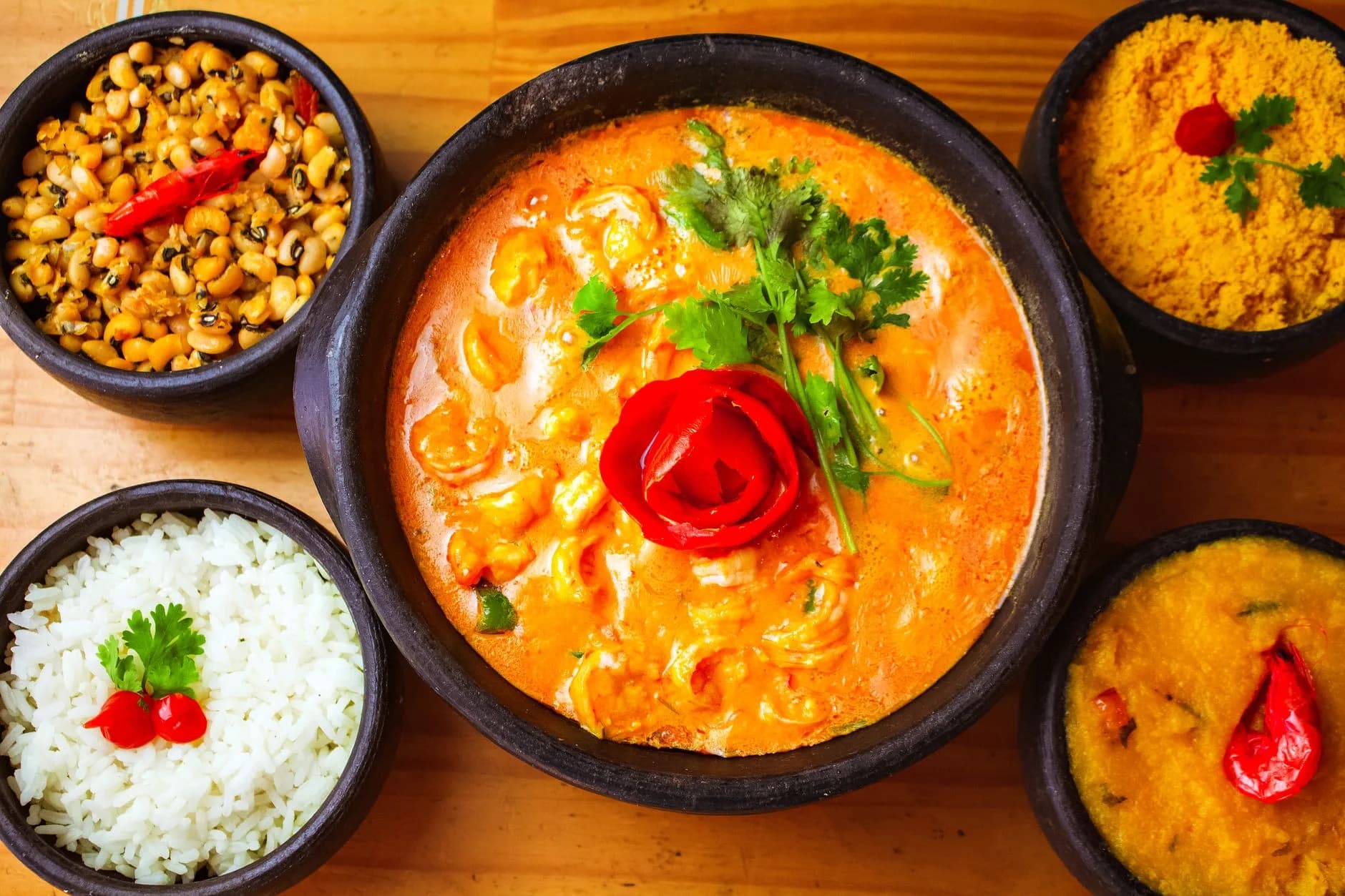
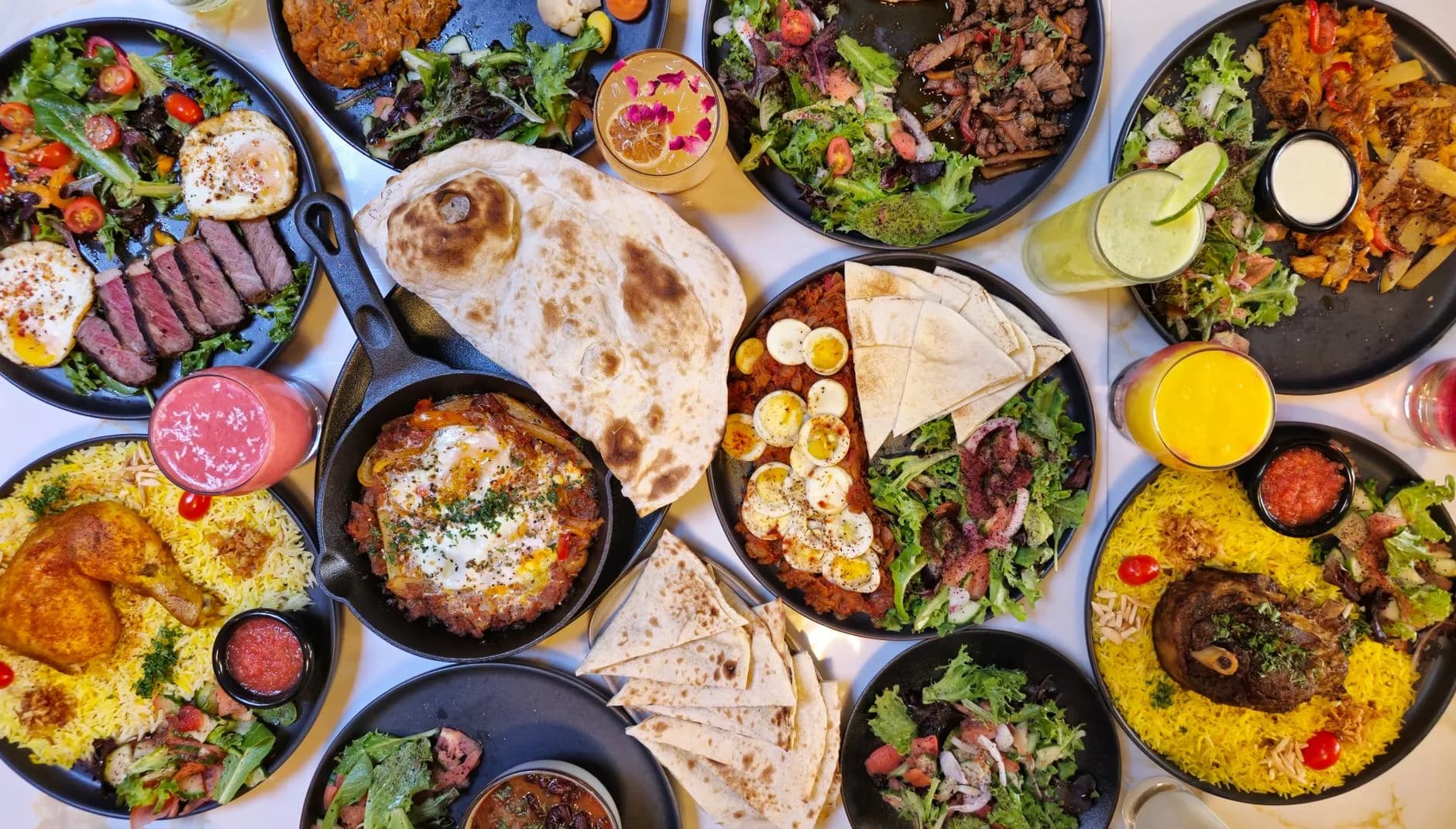
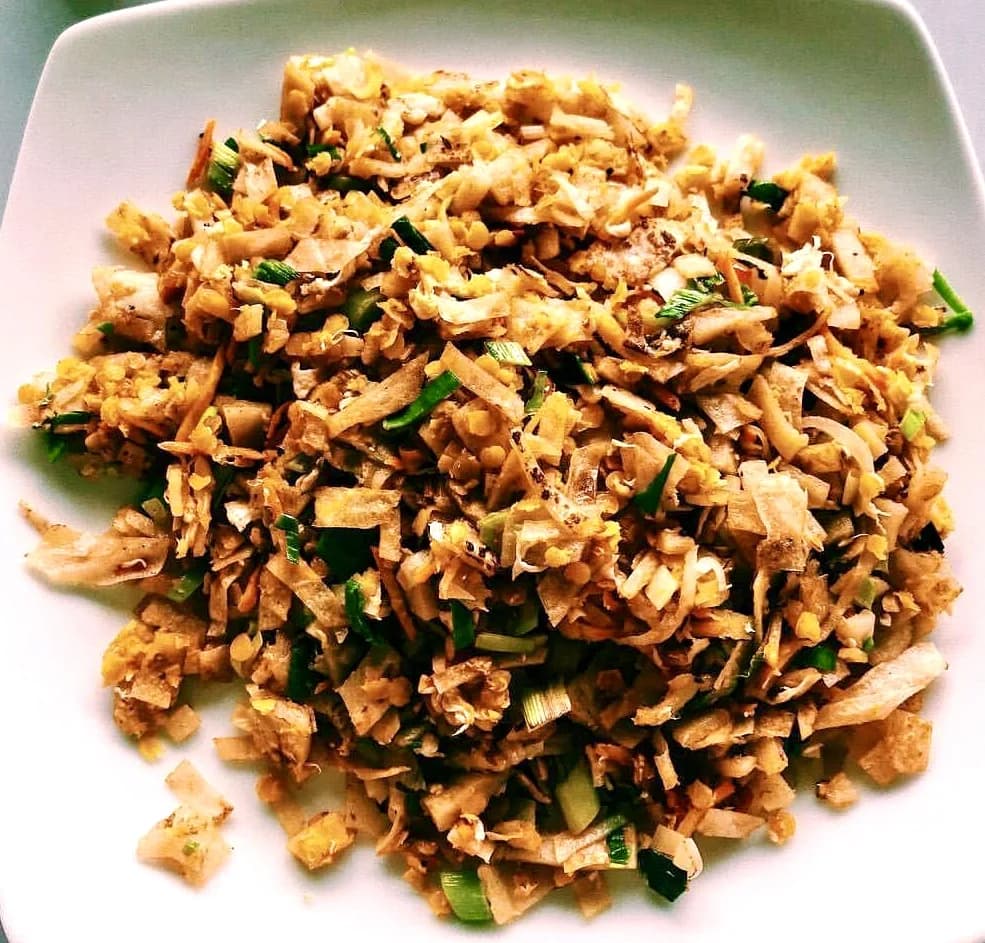
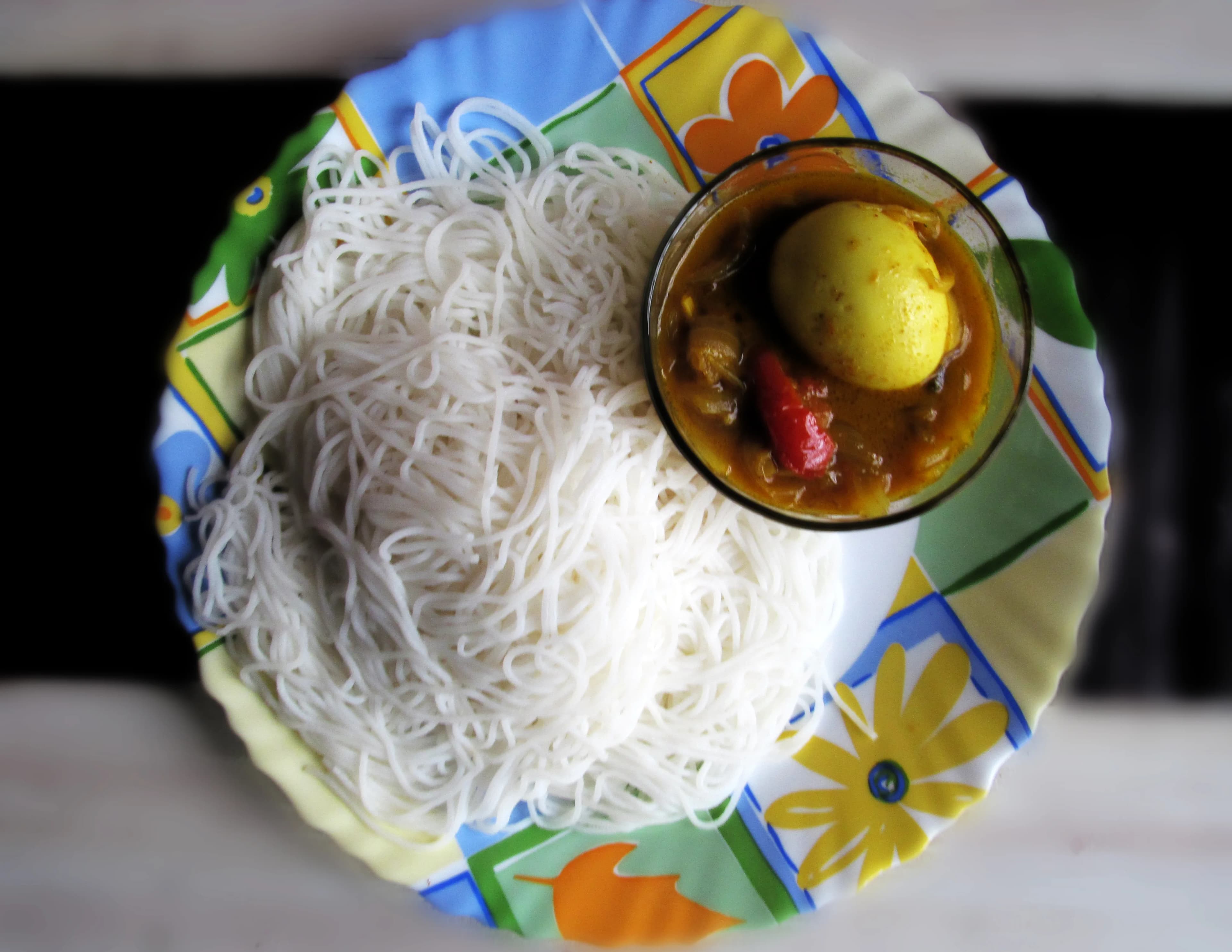
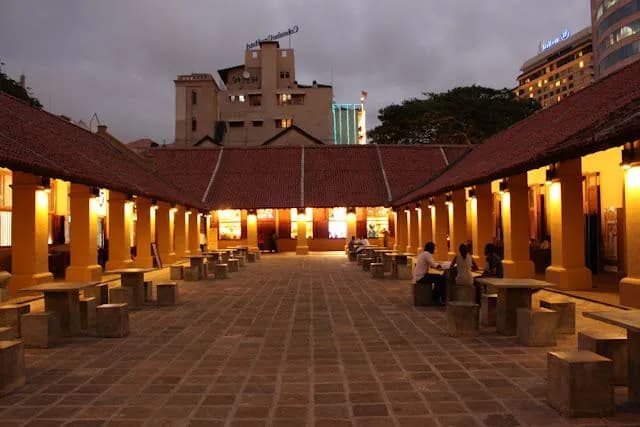
Sri Lankan food is its own world, distinct from Indian and far spicier than most visitors expect. Rice and curry is the staple, and it's not one curry but a spread of small dishes. The local specialities are the addictive ones: hoppers (bowl-shaped fermented pancakes, often with an egg cooked into the centre), kottu (chopped roti stir-fried on a griddle in a rhythmic clatter you'll hear before you see it), and string hoppers with dhal. Eat where it's busy and you'll eat brilliantly for very little.
The island is cheap, among the best value in Asia, especially since the economy stabilised after the 2022 crisis. The rupee stretches far for accommodation and food. To get around, hiring a car with a driver for multi-day trips is affordable and saves you the chaos of the roads. Tuk-tuks (and the PickMe app) handle short hops. And the trains, slow as they are, are half the fun.
Visa & Entry
Do you need a visa for Sri Lanka?
0 countries enter Sri Lanka visa-free. Check the full requirements for your passport →
FAQ
Sri Lanka — your questions
WorldCurio Editorial
Travel writers who plan trips the way locals would, grounded in what actually works on the ground. Visa and entry rules are cross-checked against the latest passport-index data, and climate figures use the Open-Meteo historical archive. Last reviewed June 2026. Always confirm visa and safety details with official sources before booking.
Keep exploring