Giza and Cairo: the obligatory, magnificent start
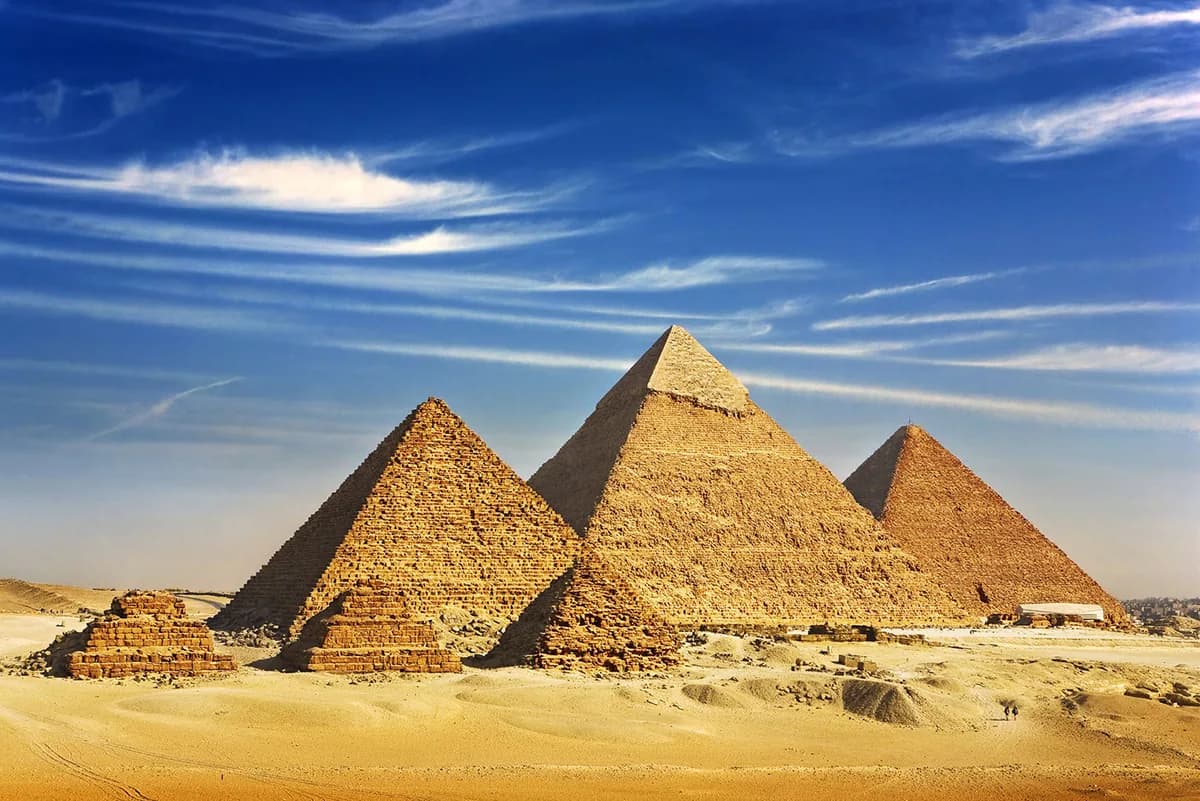
The Pyramids of Giza are the last surviving wonder of the ancient world. Standing beneath the Great Pyramid, built 4,500 years ago and still staggering, earns its place at the top of every list. They sit on the very edge of Cairo, the city's sprawl pressing right up to the desert plateau and the enigmatic Sphinx keeping watch.
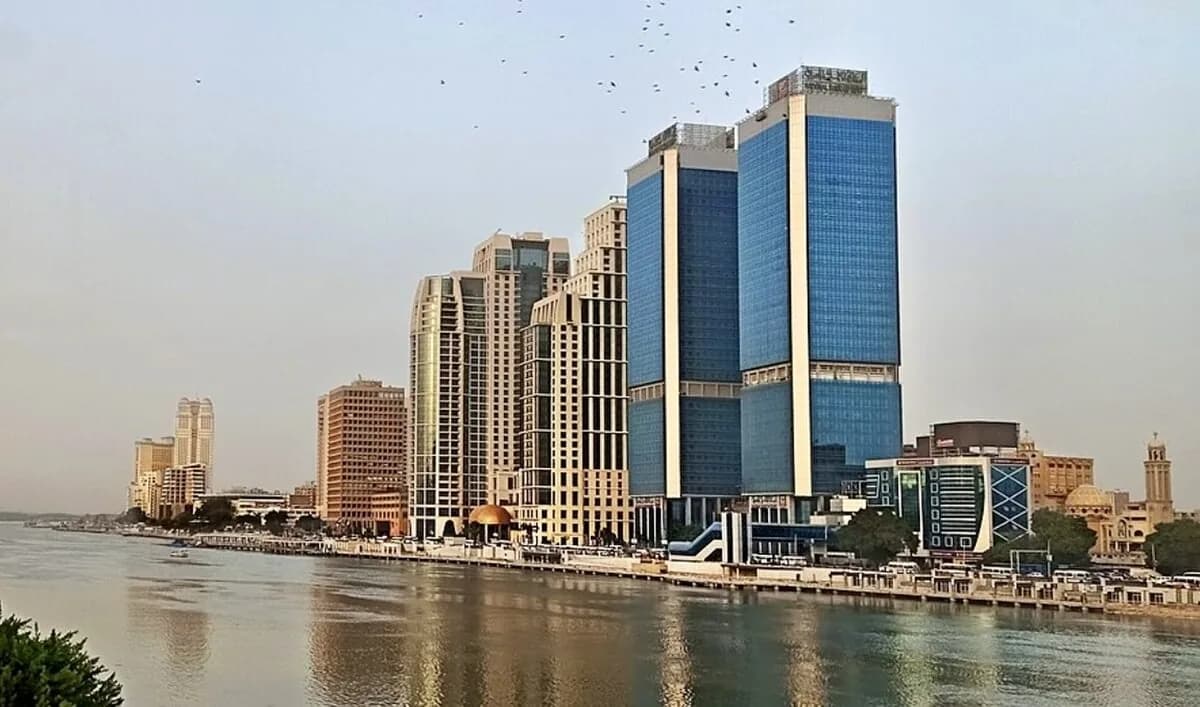
Cairo itself is chaotic, vast and exhausting in the best way. The unmissable stop is the Grand Egyptian Museum near the pyramids, the largest archaeological museum in the world, home to Tutankhamun's complete treasures. Add the medieval Islamic quarter, the Khan el-Khalili bazaar and Coptic Cairo, and give the city two or three days. Then, crucially, keep going south.
Why the Nile cruise is the smart move
Here's the insider logic of an Egypt trip. The country's densest cluster of temples and tombs lies along the Nile between Luxor and Aswan, and the most rewarding way to see them is by boat. A Nile cruise (typically three or four nights) becomes the spine of your trip. You sleep on the move, wake up at the next set of ruins, and watch rural Egypt drift past from the deck, timeless as a hieroglyph.
It's efficient, comfortable and atmospheric all at once, sparing you long road transfers and bundling the major Upper Egypt sites into a seamless stretch. Cruises run both directions between Luxor and Aswan. For a slower, more romantic alternative, a traditional felucca sailboat carries the same magic at a gentler pace. Fly between Cairo and Luxor (a short hop) to bookend the cruise rather than enduring the long overland haul.
Luxor: the world's greatest open-air museum
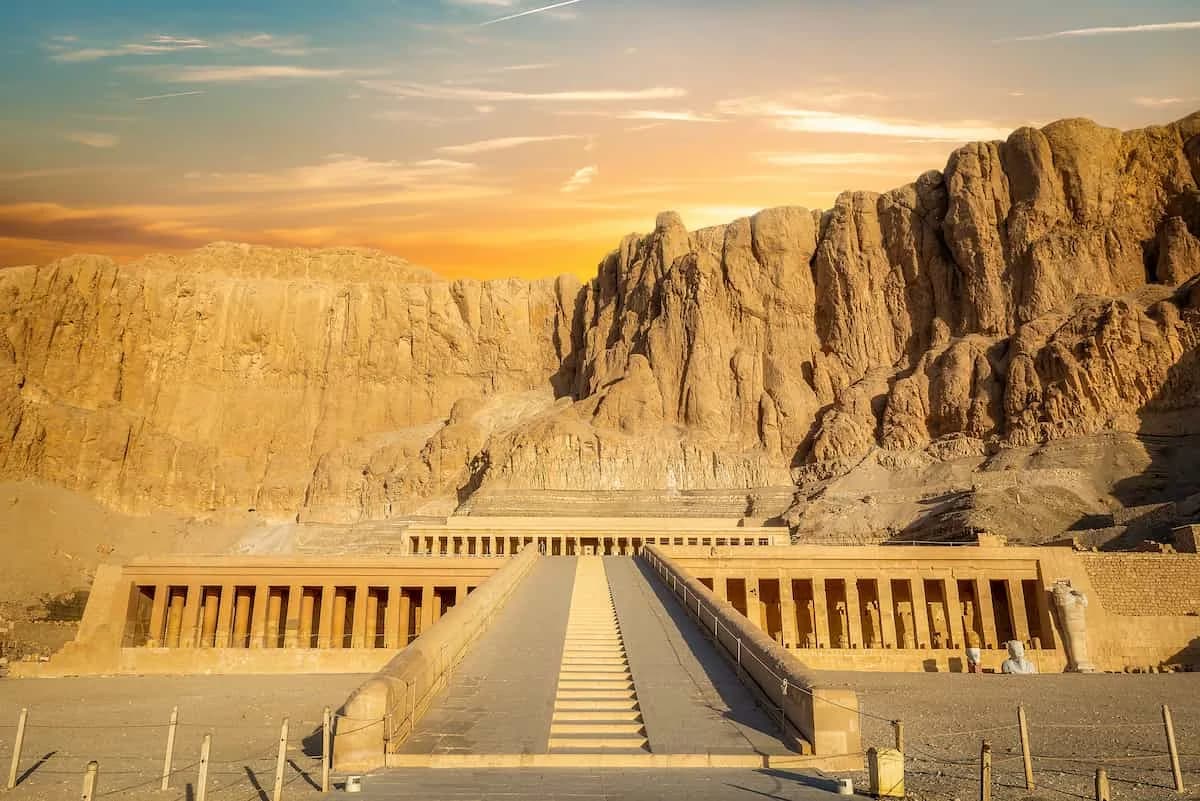
Luxor, built on the ancient capital of Thebes, holds an unrivalled concentration of wonders. On the east bank stand the colossal temples of Karnak, a forest of vast carved columns that dwarfs everyone who enters, and Luxor Temple, glowing at night. On the west bank, the land of the dead, lies the Valley of the Kings, where the rock-cut tombs of pharaohs including Tutankhamun blaze with colour preserved for millennia.
Go at dawn to beat the heat and the crowds, and consider a sunrise hot-air balloon over the west bank. Floating above the temples and the green Nile valley as the sun rises is one of travel's great experiences. Luxor alone justifies the trip. That it's merely one stop tells you how much Egypt holds.
Timing
When to visit Egypt
October to April is the season: warm, comfortable days for exploring Cairo, Luxor and Aswan without the punishing heat. Summer (June to August) is ferociously hot in Upper Egypt, where temperatures regularly top 40°C, though the Red Sea resorts stay bearable with sea breezes. Winter days are lovely, but desert nights get cold.
Average temperature & rainfall in Cairo
Temp °CRain mmReal climate averages for Cairo (capital). Source: Open-Meteo archive. Rainfall is total monthly precipitation.
Sample route
The perfect 5 days in Egypt
A ready-made 5-day route built from Egypt's top sights. Adjust it to your pace, or generate your own plan.
Budget
What a day in Egypt costs
Budget hotels and hostels, koshari and street food, trains and shared transport, and a basic Nile felucca or budget cruise.
Comfortable hotels, a 4-night Nile cruise, a licensed guide for the major sites, domestic flights, and a sunrise balloon over Luxor.
Five-star Nile cruisers and historic hotels, private Egyptologist guides, first-class flights, and a Red Sea resort finish.
Daily budgets below are per person in US dollars. You'll be paying in the Egyptian pound. Carry small notes for the constant, expected baksheesh (tips), and agree taxi and tour prices firmly in advance. A Nile cruise is the big-ticket item.
Don't miss
The best places to visit in Egypt
Taste
What to eat in Egypt
Aswan, Abu Simbel and the south
Aswan, further south, is Egypt's most relaxed and beautiful city. The Nile here is wide and island-dotted, the pace slower, the Nubian culture distinct and colourful. Sail to the elegant Philae Temple on its island, visit a Nubian village, and watch the sunset from a felucca as the light turns the desert gold.
From Aswan, the great pilgrimage is to Abu Simbel, Ramesses II's colossal rock-cut temples near the Sudanese border. Their four giant seated statues are an memorable sight, and the whole complex was famously relocated stone by stone to save it from the rising Lake Nasser. It's a long pre-dawn drive or a short flight, and worth either. With Cairo, the cruise, Luxor and Aswan, you've seen the heart of ancient Egypt, and many then fly to the Red Sea for diving and a beach finish.
Handling the hassle, and the practical stuff
Egypt's one real downside is the constant, persistent hassle at tourist sites: touts, would-be guides, persistent vendors and endless requests for baksheesh (tips). It's wearing, and the trick is not to take it personally. A firm, smiling 'la, shukran' (no, thank you), no eye contact with sellers, and no obligation to engage. Agree any price (taxis, camel rides, 'guides') firmly in advance, and carry small notes for the genuine, expected tipping that greases everything from bathroom attendants to tomb guardians.
Most nationalities need a visa, available as an e-Visa online or on arrival at the airport. A licensed guide for the major sites is genuinely worth it. They bring the hieroglyphs to life and shield you from the worst of the hustle. Dress modestly, drink bottled water, and brace for the heat. Upper Egypt in summer is ferocious, which is exactly why timing your trip matters.
Visa & Entry
Do you need a visa for Egypt?
9 countries enter Egypt visa-free. Check the full requirements for your passport →
FAQ
Egypt — your questions
WorldCurio Editorial
Travel writers who plan trips the way locals would, grounded in what actually works on the ground. Visa and entry rules are cross-checked against the latest passport-index data, and climate figures use the Open-Meteo historical archive. Last reviewed June 2026. Always confirm visa and safety details with official sources before booking.
Keep exploring