The northern safari circuit is the heart of it
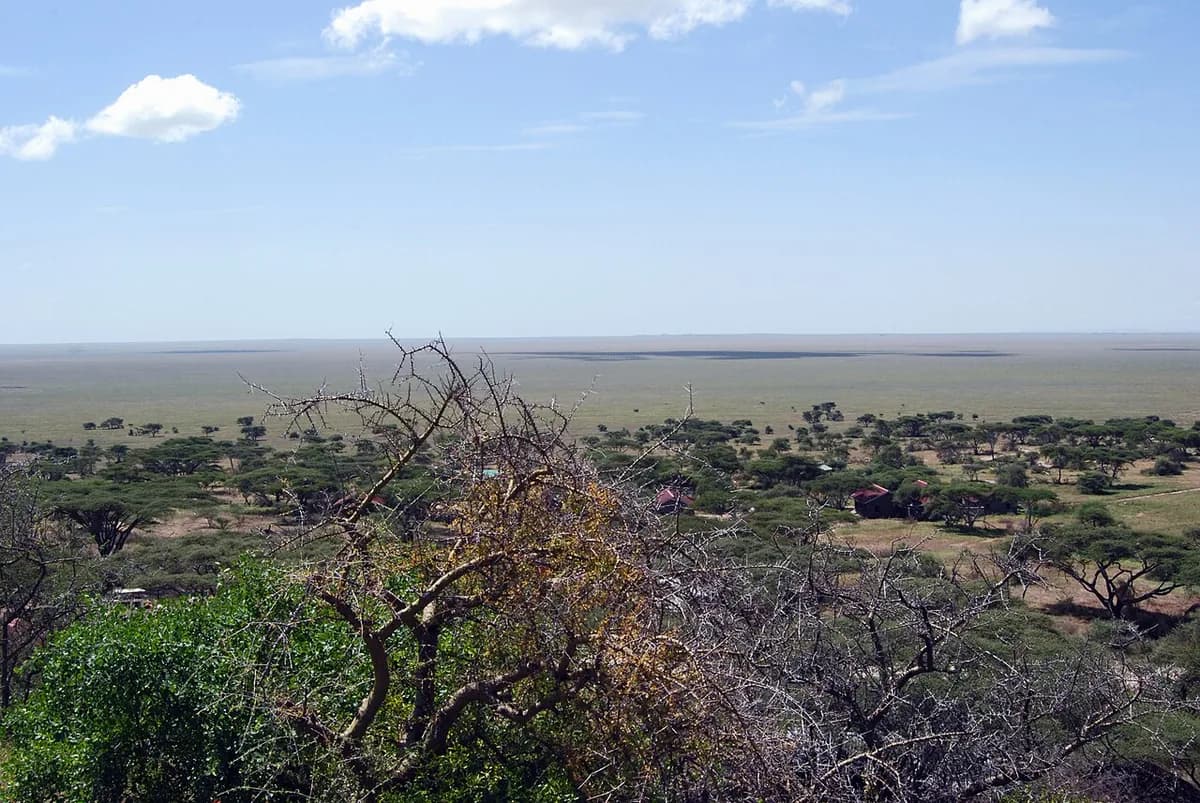
Tanzania's northern circuit is the densest concentration of classic African safari anywhere, and it's why most people come. Four parks chain together from the starting point forwn of Arusha.
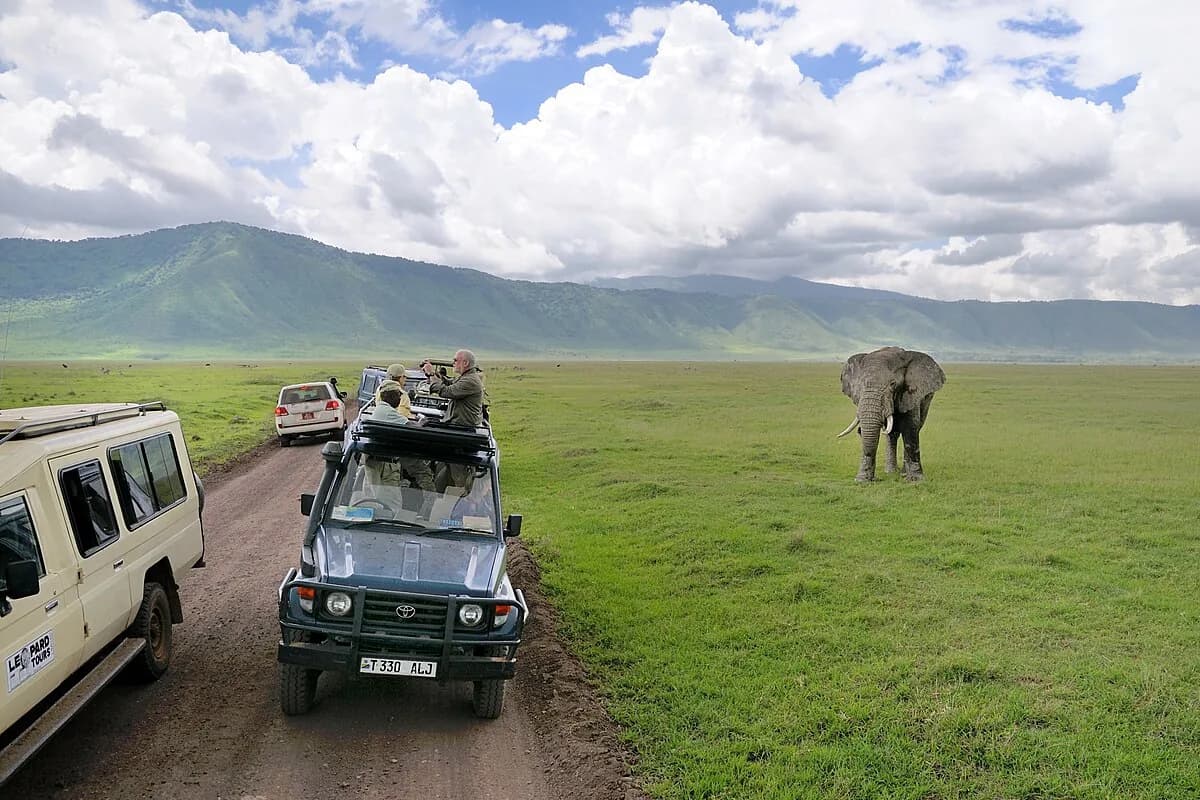
The Serengeti is the headline: endless plains rolling with lions, leopards, cheetahs and the wildebeest of the Great Migration. The Ngorongoro Crater is the showstopper second act, a collapsed volcanic caldera 600 m deep and 20 km wide that works as a natural enclosure for an astonishing density of wildlife. It has some of the best rhino-spotting in the country, and you can see the Big Five in a single day. Tarangire, famous for its elephant herds and baobab trees, and Lake Manyara round out the loop. Most visitors do a 4-to-7-day guided safari across two or three of these, sleeping in lodges or tented camps, with a driver-guide who finds the animals you'd never spot yourself.
The Great Migration: timing is everything
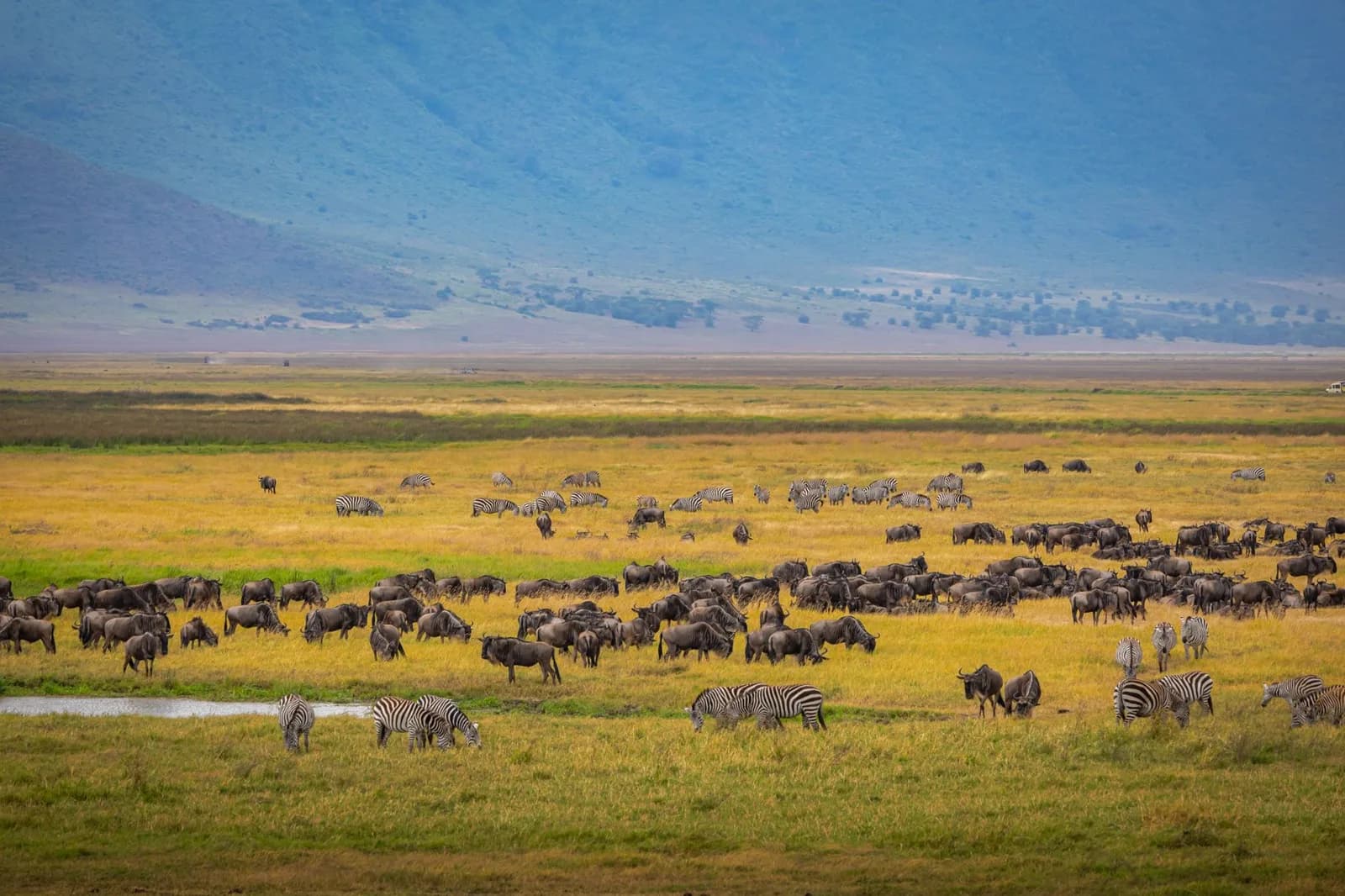
The Great Migration is the planet's largest land-animal movement, roughly two million wildebeest and zebra moving in a clockwise loop through the Serengeti ecosystem in search of fresh grass. Seeing it well is entirely about timing and location.
The herds are somewhere in the Serengeti all year, but the dramatic set-pieces move month to month. The calving season (roughly January and February) in the southern Serengeti packs the plains with newborns and the predators that follow them. The river crossings, those iconic scenes of wildebeest plunging through crocodile-filled waters, usually happen in the north around the Mara River from about July to September. So you don't ask 'when is the migration?'. You ask 'which part do I want to see, and where will the herds be then?'. A good operator plans your route around the answer.
Climbing Kilimanjaro: Africa's rooftop without ropes
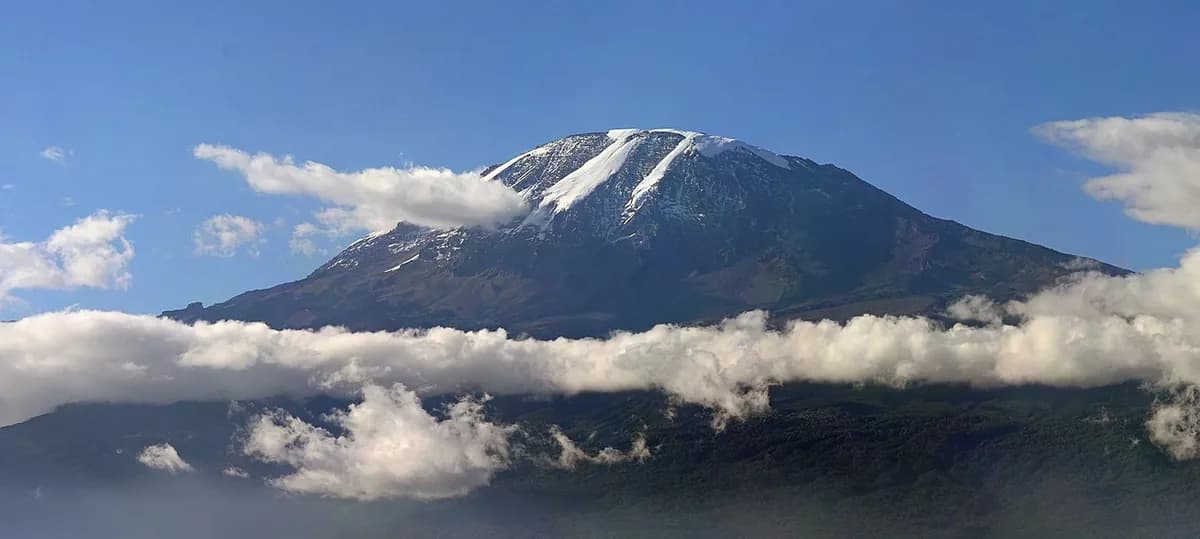
At 5,895 m, Mount Kilimanjaro is the highest point in Africa and the tallest free-standing mountain in the world. And, crucially, it's a walk-up. You don't need ropes, ice axes or climbing experience. You need fitness, the right number of days, and respect for the altitude.
The route you choose matters more than anything. The popular Machame route ('Whiskey route') is scenic and has a good acclimatisation profile. The Marangu ('Coca-Cola route') is the only one with hut accommodation, but has a lower success rate because of its faster ascent. Longer routes like Lemosho give your body more time to adjust and push summit success rates higher. The single biggest factor in reaching the top is how many days you take, so pay for the extra day. Summiting is a pre-dawn, sub-zero slog to Uhuru Peak, and the sunrise over the glaciers from the roof of Africa is the reward.
Timing
When to visit Tanzania
The long dry season, June to October, is prime safari time. Wildlife clusters at shrinking waterholes and the Kilimanjaro trekking conditions are best. The short dry spell of January to February is superb for the Serengeti calving. The long rains of March to May are low season, green and cheap, but some camps close.
Average temperature & rainfall in Dar es Salaam
Temp °CRain mmReal climate averages for Dar es Salaam (capital). Source: Open-Meteo archive. Rainfall is total monthly precipitation.
Sample route
The perfect 5 days in Tanzania
A ready-made 5-day route built from Tanzania's top sights. Adjust it to your pace, or generate your own plan.
Budget
What a day in Tanzania costs
Group camping safaris, shared 4x4s, basic Arusha guesthouses, and budget beach bungalows in Zanzibar.
Comfortable lodges and tented camps, a private vehicle and guide, internal flights, and a good Zanzibar hotel.
Exclusive luxury camps in the Serengeti, fly-in safaris, private guides, and five-star beachfront resorts on Zanzibar.
These daily budgets are per person in US dollars, and they reflect that safari is a premium experience. Park fees alone are substantial, and the Serengeti and Ngorongoro carry steep daily charges. USD is widely used for tours.
Don't miss
The best places to visit in Tanzania
Taste
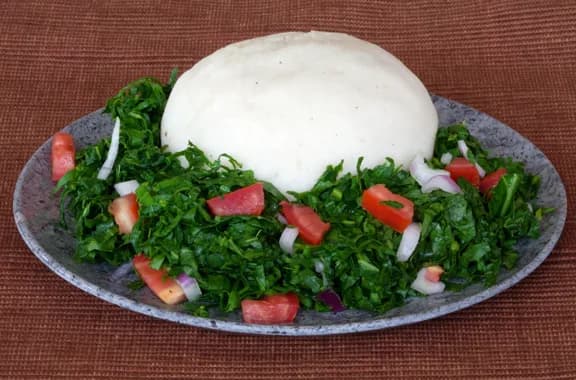
What to eat in Tanzania


Zanzibar: the beach reward after the dust
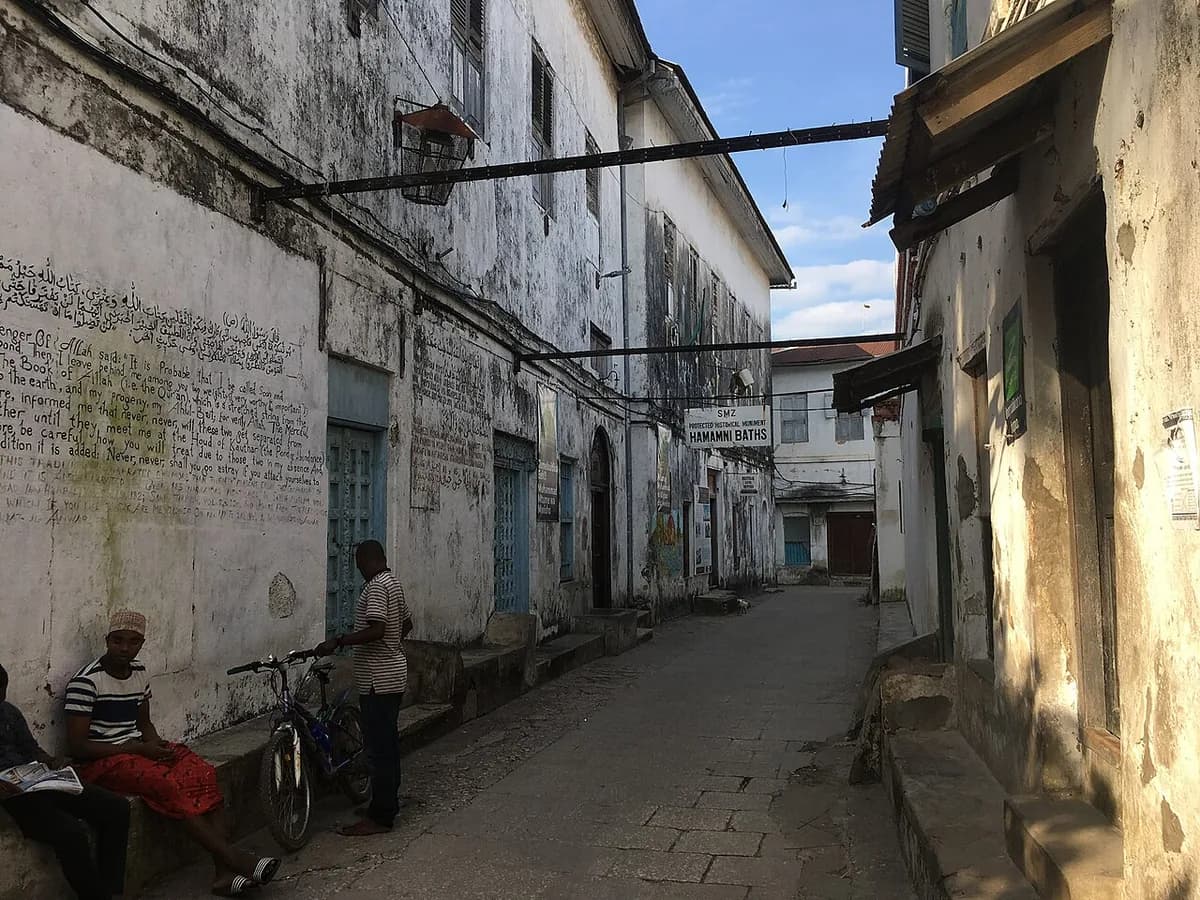
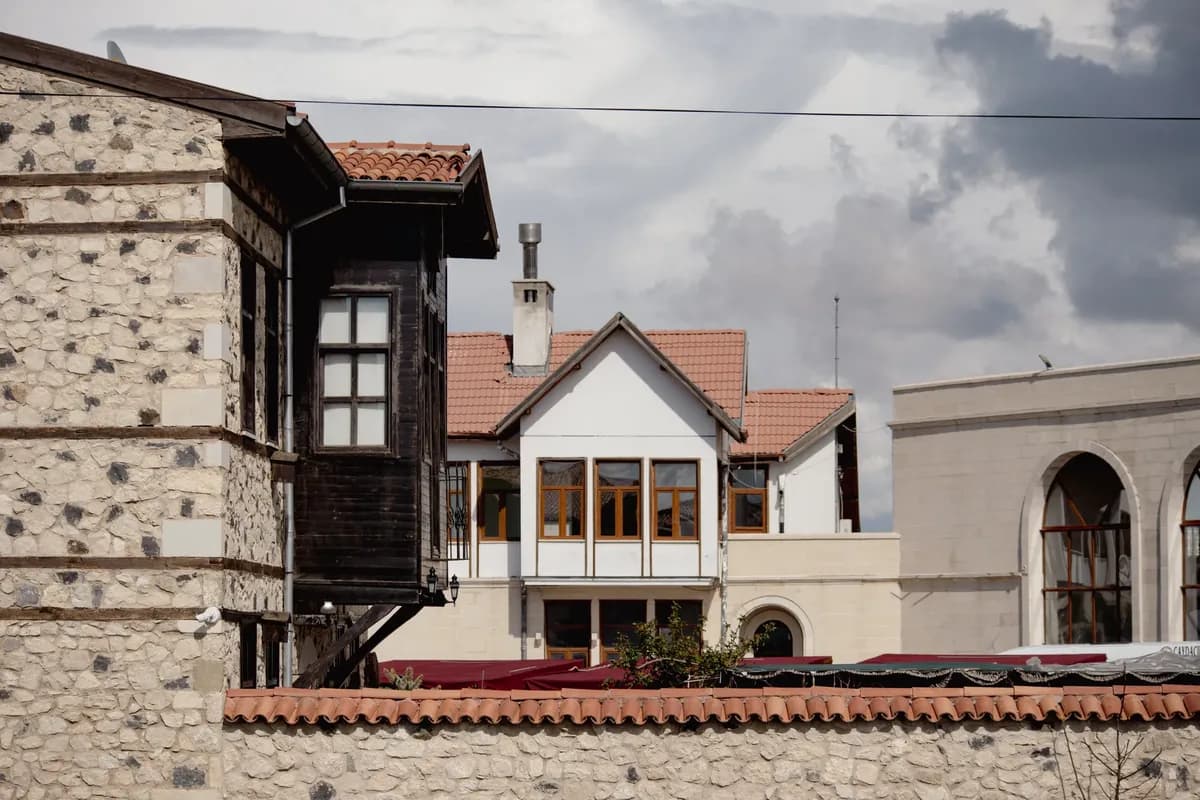
After days of safari dust or a brutal summit, the Zanzibar archipelago off the coast is the perfect decompression, a short flight from Arusha or Dar es Salaam. Stone Town, the old island capital, is a labyrinth of Swahili-Arab-Indian architecture, carved doors and spice-market alleys, with a dark history as a former slave-trading hub and a culture all its own.
The beaches ring the island. The northern tip at Nungwi and Kendwa has the swimmable water least affected by the dramatic tides. The east coast offers picture-perfect white sand and a more laid-back scene, though low tide can pull the sea far out. Beyond the beach, snorkel or dive the reefs, tour a working spice farm (Zanzibar didn't earn the 'Spice Island' name for nothing), and watch the dhows sail at sunset. It's the soft landing every Tanzania trip should end on.
When to go, the visa, and health basics
The long dry season, June to October, is prime time. Wildlife clusters around shrinking water sources, which makes it easier to spot, the Kilimanjaro trekking conditions are best, and Zanzibar is sunny. The short dry spell around January and February is excellent for the Serengeti calving. The long rains (March to May) are low season, cheaper and green, but some camps close and the roads get tough.
Most nationalities need a visa, available as an e-Visa online before travel or on arrival, and US citizens are usually issued a multiple-entry visa. Health prep is non-negotiable. Malaria is present, so take antimalarial prophylaxis and use repellent, and a yellow-fever vaccination certificate is required if you're arriving from a country with risk of transmission (and recommended generally). Sort it well before you fly. Safari is not a budget activity. Park fees alone are substantial, and a quality guided trip is a real investment. But few experiences on Earth deliver more for the money.
Visa & Entry
Do you need a visa for Tanzania?
51 countries enter Tanzania visa-free. Check the full requirements for your passport →
FAQ
Tanzania — your questions
WorldCurio Editorial
Travel writers who plan trips the way locals would, grounded in what actually works on the ground. Visa and entry rules are cross-checked against the latest passport-index data, and climate figures use the Open-Meteo historical archive. Last reviewed June 2026. Always confirm visa and safety details with official sources before booking.
Keep exploring