Make peace with the medina
The old walled cities, the medinas, are the soul of Morocco and the source of most first-timer stress. They are deliberate labyrinths of unmarked alleys where Google Maps gives up, donkeys have right of way, and you will get lost. The secret is to stop treating it as a problem.
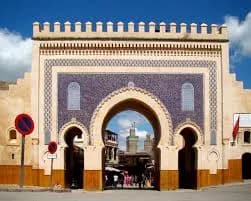
Fès has the largest and most bewildering medina, a genuinely medieval maze. Marrakech's is more touristed but still dizzying. Accept that you'll lose your way, build in time for it, and note a couple of landmarks (a mosque, a city gate) to navigate back to. If you're stuck, a small tip to a local, ideally a shopkeeper rather than an unsolicited 'guide', gets you pointed right. Some self-appointed guides will latch on and then demand payment. A firm, friendly 'la, shukran' (no, thank you) and walking on usually does the job.
Stay in a riad. It changes the trip
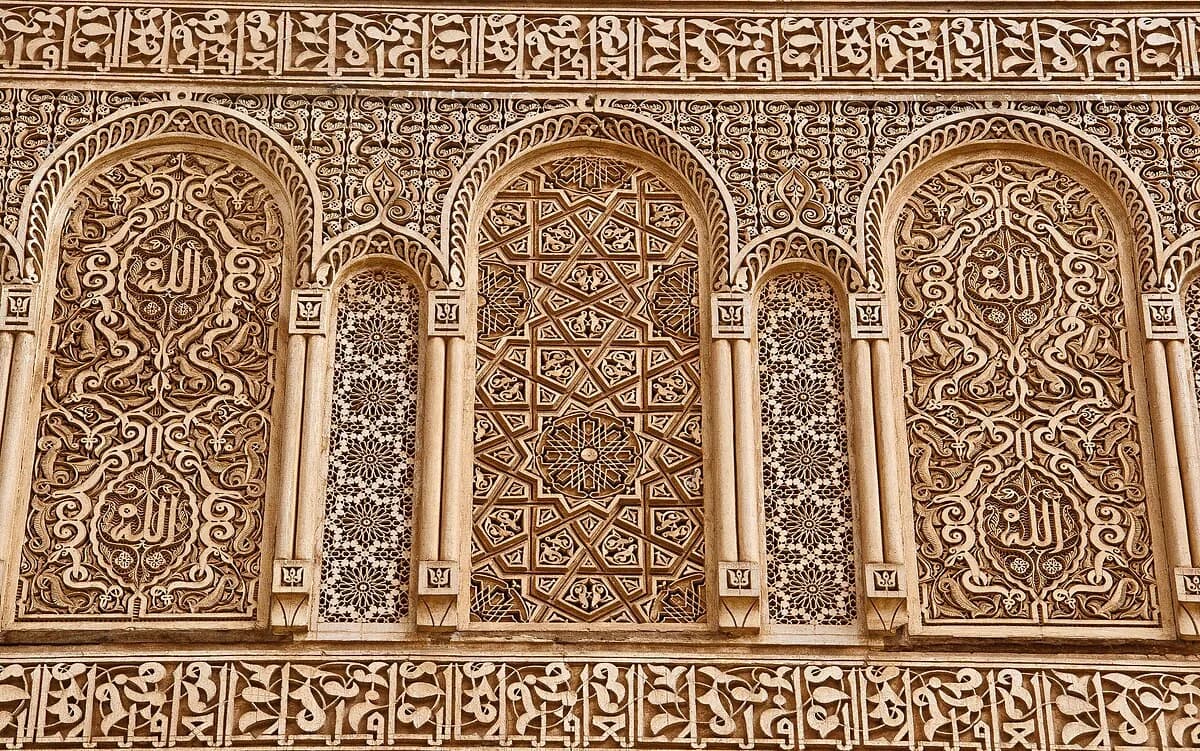
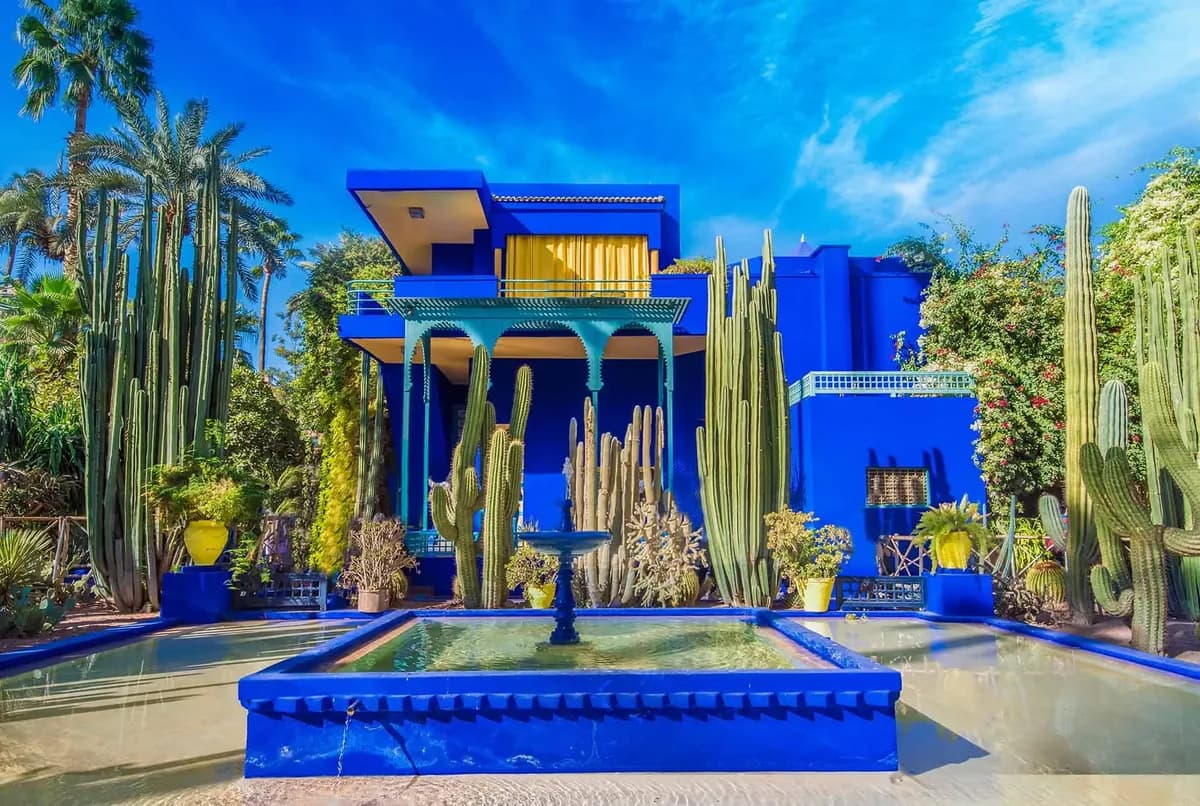
Don't book a generic hotel. Book a riad. These traditional houses turn inward around a central courtyard or garden, often with a fountain and a rooftop terrace, hidden behind plain medina walls. From the alley they look like nothing. Inside they are serene tiled sanctuaries, the perfect antidote to the sensory overload out the door.
A good riad is the single biggest upgrade to a Morocco trip. The owners typically arrange airport transfers (essential, since cars can't reach most medina riads, so someone meets you and walks you in), cook breakfast on the terrace, and become your trusted source for guides, drivers and the restaurant that isn't a tourist trap. They're available at every budget, and the mid-range ones offer character no chain hotel can touch.
The classic loop: imperial cities and the desert
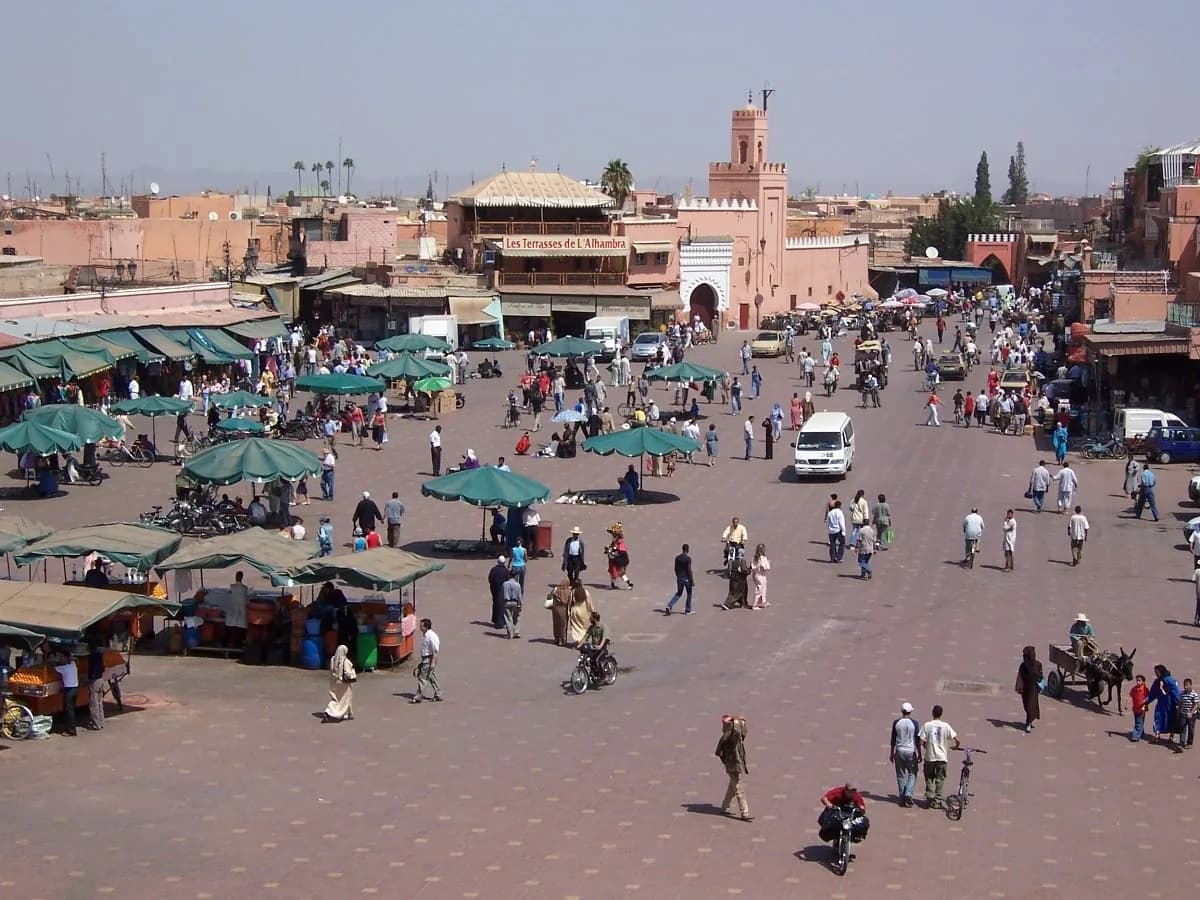
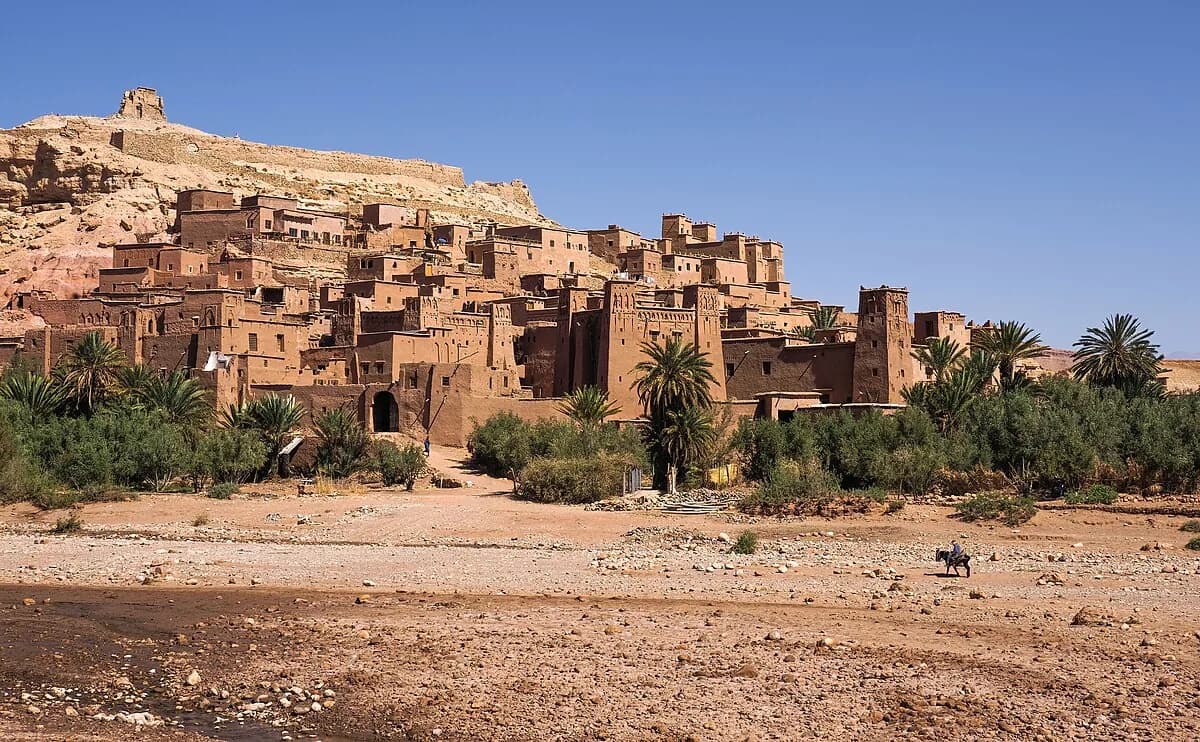
Most first trips run a loop from Marrakech, the red-walled tourist capital with its frenetic Jemaa el-Fnaa square (snake charmers and orange-juice carts by day, food stalls and storytellers by night). From there the great journey heads east over the High Atlas mountains, past the fortified kasbah of Aït Benhaddou, a film-set favourite from Gladiator to Game of Thrones, and out to the Sahara.
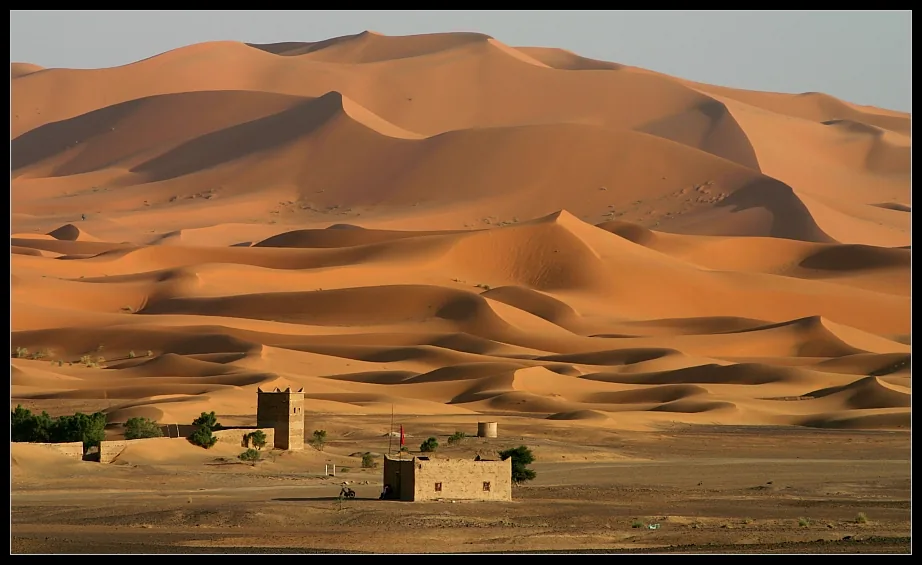
The desert is the highlight. A camel trek over the towering dunes of Erg Chebbi (near Merzouga) or Erg Chigaga to a Berber camp, where you watch the sun set over an ocean of sand and sleep under a sky thick with stars. Loop back via the Dades and Todra gorges. Add the blue-washed mountain town of Chefchaouen in the north and the imperial city of Fès, and you have the country's greatest hits. It's a lot of driving, so a hired driver or a small-group tour saves the headache.
Timing
When to visit Morocco
Spring (March to May) and autumn (September to November) are ideal: warm days, cool nights and a bearable Sahara. Summer roasts the inland cities of Marrakech and Fès and makes the desert brutal, while the coast stays milder. Winter is pleasant by day but cold at night in the desert and the Atlas, where it can even snow.
Average temperature & rainfall in Rabat
Temp °CRain mmReal climate averages for Rabat (capital). Source: Open-Meteo archive. Rainfall is total monthly precipitation.
Sample route
The perfect 5 days in Morocco
A ready-made 5-day route built from Morocco's top sights. Adjust it to your pace, or generate your own plan.
Budget
What a day in Morocco costs
Budget riads and hostels, tagines and street food, shared grand-taxis and trains, and a basic desert camp tour.
A characterful riad, a private driver for the desert loop, good restaurant meals, and a comfortable Berber camp under the stars.
Boutique and palace riads, private guides, a luxury desert camp with en-suite tents, and spa hammams.
Daily budgets below are per person in US dollars. You'll be paying in the dirham, which can't be obtained outside Morocco, so withdraw on arrival. Carry cash for the souks and medina, where haggling is expected.
Don't miss
The best places to visit in Morocco
Taste
What to eat in Morocco
The souks and the gentle art of haggling
The souks, the warren of market stalls, are where Morocco tempts your wallet. Lanterns, leather, carpets, spices, argan oil, ceramics. Haggling isn't optional. It's the expected ritual, and approaching it in the right spirit turns a stressful transaction into a fun one.
The basics: never accept the first price (it can be three or four times the real one), decide what the item is worth to you before you start, counter low but not insultingly, and be ready to smile and walk away, which often summons a better final price. Keep it good-humoured. This is theatre, not war. And be wary of the famous tannery and carpet 'demonstrations' that end in high-pressure sales. If you don't want to buy, that's fine. A relaxed browse is part of the experience, and the mint tea you're offered comes with no real obligation.
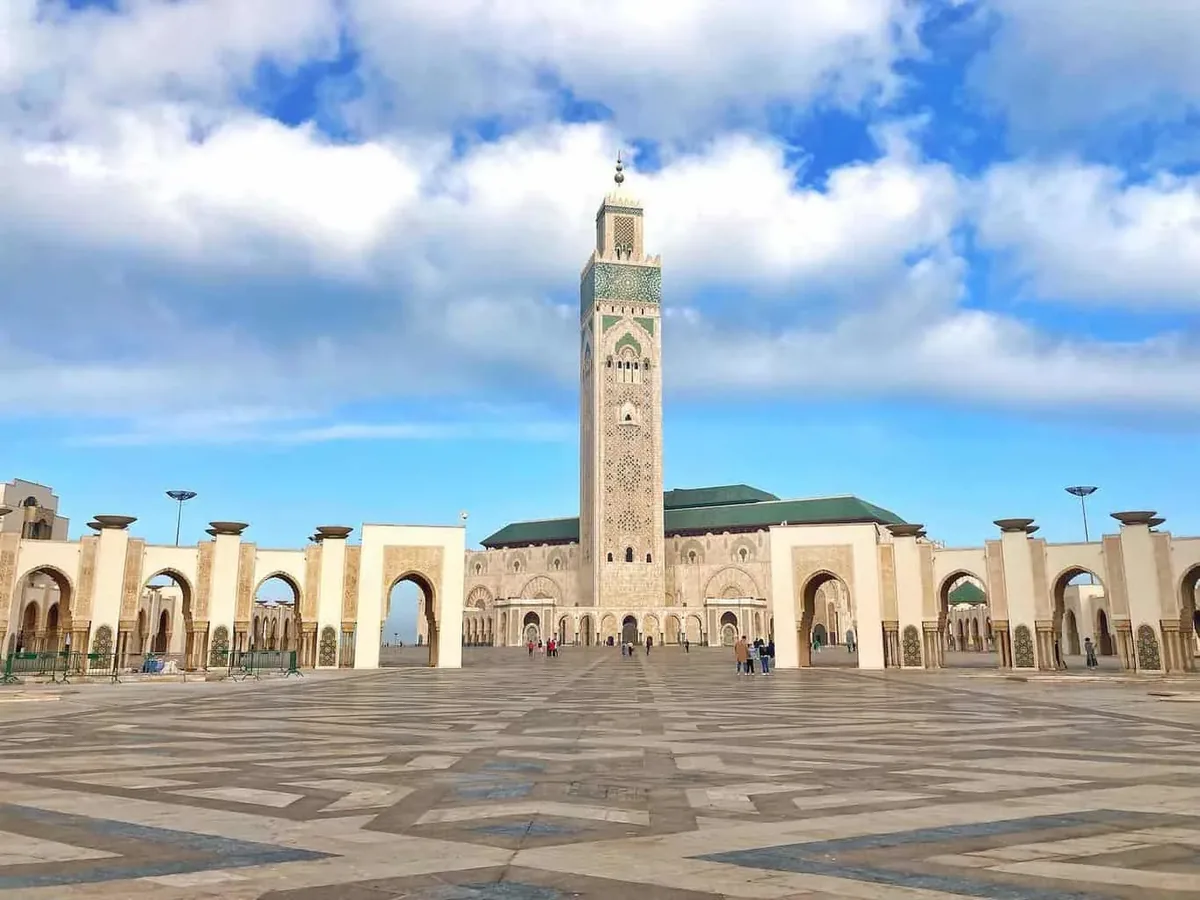
Eat the tagine, drink the tea
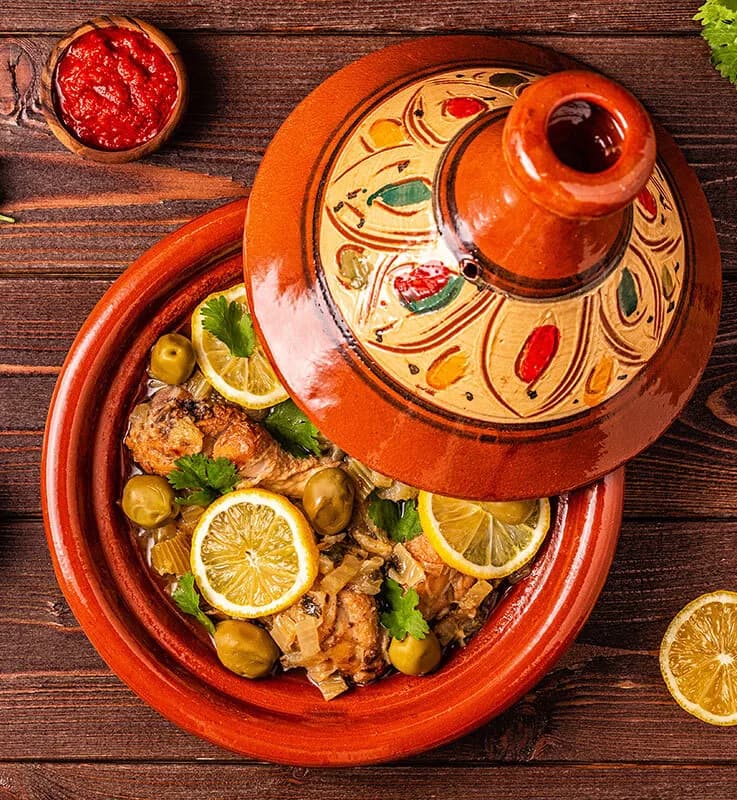
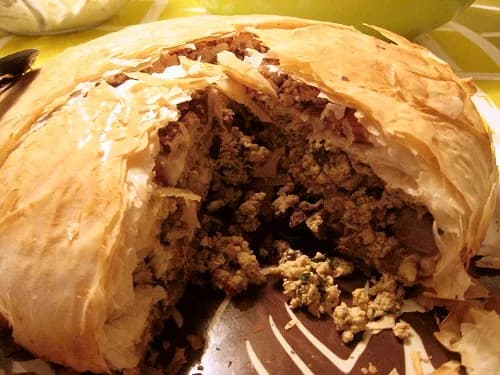
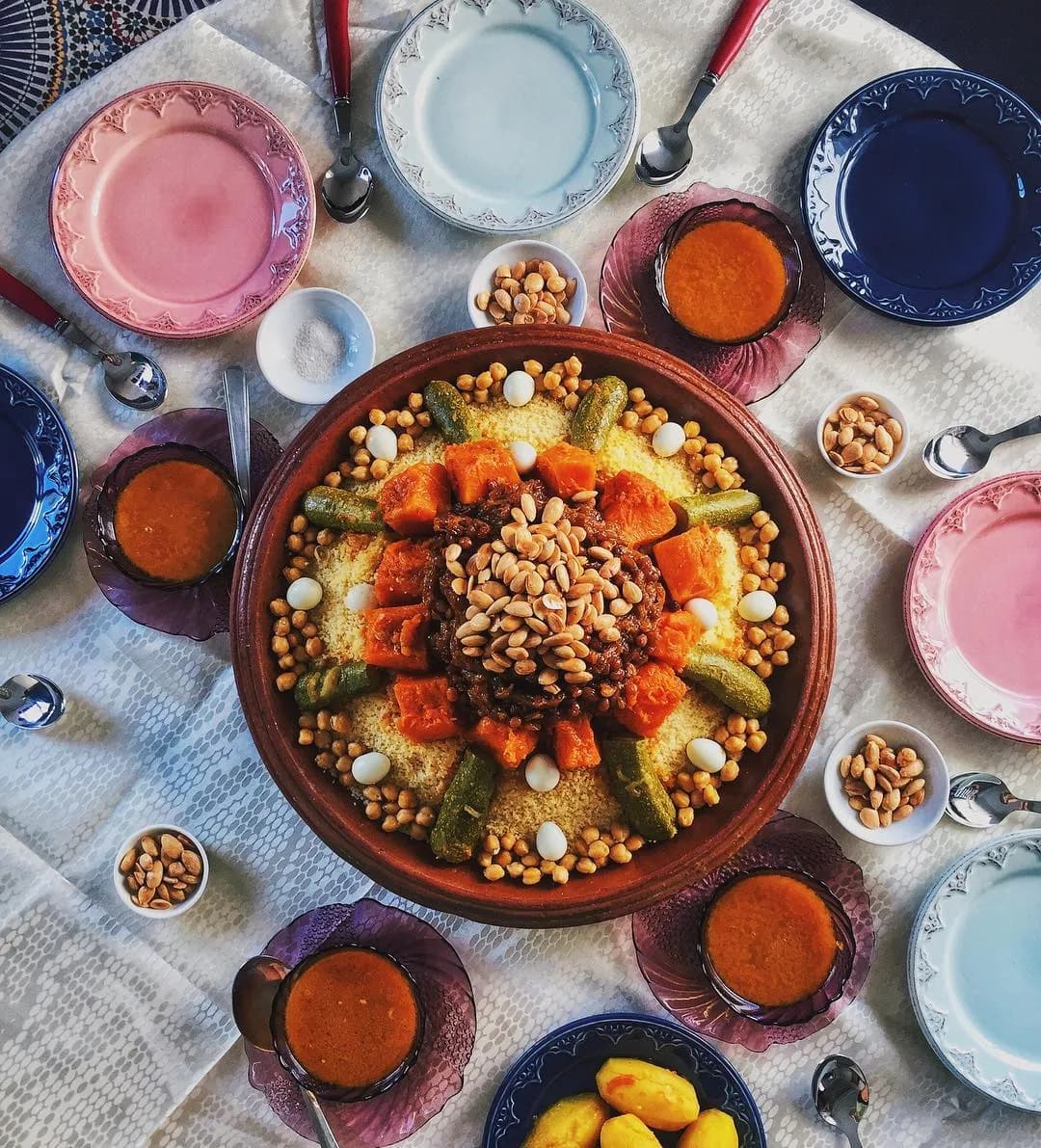
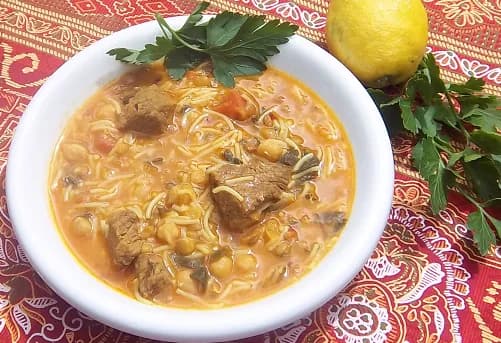
Moroccan food is a cuisine worth travelling for in itself. The tagine, meat or vegetables slow-cooked in the conical clay pot of the same name, is the staple, endlessly varied (lamb with prunes, chicken with preserved lemon and olives). Couscous is traditionally the Friday dish. Don't miss a steaming bowl of harira soup, the flaky chicken-and-almond pastilla, and the grilled-meat smoke of a street-food night in Marrakech.
And the tea. Sweet, mint-laden green tea poured from a height into small glasses, the national handshake, offered everywhere from riads to carpet shops. Accepting it is a courtesy, not a commitment. Morocco is largely a dry country in the Muslim sense. Alcohol is available in tourist hotels and some restaurants but not widely, so don't plan a trip around the bar scene.
Visa & Entry
Do you need a visa for Morocco?
70 countries enter Morocco visa-free. Check the full requirements for your passport →
FAQ
Morocco — your questions
WorldCurio Editorial
Travel writers who plan trips the way locals would, grounded in what actually works on the ground. Visa and entry rules are cross-checked against the latest passport-index data, and climate figures use the Open-Meteo historical archive. Last reviewed June 2026. Always confirm visa and safety details with official sources before booking.
Keep exploring