Mexico City: the capital that surprises everyone
Forget the old fears. Mexico City has quietly become one of the most exciting capitals in the Americas, and it's the place that converts sceptics fastest. It's vast, high (2,240 m, so pace yourself on arrival), and endlessly absorbing.
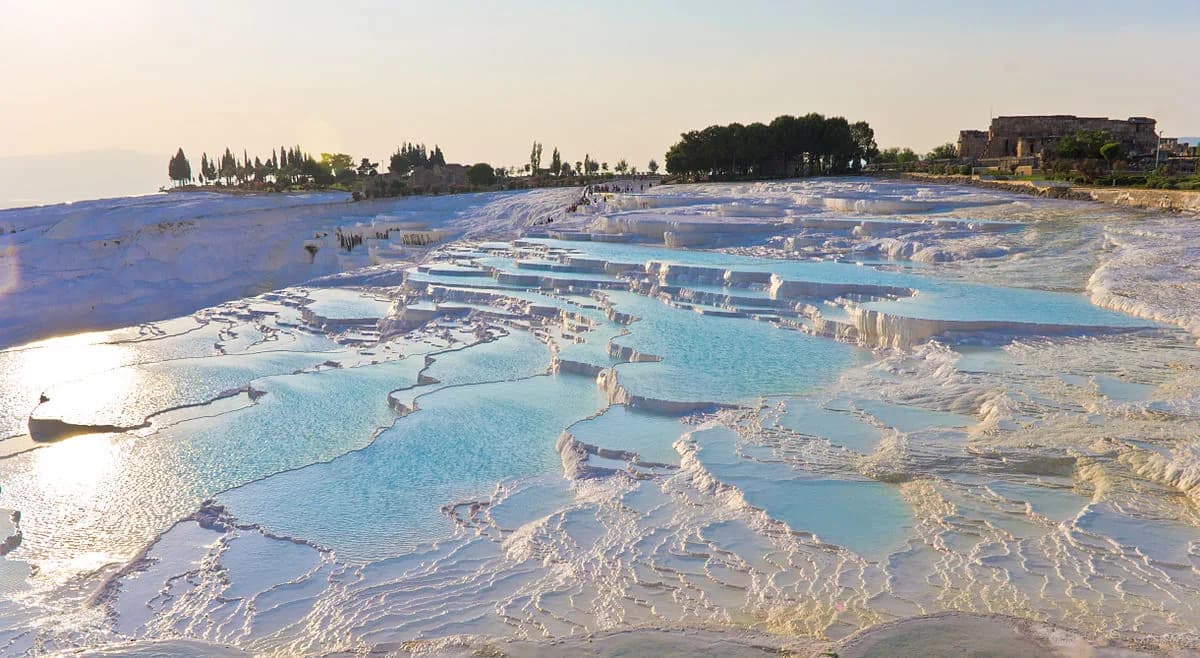
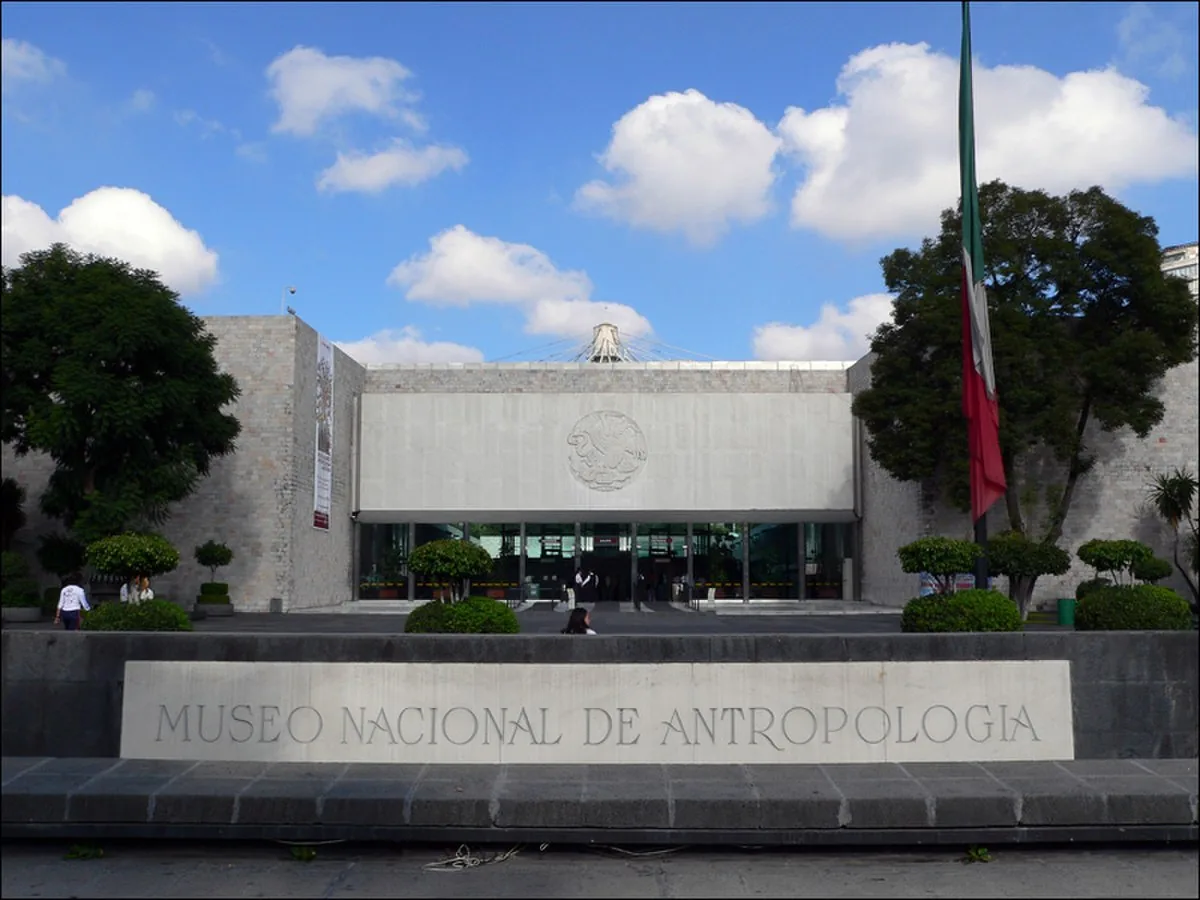
The historic centre wraps around the Zócalo, one of the largest squares in the world, beside the cathedral and the excavated Aztec Templo Mayor. The Anthropology Museum is genuinely one of the best on the planet, the leafy neighbourhoods of Roma and Condesa are made for slow days of cafés and cantinas, and Frida Kahlo's Blue House sits in cobblestoned Coyoacán. Day-trip to the colossal pyramids of Teotihuacán, climb the Pyramid of the Sun, and float the canals of Xochimilco on a painted boat. And then there's the food, which is reason enough to come.
The Yucatán: ruins, cenotes and the Caribbean
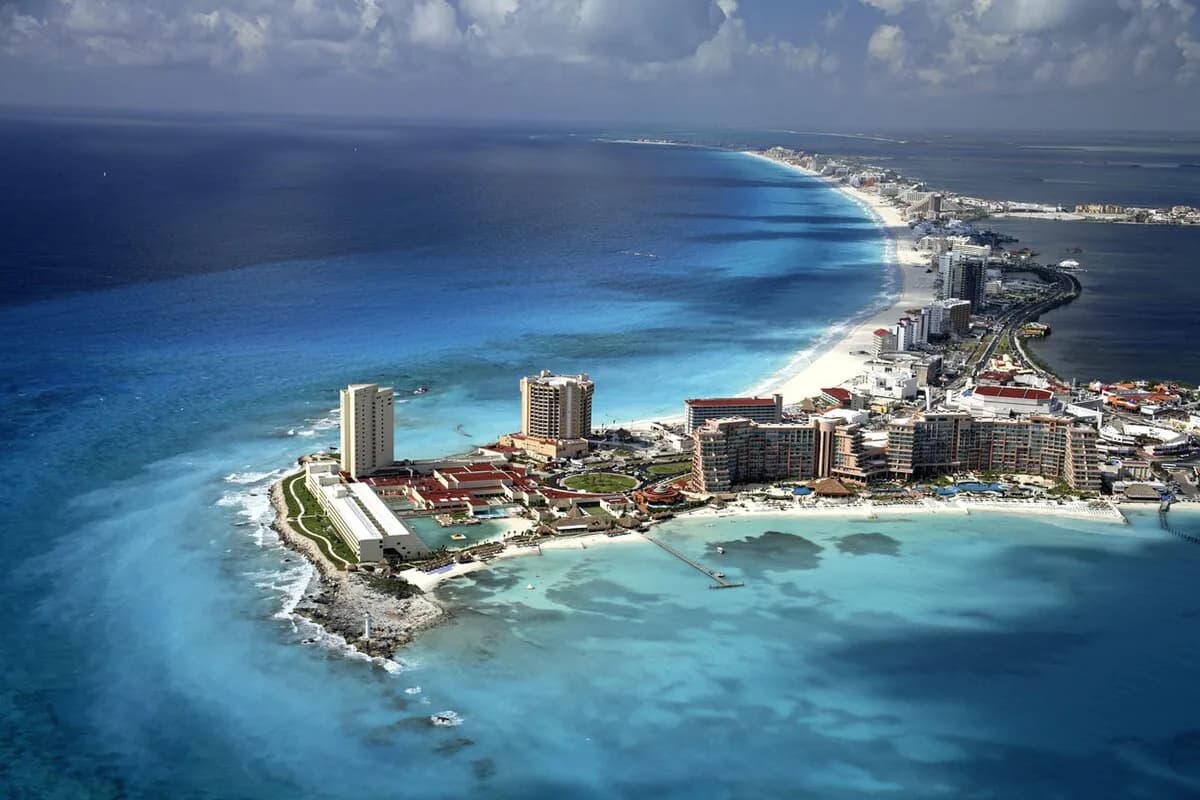
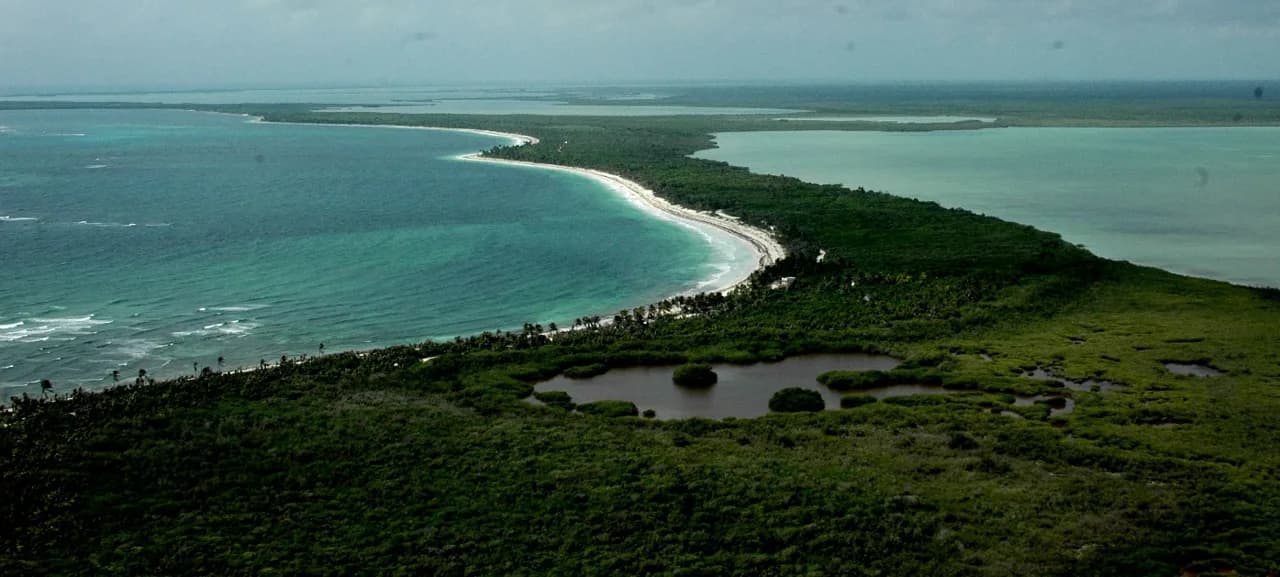
The Yucatán Peninsula is where the beaches and the ancient world meet, and it's the easiest region for a first trip. Yes, Cancún and the Riviera Maya have the resorts, but the peninsula is so much more.
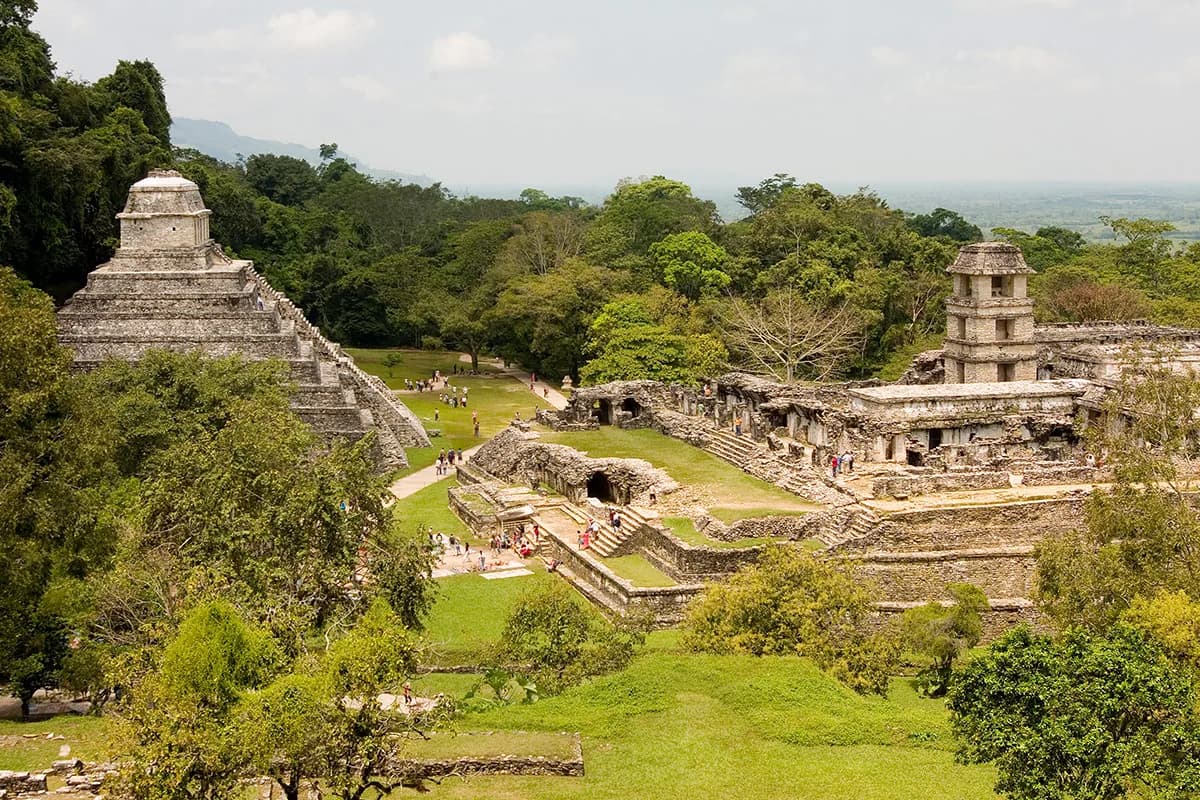
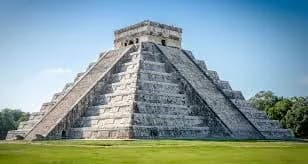
Chichén Itzá, with its perfect stepped pyramid, is the headline Mayan site (go early to beat the heat and crowds), though the jungle-wrapped ruins of Cobá and Calakmul are quieter and just as moving. Scattered across the peninsula are the cenotes, natural limestone sinkholes filled with cool, clear groundwater, perfect for a swim after a hot morning of ruins. Base yourself in the colourful colonial city of Mérida or the laid-back town of Valladolid rather than the resort strip, and you'll see the Yucatán that locals love. Tulum has the beach-and-ruins combo, though it's now pricey and busy.
Oaxaca: the soul of the country
If you only add one more region, make it Oaxaca, the cultural and culinary heart of Mexico. The colonial city of the same name is a riot of colour, with a buzzing food market, mezcal bars, and craft workshops in the surrounding villages.
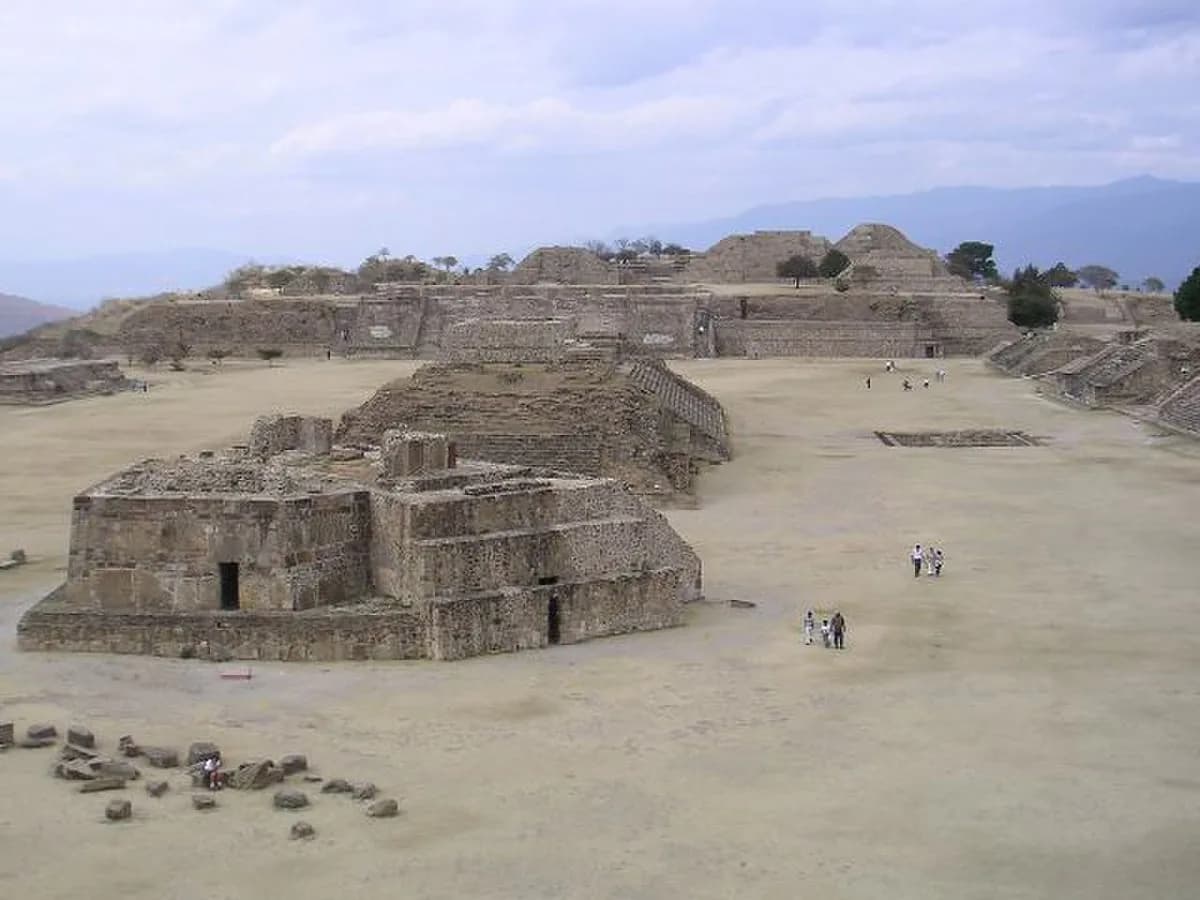
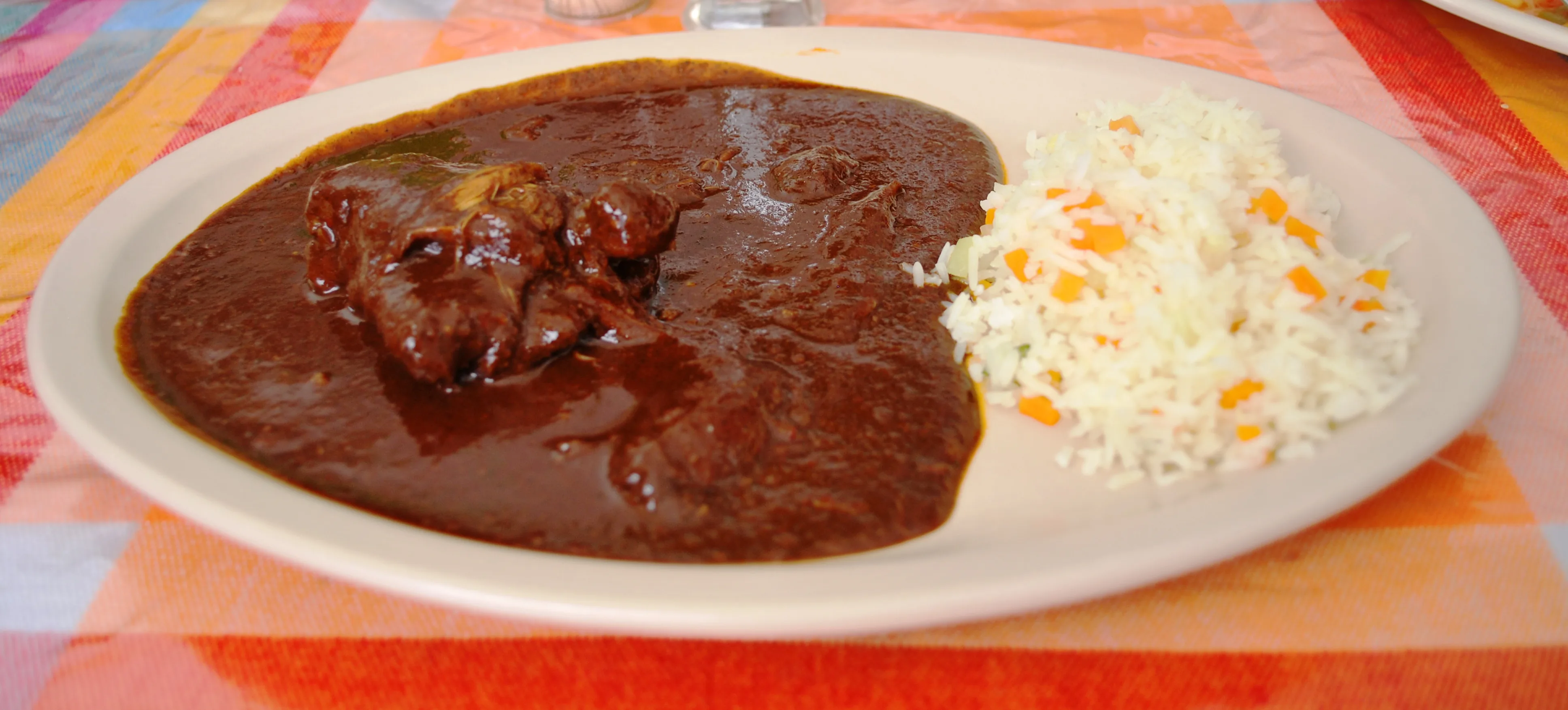
This is where Mexican cooking reaches its peak: the seven legendary moles, tlayudas (the giant 'Oaxacan pizza'), and chapulines (toasted grasshoppers) for the brave. Sip mezcal at the source on a palenque tour. Visit the dramatic Zapotec ruins of Monte Albán on a hilltop above the city, and the petrified waterfalls of Hierve el Agua. If you can time it for the Day of the Dead in early November or the Guelaguetza festival in July, Oaxaca becomes one of the most vivid places on Earth.
Timing
When to visit Mexico
The dry season, November to April, is the prime window across most of Mexico, with warm, sunny and comfortable weather. The wet season (June to October) brings afternoon downpours and a Caribbean hurricane risk peaking in September. The highlands around Mexico City are mild year-round but cool at altitude.
Average temperature & rainfall in Mexico City
Temp °CRain mmReal climate averages for Mexico City (capital). Source: Open-Meteo archive. Rainfall is total monthly precipitation.
Sample route
The perfect 5 days in Mexico
A ready-made 5-day route built from Mexico's top sights. Adjust it to your pace, or generate your own plan.
Budget
What a day in Mexico costs
Hostels and guesthouses, street tacos and market comida, ADO buses, and free plazas, ruins-town strolls and cenotes.
Boutique hotels in colonial centres, internal flights, guided ruins and mezcal tours, ride apps, and great restaurants.
Design hotels and beach resorts, private guides, fine-dining tasting menus in Mexico City and Oaxaca, and private transfers.
These daily budgets are per person in US dollars. Prices here are quoted in the peso. Cards work widely in cities, but carry cash for markets and street food. Internal flights bridge the country's large distances affordably.
Don't miss
The best places to visit in Mexico
Taste
What to eat in Mexico
The safety question, answered straight
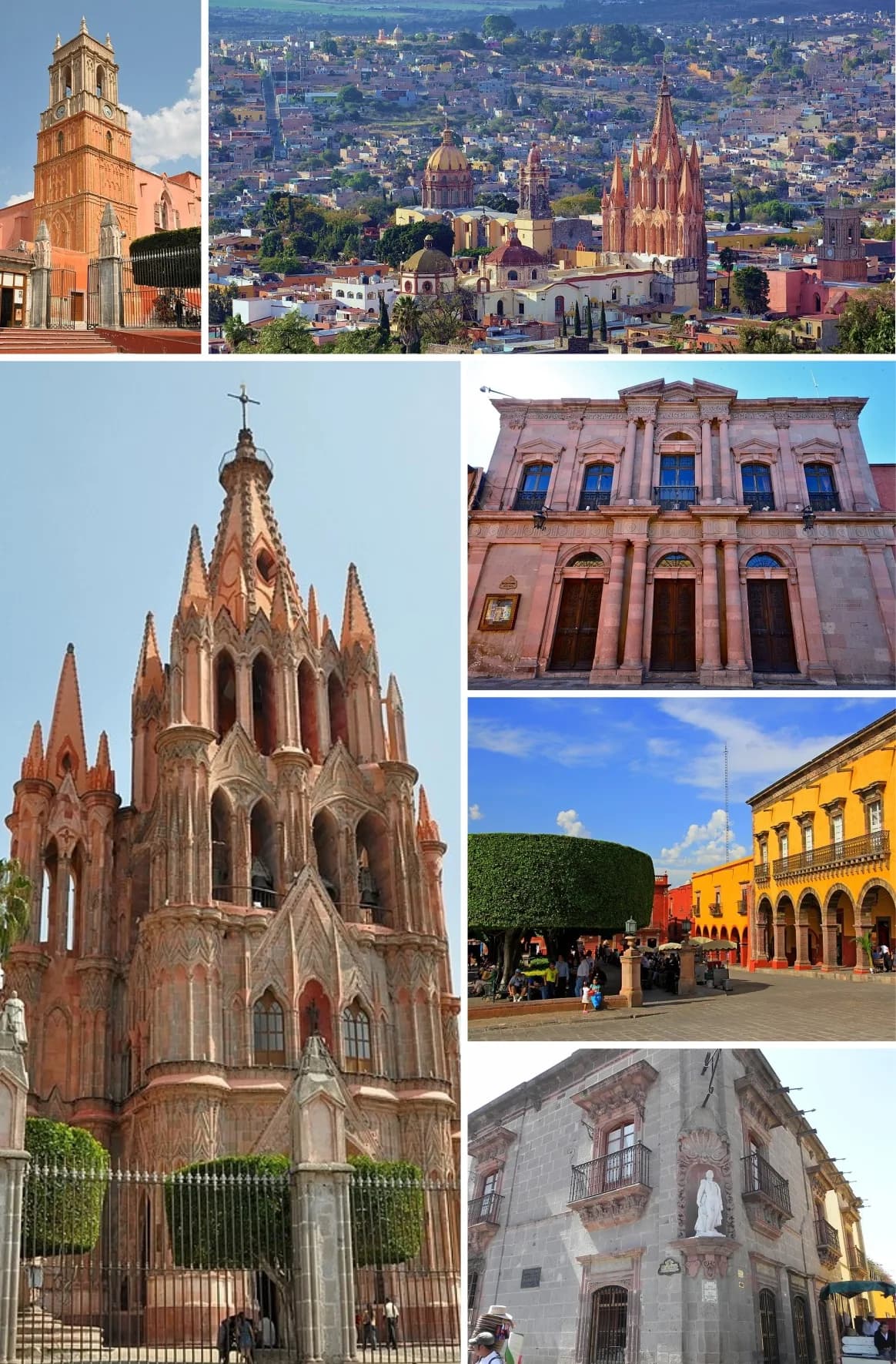
Everyone asks, so here's the honest answer. Mexico is a huge country, and safety varies enormously by region. The tourist destinations covered here, Mexico City, the Yucatán, Oaxaca, plus places like Guanajuato, San Miguel de Allende and Puerto Vallarta, are visited safely by millions every year.
The violence that makes headlines is largely cartel-related and concentrated in specific states and border areas far from the tourist trail. Use the same sense you would in any big country. Stick to recommended areas, use registered taxis or apps like Uber and DiDi, don't flash valuables, avoid driving rural roads at night, and check your government's advisories for the specific states you'll visit. Follow that and Mexico is not just safe but one of the warmest, most welcoming places you'll travel.
Eat your way through it
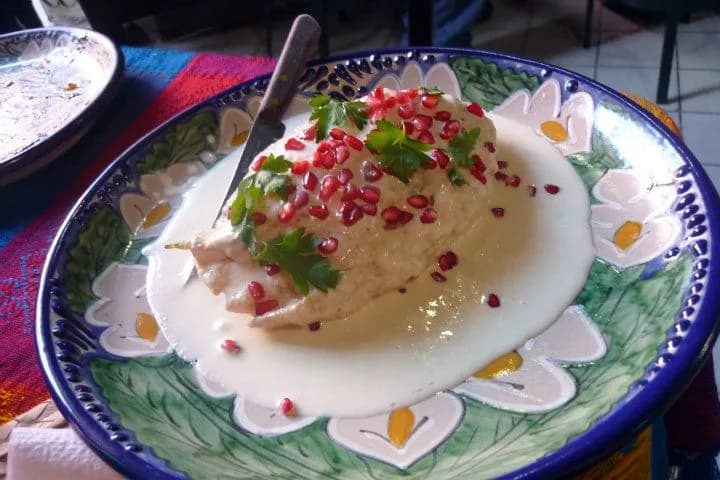
Mexican food is one of only a handful of cuisines recognised by UNESCO, and a week here rewires what you thought it was. Forget the Tex-Mex cliché. Real Mexican food is regional, ancient and astonishingly varied.
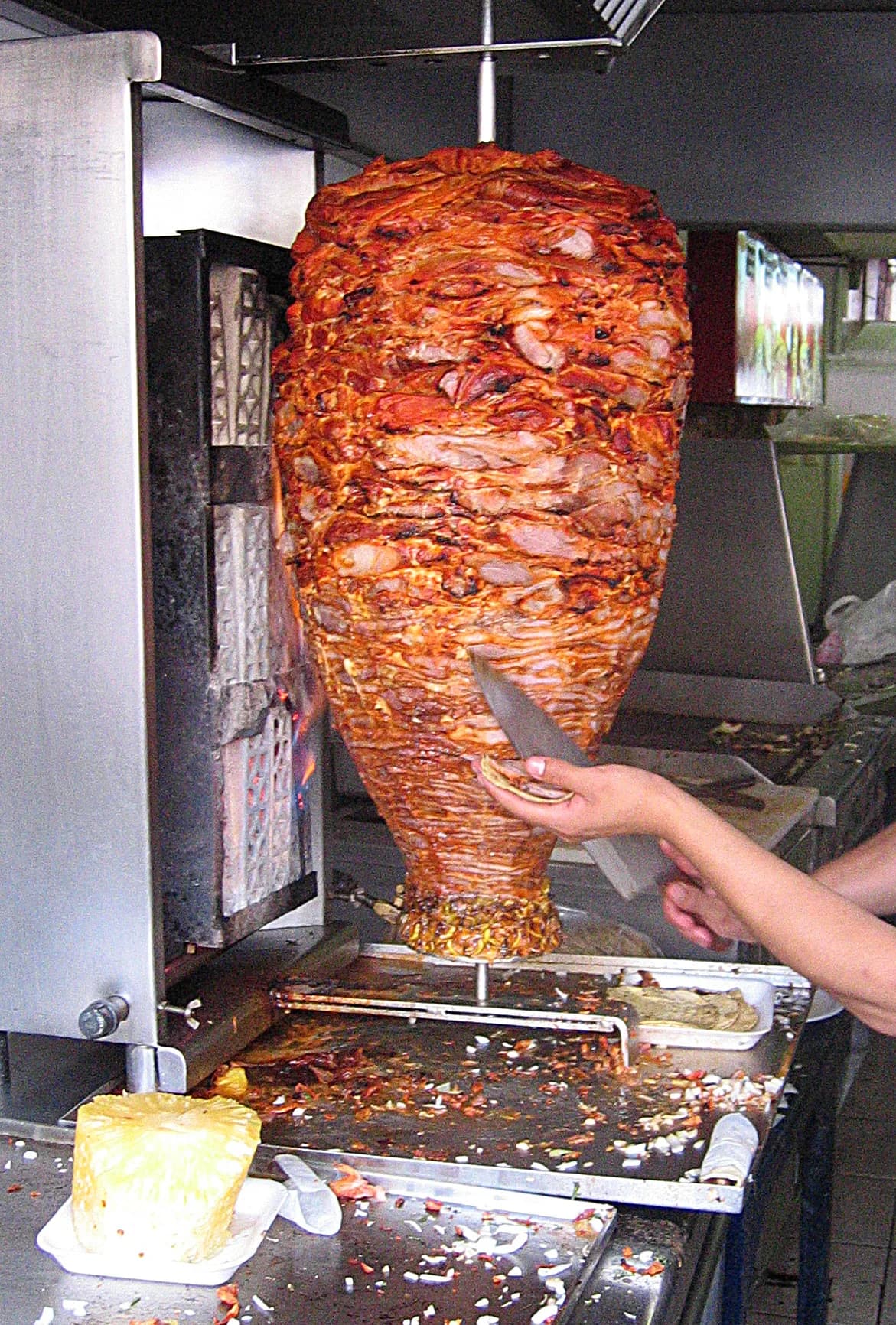
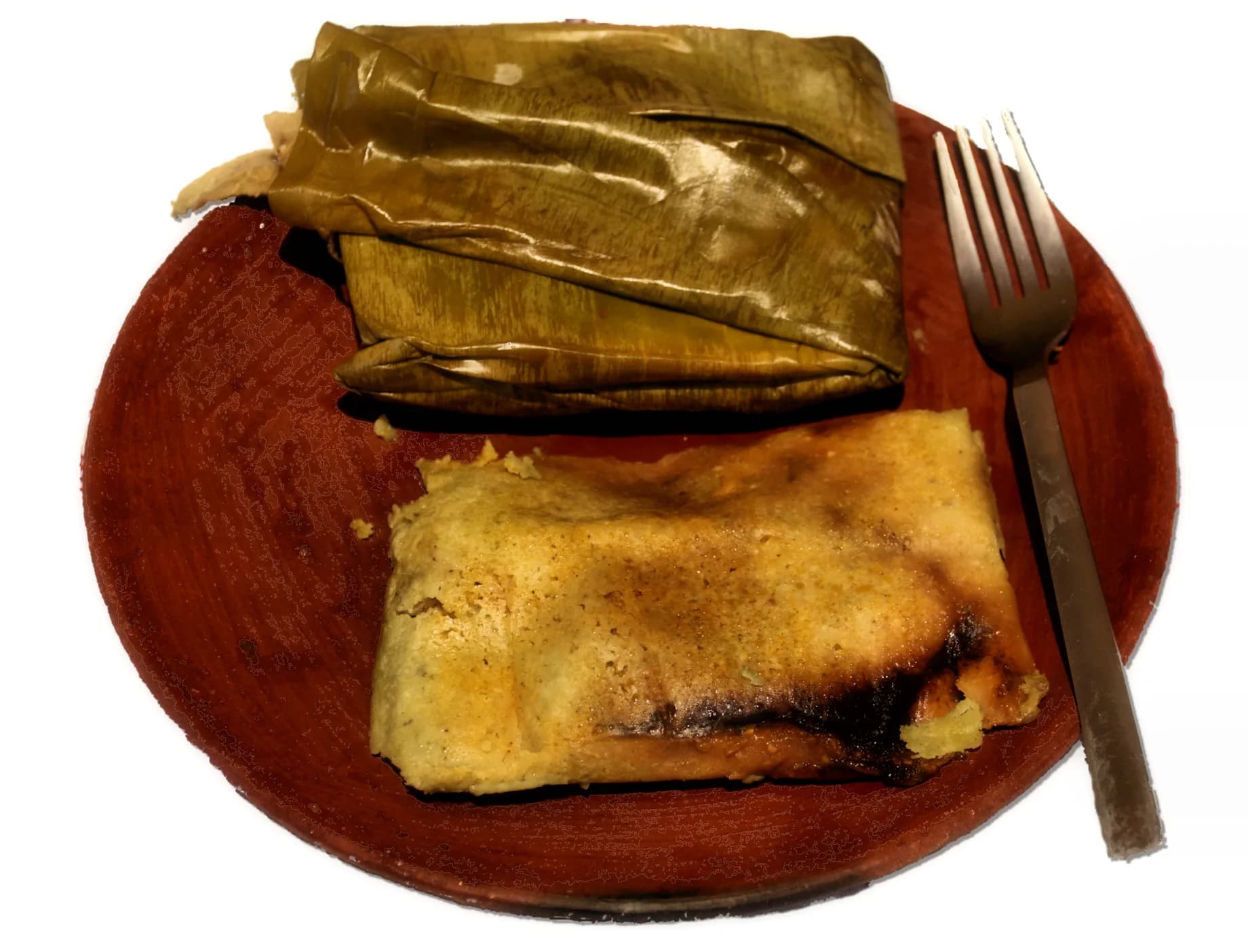
Eat tacos al pastor carved off the spit at a street stand, tamales steamed in a husk, fresh ceviche on the coast, and the deep complexity of a proper mole. Wash it down with fresh agua fresca, a cold michelada, or mezcal sipped slowly. The rule is the same everywhere good food hides: eat where the locals queue, at the market stalls and the busy street carts, not the tourist restaurants on the main square. You'll spend a few dollars and eat like a king.
Timing, the visa, and getting around
The dry season, November to April, is the time to come: warm, sunny and comfortable across most of the country. The wet season (June to October) brings afternoon downpours and, on the Caribbean coast, a hurricane risk that peaks in September. The central highlands around Mexico City are mild year-round but cool at altitude.
Most nationalities, among them the US, UK, EU, Canada and Australia, can visit visa-free for up to 180 days, but always confirm for your passport. Getting around, internal flights link the regions cheaply (the distances are large), comfortable long-distance ADO buses cover the rest, and within cities the ride apps are reliable. The peso is the currency, cards are widely accepted in cities, and you'll want cash for markets and street food.
Visa & Entry
Do you need a visa for Mexico?
63 countries enter Mexico visa-free. Check the full requirements for your passport →
FAQ
Mexico — your questions
WorldCurio Editorial
Travel writers who plan trips the way locals would, grounded in what actually works on the ground. Visa and entry rules are cross-checked against the latest passport-index data, and climate figures use the Open-Meteo historical archive. Last reviewed June 2026. Always confirm visa and safety details with official sources before booking.
Keep exploring