Understand the shape before you plan the trip
No country on earth is shaped quite like Chile. On average just 180 km wide, but stretching across 38 degrees of latitude. That geography is the whole planning challenge. The far north is the Atacama, the driest non-polar desert on the planet. The far south is Patagonia, all ice fields and wind. In between sits the fertile Mediterranean heartland, with Santiago, the coast and the wine.
The rookie move is to try to string it all together overland. Don't. The distances are continental, so internal flights (Santiago is the hub) are how you bridge the extremes. A realistic first trip picks two or three zones, say Santiago and the wine valleys plus either the Atacama in the north or Patagonia in the south, and flies between them. Choose by season, and by whether you want desert or ice.
The Atacama: stars, salt flats and lunar valleys
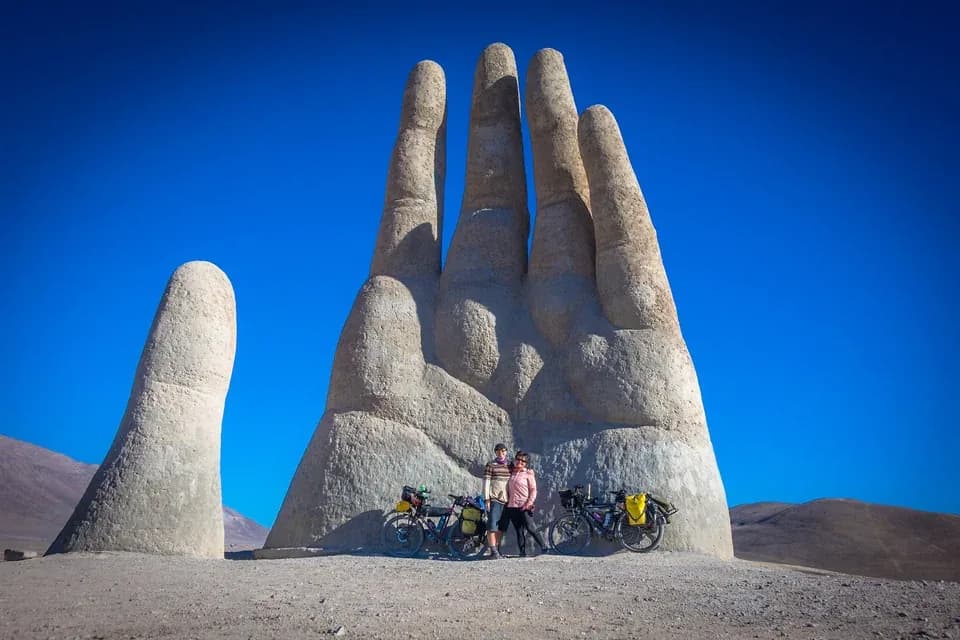
In the north, the oasis town of San Pedro de Atacama is the base for the strangest landscapes in the country. The desert is so dry and so high that the night skies are among the clearest on Earth. This is where the world's most powerful telescopes live, and a stargazing tour here is genuinely life-list stuff.
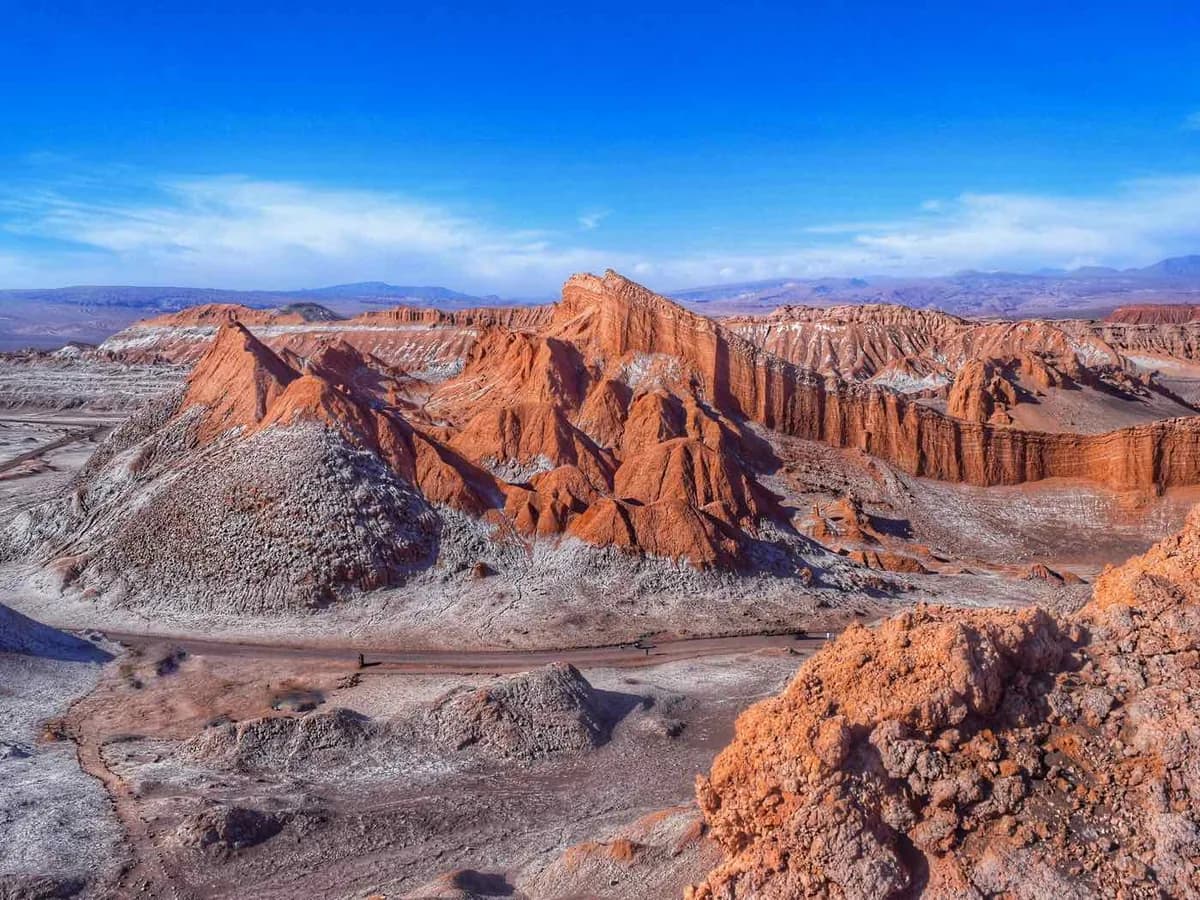
By day the excursions are otherworldly. The Valle de la Luna (Valley of the Moon) at sunset. The El Tatio geysers steaming at dawn at over 4,000 m. Flamingo-dotted salt flats and high-altitude turquoise lagoons. Two things to respect here. The altitude (San Pedro sits at 2,400 m and tours climb far higher, so acclimatise and go slow) and the sun (fierce, so cover up). The Atacama is good year-round, which makes it the flexible half of many Chile itineraries.
Patagonia and Torres del Paine: the end of the world
At the bottom of the country, Chilean Patagonia is the payoff for serious nature travellers. The crown jewel is Torres del Paine National Park: granite towers, hanging glaciers, turquoise lakes and guanaco herds, walked via the famous multi-day 'W' trek or the longer 'O' circuit, or sampled on day hikes if you're short on time or stamina.
This is the part of Chile that demands timing. Patagonia's season is the southern-hemisphere summer, roughly November to March, when the days are long and the trails are open. Outside that window many services close and the weather turns. Even in summer, Patagonian weather is famously four-seasons-in-a-day, and the wind is relentless. Pack proper layers and book the in-park refugios or campsites months ahead, because they sell out. Punta Arenas and Puerto Natales are the starting point forwns.
Timing
When to visit Chile
Seasons are flipped in the southern hemisphere. The Patagonian south is only really open and walkable in the summer of November to March, when days are long. The Atacama desert in the north works year-round. Santiago and the wine valleys are loveliest in the shoulder months of spring and autumn.
Average temperature & rainfall in Santiago
Temp °CRain mmReal climate averages for Santiago (capital). Source: Open-Meteo archive. Rainfall is total monthly precipitation.
Sample route
The perfect 5 days in Chile
A ready-made 5-day route built from Chile's top sights. Adjust it to your pace, or generate your own plan.
Budget
What a day in Chile costs
Hostels and refugios, set-menu lunches, long-distance buses, and self-guided day hikes in the parks.
Mid-range hotels, internal flights to bridge the distances, guided desert and Patagonia excursions, and winery lunches.
All-inclusive lodges in the Atacama and Patagonia, premium wine tours, private guides, and a trip to Easter Island.
The numbers below are per person, per day in US dollars. Chile is one of South America's pricier countries, with Patagonia and Easter Island the budget-killers due to flights and remoteness. Cards work well in cities.
Don't miss
The best places to visit in Chile
Taste
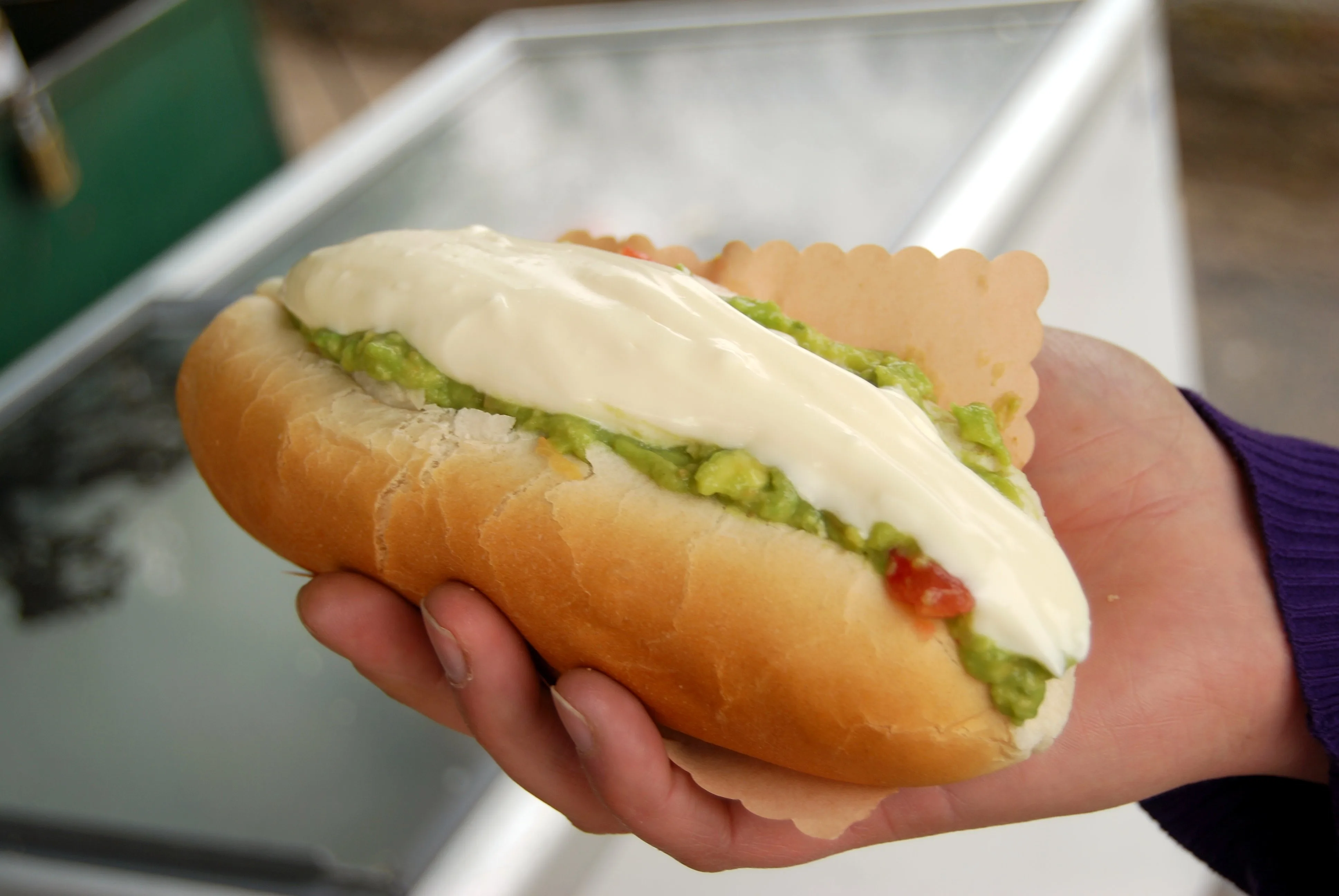
What to eat in Chile
Santiago, Valparaíso and the wine in between
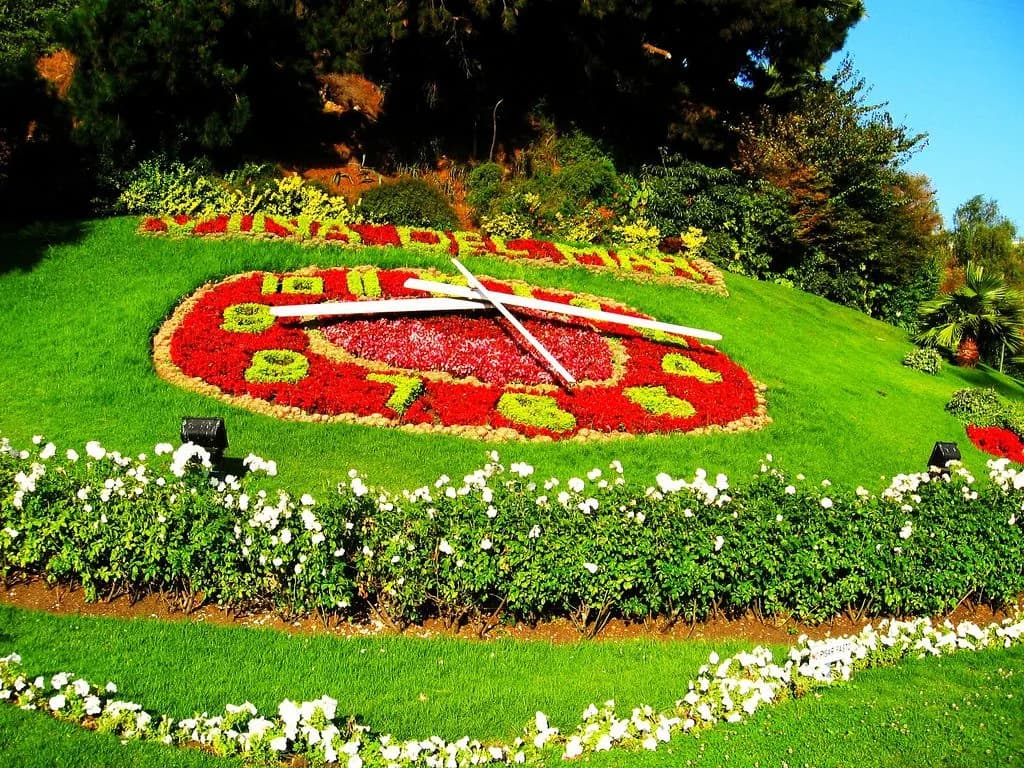
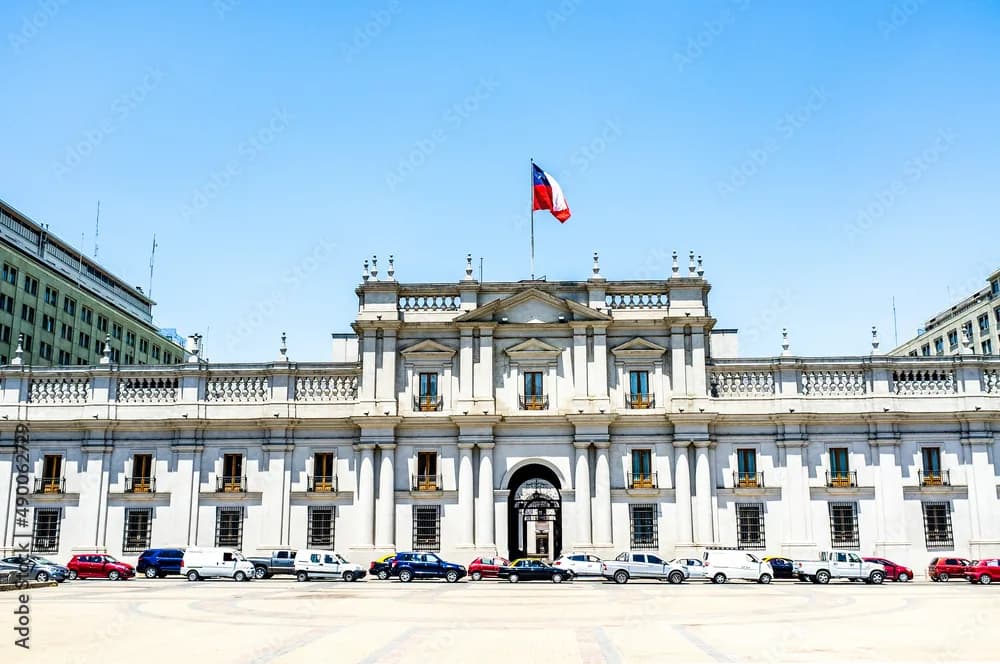
Most trips run through Santiago, a modern capital cradled by the Andes. Ride the funicular up Cerro San Cristóbal for the view, eat well in Bellavista, and use it as your flight hub. An hour and a half away on the coast, Valparaíso is its bohemian opposite: a UNESCO-listed tangle of steep hills, Victorian funiculars, and walls covered in some of the best street art anywhere, with one of poet Pablo Neruda's eccentric houses perched above the bay.
Between and around them lie the wine valleys. Casablanca for cool-climate whites near the coast. Maipo and Colchagua for the big Cabernets and Carménère, Chile's signature grape that the rest of the world had given up for extinct. Many wineries are easy day trips from Santiago, with tastings and long lunches. It's the gentle, civilised counterweight to the desert and the ice.
Easter Island, costs and the practical stuff
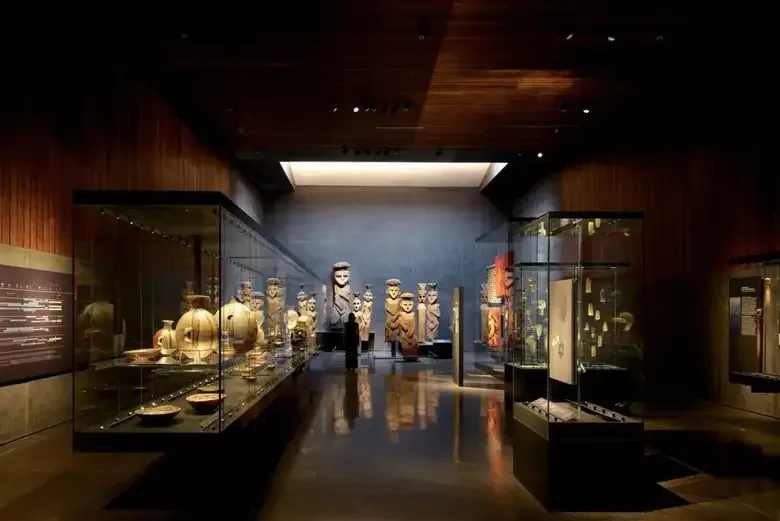
If your budget and time allow, Rapa Nui (Easter Island) is one of the most remote inhabited places on Earth. A five-hour flight from Santiago into the middle of the Pacific, where the enigmatic moai statues stare inland. It's a serious add-on in time and money, but for many it's the dream that justified the whole trip.
Chile is one of South America's more developed and more expensive countries, pricier than Peru or Bolivia, with Patagonia and Easter Island the budget-killers. The peso is the currency, and cards work well in cities, less so in remote areas. Most visitors don't need a visa for short tourist stays (the old US 'reciprocity fee' was abolished years ago), but check your passport. And remember the seasons are flipped. December to February is high summer, ideal for Patagonia and the south, while the north works any time of year.
Visa & Entry
Do you need a visa for Chile?
93 countries enter Chile visa-free. Check the full requirements for your passport →
FAQ
Chile — your questions
WorldCurio Editorial
Travel writers who plan trips the way locals would, grounded in what actually works on the ground. Visa and entry rules are cross-checked against the latest passport-index data, and climate figures use the Open-Meteo historical archive. Last reviewed June 2026. Always confirm visa and safety details with official sources before booking.
Keep exploring