Buenos Aires: Europe's ghost in South America
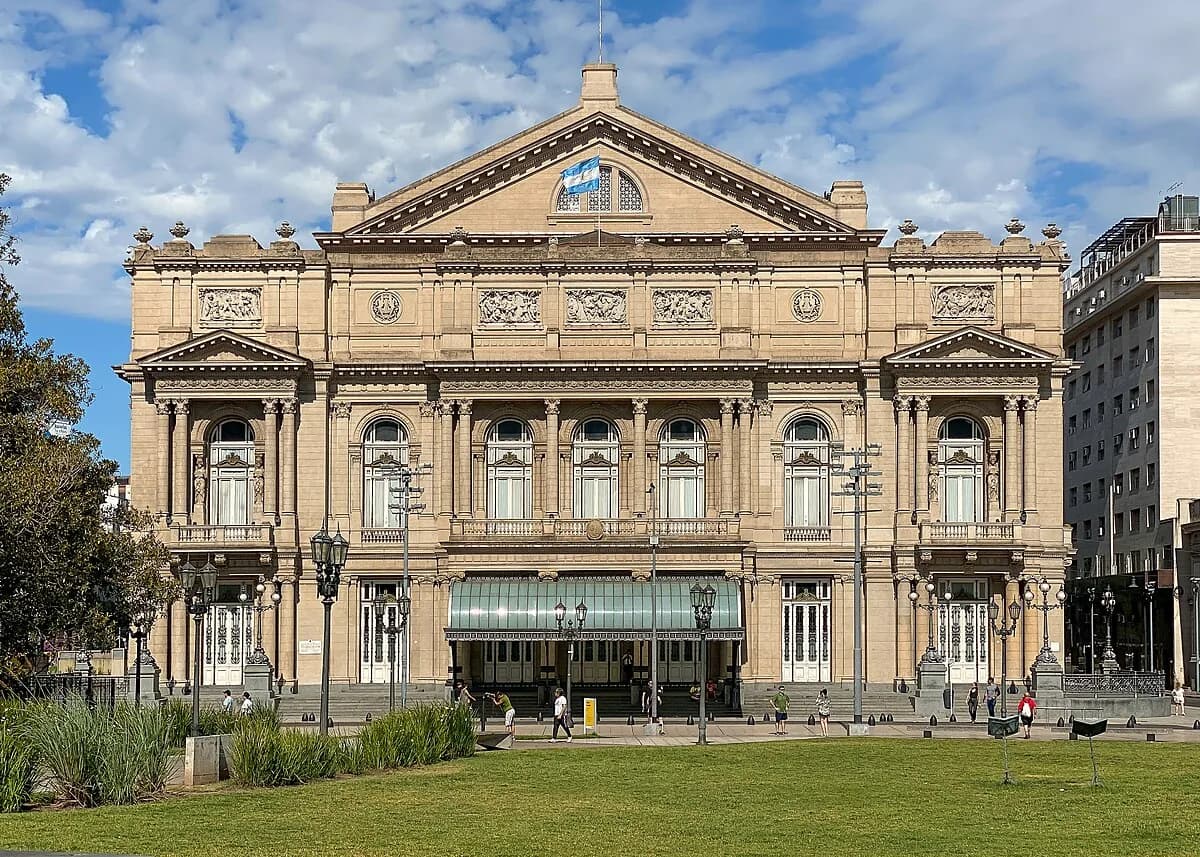
Most trips start in Buenos Aires, and it's a city that gets under your skin. Grand Belle Époque boulevards, faded glamour, late dinners and later nights. It feels like Paris that wandered south and learned to dance the tango.
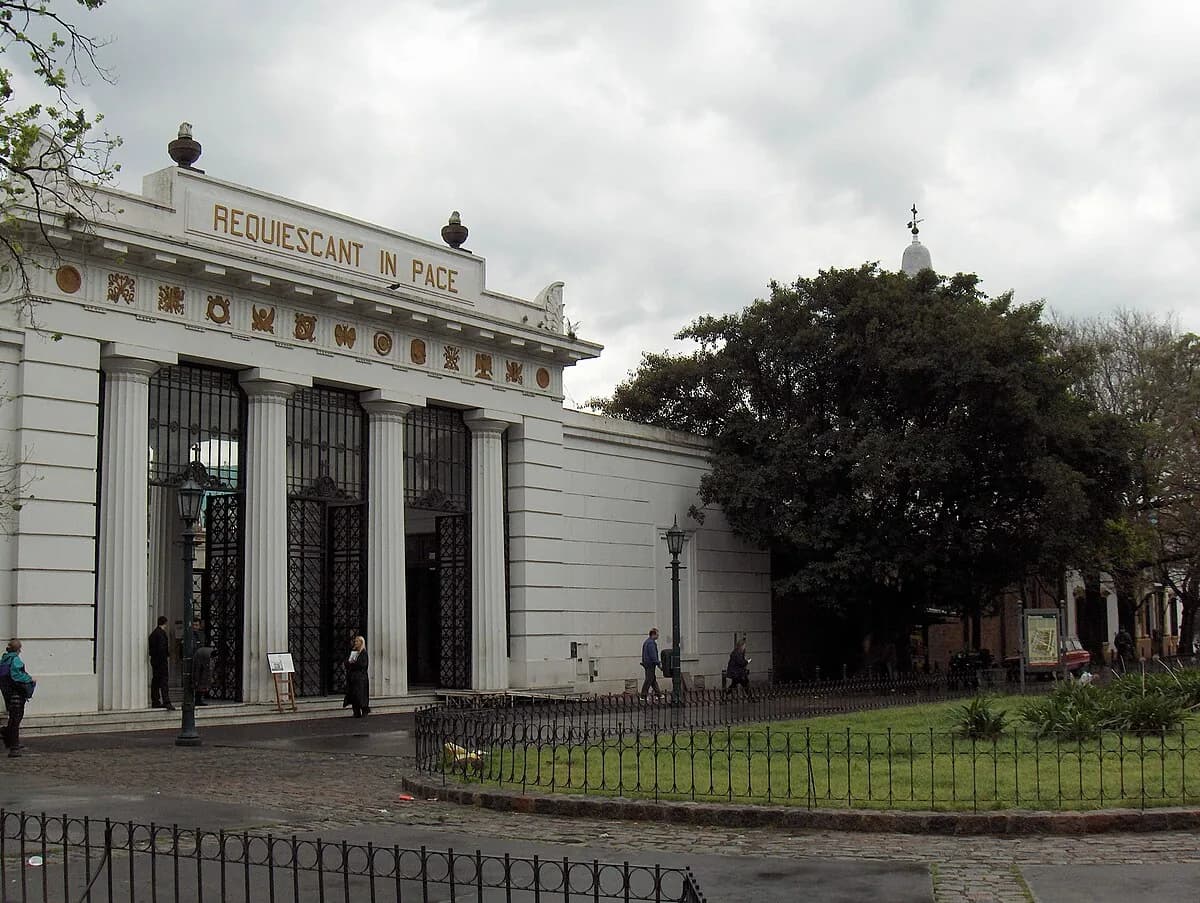
Wander the pastel houses and street art of La Boca, the cemetery-city of Recoleta where Eva Perón is buried, the bookshop-in-an-old-theatre El Ateneo, and the buzzing bars of Palermo. Catch a tango show, or better, a milonga where locals actually dance. And eat steak, properly, at a parrilla, because Argentine beef earns every bit of its reputation. Give Buenos Aires three or four days, eat late, sleep later, and let it set the rhythm for the trip.
Patagonia: the end of the world
For most travellers, Patagonia is the reason they came, and it does not disappoint. The catch is distance and season: it's far south, and only really open in the southern-hemisphere summer.
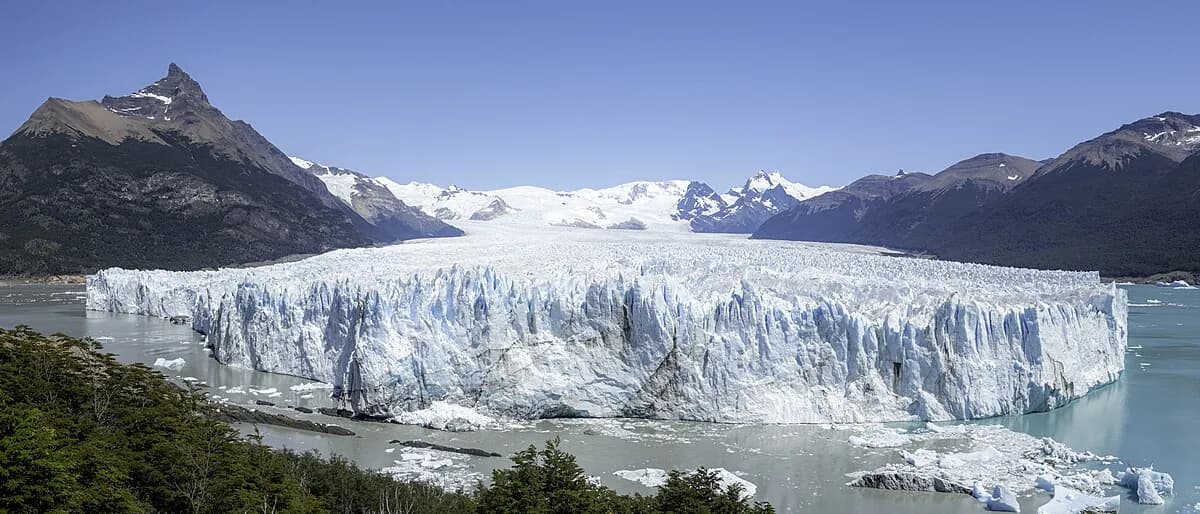
Two bases anchor a first trip. El Calafate is the way into the Perito Moreno glacier, a wall of ice the size of a city that calves into the lake with a crack like thunder, and you can watch it from boardwalks or trek on it. A few hours north, El Chaltén is Argentina's trekking capital, where day hikes lead to the jagged spire of Mount Fitz Roy with no permits and no fuss. Further south still, Ushuaia bills itself as the southernmost city on Earth and is the launchpad for Antarctic cruises and the Beagle Channel. Bring serious layers, because the wind down here is relentless even in summer.
The north: wine, deserts and waterfalls
The other Argentina is warmer, drier and works almost year-round. Mendoza, in the foothills of the Andes, is the wine capital, where you cycle or drive between bodegas tasting the country's signature Malbec with the snow-capped peaks as a backdrop. It's one of the great wine regions on Earth and far cheaper than its rivals.
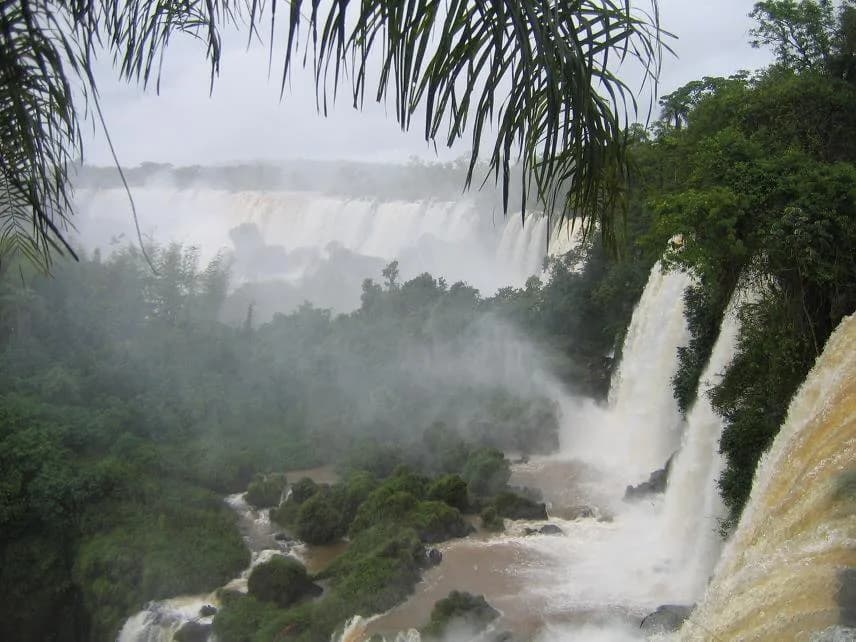
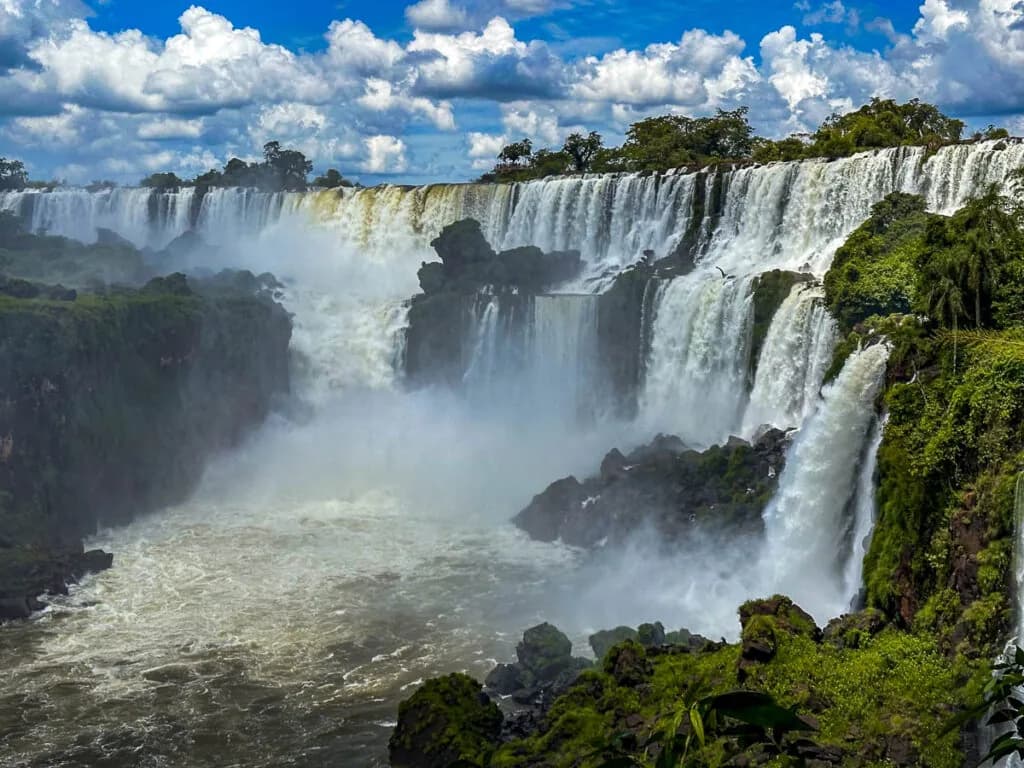
Further north, the high desert around Salta and Jujuy delivers Argentina's most surreal landscapes: the rainbow-striped hills of Purmamarca, vast salt flats, and cactus-studded canyons reached on the winding 'Train to the Clouds' or by road. And in the far northeast, straddling the Brazilian border, the Iguazú Falls thunder through the jungle, a horseshoe of 275 cataracts that makes Niagara look modest. Most people fly in for a day or two and leave stunned.
Timing
When to visit Argentina
Seasons are flipped. Patagonia in the south is only really open from November to March, the southern summer, when days are long and the trails are clear. The north, the wine country and Iguazú work year-round, though the northern summer is very hot. Spring (October to November) and autumn (March to April) balance both ends of the country.
Average temperature & rainfall in Buenos Aires
Temp °CRain mmReal climate averages for Buenos Aires (capital). Source: Open-Meteo archive. Rainfall is total monthly precipitation.
Sample route
The perfect 5 days in Argentina
A ready-made 5-day route built from Argentina's top sights. Adjust it to your pace, or generate your own plan.
Budget
What a day in Argentina costs
Hostels and guesthouses, empanadas and set-menu lunches, long-distance buses, and self-guided hikes in El Chaltén.
Comfortable hotels, internal flights to bridge the distances, glacier and wine tours, parrilla dinners, and a day at Iguazú.
Boutique estancias and Patagonia lodges, premium Mendoza wine experiences, private guides, and an Antarctic cruise from Ushuaia.
These are rough daily costs per person in US dollars. Argentina's economy is volatile and the peso swings, so costs vary with the exchange rate. Carry US dollars in cash as a backup and check the current situation before you go.
Don't miss
The best places to visit in Argentina
Taste
What to eat in Argentina
Eat the beef, drink the Malbec
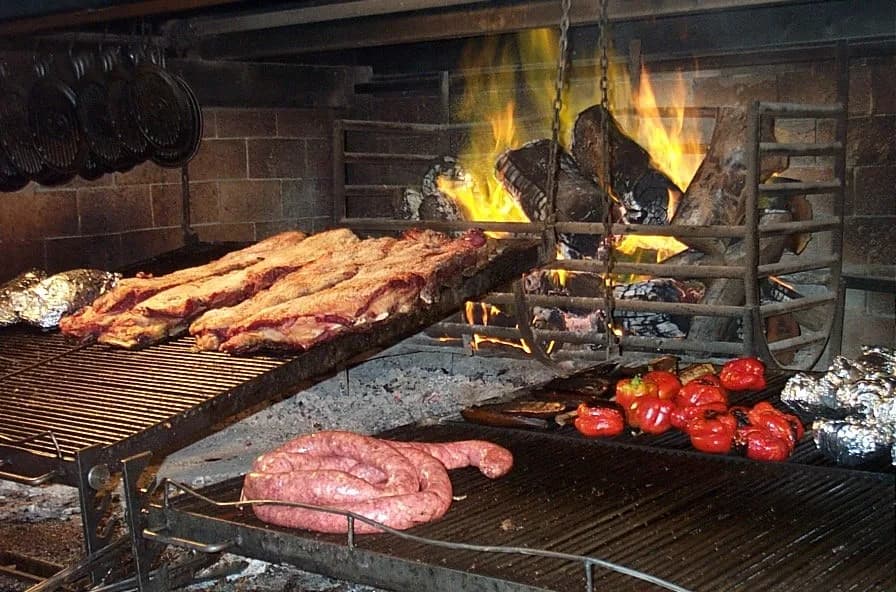
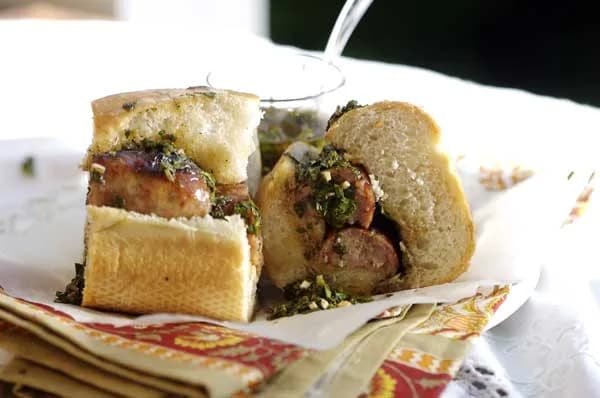
Argentina takes its food seriously in a few specific, glorious ways. The asado, a slow barbecue of various cuts cooked over wood embers, is less a meal than a national ritual, and the beef really is that good. Order a bife de chorizo at a parrilla and understand what the fuss is about.
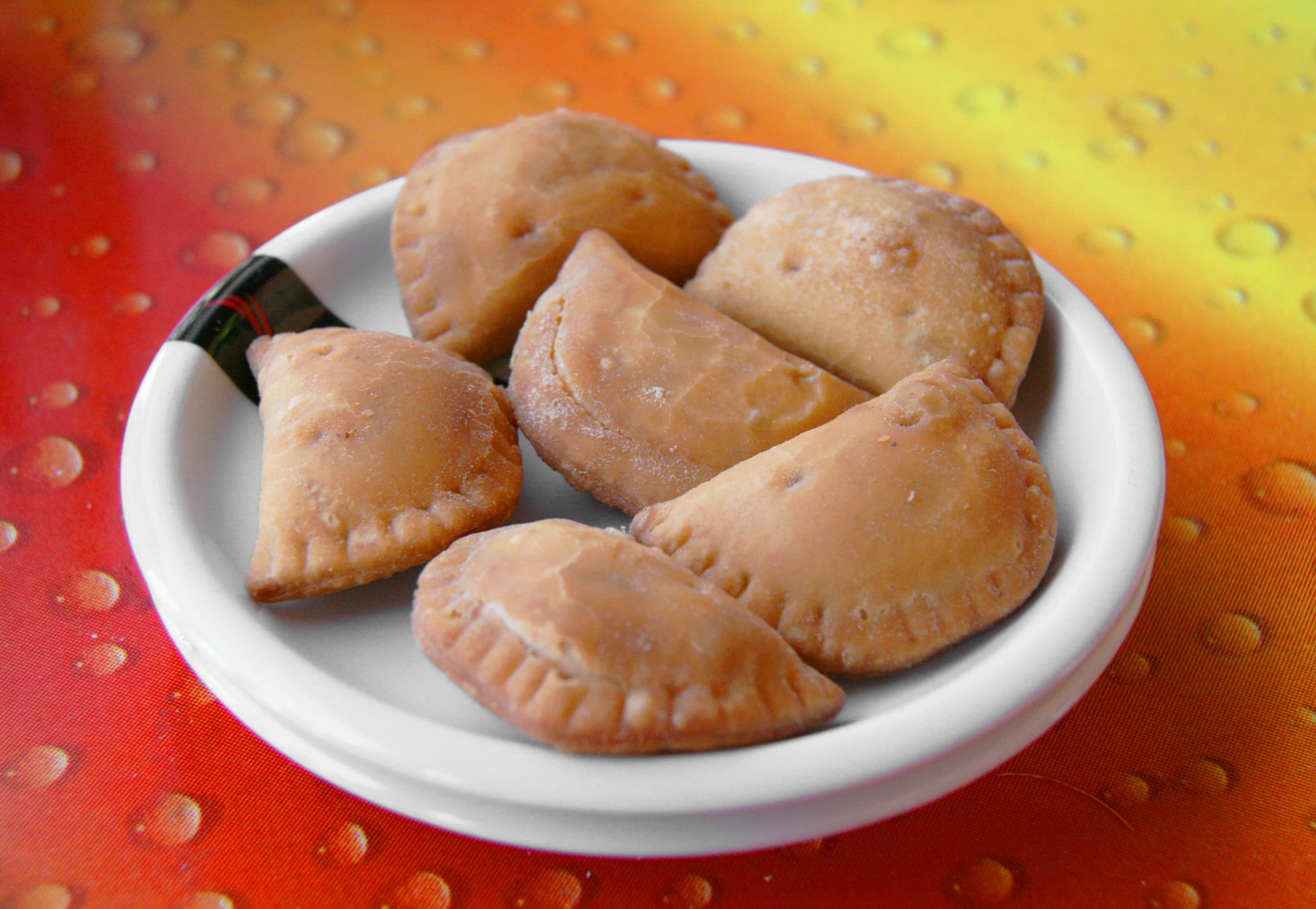
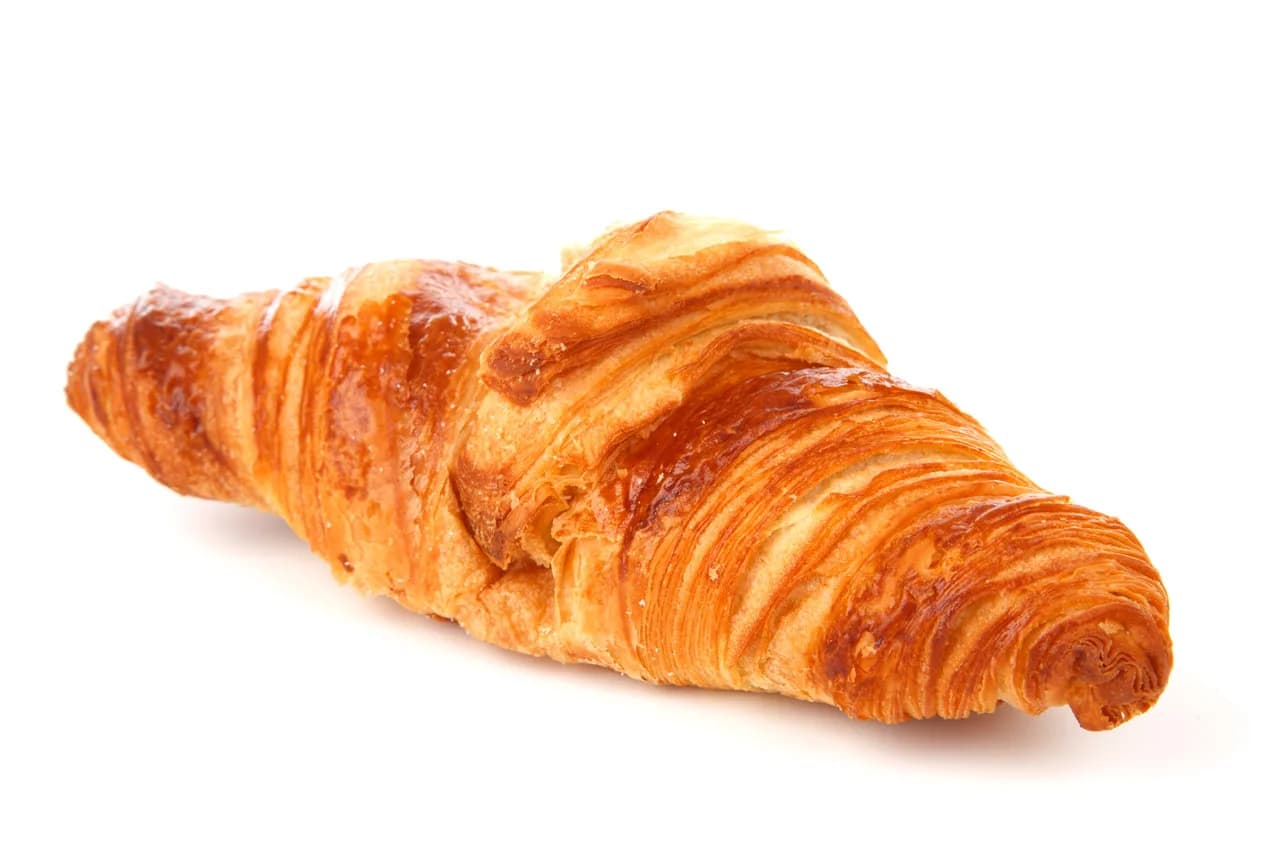
Beyond the grill, the empanada is the perfect snack, dulce de leche finds its way into everything sweet, and the alfajor (two biscuits sandwiching caramel) is the road-trip staple. Malbec is the wine, bold and affordable, best drunk where it's made in Mendoza. And then there's mate, the bitter green tea sipped through a metal straw from a shared gourd, passed around constantly. You'll see it everywhere. Accept a sip if it's offered, it's a small act of belonging.
Timing, the money, and getting around
Seasons are flipped in the southern hemisphere, and timing is everything because the country pulls in two directions. Patagonia is only really open and walkable from November to March, the southern summer. The north, the wine country and Iguazú work year-round, though the northern summer can be brutally hot. Spring (October to November) and autumn (March to April) are the best of both, balancing the country's two ends.
The distances are continental, so internal flights, usually via Buenos Aires, are essential. Don't try to do Patagonia and the north overland. Argentina's economy is volatile and the peso swings, which can make it cheap or pricey depending on the exchange rate. Carry US dollars in cash as a backup, use them where you can, and check the current situation before you go. Most nationalities don't need a visa for tourism, but confirm for your passport.
Visa & Entry
Do you need a visa for Argentina?
90 countries enter Argentina visa-free. Check the full requirements for your passport →
FAQ
Argentina — your questions
WorldCurio Editorial
Travel writers who plan trips the way locals would, grounded in what actually works on the ground. Visa and entry rules are cross-checked against the latest passport-index data, and climate figures use the Open-Meteo historical archive. Last reviewed June 2026. Always confirm visa and safety details with official sources before booking.
Keep exploring