The safety question, answered honestly
Let's address the elephant first, because everyone asks. Colombia is a vastly different and far safer country than its reputation suggests. The tourist trail of Bogotá, Medellín, Cartagena and the coffee region is well-trodden and welcoming, and millions visit happily every year.
That said, this is honest travel advice, not a tourism brochure. Use normal big-city sense. Stick to recommended neighbourhoods, don't flash phones or jewellery, use registered taxis or apps (Uber and inDrive both work), and don't wander unfamiliar areas at night. There's a local saying, 'no dar papaya', roughly 'don't give an opportunity', that captures the mindset. Some rural and border regions remain genuinely off-limits, so check current advisories. Follow the same precautions you'd use in any major Latin American city and Colombia is not just safe but joyfully so.
Medellín: the city that reinvented itself
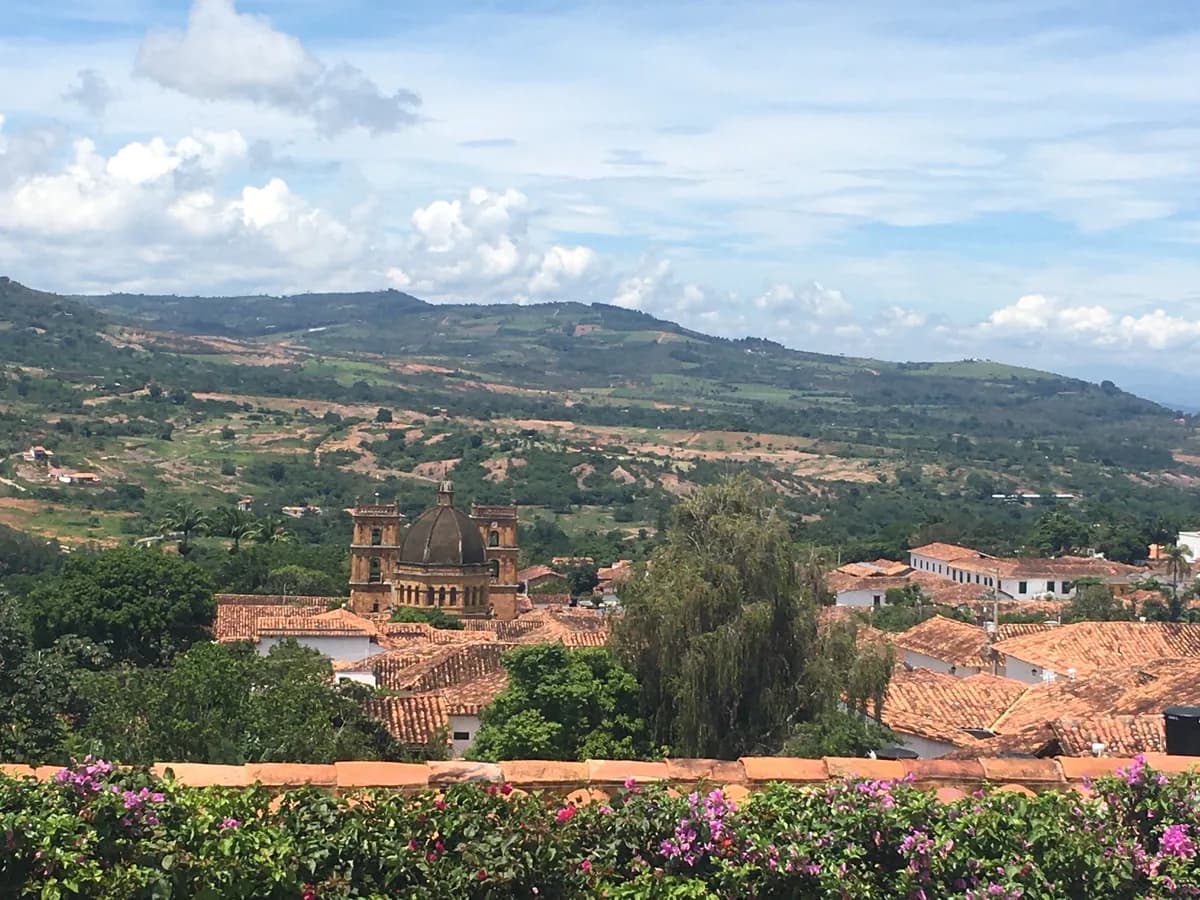
If one place embodies Colombia's transformation, it's Medellín. Once the most dangerous city on Earth, the 'City of Eternal Spring' (named for its perfect year-round climate at 1,500 m) is now a model of urban renewal, and a magnet for digital nomads drawn by the weather, the energy and the quality of life.
Ride the Metrocable gondolas that connect the hillside barrios, once isolated and now woven into the city. Tour the dramatically regenerated Comuna 13, with its escalators and street art. Base yourself in the leafy, buzzing El Poblado or the more local Laureles. Day-trip to the technicolour town of Guatapé and climb the monolithic rock of El Peñol for one of Colombia's great views. Medellín is the city that surprises people most.
Cartagena and the Caribbean coast
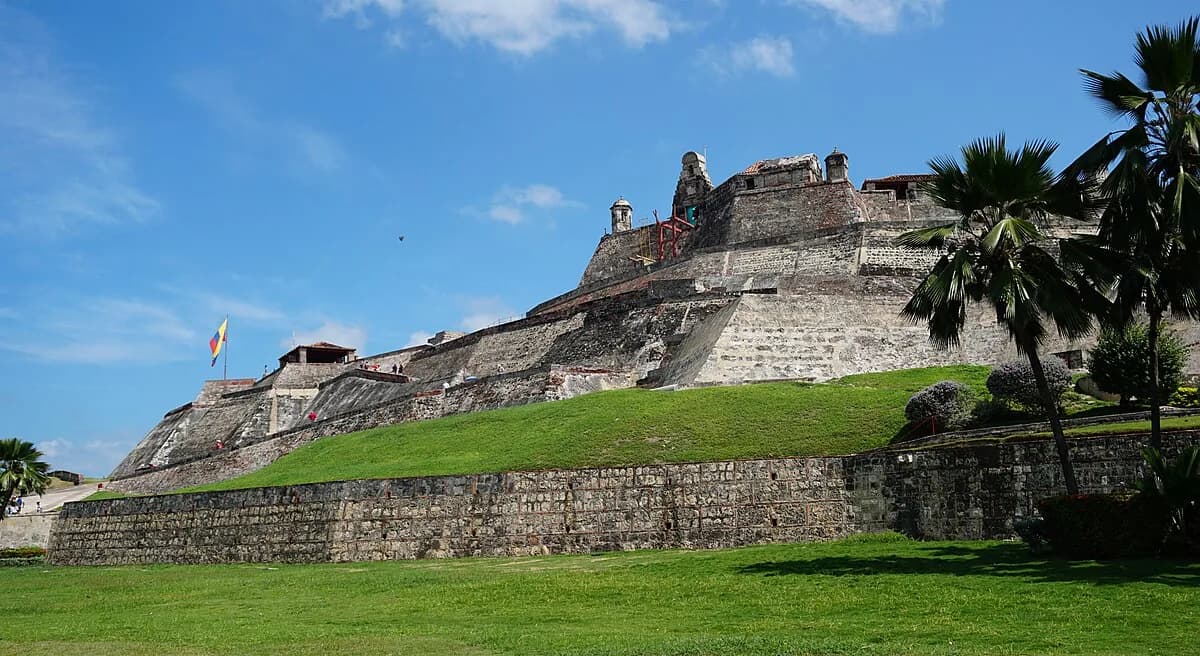
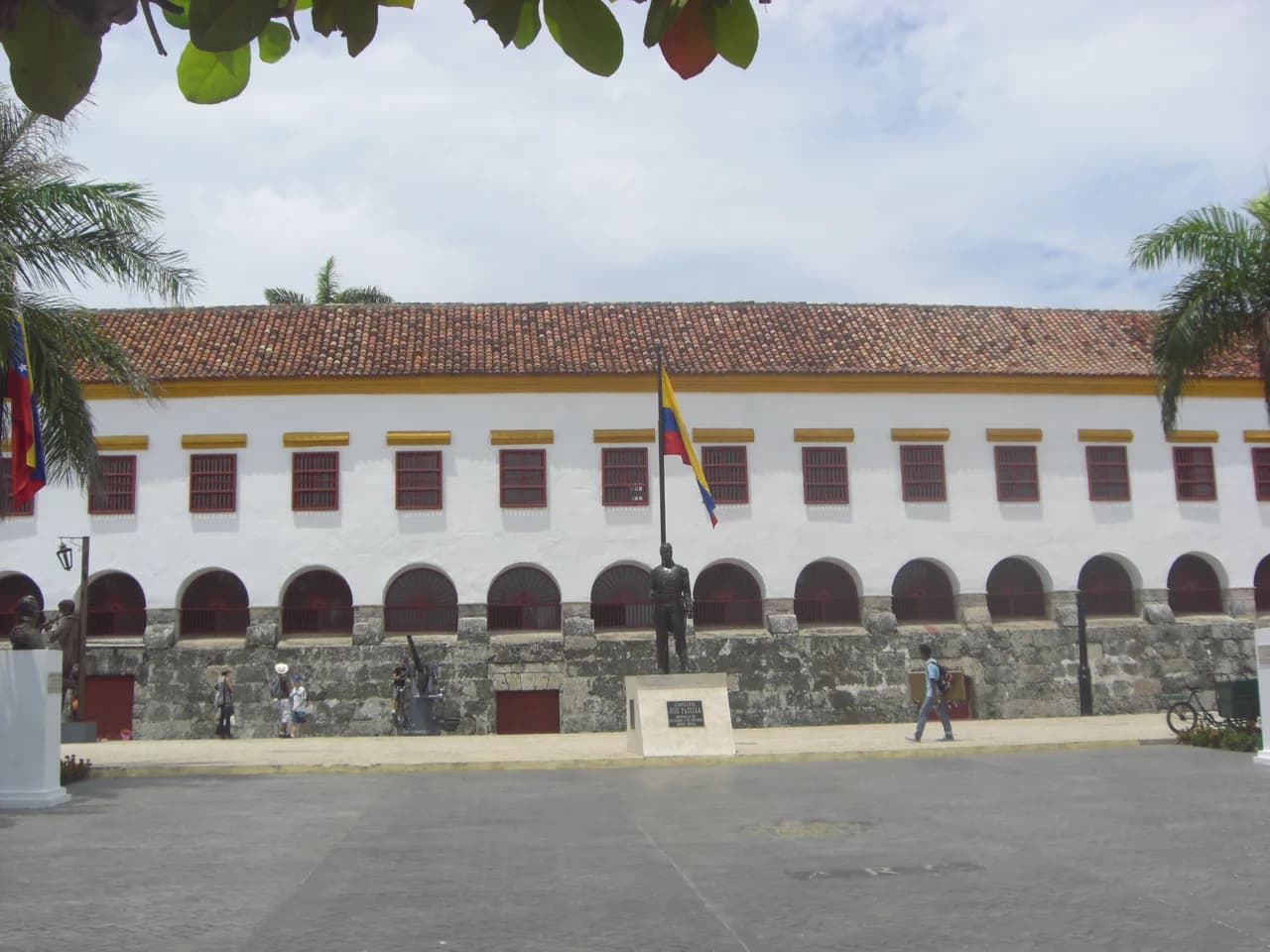
On the Caribbean, Cartagena is Colombia's showpiece: a walled colonial old town of bougainvillea-draped balconies, golden churches and horse-drawn carriages, impossibly romantic at dusk. It's hot, humid and unabashedly touristy, but the beauty is real, and the sunset from the city walls with a drink in hand is a rite of passage.
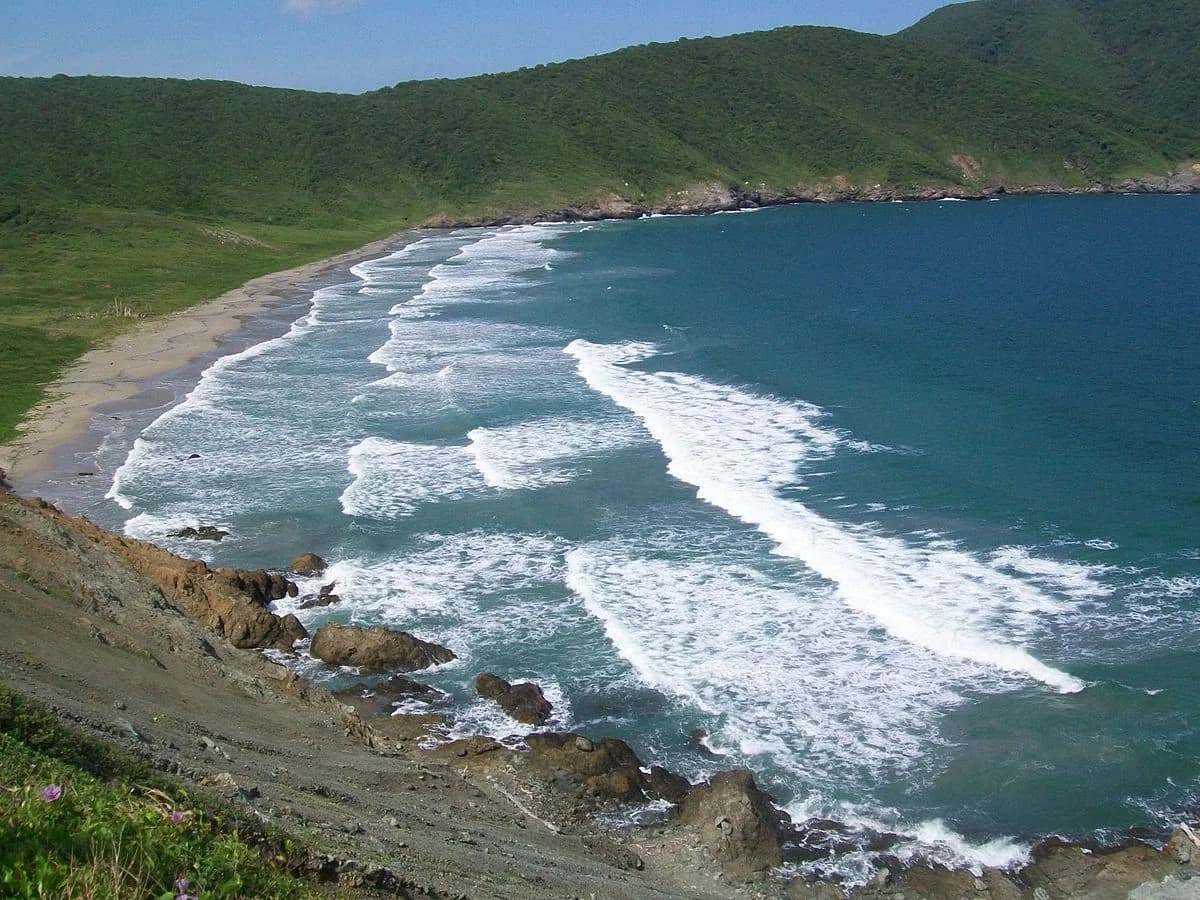
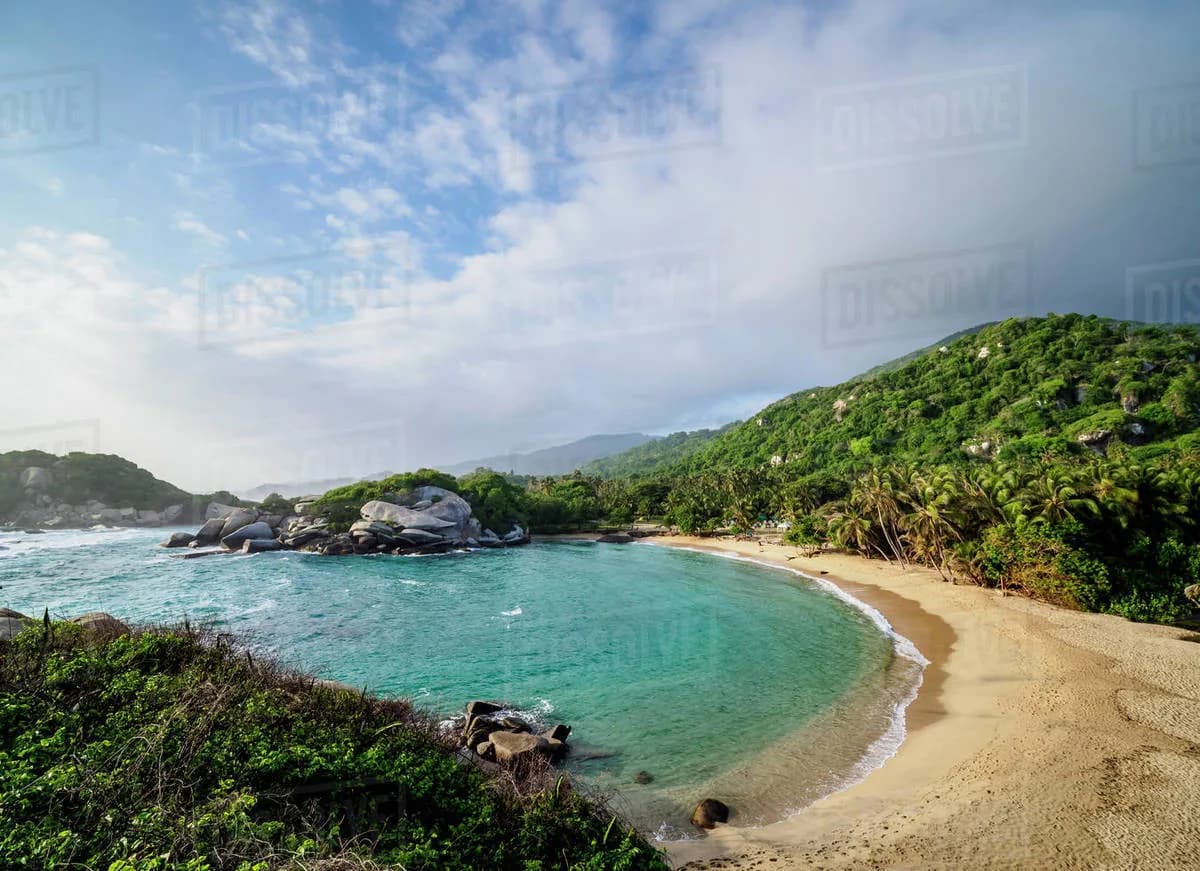
From here the coast unfurls. The Rosario Islands for turquoise-water day trips. East along the shore, the wild jungle-meets-sea beauty of Tayrona National Park, where you hike through forest to white-sand coves. Further out, the desert peninsula of La Guajira and the colonial gem of Santa Marta round out the region. The coast is hotter and more relaxed than the highland cities, the place to slow down.
Timing
When to visit Colombia
On the equator, Colombia has no real seasons. Altitude sets the temperature, and only rainfall varies. The driest, sunniest windows are December to March and July to August, which are also the busiest. The country rarely stops for weather, so you can travel almost any time. Just carry an umbrella in the wetter months.
Average temperature & rainfall in Bogota
Temp °CRain mmReal climate averages for Bogota (capital). Source: Open-Meteo archive. Rainfall is total monthly precipitation.
Sample route
The perfect 5 days in Colombia
A ready-made 5-day route built from Colombia's top sights. Adjust it to your pace, or generate your own plan.
Budget
What a day in Colombia costs
Hostels and budget hotels, set-menu almuerzo lunches, intercity buses, and free walking tours of the cities.
Boutique hotels, domestic flights to bridge the long distances, guided coffee-farm and city tours, and good restaurants.
Design hotels in Cartagena's old town, private island day trips, premium coffee-estate stays, and private guides.
Costs here are per person, per day in US dollars. The money on the ground is the peso. Colombia is good value by South American standards. Use cards in cities but carry cash for small towns, and use ride apps for fair, safe transport.
Don't miss
The best places to visit in Colombia
Taste
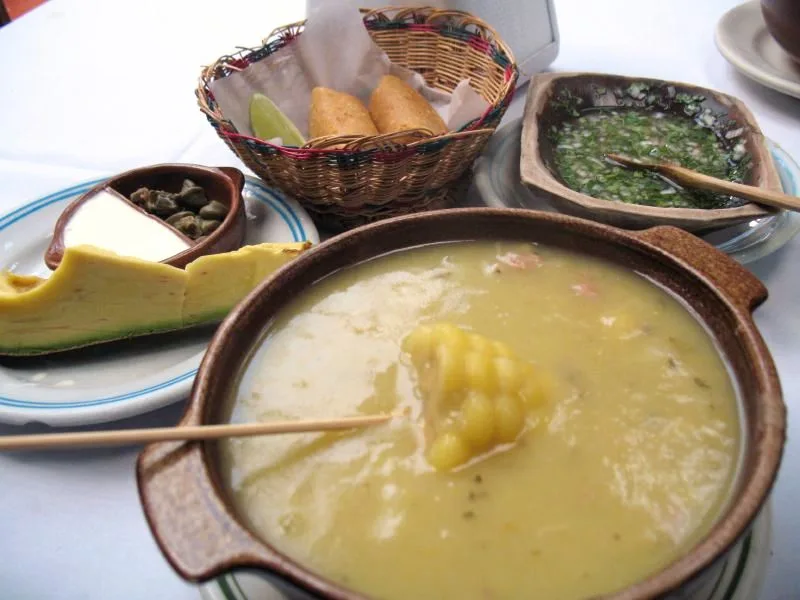
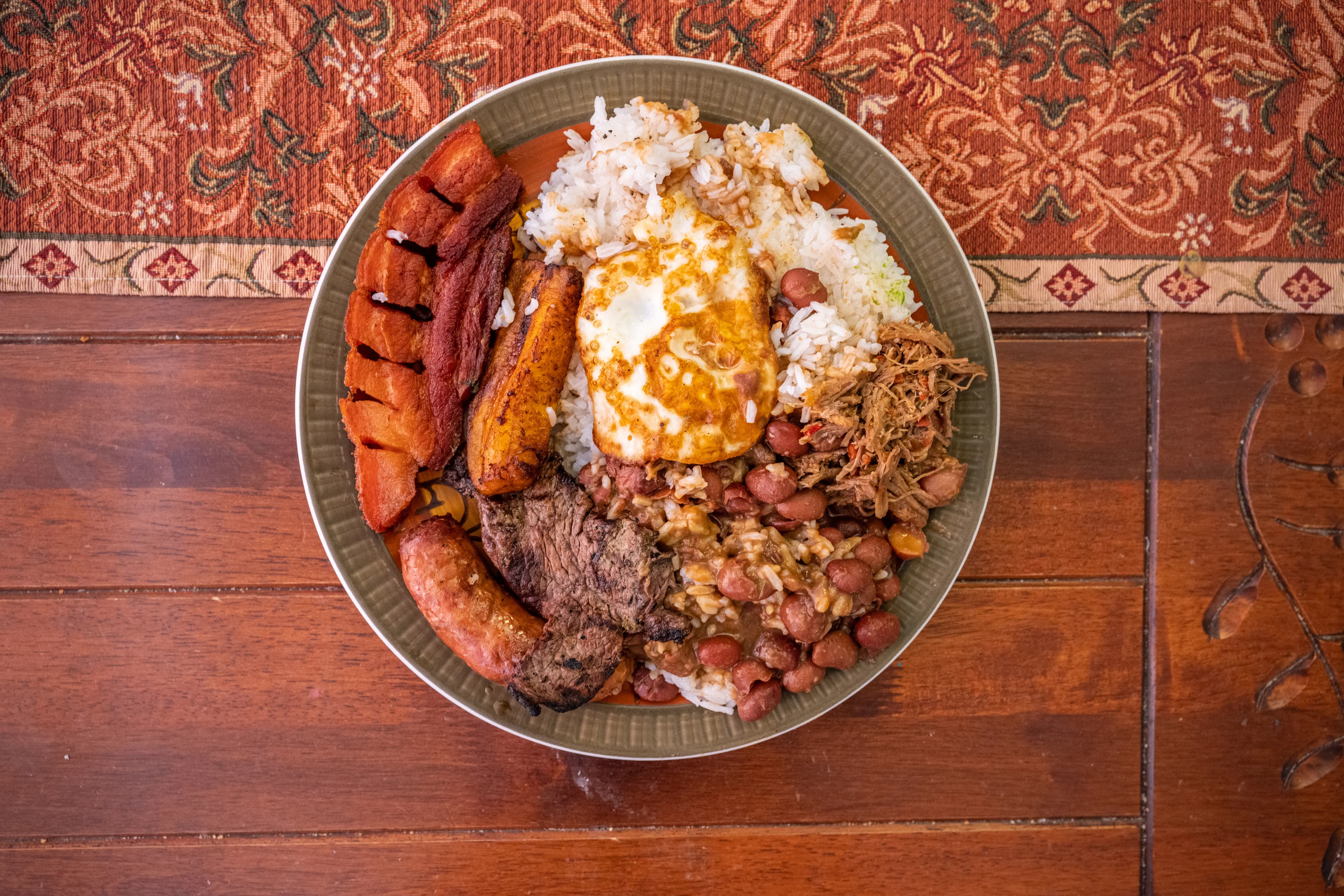
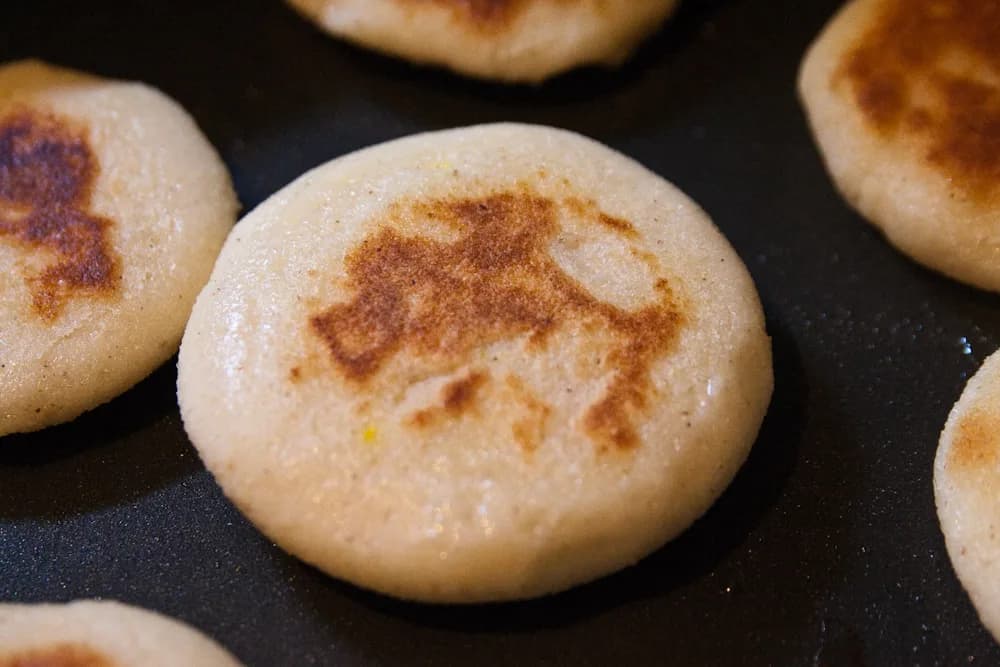
What to eat in Colombia

Bogotá, coffee country and the green heart
Bogotá, the high-altitude capital at 2,640 m (mind the altitude), is grittier and cooler than the rest, but it rewards you with the cobblestoned La Candelaria old town, the world-class Gold Museum, and the funicular up Monserrate for a view over the endless city. It's the cultural and culinary capital, and the usual point of arrival.
The country's green soul, though, is the Coffee Triangle (Eje Cafetero), rolling emerald hills of coffee farms around Salento, where you tour a finca to see how the beans are grown and roasted, and hike the Cocora Valley among the world's tallest palm trees, surreal giants spiking out of the cloud forest. For the adventurous, the colonial town of San Gil is the country's adventure-sports hub, and the remote Caño Cristales river blooms blood-red in season. Colombia packs astonishing variety into one country.
When to go in a country with no seasons
Sitting on the equator, Colombia has no summer or winter. Temperature depends on altitude, not month. Bogotá is cool year-round, Medellín is eternal spring, and the Caribbean coast is hot whenever you go. What varies is rainfall, in two roughly drier and two wetter spells.
The driest, most reliable windows are December to March and July to August, and these are also the busiest. The shoulder months still see plenty of sun between showers, and since Colombia rarely shuts down for weather, you can travel almost any time. You just pack an umbrella in the wetter months. Note that altitude means you'll want warm layers for Bogotá and the coffee region and light clothes for the coast, often on the same trip. Plan for vertical variety, not seasonal.
Visa & Entry
Do you need a visa for Colombia?
101 countries enter Colombia visa-free. Check the full requirements for your passport →
FAQ
Colombia — your questions
WorldCurio Editorial
Travel writers who plan trips the way locals would, grounded in what actually works on the ground. Visa and entry rules are cross-checked against the latest passport-index data, and climate figures use the Open-Meteo historical archive. Last reviewed June 2026. Always confirm visa and safety details with official sources before booking.
Keep exploring