Book Machu Picchu before you book anything else
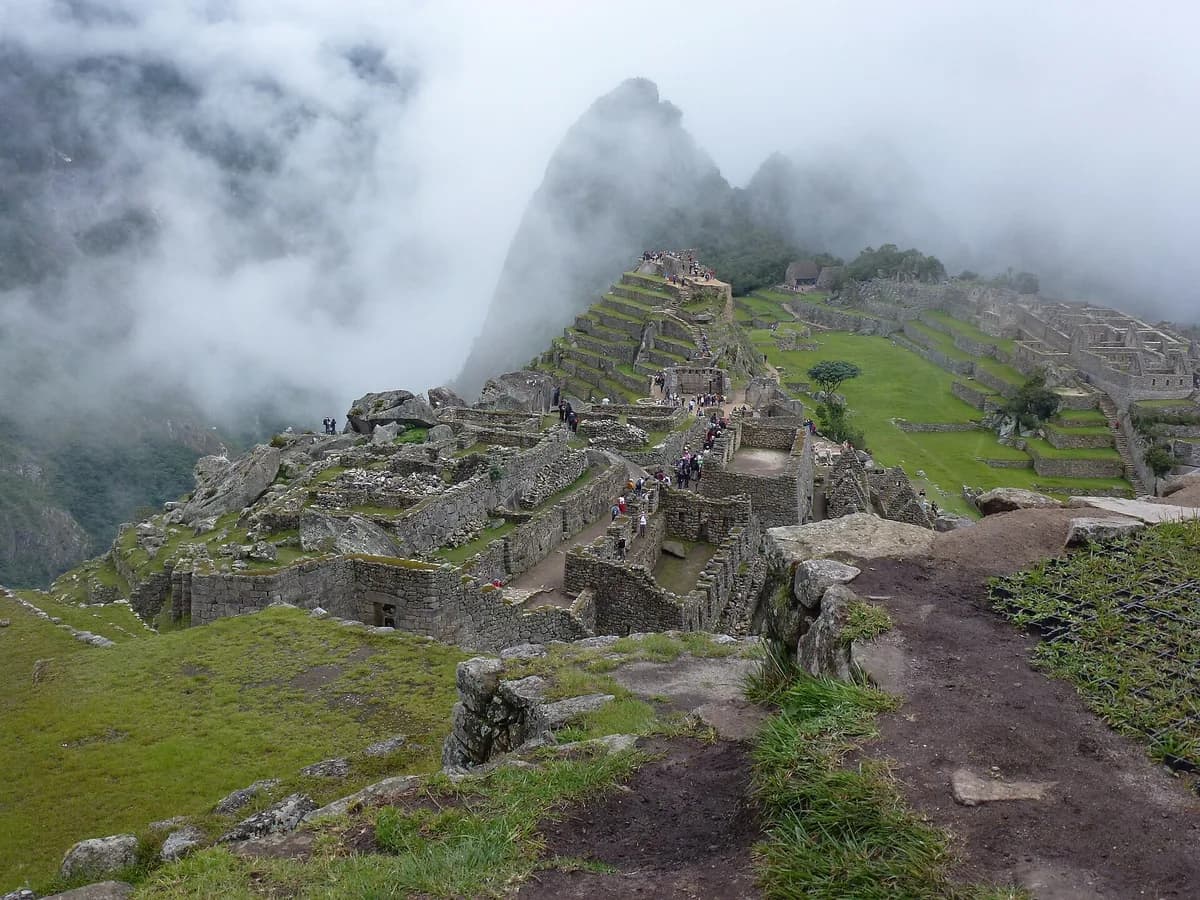
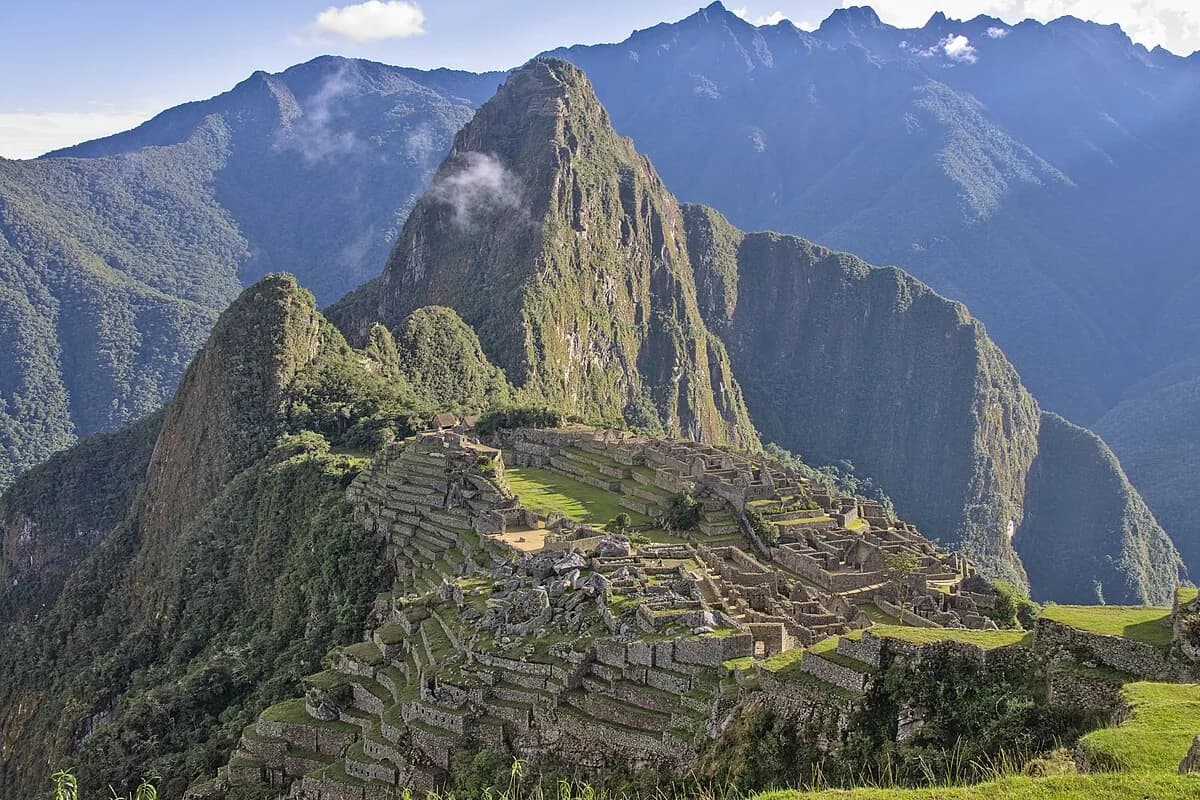
Machu Picchu is not a turn-up-and-go sight. Daily visitor numbers are capped, entry is by timed ticket on a specific circuit, and in high season the tickets (and the limited Inca Trail permits) sell out months ahead. The order of operations matters. Lock in Machu Picchu first, then build the trip around it.
You reach the citadel via the town of Aguas Calientes, itself reached by train from the Sacred Valley, as there's no road. There are two ways in: the train-plus-bus route that anyone can do, and the multi-day treks for those who want to walk in. The classic 4-day Inca Trail requires a permit booked through a licensed operator far in advance, and closes every February for maintenance. The Salkantay and Lares treks are stunning permit-free alternatives. Whatever you choose, sort it early. This is the one part of Peru you cannot wing.
Respect the altitude. It humbles everyone
Cusco sits at 3,400 metres, higher than many ski resorts, and altitude sickness doesn't care how fit you are. Fly straight in from sea-level Lima, sprint into sightseeing, and you risk a wretched first couple of days of headache, nausea and breathlessness.
The fix is to plan for it. Spend your first day or two taking it slow. No big hikes, plenty of water, light meals, and the local remedy of coca tea, which genuinely helps. Better still, head down to the Sacred Valley (around 2,800 m) to acclimatise before tackling Cusco and Machu Picchu, which sits lower than Cusco at 2,430 m. Counterintuitively, you visit the famous citadel after acclimatising higher up. Build the altitude curve into your itinerary and it becomes a non-issue. Ignore it and it can wreck your first three days.
The Sacred Valley is the trip, not the detour
Many travellers treat the Sacred Valley as a quick stop between Cusco and Machu Picchu. That's a mistake. It's one of the richest regions in the country and the ideal place to acclimatise gently.
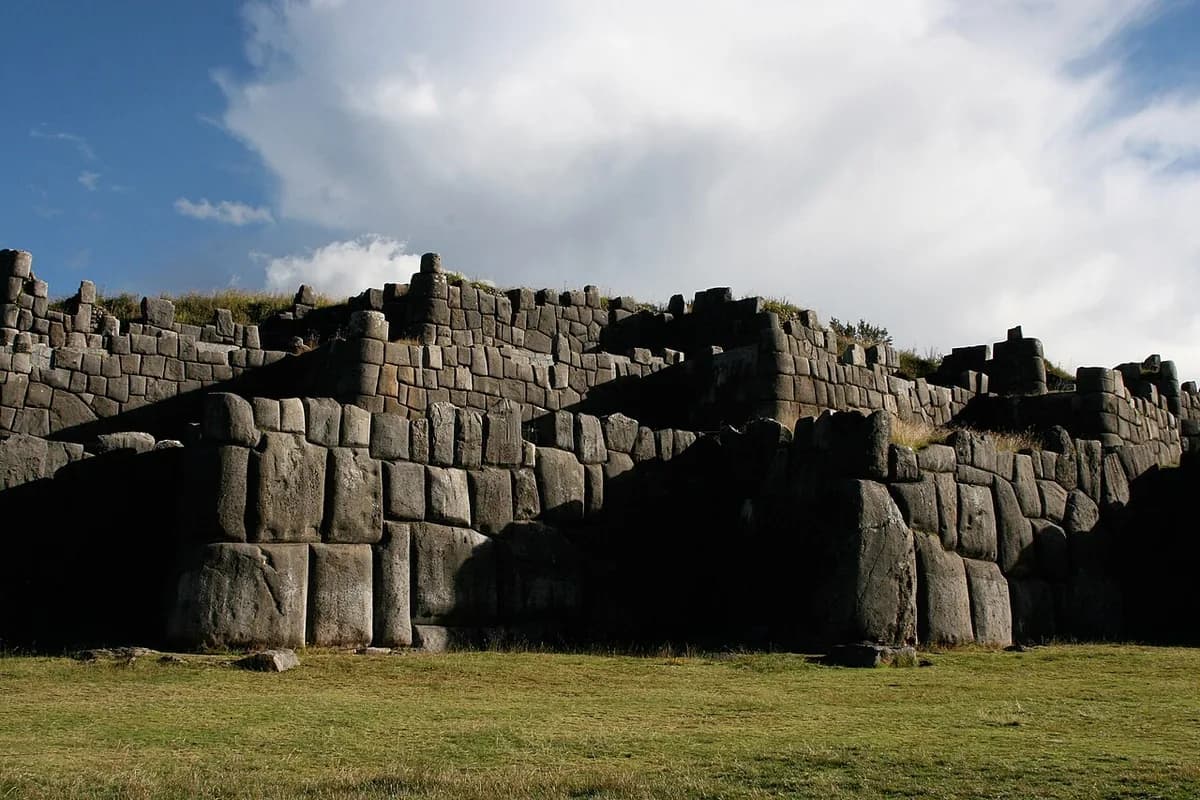
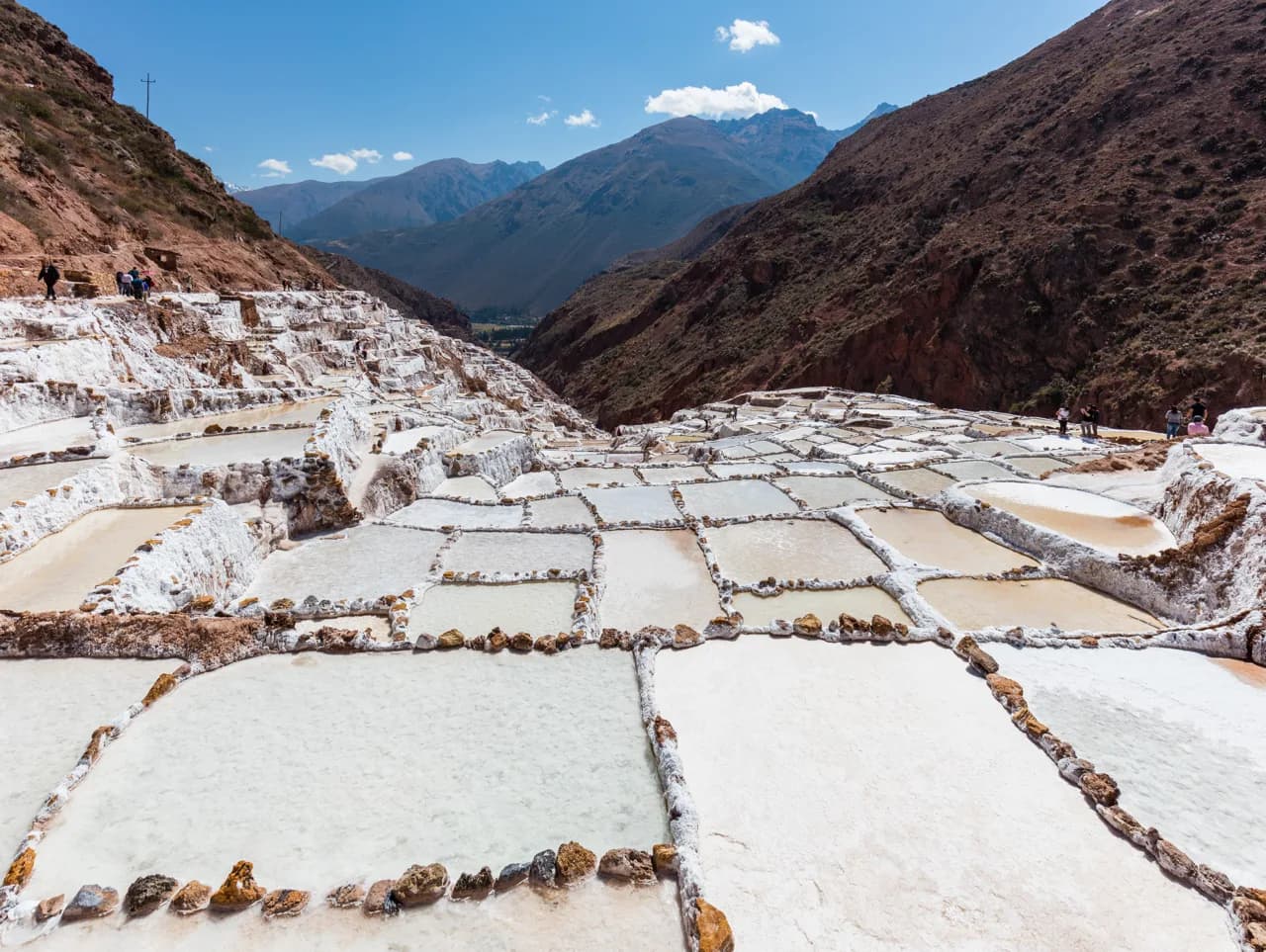
The valley strings together extraordinary Inca sites: the agricultural terraces and fortress of Ollantaytambo (also the train way into Machu Picchu), the circular terraces of Moray, the salt pans of Maras cascading down a hillside, and the market town of Pisac with its hilltop ruins. The valley floor is lower and warmer than Cusco, the villages are charming, and a couple of nights here both protects you from altitude and rewards you with some of Peru's best scenery. Cusco itself, a beautiful colonial city built on Inca foundations, deserves a couple of days too, once your lungs have caught up.
Timing
When to visit Peru
The Andean dry season, May to September, is the prime window, with clear skies for Machu Picchu and the treks, though it's also peak season and the busiest. The wet season (November to March) brings rain to the highlands and the heaviest downpours in January and February, when the Inca Trail closes entirely for maintenance.
Average temperature & rainfall in Lima
Temp °CRain mmReal climate averages for Lima (capital). Source: Open-Meteo archive. Rainfall is total monthly precipitation.
Sample route
The perfect 5 days in Peru
A ready-made 5-day route built from Peru's top sights. Adjust it to your pace, or generate your own plan.
Budget
What a day in Peru costs
Hostels and guesthouses, set-menu menú del día lunches, long-distance buses, and a budget trek or the standard Machu Picchu train.
Comfortable hotels, the Vistadome train, guided Sacred Valley and Machu Picchu tours, domestic flights, and good restaurants.
Boutique Sacred Valley lodges, the luxury Hiram Bingham train, private guides, Amazon eco-lodges, and Lima's world-ranked tasting menus.
Budgets here are per person, per day in US dollars. On the ground the money is the sol. Machu Picchu entry, trains and treks are the big-ticket items, so budget for them separately, as they're pricey relative to everyday costs.
Don't miss
The best places to visit in Peru
Taste
What to eat in Peru

Beyond the Andes: desert, canyon and Amazon
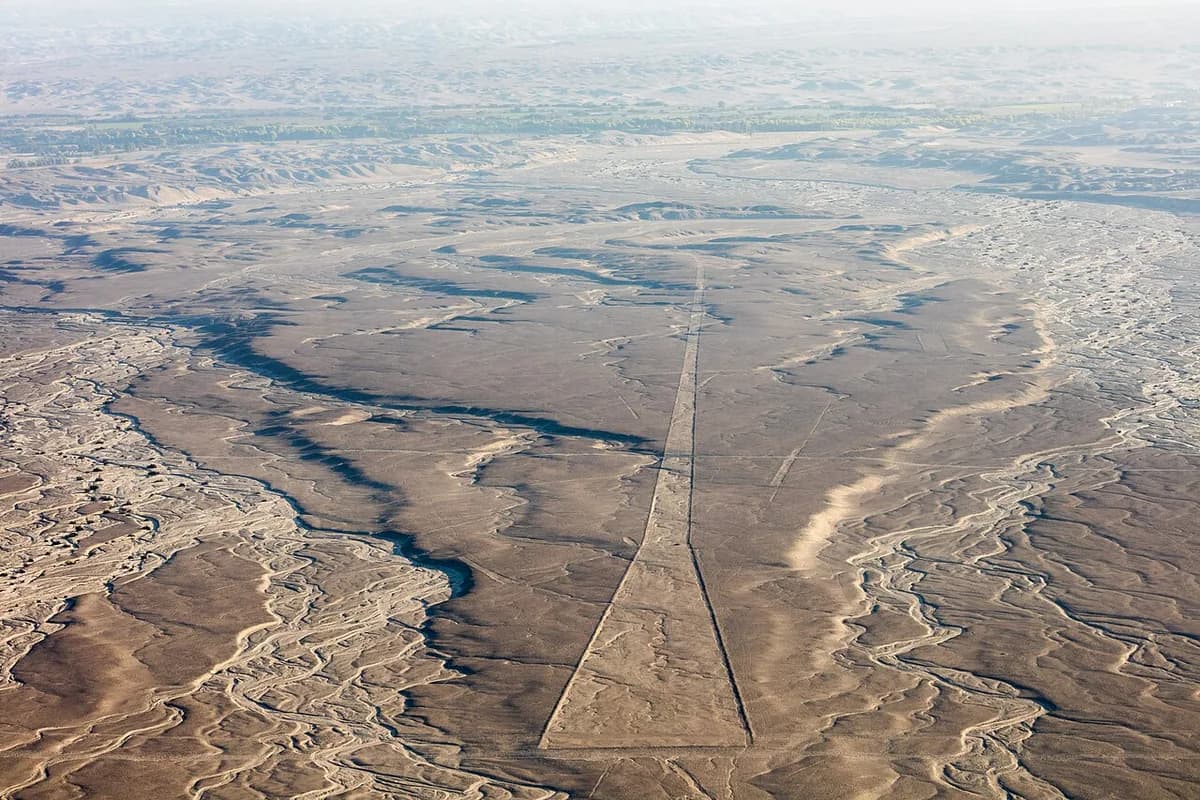
Peru is far more than Machu Picchu. In the south, Arequipa is a gorgeous white-stone colonial city beneath volcanoes, and the way into the Colca Canyon, deeper than the Grand Canyon, where Andean condors ride the morning thermals. The mysterious Nazca Lines, giant figures etched into the desert, are best seen from a small plane. On Lake Titicaca near Puno, the Uros people live on floating islands of reeds.
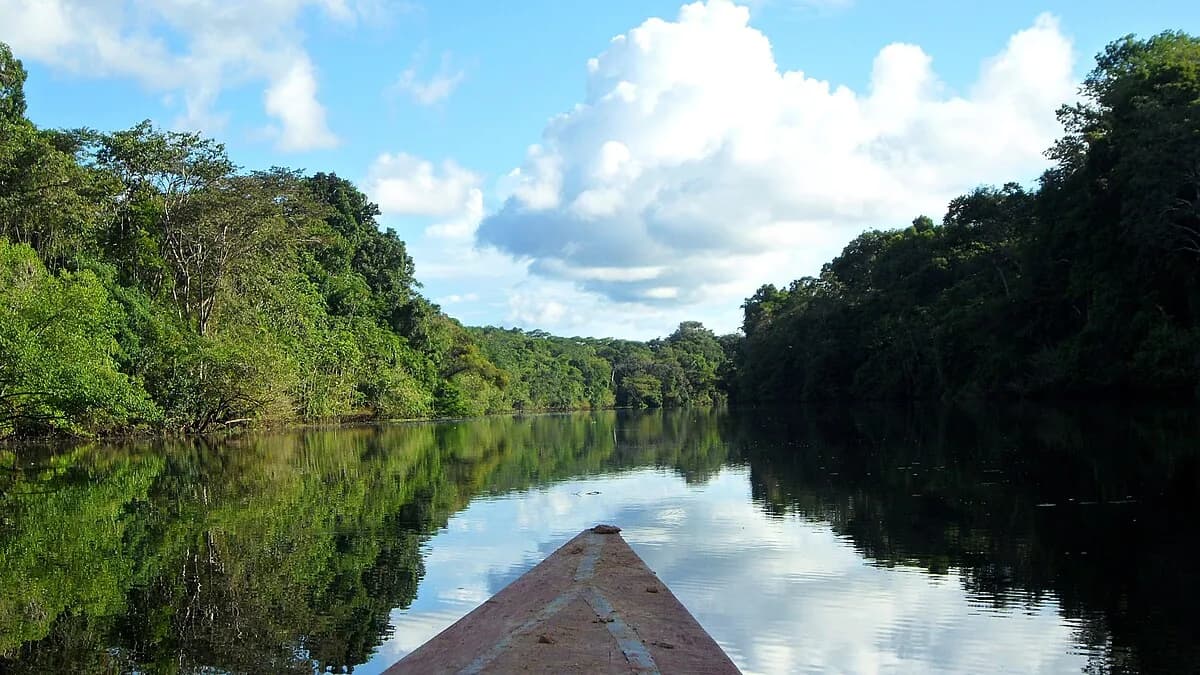
For something wholly different, fly east into the Amazon basin, where Puerto Maldonado and Iquitos are the gateways to jungle lodges teeming with wildlife. And the country's newest star is the rainbow-striped Vinicunca (Rainbow Mountain), a brutal high-altitude day hike from Cusco that has exploded on social media. There's far more here than a single trip can hold, which is exactly why people come back.
Lima, the food capital you'll fly through
Most trips begin and end in Lima, and it's worth more than the airport. Peru's capital has quietly become one of the world's great food cities, home to several restaurants that regularly rank among the planet's best, and the birthplace of a cuisine that fuses Indigenous, Spanish, Japanese and Chinese influences.
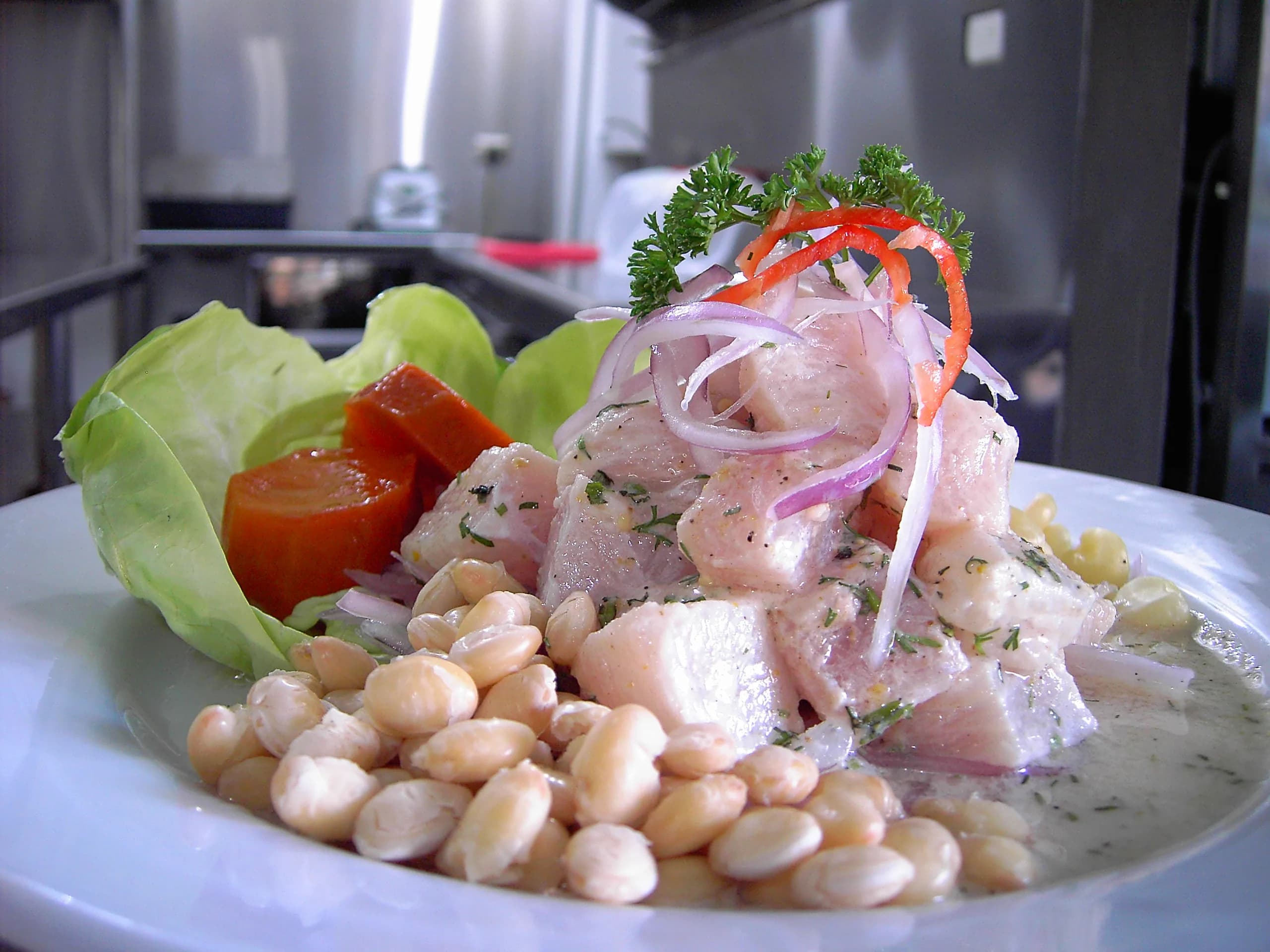
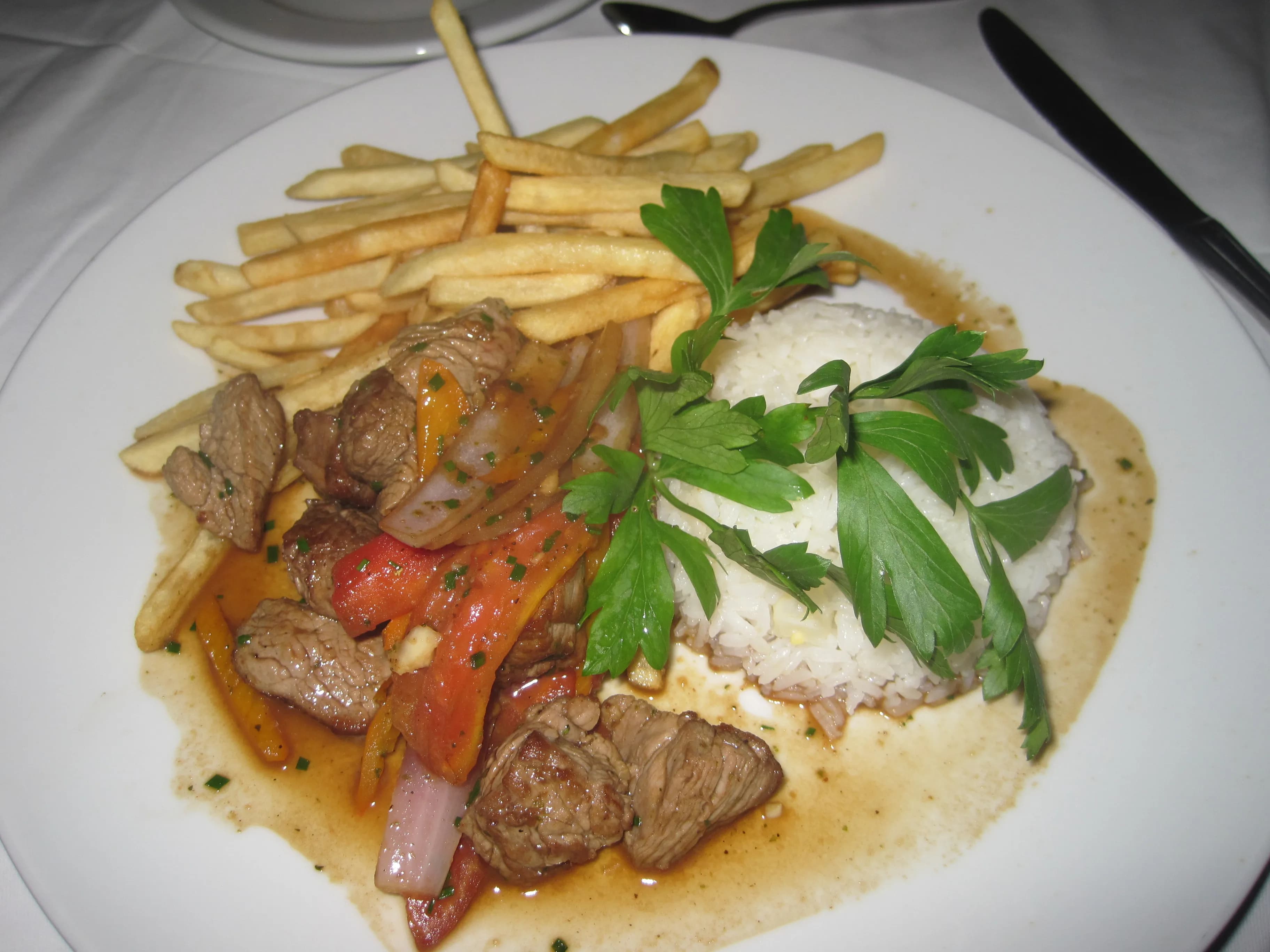
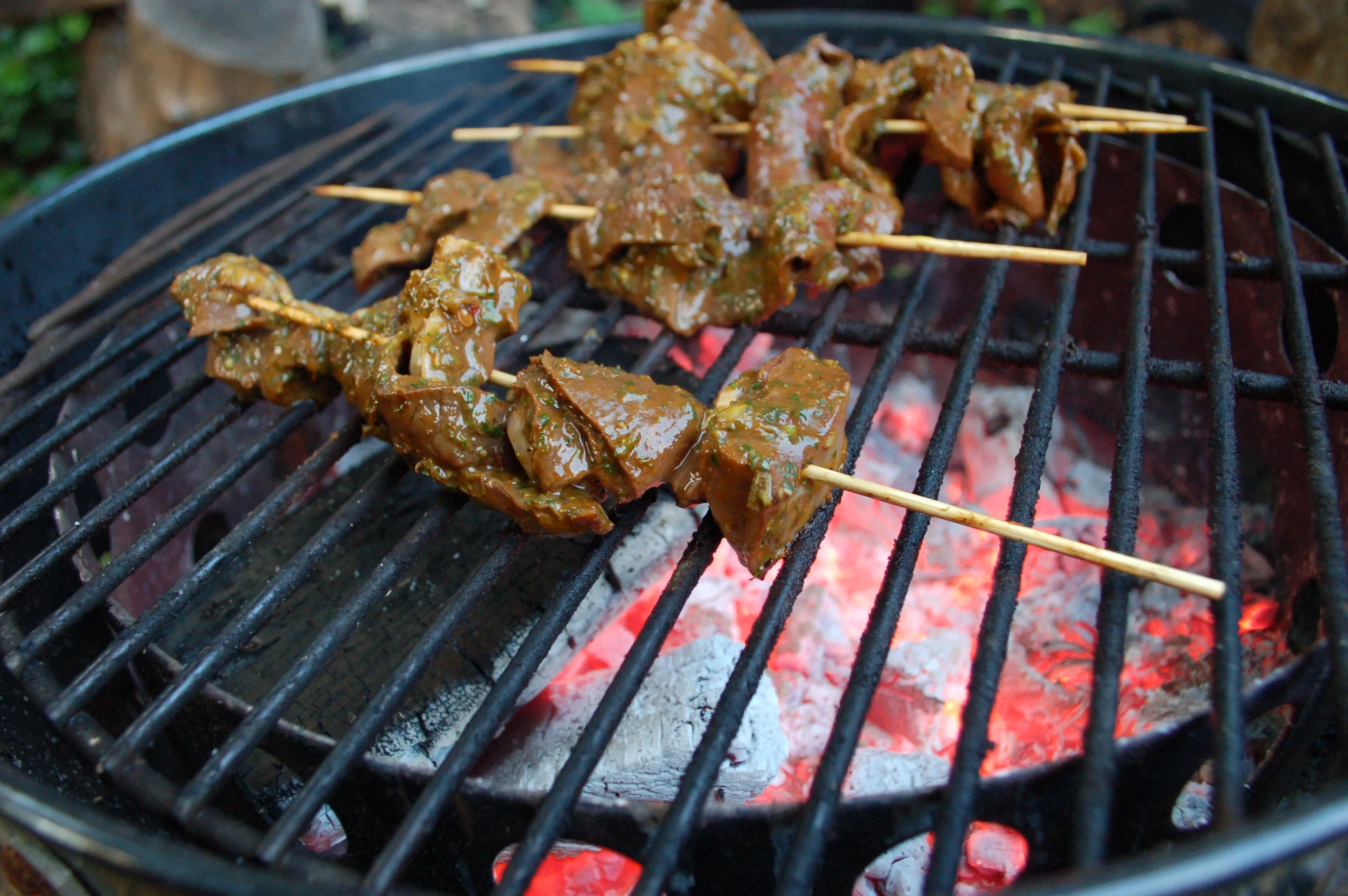
This is where you eat ceviche (raw fish cured in citrusy leche de tigre) at its absolute peak, drink a pisco sour, and try lomo saltado and anticuchos. Base yourself in the clifftop neighbourhoods of Miraflores or bohemian Barranco, walk the coast, and give the city a day or two on either end of your Andes adventure. Peru's food alone is reason enough to visit. The ruins are the bonus.
Visa & Entry
Do you need a visa for Peru?
103 countries enter Peru visa-free. Check the full requirements for your passport →
FAQ
Peru — your questions
WorldCurio Editorial
Travel writers who plan trips the way locals would, grounded in what actually works on the ground. Visa and entry rules are cross-checked against the latest passport-index data, and climate figures use the Open-Meteo historical archive. Last reviewed June 2026. Always confirm visa and safety details with official sources before booking.
Keep exploring