Rio de Janeiro: the most beautiful city in the Americas
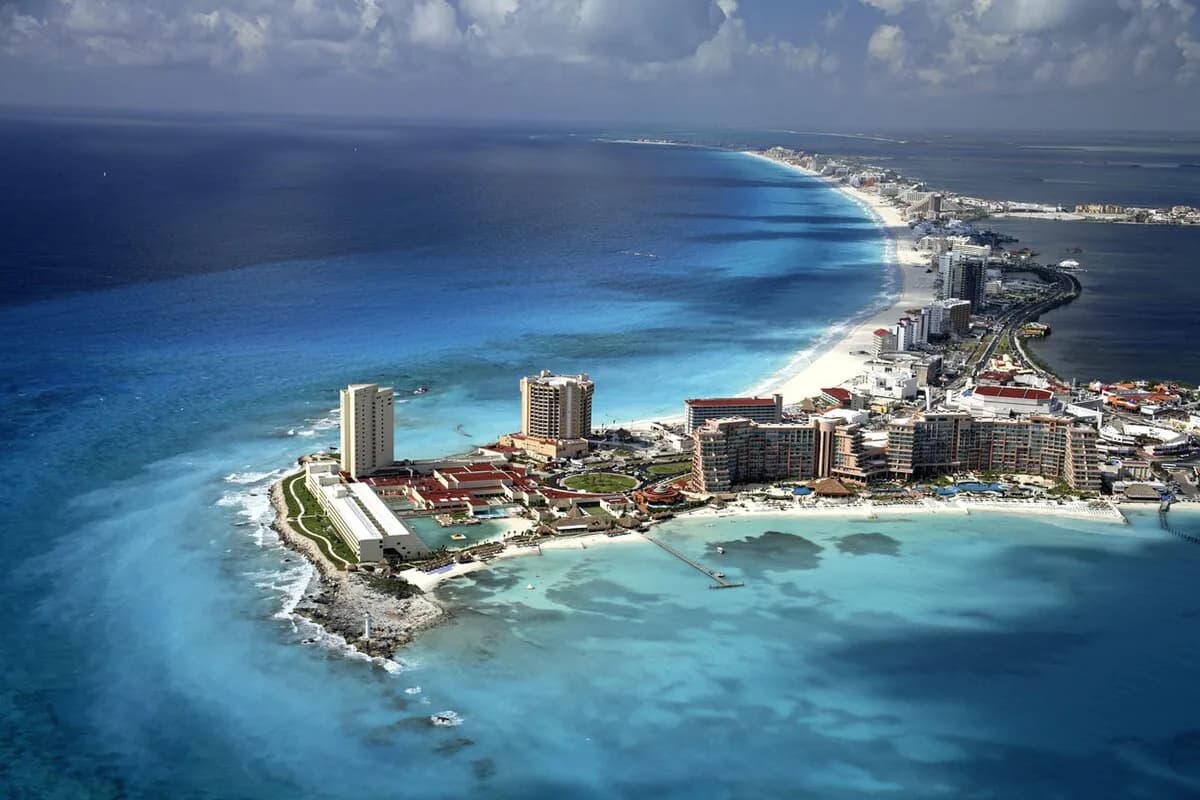
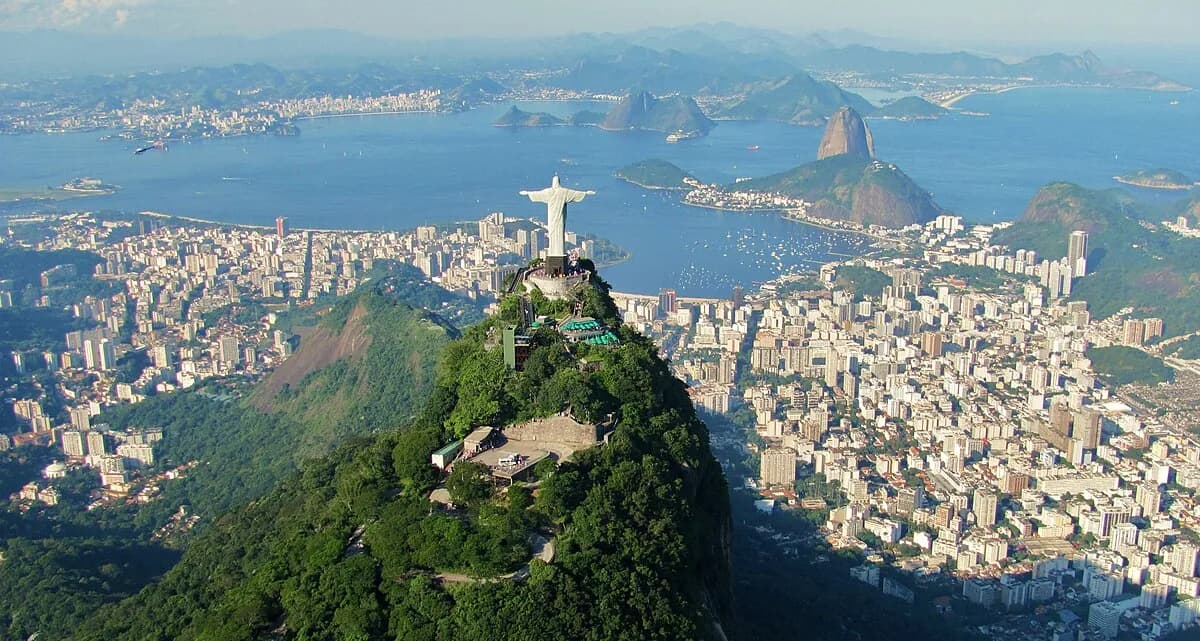
Rio is the obvious start, and it earns the cliché. Few cities are set so dramatically, with green mountains plunging straight into the sea and beaches threading between them. Stand atop Corcovado beneath the outstretched arms of Christ the Redeemer, ride the cable car up Sugarloaf at sunset, and you'll understand why locals call it the Cidade Maravilhosa, the Marvellous City.
Then come down to sea level, where the real Rio lives. The sweep of Copacabana and the cooler crowd at Ipanema. The bohemian hill of Santa Teresa. A football match at the Maracanã, or a samba night in Lapa. Rio rewards a few days of slowing down. Be street-smart, especially with valuables on the beach and at night, and the city is one of the great urban experiences anywhere.
Iguaçu Falls: nature at full volume
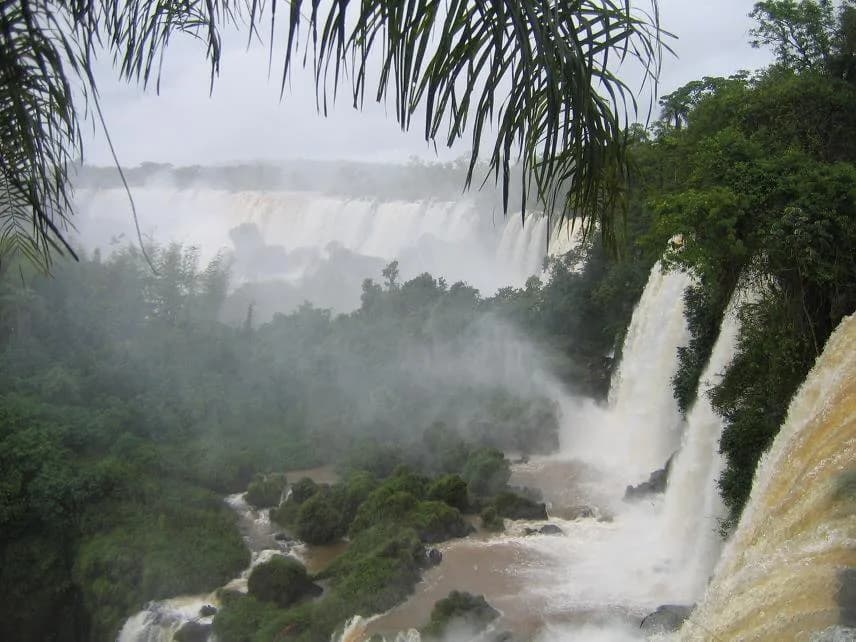
On the borders with Argentina and Paraguay, the Iguaçu Falls are simply one of the most overwhelming natural sights on the planet. Not one waterfall but a horseshoe of 275, thundering through subtropical jungle over nearly three kilometres, with clouds of spray, rainbows and screaming swifts darting behind the curtains of water.
The Brazilian side gives you the sweeping panorama, the whole spectacle laid out across the gorge, while the Argentine side puts you up close on walkways over the cataracts, including the terrifying Devil's Throat. If you can, see both, crossing the border for the day. Most people fly in to the town of Foz do Iguaçu, spend a day or two, and leave changed. It's worth the detour from anywhere.
The Amazon and the Pantanal: where the wild things are
Brazil holds two of the planet's great wildlife regions, and they reward the effort. The Amazon, the largest rainforest on Earth, is most easily reached from the jungle city of Manaus, where you board a boat to a lodge deep in the forest. Expect canopy walks, caiman-spotting by night, pink river dolphins, and a humid, buzzing immensity that humbles everyone.
For actually seeing animals, though, the Pantanal is the better bet. This vast tropical wetland in the country's heart has open terrain that makes wildlife far easier to spot than the dense Amazon, and it's the best place in the Americas to see a wild jaguar, alongside giant otters, capybaras, anacondas and a riot of birds. Visit in the dry season, when animals gather at shrinking waterholes. It takes effort to reach, and it pays you back.
Timing
When to visit Brazil
Brazil is a continent, so the best time varies by region. The southern summer (December to March) is hot and festive in Rio but rainier. The Pantanal's wildlife is best in the dry season (roughly May to September). Iguaçu and the northeast beaches work much of the year. Pick the region, then the month.
Average temperature & rainfall in Brasilia
Temp °CRain mmReal climate averages for Brasilia (capital). Source: Open-Meteo archive. Rainfall is total monthly precipitation.
Sample route
The perfect 5 days in Brazil
A ready-made 5-day route built from Brazil's top sights. Adjust it to your pace, or generate your own plan.
Budget
What a day in Brazil costs
Hostels and pousadas, per-kilo buffet lunches and street food, long-distance buses, and free beaches and city viewpoints.
Comfortable hotels, internal flights, an Amazon lodge or Pantanal safari, guided tours, and good restaurant meals.
Design hotels and beach resorts, premium Pantanal and Amazon lodges, private guides, and a trip to Fernando de Noronha.
Budgets here are per person, per day in US dollars. On the ground the money is the real. Cards are widely accepted in cities, but carry cash for smaller towns and markets. Internal flights are essential for the country's vast distances.
Don't miss
The best places to visit in Brazil
Taste
What to eat in Brazil


The northeast: beaches and the soul of Brazil
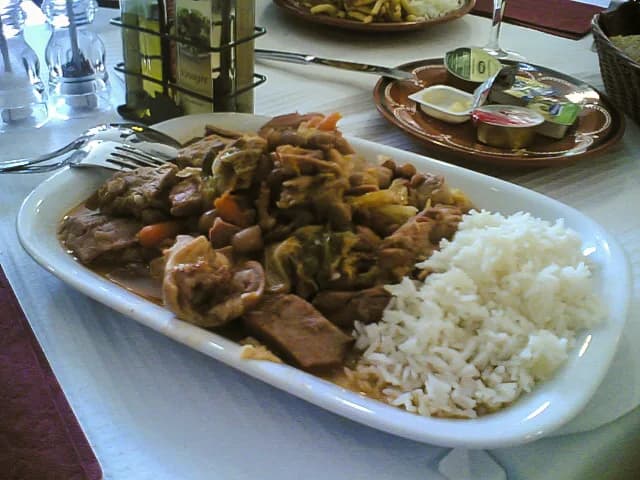
If you want sun, culture and warmth, head northeast. Salvador, the old colonial capital, is the heart of Afro-Brazilian culture, with its pastel Pelourinho old town, the rhythm of capoeira and drum circles in the streets, and a cuisine all its own. It's the country at its most soulful.
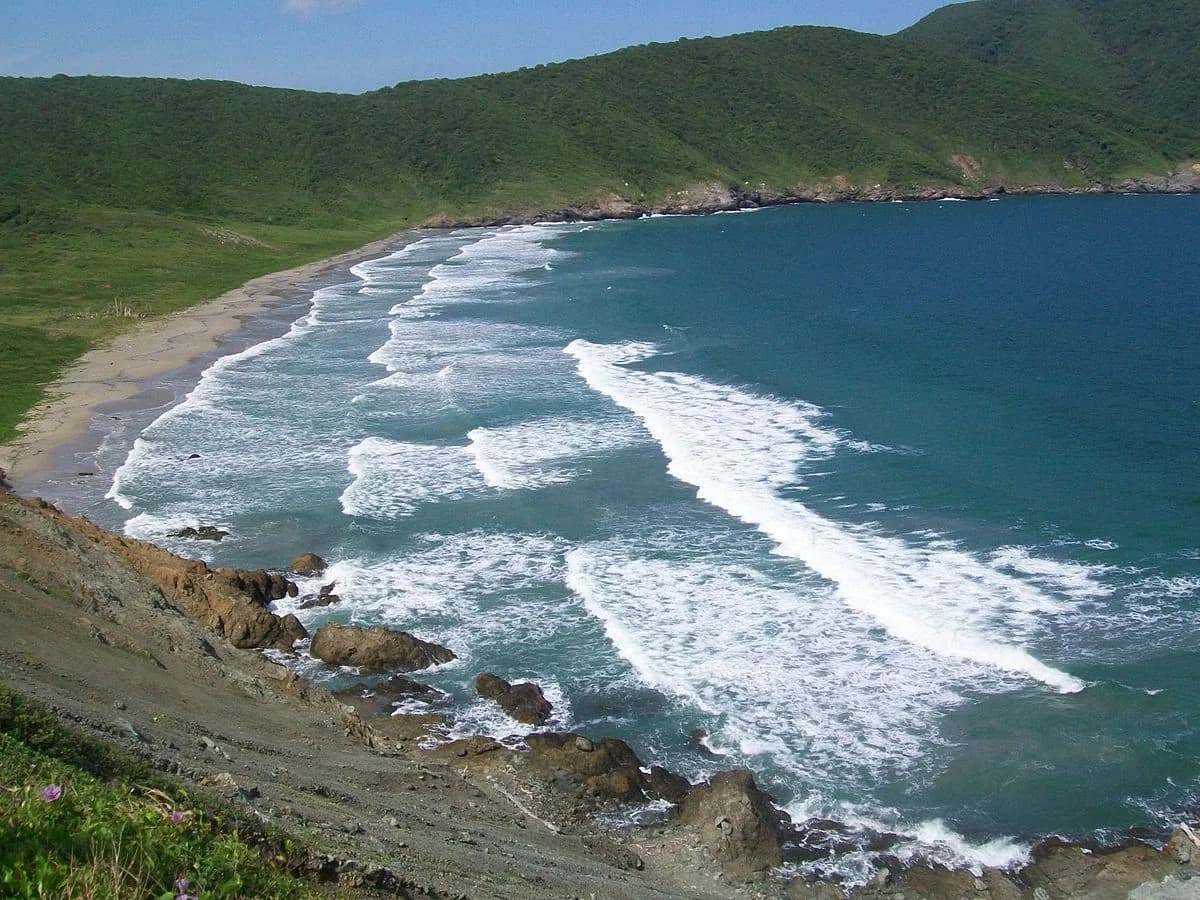
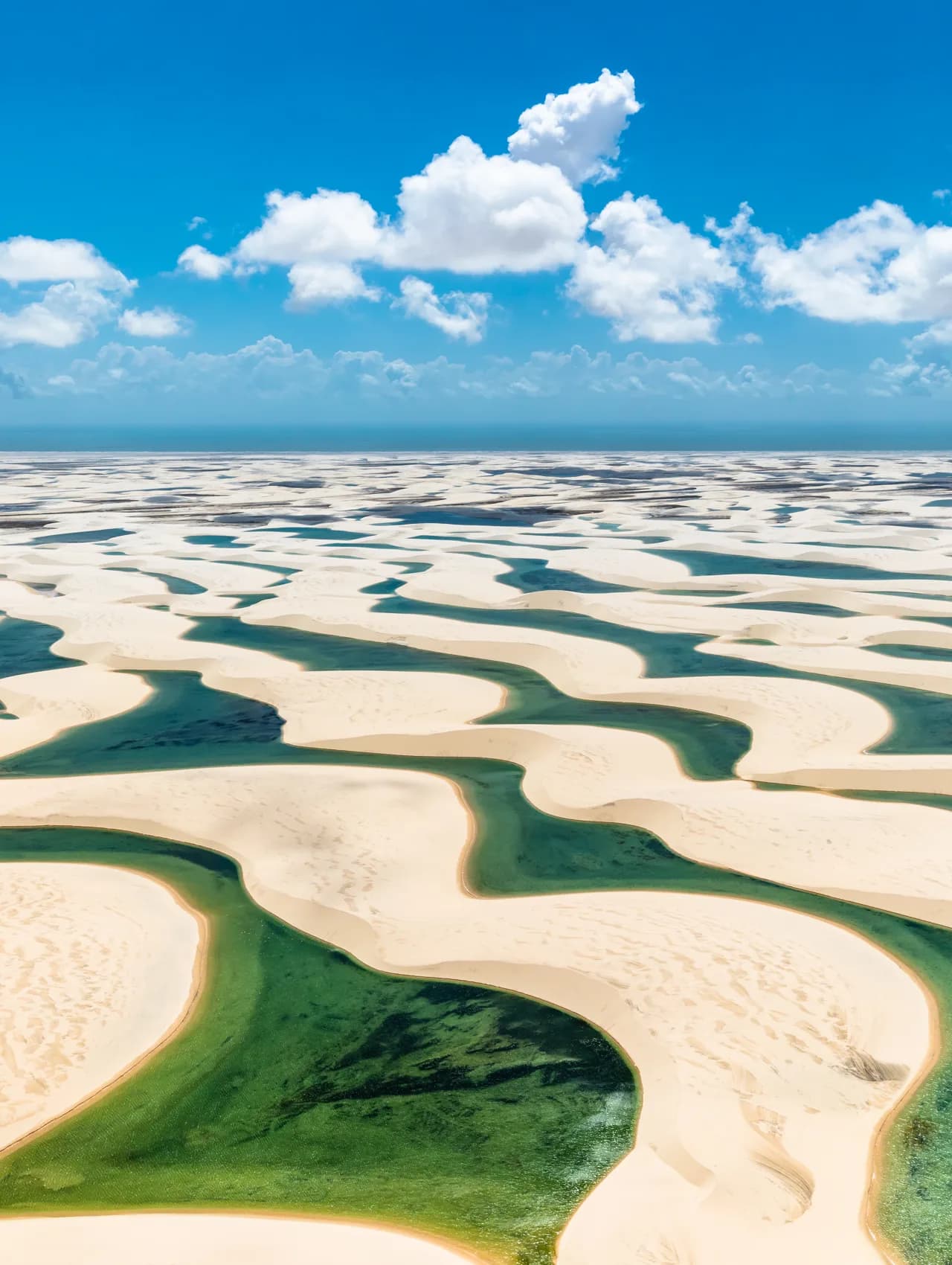
The coastline north and south of it is a string of dream beaches: the dunes and lagoons of Jericoacoara, the chic village of Trancoso, and the diving paradise of the Fernando de Noronha archipelago for those who go further. The northeast is hotter, slower and more relaxed than the south, and for many travellers it's where the real holiday begins. And if you can time any of it for Carnival in February, Rio and Salvador erupt into the greatest party on Earth.
Safety, when to go, and getting around
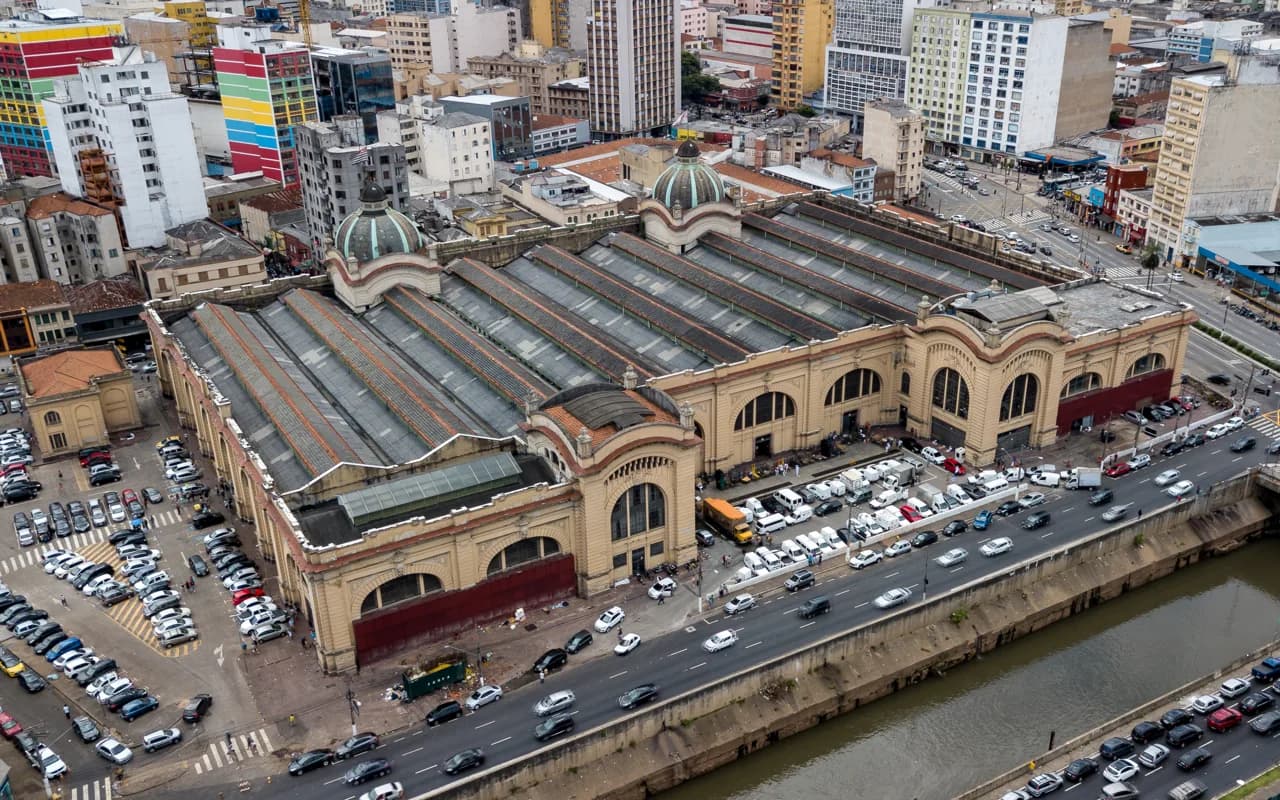
Brazil's cities require street sense. Petty theft and the occasional robbery are real risks in Rio, São Paulo and Salvador, so don't flash phones or jewellery, keep valuables minimal on the beach, use registered taxis or apps, and ask your hotel which areas to avoid. The wildlife regions and smaller towns feel far calmer. Used sensibly, Brazil is hugely rewarding and the people are extraordinarily warm.
Seasons are flipped and vary by region. The southern summer (December to March) is hot, festive and busy in Rio, but it's also the rainier season. The Amazon has its own wet and dry cycle, and the Pantanal is best in the dry season (roughly May to September) for wildlife. The distances are vast, so internal flights are essential. Many nationalities now enter visa-free, though some need an e-Visa, so check your passport before booking. The currency is the real, and cards are widely accepted in cities.
Visa & Entry
Do you need a visa for Brazil?
101 countries enter Brazil visa-free. Check the full requirements for your passport →
FAQ
Brazil — your questions
WorldCurio Editorial
Travel writers who plan trips the way locals would, grounded in what actually works on the ground. Visa and entry rules are cross-checked against the latest passport-index data, and climate figures use the Open-Meteo historical archive. Last reviewed June 2026. Always confirm visa and safety details with official sources before booking.
Keep exploring