The trek is the point. But which one?
Nepal cradles eight of the world's fourteen highest peaks, and trekking is why most people come. First, the myth to dispel: the famous routes are 'tea house' treks. You walk between villages and sleep in simple lodges with cooked meals and beds, carrying only a daypack. No tents, no technical climbing.
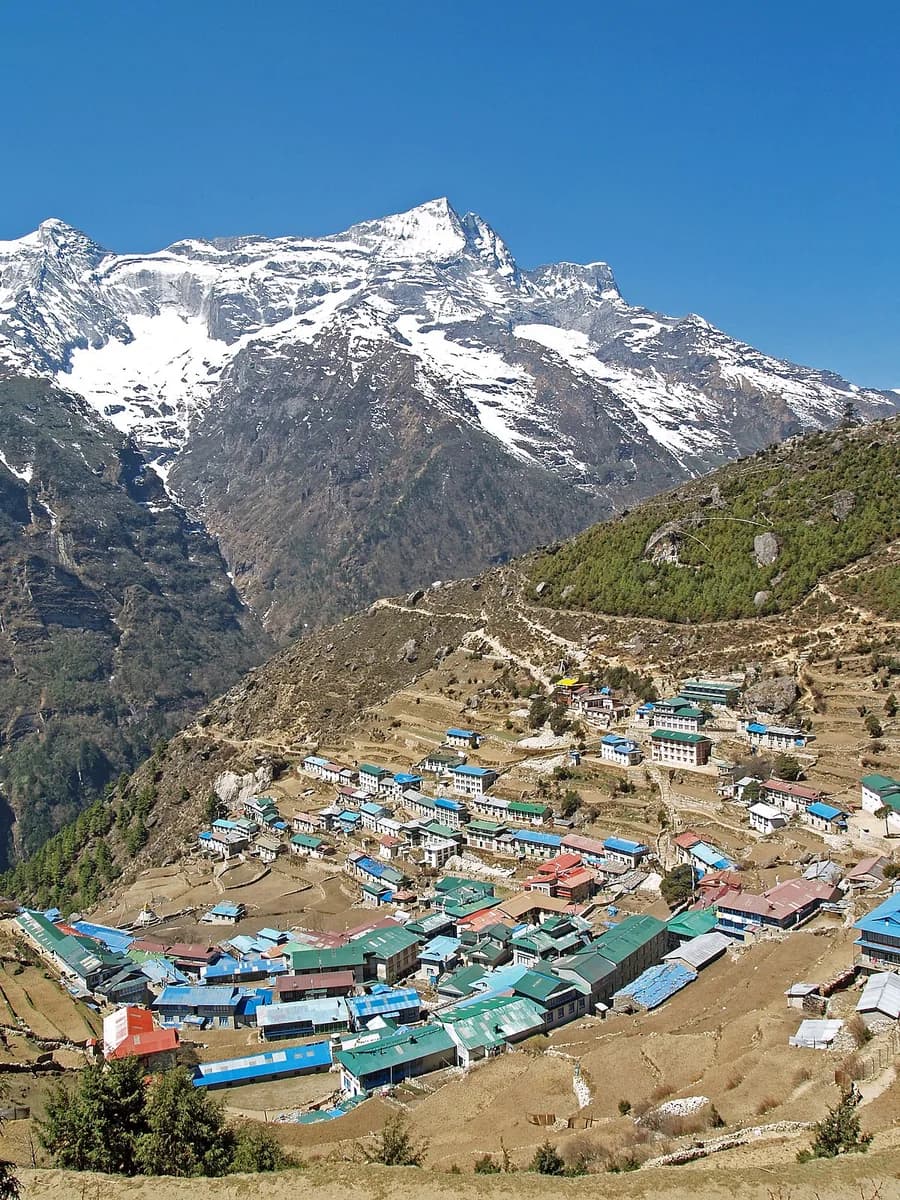
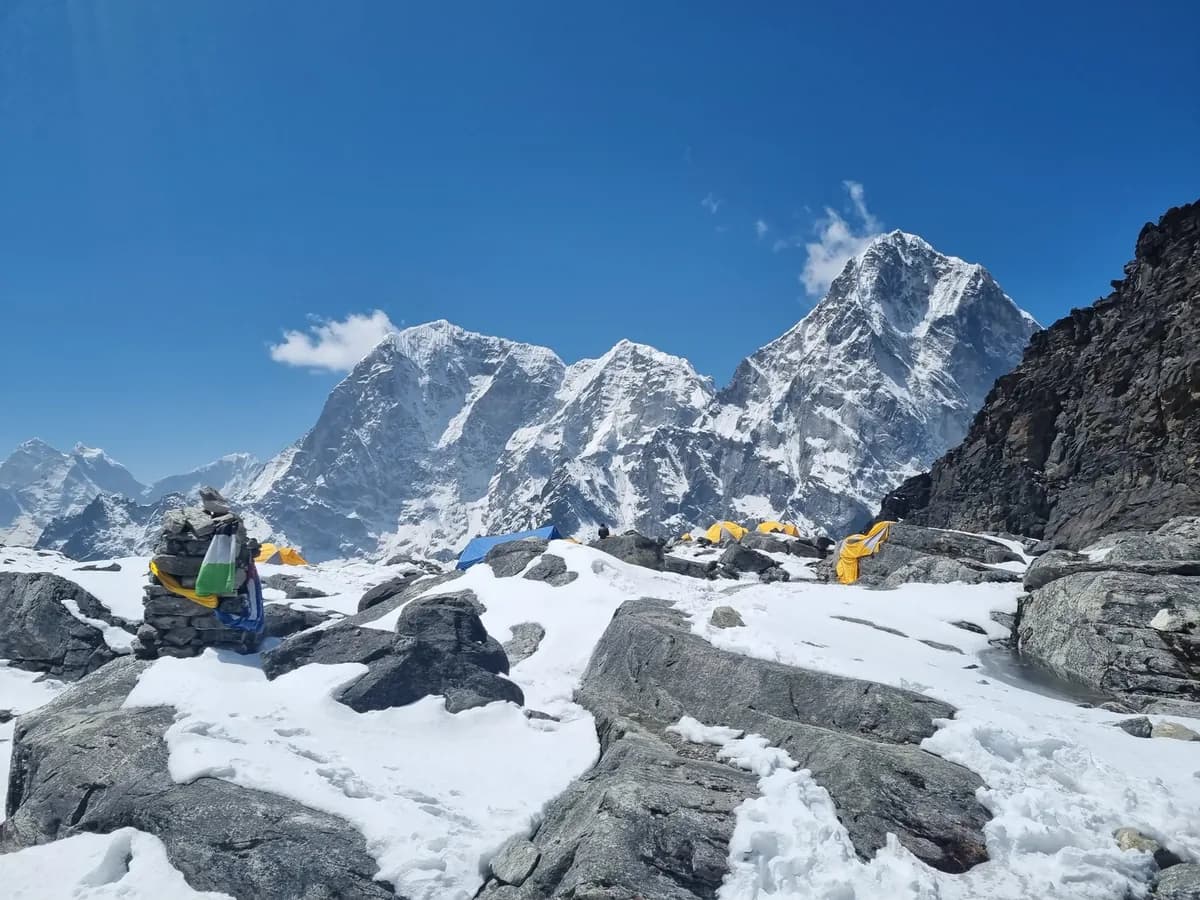
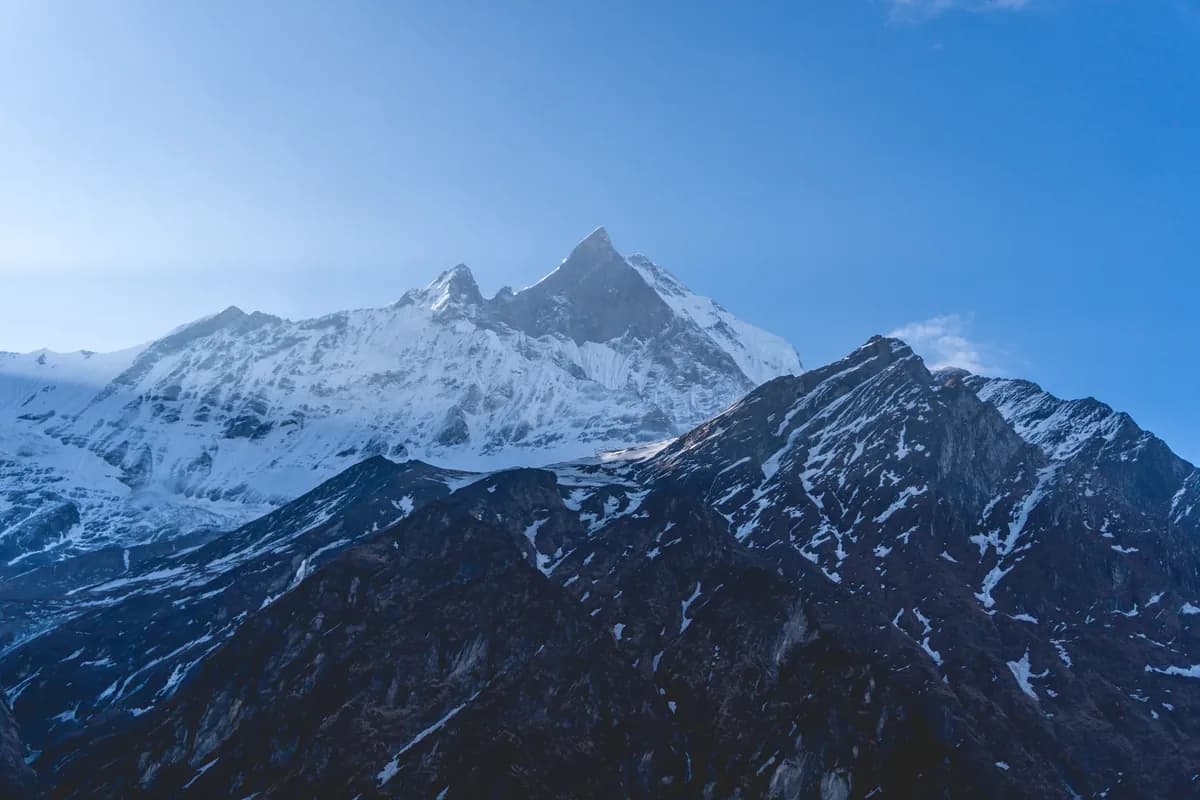
Three choices cover most first-timers. The Everest Base Camp trek (12 to 14 days) is the famous one. You don't summit anything. You walk to the foot of the world's highest mountain at 5,364 m, and the altitude is the real challenge. The Annapurna Base Camp trek (7 to 10 days) is greener, lower and gentler, ending in a natural amphitheatre of peaks. And Poon Hill (4 to 5 days) is the short, achievable taster, with a sunrise panorama that punches far above its effort. Choose by how many days and how much altitude you can handle, not by which name sounds best.
Permits, guides and the rules that changed
You can't just lace up and walk. Most treks require a TIMS card (Trekkers' Information Management System) plus a national-park or conservation-area entry permit. For Everest that's the Sagarmatha National Park permit and a local Khumbu fee. For Annapurna it's the ACAP permit.
There's also a significant recent change. As of 2023, Nepal requires a licensed guide for most trekking routes in its national parks, and solo independent trekking on the major trails is no longer allowed. This isn't only bureaucracy. A good guide handles the permits, reads the altitude, and turns the walk into something richer. Agencies in Kathmandu and Pokhara arrange the lot, guide, permits and porters if you want them, and it stays very affordable by Western standards. Book the trek and let them handle the paperwork.
Respect the altitude. It's the only thing that bites
Altitude sickness, not the terrain, is what turns Nepal treks back. Above roughly 2,500 m the thin air can affect anyone, regardless of fitness, and the only reliable defence is to ascend slowly and let your body acclimatise.
The golden rules are simple. Build in acclimatisation days (the Everest route bakes in a rest day at Namche Bazaar for exactly this reason). Climb high, sleep low. Drink far more water than feels necessary. Never rush the gain. Mild headaches and breathlessness are normal, but worsening symptoms mean you descend, no negotiation. A guide watches for this so you don't have to self-diagnose at 4,000 m. Take it slow and the mountains open up to remarkably ordinary people.
Timing
When to visit Nepal
Trekking dictates the calendar. October to November, just after the monsoon, gives the clearest mountain views of the year and is peak season. March to April is the second window, warmer and bright with rhododendron blooms. The June-to-September monsoon means cloud, leeches and landslides on the trails, and deep winter shuts the highest routes.
Average temperature & rainfall in Kathmandu
Temp °CRain mmReal climate averages for Kathmandu (capital). Source: Open-Meteo archive. Rainfall is total monthly precipitation.
Sample route
The perfect 5 days in Nepal
A ready-made 5-day route built from Nepal's top sights. Adjust it to your pace, or generate your own plan.
Budget
What a day in Nepal costs
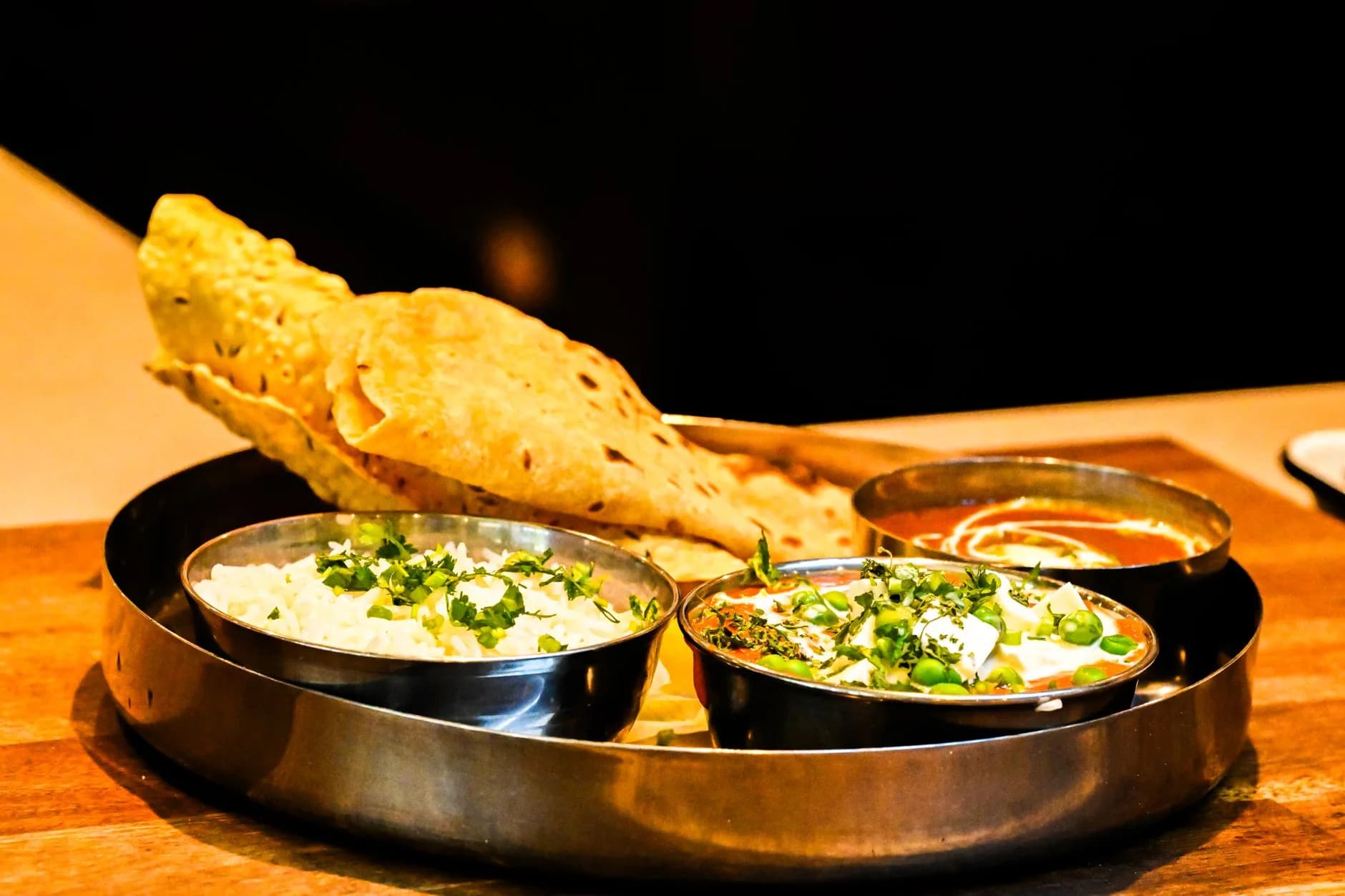
Tea-house lodges on the trail, dal bhat and momos, guesthouses in Kathmandu and Pokhara, and local buses between cities.
Comfortable hotels, a fully guided trek with permits and a porter, internal flights to save time, and good restaurant meals.
Boutique heritage hotels, scenic helicopter or mountain flights, premium guided treks, and a jungle lodge in Chitwan.
These are rough daily costs per person in US dollars, excluding international flights, trekking permits and guide fees. Nepal is one of the cheapest countries to travel, so bring USD cash for the visa on arrival.
Don't miss
The best places to visit in Nepal
Taste
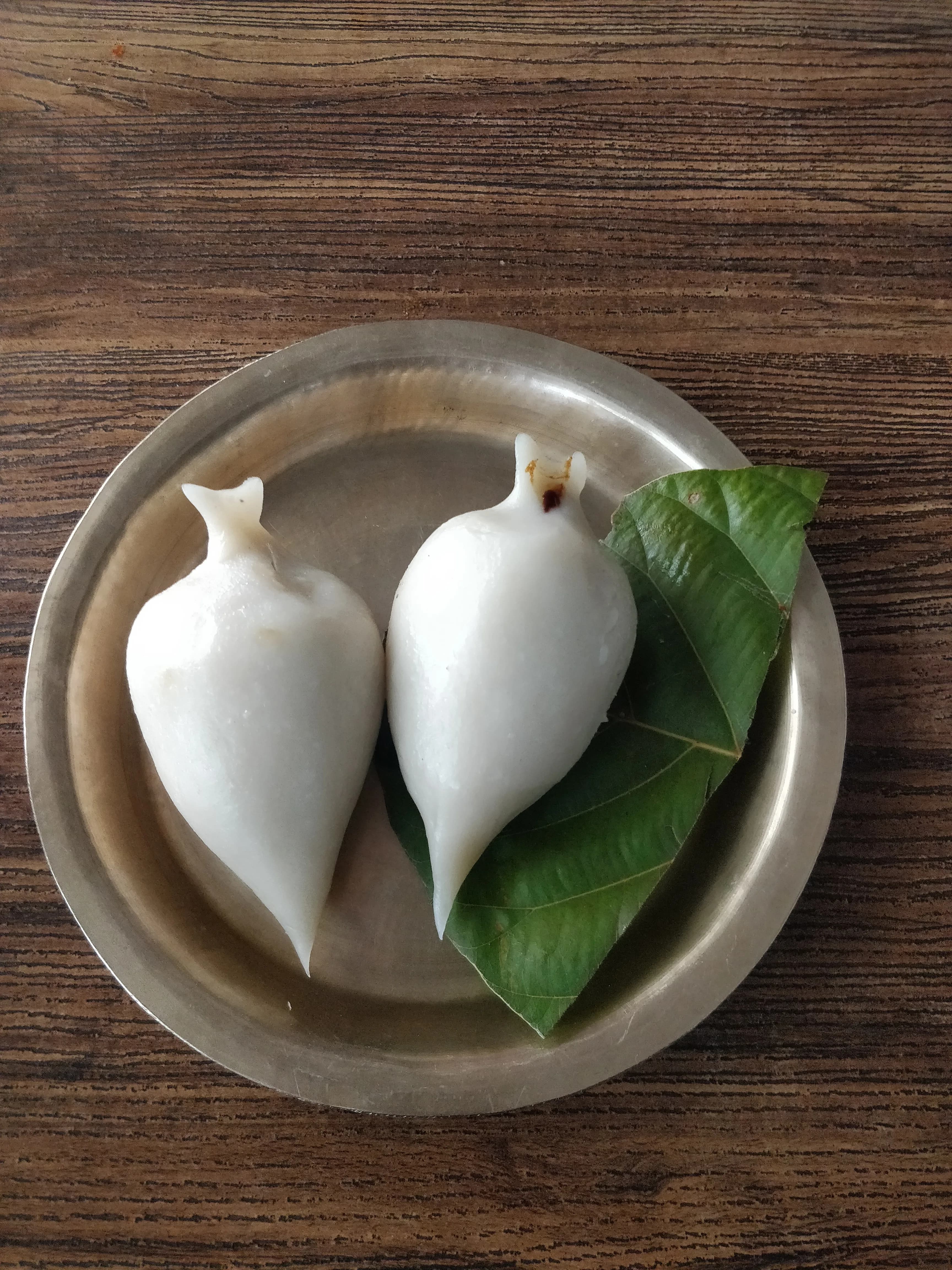
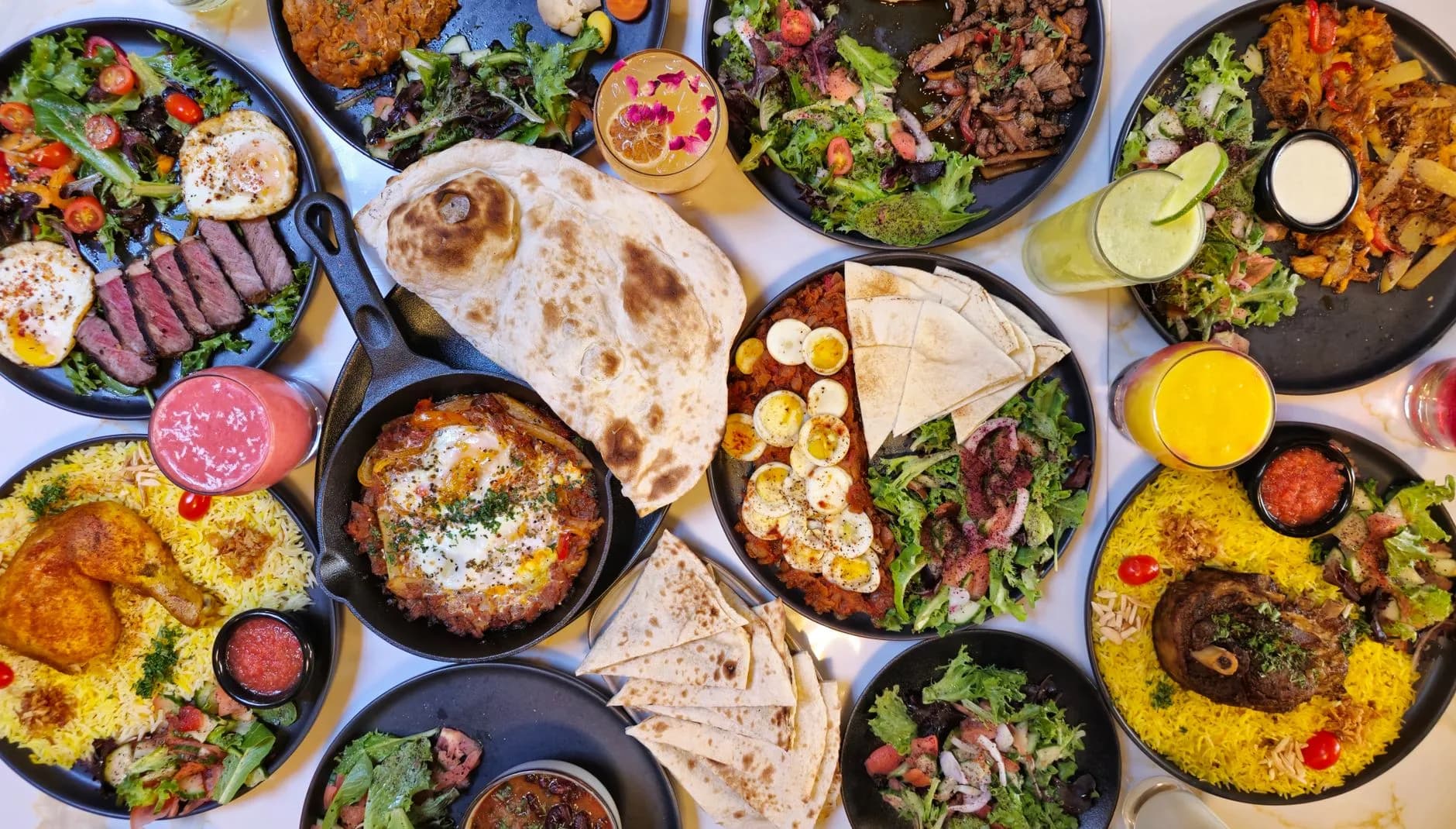
What to eat in Nepal

Kathmandu and Pokhara: the cities that bookend a trek
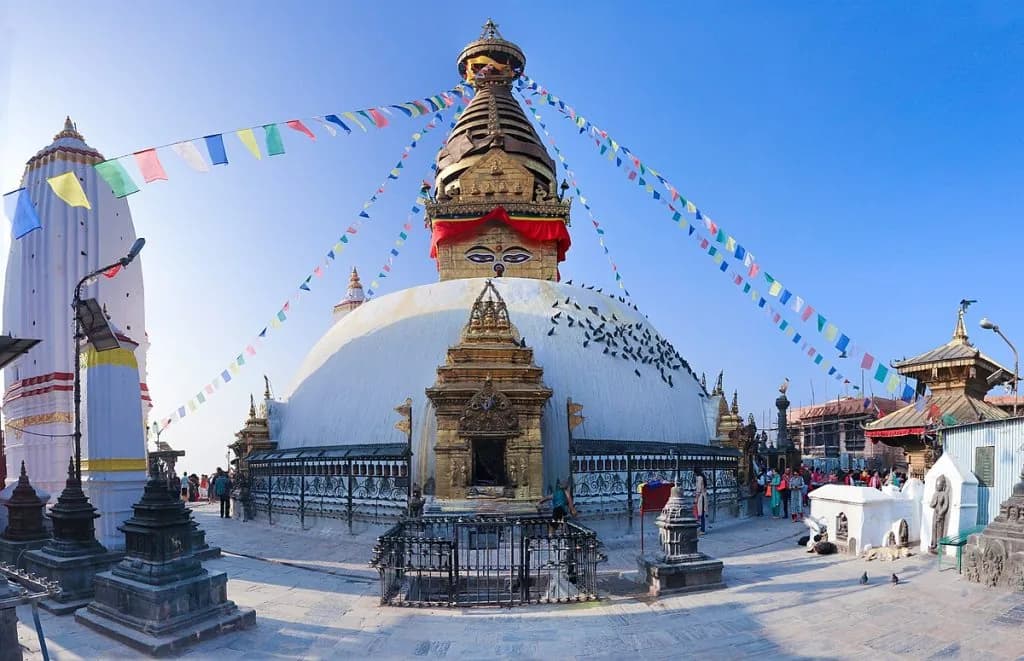
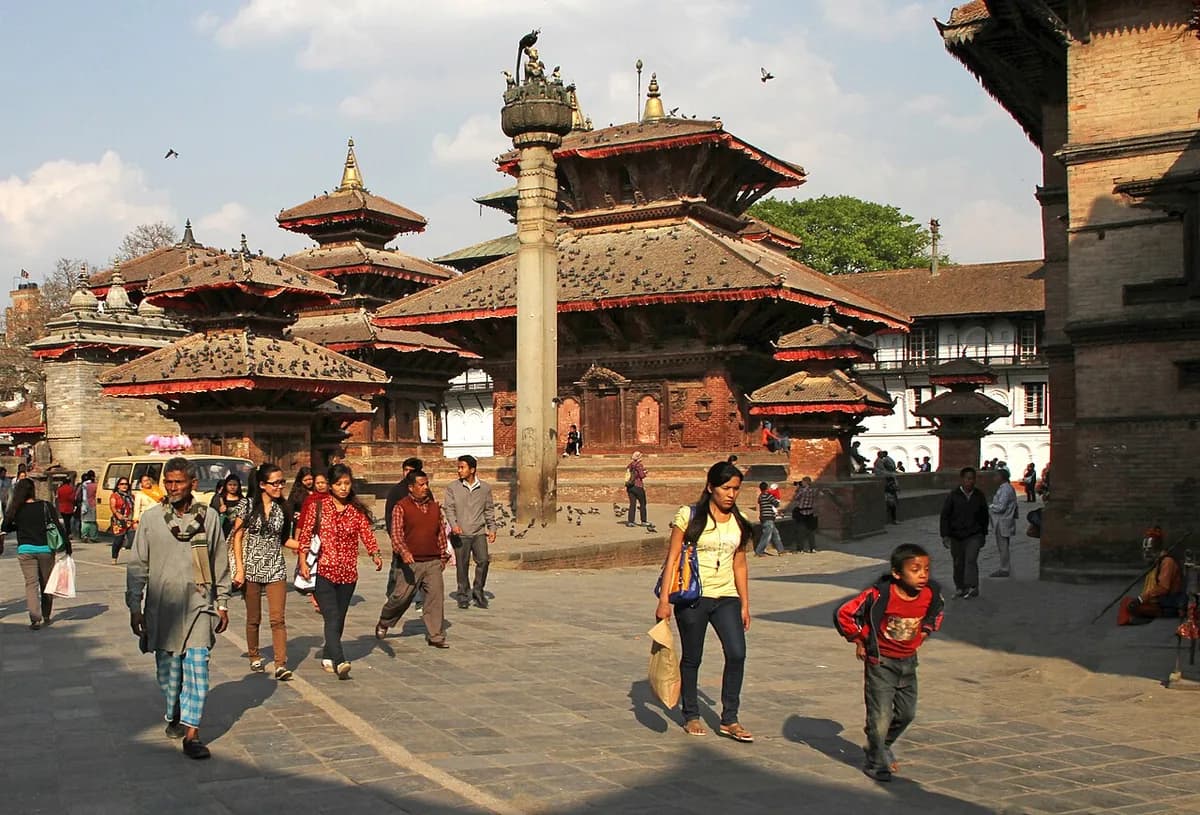
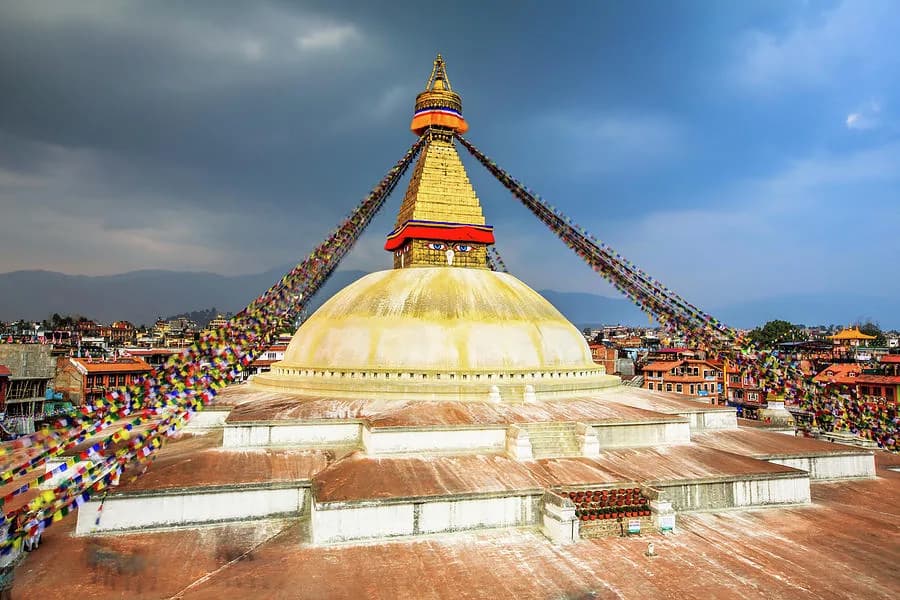
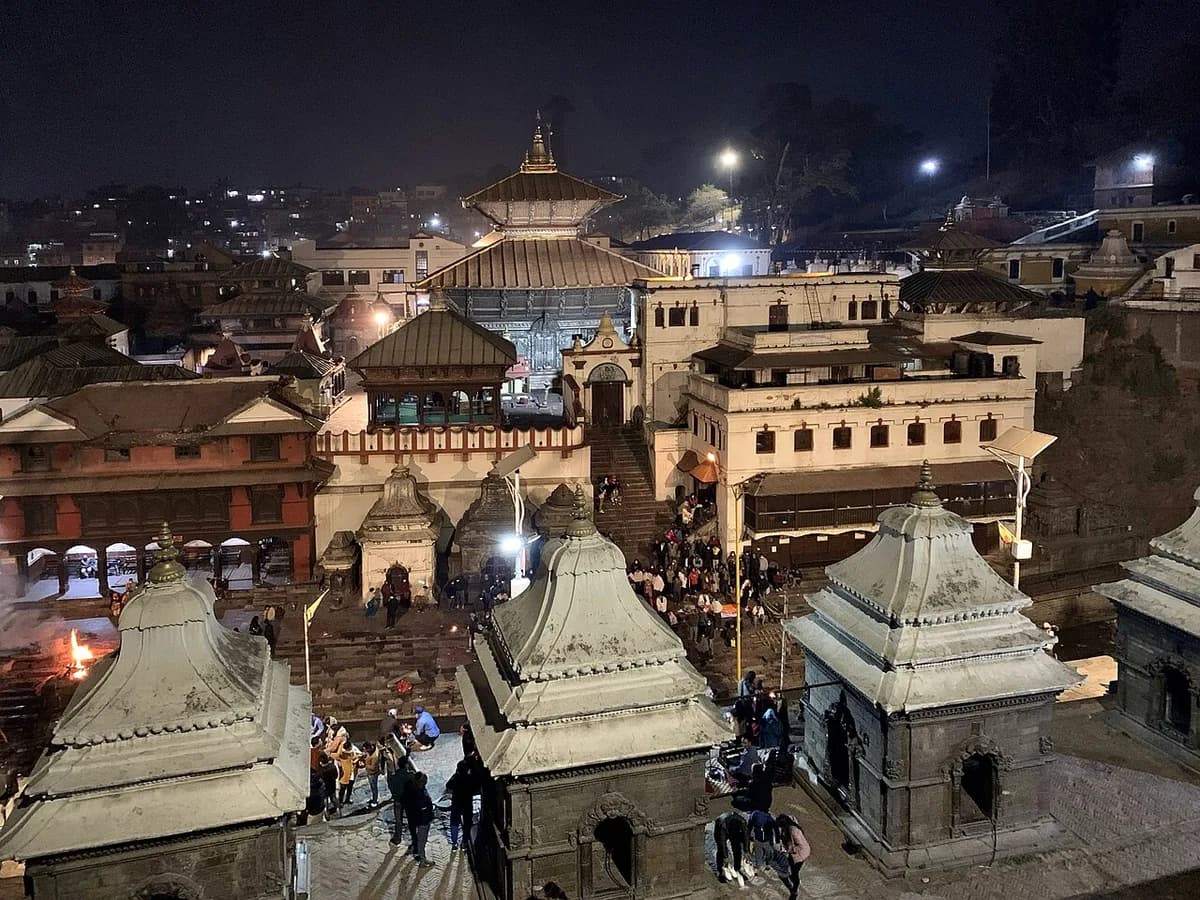
Most trips begin in Kathmandu, a dense, sensory, beautiful chaos of a city. The Kathmandu Valley holds a remarkable concentration of UNESCO sites: the medieval Durbar Squares of Kathmandu, Patan and Bhaktapur; the great white dome and watching eyes of Boudhanath, one of the largest stupas in the world; the hilltop Swayambhunath ('monkey temple'); and the riverside cremation ghats of Pashupatinath. Give it two or three days at the start to acclimatise to the country, sort gear in the Thamel district, and see the valley.
Pokhara is a relaxed lakeside town beneath the Annapurnas, the launchpad for treks in that region and a reward after them. Paragliding off the ridges, boating on Phewa Lake with the mountains reflected in it, and the best banana pancakes of your life. If you're not trekking at all, the pair of cities plus a jungle safari in Chitwan National Park (rhinos, and if you're lucky, a tiger) makes a fine week without ever gaining serious altitude.
When to go, the easy visa, and what it costs
Two windows are prime. October to November, just after the monsoon, gives the clearest mountain views of the year and is peak trekking season. March to April brings warmer days and rhododendron forests in bloom. Avoid the June-to-September monsoon for trekking (cloud, leeches, landslides) and the deep winter on the high routes.
The visa is reassuringly simple. Most nationalities get one on arrival at Kathmandu's airport. Have a passport photo and US dollars in cash for the fee, fill in the form (or pre-fill it online), and you're through. Nepal is also one of the cheapest countries you can travel. Tea-house trekking, food and guesthouses all cost little, and even a fully guided trek with permits is gentle on the wallet. Your biggest expense is usually the international flight in.
Visa & Entry
Do you need a visa for Nepal?
1 countries enter Nepal visa-free. Check the full requirements for your passport →
FAQ
Nepal — your questions
WorldCurio Editorial
Travel writers who plan trips the way locals would, grounded in what actually works on the ground. Visa and entry rules are cross-checked against the latest passport-index data, and climate figures use the Open-Meteo historical archive. Last reviewed June 2026. Always confirm visa and safety details with official sources before booking.
Keep exploring