Lisbon: the city of seven hills
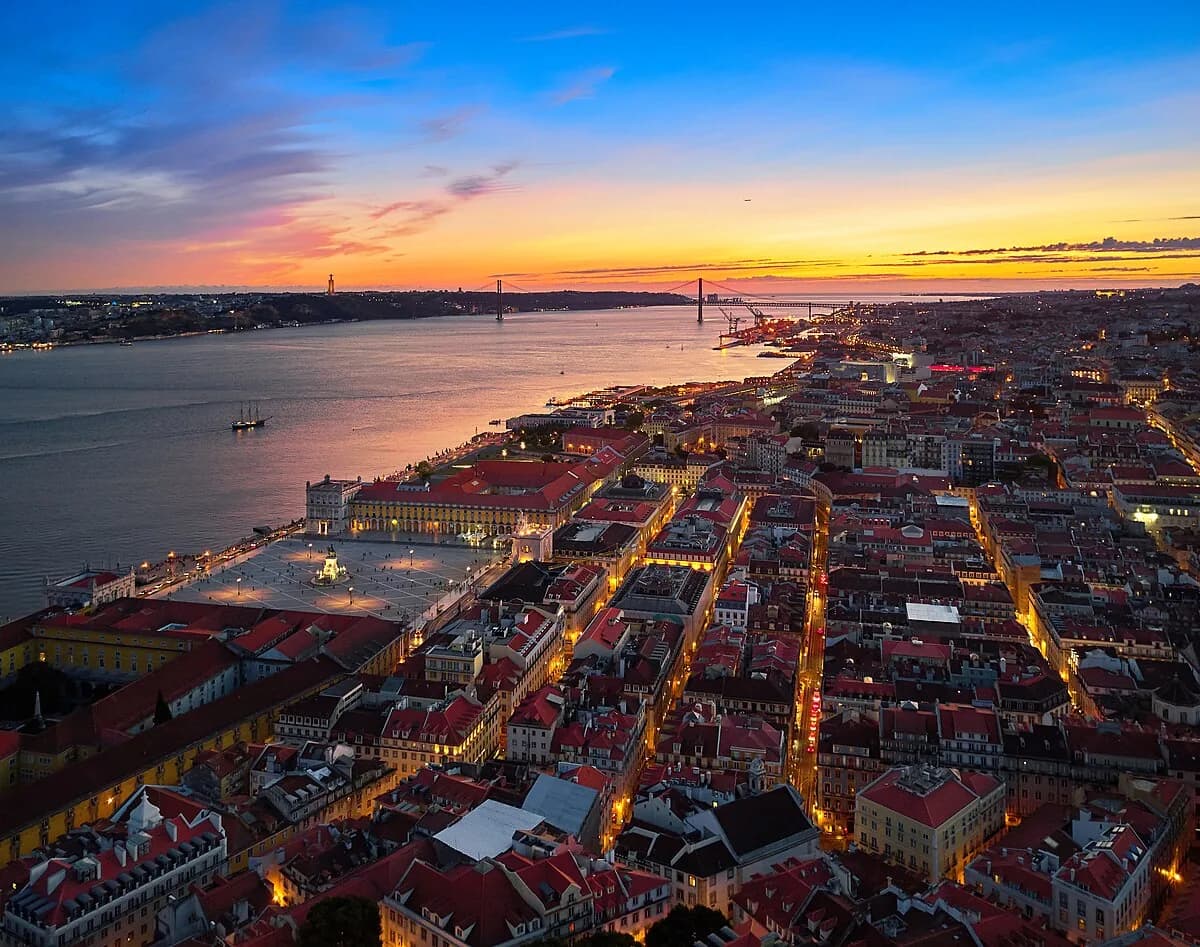
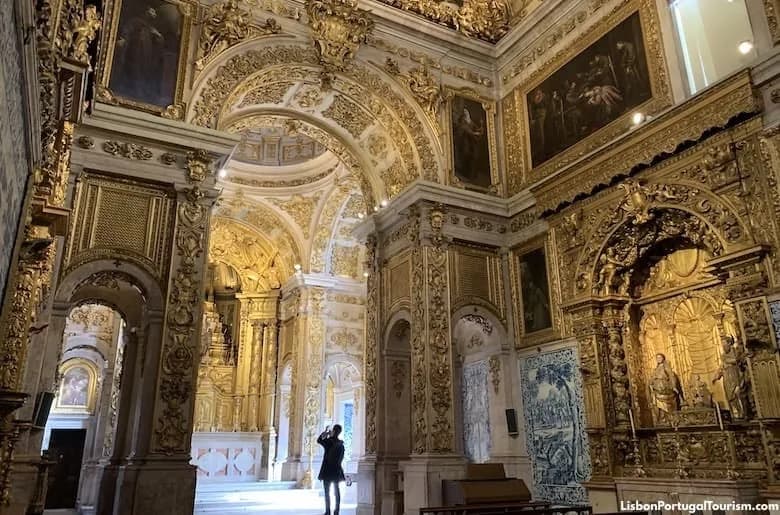
Lisbon is one of Europe's most likeable capitals, and it's where most trips begin. Built across seven hills above the Tagus river, it's a city of pastel buildings, rattling yellow trams, tiled façades and viewpoints (miradouros) that catch the soft Atlantic light.
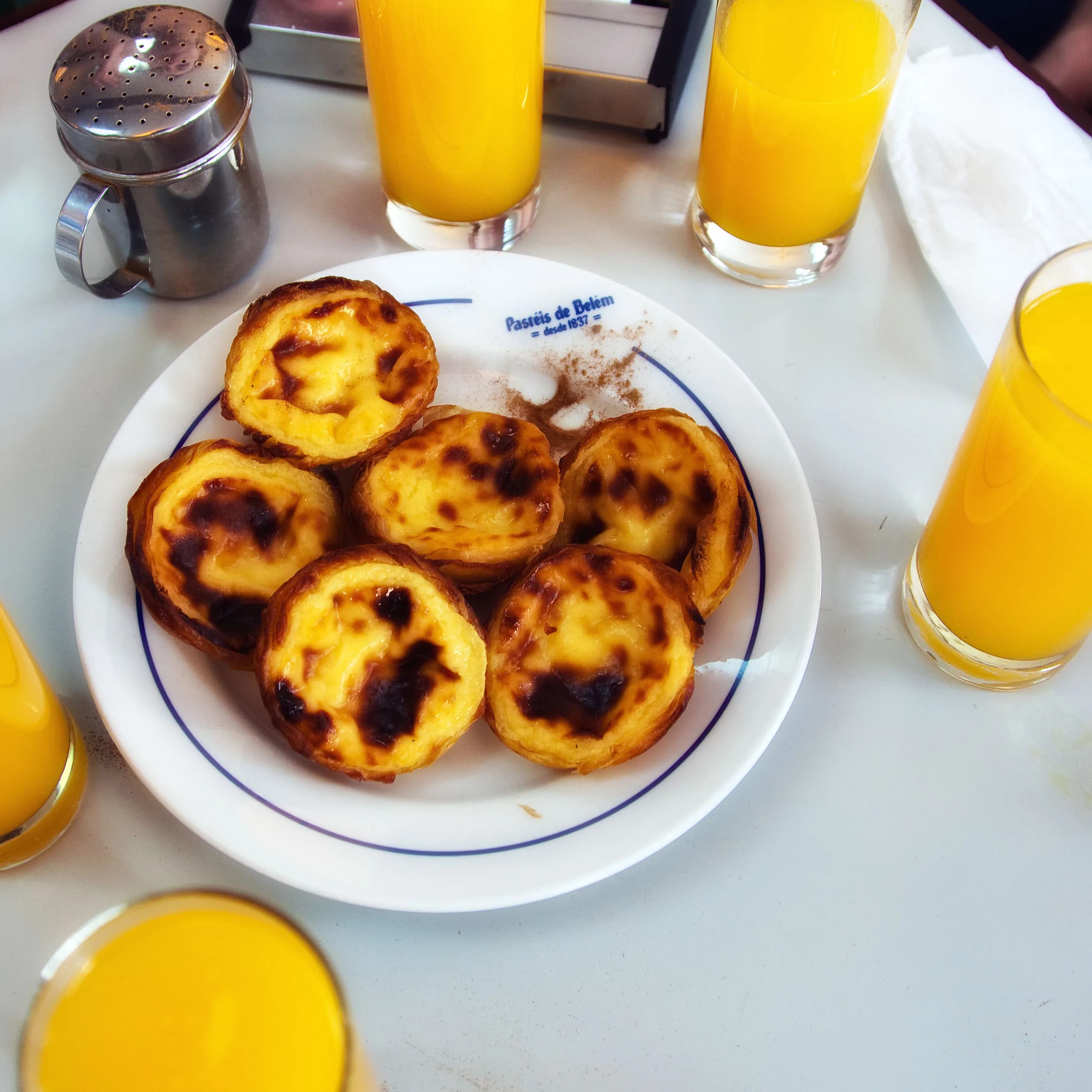
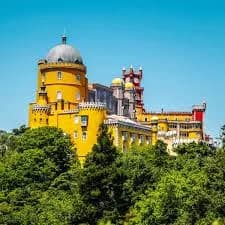
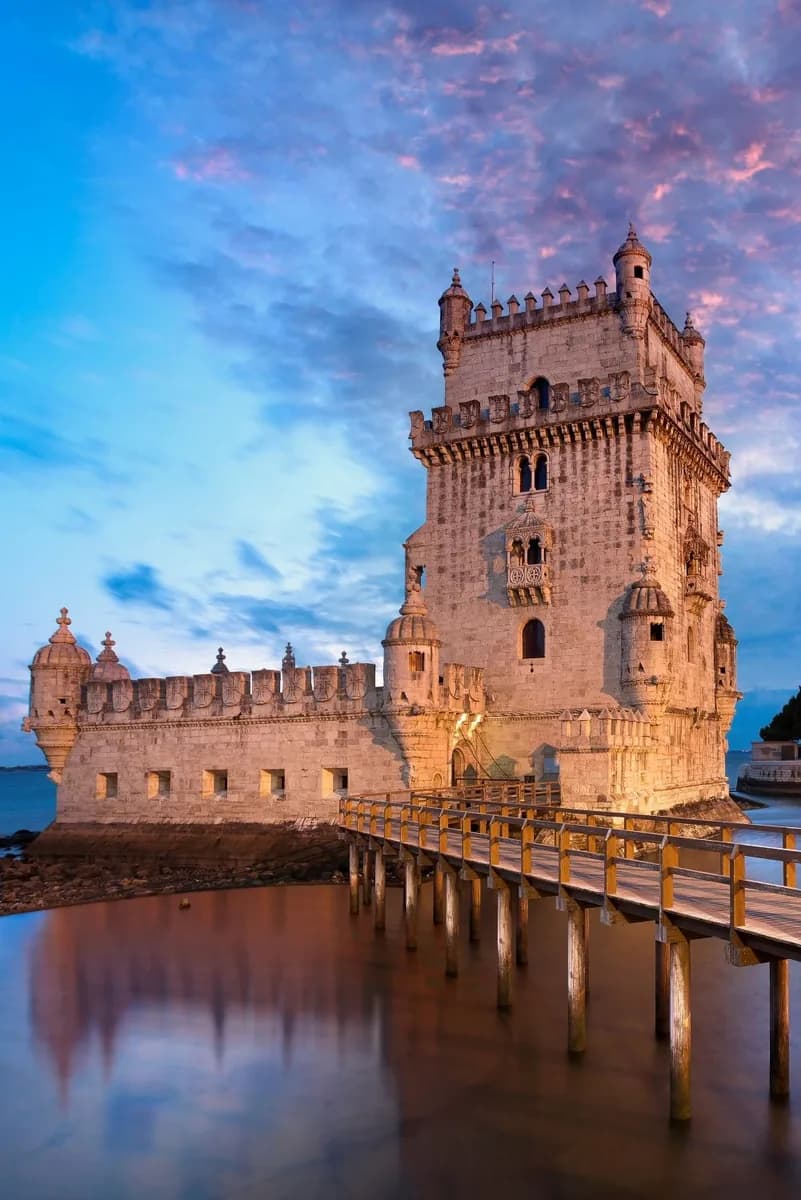
Ride the iconic Tram 28 through the steep lanes of Alfama, the oldest quarter, where fado music drifts from tiny restaurants at night. Explore the grand riverside monuments of Belém, and eat the original pastel de nata, the custard tart, warm from the famous bakery there. Wander the bohemian bars of Bairro Alto and the design shops of Chiado. Day-trip to the fairy-tale palaces of Sintra in the hills, a must, and the surf and cliffs of Cascais on the coast. Give Lisbon three or four days, and wear good shoes for the hills.
Porto and the Douro Valley
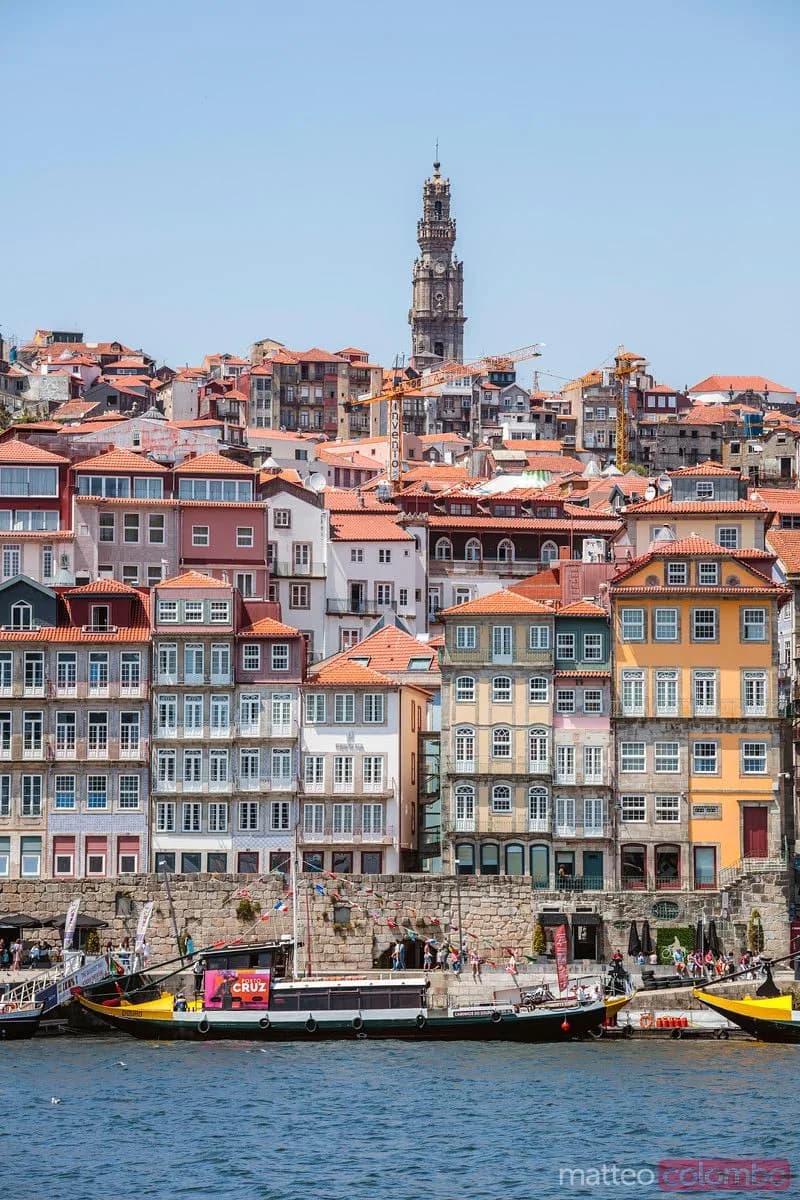
Three hours north by fast train, Porto is Lisbon's older, grittier, deeply charming sibling, and many travellers end up preferring it. The city tumbles down to the Douro river in a jumble of tiled houses, and the riverside Ribeira district is made for slow evenings.
This is the home of port wine, and across the river in Vila Nova de Gaia the famous lodges line the bank, ageing the wine in barrels you can tour and taste. But the real prize lies upriver: the Douro Valley, a UNESCO-listed landscape of terraced vineyards carved into steep hillsides above the river, one of the most beautiful wine regions on Earth. Take the scenic train along the river, or cruise it by boat, and stay a night at a quinta (wine estate) among the vines. It's Portugal at its most romantic.
The Algarve and the coast
Portugal's southern coast, the Algarve, is the holiday end of the country, and the reason much of Europe flies in. The headline is the scenery: dramatic golden cliffs, hidden coves reached only by boat, sea caves like the famous Benagil grotto, and long Atlantic beaches.
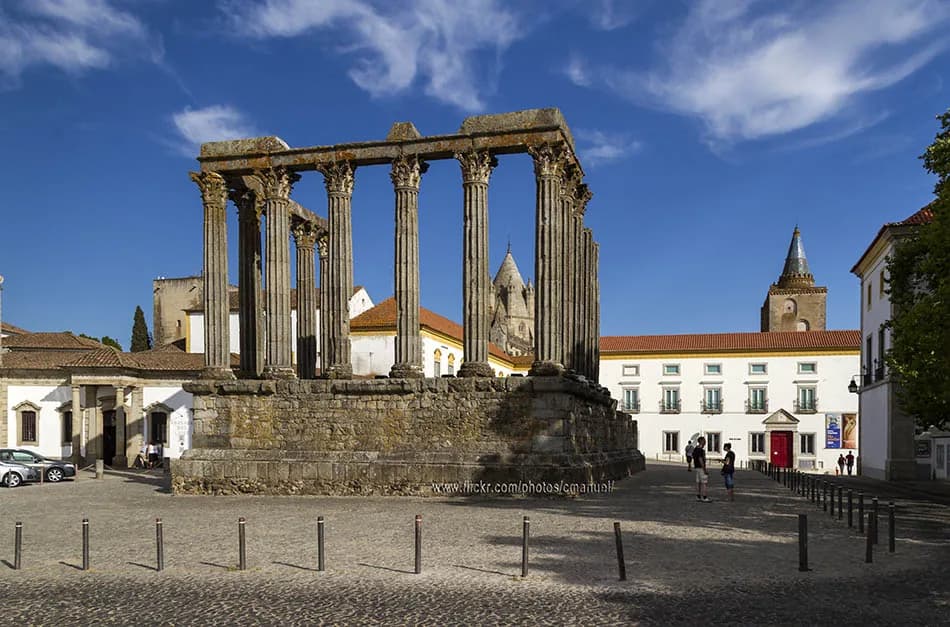
It gets busy and built-up in places (Albufeira especially), so seek out the quieter west around Lagos and Sagres, where the cliffs are wildest and the surf is up, or the calmer eastern stretches near Tavira. Beyond the Algarve, Portugal's whole Atlantic coast rewards exploring: the surf town of Ericeira near Lisbon, the canals of Aveiro, and the wild beaches of the Alentejo, the quiet, golden-plained region between Lisbon and the south that most visitors skip entirely. The coastline alone could fill a trip.
Timing
When to visit Portugal
Spring (April to June) and autumn (September to October) are ideal, with warm, sunny weather, the Algarve sea swimmable in early autumn, and none of the peak-summer crush. July and August are hot, busy and pricier, especially on the coast. Winter is mild, quiet and cheap, but wetter, especially in the north.
Average temperature & rainfall in Lisbon
Temp °CRain mmReal climate averages for Lisbon (capital). Source: Open-Meteo archive. Rainfall is total monthly precipitation.
Sample route
The perfect 5 days in Portugal
A ready-made 5-day route built from Portugal's top sights. Adjust it to your pace, or generate your own plan.
Budget
What a day in Portugal costs
Hostels and guesthouses, set-menu lunches and pastelaria snacks, trains and buses, and free viewpoints and beaches.
Boutique hotels, a rental car for the Douro and Algarve, port-lodge and winery tastings, and good seafood dinners.
Design hotels and Douro wine quintas, private guides, premium tastings, fine dining, and clifftop Algarve resorts.
Costs here are per person, per day in US dollars (Portugal uses the euro). It remains good value by Western European standards, though Lisbon and Algarve prices have risen. Cards are accepted almost everywhere, with cash handy for small cafés and markets.
Don't miss
The best places to visit in Portugal
Taste
What to eat in Portugal
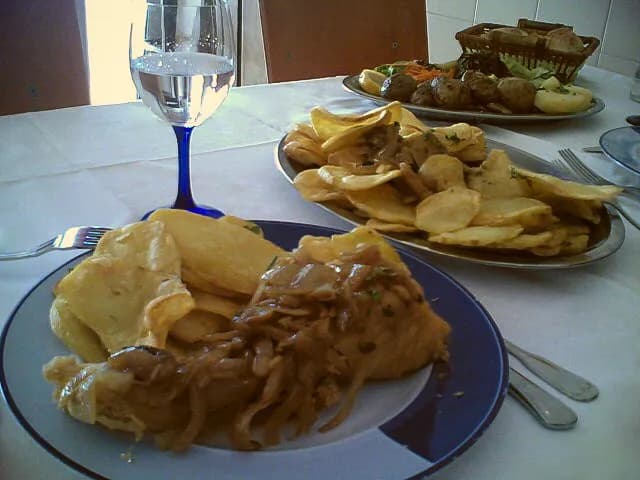
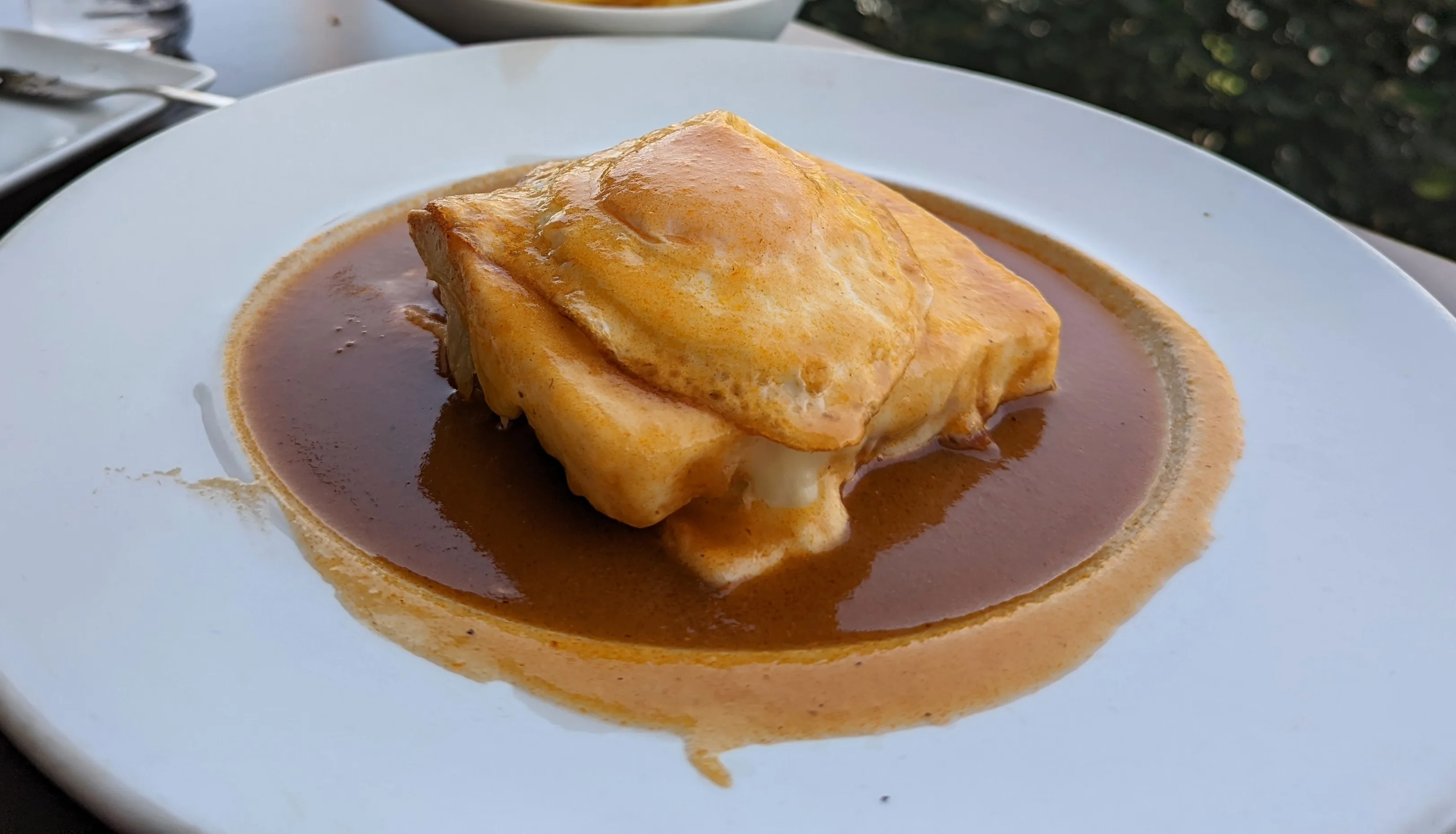
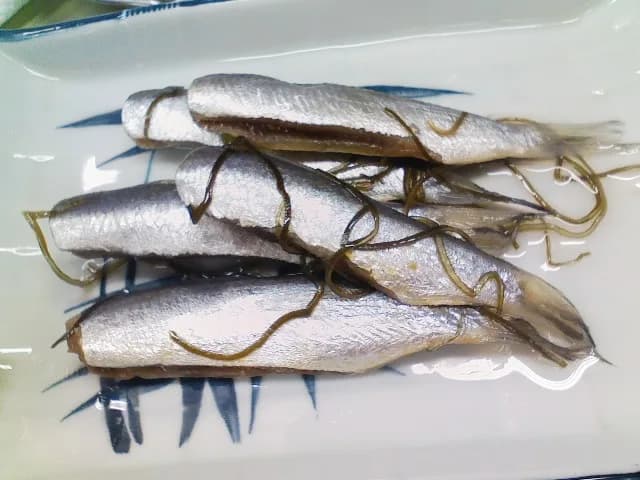
Eat the seafood, drink the wine
Portuguese food is simple, generous and built on superb ingredients, especially from the sea. The Atlantic delivers some of the best seafood in Europe: grilled sardines in summer, fresh fish simply done, clams in garlic and coriander (amêijoas à Bulhão Pato), and the rich seafood-and-bread stew called cataplana.
The national obsession is bacalhau, salted cod, with supposedly 365 ways to cook it, one for every day of the year. On the meat side, try the slow-roasted suckling pig of the north and the smoky sausages of the interior. Sweet-wise, the pastel de nata is the star, but every region has its own convent-born pastries. And the wine is a quiet triumph and a bargain: the bold reds of the Douro and Alentejo, the crisp, slightly fizzy vinho verde of the north, and port to finish. You'll eat and drink very well for very little.
When to visit, the money, and getting around
Spring (April to June) and autumn (September to October) are the pick of the year: warm, sunny, and free of the peak-summer crush, with the Algarve sea still swimmable in early autumn. July and August are hot, busy and pricier, especially on the coast, while winter is mild, quiet and cheap, though Atlantic and northern weather can be wet.
Portugal is part of the Schengen Area and the euro zone, and many nationalities visit visa-free for up to 90 days, so check your passport. It remains good value by Western European standards, though prices in Lisbon and the Algarve have risen sharply. Getting around is easy: fast, comfortable trains link Lisbon and Porto, the country is small and drivable, and a rental car is the best way to explore the Douro, the Alentejo and the quieter Algarve. English is widely spoken in tourist areas.
Visa & Entry
Do you need a visa for Portugal?
93 countries enter Portugal visa-free. Check the full requirements for your passport →
FAQ
Portugal — your questions
WorldCurio Editorial
Travel writers who plan trips the way locals would, grounded in what actually works on the ground. Visa and entry rules are cross-checked against the latest passport-index data, and climate figures use the Open-Meteo historical archive. Last reviewed June 2026. Always confirm visa and safety details with official sources before booking.
Keep exploring