Transylvania is real, and it's gorgeous
Forget the vampire clichés. Or rather, enjoy them, because Transylvania leans in. This central region of forested hills and walled Saxon towns is the heart of any Romania trip, and it's far prettier and more peaceful than its spooky reputation suggests.
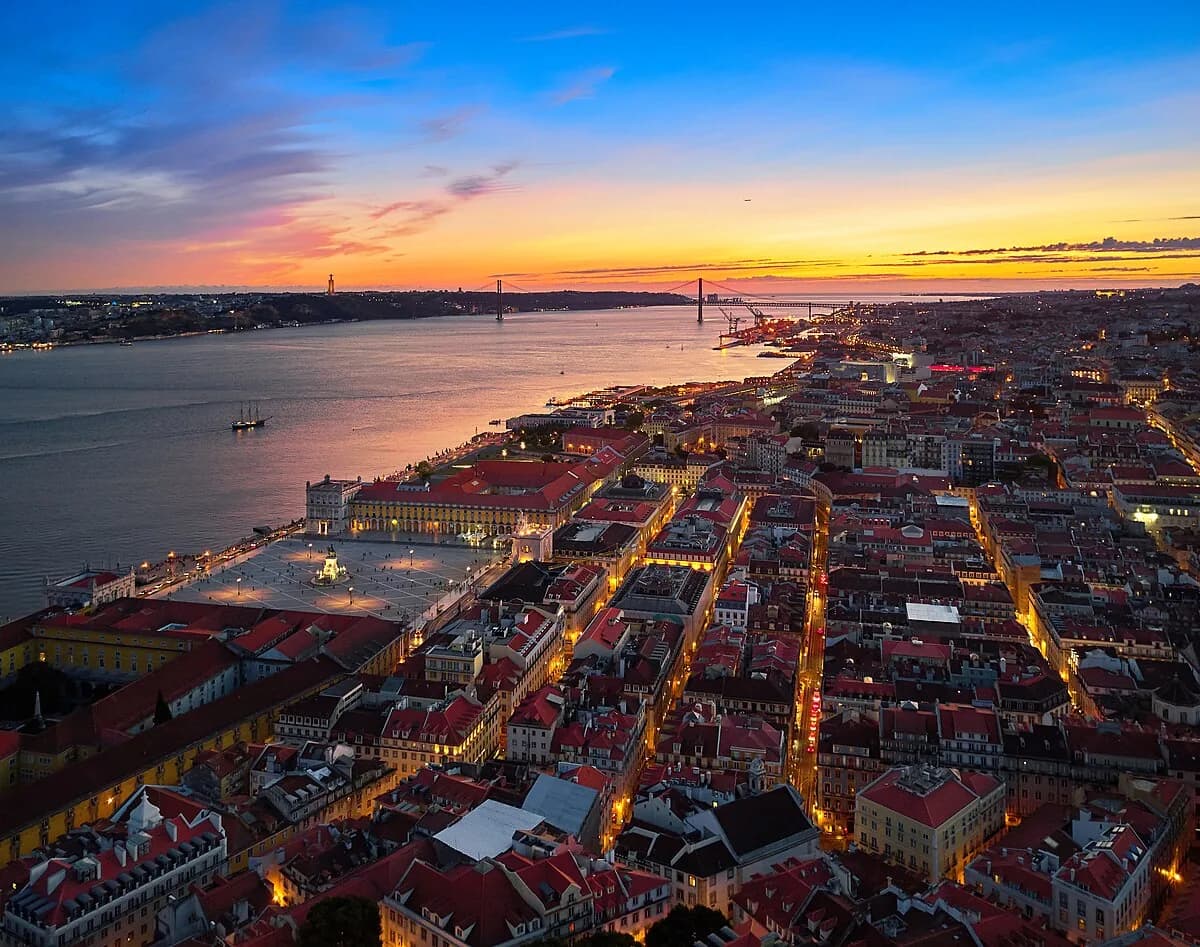
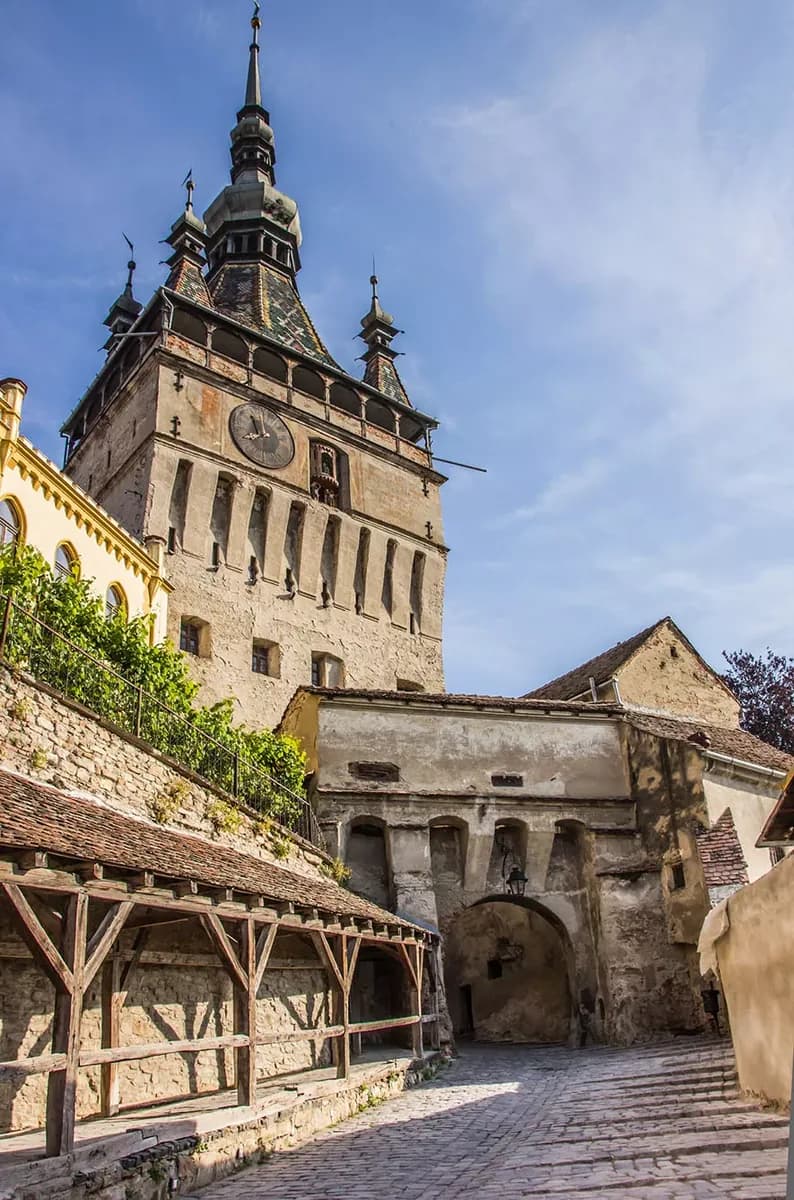
The jewel is Sibiu, a beautifully preserved medieval town of pastel squares and 'eyes' peering from the rooftops. Nearby Brașov has a Gothic Black Church and a cable car to a Hollywood-style hilltop sign. Sighișoara, a perfectly intact medieval citadel and the birthplace of Vlad the Impaler (the historical inspiration for Dracula), is a living UNESCO town. These places are walkable, atmospheric and refreshingly uncrowded. You can wander a 700-year-old square and have it nearly to yourself.
The castles: Bran, Peleș and the legends
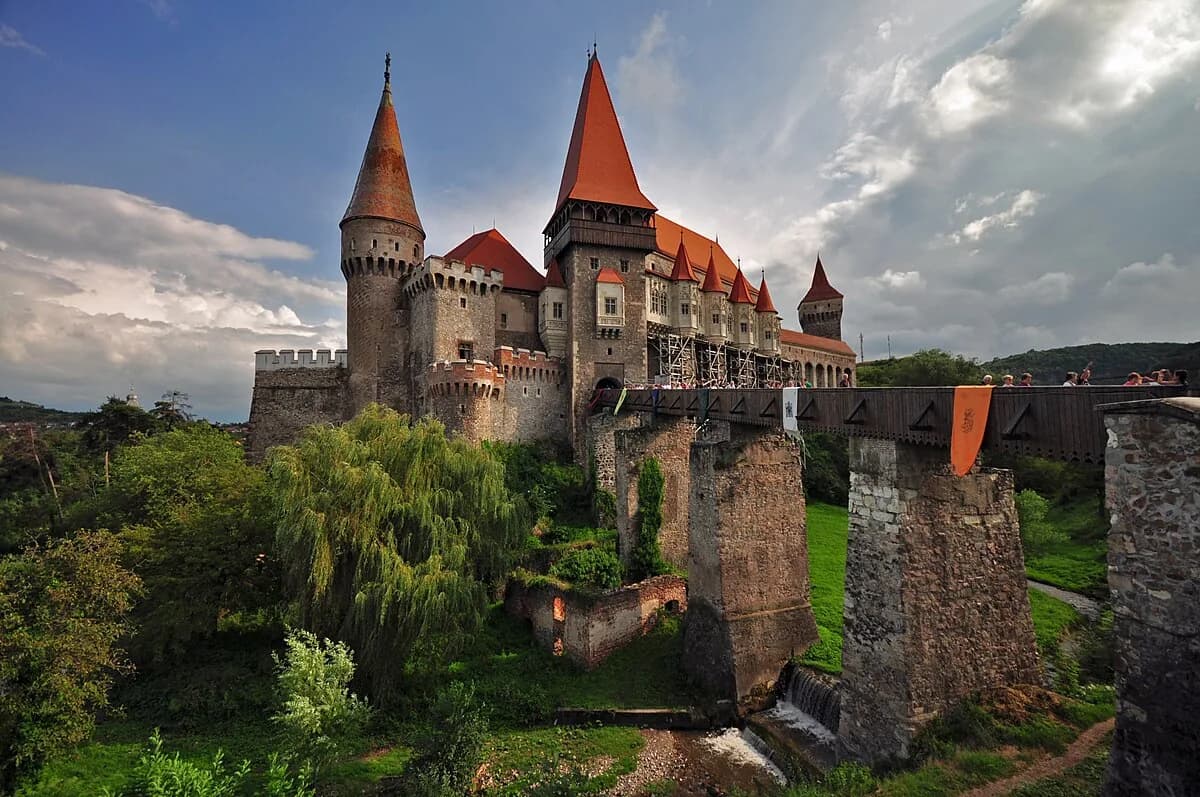
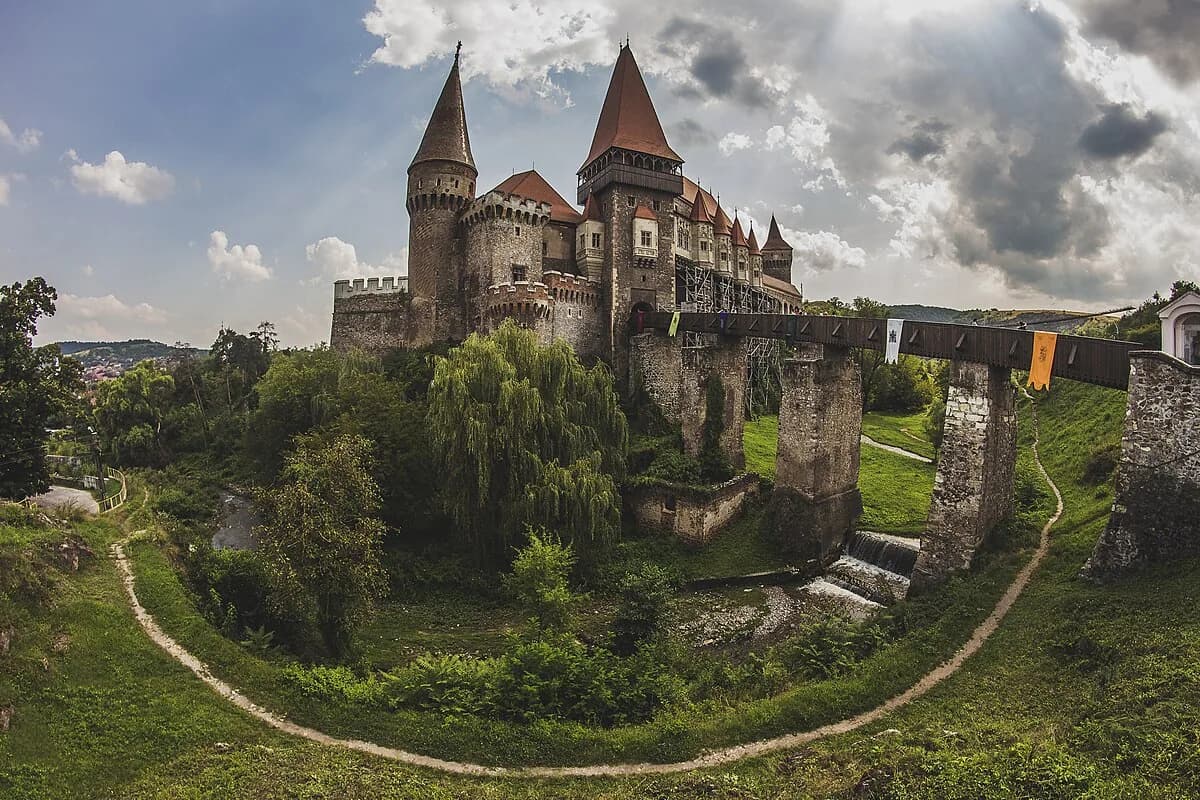
Romania does castles better than almost anywhere, and two are unmissable. Bran Castle, perched dramatically on a crag, is marketed as 'Dracula's Castle'. The connection is tenuous, but the Gothic silhouette is genuinely striking and the legend is fun. Go early to beat the tour buses.
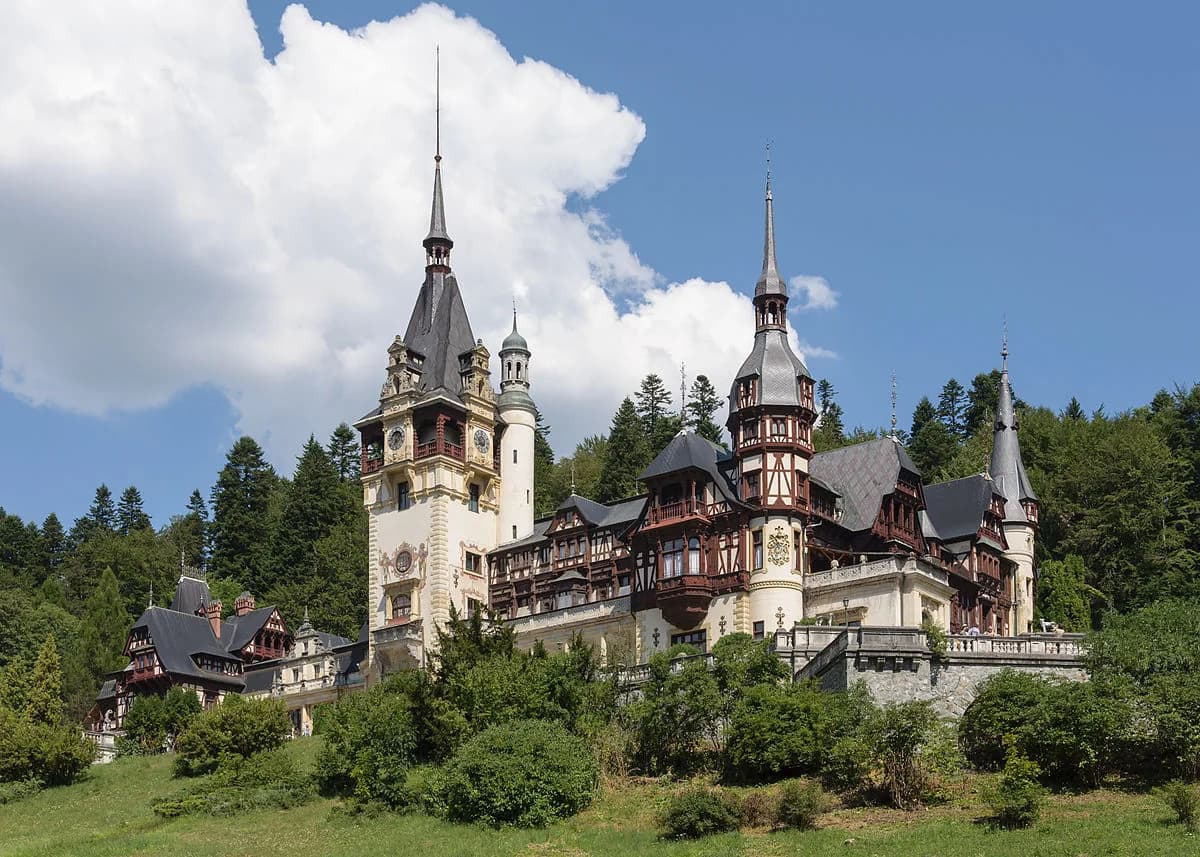
The real showstopper, though, is Peleș Castle near Sinaia, a 19th-century royal palace of such ornate Neo-Renaissance splendour that it ranks among the most beautiful castles in Europe, its turrets rising out of the Carpathian forest like something from a storybook. Add the hilltop fortified churches of the Saxon villages and the citadel of Râșnov, and Romania delivers more castle magic per mile than most countries can dream of.
The Carpathians and the great driving roads
The Carpathian Mountains arc through the country, cloaking it in some of Europe's last great wilderness. It's home to the continent's largest populations of brown bears, wolves and lynx, and laced with hiking trails and shepherds' pastures that feel centuries removed from modern Europe.
The mountains also hold two of the world's most spectacular driving roads, both a pilgrimage for anyone who loves a wheel. The Transfăgărășan, made globally famous by a certain TV motoring show as possibly the best road in the world, snakes over a high pass in a ribbon of hairpins (open only in summer, roughly July to October). Its quieter rival, the Transalpina, climbs even higher. Renting a car and road-tripping the Carpathians, linking the castles and medieval towns, is the definitive way to see Romania.
Timing
When to visit Romania
Late spring to early autumn (May to September) is the season to come: warm, green and with the high mountain roads open. The Transfăgărășan only opens around July to October. Summer is the warmest and busiest. Winter is cold and snowy, lovely for Christmas markets and skiing but with the high passes closed.
Average temperature & rainfall in Bucharest
Temp °CRain mmReal climate averages for Bucharest (capital). Source: Open-Meteo archive. Rainfall is total monthly precipitation.
Sample route
The perfect 5 days in Romania
A ready-made 5-day route built from Romania's top sights. Adjust it to your pace, or generate your own plan.
Budget
What a day in Romania costs
Guesthouses and hostels, hearty local food, trains and buses, and modest entry fees to the castles and citadels.
A comfortable hotel or characterful pension, a rental car for the Carpathian road trip, restaurant meals, and guided tours.
Boutique and castle-estate hotels, private guides and drivers, fine dining, and premium Danube Delta or mountain lodges.
Daily budgets below are per person in US dollars. You'll be paying in the leu. Romania is among the best value in Europe, and a rental car is cheap and the ideal way to link the castles, mountains and medieval towns.
Don't miss
The best places to visit in Romania
Taste
What to eat in Romania
Bucharest, Bucovina and beyond
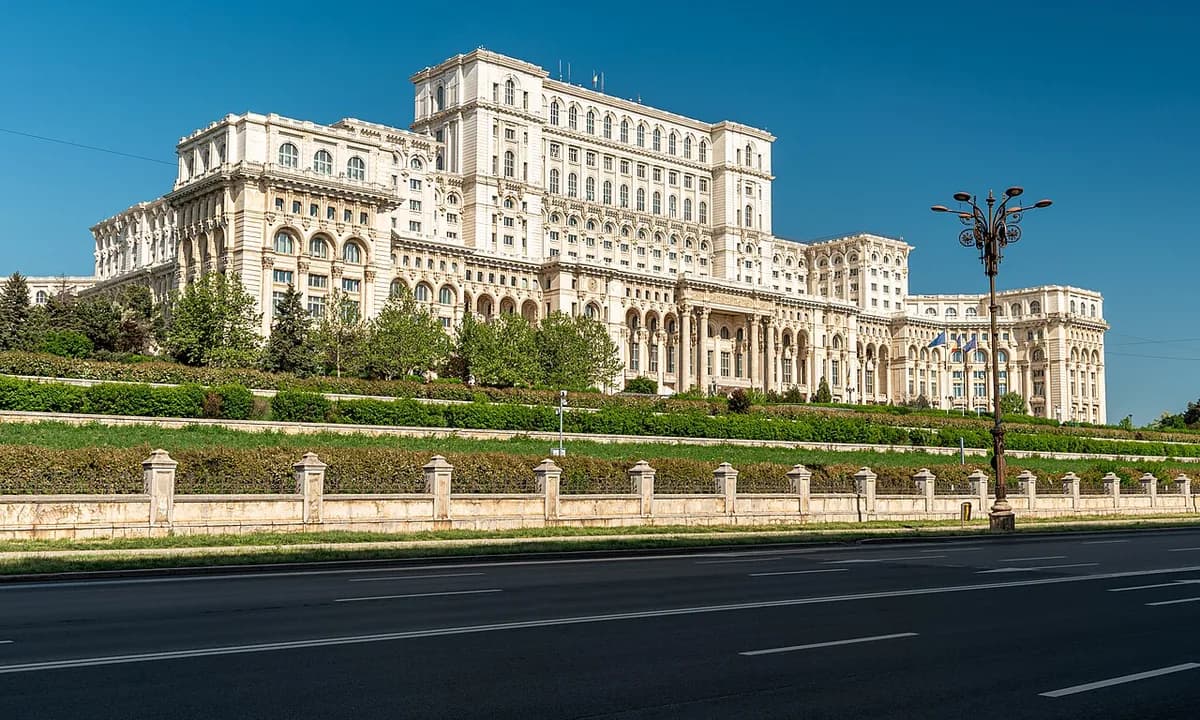
Bucharest, the capital, surprises people. A mix of elegant Belle Époque boulevards (it was once called 'little Paris'), communist-era monumentalism including the colossal Palace of the Parliament (the heaviest building on Earth), leafy parks, and a buzzing old-town nightlife. Give it a day or two on arrival.
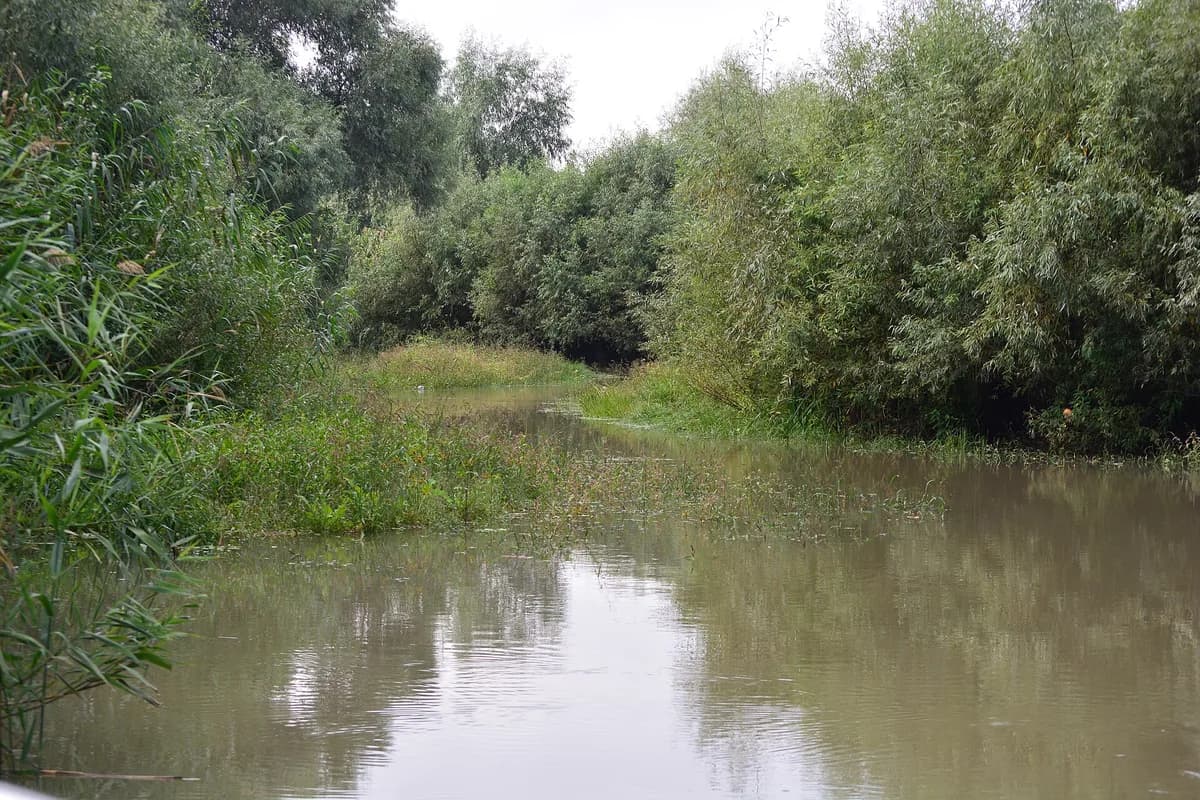
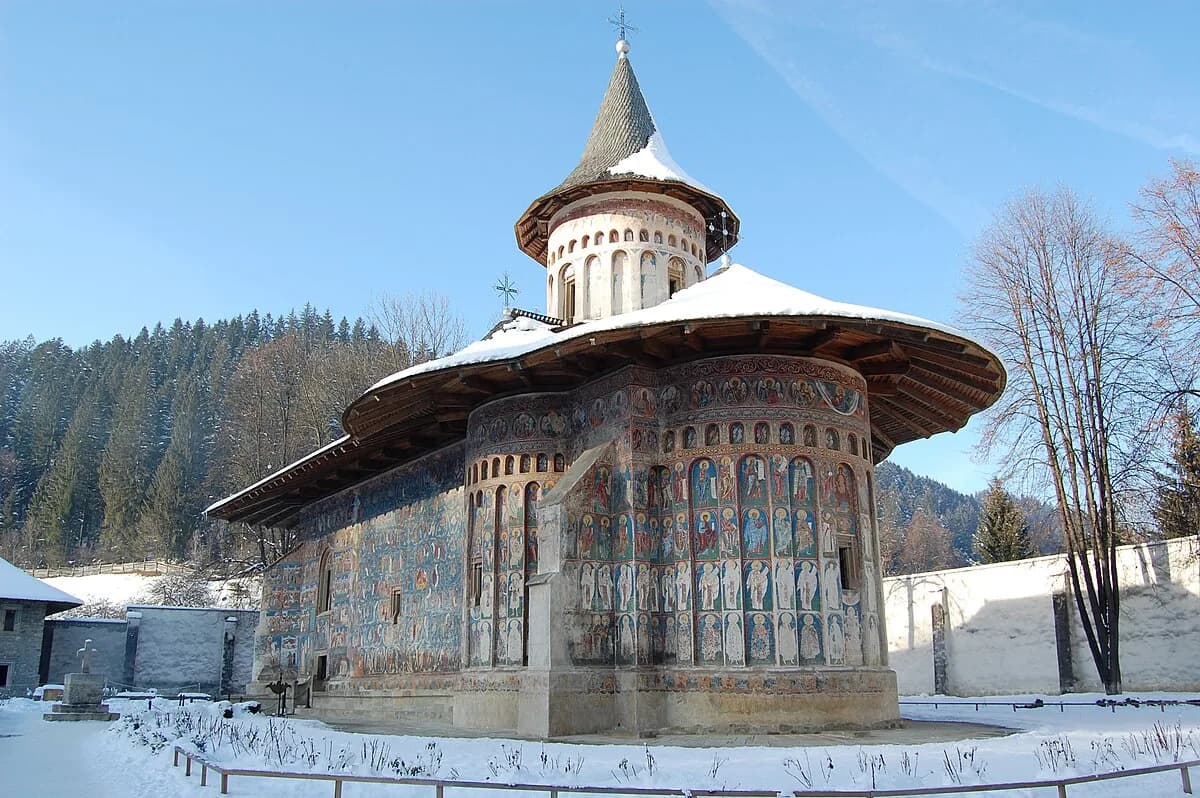
Venture further and Romania keeps giving. In the north-east, the painted monasteries of Bucovina are extraordinary: 15th- and 16th-century churches frescoed inside and out in vivid, still-bright biblical scenes, unlike anything else in Europe. The Danube Delta, where Europe's second-longest river fans into a vast wetland wilderness, is a birdwatcher's paradise reached by boat. And the wooden churches and haystacks of rural Maramureș offer a glimpse of a peasant Europe that has all but vanished elsewhere.
Why it's such good value
Here's the kicker. Romania is one of the best-value destinations in Europe. Accommodation, restaurant meals, beer and transport cost a fraction of what you'd pay in Western Europe, which means a comfortable trip here is genuinely affordable. Mid-range travel on a shoestring budget.
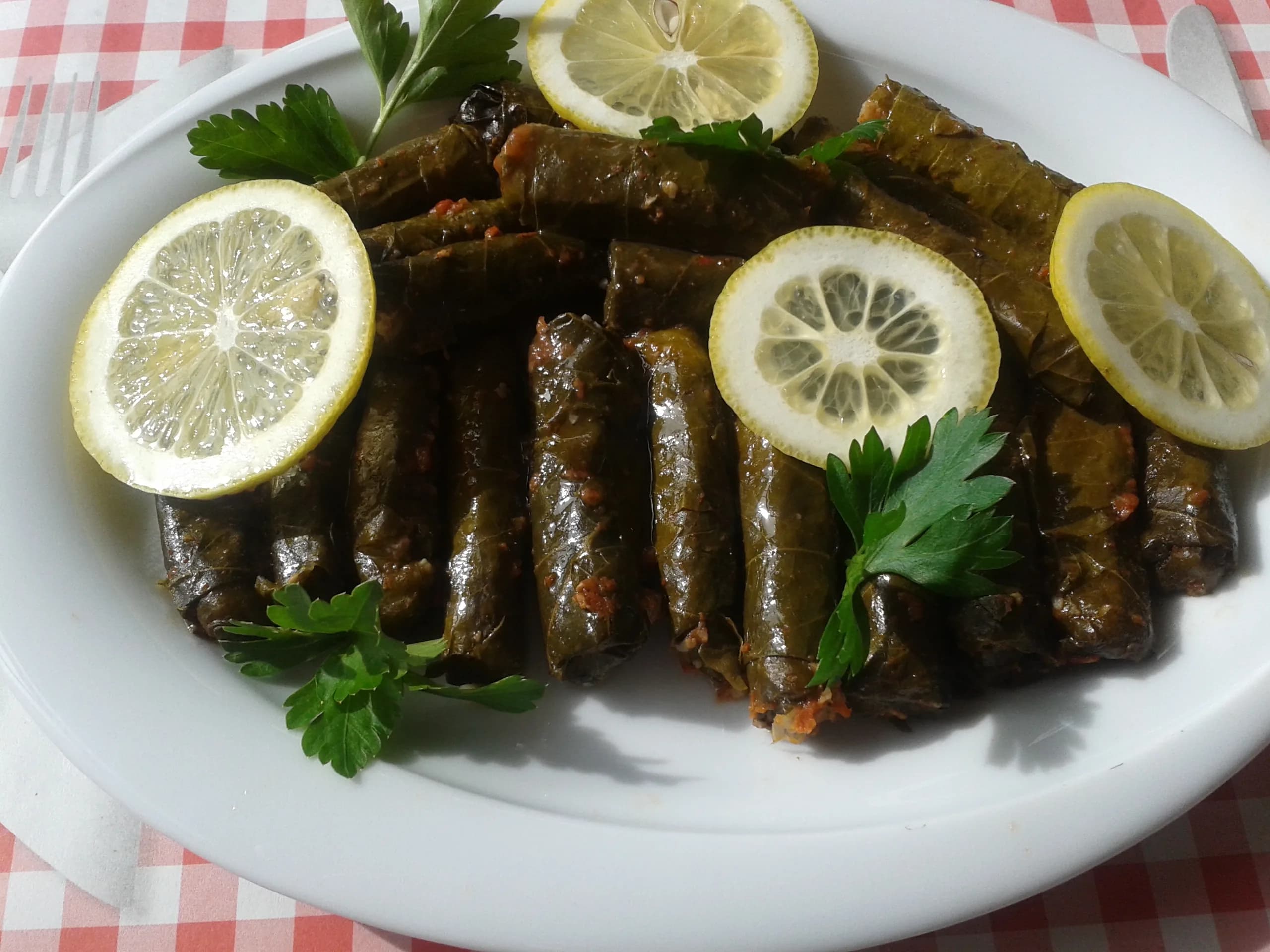
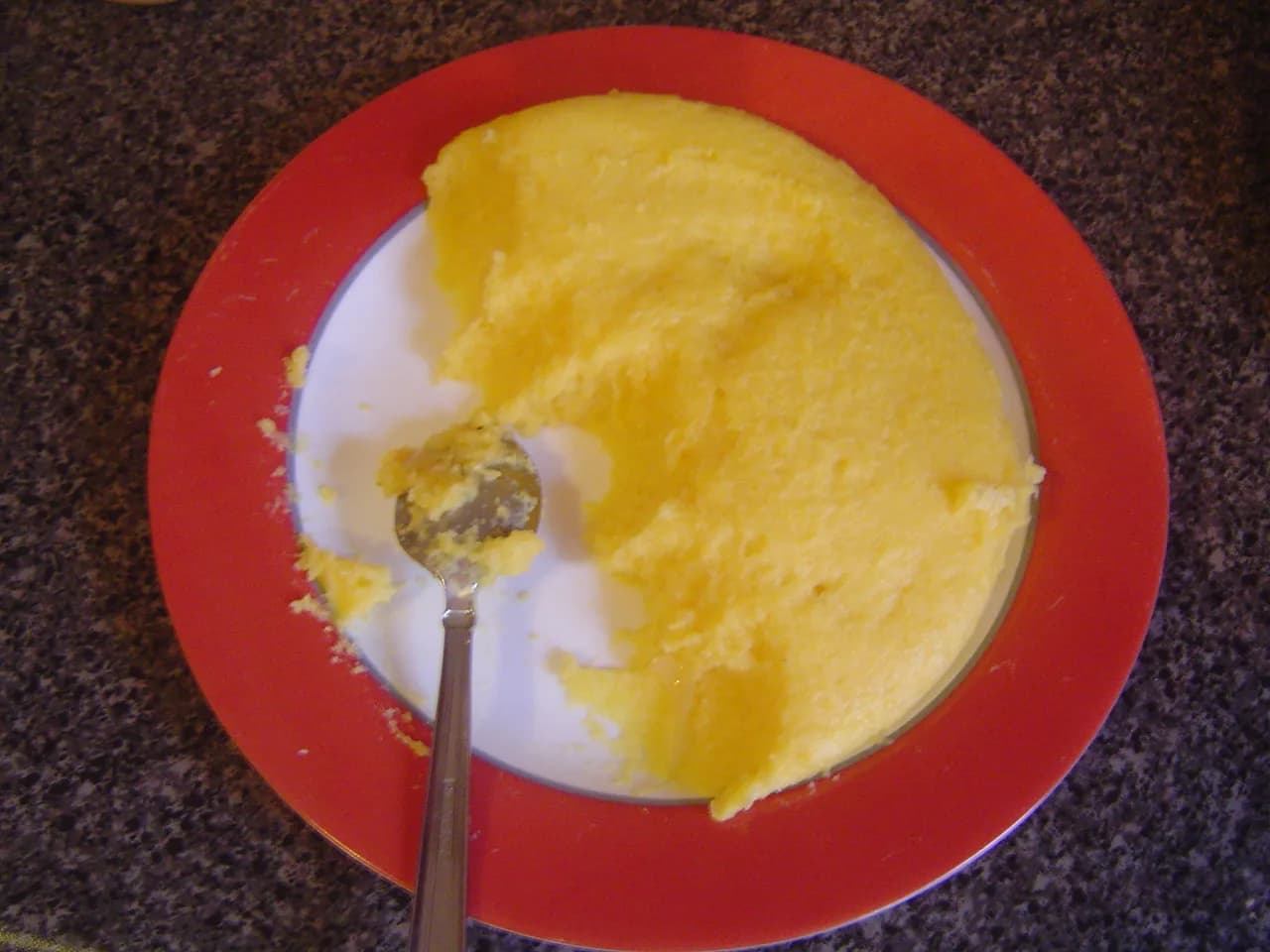
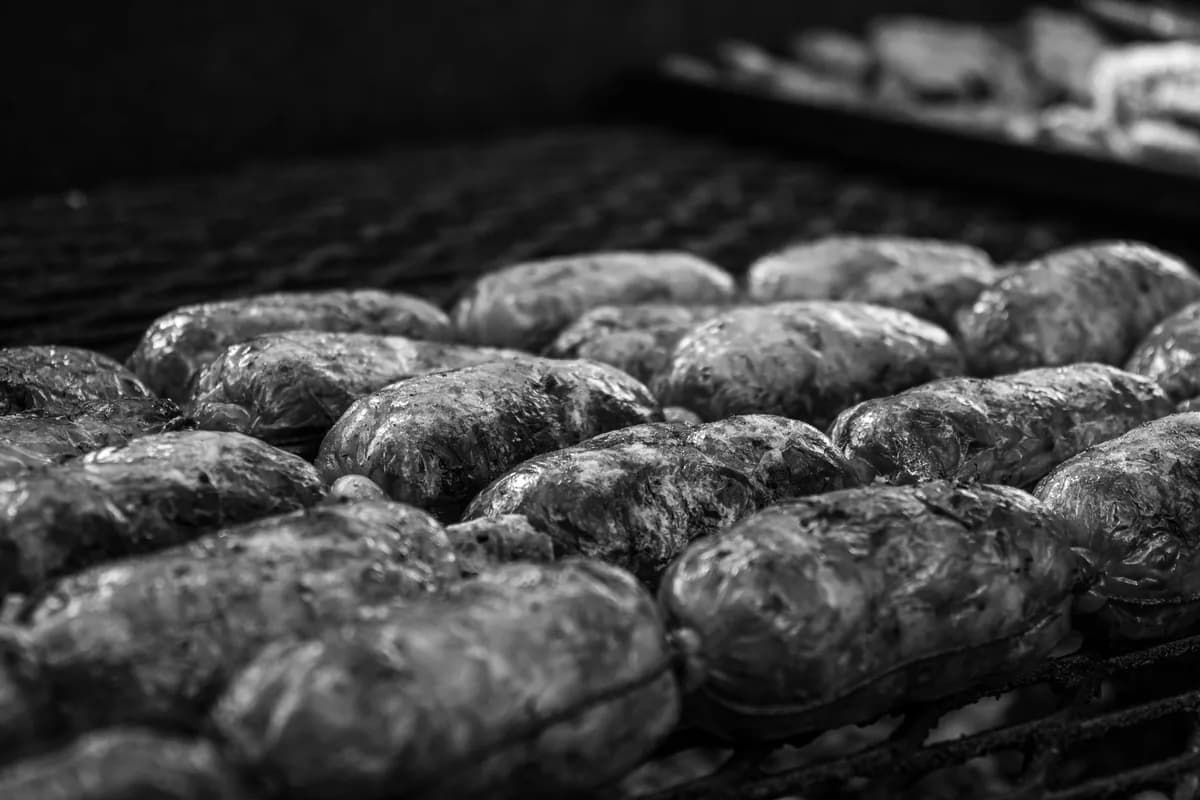
The food is hearty and cheap: sarmale (stuffed cabbage rolls), mămăligă (polenta), grilled mici sausages, and excellent, underrated wine. A rental car, the best way to see the country, is inexpensive, fuel is cheaper than in the West, and even the castles and museums charge modest entry. Add genuinely warm hospitality and a near-total absence of the crowds that plague Prague or Vienna, and Romania is the rare European destination that feels like a discovery rather than a checklist.
Visa & Entry
Do you need a visa for Romania?
93 countries enter Romania visa-free. Check the full requirements for your passport →
FAQ
Romania — your questions
WorldCurio Editorial
Travel writers who plan trips the way locals would, grounded in what actually works on the ground. Visa and entry rules are cross-checked against the latest passport-index data, and climate figures use the Open-Meteo historical archive. Last reviewed June 2026. Always confirm visa and safety details with official sources before booking.
Keep exploring